Aomori Local Trains: Tsugaru Railway Stove Train, Gono Line, More
This guide is translated from the Japanese edition. Read the Japanese edition
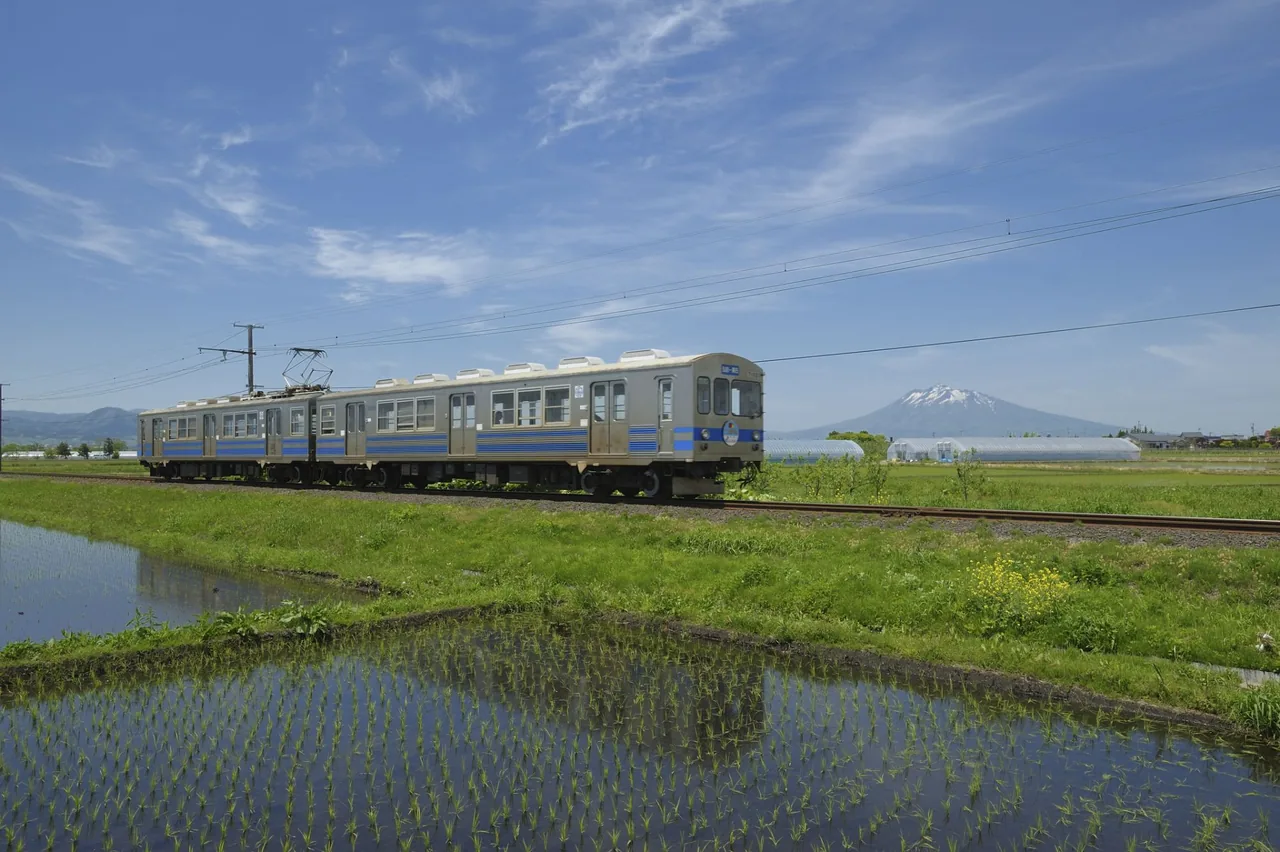
Aomori local trains to ride: the Tsugaru Railway stove train and wind-chime train, the coastal Gono Line, Konan Railway, a preserved rail bus and Aoimori Railway.
A passenger car with a pot-bellied stove on board rolls slowly across the snowy Tsugaru Plain. Aomori's local lines have seasonal specialty trains, stations that are sights in themselves, and a railcar kept in running order long after its line closed. These are routes worth a trip just to ride, with when they run and how to check before you go.
Tsugaru Railway: The Winter Stove Train and the Summer Wind-Chime Train
The Tsugaru Railway is a private line between Tsugaru-Goshogawara Station in Goshogawara and Tsugaru-Nakasato Station to the north. Its winter specialty is the Stove Train, whose passenger cars are heated by coal fed into pot-bellied stoves.
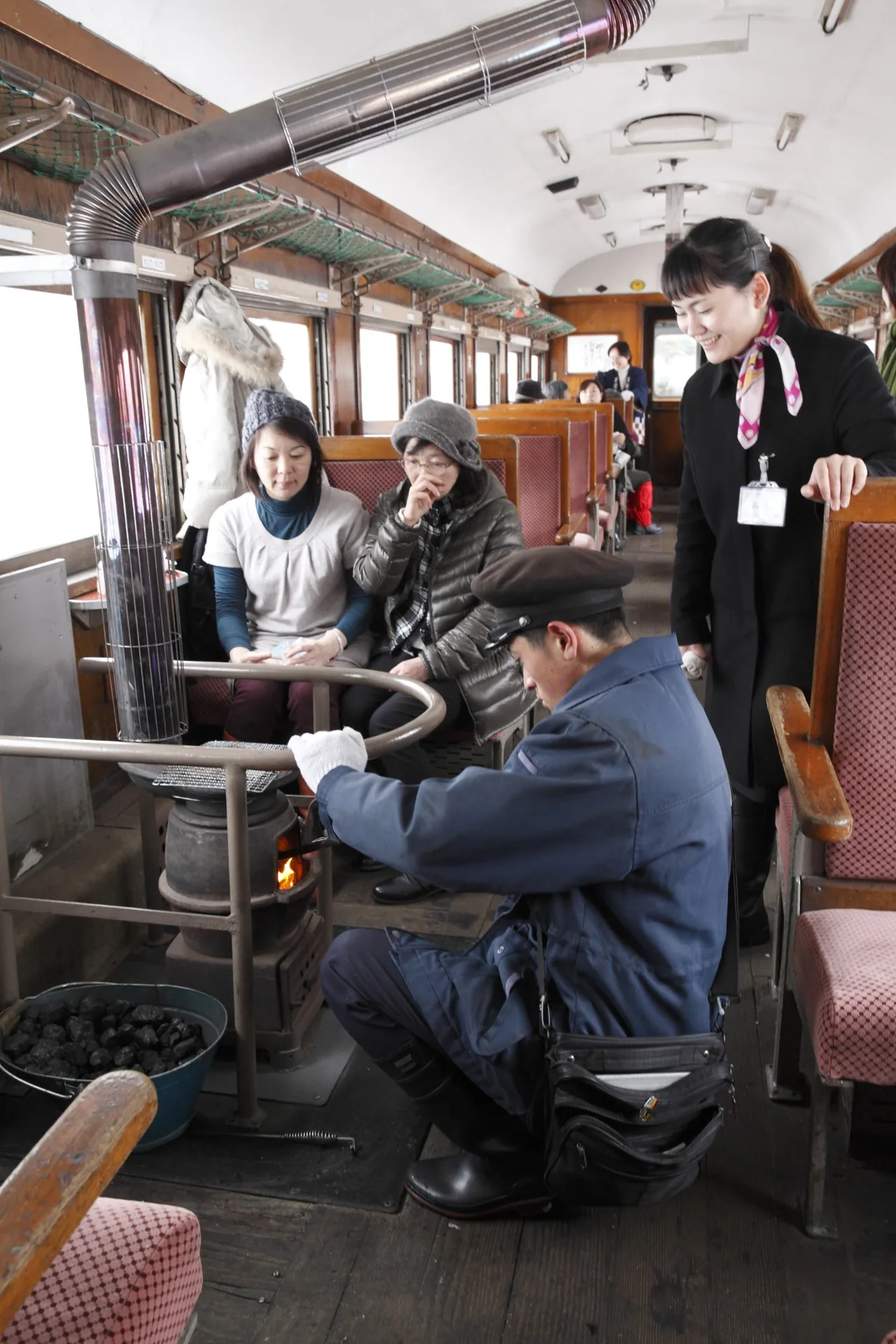
It usually runs from December 1 to March 31. You need a stove train ticket in addition to a regular fare ticket, and not every train has a stove car. In the winter of fiscal 2025, the stove train's passenger cars stopped running after a train problem on December 29. For April 18–26, 2026, the railway announced three round trips a day with the old passenger cars (the stove train) for the busy season at Ashino Park along the line. The railway has announced that the winter stove train will run again from December 1, 2026. Check the operating days and departures on the stove train page and in the Tsugaru Railway's news before you make plans.
Other seasons have their own specialty trains. From July 1 to August 31, the Furin (wind-chime) Train runs with Tsugaru Kanayama ware wind chimes hanging in the cars. From September 1 to mid-October, the Suzumushi (bell cricket) Train carries cages of crickets raised by station staff (the end date depends on how the crickets are doing). Tsugaru Kanayama ware, used for the wind chimes, is covered in our Aomori traditional crafts guide.
From Kanagi Station on the line, it is about a 7-minute walk to Shayokan, the birthplace of the writer Dazai Osamu. For getting around Tsugaru in winter, see our Aomori winter guide.
Gono Line: The Coastal Line and Kizukuri Station
The JR Gono Line runs 147.2 km between Kawabe Station in Aomori Prefecture and Higashi-Noshiro Station in Akita Prefecture. About 80 km of it follows the Sea of Japan coast, and trains slow down at the most scenic spots. 2026 marks 90 years since the whole line opened. The Resort Shirakami sightseeing train also runs between Akita and Aomori stations via the Gono Line (JR East information).
Kizukuri Station in Tsugaru City is a sight in itself. A large figure modeled on the "goggle-eyed" shakoki dogu clay figurine found at the nearby Kamegaoka Stone Age Site is attached to the station building, and locals call it Shako-chan.
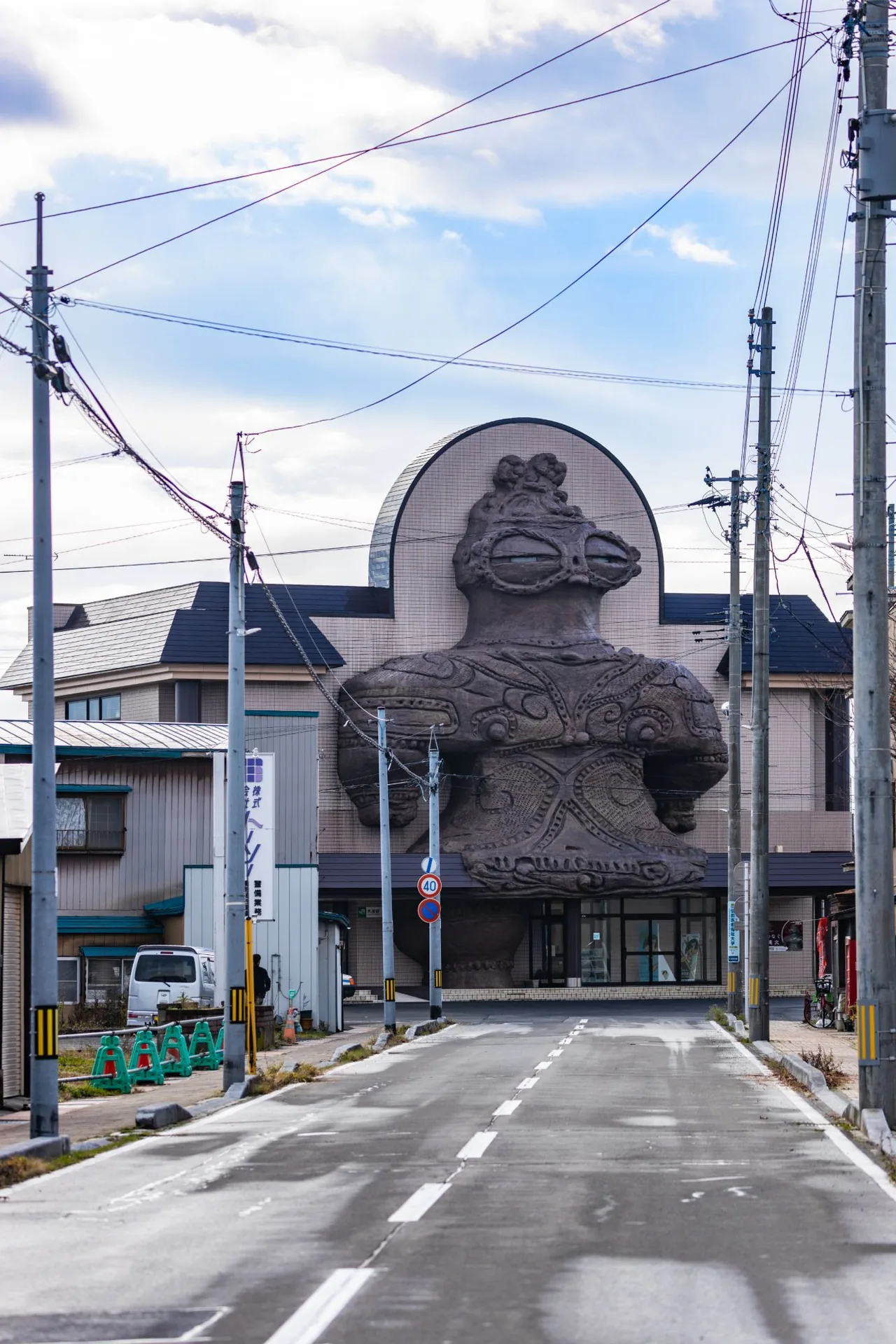
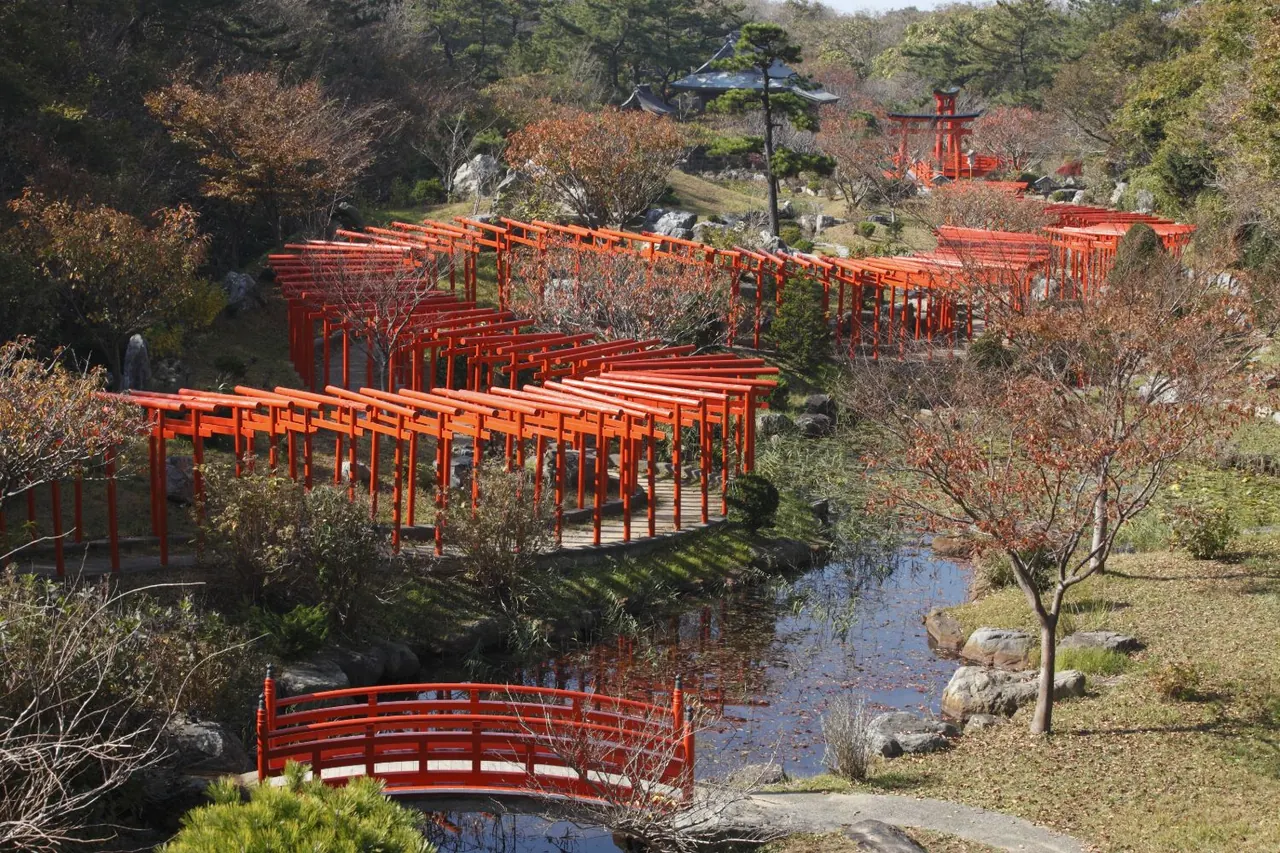
About a 15-minute walk from Kizukuri Station, the Tsugaru City Jomon Dwelling Museum (Carco) displays artifacts from sites in the city. For the sites themselves, see our Aomori Jomon sites guide. Takayama Inari Shrine, about 30 minutes by car from Kizukuri Station, and Juniko, reached by bus from Juniko Station on the Gono Line, are also along this route.
Konan Railway: Two Lines from Hirosaki and a Winter Snowplow
The Konan Railway is a private railway with two lines based in Hirosaki. The Konan Line connects Hirosaki and Kuroishi stations, and the Owani Line connects Chuo-Hirosaki and Owani stations.
In winter, the Konan Line relies on the Russell snowplow car Ki 104, built in 1929 (Showa 4) at the national railways' Naebo Works. It came to the Konan Railway in 1968 and is still kept at Kuroishi Station; in winter it is pushed by the electric locomotive ED333 to clear snow between Hirosaki and Kuroishi. For safety reasons, its snow-clearing schedule is not made public. In some years, tours to ride the snowplow have been organized, so keep an eye on the Konan Railway's news if you are interested.
Because of falling ridership, the Owani Line is set to suspend service after its last day of operation on March 31, 2028 (Konan Railway announcement). The Tsugaru Denshō Kōgeikan crafts center, reachable by bus from Kuroishi Station, is described in our traditional crafts guide.
The Former Nanbu Jukan Railway Rail Bus: A Working Railcar in Shichinohe
At the former Shichinohe Station in Shichinohe Town, the small railcars known as rail buses that once ran on the Nanbu Jukan Railway are still kept. The railway closed in 2002 (Heisei 14), but the Nanbu Jukan Rail Bus Fan Club has continued to preserve the cars, and the town describes them as the only rail buses in Japan preserved in running order.
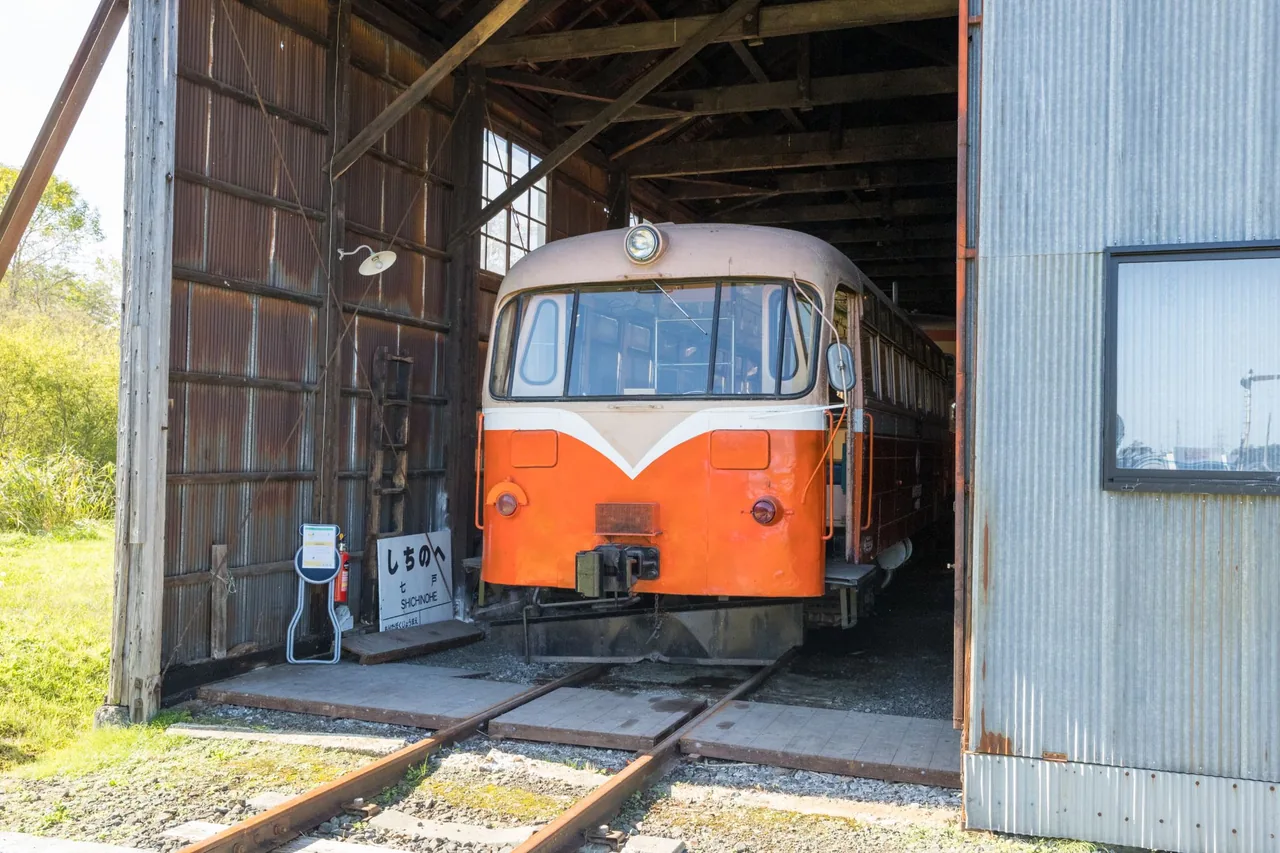
During the early-May holidays, the "Play with the Rail Bus" event is held in the former Shichinohe Station yard, and in 2025 visitors could ride the rail bus on May 4 and 5 (Shichinohe Town article). For regular viewing and upcoming events, check announcements from Shichinohe Town and the fan club.
Aoimori Railway: The Prefecture's Line Between Hachinohe and Aomori
The Aoimori Railway runs 121.9 km from Metoki Station to Aomori Station. It was once part of the JR Tohoku Main Line and was separated from JR as the Tohoku Shinkansen was extended, opening between Metoki and Hachinohe in 2002 and between Hachinohe and Aomori in 2010. Aomori Prefecture owns the tracks and stations, and Aoimori Railway Co. runs the trains.
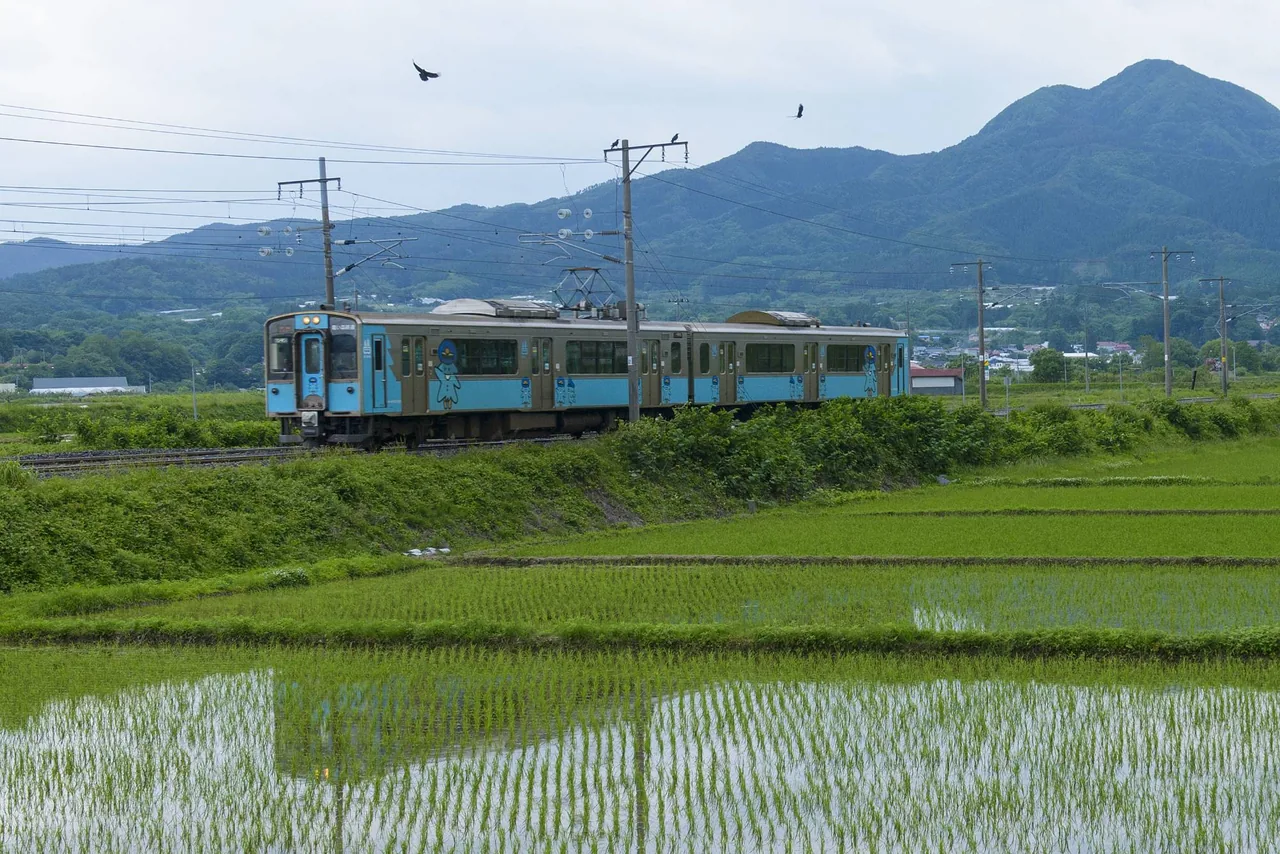
It is the line to take between Hachinohe and Aomori if you are not using the shinkansen. For exploring Hachinohe, see our Hachinohe travel guide.
Before You Ride
- Once you know which train you want to ride, check the latest timetable on the operator's official website and plan your return train too.
- Specialty and sightseeing trains run only on certain days and departures. For the Tsugaru Railway stove train and the Resort Shirakami, check that year's operating days in the official announcements.
- In winter, heavy snow and strong winds can delay or stop trains. Leave plenty of time before a return flight or shinkansen.
- More travel information on Aomori Prefecture is on the official tourism site Amazing AOMORI.