Ehime Food Guide: Taimeshi, Jakoten, Mikan and Matsuyama Sweets
This guide is translated from the Japanese edition. Read the Japanese edition
Ehime food to try: two kinds of taimeshi sea bream rice, jakoten fish cakes, mikan citrus and juice, Botchan dango, taruto, goshiki somen, Matsuyama-zushi and fuguzaku.
Order "taimeshi" (sea bream rice) in Ehime, and what arrives depends entirely on which town you are in. Facing two seas, the Seto Inland Sea and the Uwa Sea, Ehime has plenty of fish dishes, starting with sea bream, and citrus groves cover its hillsides. The castle town of Matsuyama also keeps sweets linked to Meiji-era literature.
Two kinds of taimeshi: cooked with the rice, or raw in Uwajima
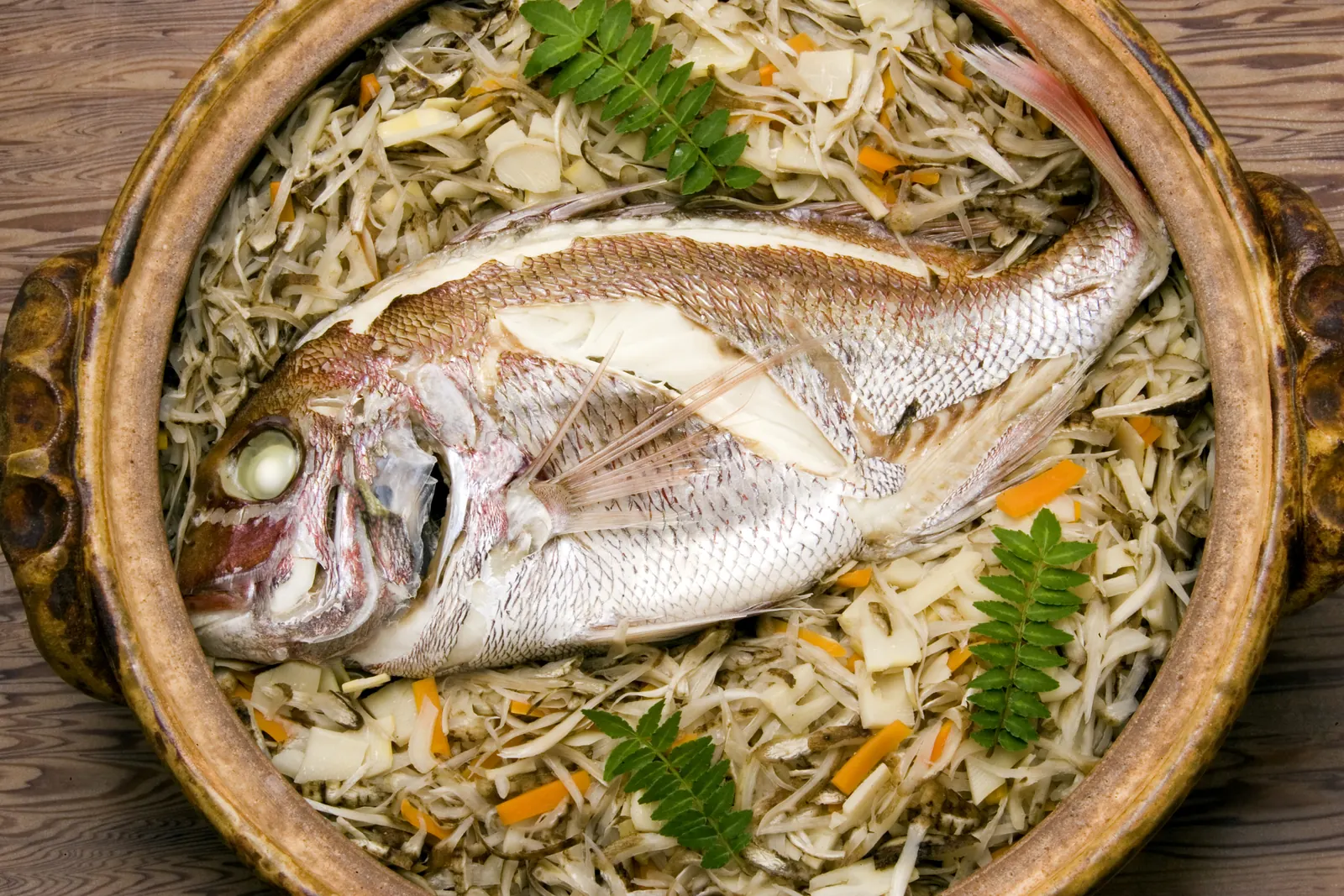
Ehime's taimeshi comes in two main styles. One is sea bream cooked together with rice. It has mainly been eaten around Imabari and the Hojo district of Matsuyama. A whole sea bream is placed on the rice in a pot and cooked, then the flesh is flaked and mixed into the rice.
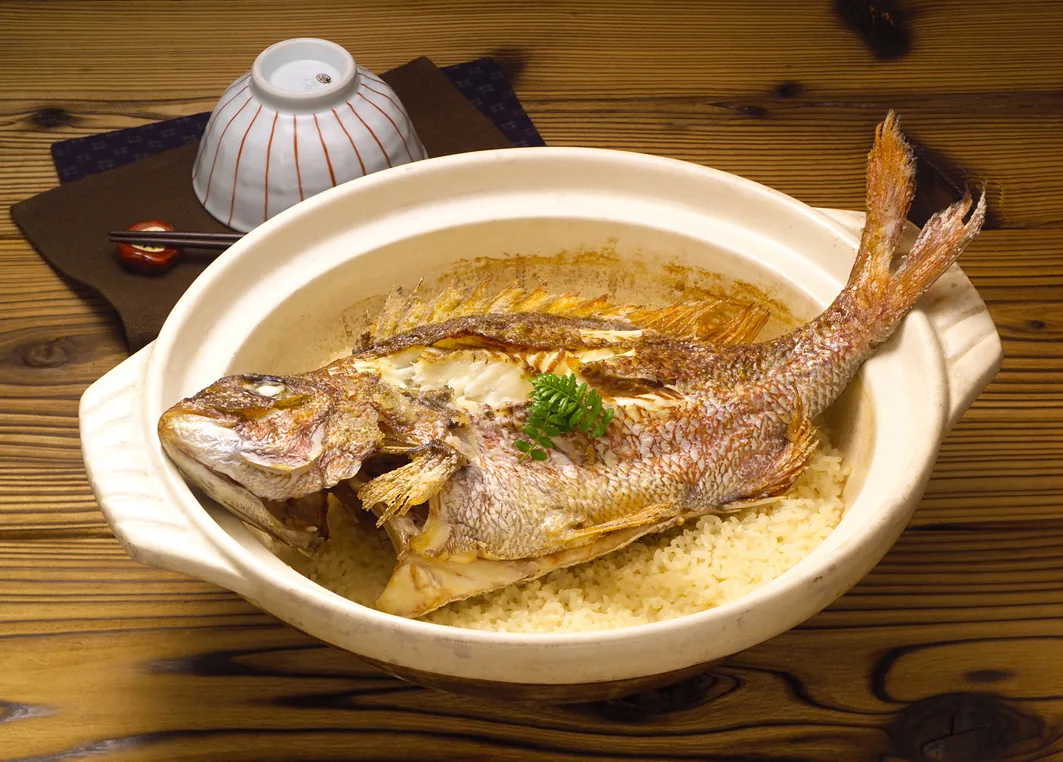
Photo: Ehime Prefectural Tourism & Local Products Association
The other is "Uwajima taimeshi," eaten in Uwajima in Nanyo, the southern part of the prefecture. Nothing is cooked: slices of raw sea bream are coated in a sauce of soy sauce, mirin, egg, sesame and other ingredients, then placed on hot rice.
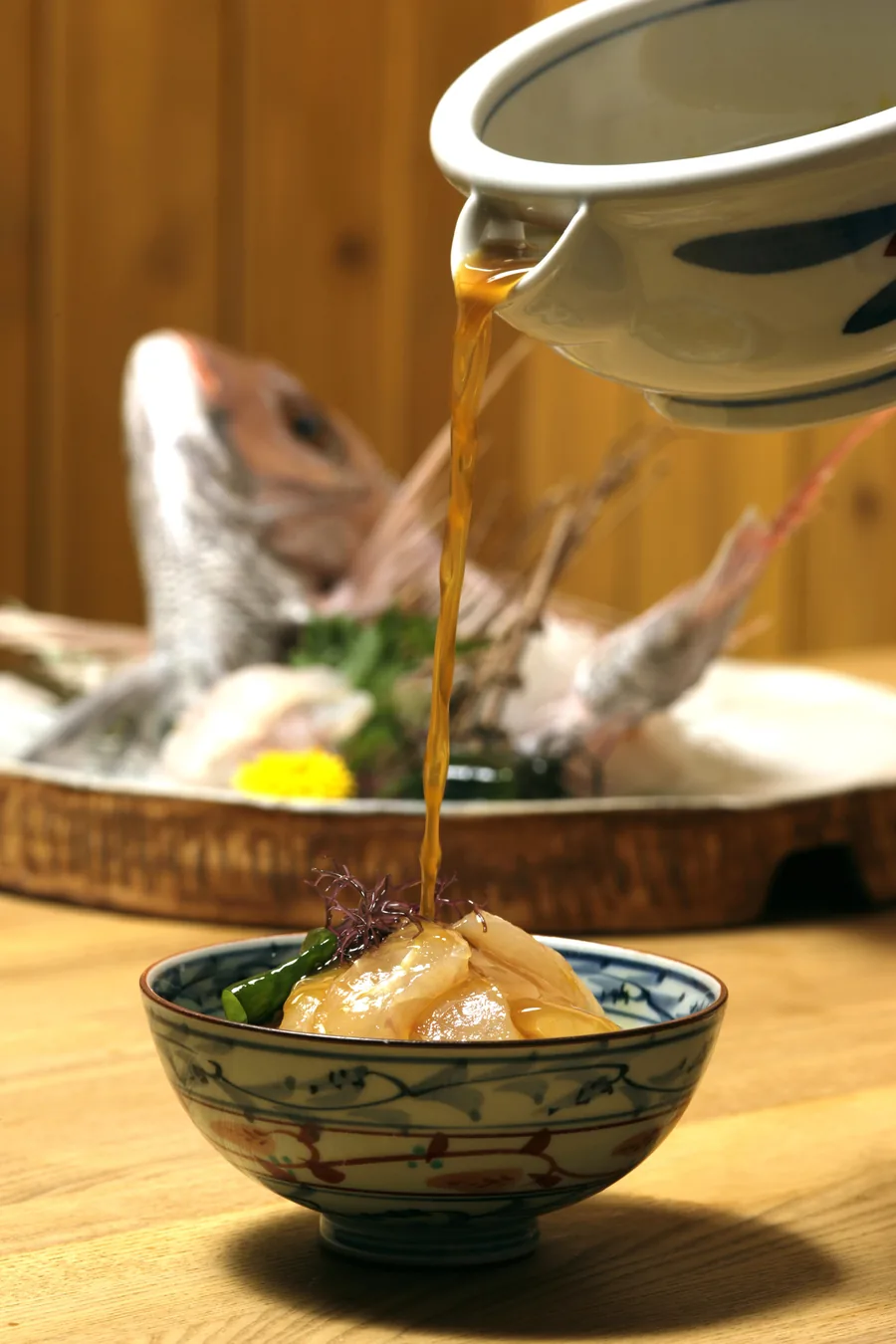
Photo: Ehime Prefectural Tourism & Local Products Association
Uwajima taimeshi was chosen for the Ministry of Agriculture, Forestry and Fisheries' "100 Best Local Dishes." Both styles are served at restaurants in Matsuyama, Dogo and Uwajima, so you can try one of each as you travel.
Jakoten: Uwajima's fried fish cake made with whole small fish
Jakoten is a fish cake made by grinding small fish from the Uwa Sea, bones and skin included, into a paste and frying it. Like Uwajima taimeshi, it was chosen for the "100 Best Local Dishes."
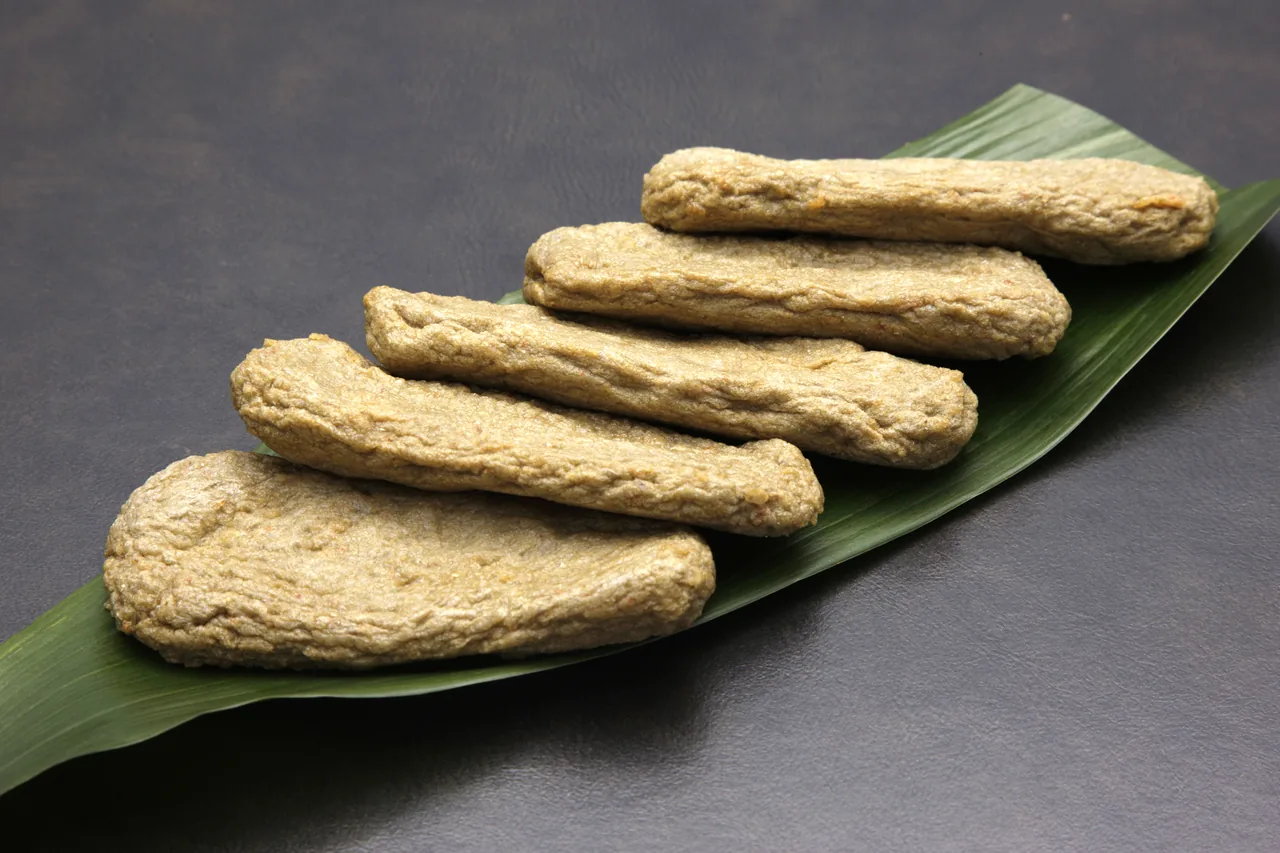
Photo: Ehime Prefectural Tourism & Local Products Association
For more on Uwajima's town and food, see our Uwajima and Nanyo travel guide.
Mikan and citrus: a different variety each season
Ehime is a citrus-growing prefecture. It ranks third in Japan for the harvest of unshu mikan (satsuma mandarin) (2024 harvest), and first in Japan for iyokan and kiyomi by variety (2023 harvest). The season runs from unshu mikan in autumn through Beni Madonna, iyokan, Kanpei and Setoka in winter to Kawachi Bankan in spring and early summer.
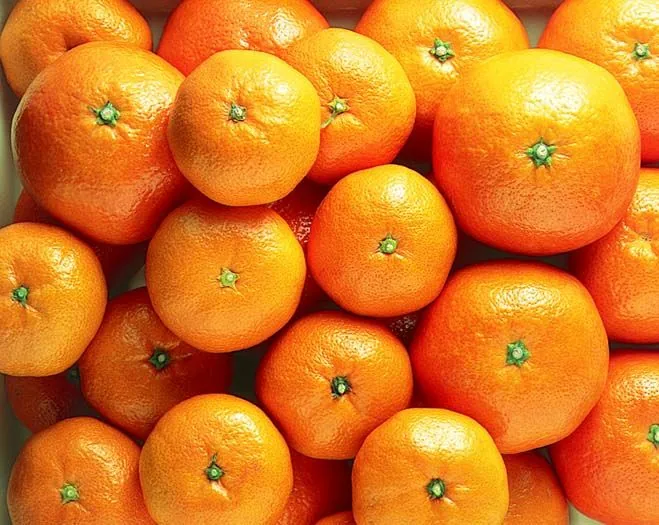
Photo: Ehime Prefectural Tourism & Local Products Association
Beni Madonna is a variety developed by the prefecture, and only fruit that meets standards for sugar content and other criteria is shipped under that name. It appears from around late November, and its season is short. Kanpei is another variety developed by the prefecture and is grown only in Ehime.
Even out of season, you can taste Ehime citrus in juice, jelly, marmalade and other products.
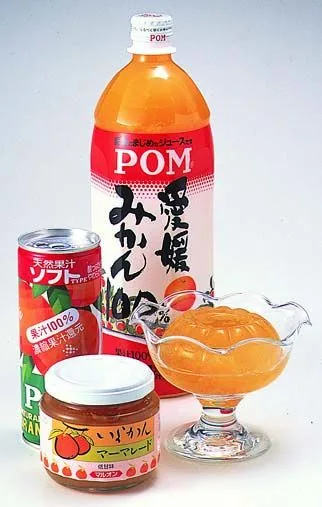
Photo: Ehime Prefectural Tourism & Local Products Association
Botchan dango and taruto: Matsuyama's classic sweets
Botchan dango are skewers of rice dumplings wrapped in sweet paste in three colors. They are named after a scene in Natsume Soseki's novel "Botchan" in which the hero eats dango. Soseki came to Matsuyama in 1895 to teach English at a middle school, and that school is said to be the model for the novel's setting.
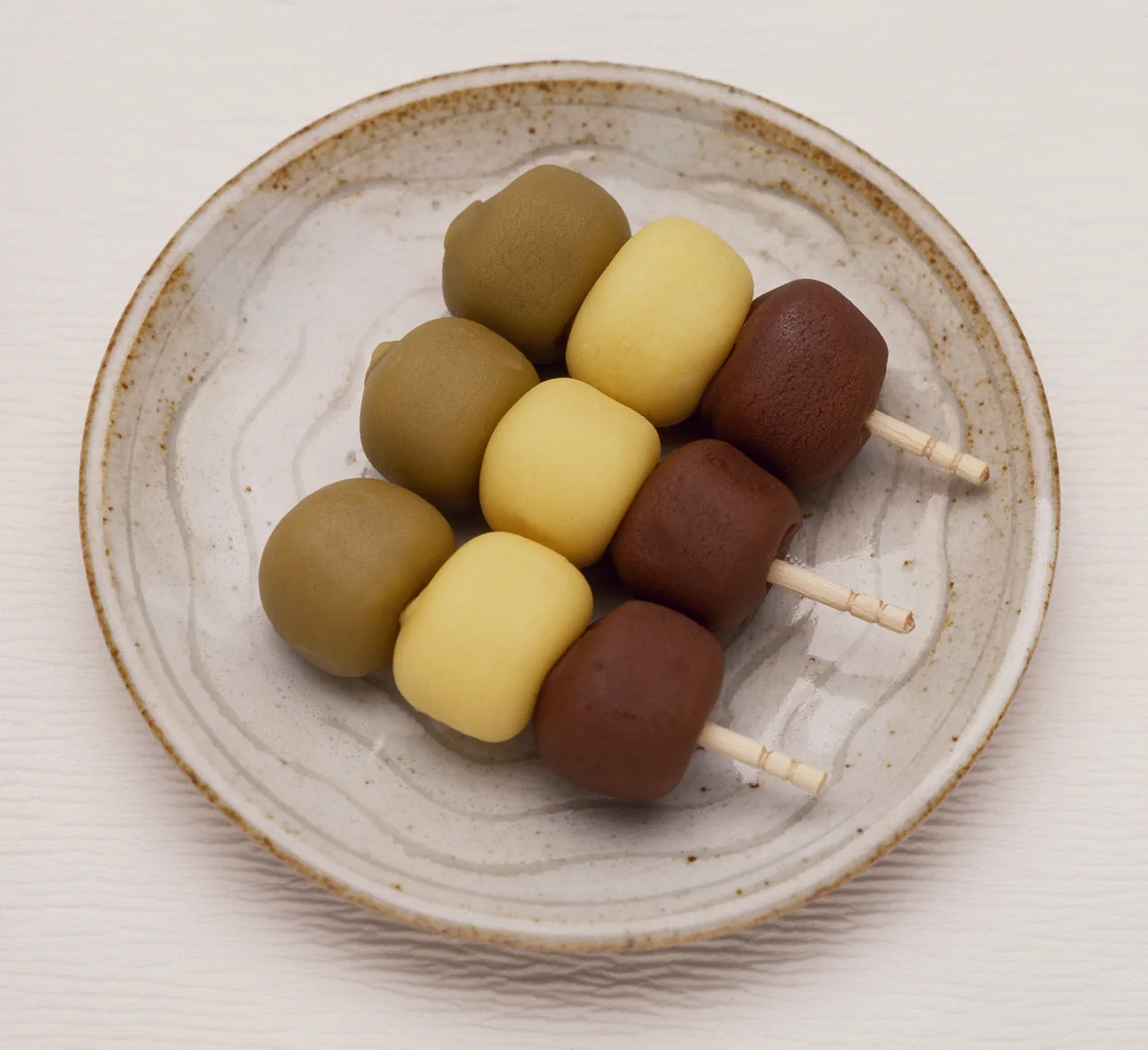
Photo: Ehime Prefectural Tourism & Local Products Association
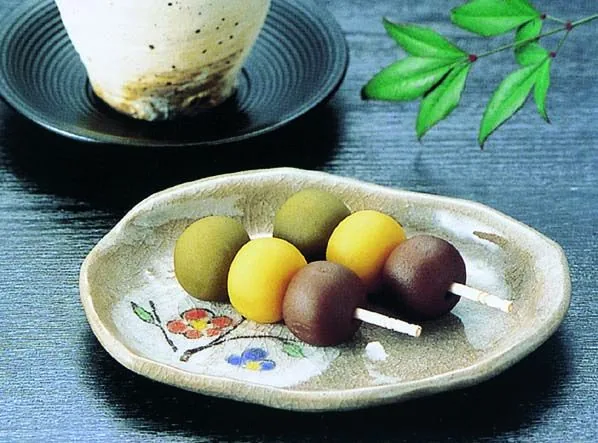
Photo: Ehime Prefectural Tourism & Local Products Association
They are sold in the Dogo Onsen shopping arcade, at Matsuyama Station and at Matsuyama Airport, among other places. After a soak at Dogo Onsen Honkan, browsing the arcade for them is part of the fun.
Taruto is a sweet made by rolling yuzu-scented bean paste in sponge cake. It is said to have started when the method for a Portuguese-style confection was brought back to Matsuyama. The recipe was handed down in the Hisamatsu family, the lords of the Matsuyama domain, and spread to the town's confectioners after the Meiji era.
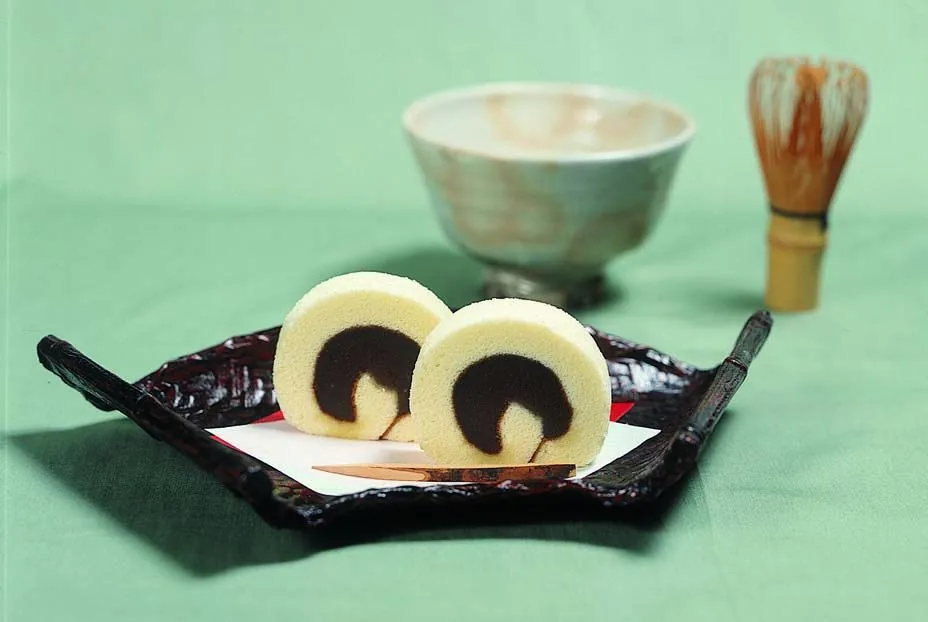
Photo: Ehime Prefectural Tourism & Local Products Association
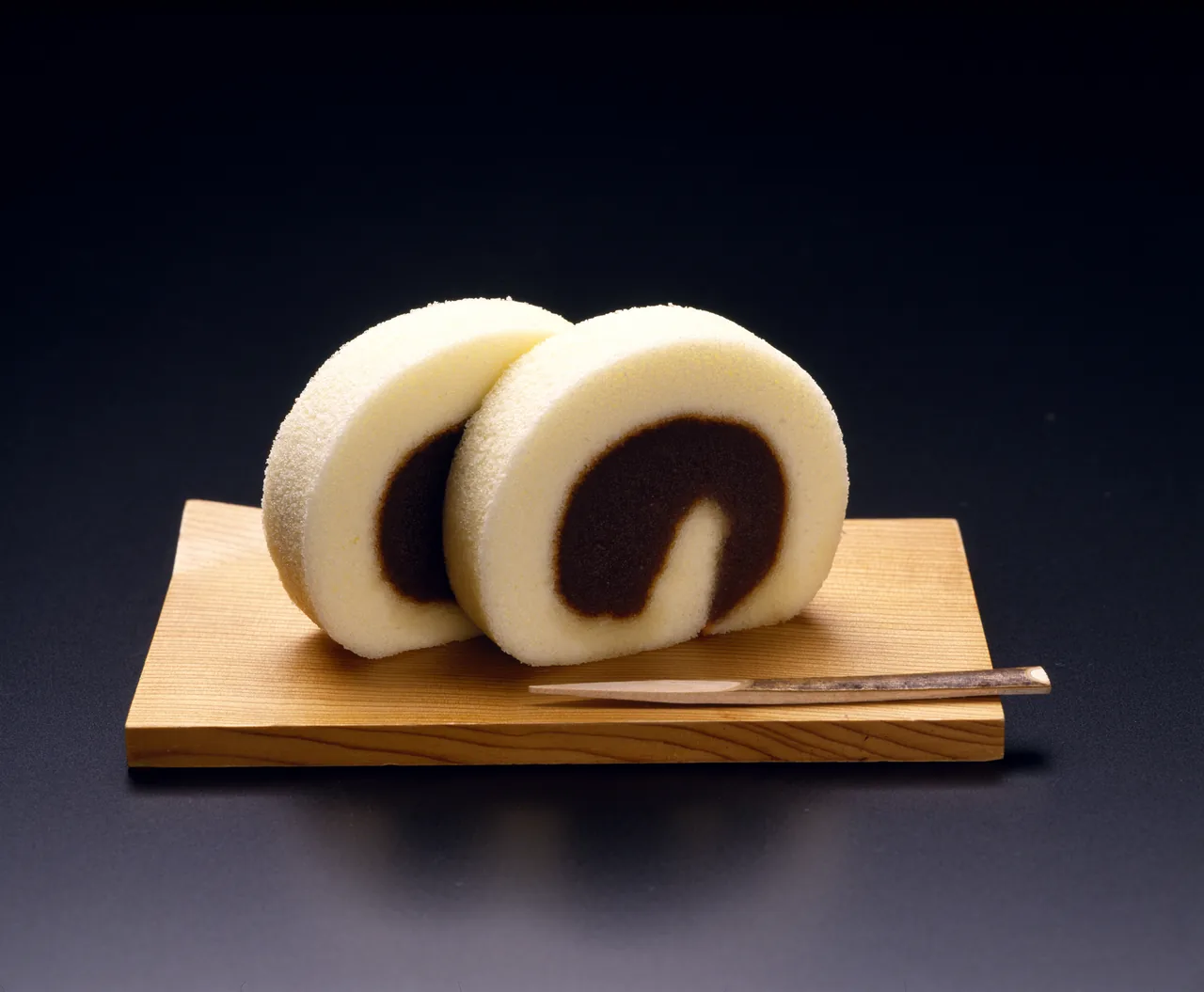
Photo: Ehime Prefectural Tourism & Local Products Association
Besides the yuzu version, there are seasonal taruto made with fillings such as cherry blossom, amanatsu orange or chestnut.
Matsuyama's local dishes: goshiki somen and Matsuyama-zushi
Goshiki somen is a Matsuyama specialty: thin wheat noodles in five colors, including white, which look festive in a bowl. In Matsuyama, these noodles are often used for "tai somen," a celebratory dish of whole simmered sea bream served with somen.
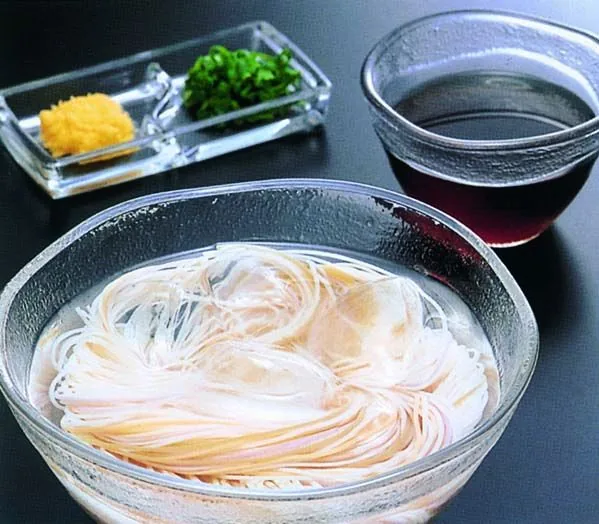
Photo: Ehime Prefectural Tourism & Local Products Association
Matsuyama-zushi is a scattered sushi: rice seasoned with a stock made from small Seto Inland Sea fish and a sweetish vinegar, with seasonal ingredients mixed in. Conger eel is the basic ingredient. In 1892, when Natsume Soseki visited the home of the poet Masaoka Shiki, Shiki's mother is said to have served him Matsuyama-zushi.
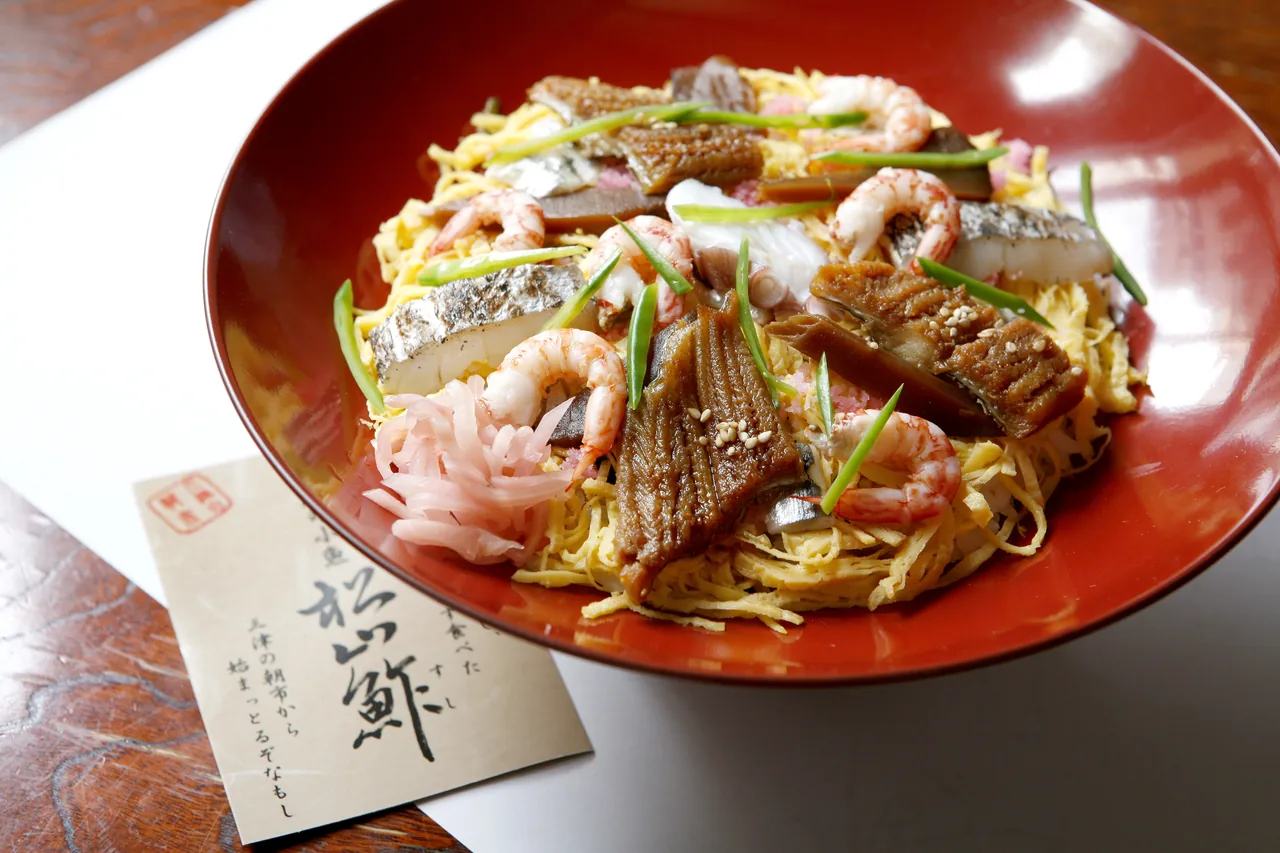
Photo: Ehime Prefectural Tourism & Local Products Association
Fuguzaku: chopped pufferfish flesh and skin
Fuguzaku is pufferfish flesh and skin chopped into small pieces and eaten with ponzu. Unlike thinly sliced sashimi, the chopped fish has a firm, chewy bite.
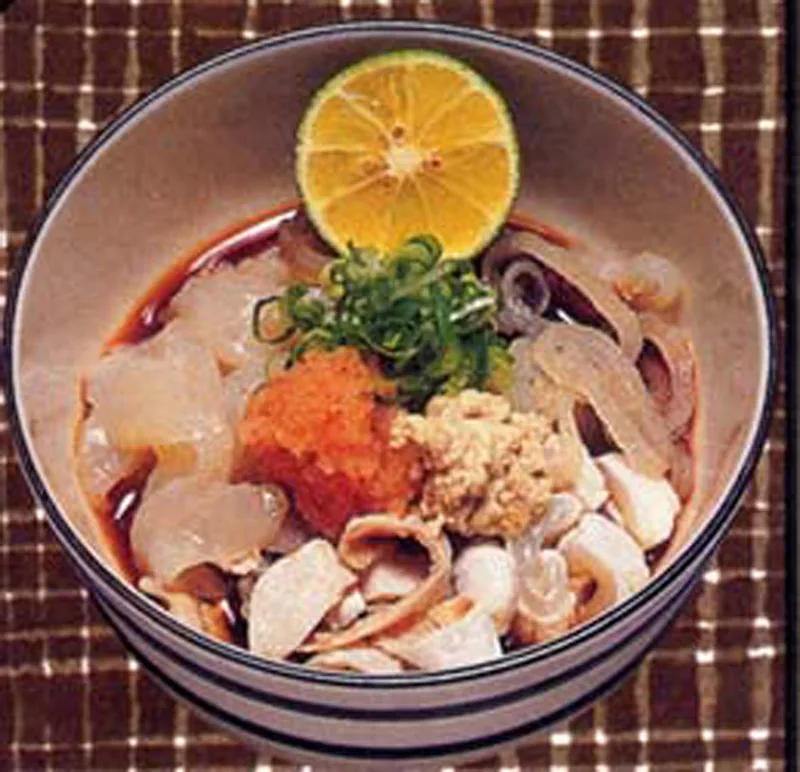
Photo: Ehime Prefectural Tourism & Local Products Association
Not every restaurant serves it, so check with the restaurant before you go.
Where to eat and what to take home
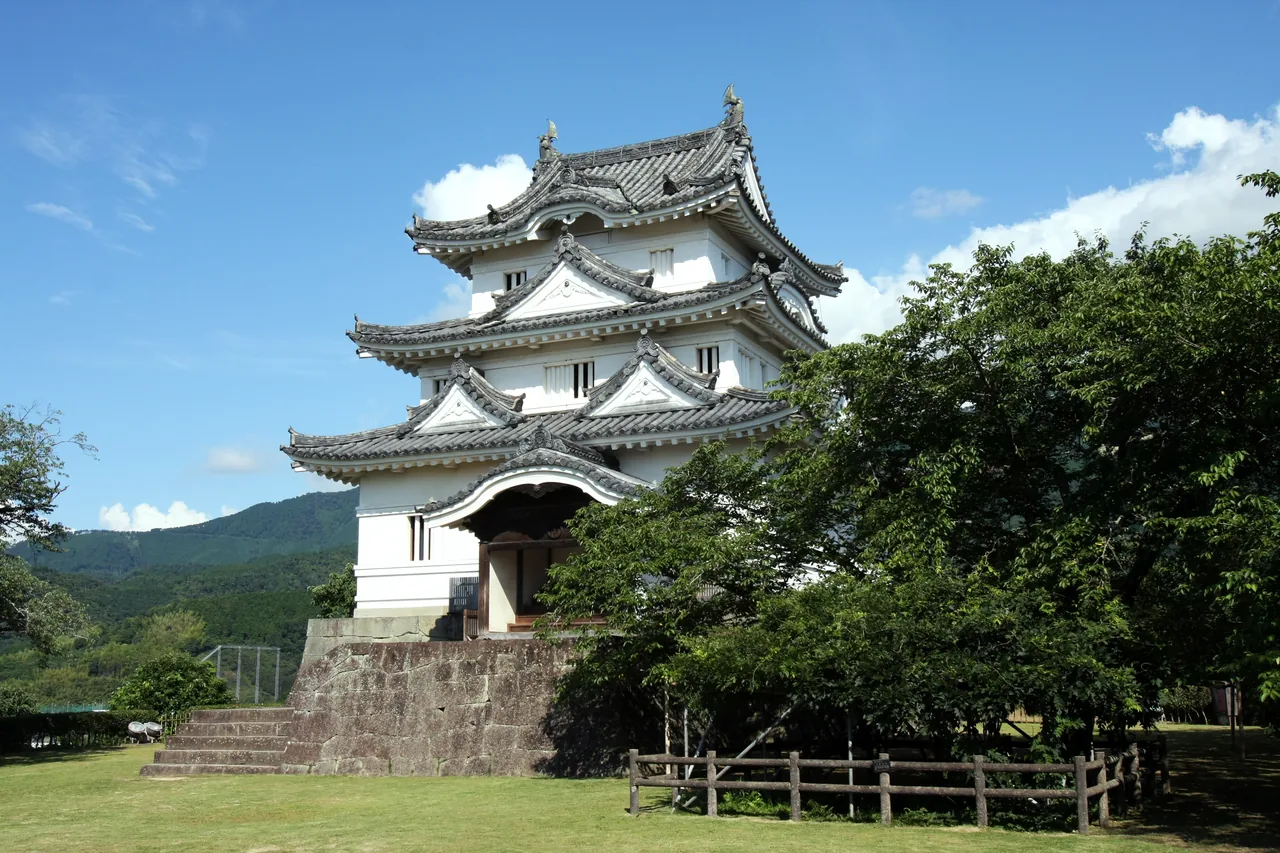
You can also find taimeshi and jakoten at restaurants in central Matsuyama and around Dogo Onsen. For Uwajima taimeshi in its home town, head to Uwajima, home of Uwajima Castle. Limited express trains on the JR Yosan Line run there from Matsuyama.
Sweets such as Botchan dango are sold at Matsuyama Airport, Matsuyama Station and the Dogo shopping arcade. For crafts and other souvenirs, see our guide "Ehime Souvenirs and Crafts". For getting around Matsuyama, see our Matsuyama travel guide.