Shizuoka Shrines: Mishima Taisha, Kinomiya and More
This guide is translated from the Japanese edition. Read the Japanese edition
Shizuoka shrines by area: Kinomiya's giant camphor and Izusan Shrine in Atami, Mishima Taisha, an Inari shrine on lava, and old shrines in Gotemba and Enshu.
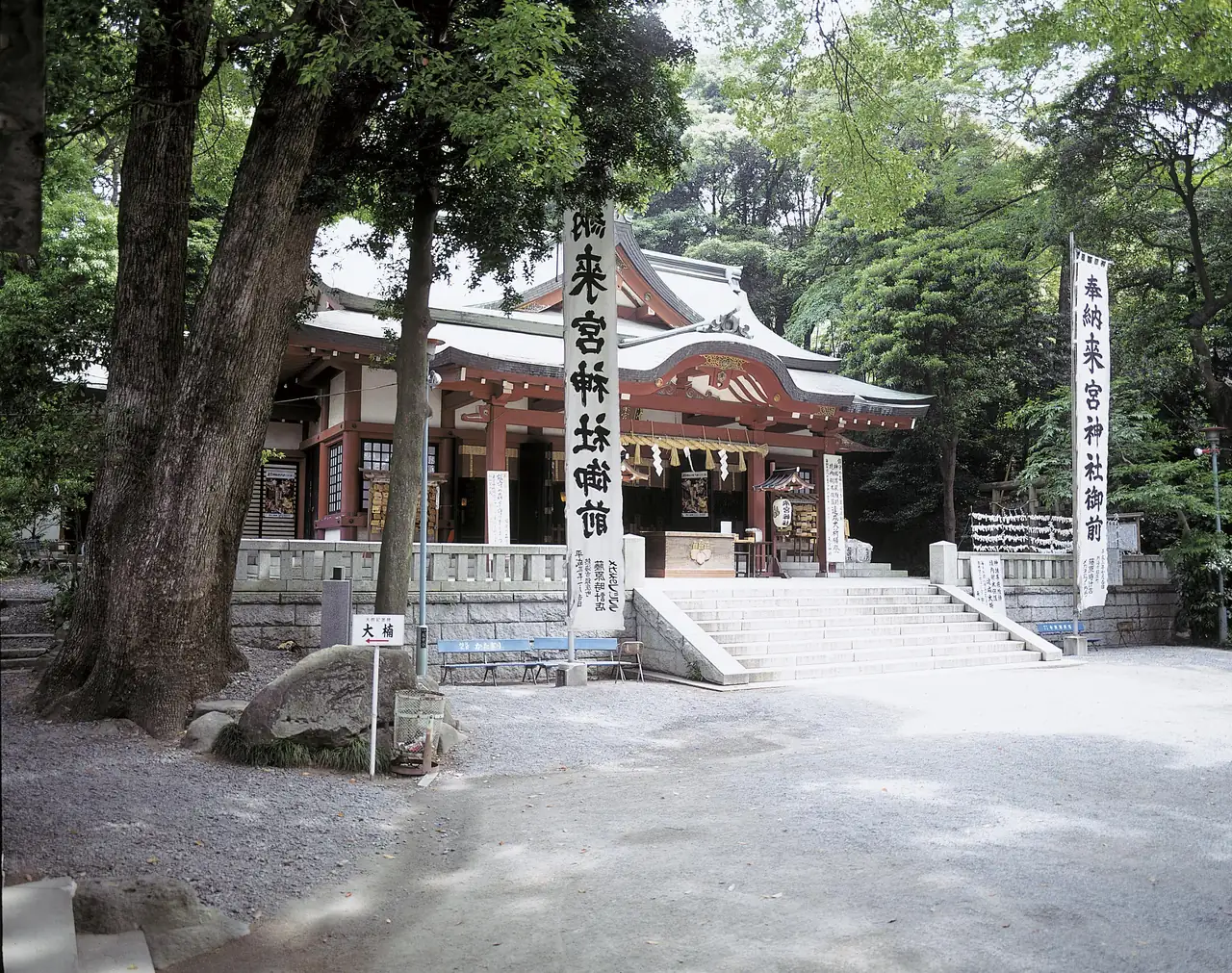
One stop by train from Atami Station, near Kinomiya Station, a camphor tree with a trunk about 24 m around towers at the back of a shrine. Shizuoka Prefecture has shrines all over that are tied to Mt. Fuji, Izu's hot springs and old highways. There's the provincial head shrine where Minamoto no Yoritomo prayed, an Inari shrine built on lava, and a shrine where people offer scissors to cut away bad luck, each showing a piece of local history.
Atami: Kinomiya Shrine's giant camphor and Izusan Shrine
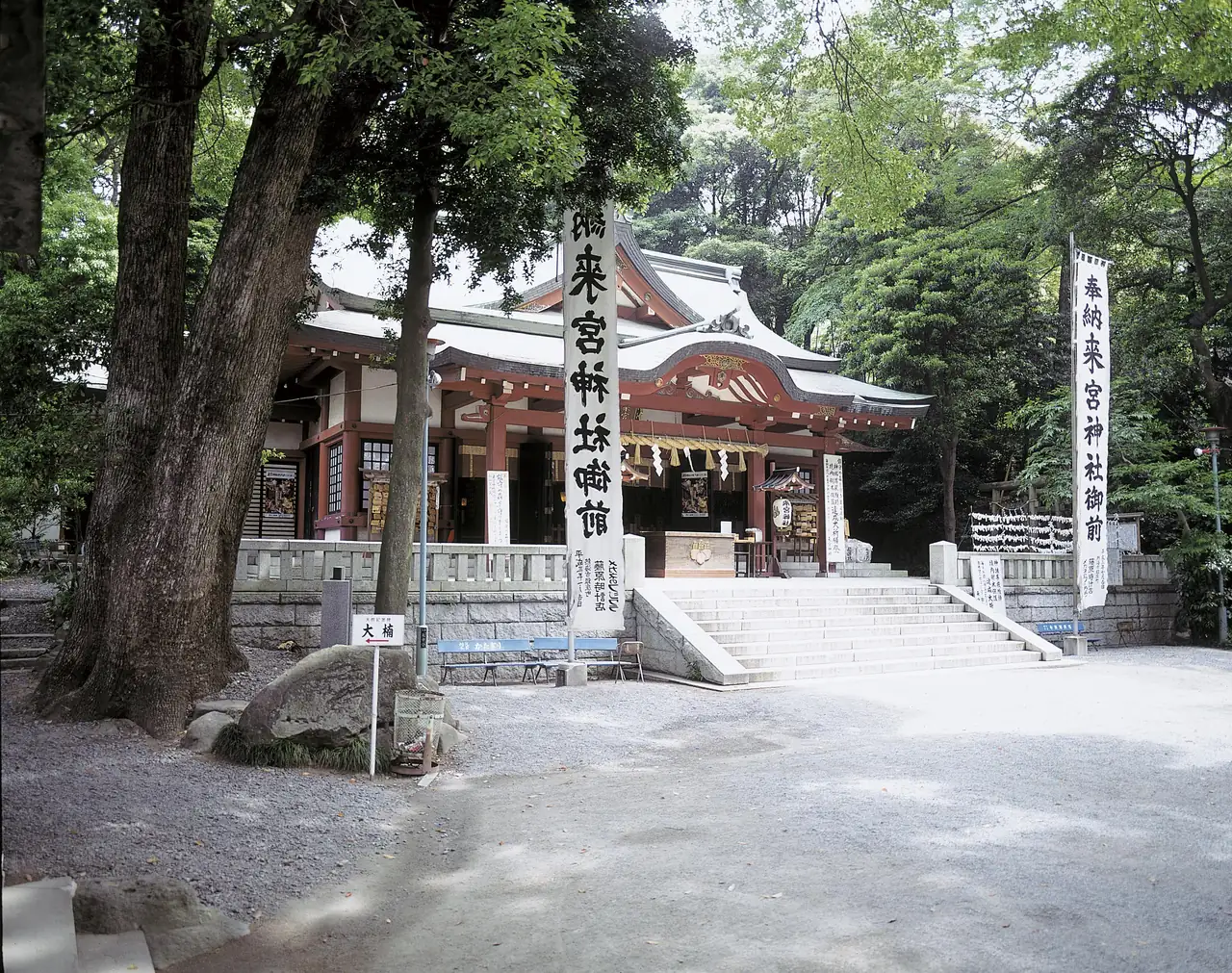
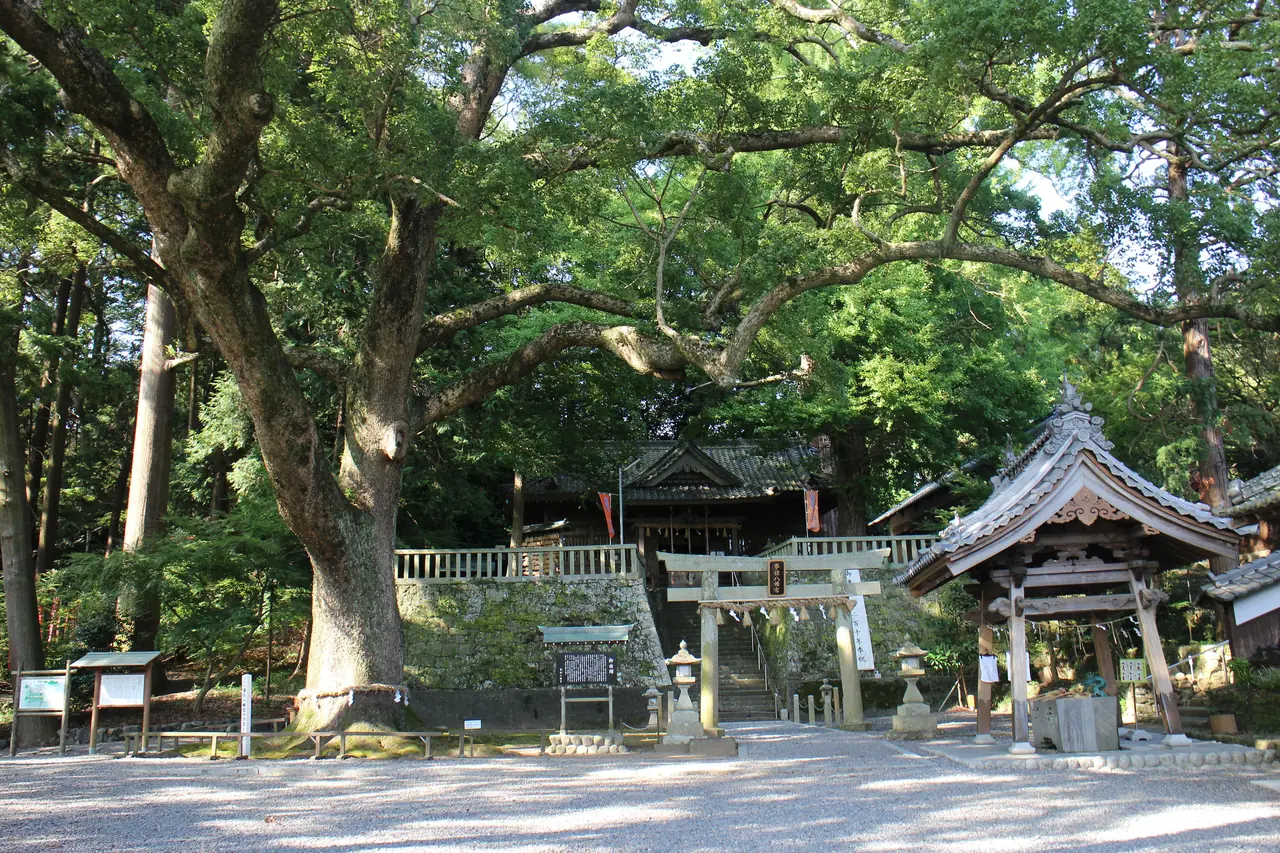
Kinomiya Shrine, about a 5-minute walk from Kinomiya Station on the JR Ito Line, is known for the giant camphor tree at the back of its grounds. It's believed to be over 2,000 years old, its trunk measures about 24 m around, and it's a National Natural Monument. Legend says walking once around the trunk adds a year to your life, and you'll see visitors slowly circling it. Being one stop from Atami Station, it's easy to pair with a walk around Atami.
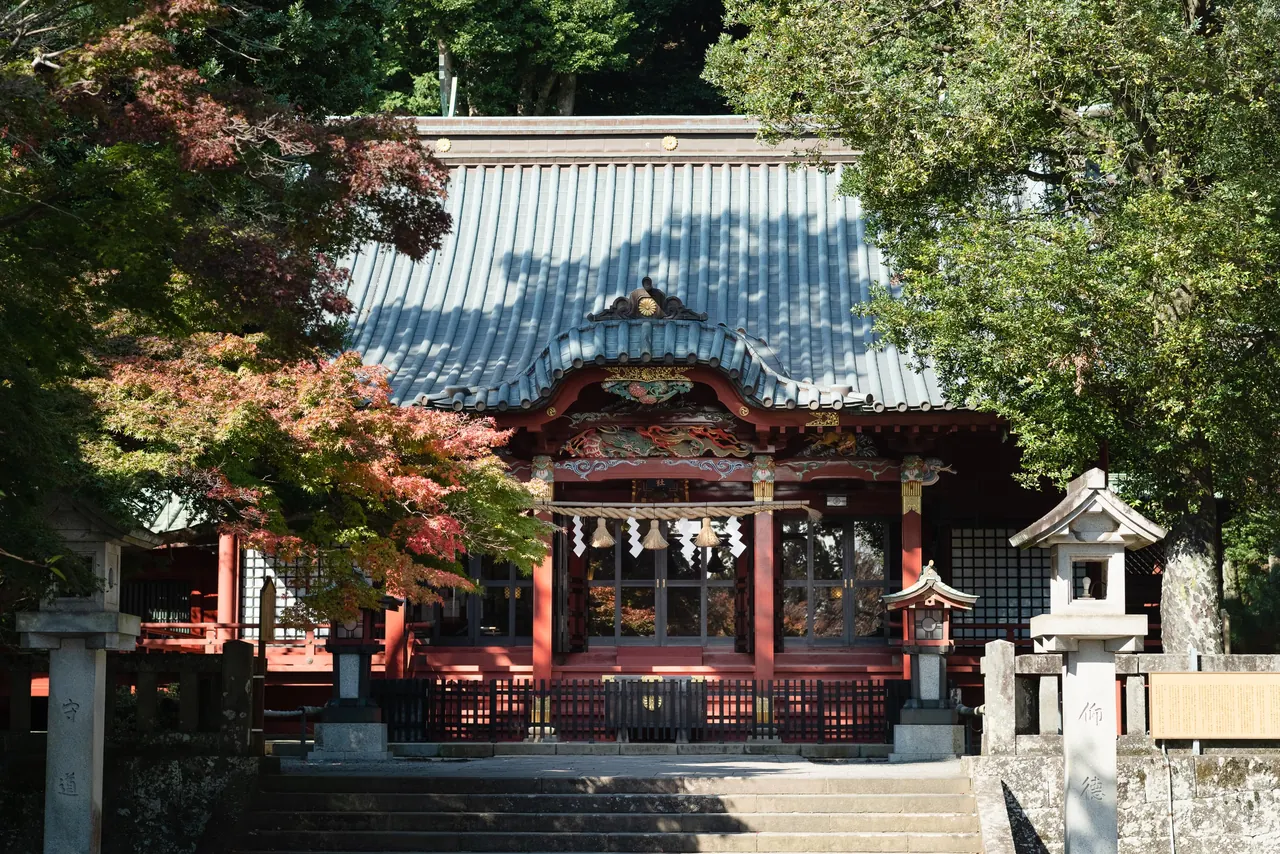
North of central Atami, halfway up Izusan overlooking Sagami Bay, Izusan Shrine is an old shrine once called Izusan Gongen or Sotō Gongen. It's known as the shrine the young Minamoto no Yoritomo worshipped at while in exile in Izu, and its grounds have the "Koshikake-ishi," a stone where Yoritomo and Hojo Masako are said to have sat and talked. Because of the legend that the two fell in love here, many people visit to pray for a good match. It's about 10 minutes by bus from JR Atami Station; get off at "Izusan Jinja-mae" and climb the steps.
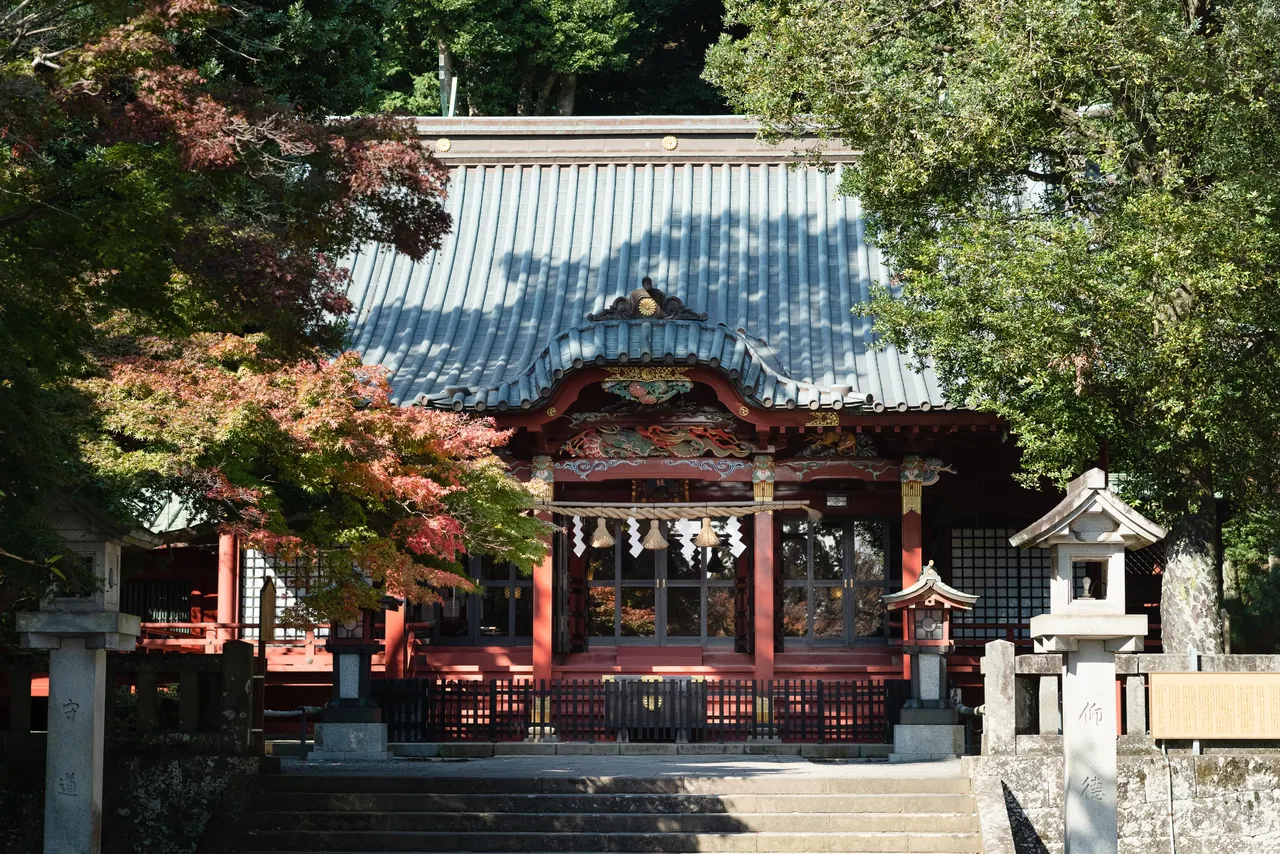
Photo: copyright© Shizuoka Prefectural Tourism Association.
Mishima: Mishima Taisha, Ichinomiya of Izu Province
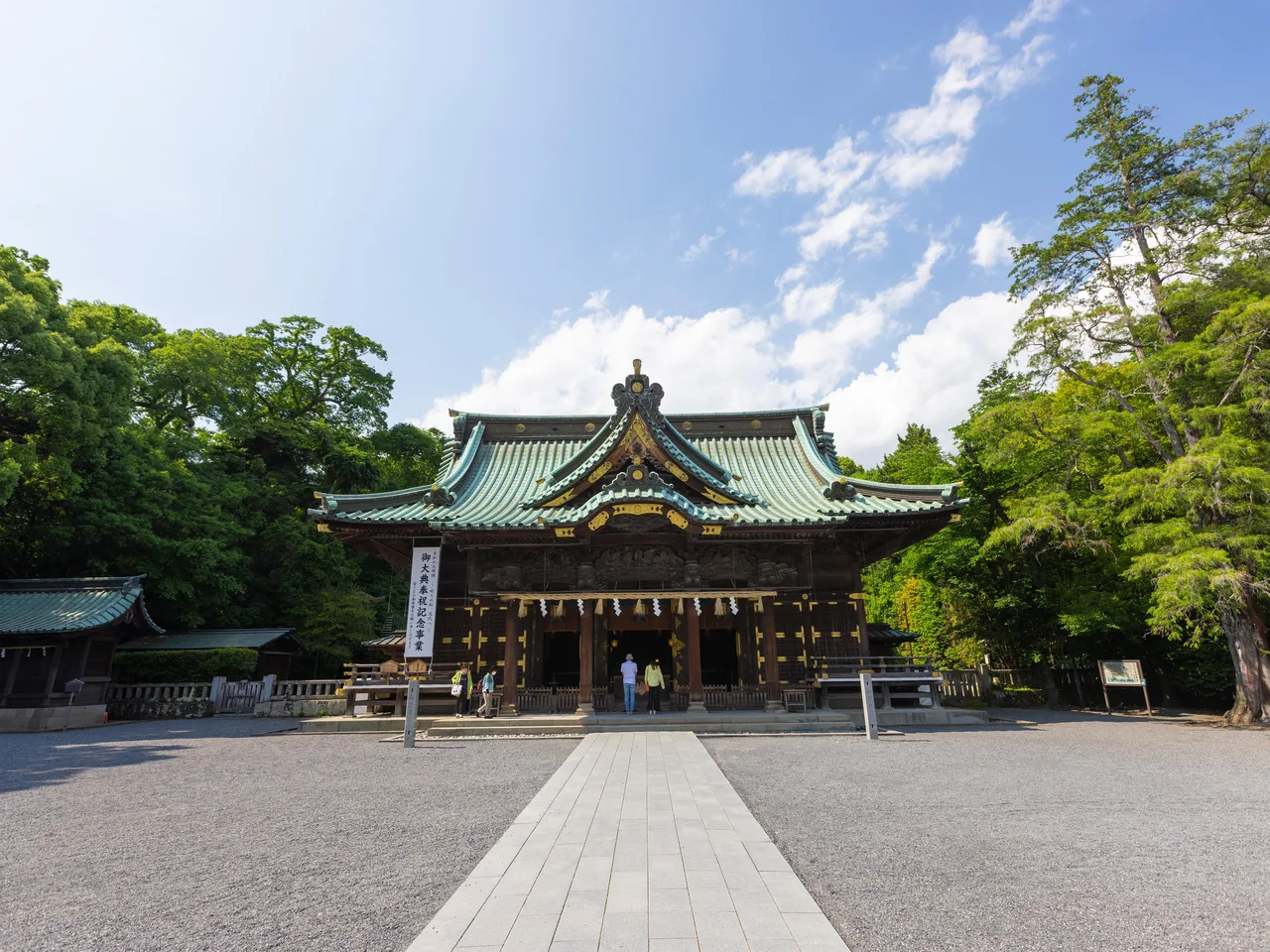
In the middle of Mishima, Mishima Taisha is the Ichinomiya of Izu Province. An Ichinomiya was the highest-ranking shrine in a region. It's known as the shrine where Minamoto no Yoritomo, exiled to Izu at the end of the Heian period, prayed for the revival of the Genji clan, and the grounds still have a "Koshikake-ishi" where he is said to have sat.
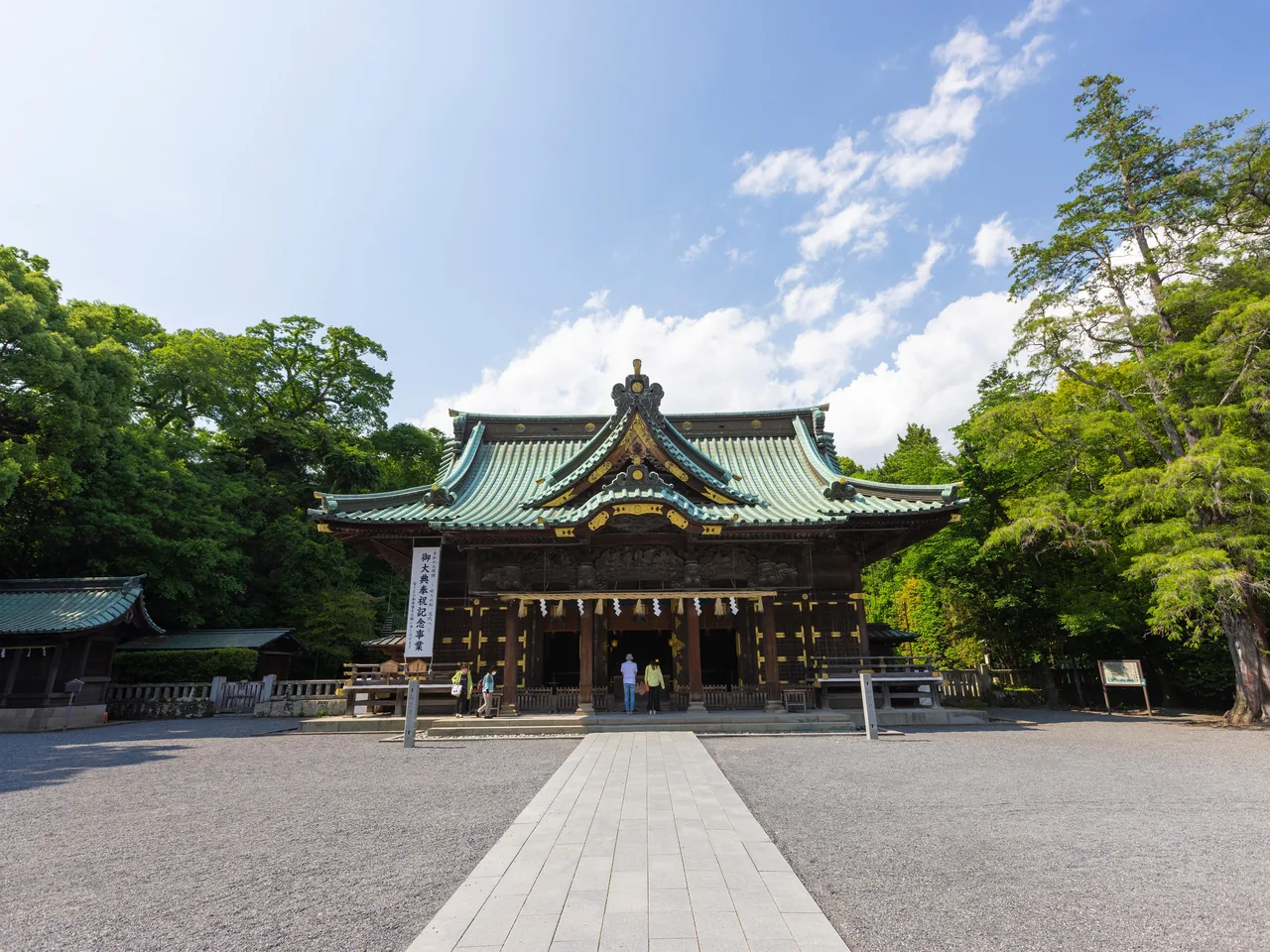
Photo: copyright© Shizuoka Prefectural Tourism Association.
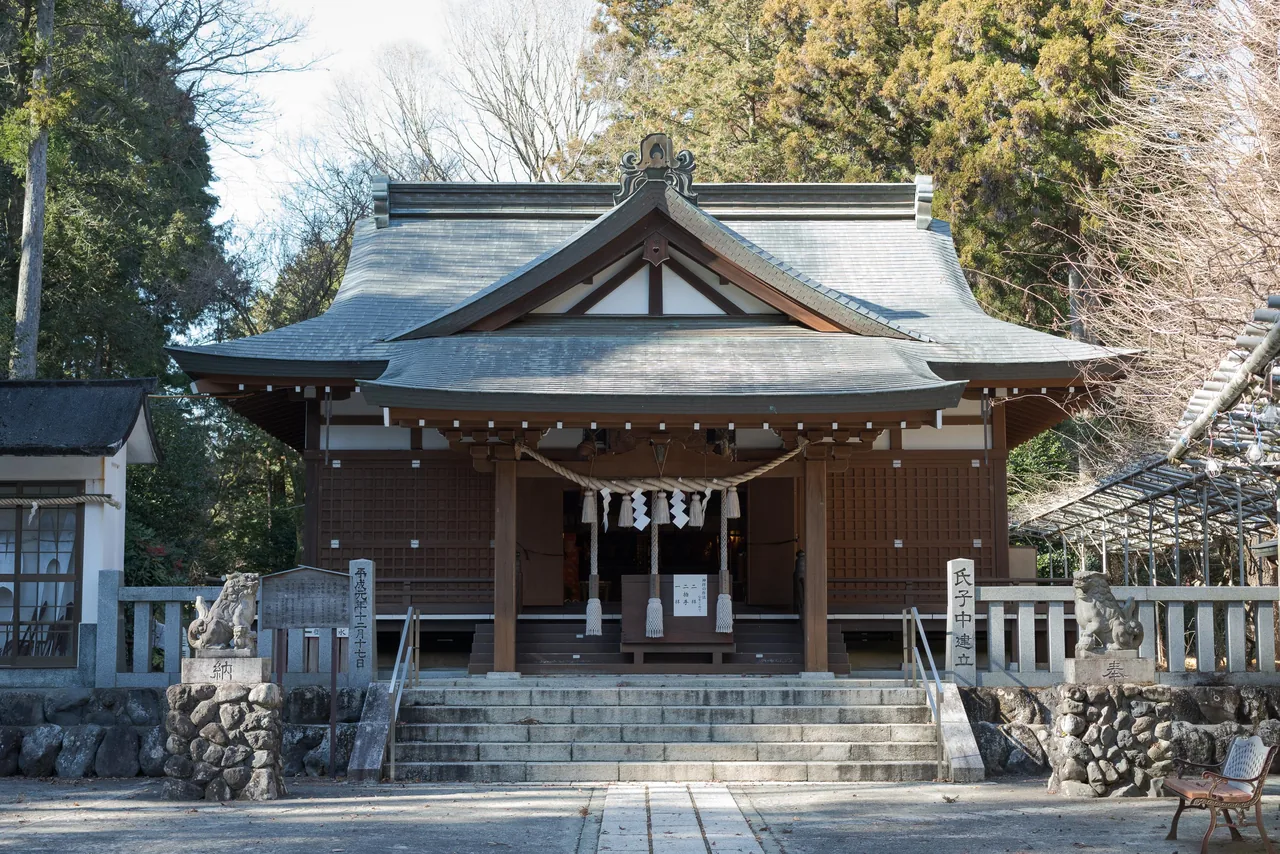
The current shrine building was raised in 1867, and its connected main sanctuary, offering hall and worship hall are an Important Cultural Property. Walk around the side to see the fine carvings covering the eaves and walls up close. The fragrant olive tree in the grounds is a National Natural Monument, and in early autumn its sweet scent drifts down the approach. After your visit, try Fukutaro, the shrine's lucky rice cake, at the teahouse in the grounds. It's about a 15-minute walk from the south exit of JR Mishima Station.
Nagaizumi: Warikozuka Inari Shrine on a lava mound
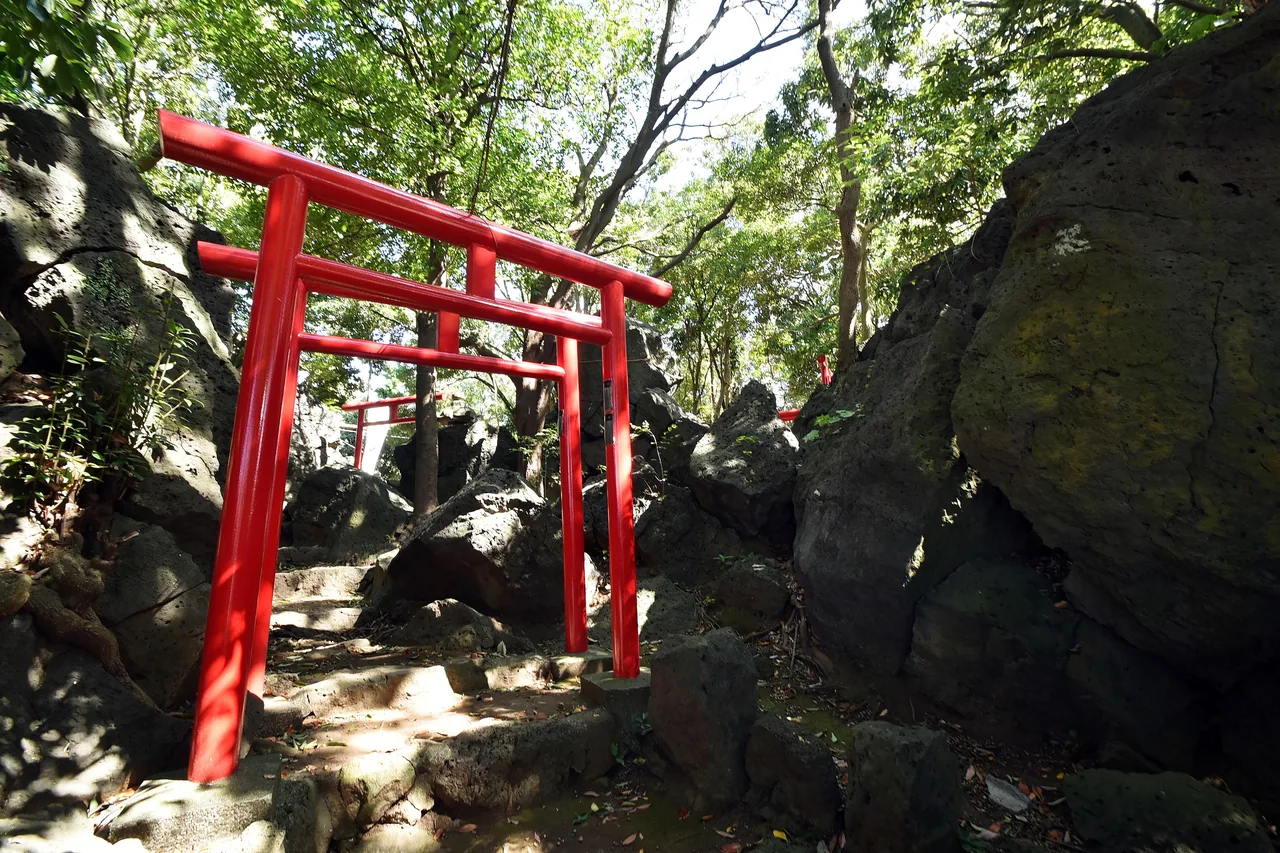
In a residential area of Nagaizumi Town, next to Mishima, a rugged mound of rock suddenly appears. It's a lava mound about 80 m around, formed by the Mishima lava flow from an eruption of Mt. Fuji about 10,000 years ago, and Warikozuka Inari Shrine stands on top. Vermilion torii gates weave between the lava rocks up to the shrine.
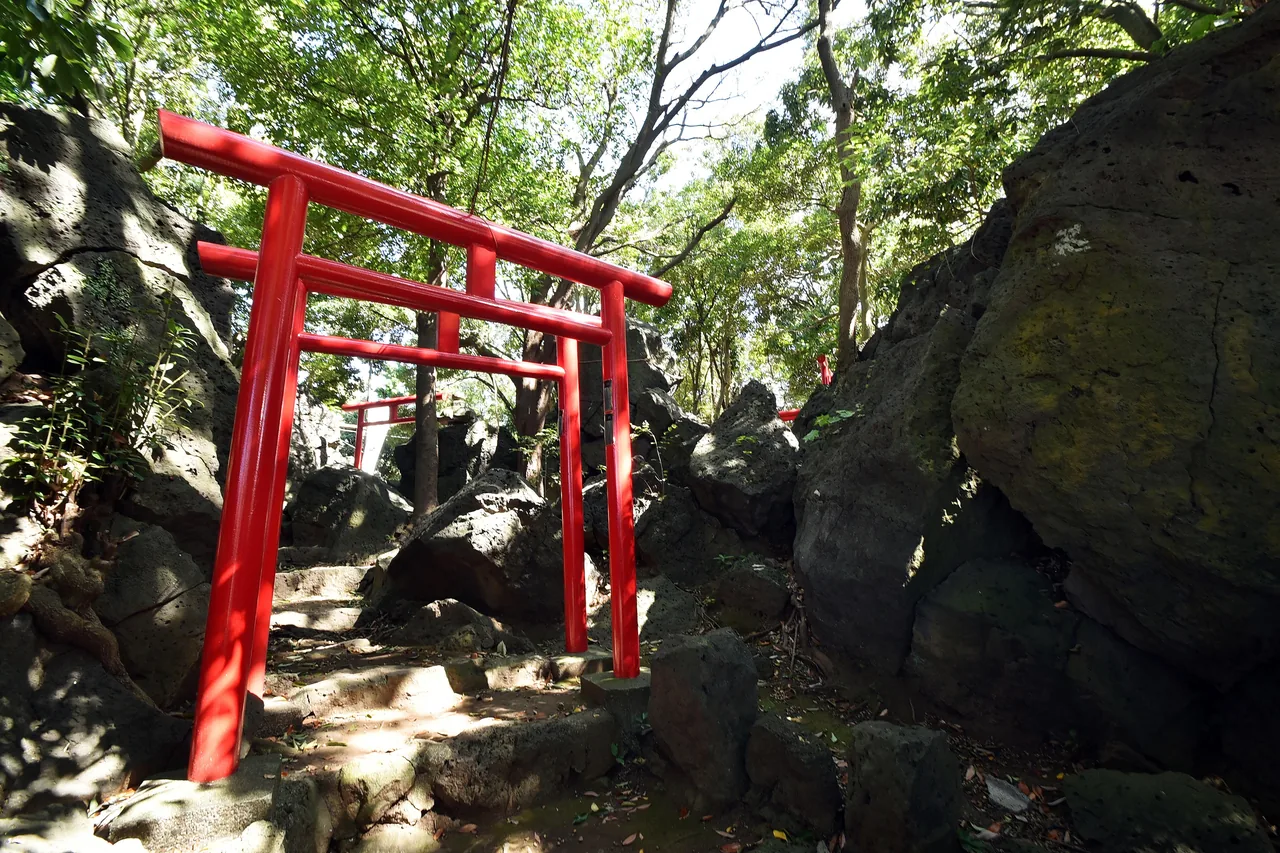
Photo: copyright© Shizuoka Prefectural Tourism Association.
The name comes from a legend that a fox once jumped out of, or lived in, the crack in the middle of the rocks. It's also a geosite of the Izu Peninsula Geopark, a place where you can see for yourself that Fuji's lava flowed all this way. It's about a 5-minute walk from Shimotogari Station on the JR Gotemba Line.
Gotemba: a Mt. Fuji trailhead shrine and a shrine for cutting bad luck
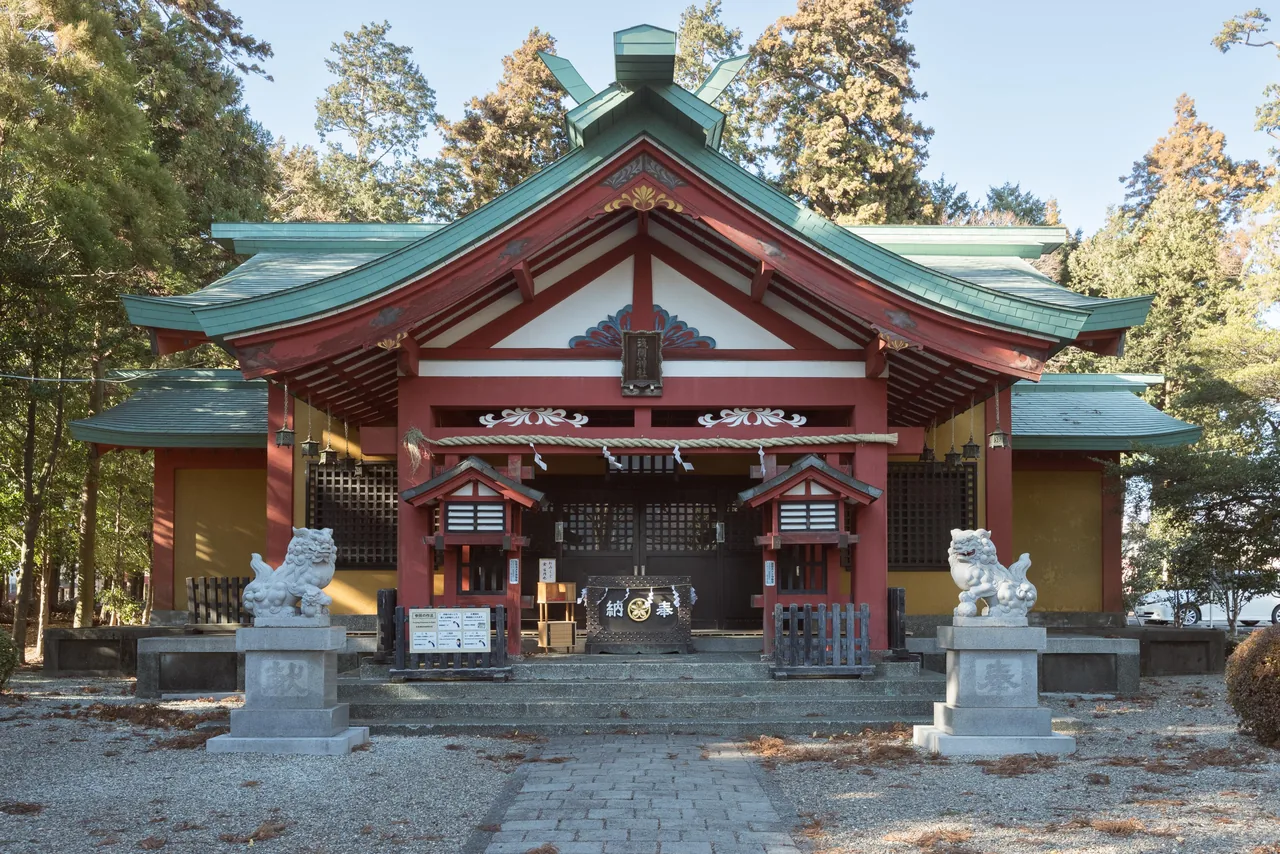
Near JR Gotemba Station, Shinbashi Sengen Shrine is considered the starting point of Mt. Fuji's Gotemba Trail. Its main deity is Konohanasakuya-hime. After the Tokaido Line opened and Gotemba Station was built, this shrine near the station took on the role of the trail's starting point. Every July 1 it holds the Mt. Fuji opening ceremony and a ritual offering of a giant straw sandal to pray for climbers' safety.
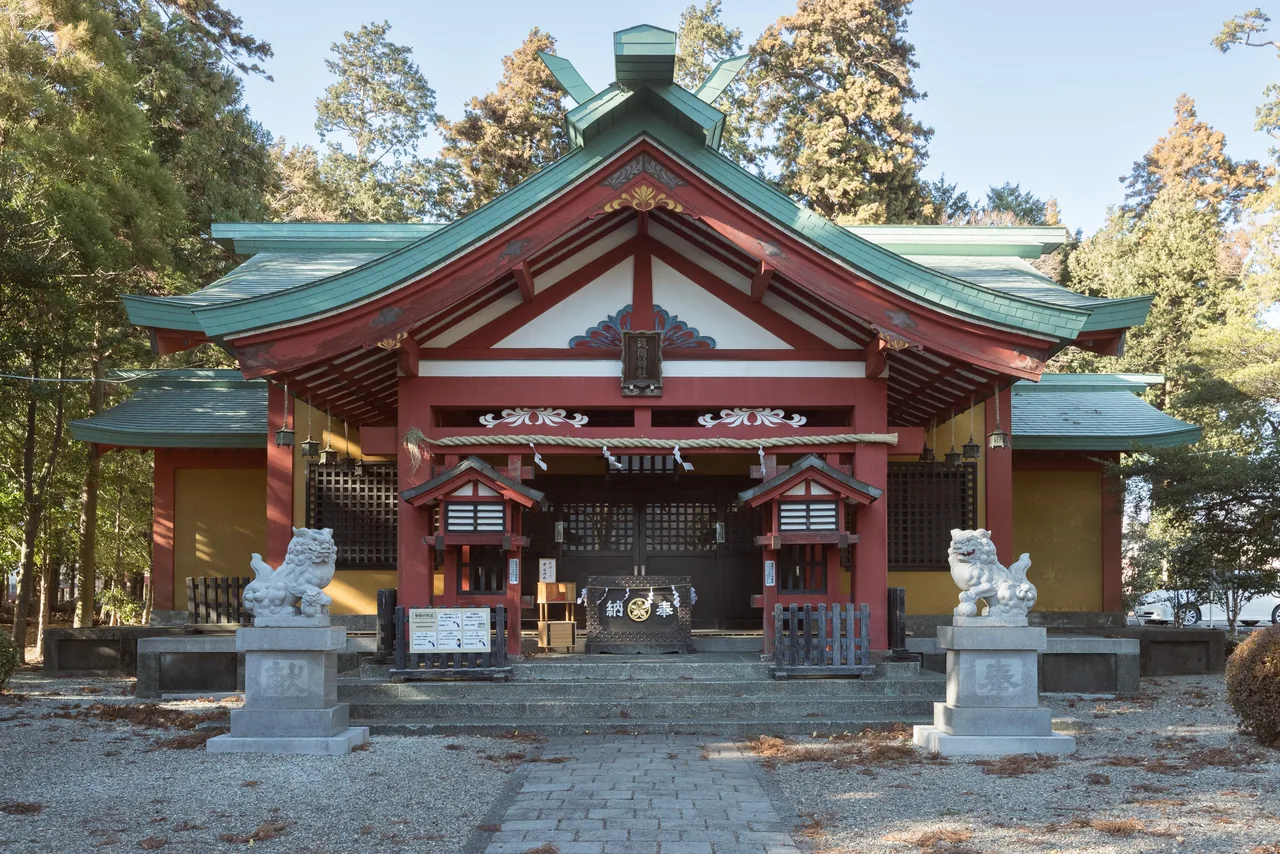
Photo: copyright© Shizuoka Prefectural Tourism Association.
Also in Gotemba, Jinbasan Shrine is known for "yakukiri," cutting away bad luck. Its grounds are lined with scissors of all sizes, offered with the wish to cut off misfortune. The amulet office hands out charms shaped like small scissors, some with bells attached. It's easiest to go by car from Gotemba Station.
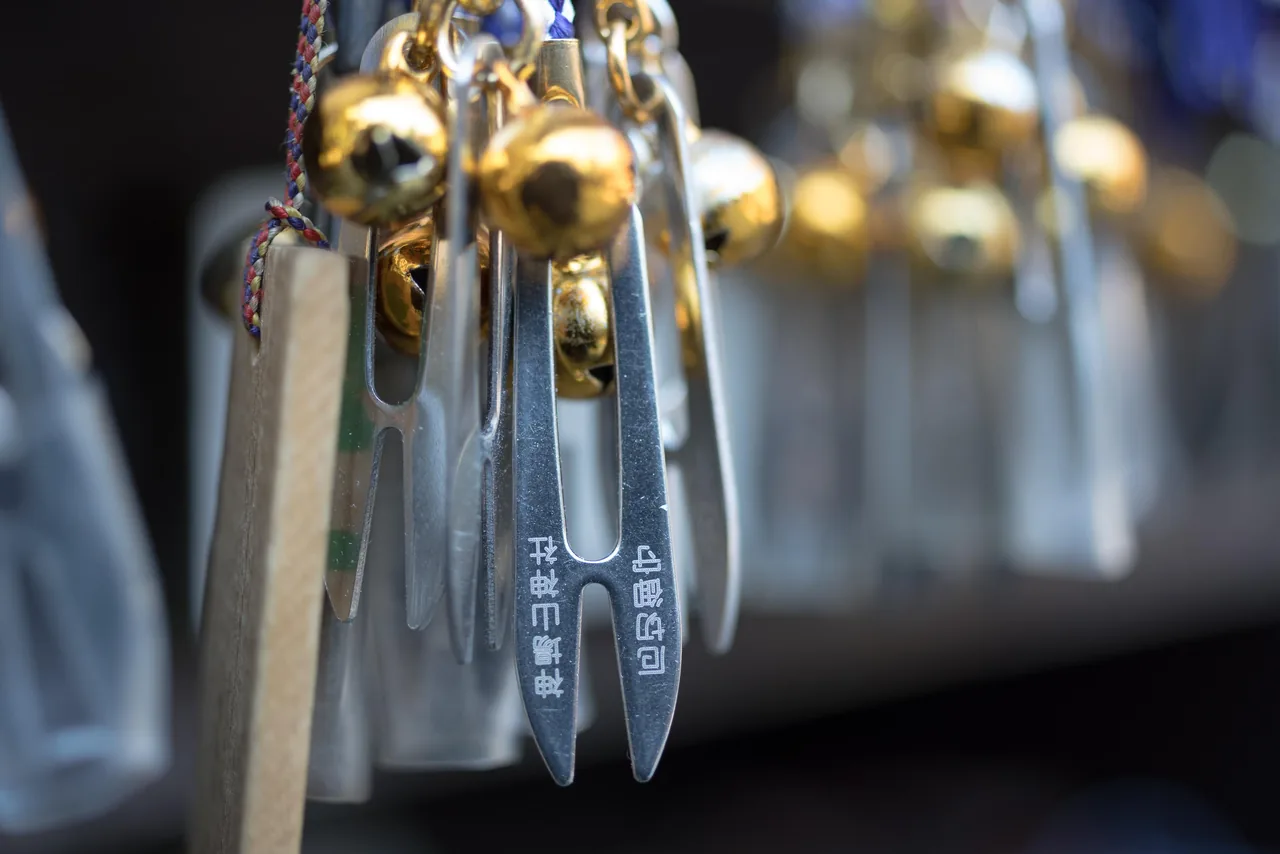
Photo: copyright© Shizuoka Prefectural Tourism Association.
Enshu: Kotonomama Hachimangu and Oguni Shrine
On the old Tokaido road in Kakegawa City, Kotonomama Hachimangu has long been worshipped as a shrine that grants wishes exactly as spoken, from the meaning of "kotonomama." It even appears as "Kotonomama no Myojin" in The Pillow Book from the Heian period. Thick-trunked camphors and tall cedars stand in the grounds, and the air seems to change as you walk the shaded approach.
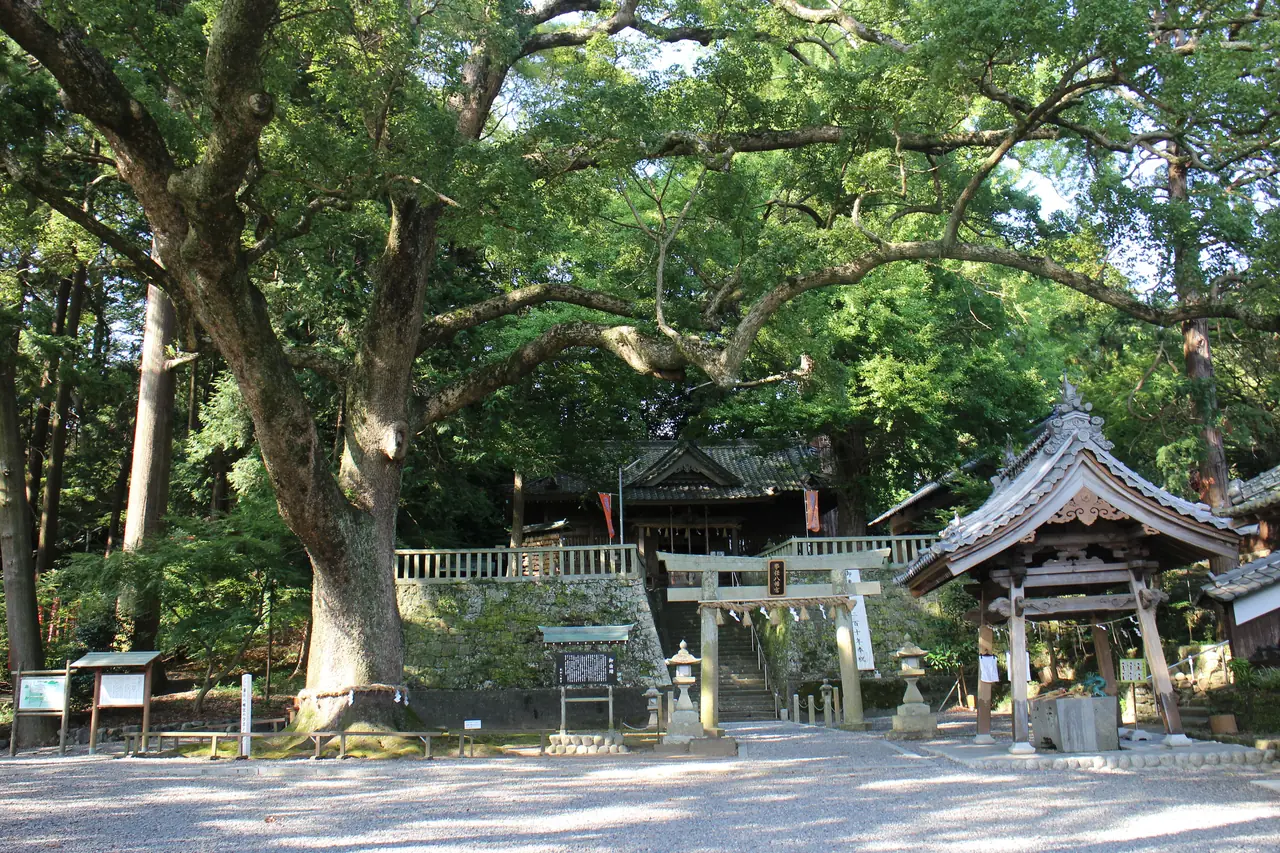
Photo: copyright© Shizuoka Prefectural Tourism Association.
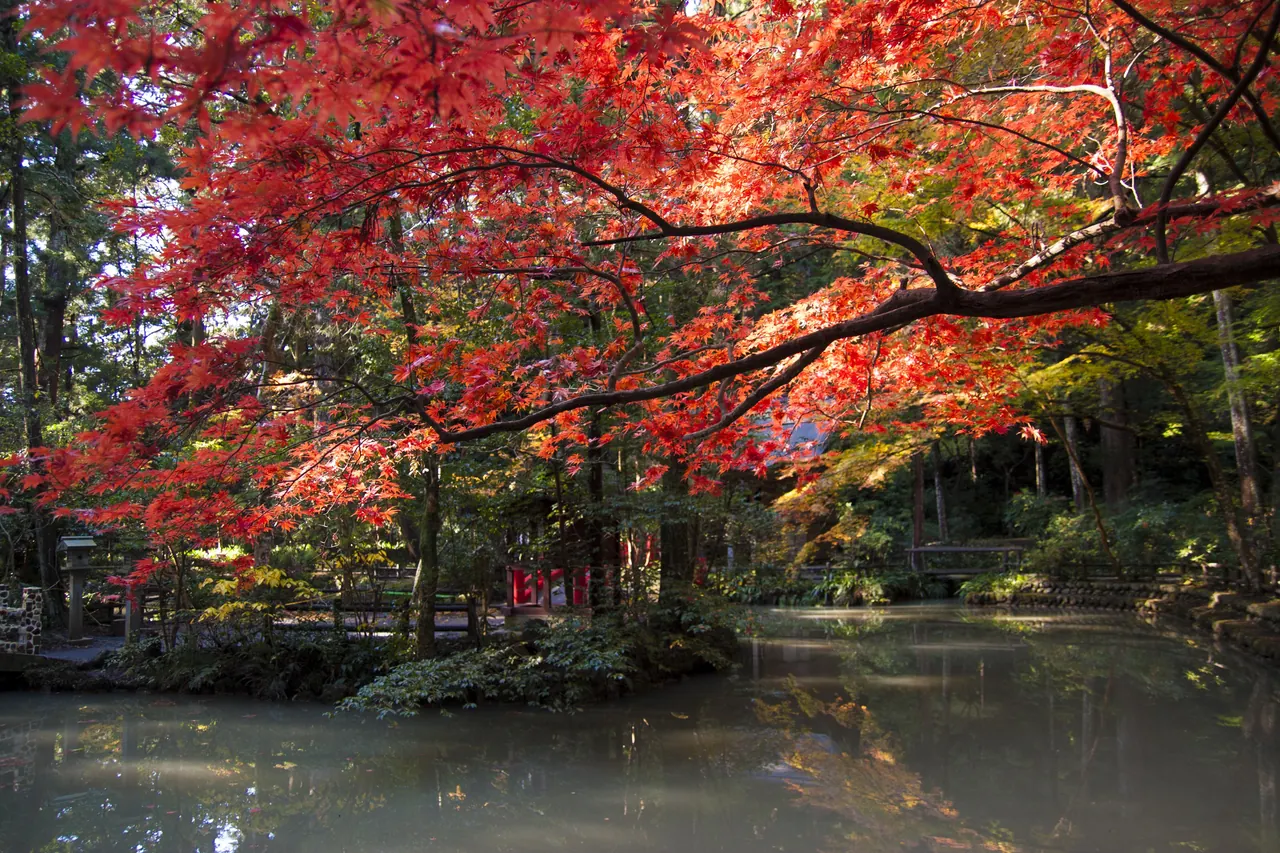
Oguni Shrine in Mori Town is the Ichinomiya of Totomi Province, and the Miya River flows through its broad grounds wrapped in cedar and cypress forest. In autumn the maples along the river change color, drawing many visitors to see the red leaves reflected on the water. You can get there on the "Kaiun Line" local bus from JR Fukuroi Station or Enshu-Mori Station on the Tenryu Hamanako Railroad.
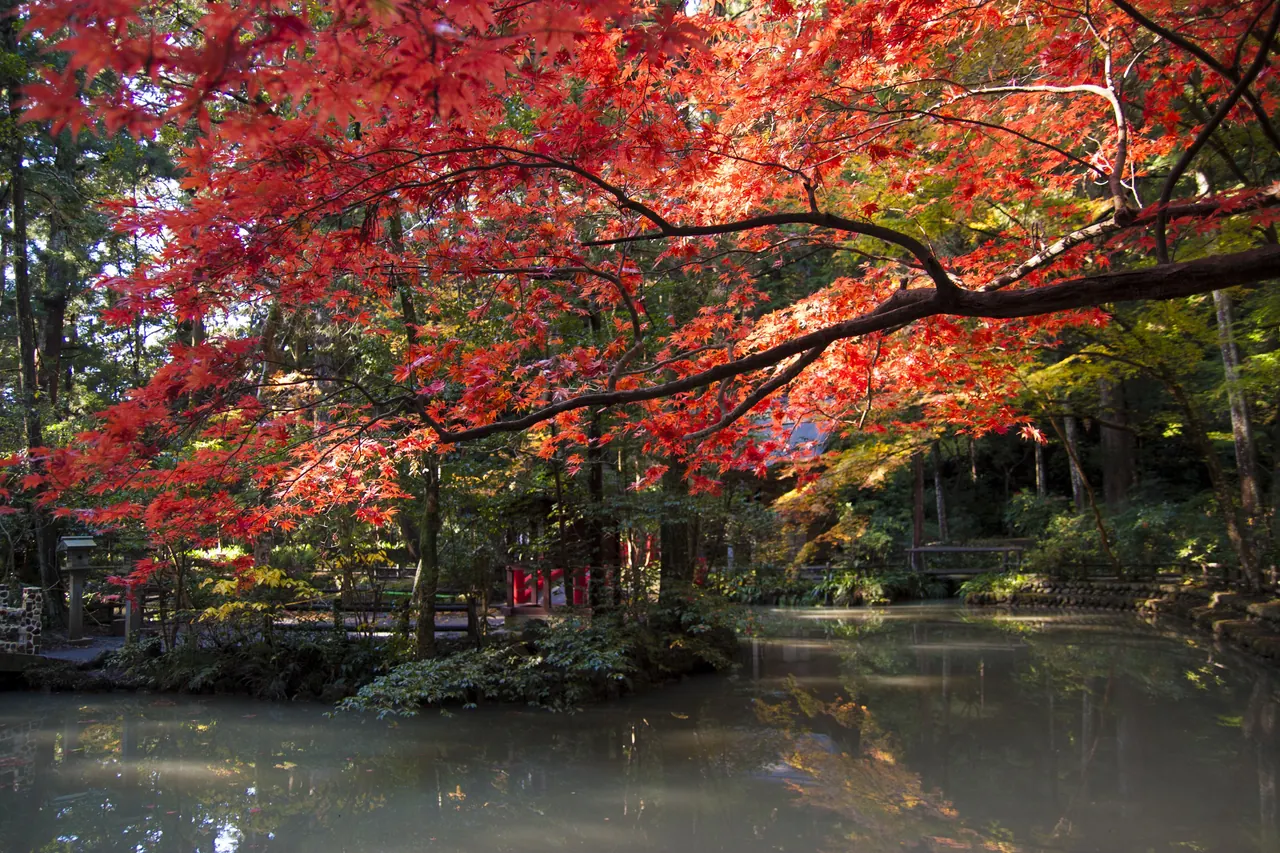
Photo: copyright© Shizuoka Prefectural Tourism Association.
Before you visit a shrine
At a shrine, it's customary to bow lightly before passing under the torii, rinse your hands and mouth at the water basin, then go to the worship hall. There, put in a coin offering and pray with "two bows, two claps, one bow." Charms and goshuin stamps are available at the amulet office, though hours vary by shrine.
- When photographing buildings or grounds, don't get in the way of people receiving prayers or of priests
- At shrines in residential areas, such as Warikozuka Inari, keep your voice down
- New Year and festival days are crowded. Visit on a weekday morning if you want to take your time
Fujisan Hongu Sengen Taisha in Fujinomiya, the center of Mt. Fuji worship, is covered in Mt. Fuji World Heritage sites on the Shizuoka side, and Kunozan Toshogu, which enshrines Tokugawa Ieyasu, in Tokugawa Ieyasu's Shizuoka. For temples, pair this with the Enshu Sanzan in Fukuroi.