Chiran Half-Day Trip: Samurai Gardens and the Chiran Peace Museum
- Chiran Samurai Residence Gardens
- Carp Channel and Streetscape
- Chiran Peace Museum
- Chiran Tea

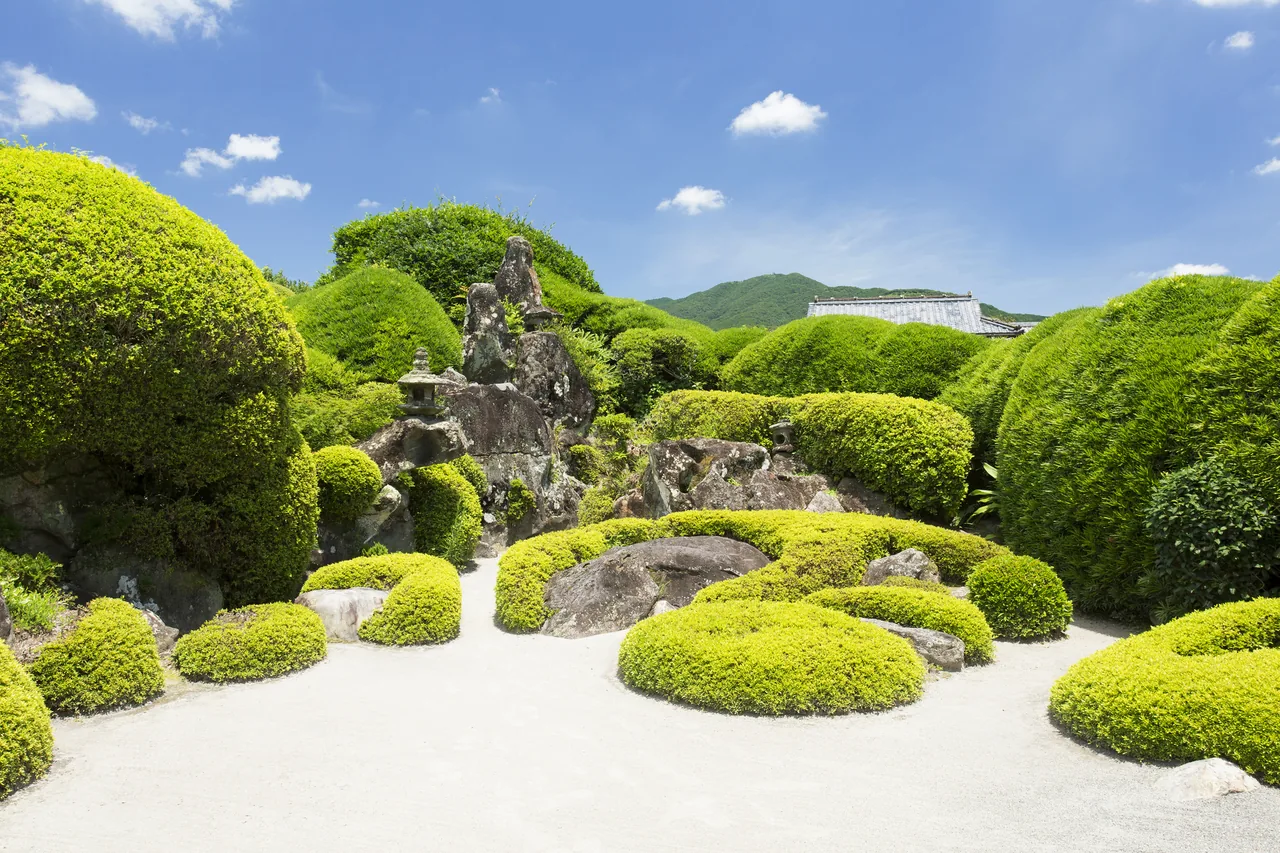
Photo: © P.K.N
Areas of Kagoshima
Chiran and Ei on the Satsuma Peninsula: samurai gardens, the Chiran Peace Museum for Kamikaze Pilots and seaside Kamafuta Shrine, with buses from Kagoshima-Chuo.
Choose a numbered circle to zoom in there; choose a name to open the area's page.
This page is translated from the Japanese edition. Read the Japanese edition
Chiran and Ei are two towns in Minamikyushu City, in the south of the Satsuma Peninsula. Inland Chiran keeps the streets of a fumoto, a settlement of Satsuma domain samurai, set on a plateau covered in tea fields. At the end of the Pacific War an army airfield was built here, and many tokko (special attack, or kamikaze) pilots flew out from it.
On the coast to the south, Ei has sea and volcano scenery, from Kamafuta Shrine on rocks jutting into the sea to Cape Banshobana facing Mount Kaimon. Chiran is a day trip by bus from Kagoshima-Chuo Station, and Ei is an easy stop on the drive west from Ibusuki.
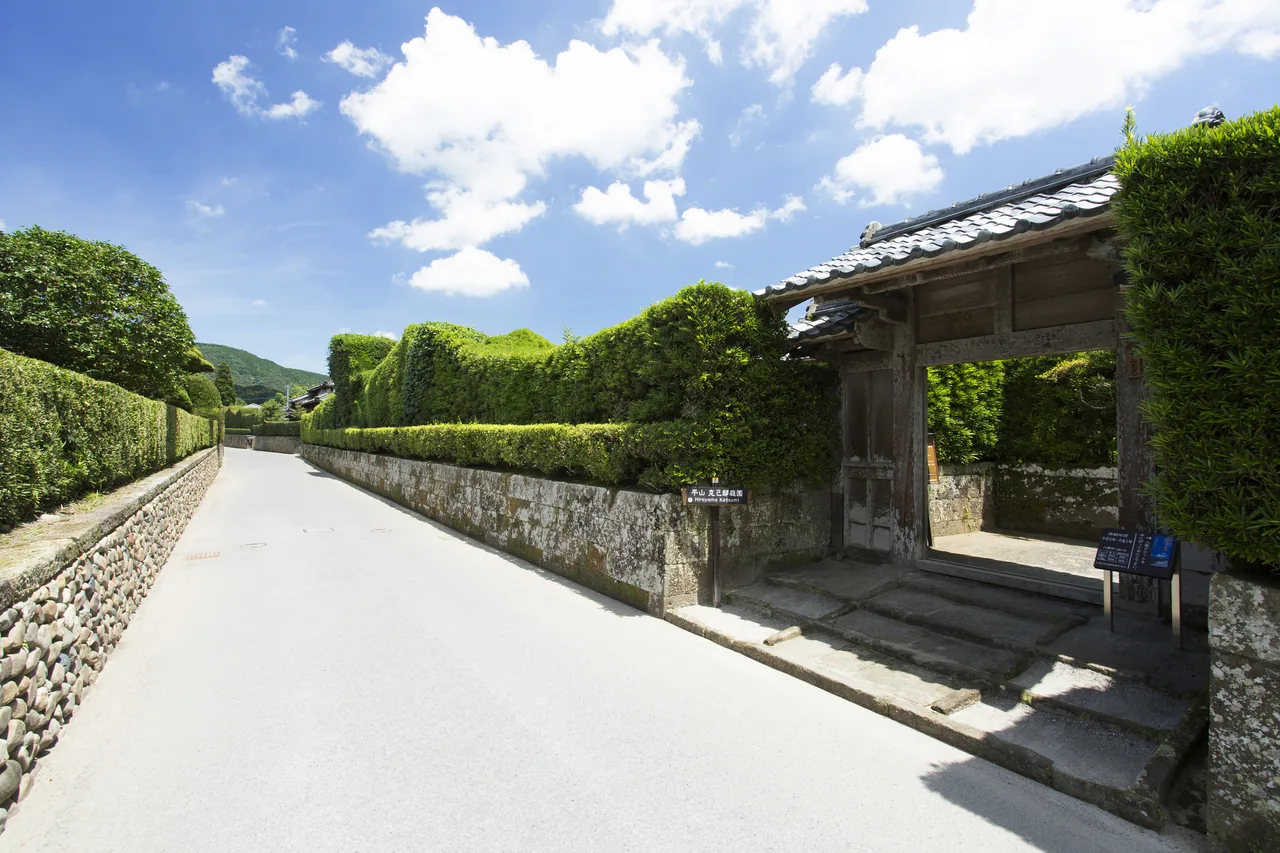
Photo: © P.K.N
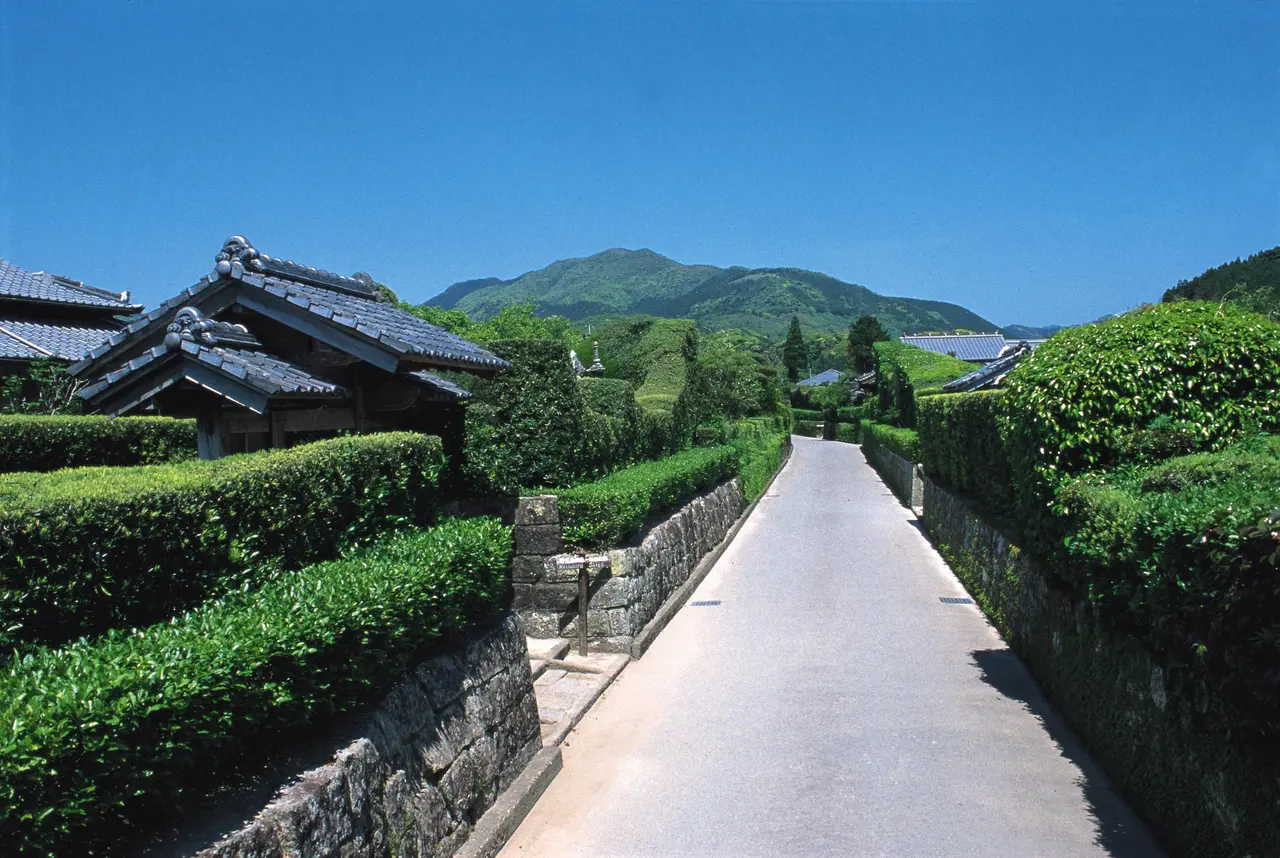
A samurai district where clipped hedges sit on top of stone walls along the streets. The townscape is a national Important Preservation District for Groups of Traditional Buildings, and the gardens of the seven samurai residences open to the public are designated a national Place of Scenic Beauty. You go through the gates along the street one by one to see the gardens, which takes about one to two hours at a relaxed pace. See Chiran Samurai Residence Gardens.
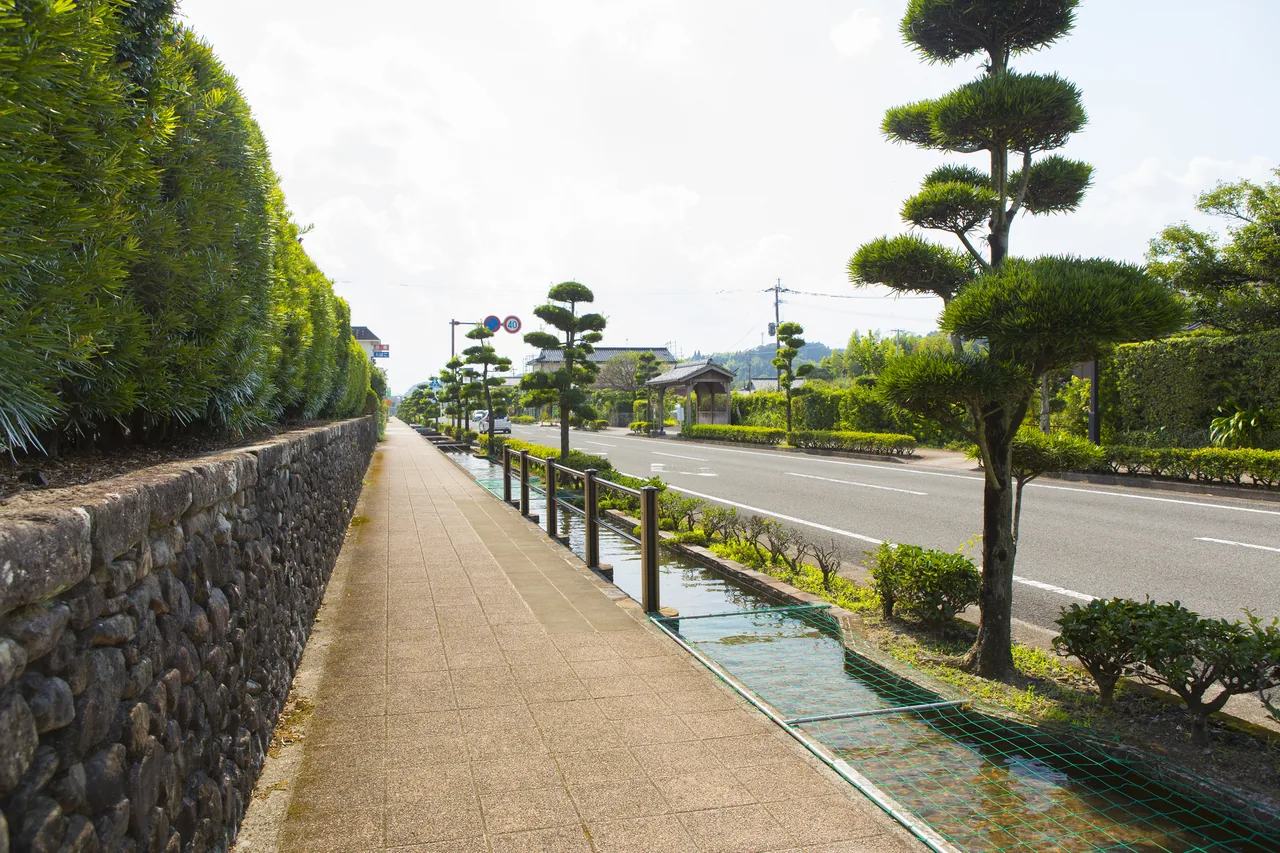
Photo: © P.K.N
On the streets around the samurai residences, a clear-water channel runs along the stone walls and hedges, and you can see colored carp swimming in it. Some streets are lined with stone lanterns, and the whole town keeps the calm look of a samurai quarter. After the gardens, walking a little further to take in the atmosphere of the town is worthwhile.
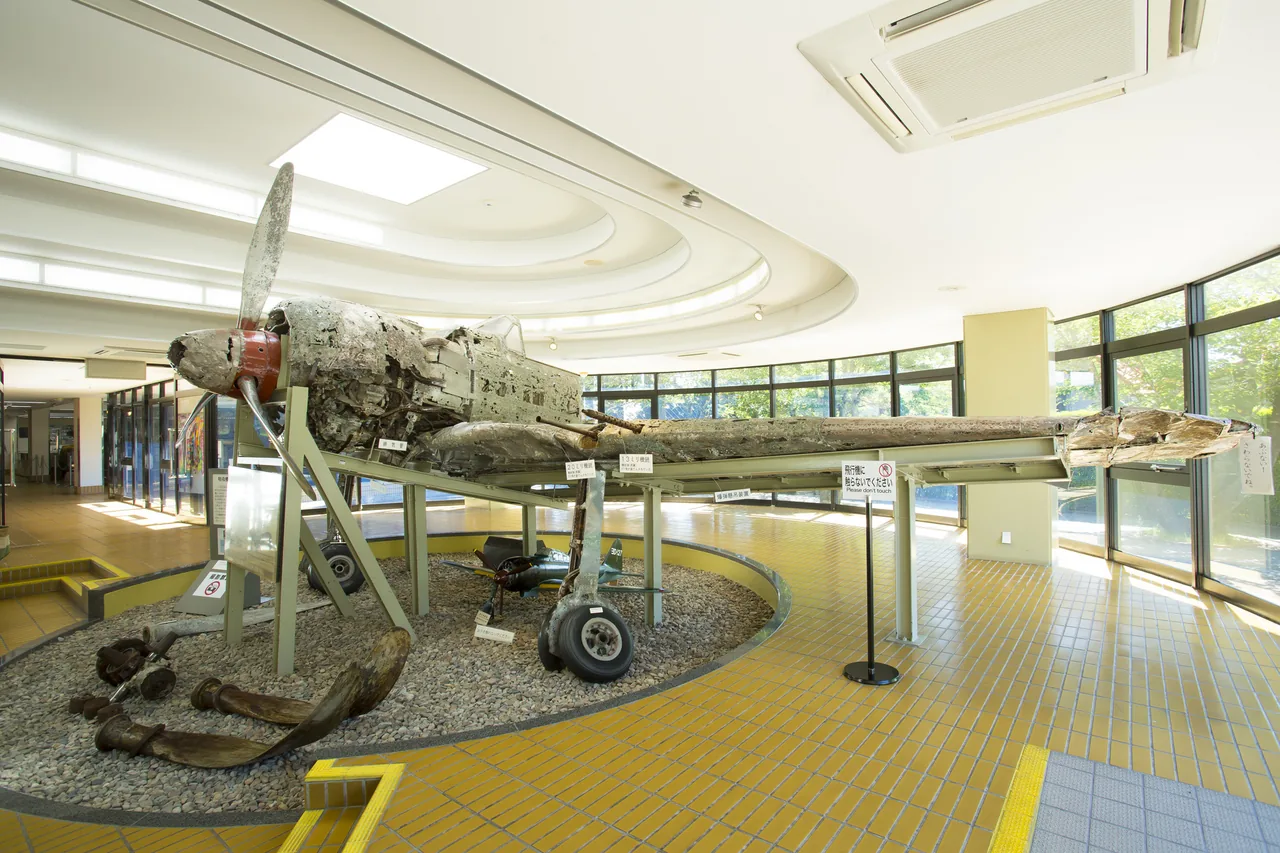
Photo: © P.K.N
A museum displaying the portraits, last letters and other letters of tokko pilots who flew out from Chiran's airfield and elsewhere at the end of the Pacific War, conveying the history of the war and the importance of peace. Fighter aircraft from the period are displayed inside, and the triangular barracks where the pilots spent their last days before their sorties have been reconstructed nearby. Reading the exhibits properly takes time, so allow at least an hour.
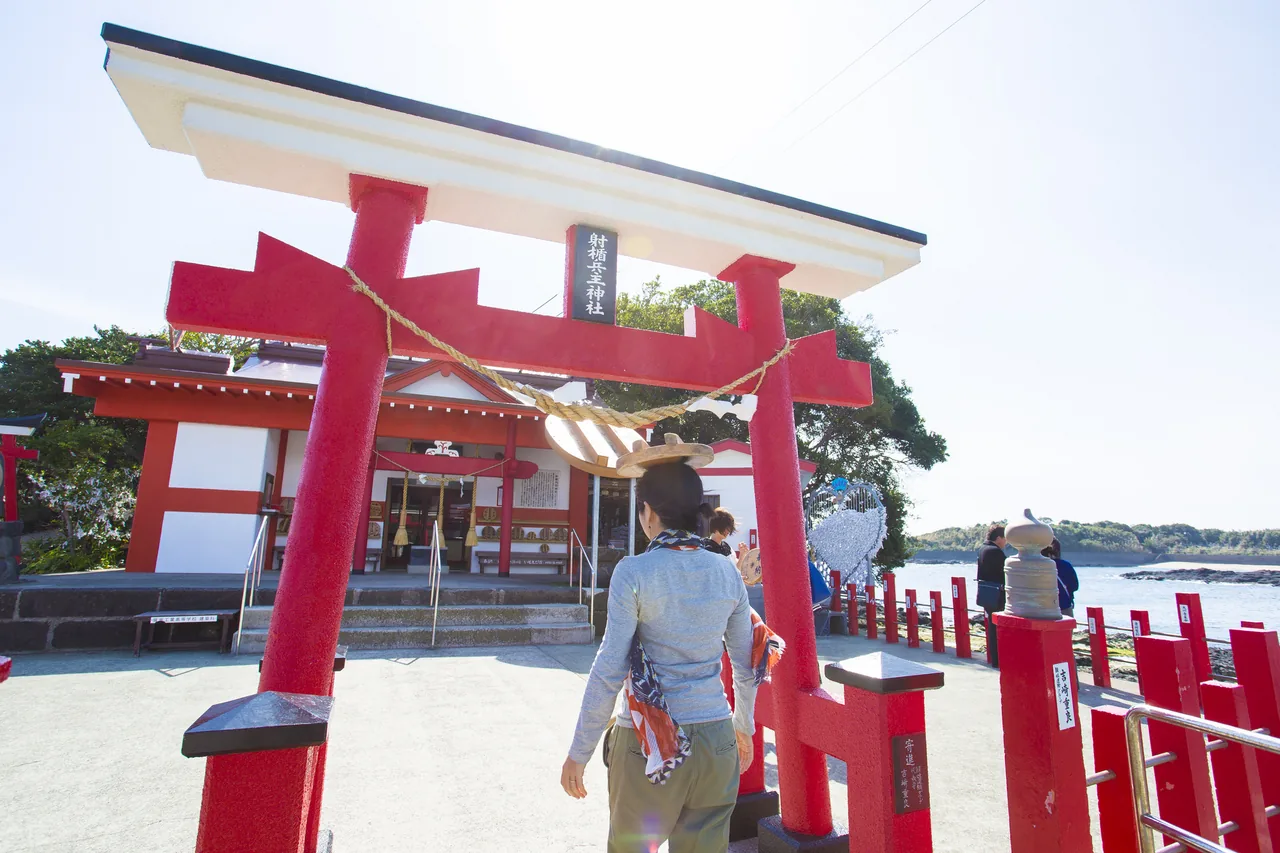
Photo: © P.K.N
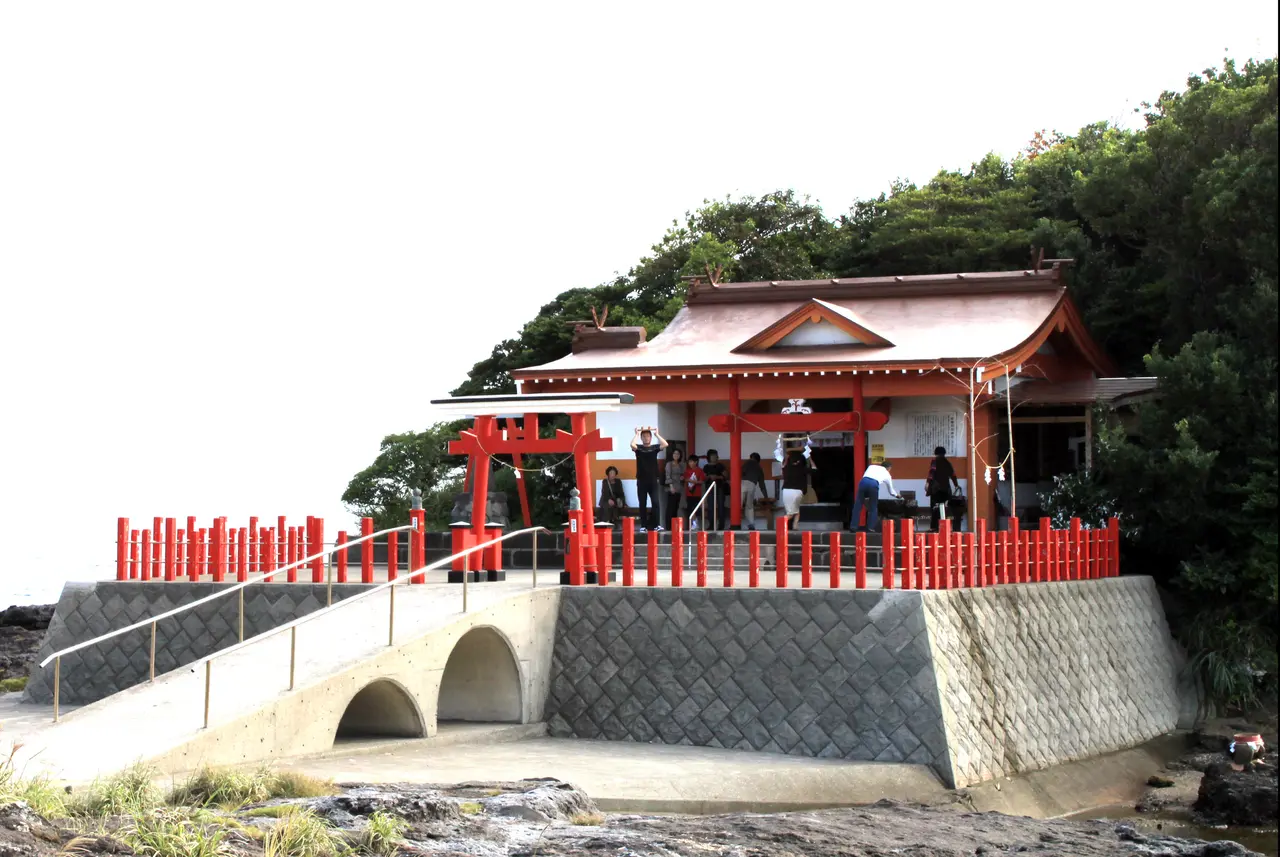
A shrine whose vermilion buildings stand on rocks jutting into the sea at Ei; its official name is Itate Hyozu Shrine. It is known for its way of praying: if you can walk from the torii to the worship hall with a pot lid on your head without dropping it, your wish will come true, and many people come before a contest or match. On clear days you can see Mount Kaimon across the sea from the headland behind the shrine. See Kamafuta Shrine.
A park on the Ei coast near Kamafuta Shrine. Mount Kaimon rises beyond the reefs formed by lava, and Ino Tadataka, who came here surveying in the Edo period, is said to have praised the view. At low tide you can go out onto the rocks and look into the tide pools, but the footing is slippery, so take care.
Minamikyushu City is known for Chiran tea, and tea fields spread over the plateau from Chiran to Ei. Around the samurai residences there are tea houses where you can drink Chiran tea and souvenir shops selling tea leaves and tea-flavored sweets.
There are places to eat in central Chiran, but fewer on the Ei coast. On a day when you head for Kamafuta Shrine or Banshobana, plan to eat in Chiran or Ibusuki.
On a day trip from Kagoshima City, an easy plan is to walk the samurai gardens in the morning, have Chiran tea at midday and visit the Chiran Peace Museum in the afternoon. Much of what the museum shows stays with you, so do not pack too much into the day.
With a car, you can head south from Chiran to Kamafuta Shrine and Banshobana in Ei, then continue east to Ibusuki to stay at a hot spring. Chiran and Ibusuki pair well on a two-day, one-night trip from central Kagoshima.