
Kirishima
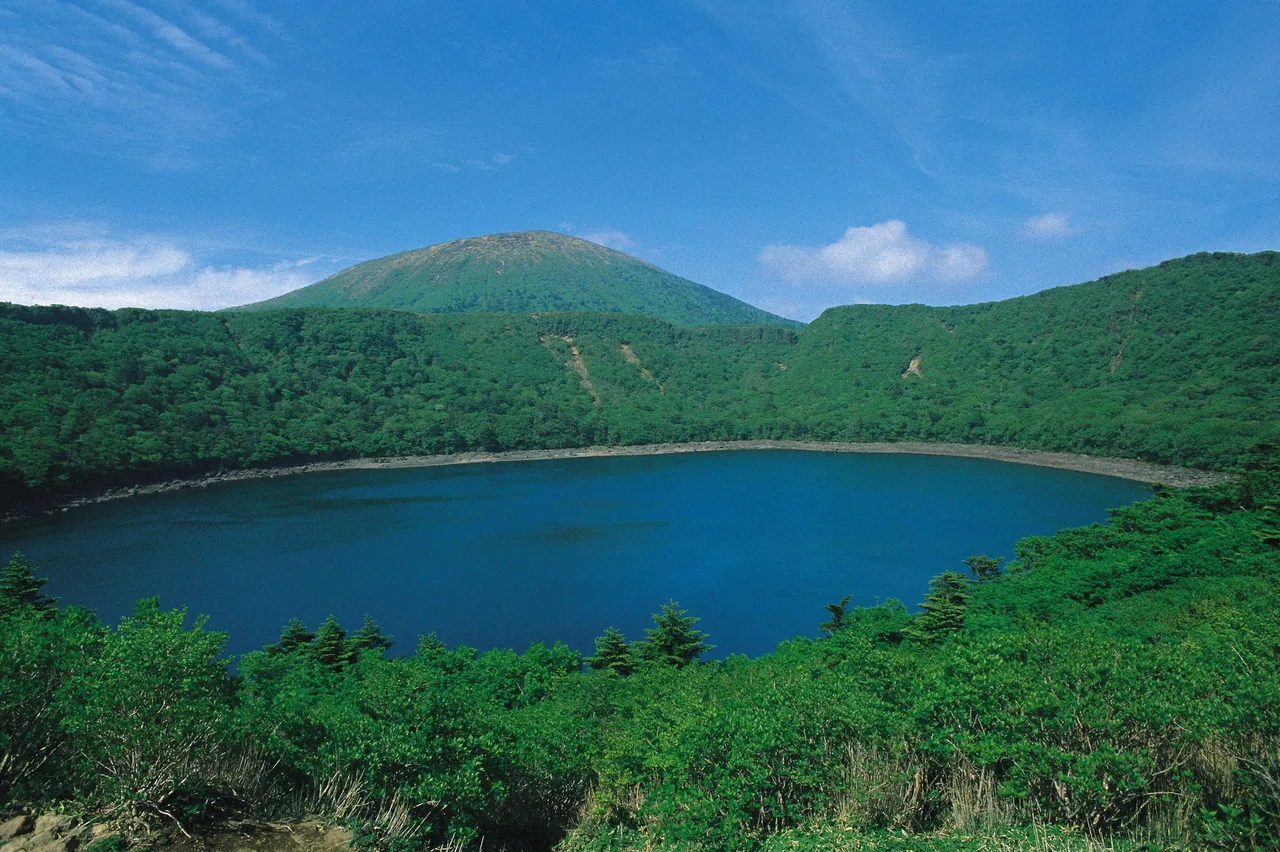
Photo: © K.P.V.B
Areas of Kagoshima
Kirishima
Kirishima Jingu shrine, Onami Pond and Takachiho-gawara, the Kirishima Onsen hot springs, Maruo Falls and Kareigawa Station, with routes from the airport.
Find on the map
This page is translated from the Japanese edition. Read the Japanese edition
What is the area like?
Kirishima is the area at the foot of the Kirishima mountains, a chain of more than 20 volcanoes on the border between Kagoshima and Miyazaki prefectures. In myth, Ninigi-no-Mikoto, grandson of the sun goddess Amaterasu, descended to Mount Takachiho, and Kirishima Jingu, the shrine dedicated to him, stands in a cedar forest. Partway up the mountains the steaming Kirishima Onsen hot springs are scattered, and higher up are crater lakes and hiking trails.
Kagoshima Airport is in Kirishima City, and buses run from the airport to Kirishima Jingu and the hot springs. It suits a stay of one or two nights combining the shrine, hot springs and walks in the mountains.
Main sights
Kirishima Jingu
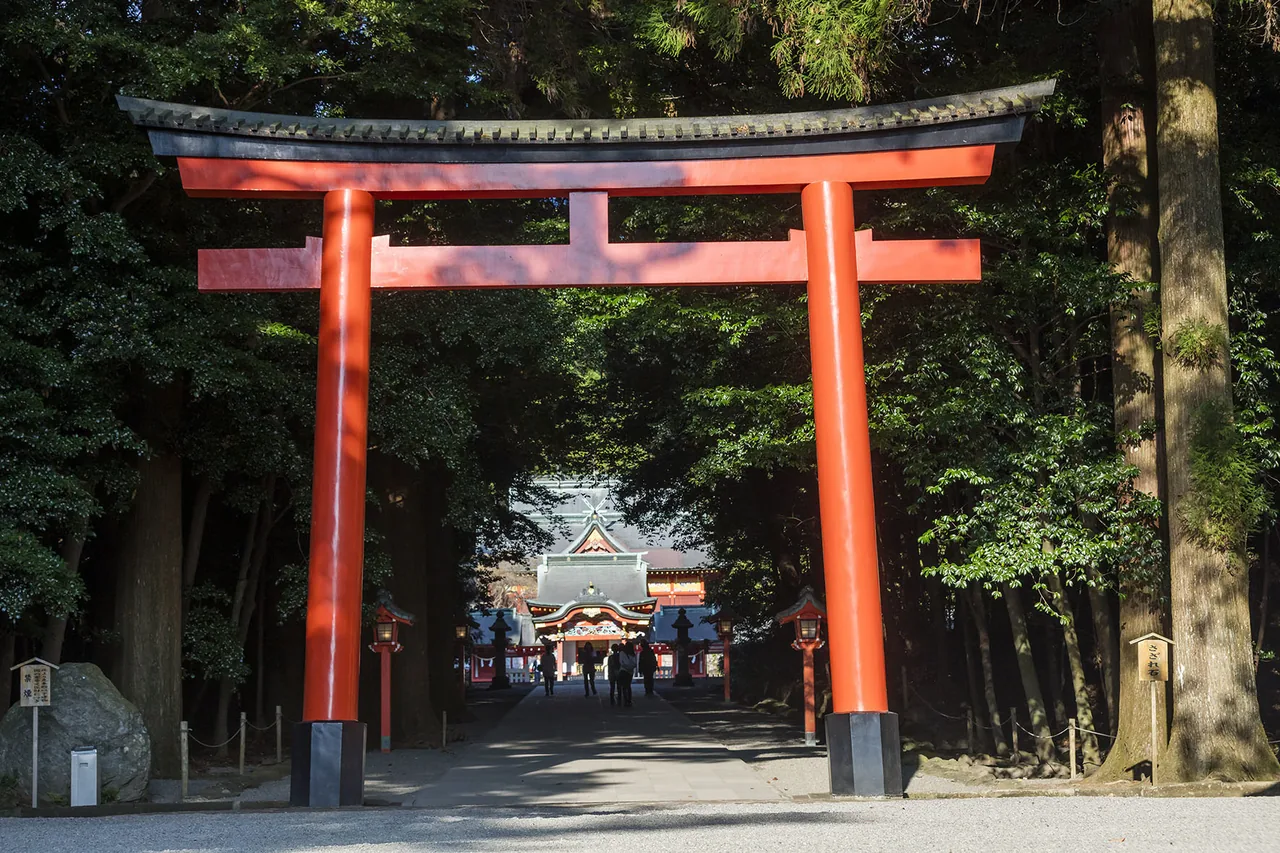
Photo: © K.P.V.B
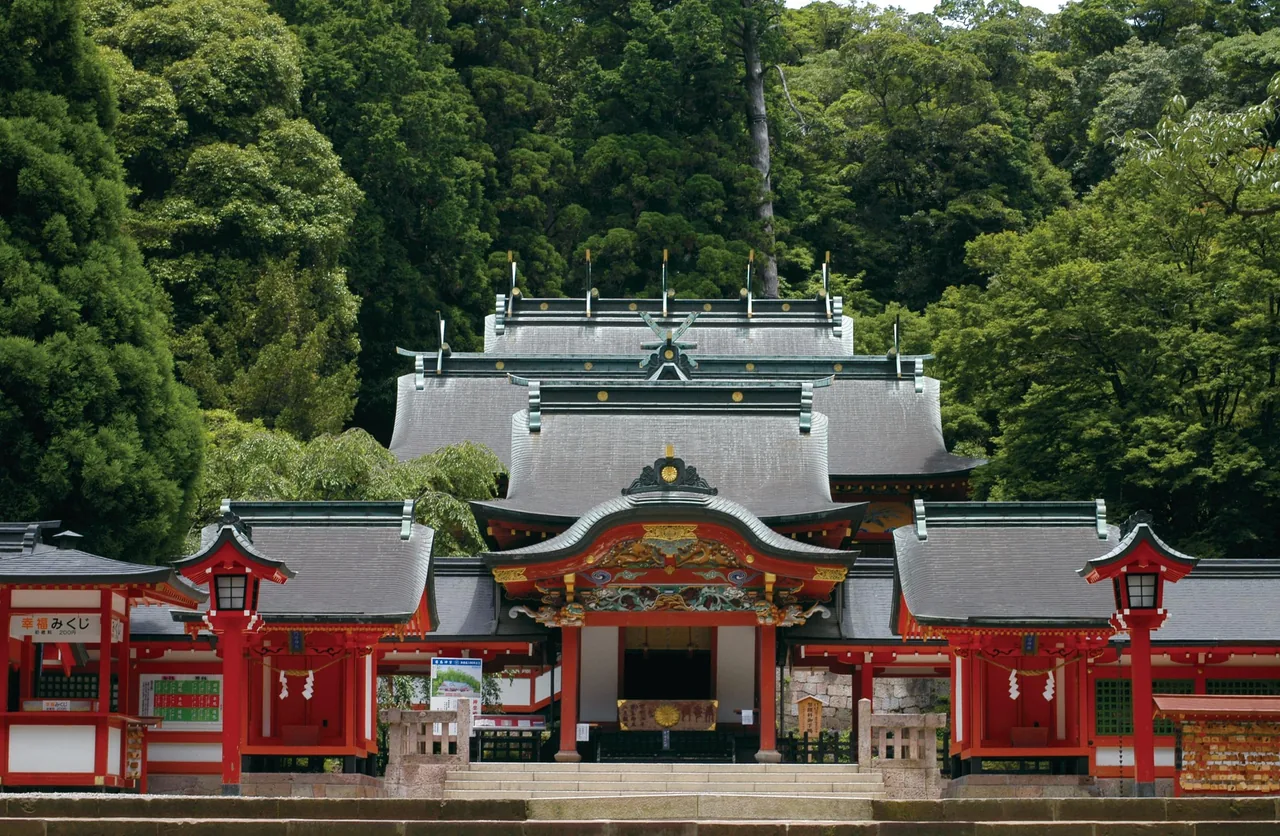
A shrine with vermilion-lacquered buildings, surrounded by cedar forest partway up the Kirishima mountains. The present buildings were built in 1715 by the Satsuma lord Shimadzu Yoshitaka, and the main hall, offering hall and worship hall were designated National Treasures in 2022. Maples line the stone steps of the approach and usually turn color from late November to early December. See Kirishima Jingu.
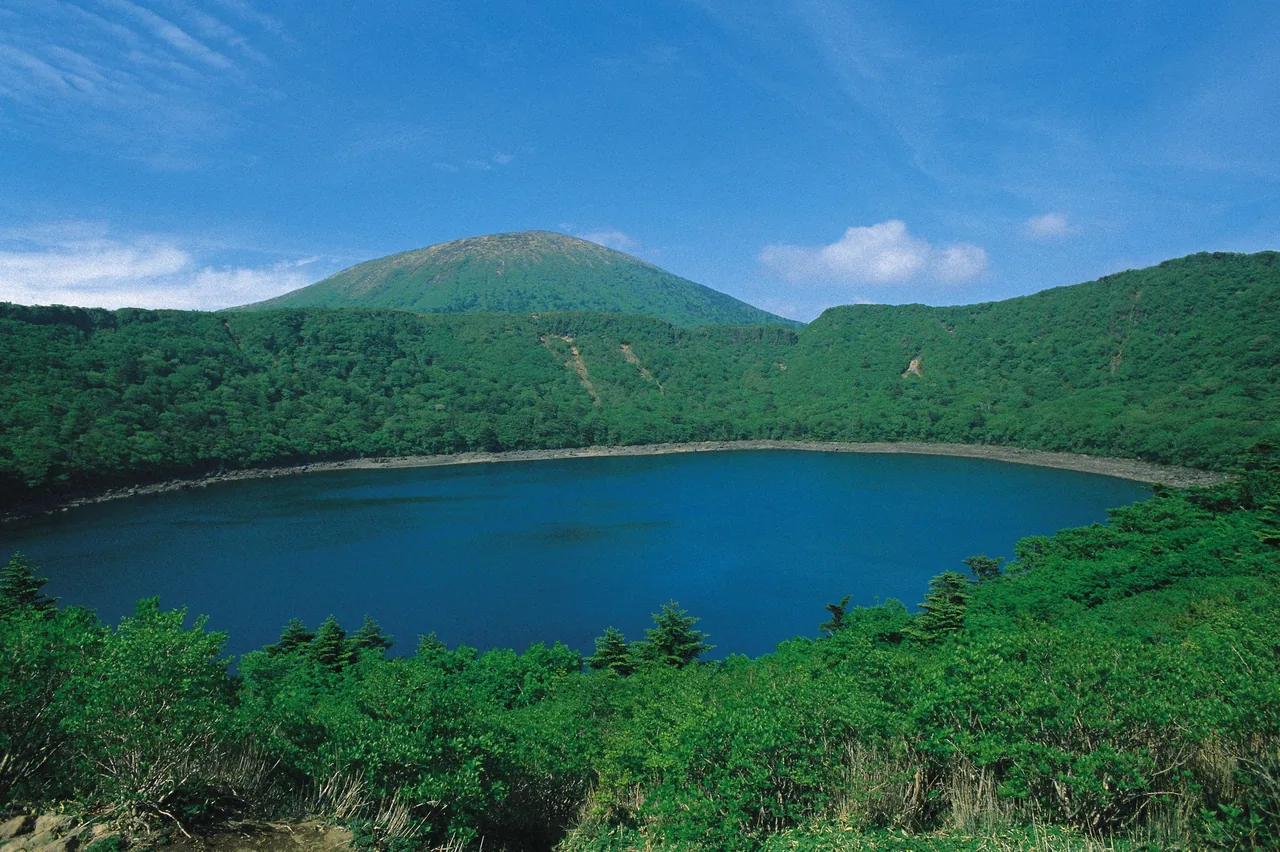
The Kirishima mountains and Onami Pond
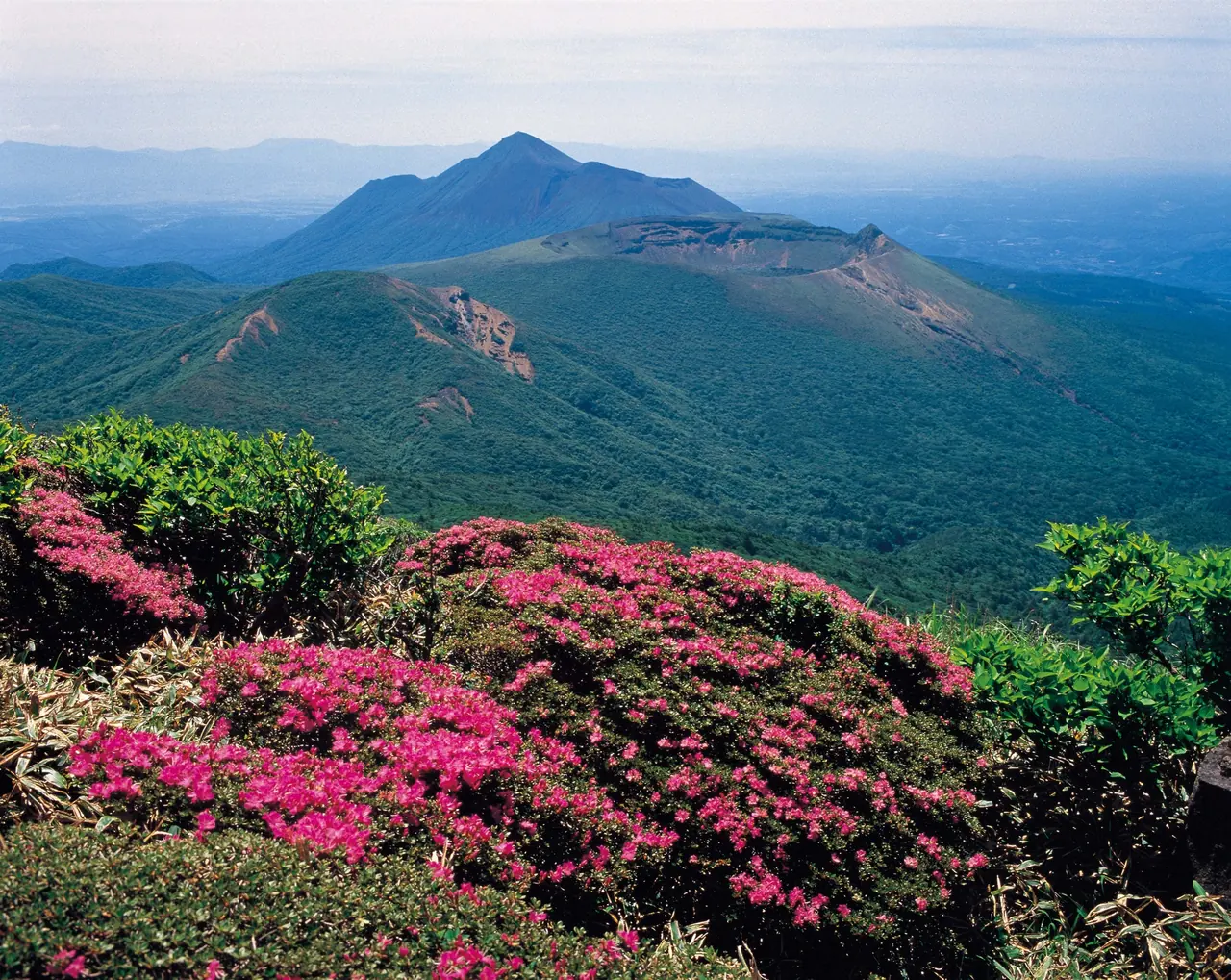
Photo: © K.P.V.B
A chain of volcanoes topped by Mount Karakuni (1,700 m). From the Onami Pond trailhead on the Kagoshima side, a stone-stepped path climbs to the crater lake Onami Pond. Near the summit of Mount Karakuni, Miyama-kirishima azaleas usually bloom in early June, turning the slopes reddish purple. Volcanoes such as Shinmoedake and Ohachi are active, and trails are sometimes closed. See Kirishima Mountains.
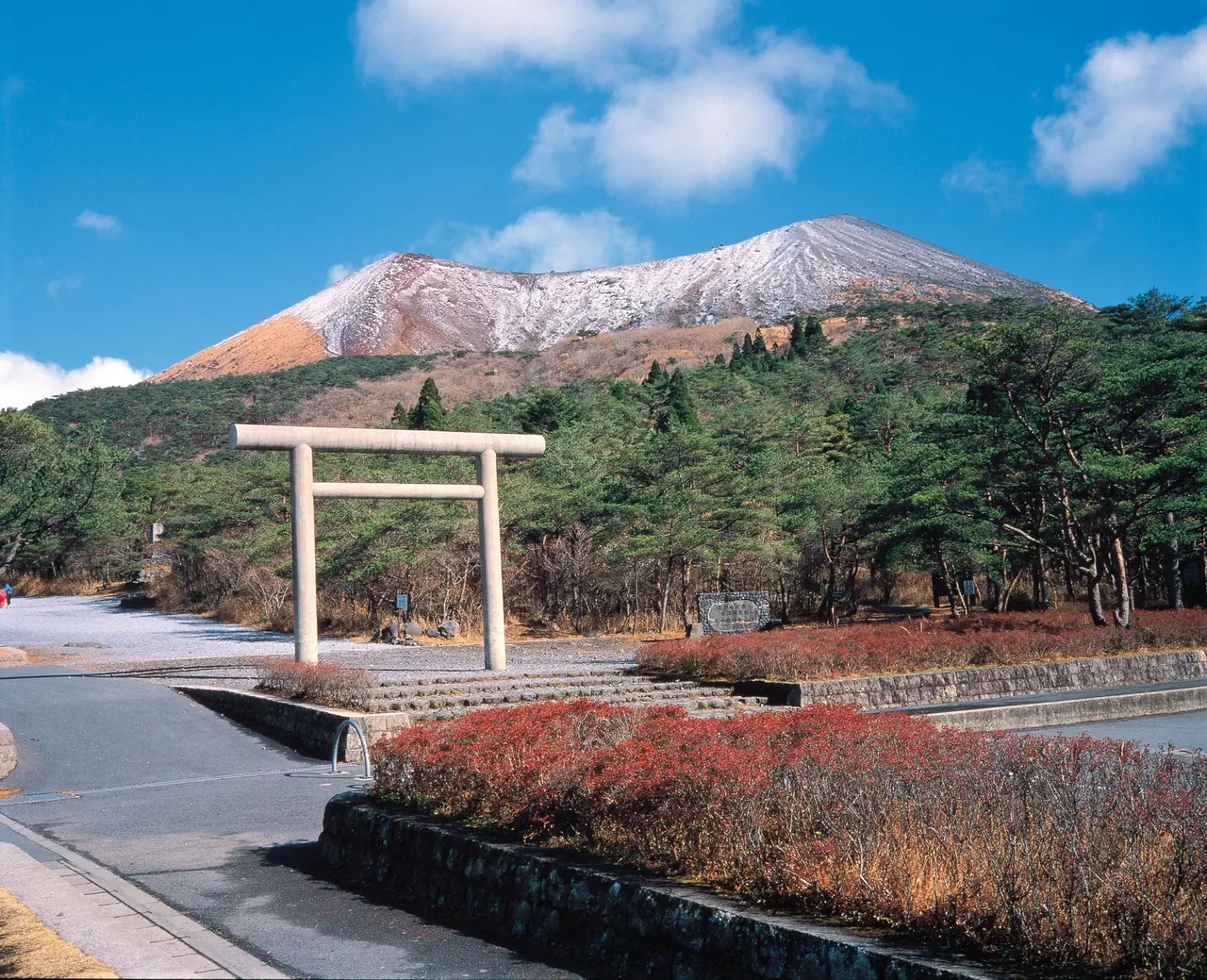
Takachiho-gawara
An open riverbed at the western foot of Mount Takachiho and the trailhead for the climb to the summit. Kirishima Jingu once stood here, and the site of the old shrine remains beyond a plain wooden torii. There is also a visitor center introducing the volcanoes and nature of the Kirishima mountains, and even without climbing you can look at Mount Takachiho through the torii. See Takachiho-gawara.
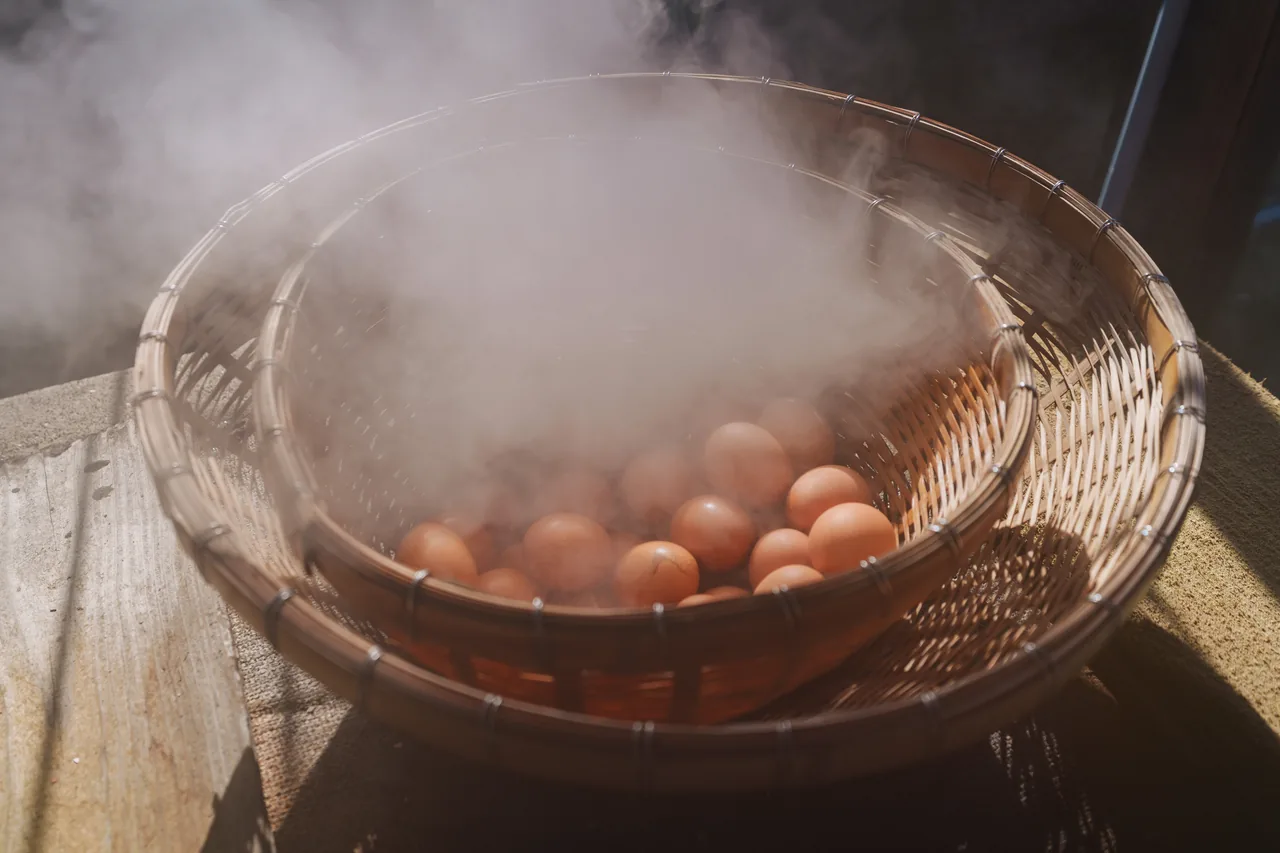
Kirishima Onsen and the Kirishima Onsen Market
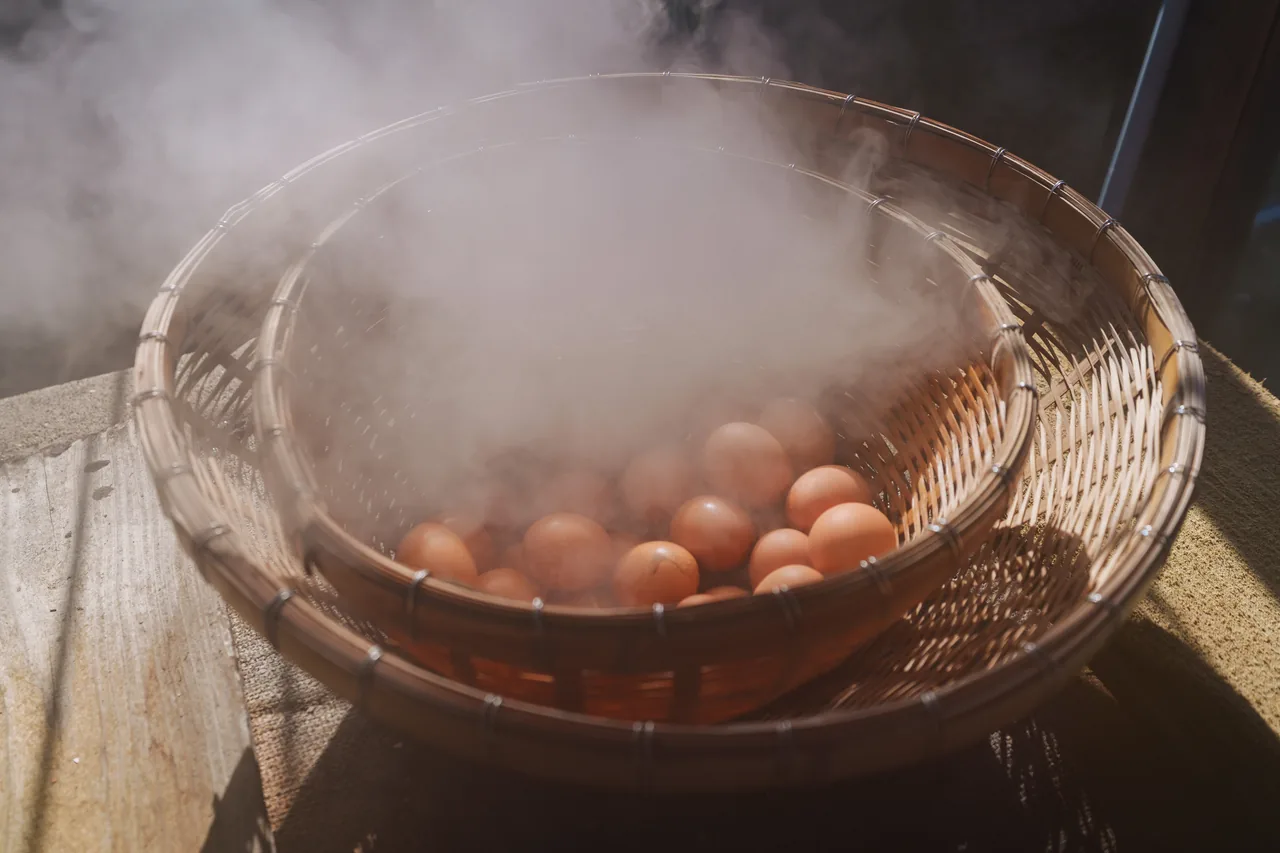
Photo: (公社)霧島市観光協会
A hot spring area partway up the Kirishima mountains, with a number of springs of different water types. The Kirishima Onsen Market at Maruo, in the center, combines a tourist information office, souvenir shops and a place to eat, and you can buy eggs and vegetables steamed in hot spring vapor from steaming baskets and eat them on the spot. It is an easy stop while touring the hot springs or between buses. See Kirishima Onsen Market.
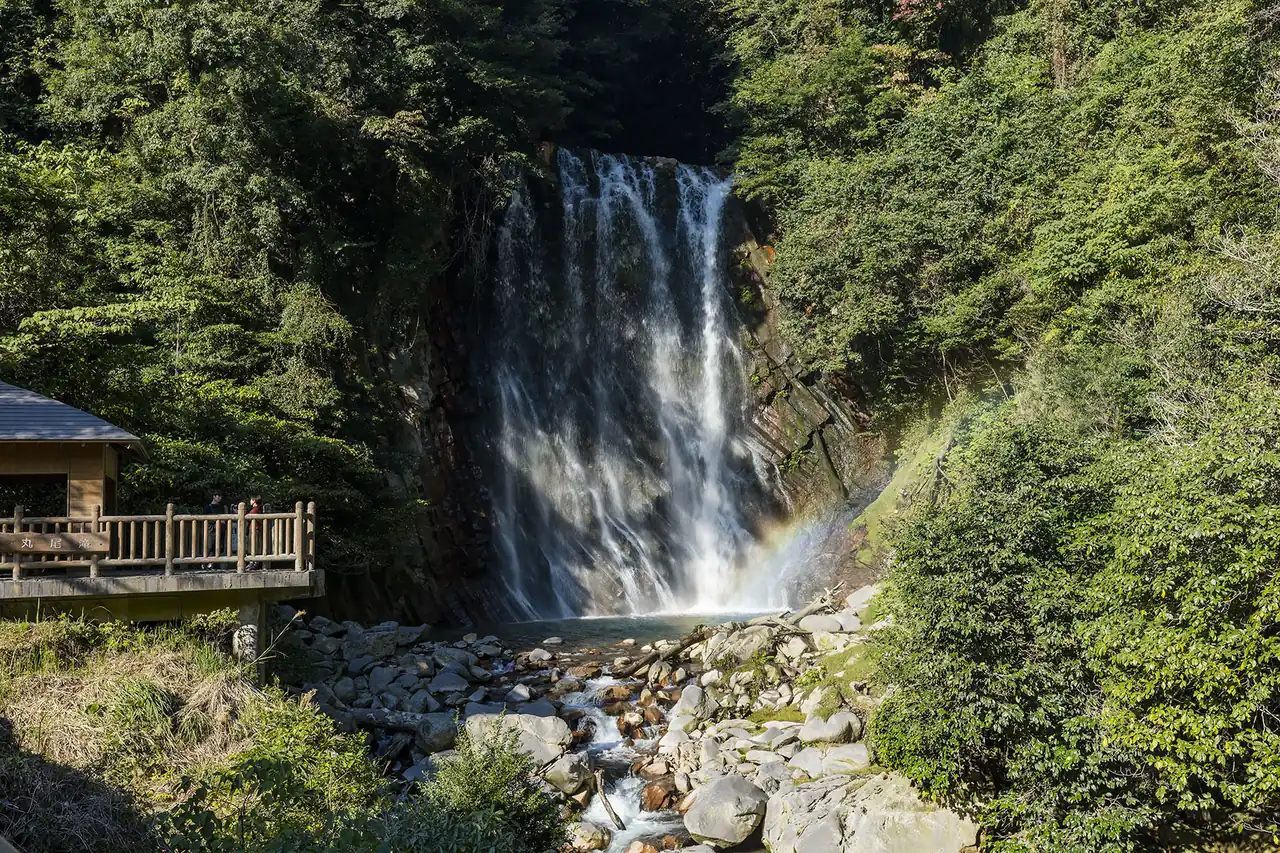
Maruo Falls
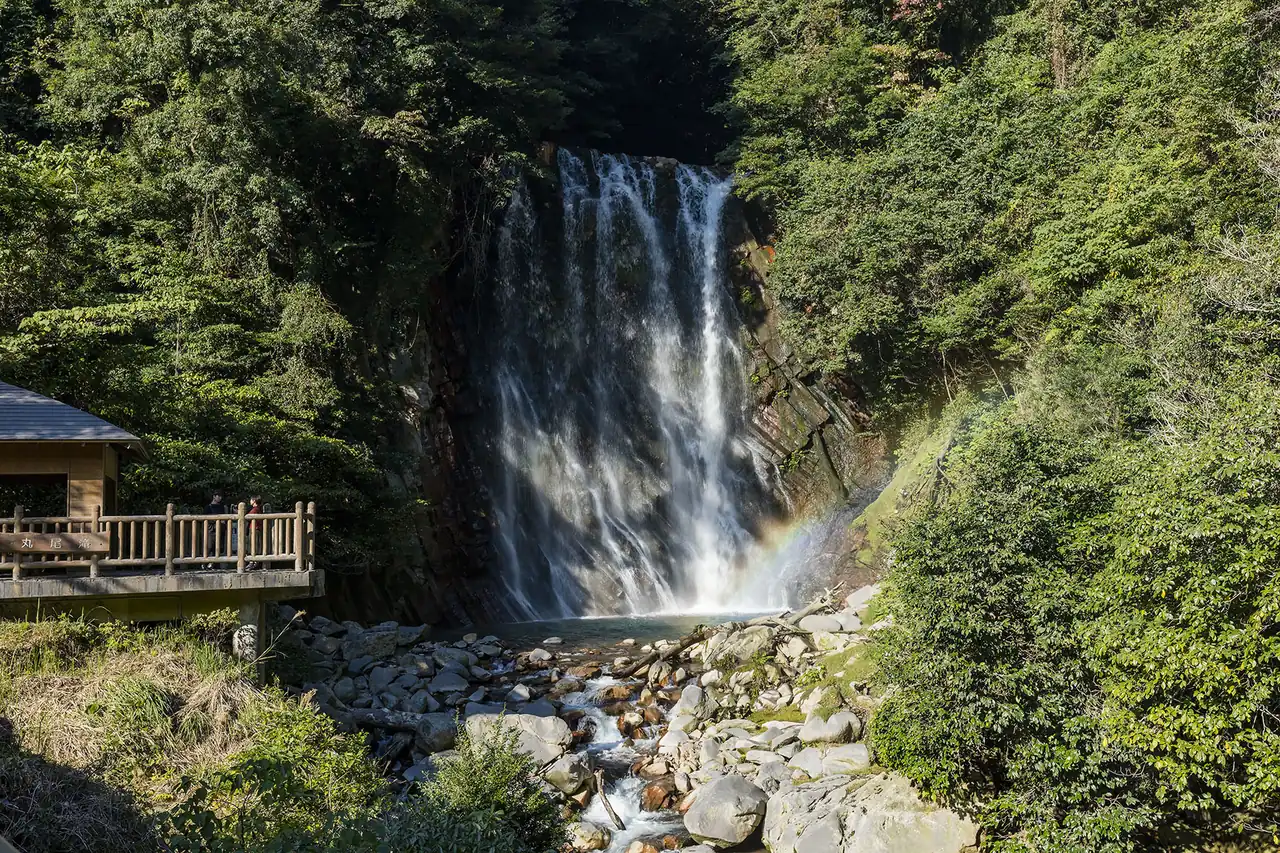
Photo: © K.P.V.B
A waterfall about 23 m high near the entrance to the Kirishima Onsen hot springs. It gathers hot spring water from upstream, so on cold days steam can rise from the falls. It is lit up at night and within walking distance of the Kirishima Onsen Market. The autumn leaves usually peak around mid-November. See Maruo Falls.
Kareigawa Station
写真協力:霧島市
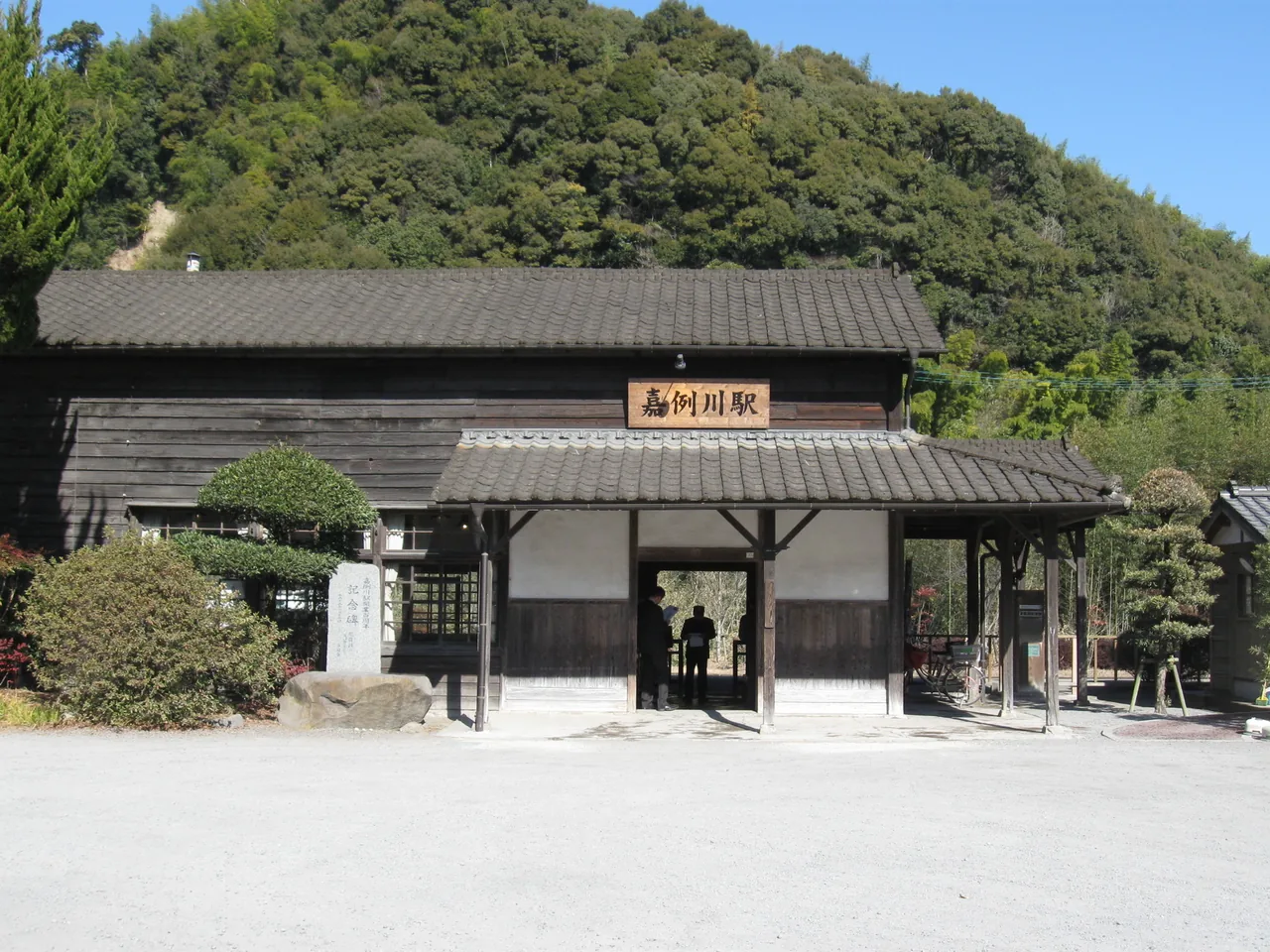
A small station on the JR Hisatsu Line, where the wooden station building from its opening in 1903 (Meiji 36) remains and is a registered Tangible Cultural Property. With its tiled roof and board walls, it is known as one of the oldest station buildings in Kagoshima Prefecture. It is close to Kagoshima Airport, so some people drop in on the day they arrive or leave. Trains are infrequent, so visiting by car is easier.
Food and shopping
At Kirishima Onsen, eggs and vegetables steamed in hot spring vapor are an easy local treat. Dinners at the hot spring inns feature Kagoshima's kurobuta black pork and local vegetables. Fukuyama, on the Kinko Bay side of Kirishima City, is also known for black vinegar brewed in large earthenware jars.
Places to eat and souvenir shops are clustered in front of Kirishima Jingu and around the Kirishima Onsen Market. There are almost no shops around the trailheads in the mountains, so on hiking days bring food and drink.
Getting there
- By air: Buses take about an hour from Kagoshima Airport to Kirishima Jingu. Buses also run to Kirishima Onsen (Maruo). They are not frequent, so check the return times too before you set out.
- By JR: Take the JR Nippo Line from Kagoshima-Chuo Station to Kirishima-Jingu Station. From the station, Kagoshima Kotsu buses take about 15 minutes to Kirishima Jingu and about 30 minutes to Kirishima Onsen (Maruo).
- In the mountains: The Kirishima mountains loop bus runs from Maruo to the Onami Pond trailhead and Takachiho-gawara on set days. Services are limited, so check times before you make plans.
Getting around the area
For one night, an easy plan is to visit Kirishima Jingu on the first day, stop at the Kirishima Onsen Market at Maruo, stay at the hot springs and go to see Maruo Falls lit up at night. The next day, go up to Takachiho-gawara or the Onami Pond trailhead and walk as far as your stamina and time allow.
Some of the Kirishima volcanoes can close trails depending on the volcanic alert level. Before you go, check the Japan Meteorological Agency's volcanic warnings and the trail restrictions issued by Kirishima City and Kagoshima Prefecture. On the way back to the airport you can stop at Kareigawa Station or at Hayato, home to Kagoshima Jingu, before heading to central Kagoshima.
Sights in Kirishima
Kagoshima guides
See all


More areas of Kagoshima
- Central Kagoshima
- Sakurajima
- Ibusuki & Mount Kaimon
- Chiran & Ei
- Izumi
- Yakushima
- Amami Oshima
- Tanegashima
- Southern Yakushima
- Southern Tanegashima
- Setouchi & Kakeroma
- Tarumizu
- Cape Sata
- Kimotsuki
- Soo (Osumi)
- Kamikoshiki Island
- Shimokoshiki Island
- Yoron Island
- Tokunoshima
- Satsumasendai (Sendai)
- Fukiagehama Beach
- Isa (Sogi Falls)
- Hayato (Kagoshima Jingu)
- Hioki (Ijuin)