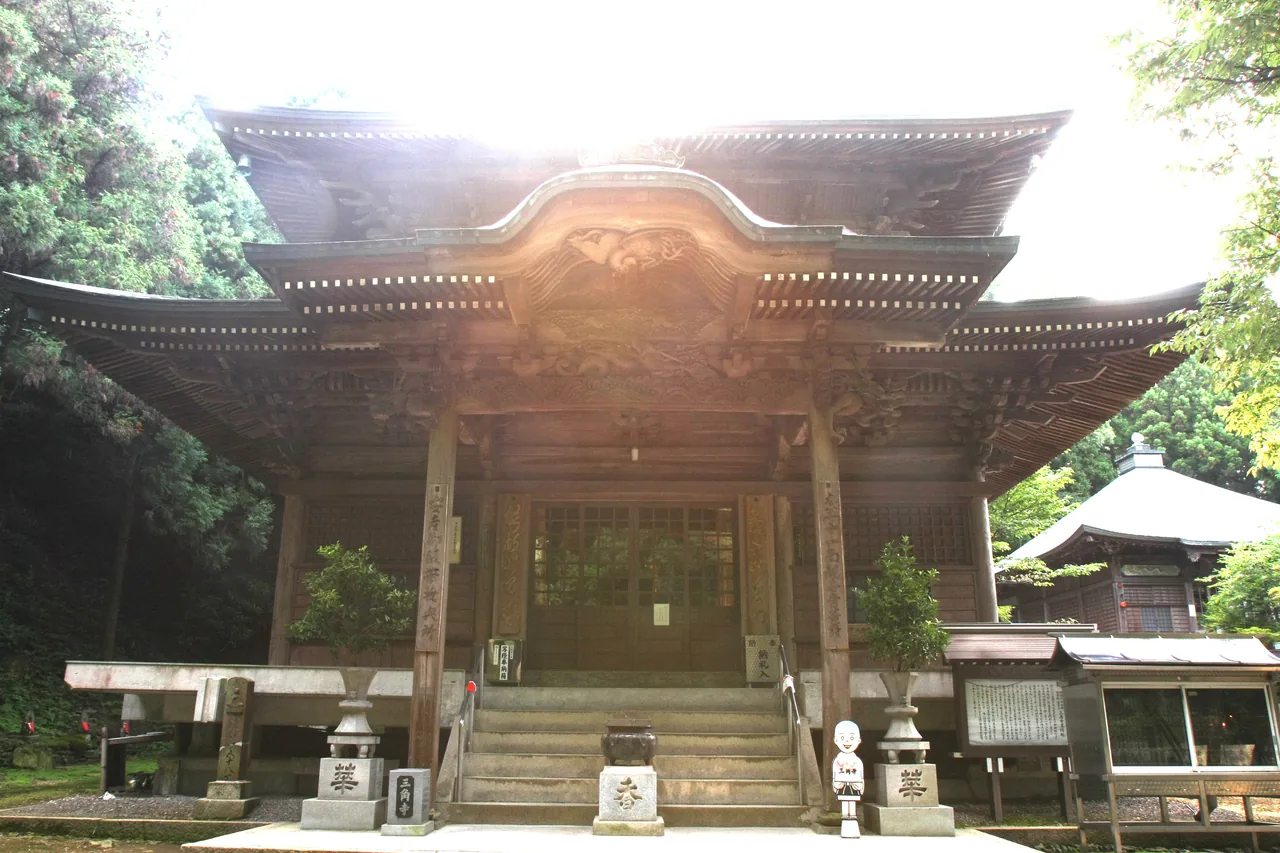
Shikoku Pilgrimage in Ehime: The 26 Iyo Temples and How to Visit
This guide is translated from the Japanese edition. Read the Japanese edition
Temples 40 to 65 of the Shikoku pilgrimage in Ehime, from Iwaya-ji and Ishite-ji to Sankaku-ji, with tips on the eight Matsuyama temples and travel by train and bus.
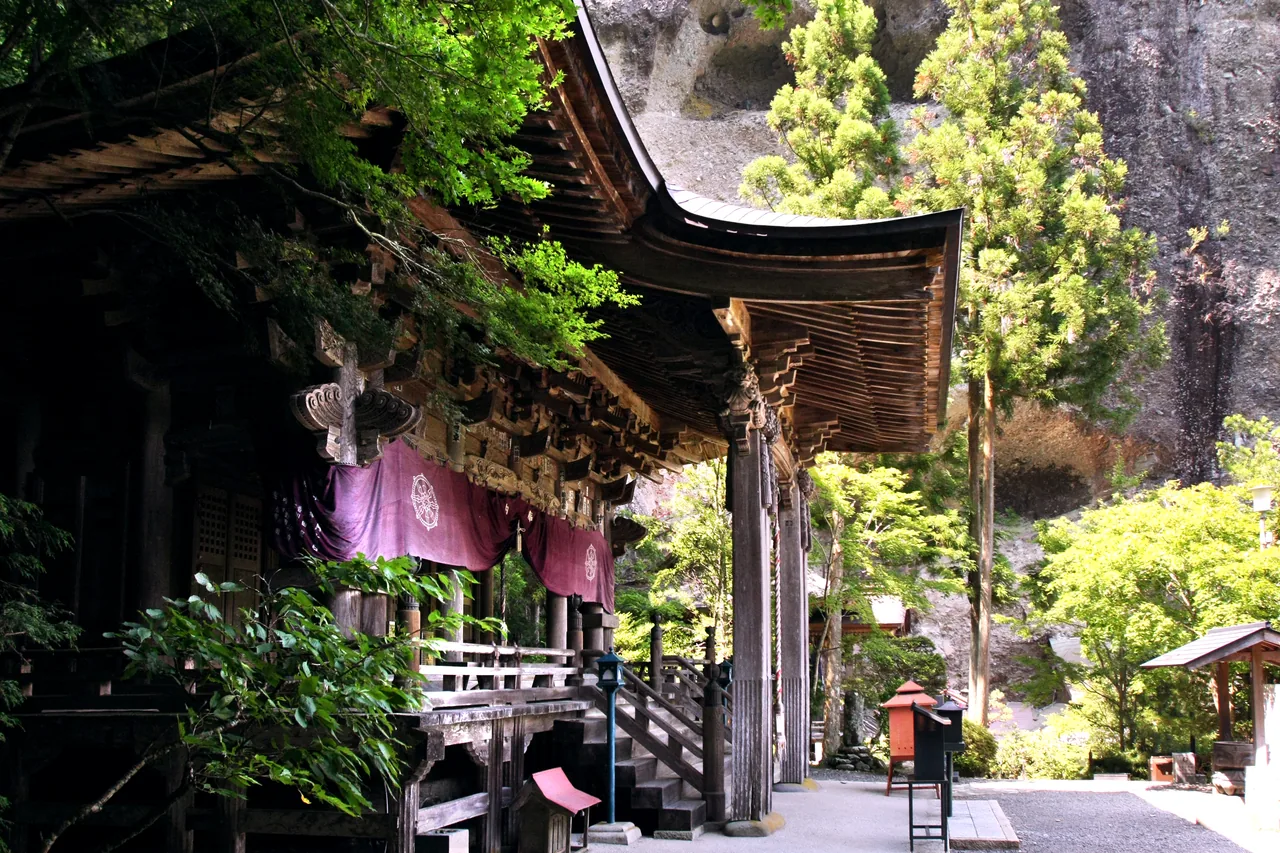
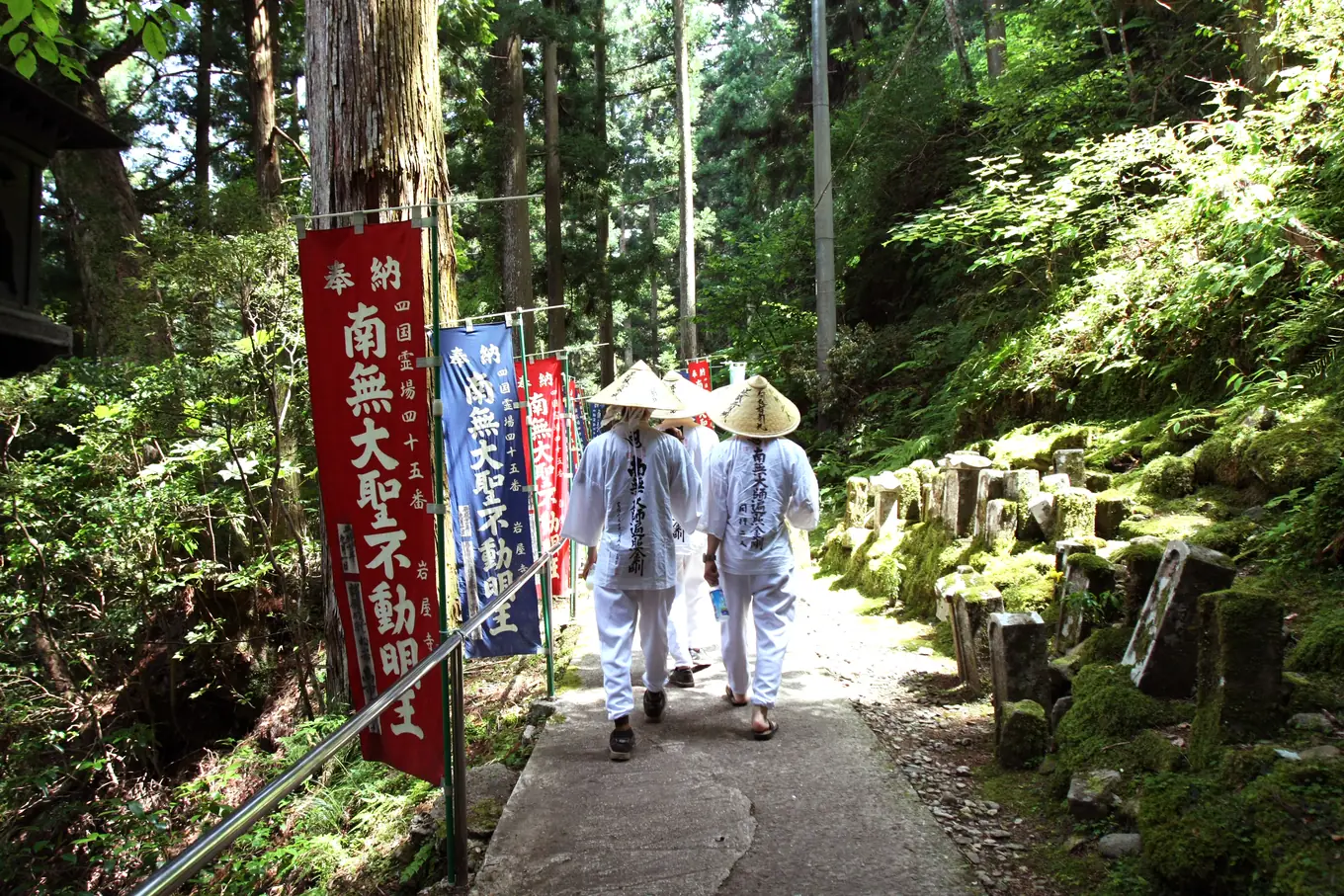
Banners reading "Namu Daisho Fudo Myoo" line an approach through tall cedars, and pilgrims in white robes and sedge hats climb toward Iwaya-ji Temple in the mountains. Of the Shikoku 88-temple pilgrimage, 26 temples, Nos. 40 to 65, are in Ehime Prefecture (the old province of Iyo), the most of any of the four prefectures. The route begins in Ainan in southern Ehime, passes mountain temples in Kumakogen, temples in the city of Matsuyama and temples at the foot of Mt. Ishizuchi, and ends in Shikokuchuo, near the border with Kagawa. Matsuyama alone has eight temples, so even on a short trip you can visit several.
Why the Iyo temples are called the "dojo of enlightenment"
Shikoku's four prefectures are likened to stages of a pilgrim's practice. Tokushima (Awa) is the "dojo of awakening," Kochi (Tosa) the "dojo of ascetic training," and Ehime (Iyo) the "dojo of enlightenment." The word used here, bodai, means cutting through delusion to reach enlightenment. For pilgrims going in order from Temple 1, Ehime marks the turning point of the circuit.
For how to pray at the temples and the basics of the pilgrimage, see our feature "Shikoku Pilgrimage in Tokushima." You can visit without pilgrim clothing, and it is fine to visit just one temple. A list of the temples in Ehime is also available on Iyokannet, the prefecture's official tourism site.
Southern Ehime and Kumakogen: Nos. 40 to 45
Besides Kanjizai-ji, Temple 40, southern Ehime has Ryuko-ji (Temple 41), Butsumoku-ji (Temple 42) and Meiseki-ji (Temple 43), and an old pilgrimage path still links Meiseki-ji with the old town of Unomachi.
Temple 40, Kanjizai-ji: the first temple in Iyo
After crossing the border from Enko-ji, Temple 39 in Kochi, the first temple in Iyo is Kanjizai-ji in Ainan Town. It is said to have been founded in 807 by Kobo Daishi (Kukai) at the order of Emperor Heizei. It has long been called the "back checkpoint" of the Shikoku pilgrimage.
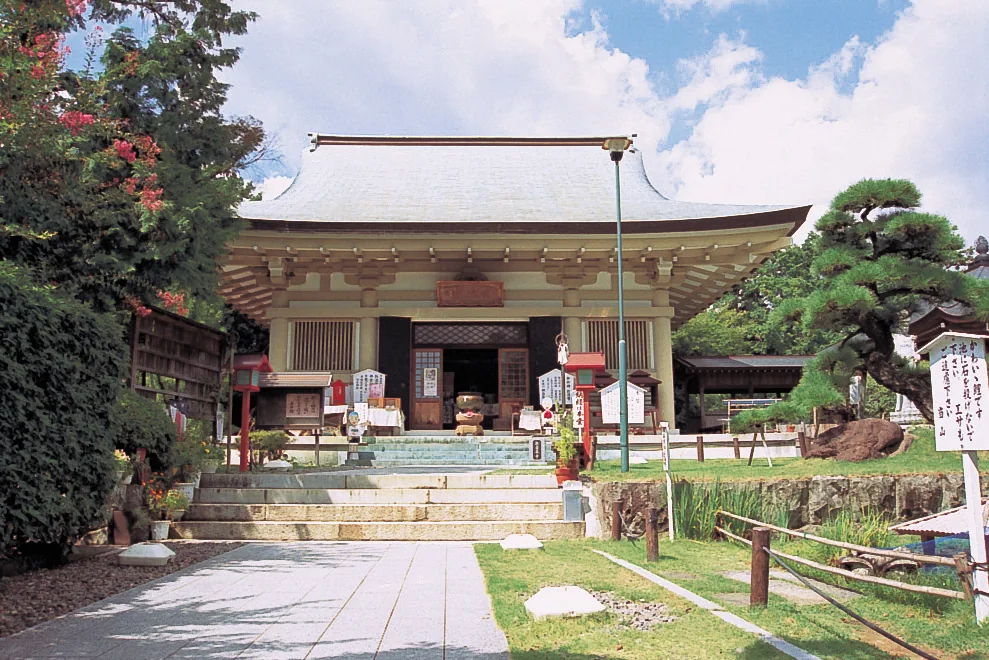
Photo: Ehime Prefectural Tourism & Local Products Association
Temples 41 and 42, Ryuko-ji and Butsumoku-ji: two temples in Mima, Uwajima
In the Mima area of Uwajima City are Ryuko-ji, Temple 41, and Butsumoku-ji, Temple 42. Locally, Ryuko-ji is known as "Mima no Oinari-san," and with a torii gate standing in place of a temple gate, it still shows its past as a place where Shinto gods and Buddhas were worshipped together.
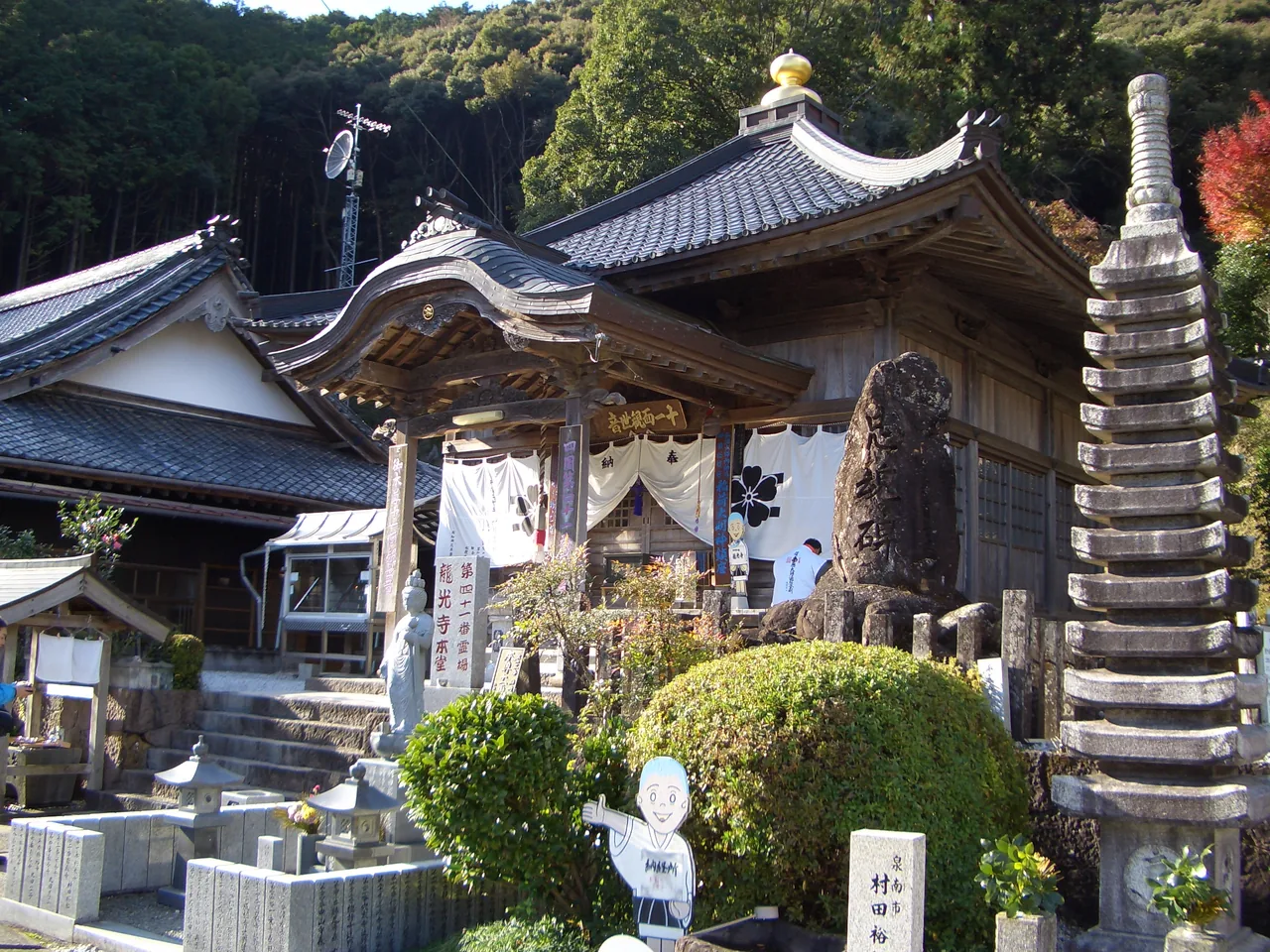
Photo: Ehime Prefectural Tourism & Local Products Association
Butsumoku-ji has the only thatched-roof bell tower among the Shikoku pilgrimage temples. The pilgrim path from Ryuko-ji to Butsumoku-ji, known as the Butsumokuji-michi, is a national Historic Site.
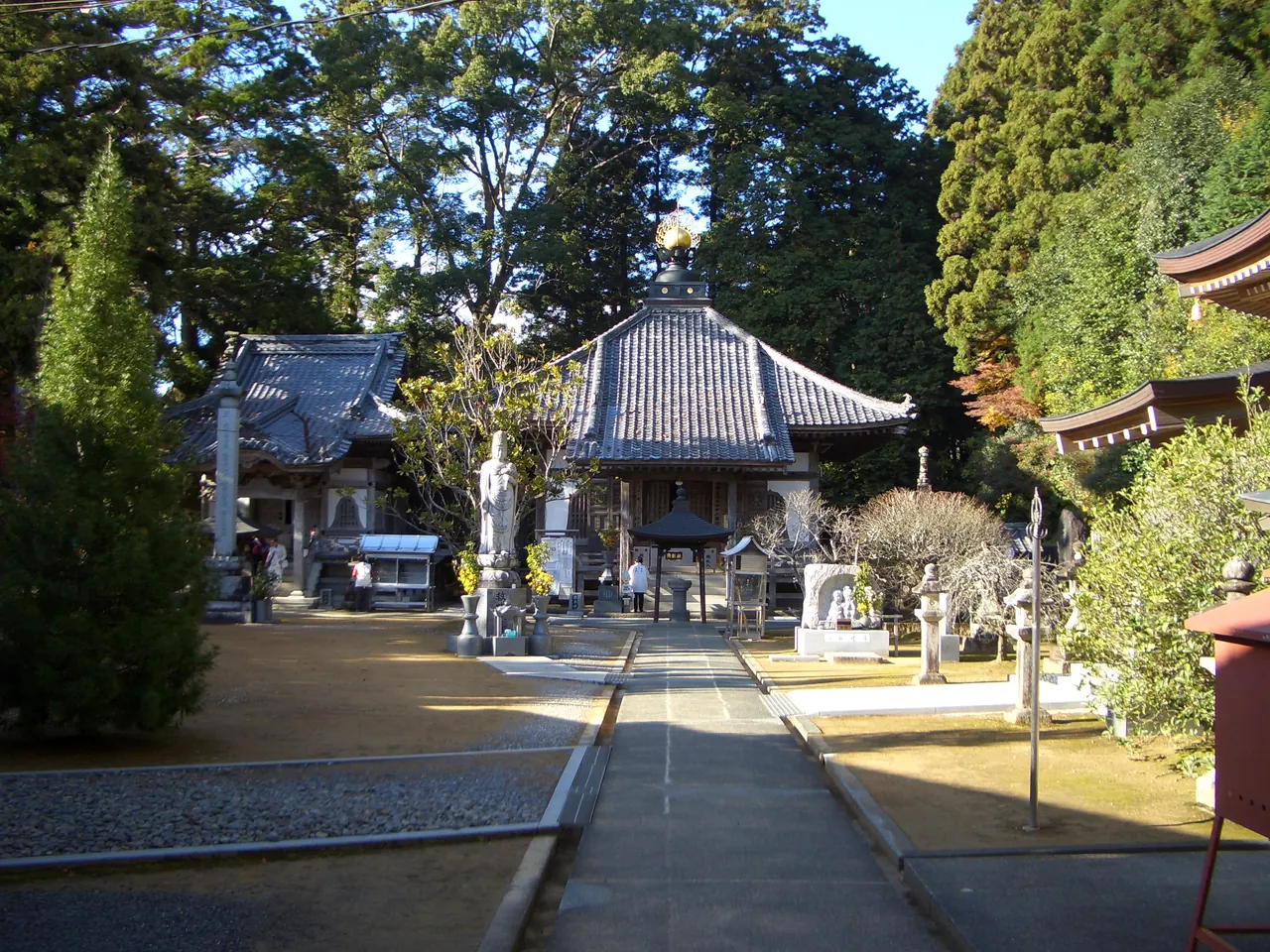
Photo: Ehime Prefectural Tourism & Local Products Association
Temples 44 and 45, Taiho-ji and Iwaya-ji: mountain temples in Kumakogen
In the mountain town of Kumakogen, reached by following National Route 33 from Matsuyama toward Kochi, are Taiho-ji, Temple 44, and Iwaya-ji, Temple 45. Both lie off Prefectural Road 12, which branches from Route 33: Taiho-ji is just after the turn, and Iwaya-ji is farther in.
Iwaya-ji's principal image is Fudo Myoo. Its halls nestle against a towering rock face, and the area is a national Place of Scenic Beauty. The Daishi Hall, which juts out from the rock, was rebuilt in 1920 and designated an Important Cultural Property in 2007. From the parking lot, a steep approach known as "henro korogashi," the path that makes pilgrims tumble, climbs to the grounds, so wear comfortable shoes.
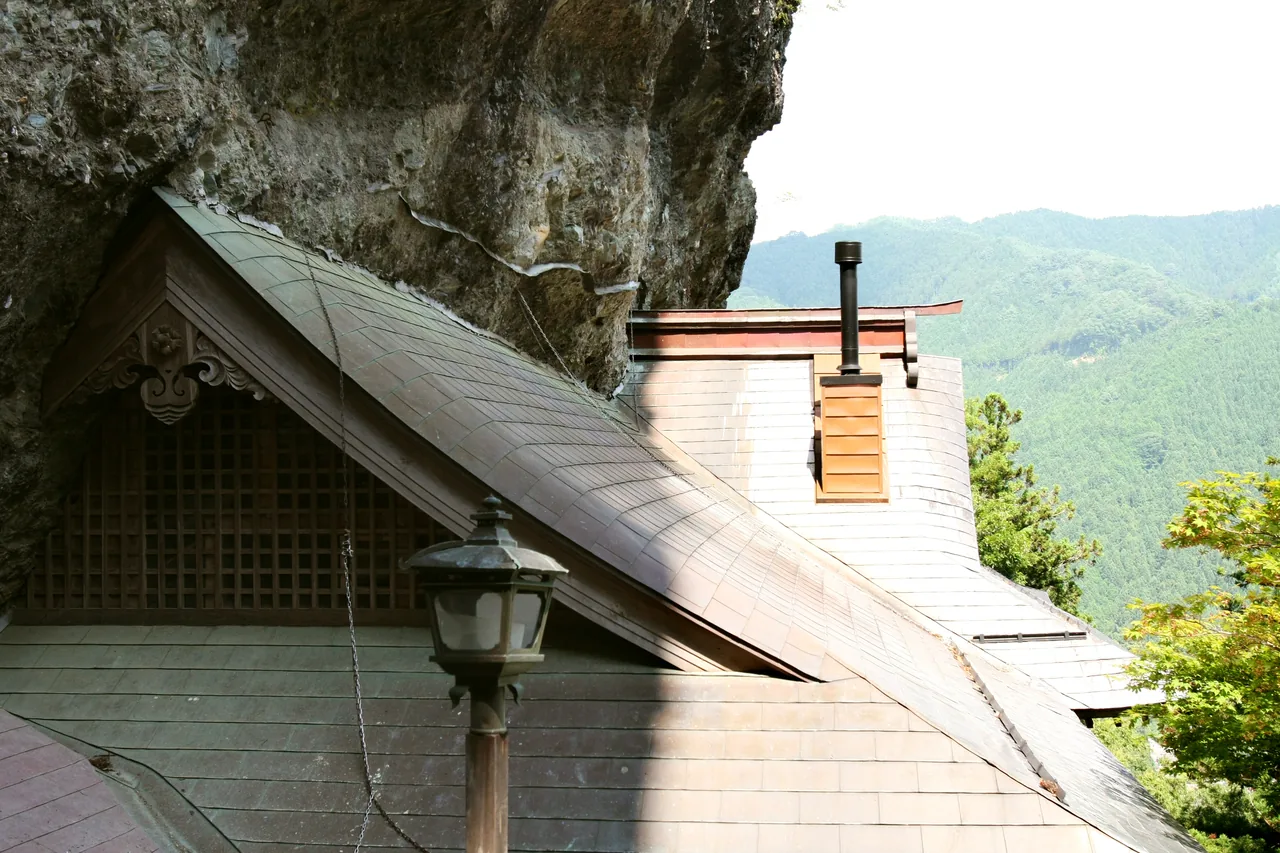
Photo: Ehime Prefectural Tourism & Local Products Association
The eight temples in Matsuyama: Nos. 46 to 53
Matsuyama has eight temples, from Joruri-ji, Temple 46, to Enmyo-ji, Temple 53. Joruri-ji and Yasaka-ji are within walking distance of each other, and Ishite-ji is a walk from Dogo Onsen.
Temples 46 and 47, Joruri-ji and Yasaka-ji: 13 minutes apart on foot
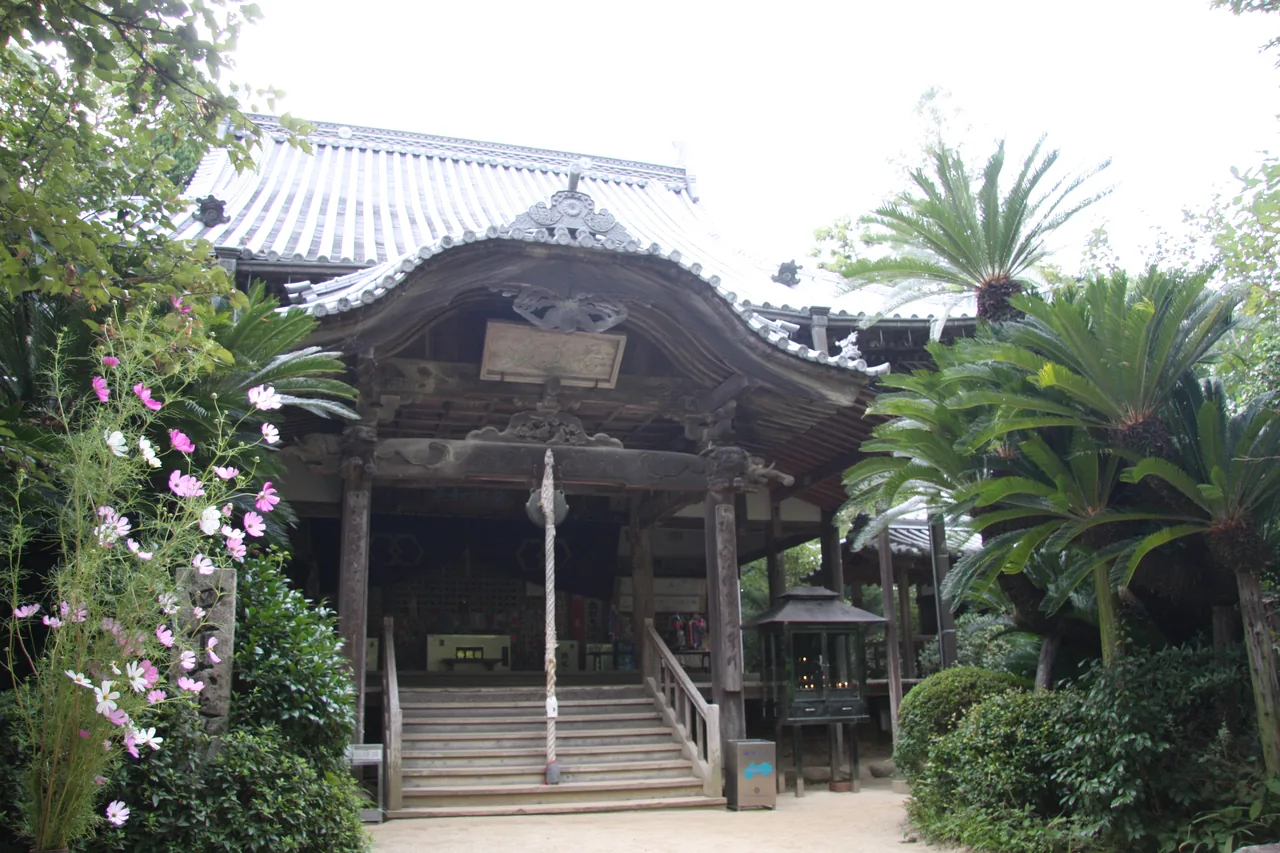
Joruri-ji is said to have begun in 708, when the monk Gyoki carved a statue of Yakushi Nyorai and enshrined it as the principal image. It stands in the home village of Emon Saburo, who appears in the story of how the pilgrimage began. In the grounds are a juniper about 20 m tall, a Natural Monument of Matsuyama City, and a stone carved with the Buddha's footprints.
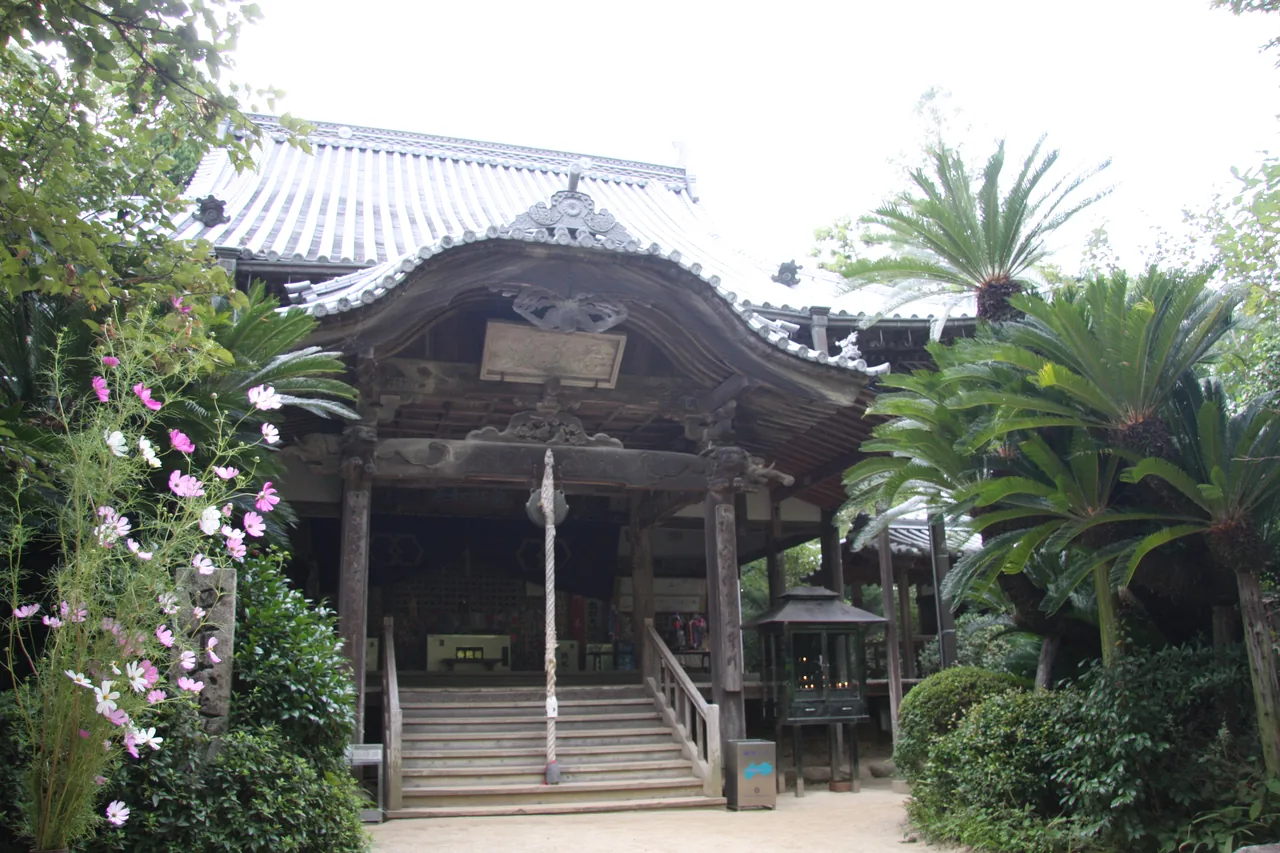
Photo: Ehime Prefectural Tourism & Local Products Association
About 1 km from Joruri-ji, a walk of around 13 minutes, is Yasaka-ji. Its name, meaning "eight slopes," is said to come from the eight slopes cut through to build it as a temple of prayer for Emperor Monmu. The principal image, a seated Amida Nyorai attributed to the monk Genshin, is a hidden Buddha shown only once every 50 years.
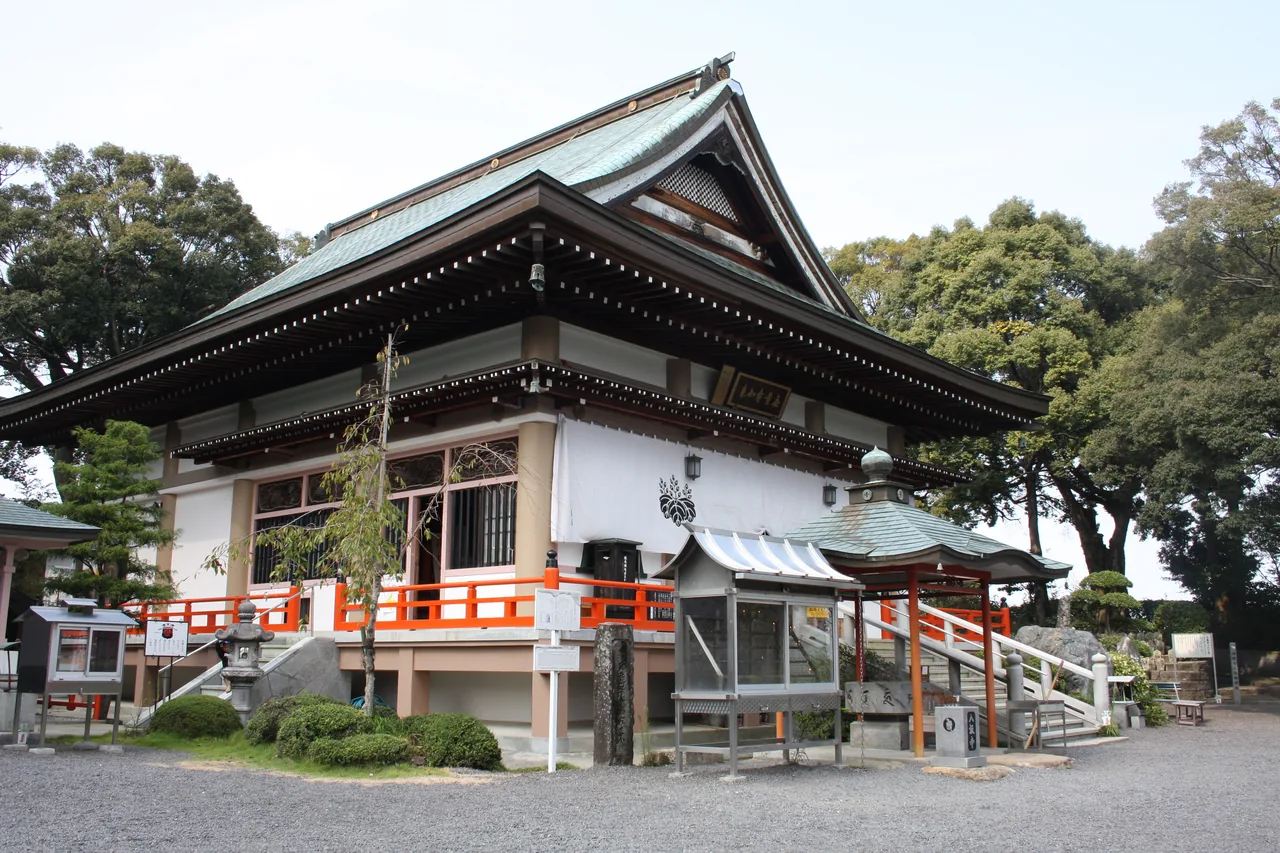
Photo: Ehime Prefectural Tourism & Local Products Association
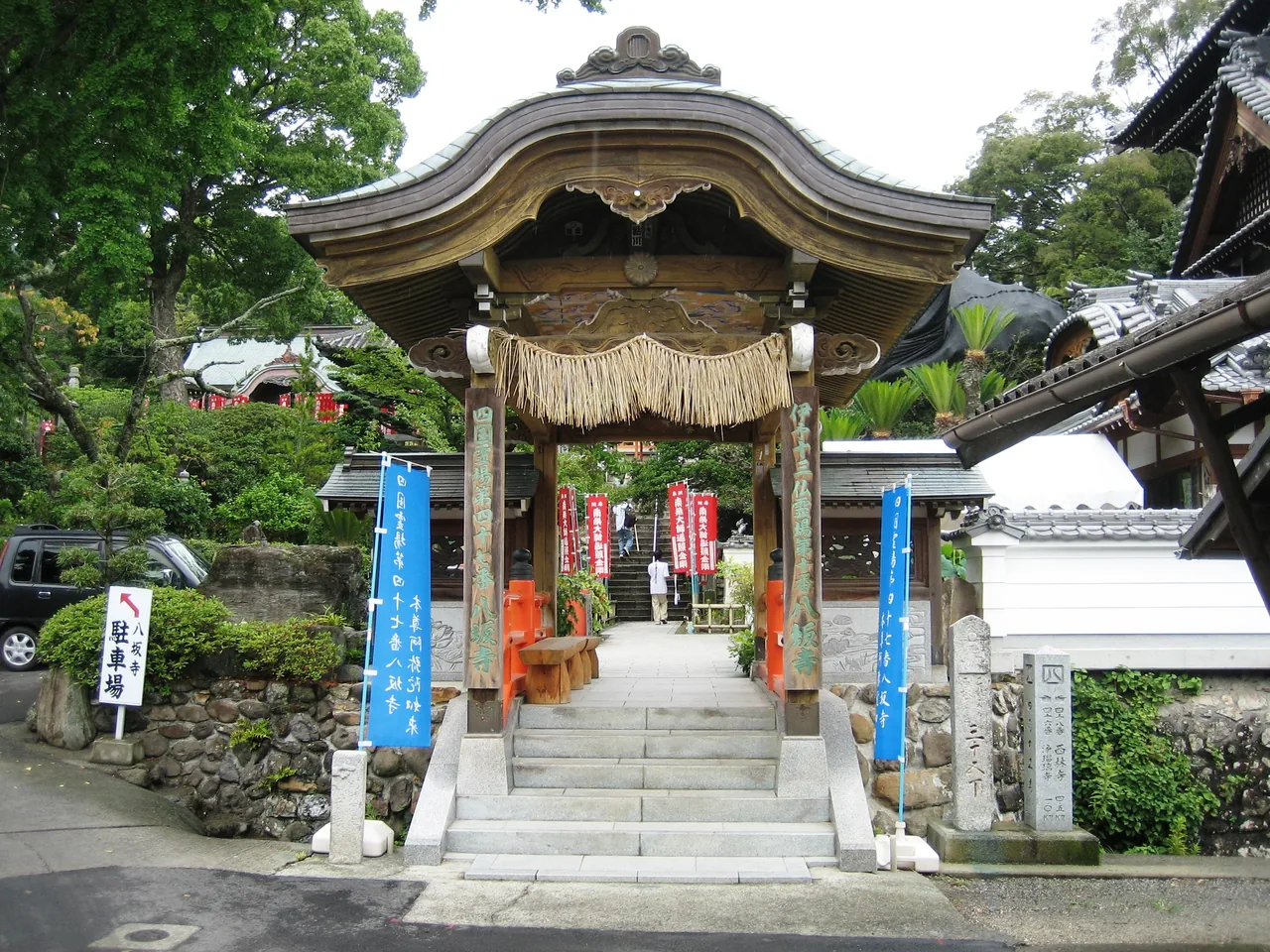
Photo: Ehime Prefectural Tourism & Local Products Association
Temples 48, 49 and 50, Sairin-ji, Jodo-ji and Hanta-ji
Beyond Yasaka-ji come Sairin-ji, Temple 48, Jodo-ji, Temple 49, and Hanta-ji, Temple 50.
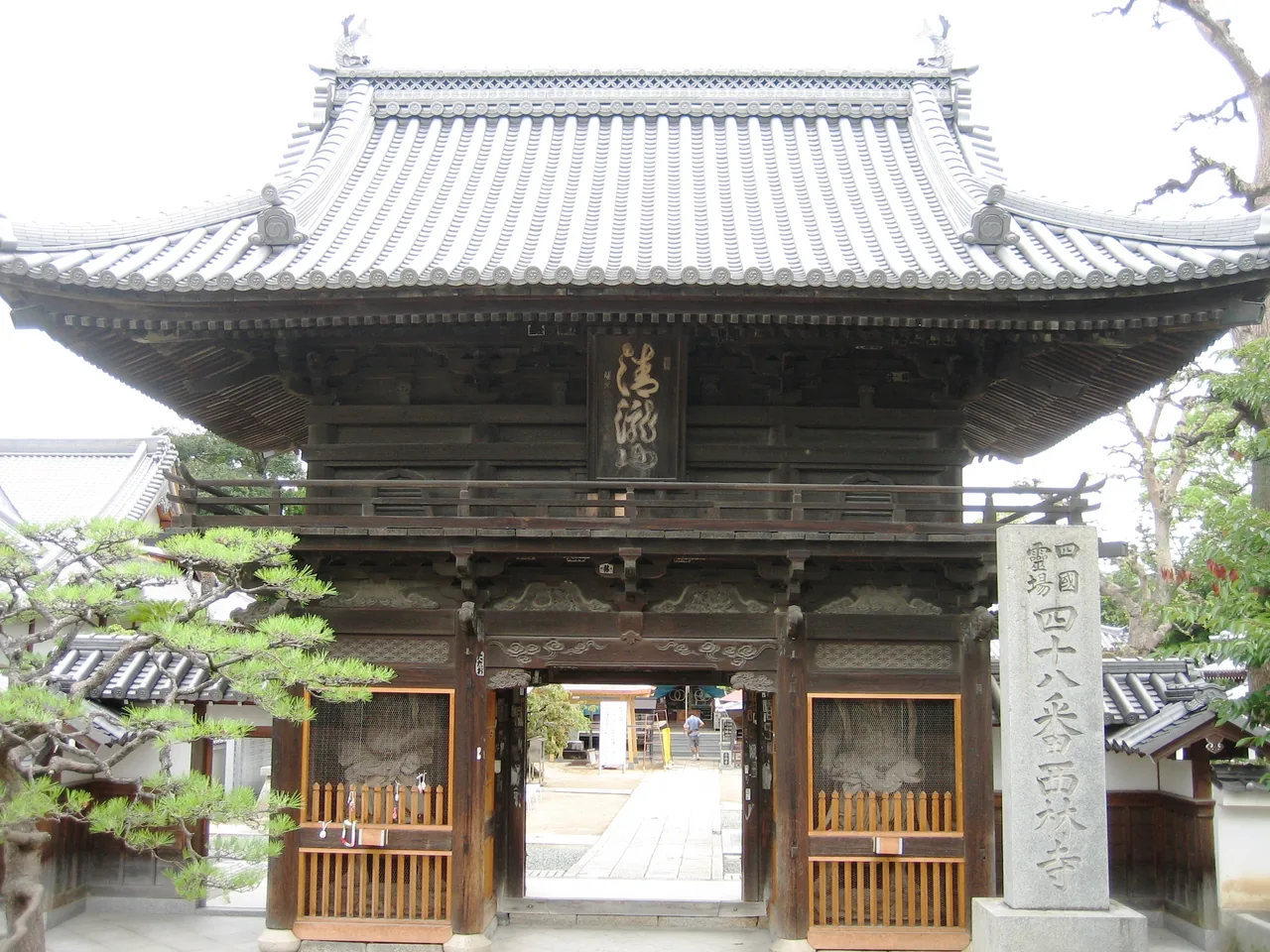
Photo: Ehime Prefectural Tourism & Local Products Association
Jodo-ji's main hall was built in 1484 and is an Important Cultural Property. The Heian-period monk Kuya is said to have stayed at the temple for three years, and a Kamakura-period statue of him is also an Important Cultural Property.
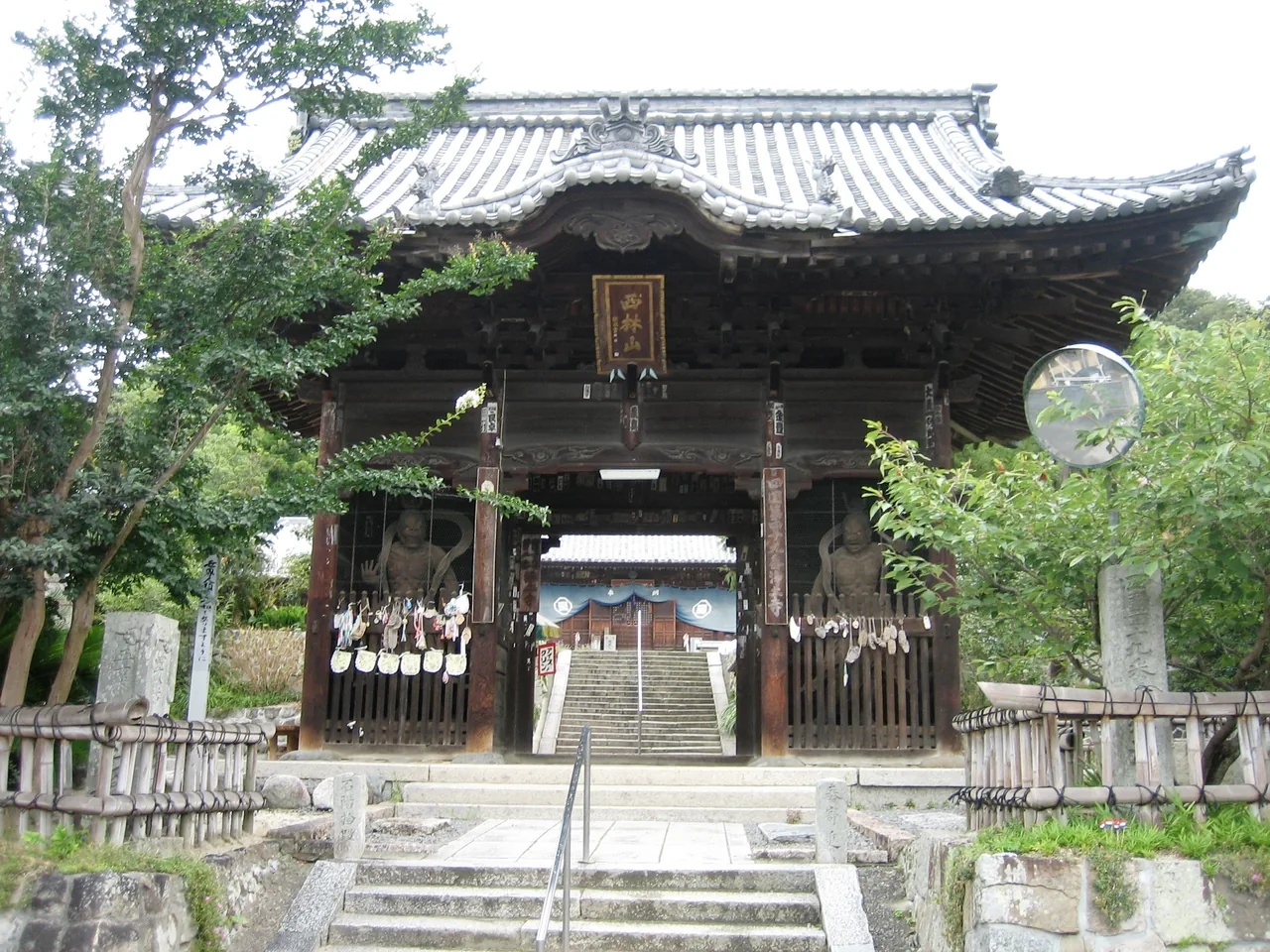
Photo: Ehime Prefectural Tourism & Local Products Association
Hanta-ji is said to have been built by Gyoki in the Nara period at the wish of Empress Koken. It is also known for its ties to Ippen, founder of the Ji school of Buddhism.
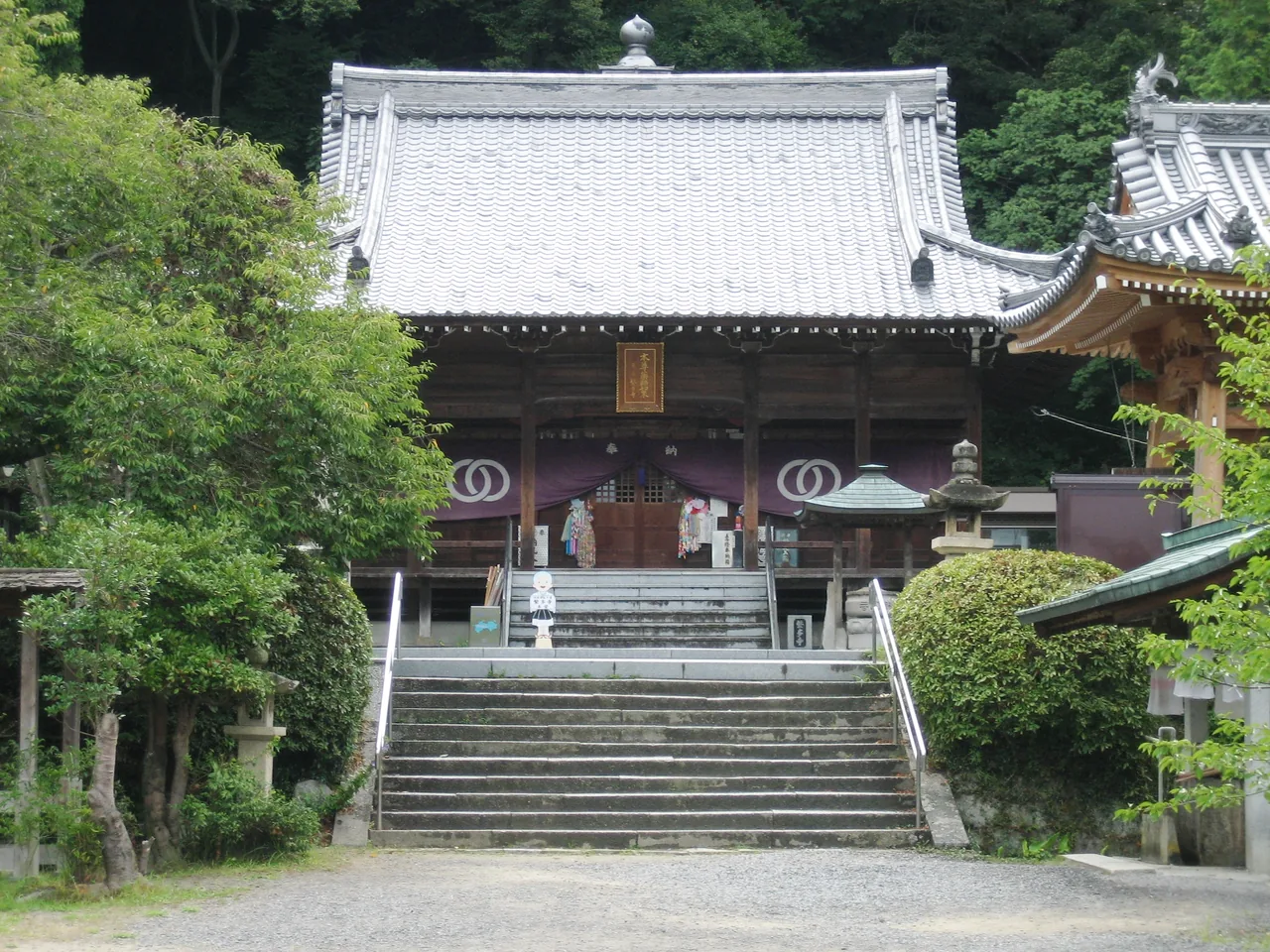
Photo: Ehime Prefectural Tourism & Local Products Association
Temple 51, Ishite-ji: a temple within walking distance of Dogo Onsen
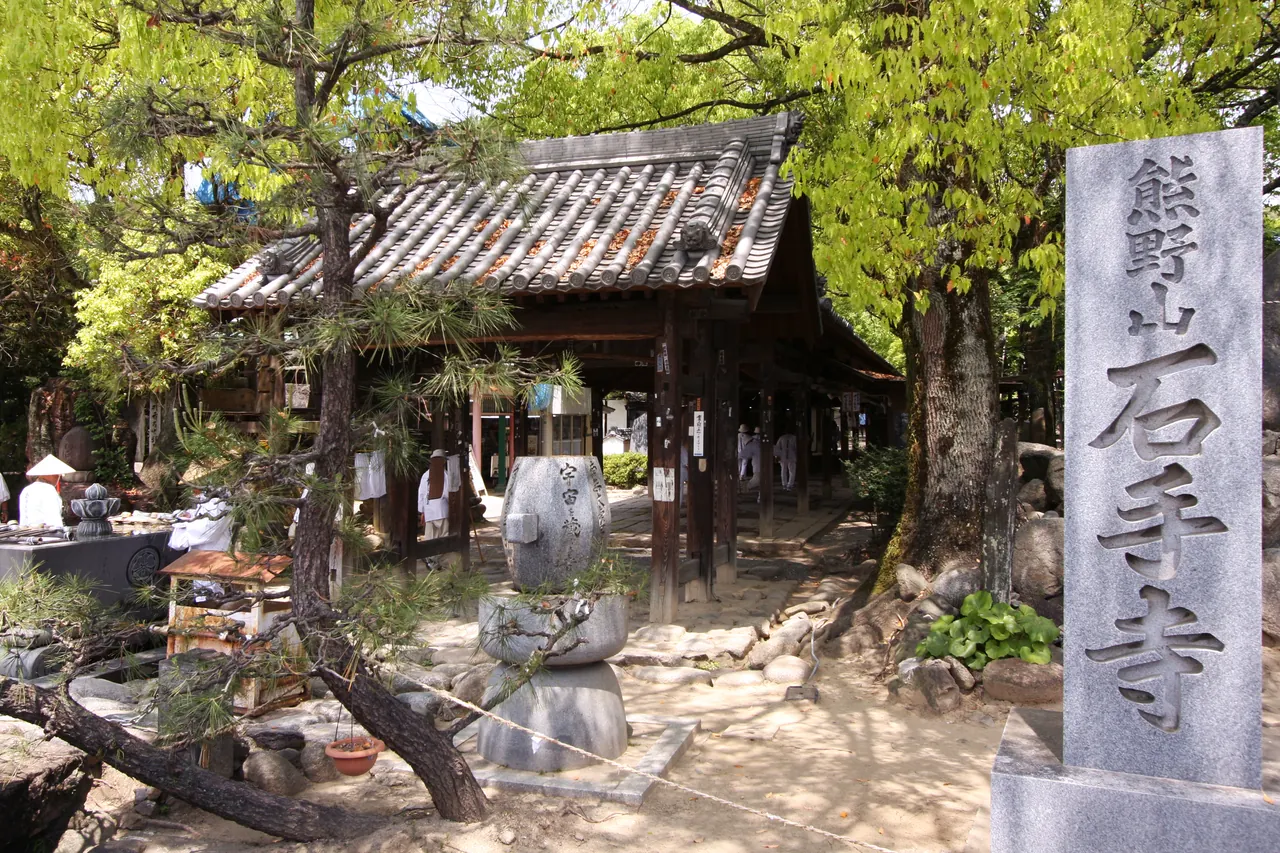
Ishite-ji is about 1 km from Dogo Onsen. Temple tradition says its halls were first built in 728. The Niomon Gate, said to date from 1318, is a National Treasure, and inside stand guardian statues attributed to the school of the sculptor Unkei. Behind the main hall is the 160-meter Mantra Cave, lined with Jizo and other Buddhist statues. Sights around Dogo Onsen are covered in our "Matsuyama Travel Guide."
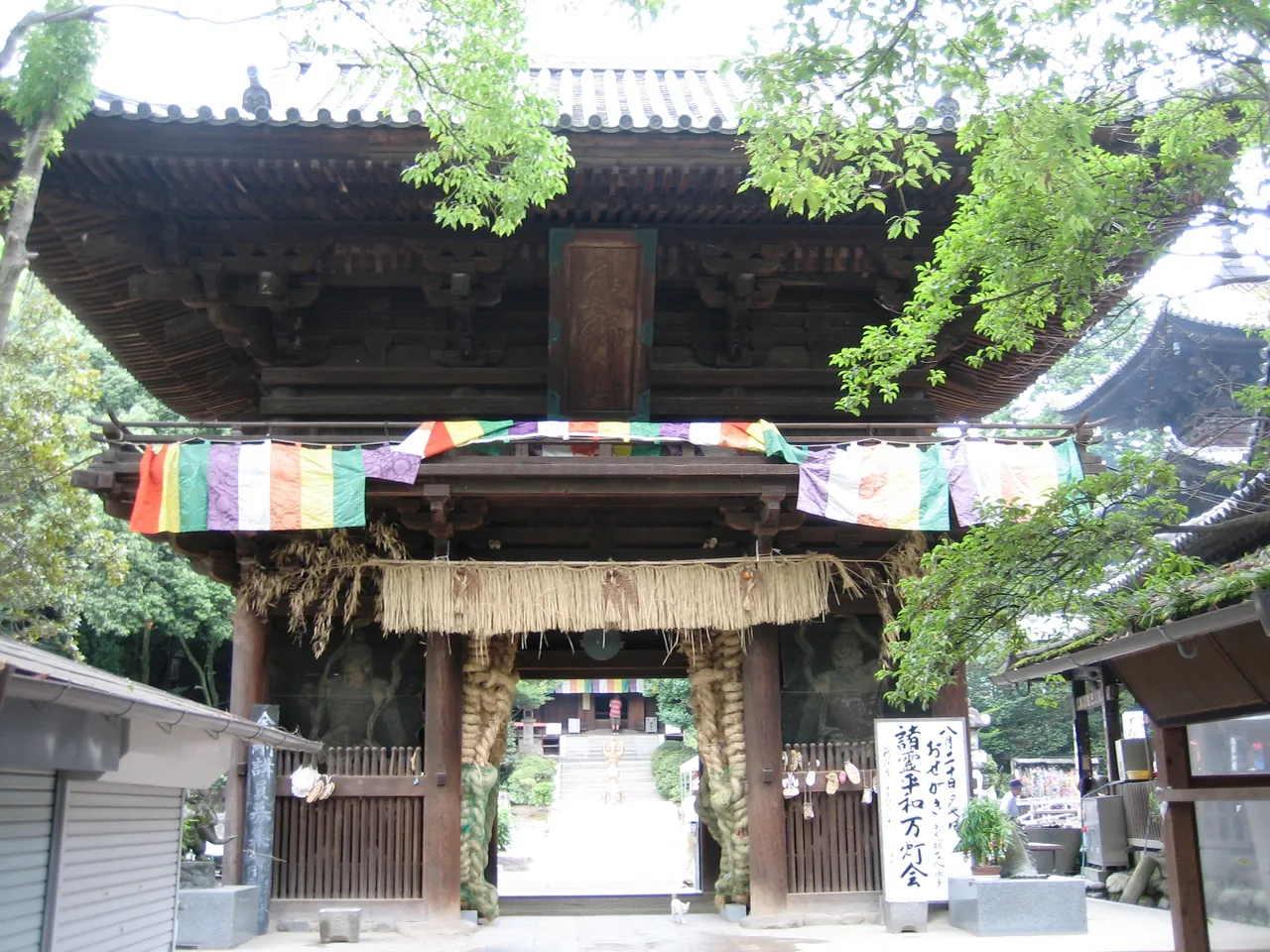
Photo: Ehime Prefectural Tourism & Local Products Association
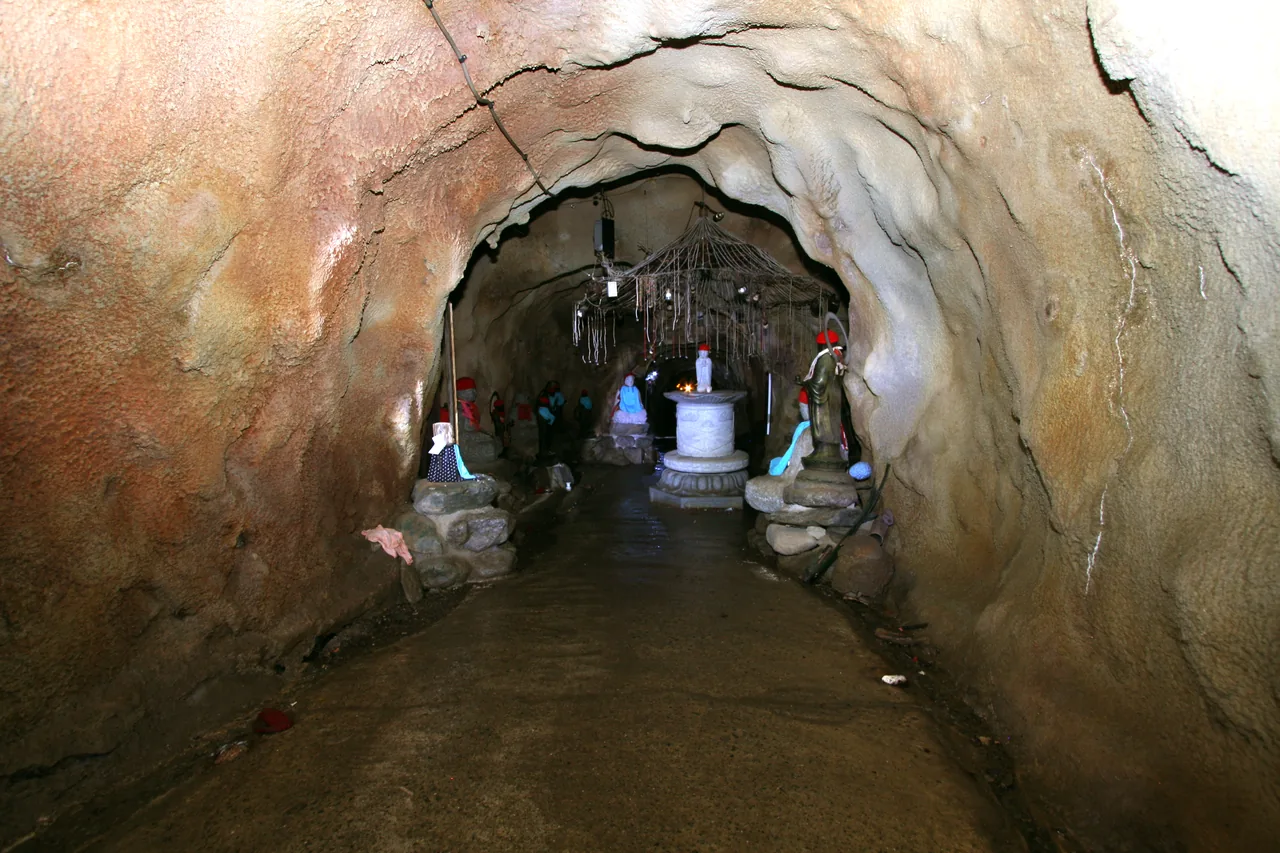
Photo: Ehime Prefectural Tourism & Local Products Association
Temples 52 and 53, Taisan-ji and Enmyo-ji
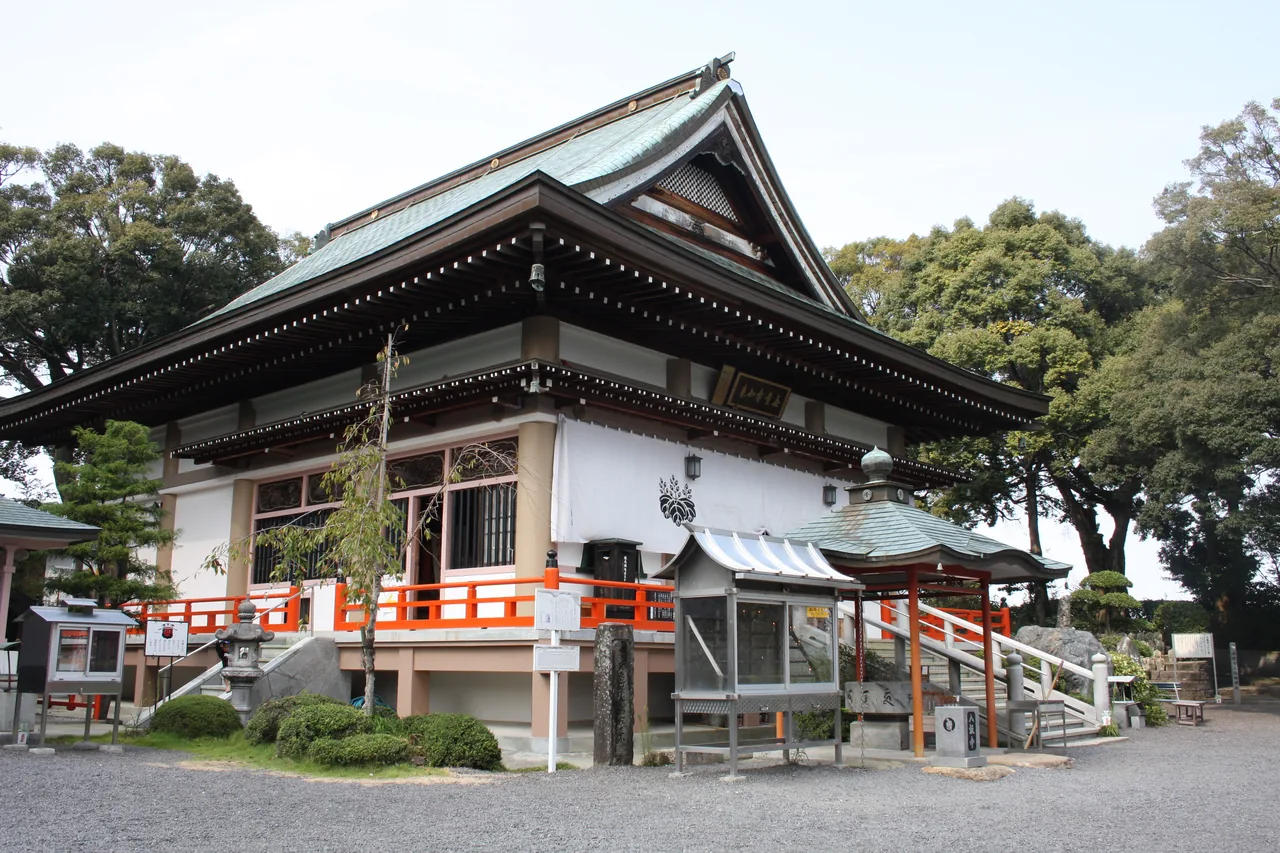
The main hall of Taisan-ji, Temple 52, is a National Treasure. Enmyo-ji, Temple 53, is said to have been founded by Gyoki at the wish of Emperor Shomu, and it is the last of the Matsuyama temples.
From the foot of Mt. Ishizuchi to Shikokuchuo: Nos. 54 to 65
Temples 54 to 59: six temples in Imabari
Imabari has six temples, from Temple 54 to Temple 59. Enmei-ji, Temple 54, has Fudo Myoo as its principal image, and its temple bell, cast in 1704, is a Tangible Cultural Property of Imabari City. Nanko-bo, Temple 55, began as a lodge belonging to Oyamazumi Shrine on Omishima and was later moved to its present site as the temple attached to Imabari's Betsugu Oyamazumi Shrine.
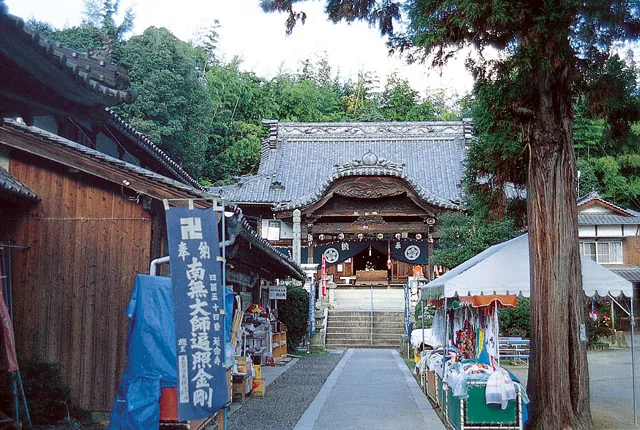
Photo: Ehime Prefectural Tourism & Local Products Association
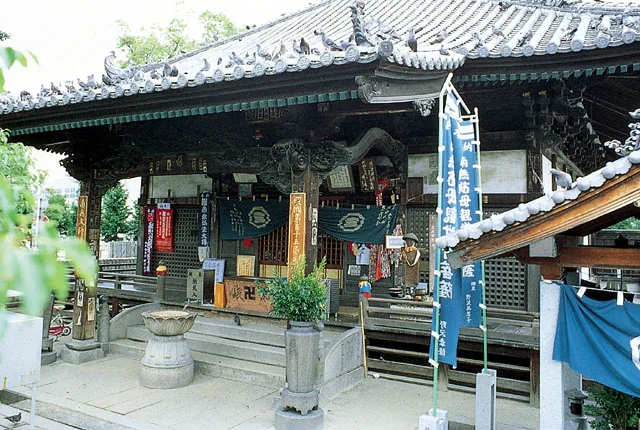
Photo: Ehime Prefectural Tourism & Local Products Association
Taisan-ji, Temple 56, is said to have been built by Kobo Daishi after he calmed the floods of the Soja River. Eifuku-ji, Temple 57, stands partway up Mt. Futo (府頭山) and is said to have been founded by Kobo Daishi at the wish of Emperor Saga.
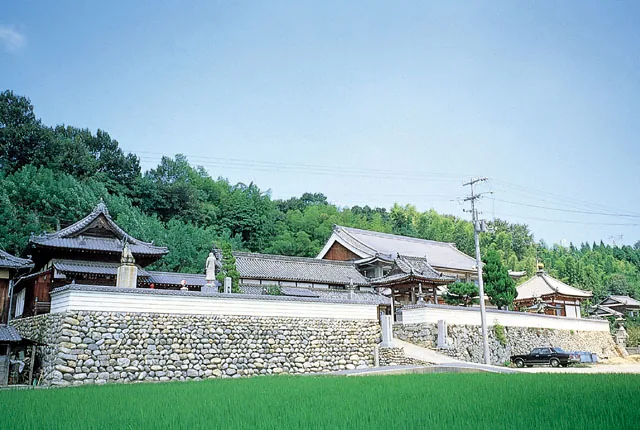
Photo: Ehime Prefectural Tourism & Local Products Association
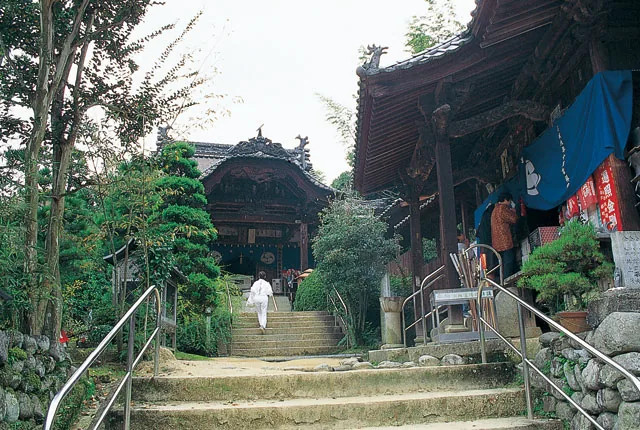
Photo: Ehime Prefectural Tourism & Local Products Association
Senyu-ji, Temple 58, stands on Mt. Sarei (作礼山) and is said to have been built at the wish of Emperor Tenji. Legend says its principal image, a Thousand-Armed Kannon, was carved by a dragon maiden. Kokubun-ji, Temple 59, is the provincial temple of Iyo, founded in 741 at the wish of Emperor Shomu.
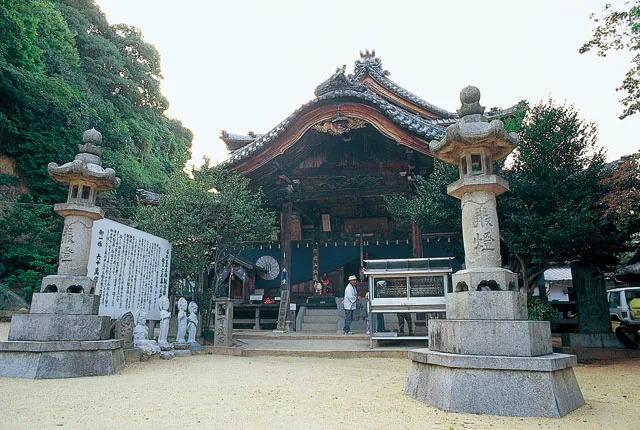
Photo: Ehime Prefectural Tourism & Local Products Association
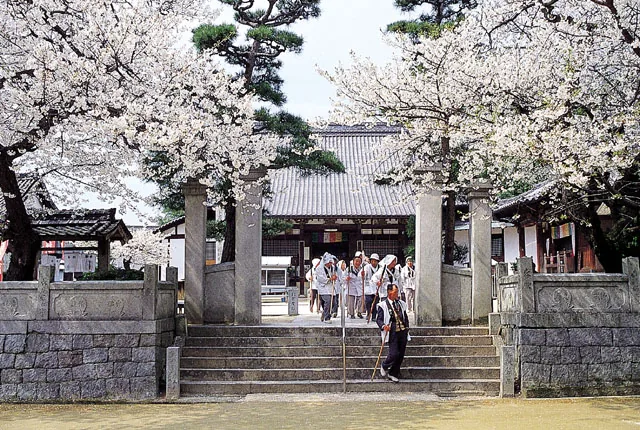
Photo: Ehime Prefectural Tourism & Local Products Association
Temples 60 and 64, Yokomine-ji and Maegami-ji: temples tied to Mt. Ishizuchi
Yokomine-ji, Temple 60 in Saijo City, sits about 750 m up the slopes of Mt. Ishizuchi, the highest mountain in western Japan. The climb to this mountain temple is one of the toughest "henro korogashi" climbs for walking pilgrims. Maegami-ji, Temple 64, also in Saijo, was once one with Ishizuchi Shrine. It is about a 10-minute walk from Ishizuchiyama Station on the JR Yosan Line.
Temple 65, Sankaku-ji: the last temple in Iyo
The Iyo temples end at Sankaku-ji, at the top of a mountain road in Shikokuchuo. Temple tradition says the monk Gyoki founded it at the wish of Emperor Shomu, and that Kobo Daishi, visiting in 815, carved the principal image, an Eleven-Headed Kannon. The name, meaning "triangle temple," comes from the triangular goma fire altar where Kobo Daishi performed rites; its site survives as the island in the Triangle Pond in the grounds. The principal image is a hidden Buddha shown only once every 60 years. From Temple 66 on, the temples are in Kagawa.
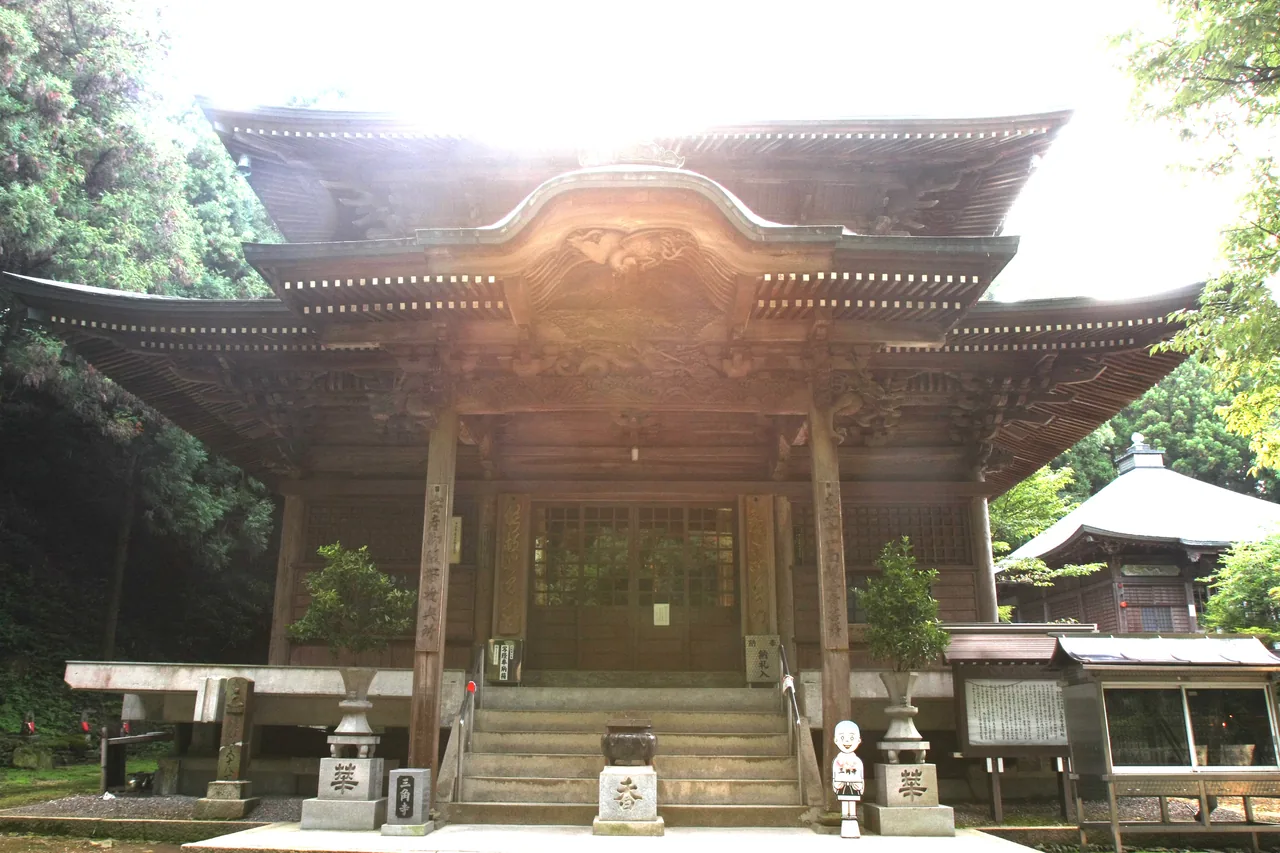
Photo: Ehime Prefectural Tourism & Local Products Association
Getting around by train and bus
Ehime's temples are spread from the south of the prefecture to the east. Without a car, the practical approach is to base yourself in Matsuyama and visit different areas on different days.
- Ishite-ji: About 1 km from Dogo Onsen Station on the Iyotetsu tram, so you can stop by while exploring Dogo
- Joruri-ji and Yasaka-ji: The nearest bus stops are Joruriji-mae and Yasakaji-mae on Iyotetsu buses. The two temples are about 1 km apart, close enough to walk
- Taiho-ji and Iwaya-ji: The JR Shikoku Bus Kumakogen Line takes about 1 hour 20 minutes from JR Matsuyama Station to Kumakogen. An Iyotetsu Nanyo Bus route from Kuma serves Iwaya-ji on weekdays only, so check the timetable on the Kumakogen Town website before you go. By car, it is about 30 minutes on Route 33 from Matsuyama IC, then about 20 minutes on Prefectural Road 12 to Iwaya-ji
- Maegami-ji: About a 10-minute walk from Ishizuchiyama Station on the JR Yosan Line
- Sankaku-ji: From Mishima-Kawanoe IC on the Matsuyama Expressway, take National Route 192 and climb a mountain road for about 4 km
Some rural bus routes have only a few services a day. Decide which buses you will take in advance, and plan to arrive while the temple office (nokyosho) is open. Matsuyama City's "Temple pilgrimage" page (in Japanese) also covers the temples in the city. For Temples 24 to 39 in Kochi, see "Shikoku Pilgrimage in Kochi"; for Temples 66 to 88 in Kagawa, see "Shikoku Pilgrimage in Kagawa."