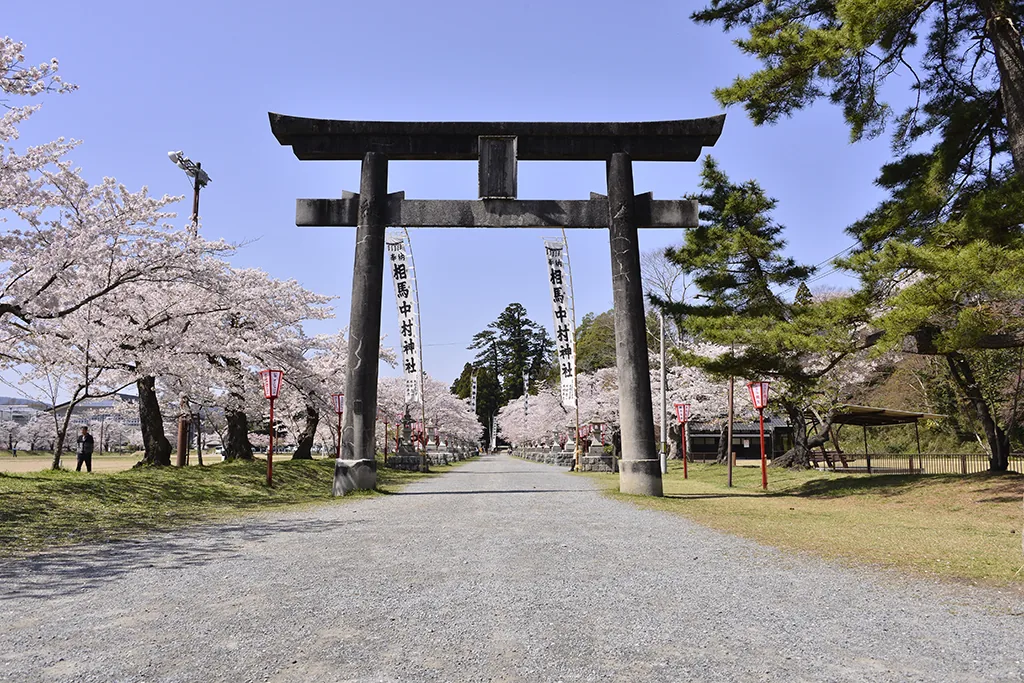
Fukushima Castles: Tsuruga-jo, Shirakawa, Nihonmatsu, Tanagura
This guide is translated from the Japanese edition. Read the Japanese edition
Fukushima castles guide: Tsuruga-jo's red-tiled keep, Shirakawa Komine's wooden turret, Nihonmatsu's Minowa Gate, Tanagura's moats and Soma's old gate, plus train routes.
Visit Fukushima's castle sites and you will find that, of the five castles covered here, only Tsuruga-jo in Aizu-Wakamatsu has a keep. At the others, turrets and gates on stone walls, water-filled moats and earthen ramparts tell the story of the castle. In return, each site offers something different: at one you can climb a turret rebuilt in wood, at another you walk through a gate that has stood since the Edo period. Here are five castles scattered across Aizu, Nakadori and Hamadori, with what survives at each and which station you can walk from.
What can you see at Fukushima's castles? The five at a glance
| Castle | Town | What you can see today | Nearest station |
|---|---|---|---|
| Tsuruga-jo (Wakamatsu Castle) | Aizu-Wakamatsu | Red-tiled keep rebuilt in 1965, stone walls and moats | Bus from Aizu-Wakamatsu Station |
| Shirakawa Komine Castle | Shirakawa | Three-story turret and Mae-gomon Gate rebuilt in wood, tall stone walls | About 5 min walk from Shirakawa Station |
| Nihonmatsu Castle (Kasumigajo Park) | Nihonmatsu | Rebuilt Minowa Gate, stone walls of the main enclosure | About 20 min walk from Nihonmatsu Station |
| Tanagura Castle | Tanagura | Moats and earthen ramparts around the main enclosure | About 15 min walk from Iwaki-Tanagura Station |
| Soma Nakamura Castle | Soma | Edo-period main gate, stone walls, moats and ramparts | About 15 min walk from Soma Station |
Follow the lords who built or remodeled these castles and a connection appears. Niwa Nagashige, who built Tanagura Castle, later moved to Shirakawa and remodeled Komine Castle on a large scale. Niwa Mitsushige then moved from Shirakawa to Nihonmatsu: after serving as the seat of several lords, Nihonmatsu Castle was granted to him in 1643.
Tsuruga-jo: the only red-tiled castle keep in Japan
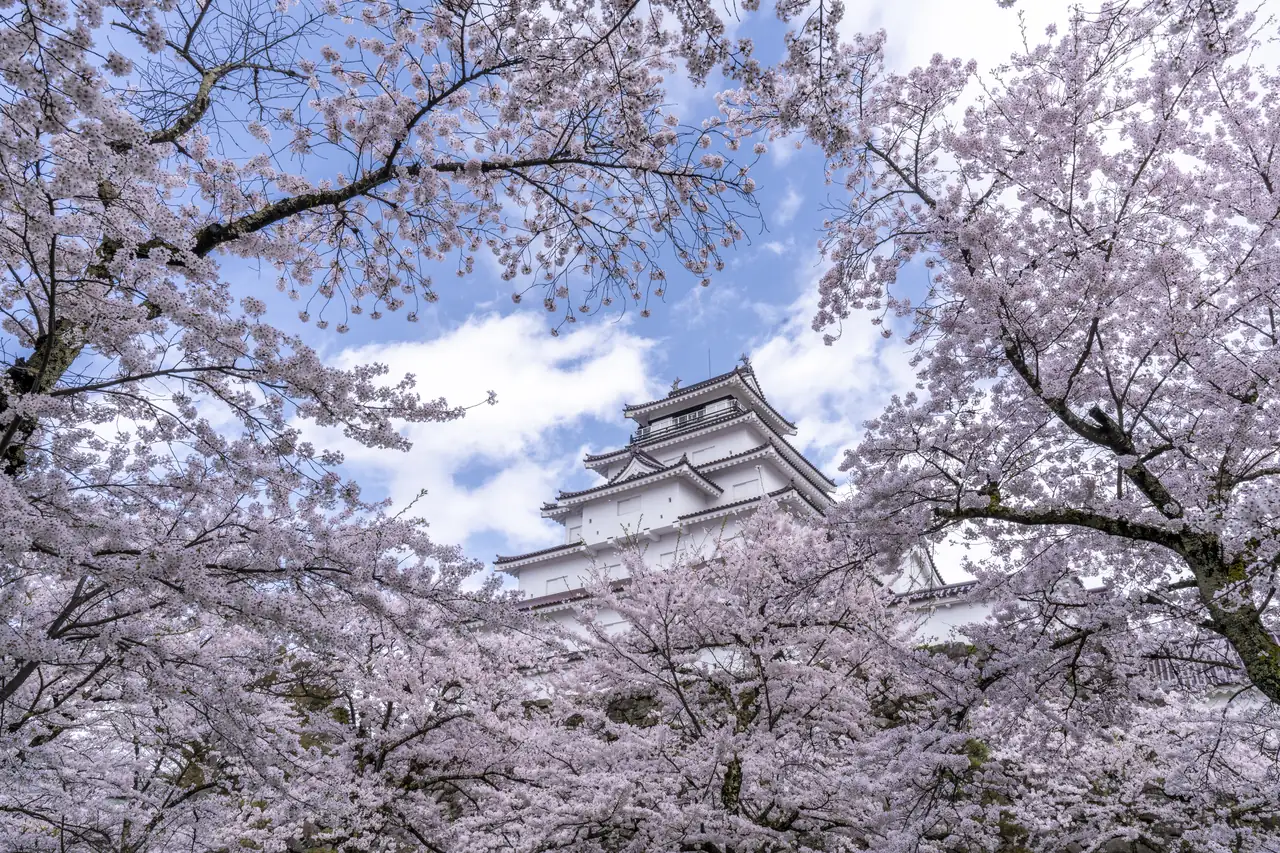
Tsuruga-jo in Aizu-Wakamatsu is the only one of the five with a keep. The castle grounds are a National Historic Site, "Wakamatsu Castle Ruins," and the current keep was rebuilt in 1965. In 2011 its roof was re-covered with red tiles like those of the late Edo period, making it the only keep in Japan with red tiles. The red tiles are said to have been made in Aizu on the orders of Hoshina Masayuki, founder of the Aizu domain, because they stand up to cold and snow. In winter, when snow piles up, the red of the tiles stands out clearly against the white walls and snow.
Inside the keep is a local history museum. From JR Aizu-Wakamatsu Station, the town loop buses Haikara-san and Akabe take about 20 minutes. For the castle's siege in the Boshin War and a history route that includes Iimoriyama, see Aizu-Wakamatsu samurai history.
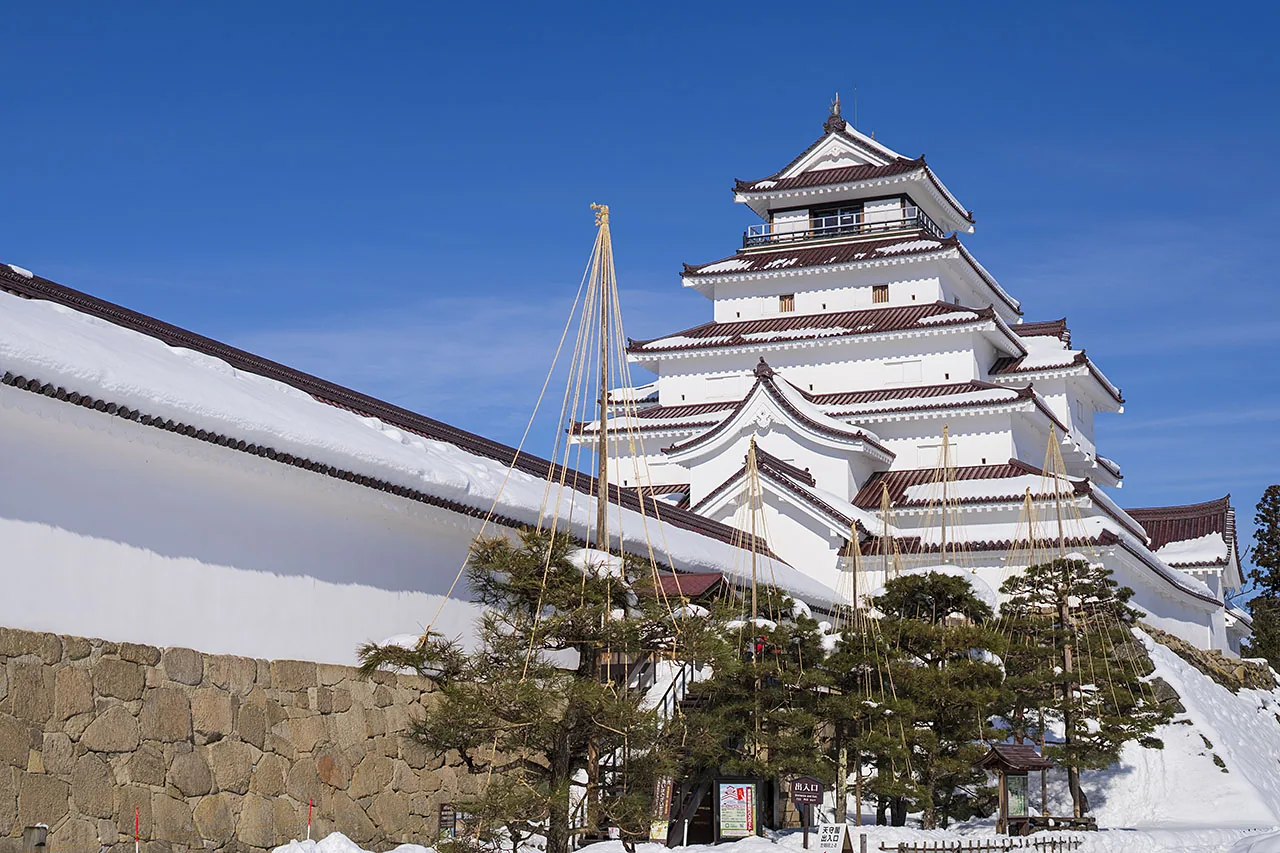
Photo: Ⓒ福島県観光物産交流協会
Shirakawa Komine Castle: a three-story turret rebuilt in wood from old drawings
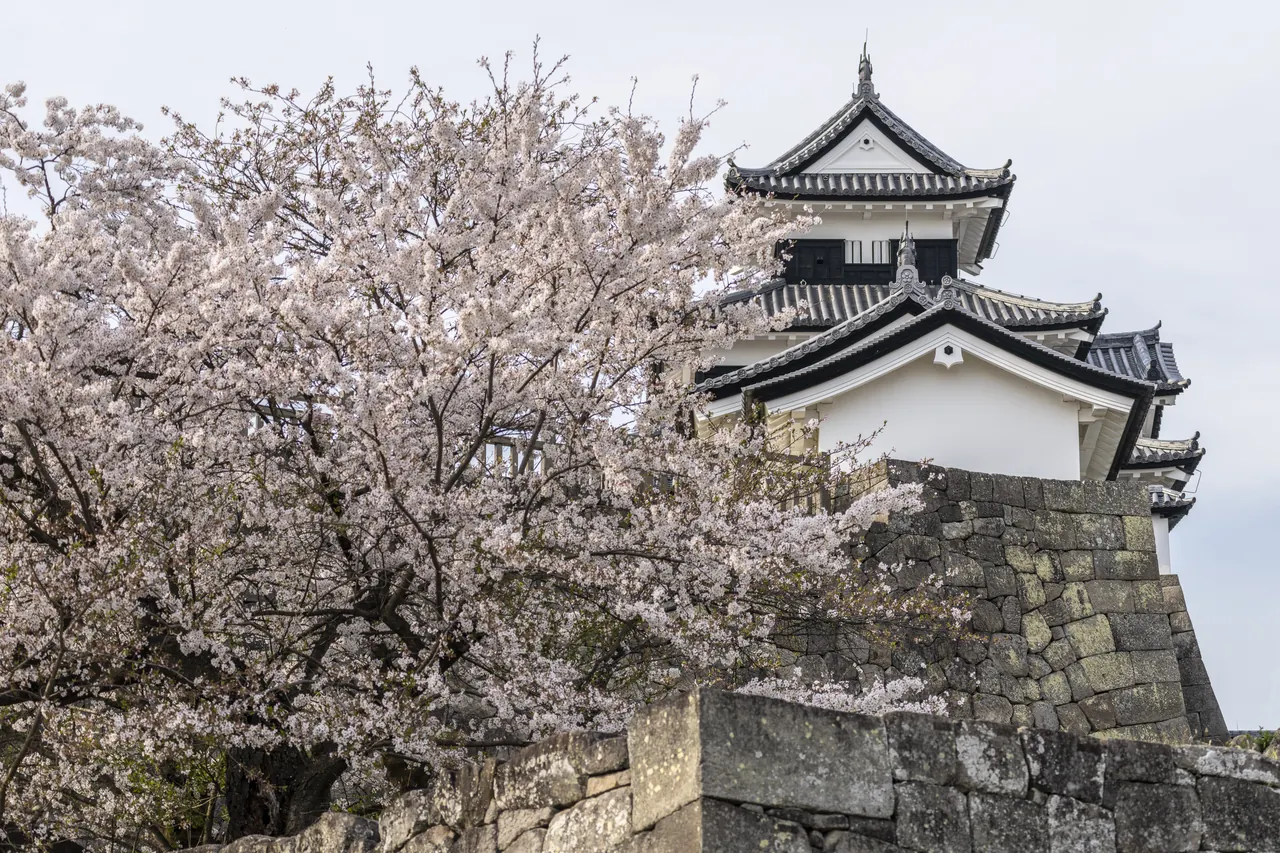
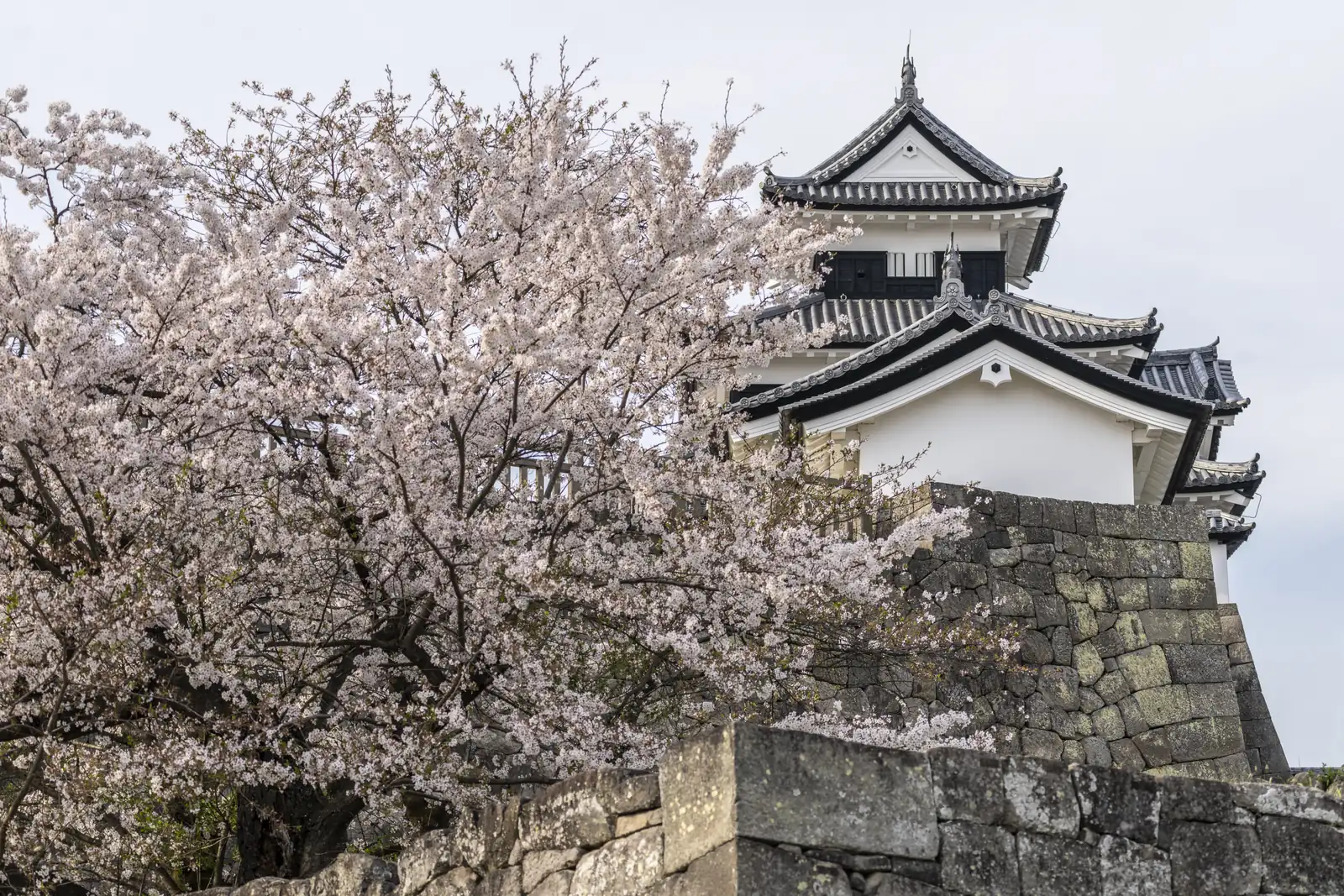
Shirakawa Komine Castle rises just north of JR Shirakawa Station, its white three-story turret standing on tall stone walls. It was built by Yuki Chikatomo in the mid-14th century and remodeled on a large scale by Niwa Nagashige over about four years from 1629. Most of its buildings were lost in the Boshin War, but using sources such as the "Shirakawa Castle Turret Drawings" of 1808, the three-story turret was rebuilt in 1991 and the Mae-gomon Gate, the entrance to the main enclosure, in 1994, both in wood. You can go up inside the turret.
The tall stone walls collapsed in many places in the Great East Japan Earthquake of 2011, and the city spent many years rebuilding them. The castle is one of Japan's 100 Fine Castles, and the Komine Castle History Museum on the grounds covers the castle and the history of Shirakawa. For Nanko Park, the Shirakawa Barrier and other sights in town, see Things to do in Shirakawa.
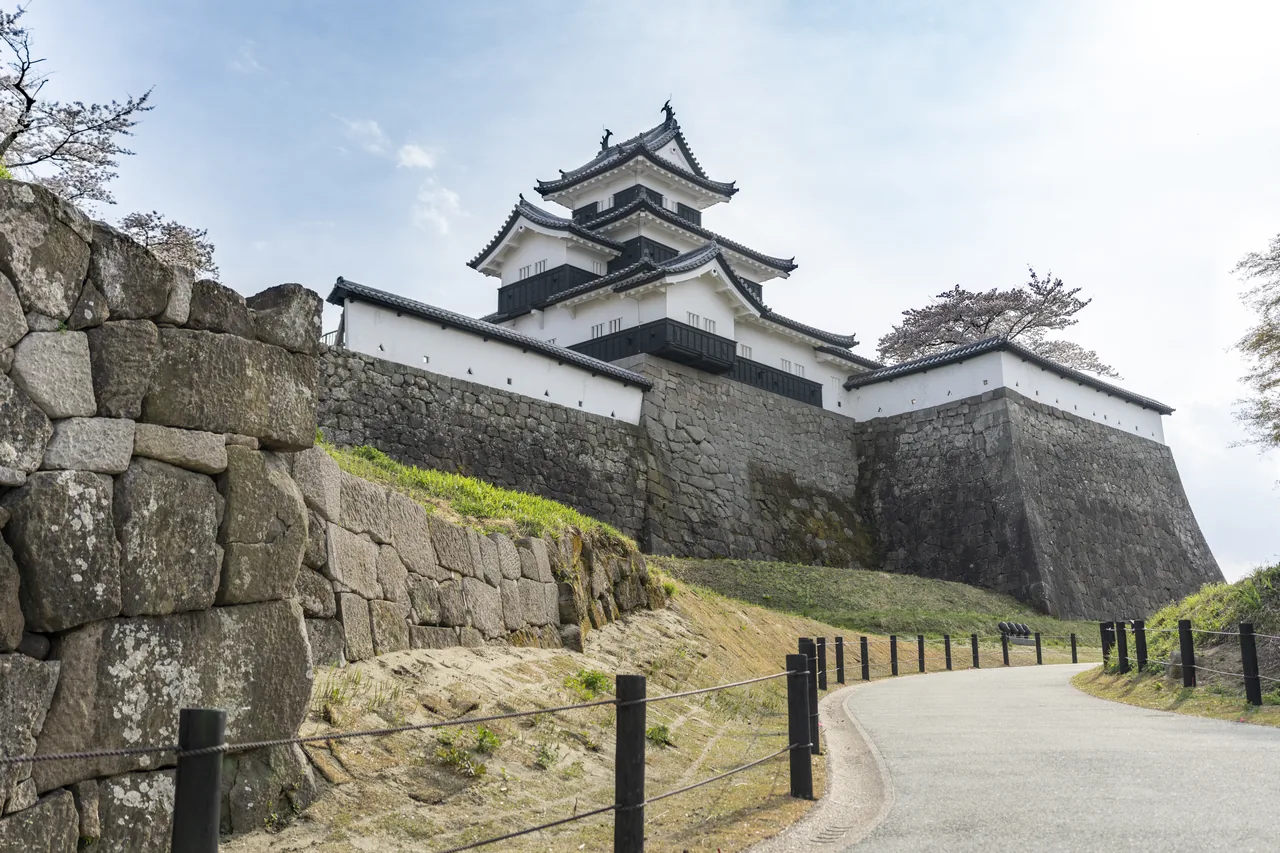
Photo: Ⓒ福島県観光物産交流協会
Nihonmatsu Castle (Kasumigajo Park): Minowa Gate and the boy soldiers
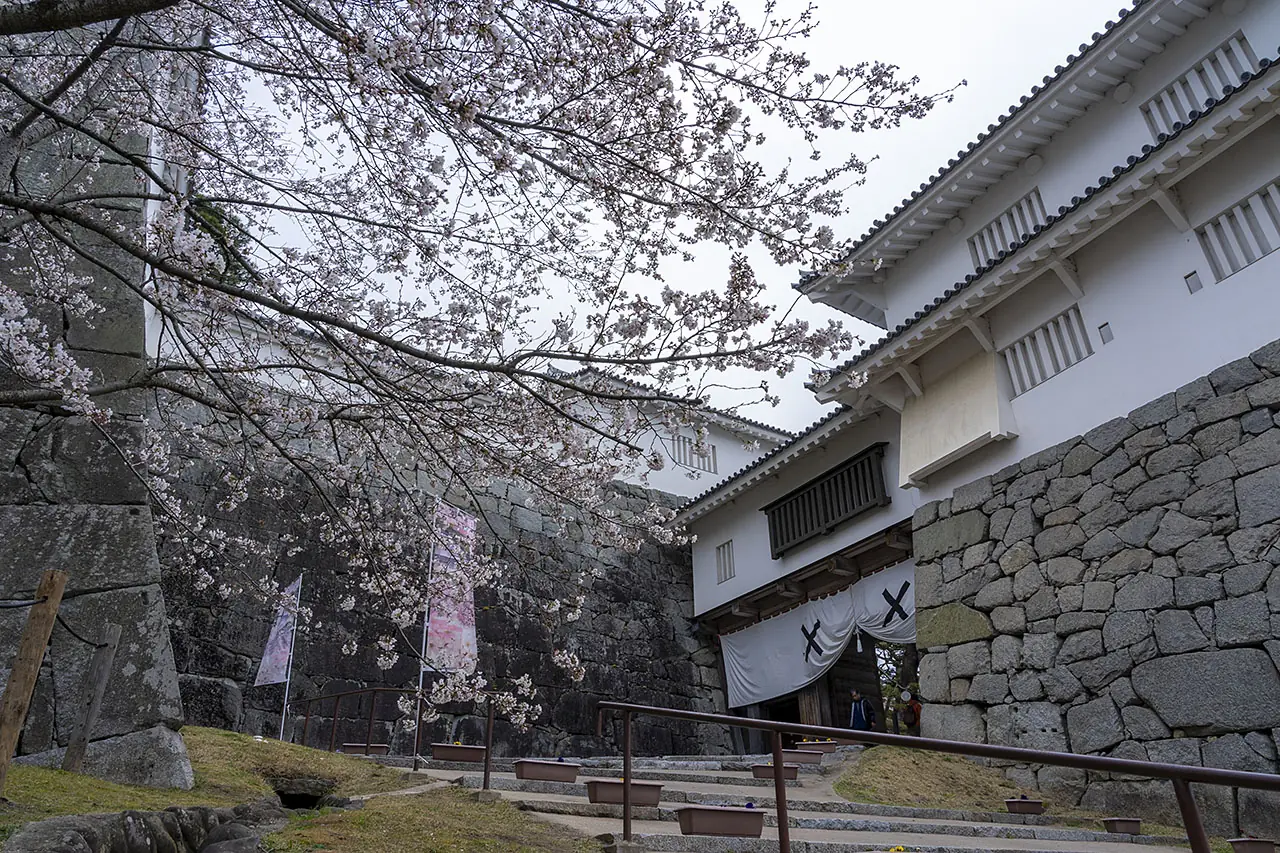
Kasumigajo Park in Nihonmatsu City is the site of Nihonmatsu Castle. The castle site was designated a National Historic Site in 2007 and is one of Japan's 100 Fine Castles. A castle is said to have stood here since 1414. After serving as the seat of several lords, it was granted in 1643 to Niwa Mitsushige, who moved here from Shirakawa, and the Minowa Gate at the entrance was the first turret gate he built, together with his residence, soon after arriving. Its timbers are said to have come from a huge oak that was the sacred tree of Mt. Sannoji in Minowa village, part of his domain.
In the Boshin War of 1868, after fierce fighting, the Nihonmatsu domain's castle fell on the 29th day of the 7th month. The Nihonmatsu Boys' Brigade, made up of young boys, also fought in this battle, and some of them were killed. The Minowa Gate, which burned down, was rebuilt in 1982, and the park has a group statue of the boy soldiers erected in 1996.
Climb the slope to the site of the main enclosure and you can see Mt. Adatara from the top of the stone walls. It is about a 20-minute walk from Nihonmatsu Station on the JR Tohoku Main Line. For the park during the spring cherry blossom festival, see Fukushima cherry blossom spots.
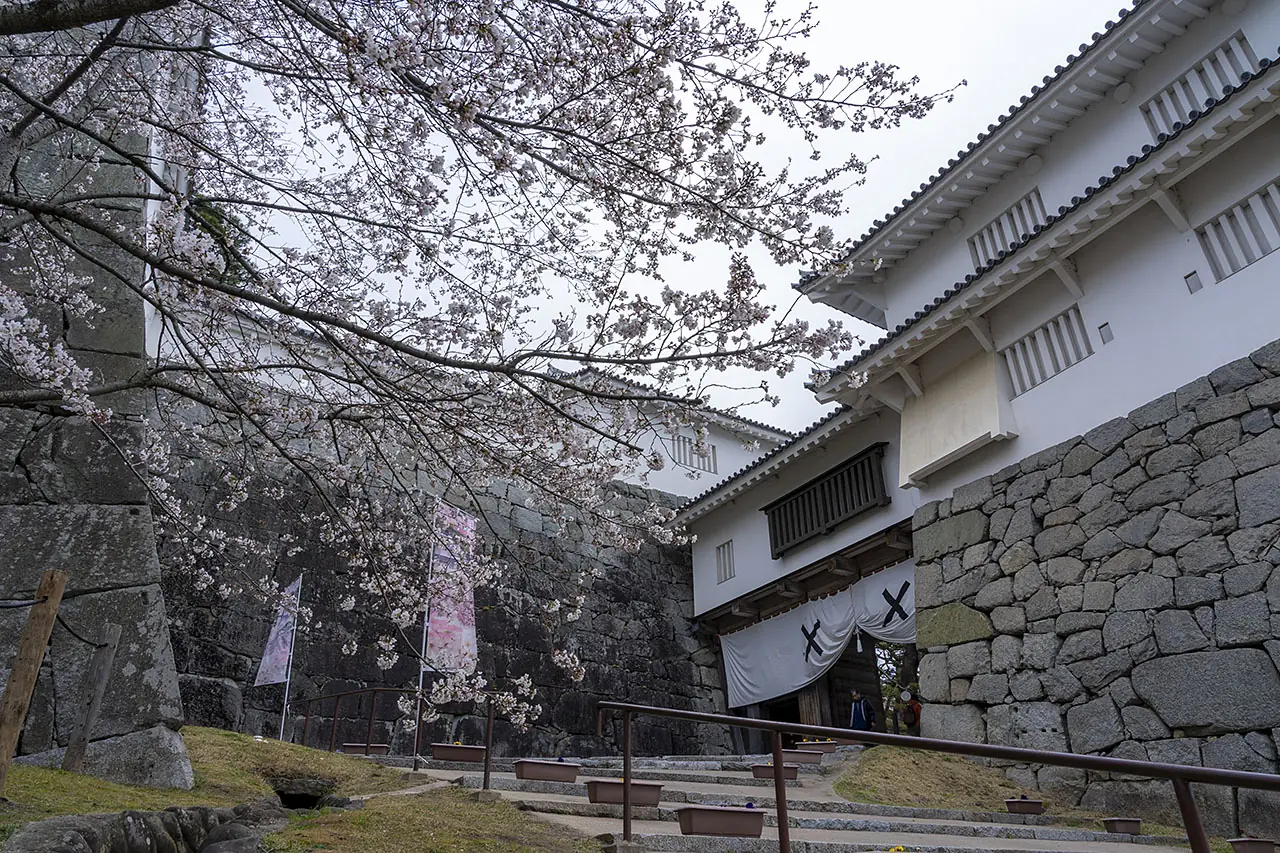
Photo: Ⓒ福島県観光物産交流協会
Tanagura Castle: Niwa Nagashige's castle of moats and ramparts
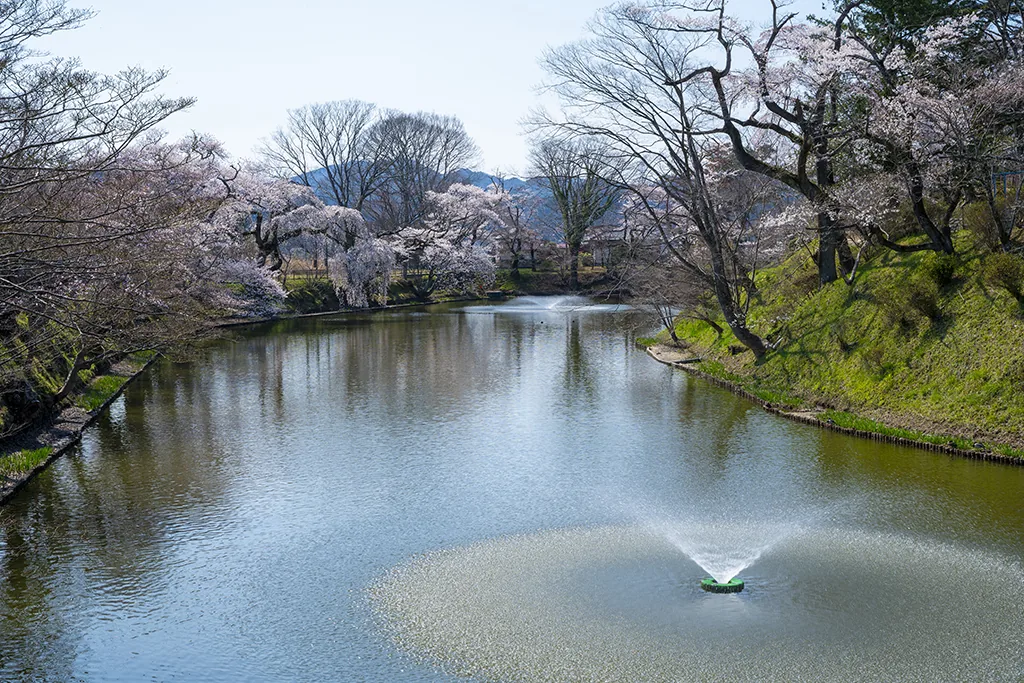
The Tanagura Castle Ruins in the town of Tanagura, Higashishirakawa District, are the remains of a castle built in the early Edo period by Niwa Nagashige on the orders of the shogunate. No buildings remain, but the moats and earthen ramparts that surrounded the main and second enclosures are well preserved, and the site was designated a National Historic Site in 2019. Today it is Kamegajo Park, a place where locals come to relax.
Near the entrance to the main enclosure stands the Great Zelkova of Tanagura Castle Ruins, a prefectural natural monument. It is estimated to be more than 600 years old and is said to have been the sacred tree of Chikatsu Myojin (Tsutsukowake Shrine), which stood here before the castle was built. About 270 cherry trees surround the moat and usually bloom from early to mid-April; in autumn, maple leaves on the ramparts are reflected in the water.
It is about a 15-minute walk (about 900 m) from Iwaki-Tanagura Station on the JR Suigun Line. From Shin-Shirakawa Station on the Tohoku Shinkansen, the JR Bus Kanto Hakuho Line takes about 45 minutes to Iwaki-Tanagura, so you can visit on the same day as Shirakawa Komine Castle.
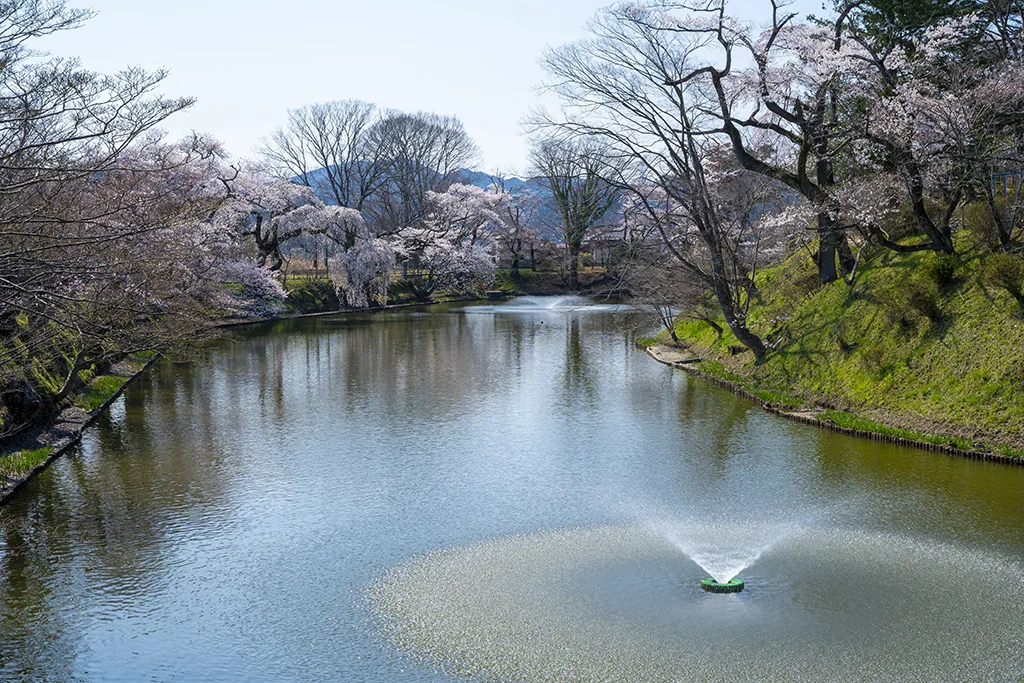
Photo: Ⓒ福島県観光物産交流協会
Soma Nakamura Castle: the Soma clan's seat, with its Edo-period gate
The Nakamura Castle Ruins in Soma City, in northern Hamadori, are also called Baryo Castle, and the grounds are now Baryo Park. Soma Toshitane built the castle in 1611 and moved here from Odaka Castle, and it remained the seat of the Soma clan for 260 years until it was abandoned in the early Meiji era.
The keep burned down after a lightning strike in 1670, but the Sotoote Ichi-no-mon Gate still stands. Soma Yoshitane is said to have been so impressed by the sturdy gate of Kawagoe Castle that he had this one built after it, and it is said to have been completed in 1649. Stone walls, moats and earthen ramparts also remain, and the site is a Fukushima Prefecture Historic Site. On high ground on the west side of the castle site stands Soma Nakamura Shrine, whose main hall, offering hall and worship hall, built in 1643, are National Important Cultural Properties.
It is about a 15-minute walk from Soma Station on the JR Joban Line. For Matsukawaura and the rest of the Soma coast, see Things to do on the Hamadori coast.
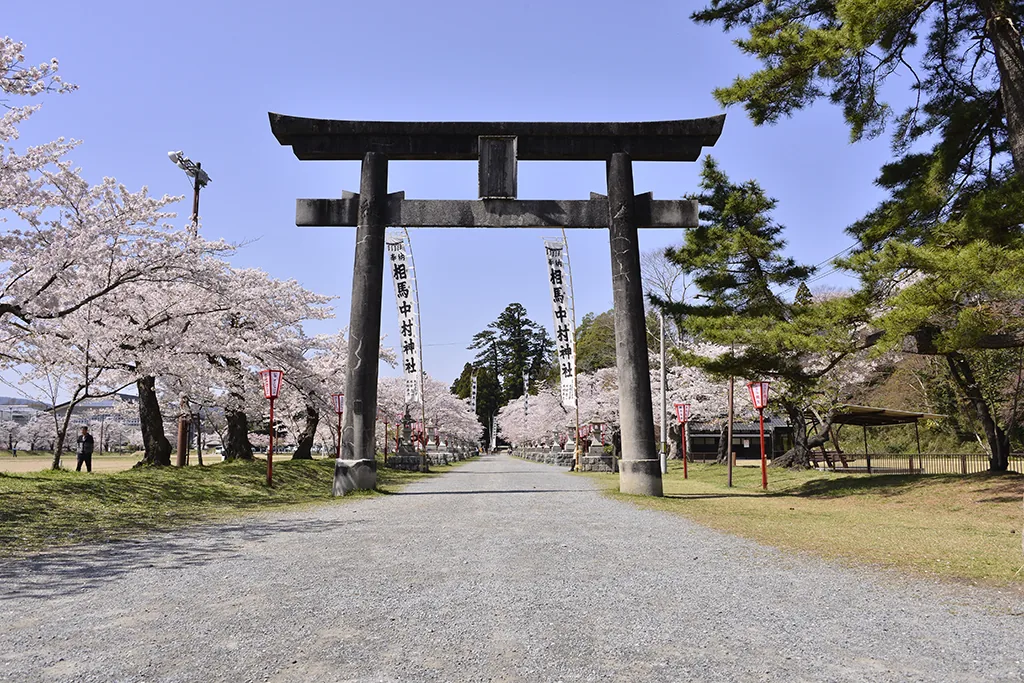
Photo: Ⓒ福島県観光物産交流協会
Getting around the castles
The five castles are spread widely across the prefecture, and seeing them all in a day is not realistic. Grouping them by Shinkansen station makes planning easier.
- From Shin-Shirakawa Station: For Shirakawa Komine Castle, take the Tohoku Main Line one stop to Shirakawa Station. For Tanagura Castle, take JR Bus Kanto from Shin-Shirakawa, about 45 minutes. The two together make a day.
- From Koriyama Station: Take the Ban'etsu West Line to Aizu-Wakamatsu; Tsuruga-jo is about 20 minutes from the station by bus. For Nihonmatsu Castle, take the Tohoku Main Line to Nihonmatsu Station. The Tohoku Shinkansen does not stop at Nihonmatsu, so change to a local train at Koriyama or Fukushima.
- To Soma: Soma Station is on the JR Joban Line, reached from the Sendai side or the Iwaki side. Combining it with the Nakadori castles on the same day is difficult, so it fits best into a day spent traveling the Hamadori coast.
Opening hours, fees and closing days for keeps and turrets differ from castle to castle. Check each city's or town's official website before you go.