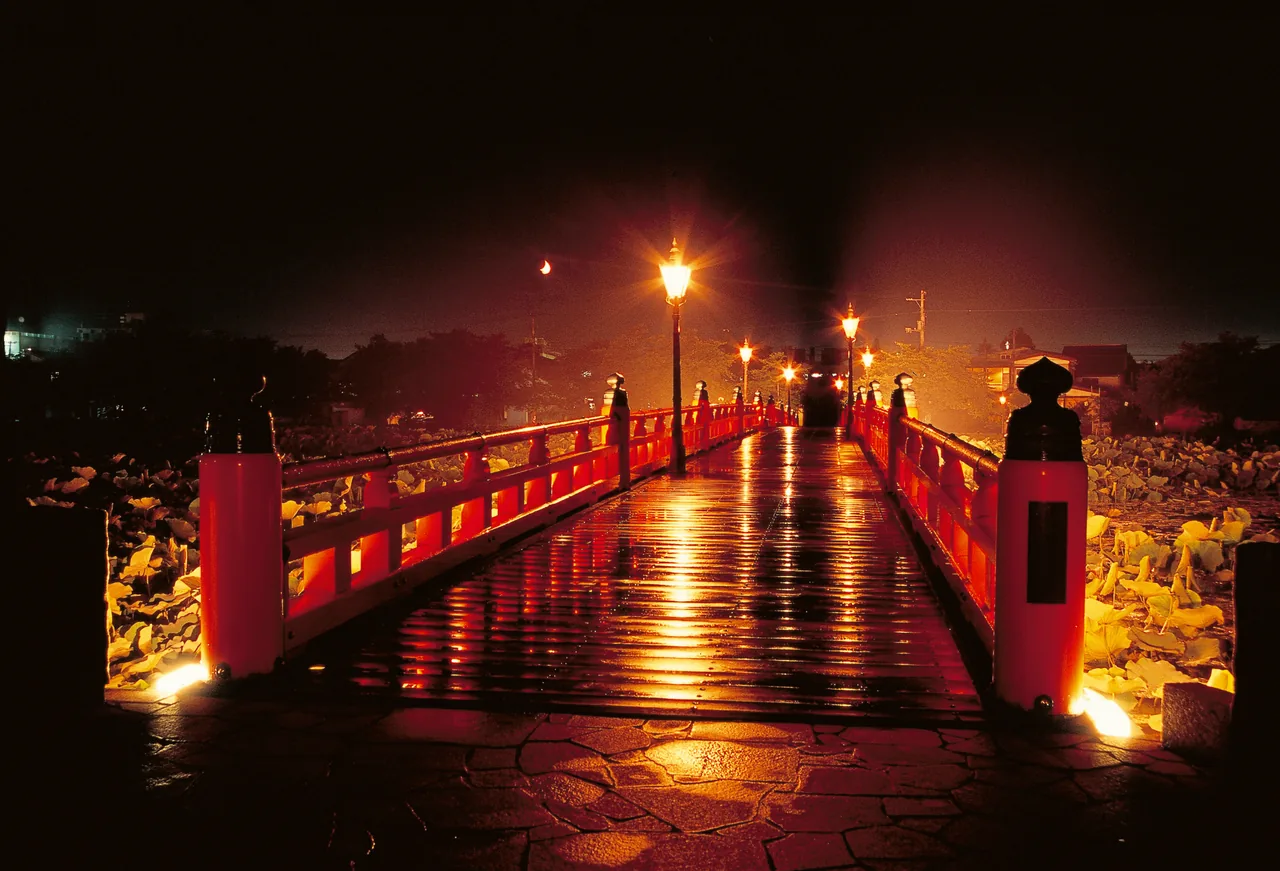
Niigata in Winter: Yuzawa and Naeba Skiing, Snow Festivals
This guide is translated from the Japanese edition. Read the Japanese edition
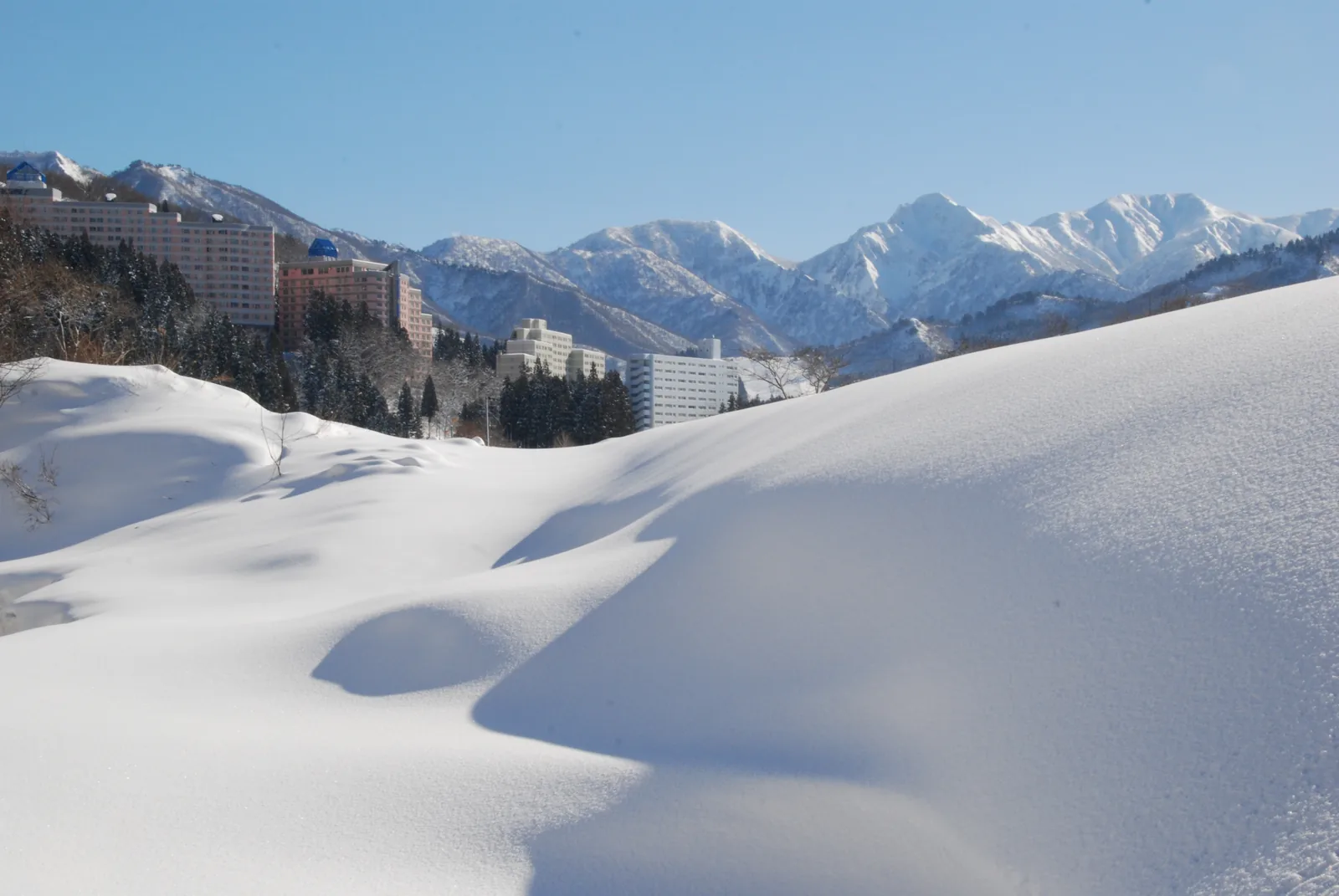
Niigata in winter: skiing at Yuzawa and Naeba, Takada where Japanese skiing began, candlelit snow nights, Tokamachi's snow festival, and tips on snow driving.
Take the Joetsu Shinkansen from Tokyo Station, come out of the long tunnels at Echigo-Yuzawa, and the view from the window suddenly turns white. Winter in Niigata is the season when mountain towns disappear under snow. People come for that snow: for the ski slopes, for evening events lit up in the snow, and for festivals that have grown up alongside it.
Where does the snow fall? When to go
Snowfall in Niigata Prefecture varies a lot from place to place. Central Niigata City, on the Sea of Japan coast, gets much less than the mountains. The deep snow is inland: Yuzawa near the Gunma and Nagano borders, the Uonuma area, Tokamachi, and the mountain side of Joetsu.
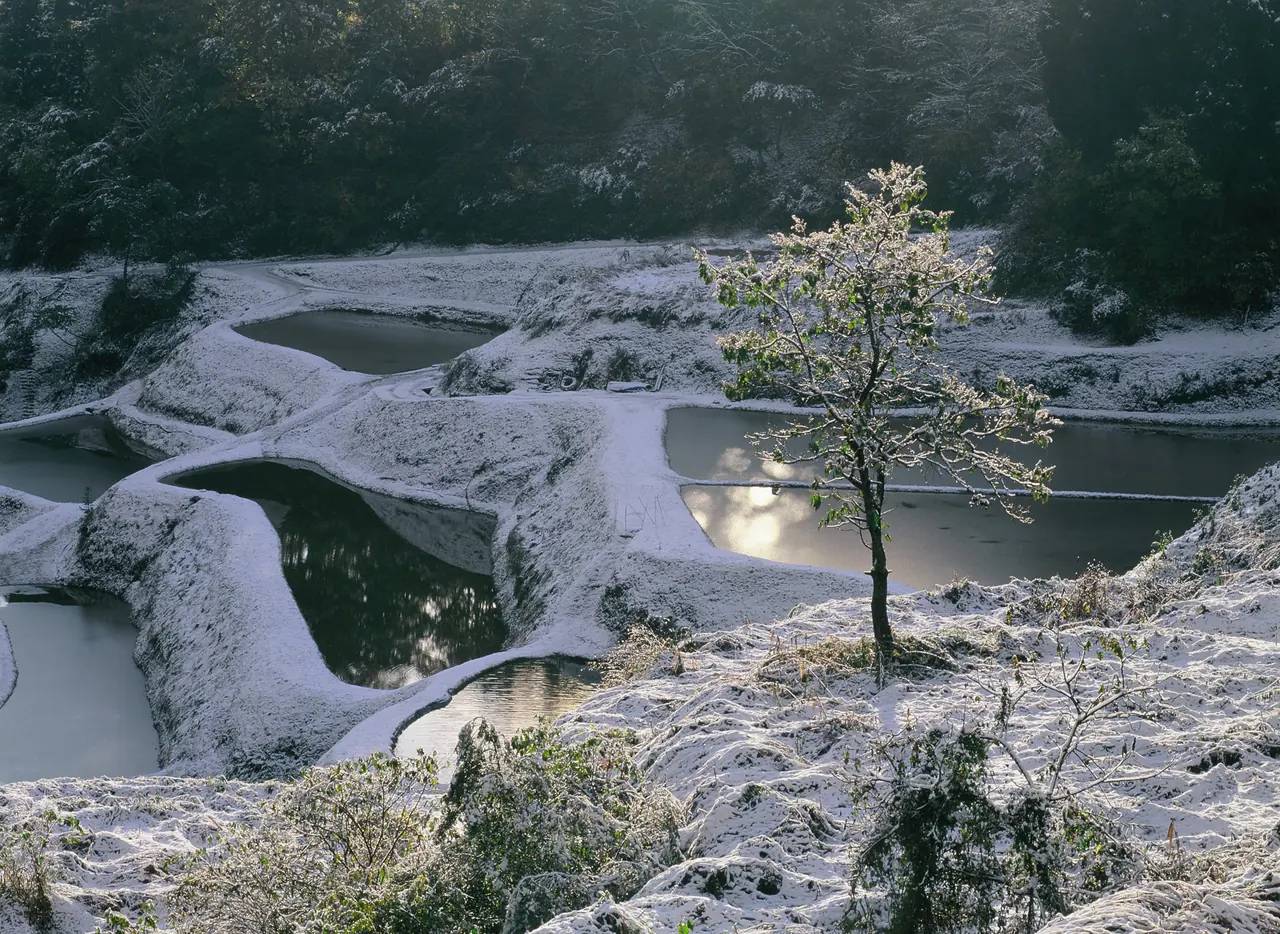
The season runs from around mid-December, when the ski resorts open, to about March. Snow events cluster in January to March, and in February there is a snow festival or candlelight event somewhere almost every weekend. Programs can change or be cancelled depending on snow and weather, so check with the organizers before you go.
Skiing and snowboarding: Echigo-Yuzawa, Naeba and Myoko
The easiest snow country to reach from Tokyo is the town of Yuzawa. Ski resorts cluster around Echigo-Yuzawa Station on the Joetsu Shinkansen, so you can step off the train and head straight up the mountain.
- GALA Yuzawa: Gala-Yuzawa Station, next to Echigo-Yuzawa, connects directly to the resort building. For the 2026-27 season, the resort has announced that its South Area and the ropeway across to Yuzawa Kogen will not operate.
- Naeba Ski Resort: A large resort at the foot of Mt. Naeba, west of central Yuzawa. The 2026-27 season is scheduled from December 18, 2026 to April 4, 2027, and the Naeba Dragondola, which crosses to the Tashiro area of neighboring Kagura, is scheduled from December 26 to March 22.
- Myoko: Myoko Kogen, south of Joetsu near the Nagano border, also has a cluster of ski resorts and hot springs. See our Myoko Kogen guide for more.
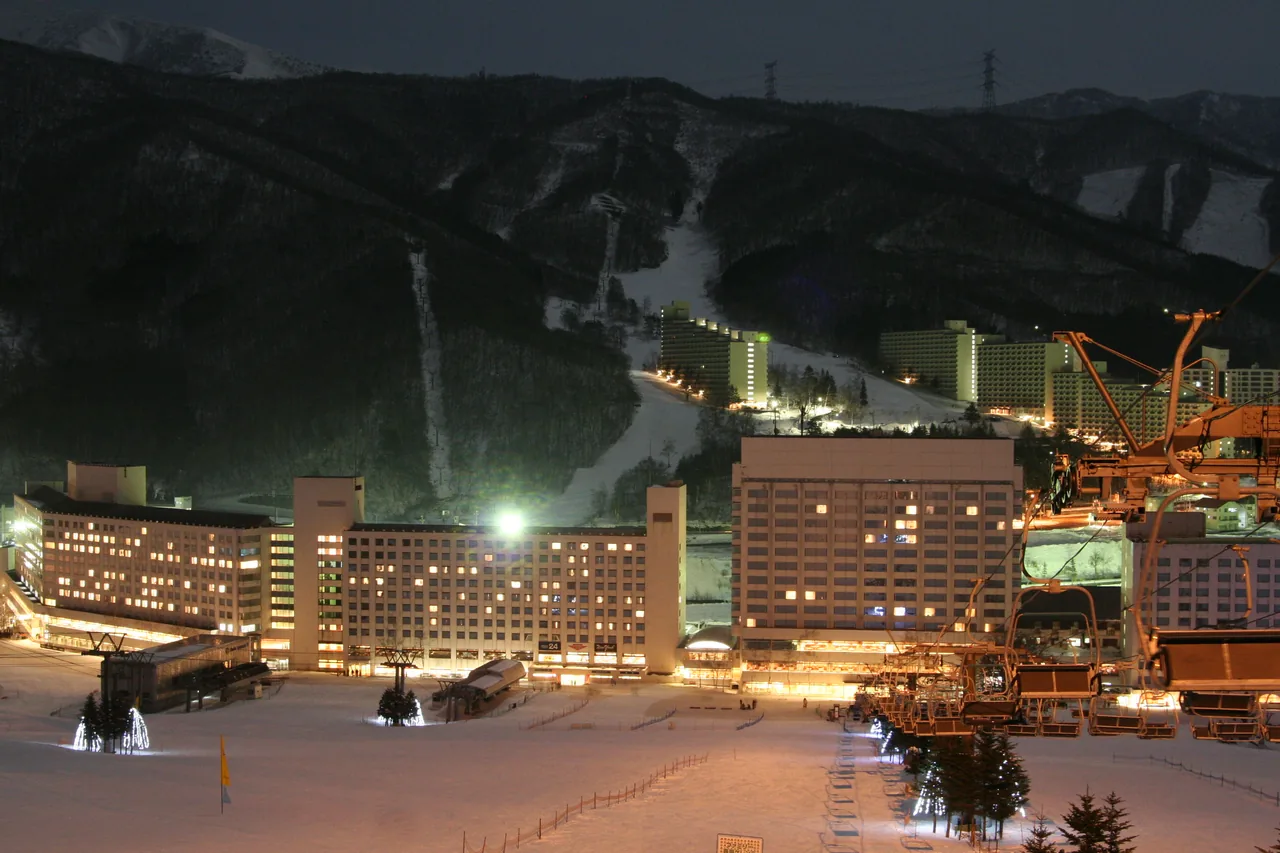
Operating dates depend on snowfall, and each resort announces them on its official site. Ski and snowboard gear and clothing can be rented at most resorts and at shops near the stations.
Where Japanese skiing began: Takada in Joetsu and the Lerch Festival
Skiing first spread widely in Japan from Takada, now part of Joetsu City. On January 12, 1911, Major Theodor von Lerch, an officer of the Austro-Hungarian army, taught skiing to officers of the 58th Infantry Regiment of the Imperial Army's 13th Division, based in Takada. Because of this, Joetsu is known as the birthplace of skiing in Japan.
On Mt. Kanaya, south of the city center, the Nihon Ski Hassho Kinenkan, a museum opened in 1992 to mark the birthplace of Japanese skiing, tells the story of Lerch and the history of skiing. Every year on a weekend in early February, the Lerch Festival is held at Kanayasan Ski Area and along the Honcho shopping streets in Takada; on the second day there is a demonstration and lessons in the single-pole skiing technique that Lerch taught. In 2026 it was held on February 7 and 8, with a free shuttle bus from Takada Station.
Takada's streets are lined with gangi, eaves extended over the sidewalk so people can walk even on snowy days, and Joetsu City describes the total length of its surviving gangi as the longest in Japan. Combine them with Takada Castle Site Park in winter for a walk through a snow-country town. To add Kasugayama, linked to Uesugi Kenshin, see Uesugi Kenshin in Joetsu.
The Corridor of Light: candles in the snow
In the mountain districts of Joetsu, on Saturday nights in February, candles are lit in snow walls and snow lanterns for the Corridor of Light (Akari no Kairo). Starting with the Yasuzuka Candle Road in Yasuzuka, districts including Oshima, Uragawara and Maki each prepare their own snow lights, and Joetsu City describes the event as lighting more than 100,000 candles in total. In 2026 it was held over two Saturdays, February 21 and February 28, with each district on its own date.
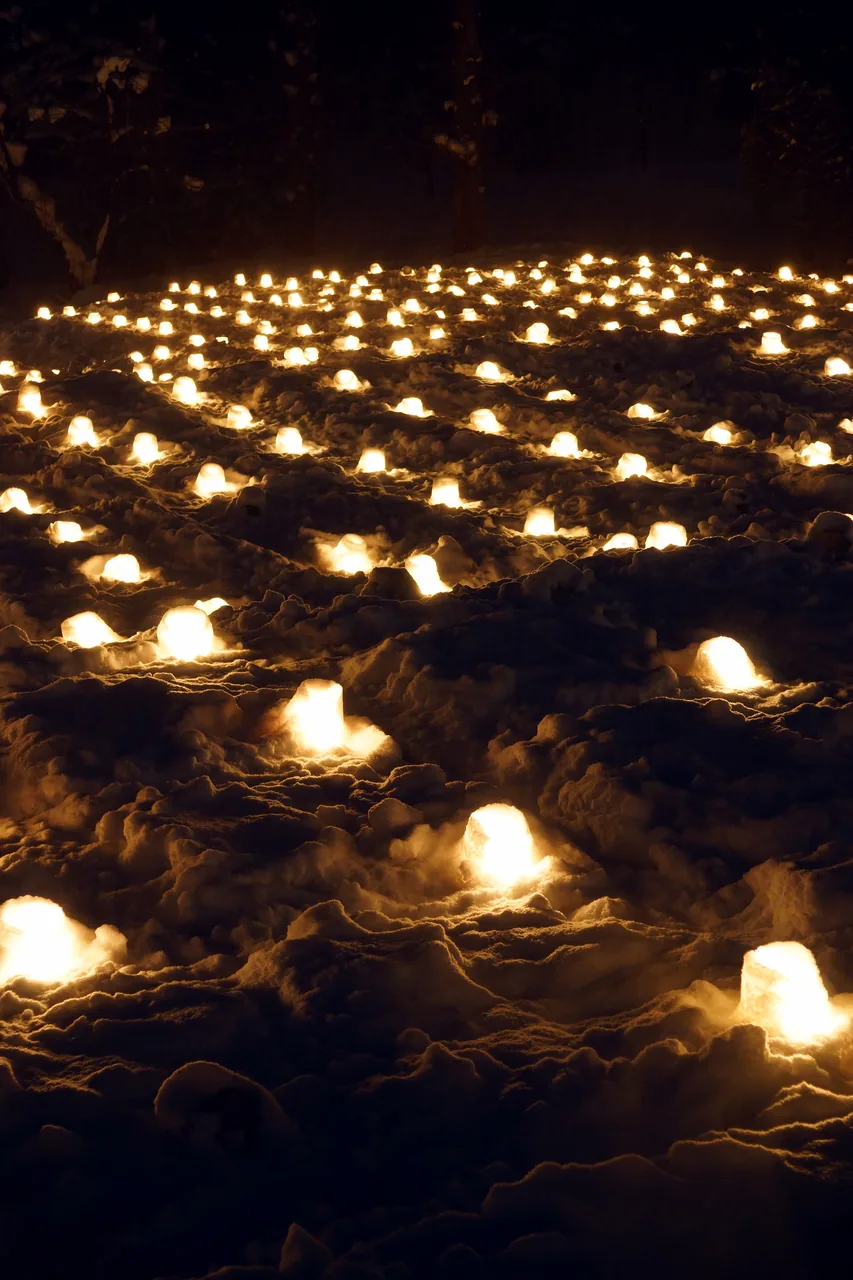
The venues are scattered across mountain villages, and most people go by car. If you are using public transport, look up access to each district and whether tour buses run ahead of time. The candles are lit from evening into the night, so the road home is dark and can be icy.
Snow festivals in Tokamachi and Uonuma
In Tokamachi and the Uonuma area, where the snow lies deepest, celebrating the snow is part of winter life.
The Tokamachi Snow Festival began in 1950, and Tokamachi calls itself the birthplace of the modern snow festival. The highlight is the Snow Art Exhibition, with snow sculptures made by local residents set up around town. In 2026 it ran from February 20 to 22, and the 2027 festival is announced for February 19 to 21.
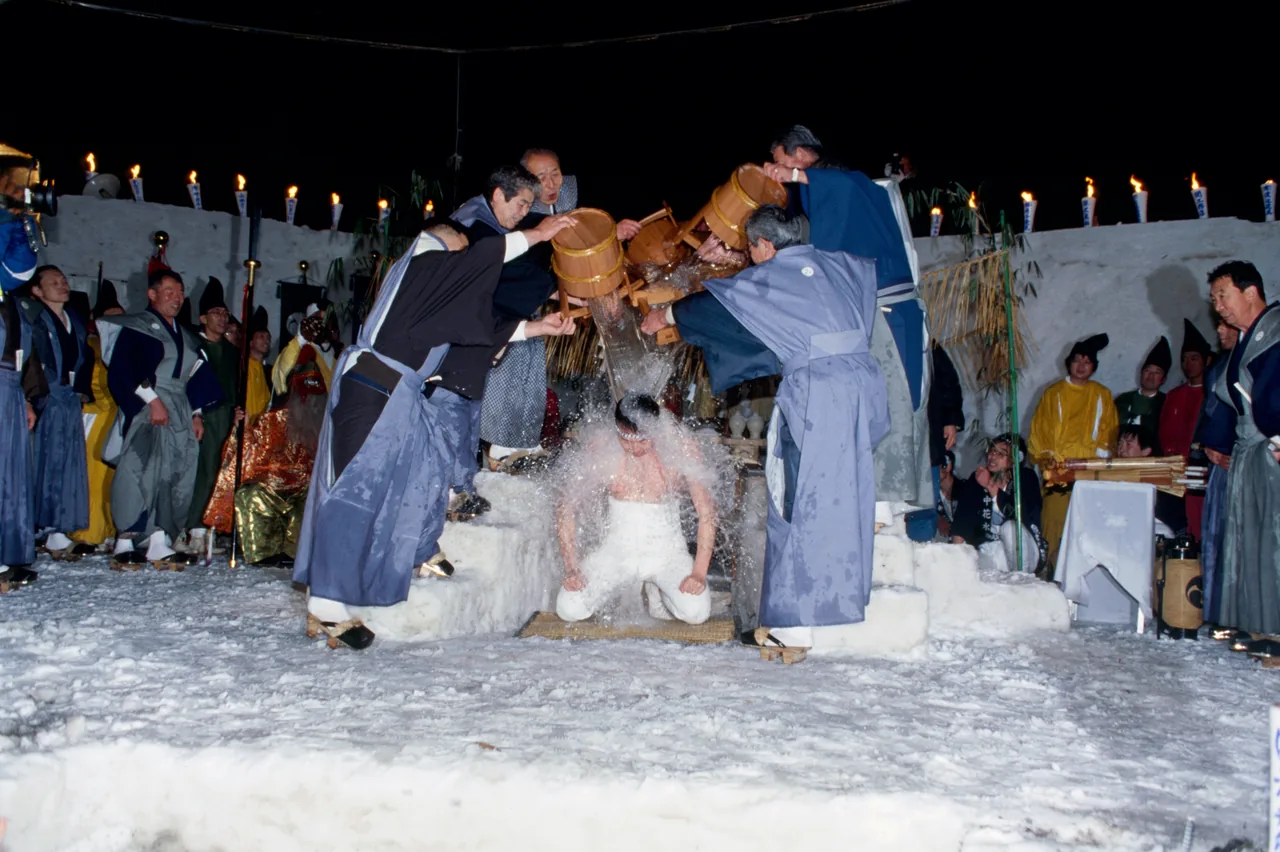
In Horinouchi, Uonuma City, Secchu Hanamizu Iwai sees grooms who married in the past year doused with cold water to wish for a happy marriage. It is usually held on the second Saturday of February; in 2027 that is February 13. At Matsunoyama Onsen in Tokamachi, on January 15, newly married grooms are tossed down a snowy slope in "Muko-nage," followed by "Sumi-nuri," where people smear each other's faces with snow mixed with ash.
To see how snow is put to use in daily life, visit Uonuma no Sato in Minamiuonuma. Sake is stored there in a yukimuro, a storehouse cooled by packed snow, and there is a paid tour. For more on local sake, see our guide to Niigata sake and breweries.
Snow driving and what to wear
If you are touring Niigata by rental car in winter, winter tires (studless tires) are essential. In heavy snow, national roads and expressways can close or come under "chain regulations." Under the Ministry of Land, Infrastructure, Transport and Tourism's definition, a chain regulation means chains are required even if you have winter tires. When booking a rental car, confirm that it has winter tires and ask whether chains are included. If you are not used to driving on snow, it is safer to plan around the Shinkansen, local buses and taxis.
- Shoes: Waterproof shoes with non-slip soles. Even sidewalks in town can be icy or covered in snow.
- Clothing: Layers, plus a waterproof jacket, gloves and a hat. Indoor heating is strong, so wear things that are easy to take off.
- Spare time: On heavy snow days, trains and buses can be delayed or suspended. Leave plenty of time before your return Shinkansen or flight.
Check same-day road information for restrictions and closures. To pair the snow with a hot spring, see our guide to Niigata onsen.