Shizuoka Souvenirs and Sweets: Abekawa Mochi, Wasabi and More
This guide is translated from the Japanese edition. Read the Japanese edition
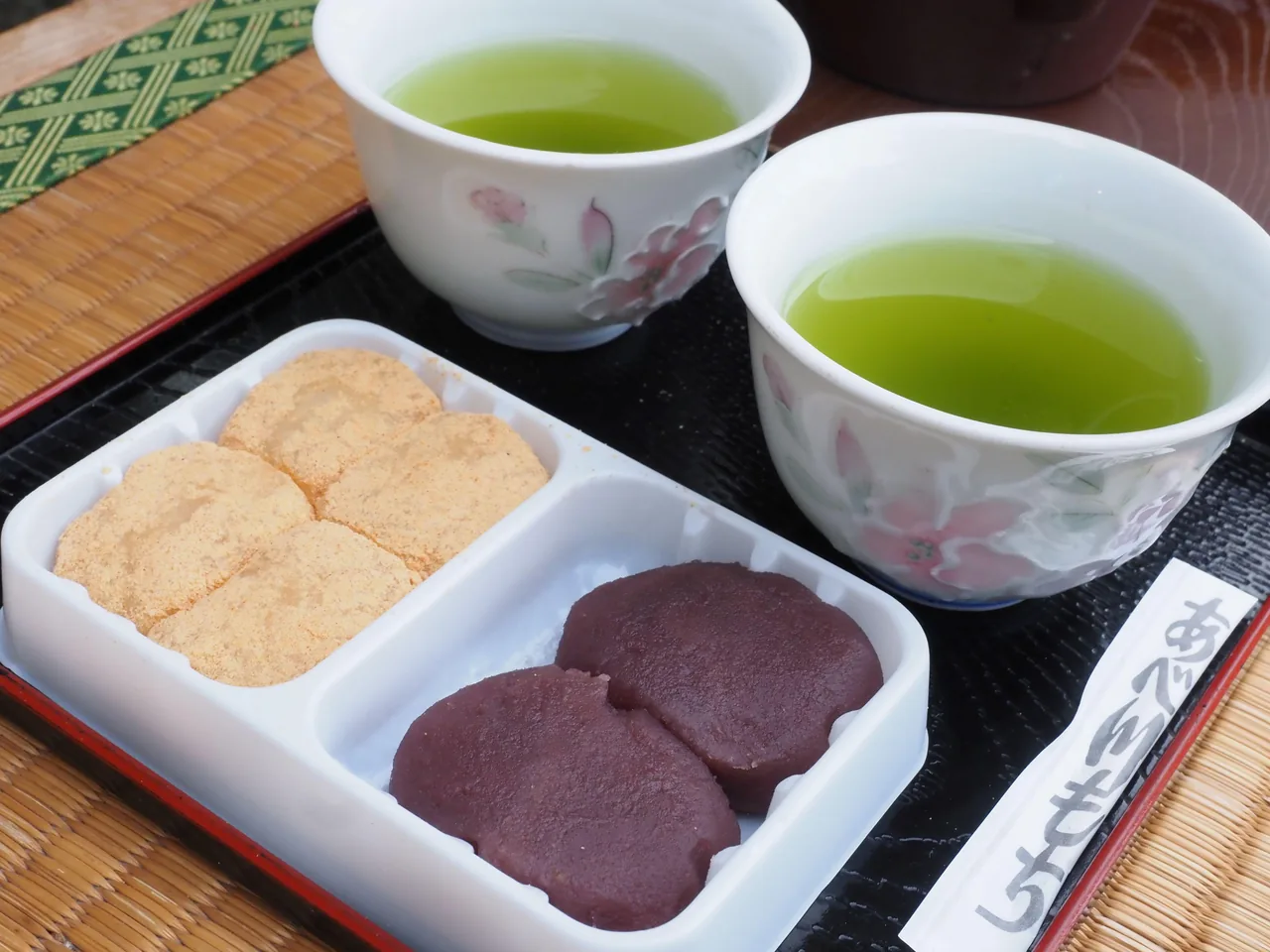
Sweets to try and specialties to take home in Shizuoka: Abekawa mochi, Fukutaro, Matsuzaki's sakura-leaf mochi, onsen manju, wasabi, Mishima croquettes and kuro hanpen.
Mochi dusted with kinako (roasted soybean flour) and mochi coated in sweet bean paste, set beside cups of green tea: in Shizuoka, sweets often arrive with a pot of tea. Rice cakes that once welcomed travelers at Tokaido post towns, lucky mochi at shrine gates, buns steaming in hot spring towns, wasabi grown in clear mountain streams: Shizuoka's specialties are bound up with local history, water and sea.
Abekawa mochi: the kinako rice cake of the Tokaido
Abekawa mochi is said to have been born on the banks of the Abe River in Shizuoka City. It's freshly pounded mochi coated in kinako and sugar, and many shops serve it alongside mochi wrapped in smooth red bean paste. Legend has it that a teahouse on the Abe River offered it to Tokugawa Ieyasu, likening the kinako to gold dust panned upstream, and that Ieyasu liked it so much he named it "Abekawa mochi."
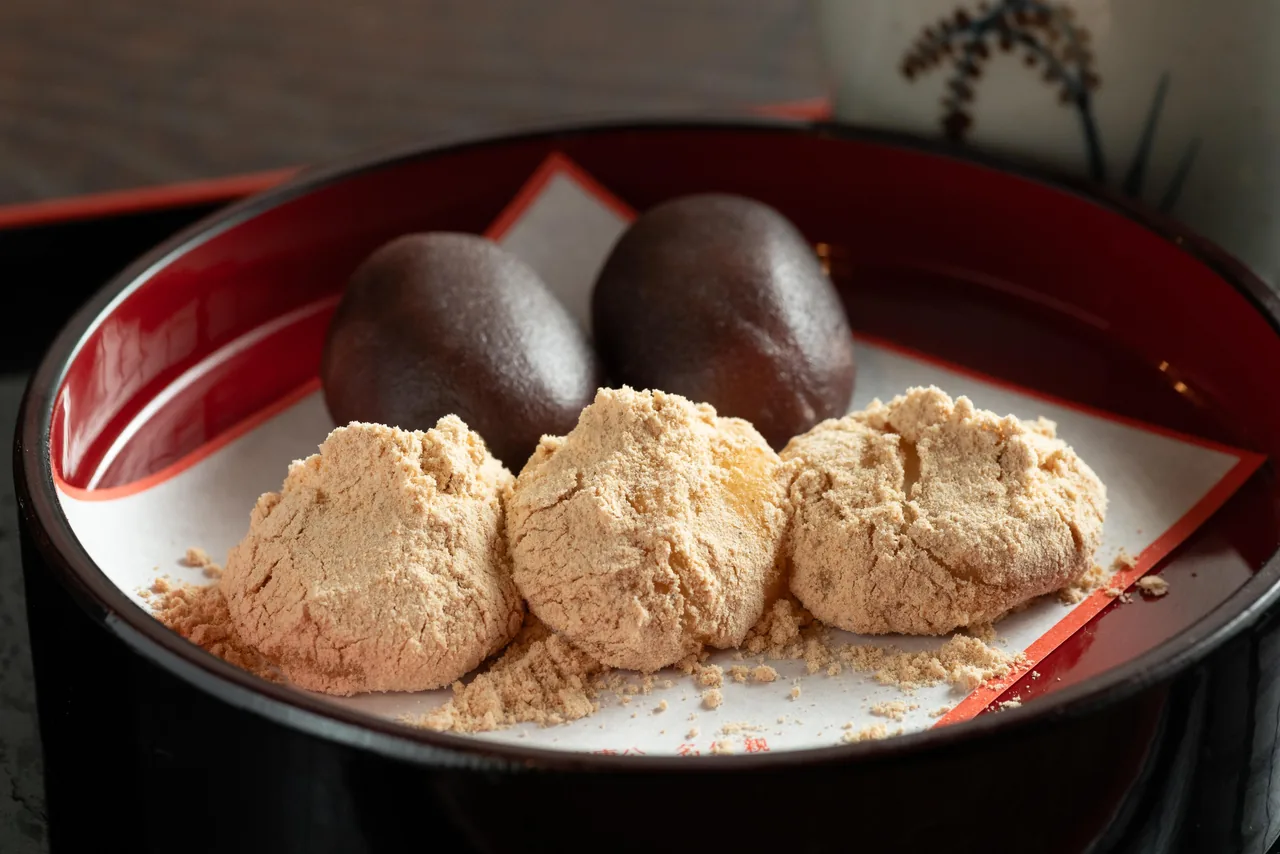
Photo: copyright© Shizuoka Prefectural Tourism Association.
Abekawa mochi became a famous Tokaido specialty and appears in woodblock prints alongside Fuchu-juku, today's Shizuoka City. A shop said to date from 1804 still stands by the bridge over the Abe River. Abekawa mochi is also sold at Shizuoka Station, so you can pick some up before boarding the shinkansen.
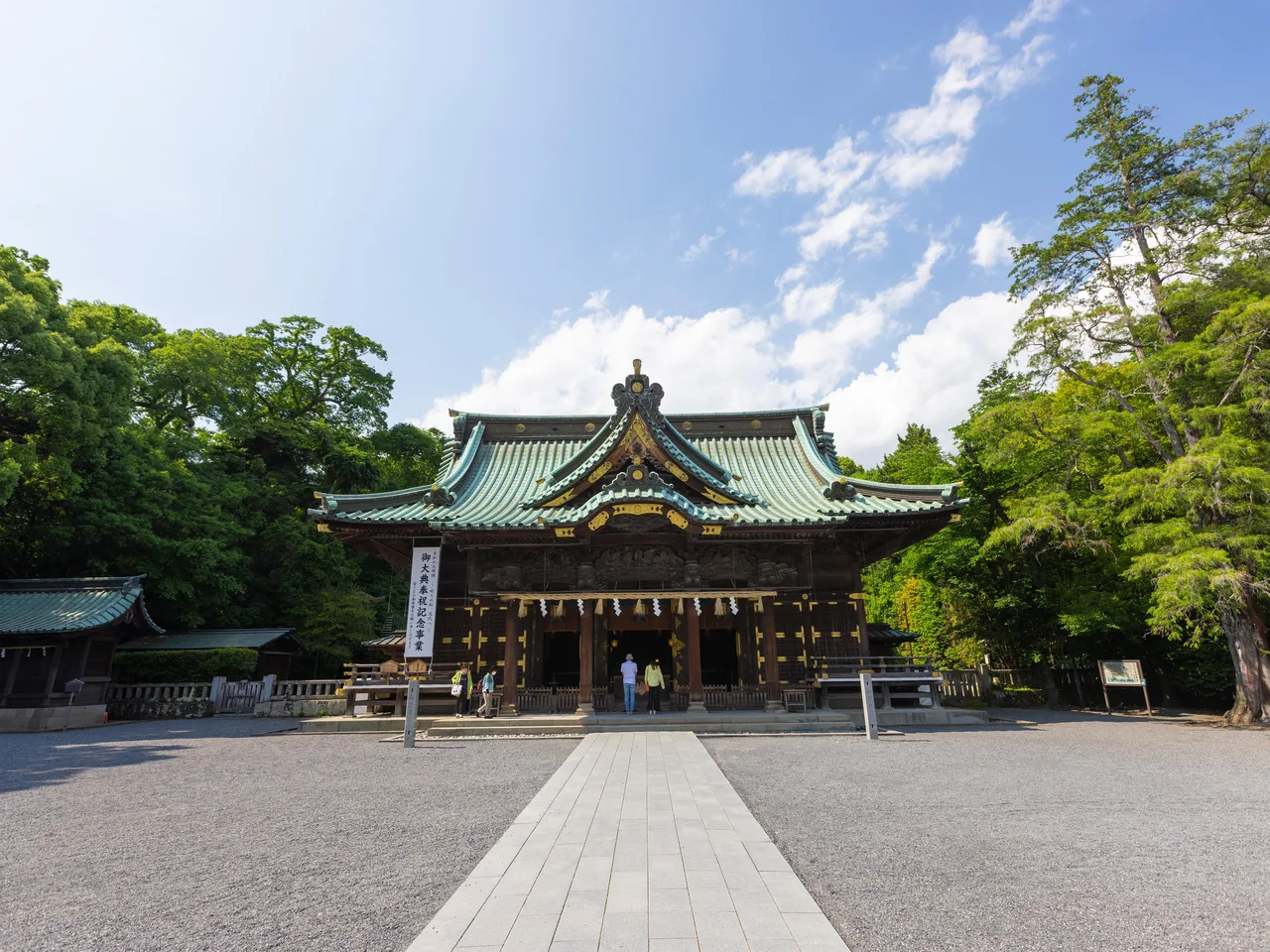
Fukutaro at Mishima Taisha: a lucky mochi after your visit
At Mishima Taisha in Mishima City, the teahouse in the grounds serves the shrine's famous lucky mochi, Fukutaro, with tea. It's a bite-sized mugwort mochi topped with smooth red bean paste shaped like an eboshi court hat. The name comes from Fukutaro, a masked character who appears in a ritual praying for a good harvest.
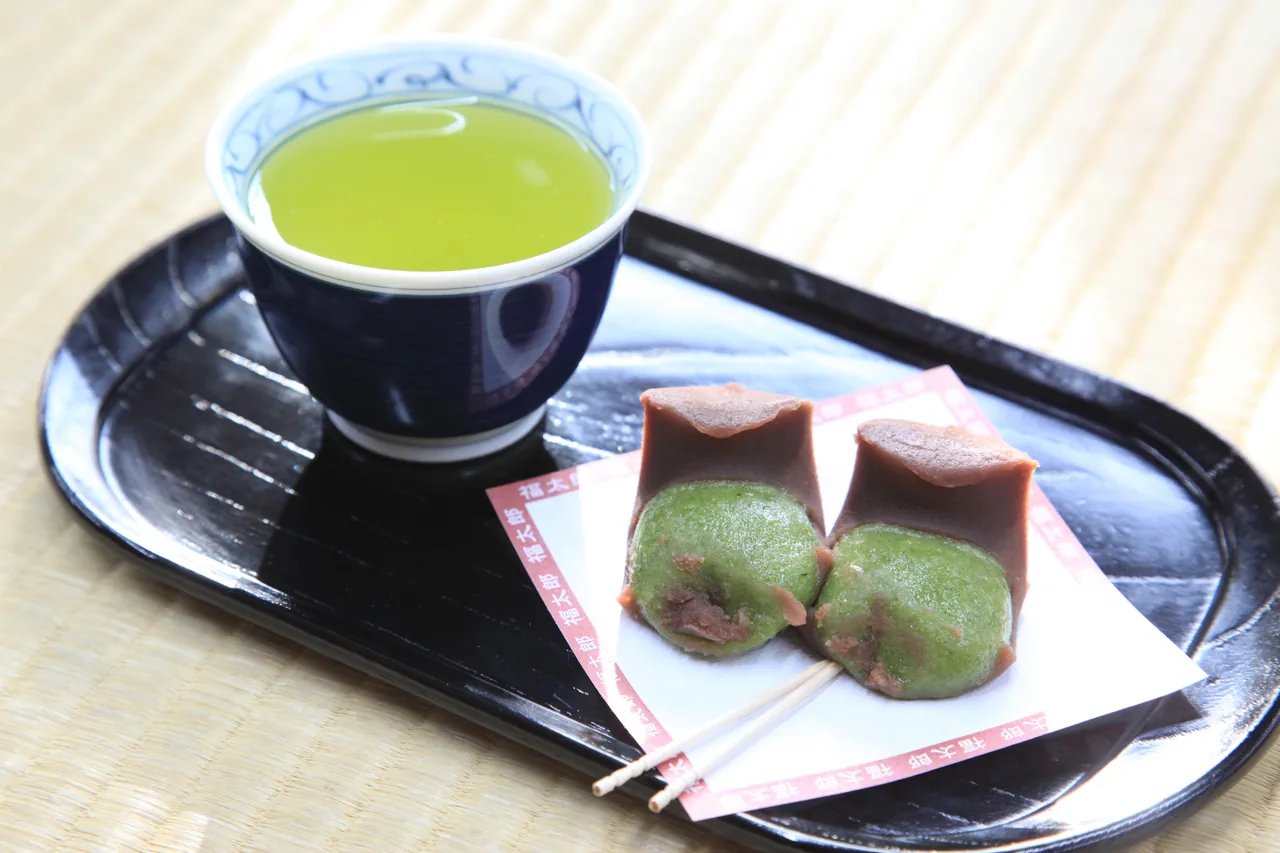
Photo: copyright© Shizuoka Prefectural Tourism Association.
Sweets of Izu: sakura-leaf mochi and onsen manju
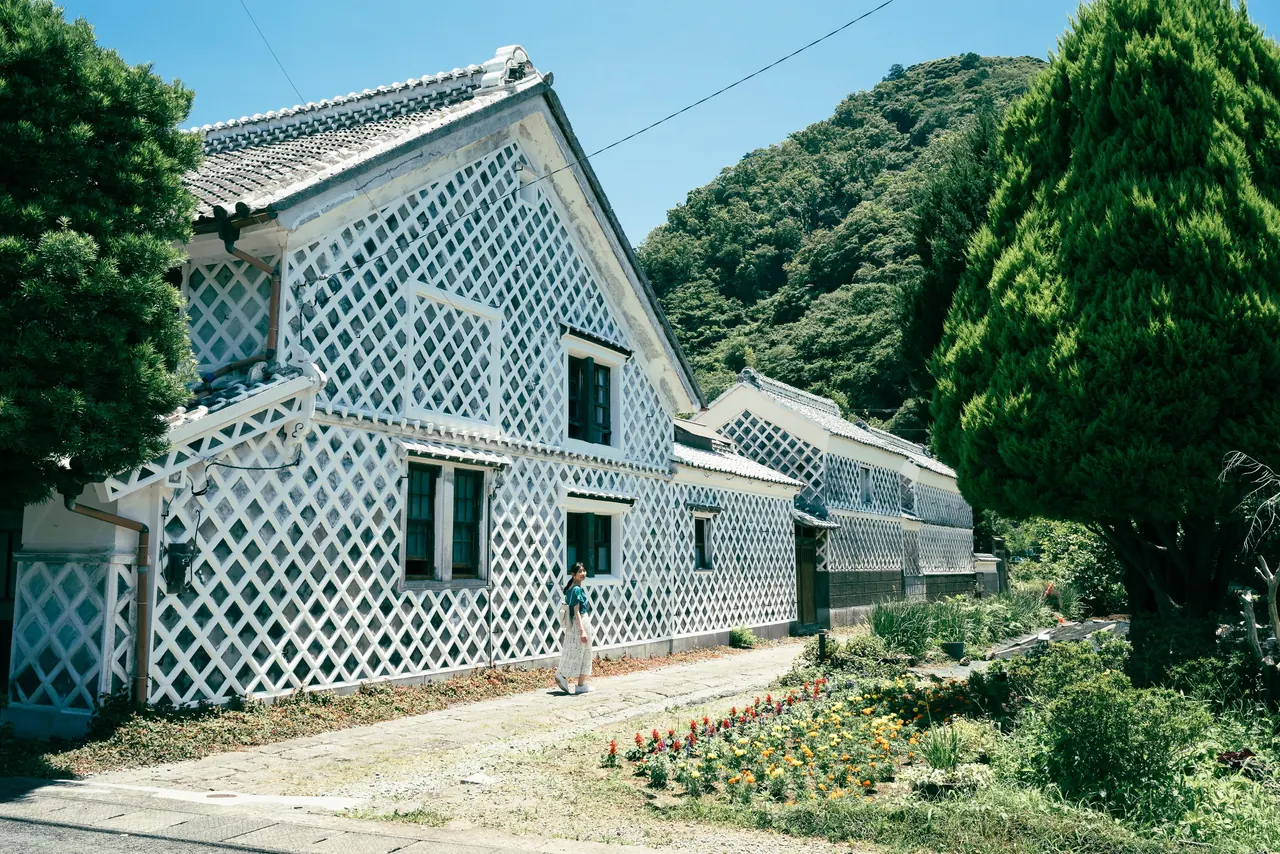
Matsuzaki Town in West Izu produces the salted cherry leaves used to wrap sakura mochi. Oshima cherry leaves are grown in fields and pickled in salt, and about 70% of the cherry leaves used nationwide are said to come from Matsuzaki. It began when Oshima cherries, originally planted for charcoal and firewood, lost their use as fuel switched to oil, and the groves were turned into fields for harvesting leaves. Local confectioners sell "sakuraba mochi," mochi wrapped in these leaves. The fragrance of the salted leaves and their light saltiness bring out the sweetness of the mochi. Look for it while strolling Namako-kabe street.
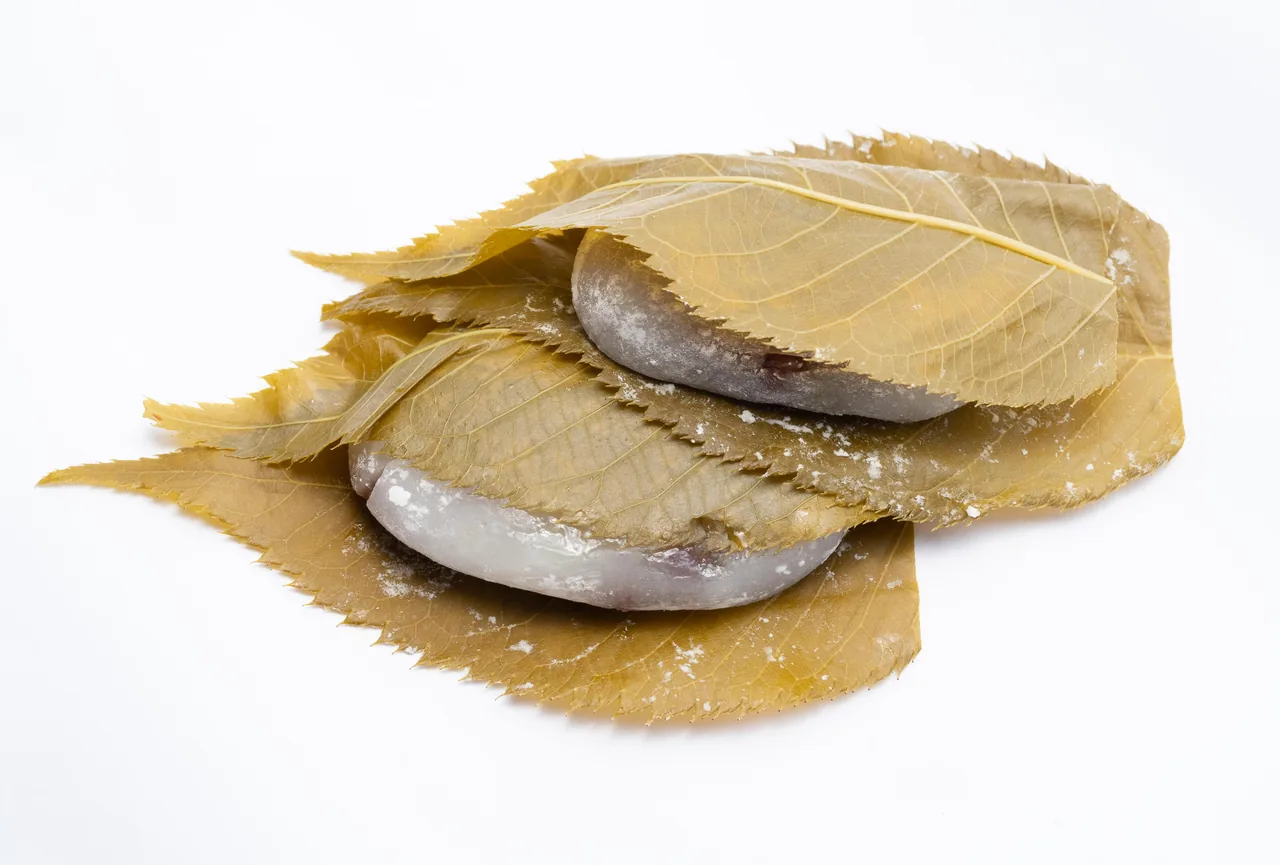
Photo: copyright© Shizuoka Prefectural Tourism Association.
Walk through any of Izu's hot spring towns and you'll find onsen manju steaming in front of shops. Most are bite-sized, and you can eat one fresh from the steamer on the spot or buy a box as a souvenir.
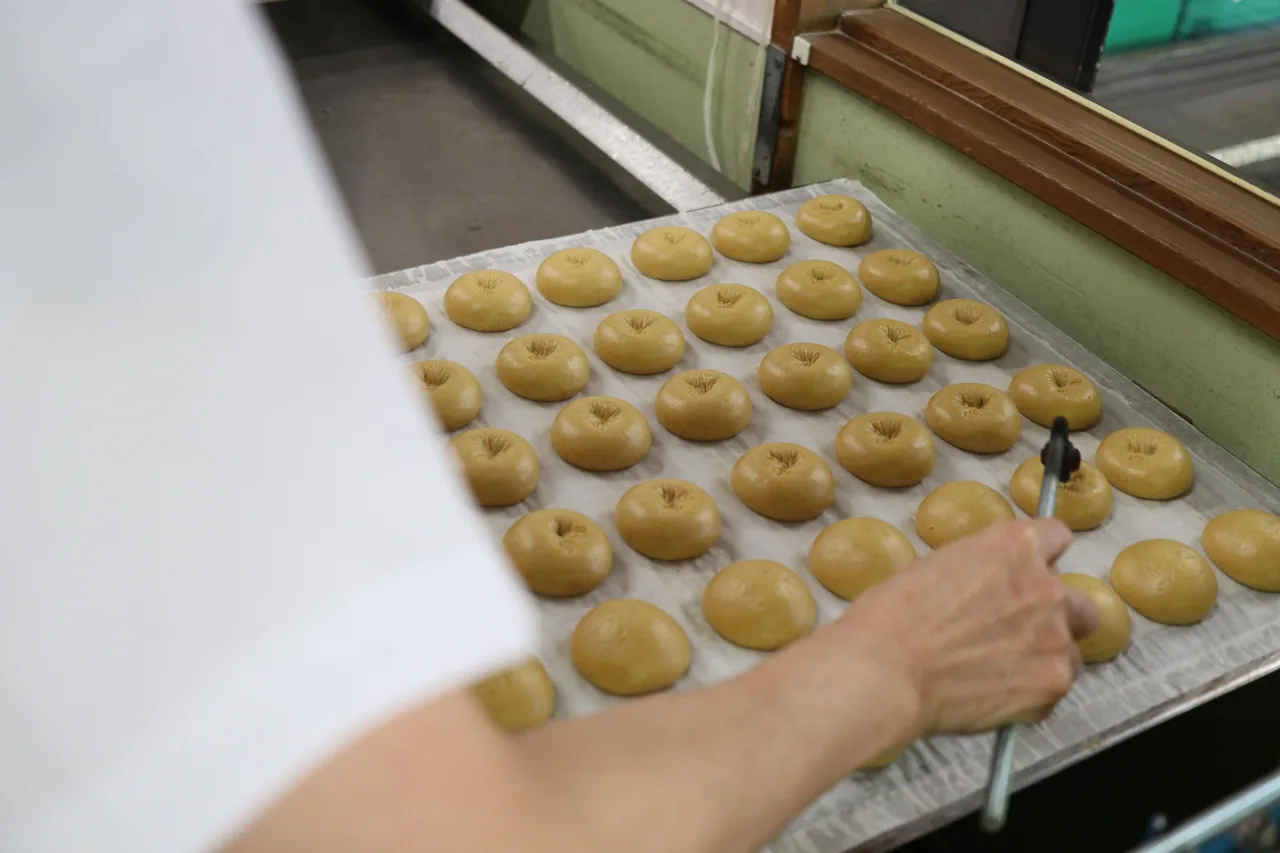
Photo: copyright© Shizuoka Prefectural Tourism Association.
Wasabi: from soft serve to fresh roots
Shizuoka Prefecture is Japan's top producer of water-grown wasabi by output and growing area. About 400 years ago in Utogi, in Shizuoka City's Aoi Ward, villagers took wasabi growing wild in mountain streams and planted it in spring-fed ground, which is said to be the start of wasabi farming in Japan. Shizuoka's method of building terraced wasabi beds in mountain streams and growing the plants in spring water was recognized in 2018 as a Globally Important Agricultural Heritage System, "Traditional Shizuoka Wasabi Cultivation."
In Shuzenji Onsen in Izu City, soft serve topped with freshly grated wasabi is the classic snack to eat as you walk. The heat is mild, and the wasabi's fresh aroma plays against the sweet vanilla.
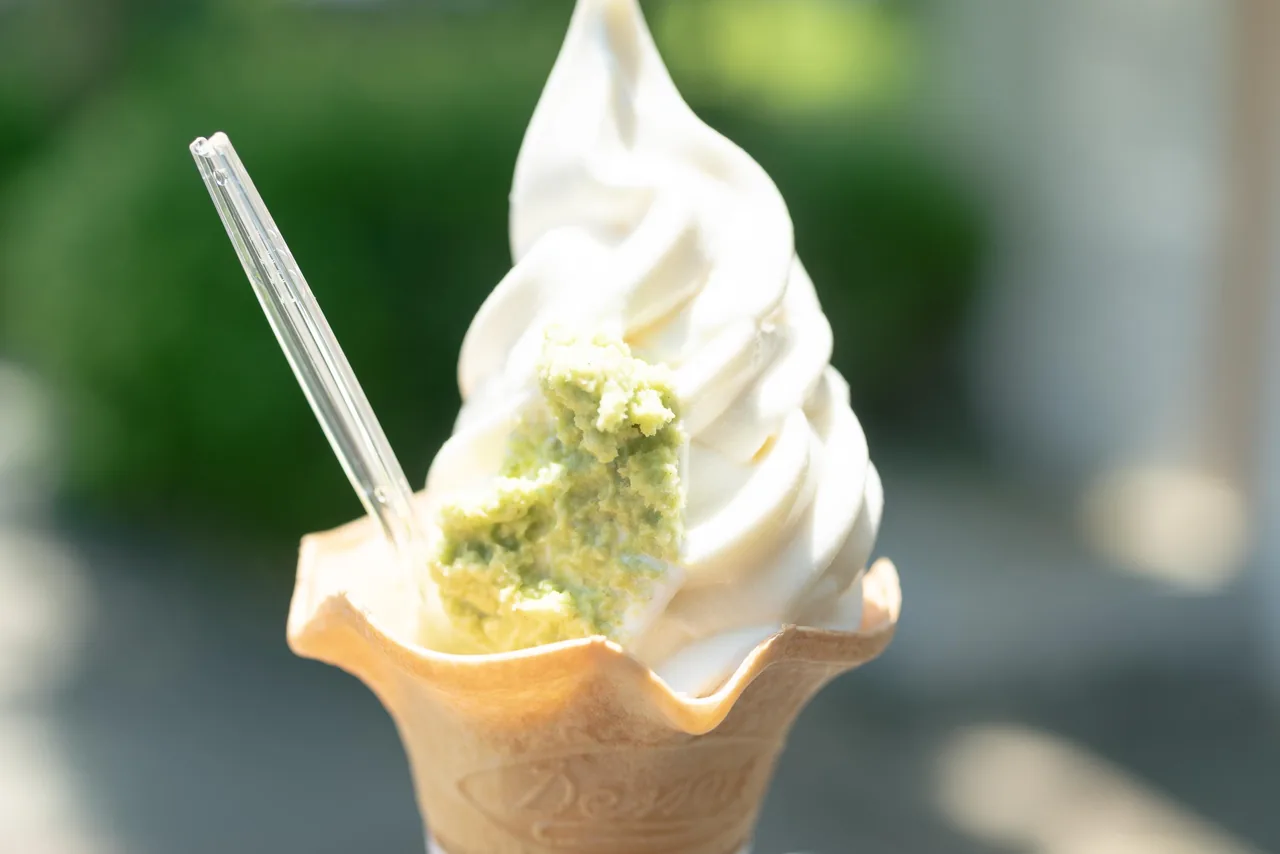
Photo: copyright© Shizuoka Prefectural Tourism Association.
As a souvenir, buying a fresh wasabi root is a very Shizuoka choice. Grate it just before eating for the best aroma and sweetness. Processed products such as wasabi-zuke (wasabi pickled in sake lees) keep longer and are easier to carry.
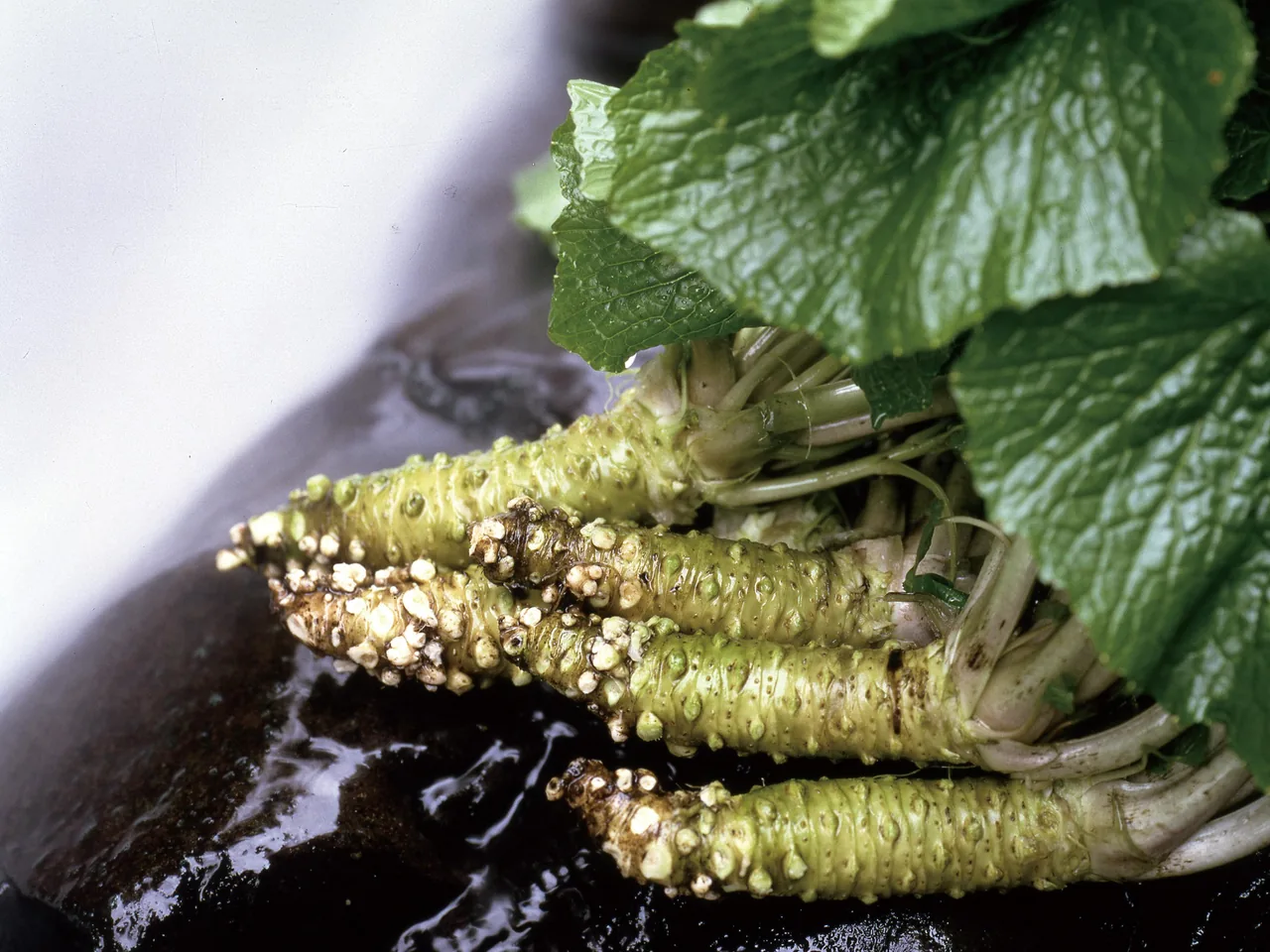
Photo: copyright© Shizuoka Prefectural Tourism Association.
Street food: Mishima croquettes and kuro hanpen
For a snack on the streets of Mishima, try a Mishima croquette. They're made with Mishima potatoes (the May Queen variety) grown on the western foothills of Hakone, and residents, businesses and the city formed the "Mishima Croquette Association" in 2008 to promote them. More than 100 shops sell them, each with its own filling and seasoning.
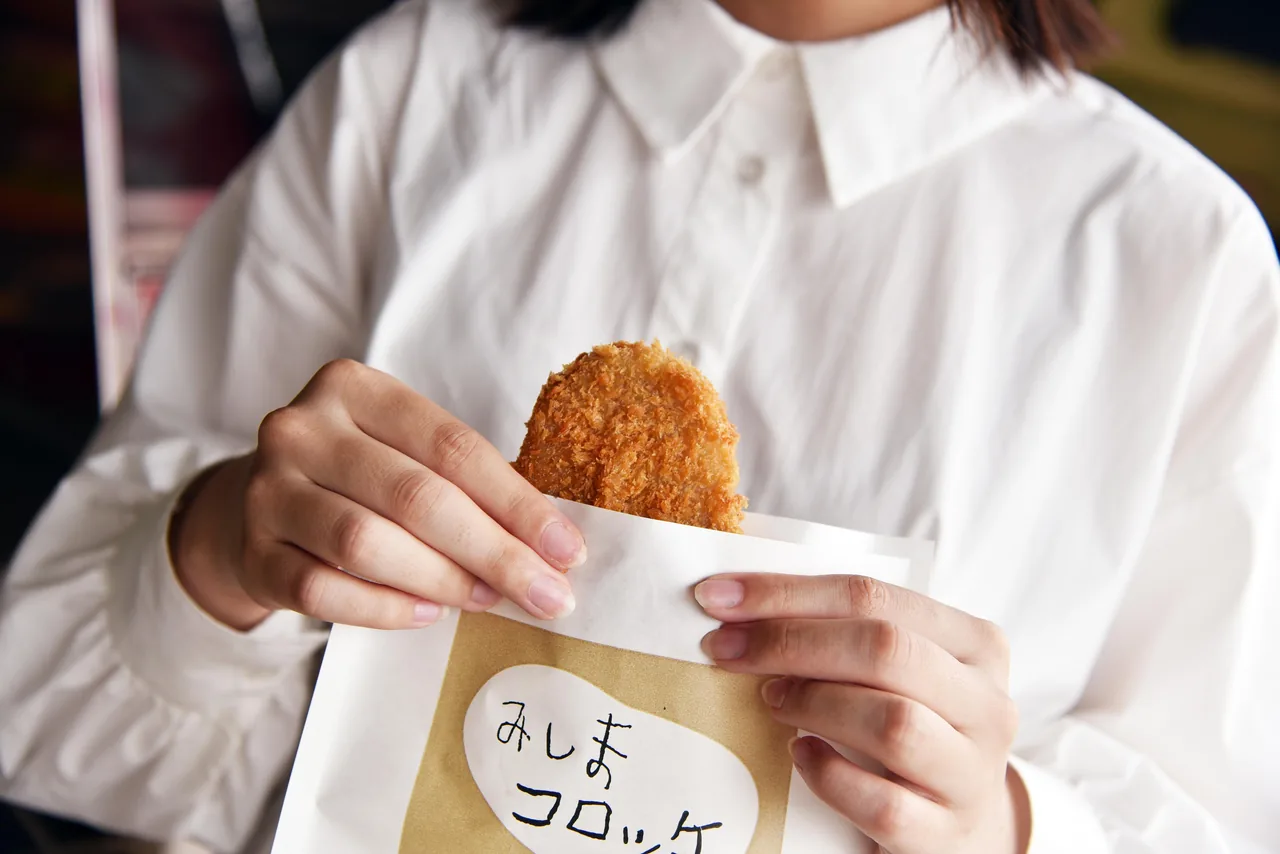
Photo: copyright© Shizuoka Prefectural Tourism Association.
Kuro hanpen ("black hanpen") is a gray fish cake made by grinding oily fish such as sardines and mackerel, bones and all, and boiling it. In Shizuoka, "hanpen" means this black kind, and the white kind is called "shiro hanpen" to tell them apart. It's a staple of Shizuoka oden, and because the bones are ground in, it has a slightly grainy bite. If you're taking some home, vacuum-packed products are the convenient choice.
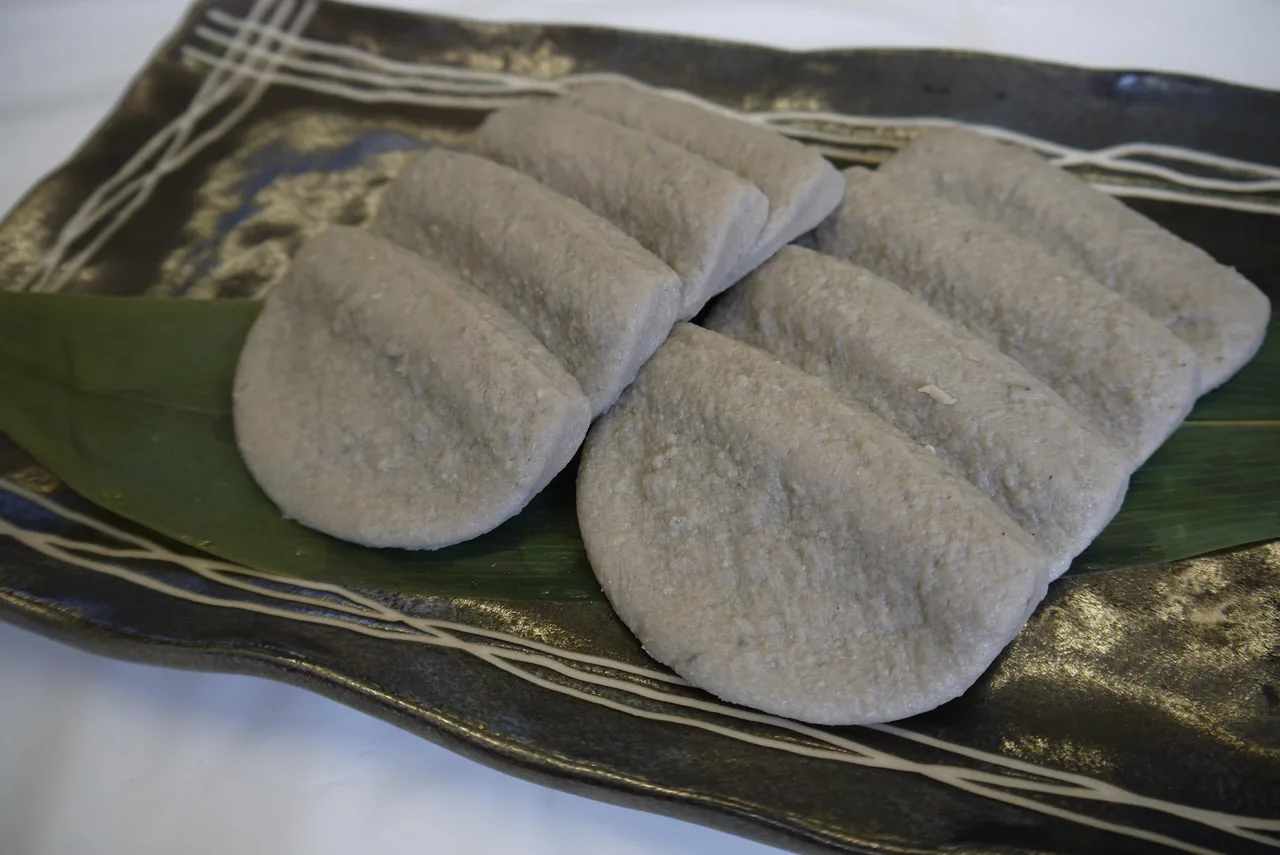
Photo: copyright© Shizuoka Prefectural Tourism Association.
Choosing souvenirs
Pick by shelf life and portability, and you won't be stuck at the end of your trip.
| Specialty | Rough shelf life | Tips |
|---|---|---|
| Abekawa mochi, sakuraba mochi, Fukutaro | Short (same day to a few days) | Eat them on the spot or buy on your last day |
| Onsen manju | Depends on the product | For boxed ones, check the printed date |
| Fresh wasabi | Keep refrigerated | Carry it cool; wasabi-zuke keeps longer |
| Kuro hanpen | Often sold chilled | Choose vacuum packs and ask for an ice pack |
If you're taking fresh or chilled food out of Japan, check your destination country's import rules as well. For Shizuoka's meals, see our Shizuoka food guide; for tea, see Shizuoka green tea and tea fields.