What is the area like?
On Sunday mornings, white-tented stalls line about 1 km of Otesuji, a broad avenue near Kochi Castle. From the streets below the castle keep to Harimayabashi, where you change trams, central Kochi is compact enough to cover on foot and by tram.
This was the castle town of the Tosa domain, and it is also where Sakamoto Ryoma was born and raised. A museum about him stands in Kamimachi, southwest of the castle, and near Harimaya Bridge you can learn about the Yosakoi Festival, which began in Kochi.
Main sights
Kochi Castle
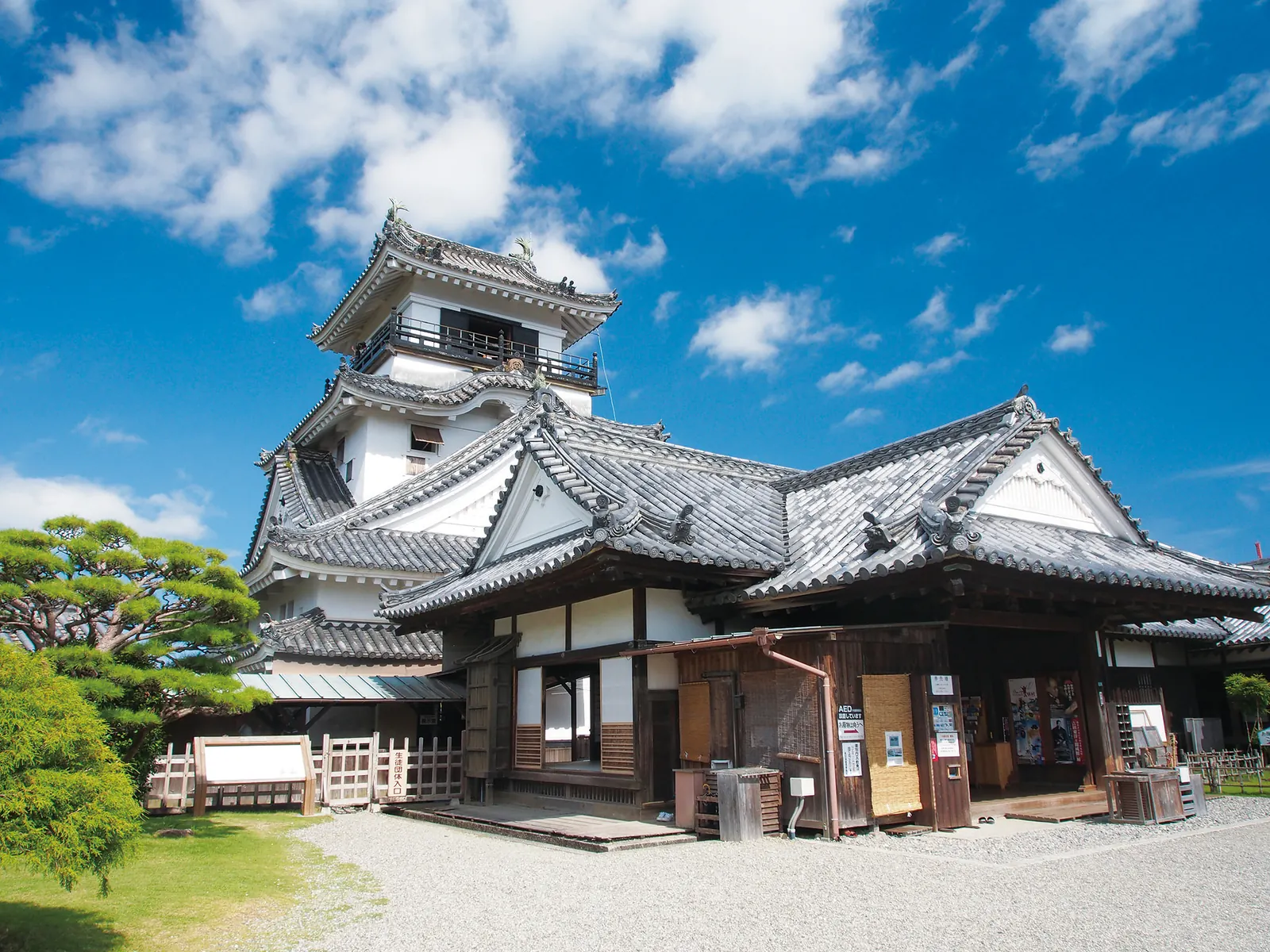
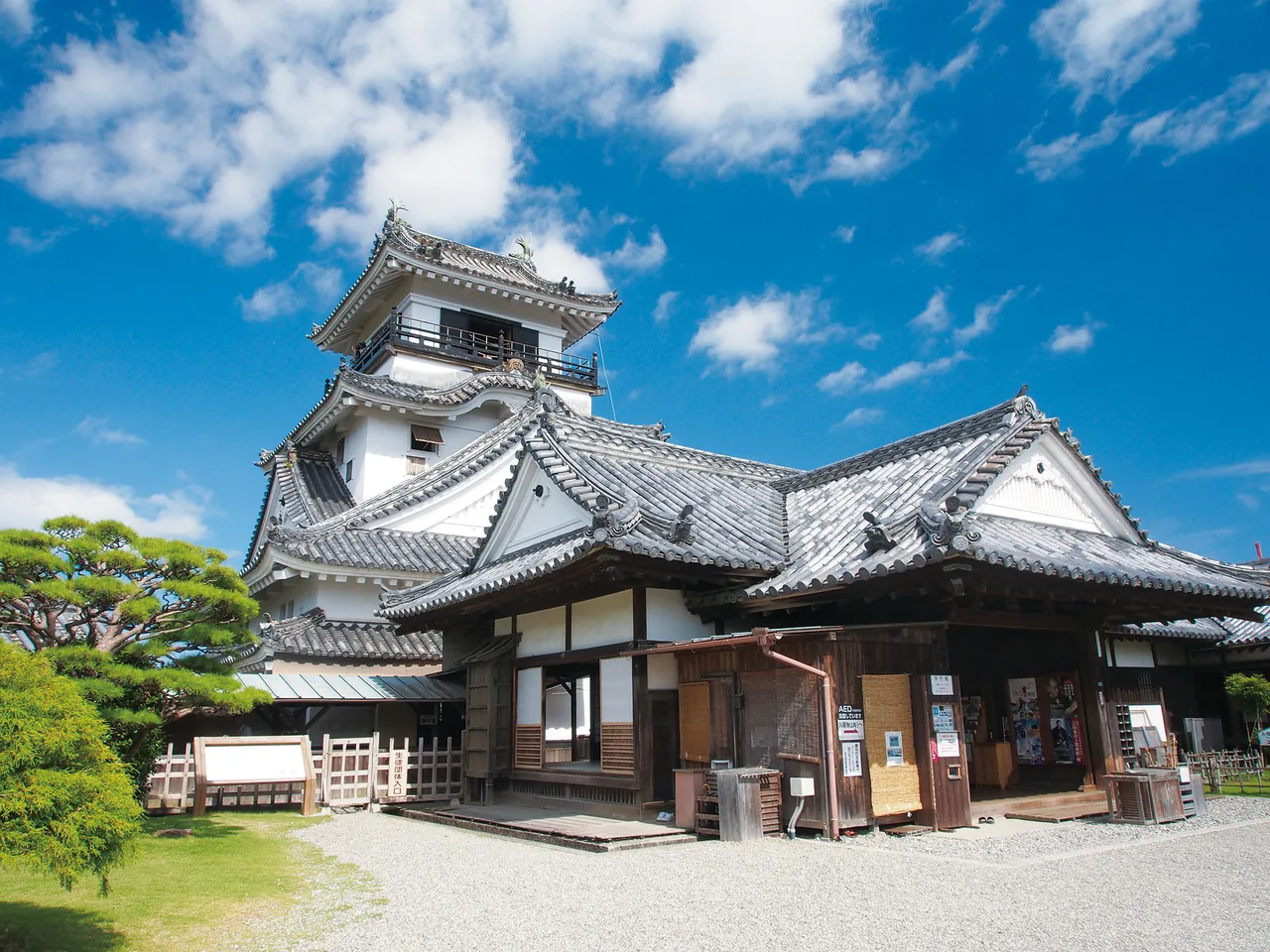
Built by Yamauchi Kazutoyo, the first lord of the Tosa domain, Kochi Castle is one of only 12 castles in Japan whose original Edo-period keep still stands. The main-enclosure buildings survive together as well, including the Honmaru Palace (Kaitokukan) and the Otemon Gate, and 15 structures are Important Cultural Properties. You can go inside both the keep and the palace. See Kochi Castle for details. Official information: Kochi Castle official website.
Kochi Park around the castle is a well-known cherry blossom spot. Around full bloom, the evening Kochi Castle Hana Kairo has lit up flower arrangements, lanterns and cherry trees along the paths. Check the Kochi City Tourism Association's announcements for dates. See Kochi Castle Cherry Blossoms and Hana Kairo for details.
Sunday Market (Otesuji)
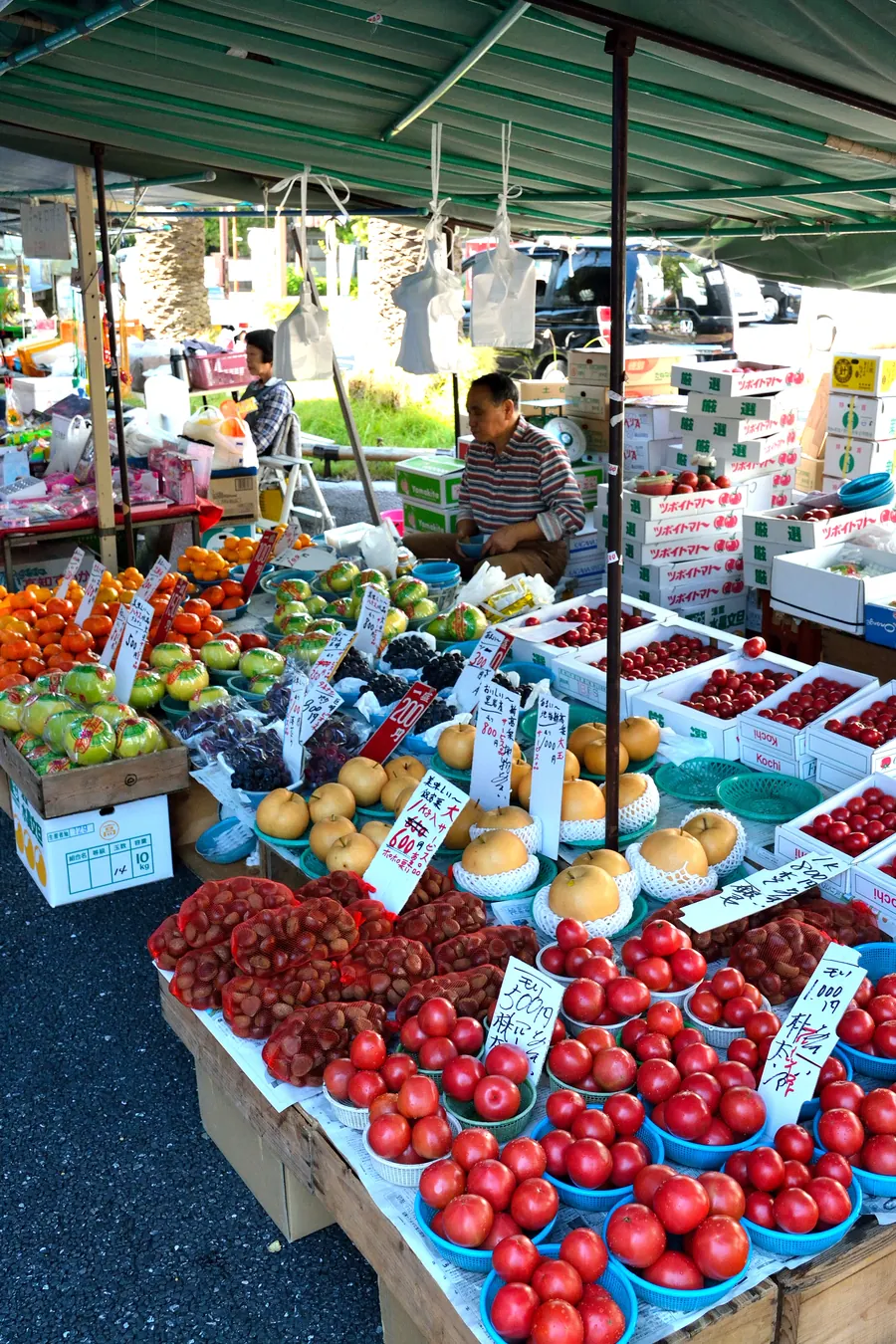
A street market held on Otesuji every Sunday. According to Kochi City, it has run since 1690, more than 300 years, with stalls under the palm trees along roughly 1 km of road. Fresh vegetables and fruit are stacked by the crate under the tents. The market takes some days off, so check Kochi City's street market page before you go. See Sunday Market for details.
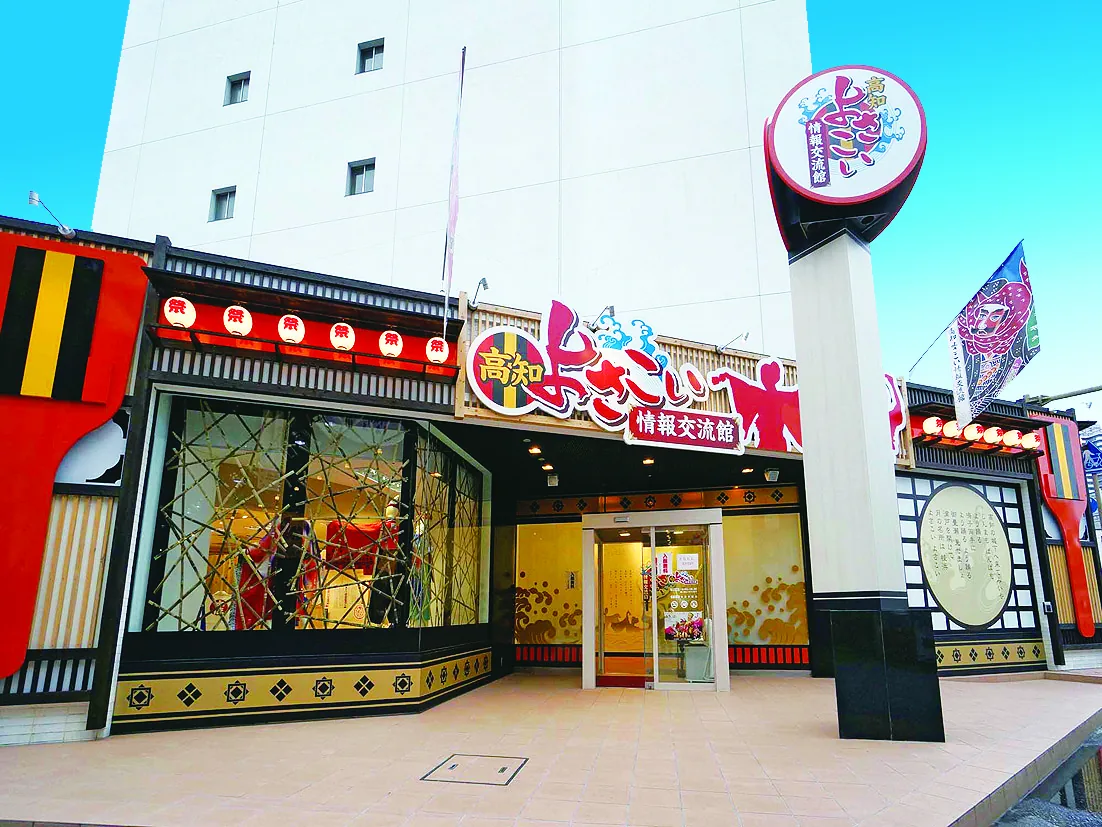
Kochi Yosakoi Information Center
A short walk from Harimaya Bridge, this center tells the story of the Yosakoi Festival, which began in Kochi in 1954. You can try on festival costumes for photos and try the dance to music. There is also a workshop where you make naruko, the wooden clappers dancers hold, in 10 to 15 minutes, so you can get a feel for the festival even outside the season. See Kochi Yosakoi Information Center for details. Visitor information is on the center's page on the Kochi City tourism site.
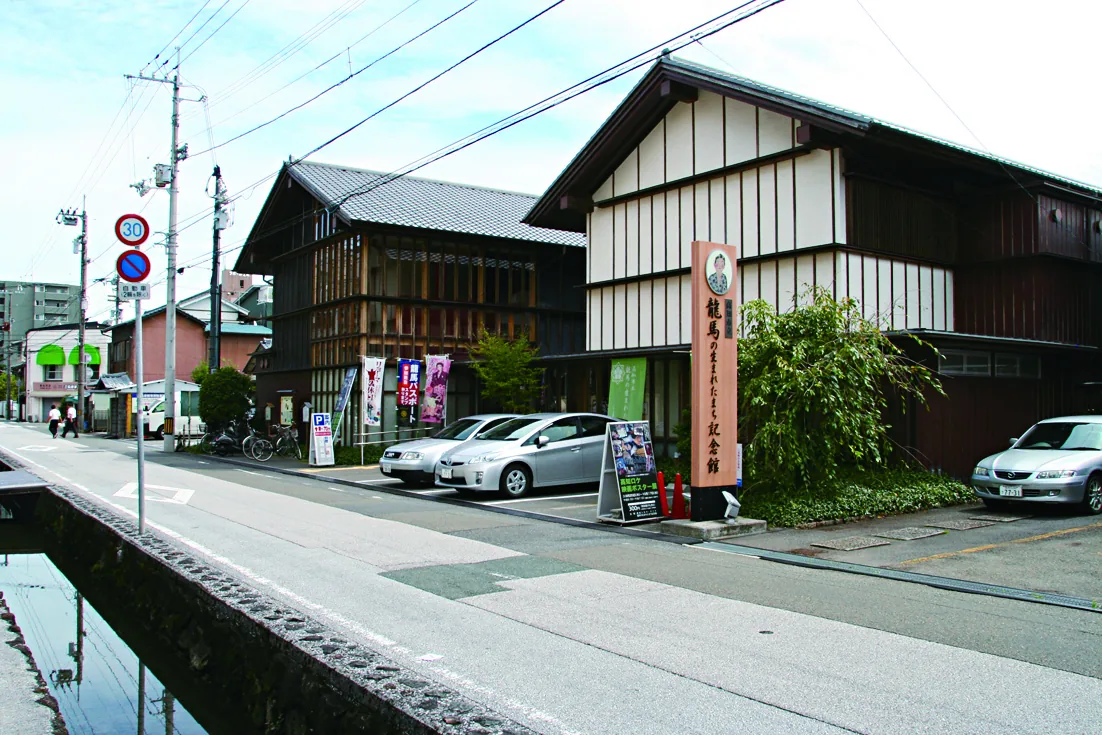
Ryoma's Birthplace Memorial Museum
This museum stands in Kamimachi, where Sakamoto Ryoma was born and grew up. Using models, video and audio, it covers his childhood and youth up to the point he left the Tosa domain, along with his family, the people around him and the history of Kamimachi. A stone marks the spot where Ryoma was born, so after the museum, take a walk through the streets of Kamimachi too. See Ryoma's Birthplace Memorial Museum for details. The exhibits are described on the museum's official website.
Food and shopping
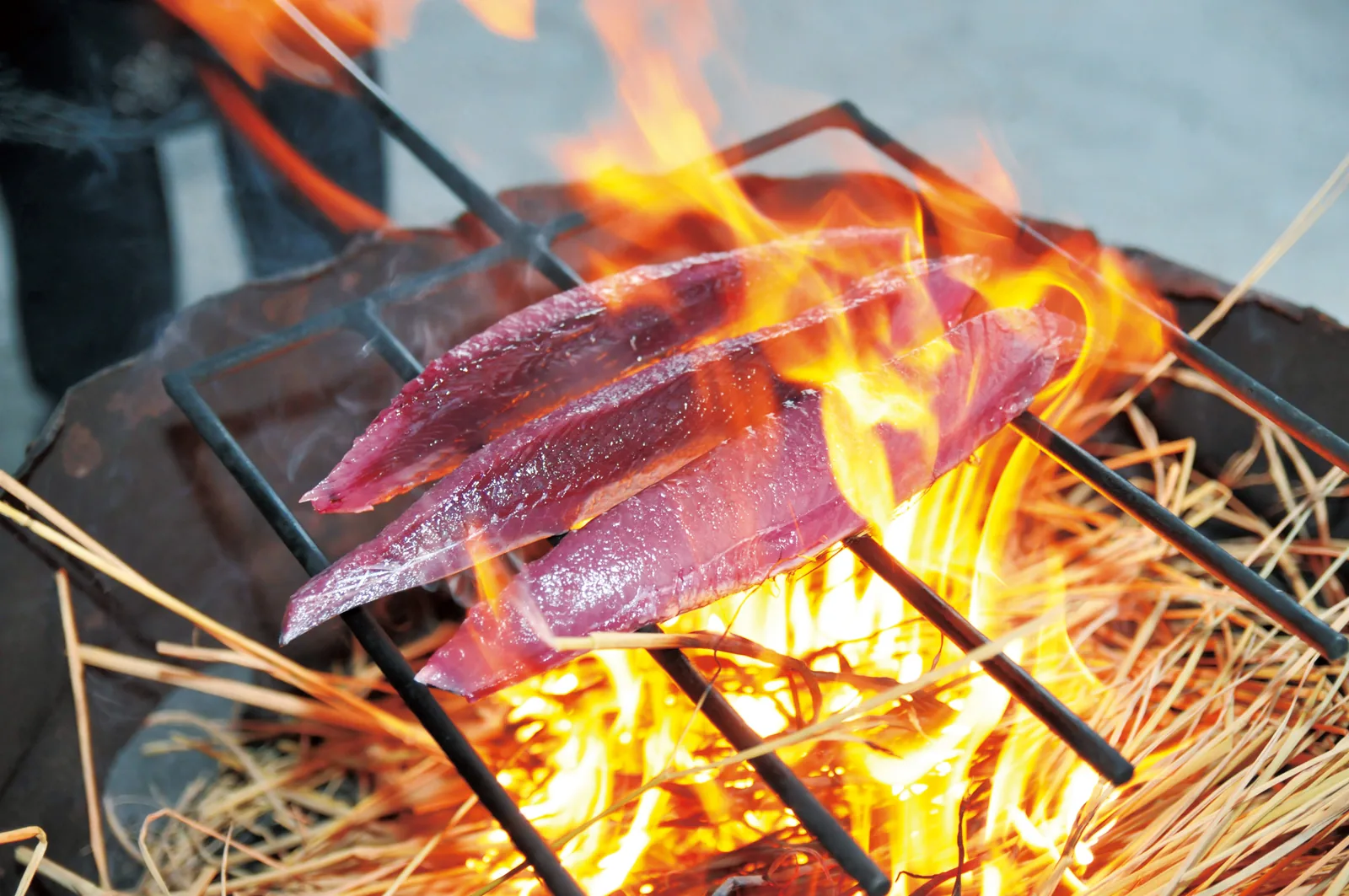
Besides vegetables and fruit, the Sunday Market has stalls selling food such as inaka-zushi. This is Kochi's countryside sushi, made by topping or rolling vinegared rice with mountain ingredients like ryukyu (taro stems), myoga ginger and konnyaku, and it is easy to snack on as you walk the market. For katsuo no tataki (seared bonito) and other Kochi specialties, see our Kochi food guide. You can find places to eat in the list below this page.
Getting there
- Kochi Castle: from JR Kochi Station, take the Tosaden Kotsu tram, change at Harimayabashi, and get off at Kochijo-mae. The keep is about a 15-minute walk from the stop.
- Sunday Market: about a 5-minute walk from the Hasuikemachi-dori tram stop.
- Kochi Yosakoi Information Center: about a 2-minute walk from the Harimayabashi tram stop, or about 15 minutes on foot from JR Kochi Station. There is no parking on site.
- Ryoma's Birthplace Memorial Museum: about a 3-minute walk from the Kamimachi 1-chome tram stop.
Getting around the area
On a Sunday, walk the market in the morning and carry straight on to Kochi Castle. On other days, start at the castle and take the tram to the museum in Kamimachi and the Yosakoi center at Harimaya Bridge. For a full-day plan, see our Kochi City one-day itinerary.
From JR Kochi Station, the MY Yu Bus sightseeing loop runs to the Mt. Godai area, home to the Makino Botanical Garden and Chikurin-ji Temple, and to the Katsurahama area, where the Ryoma statue stands.