Fushimi Inari, To-ji and Kyoto Station Half-Day
- Fushimi Inari Taisha Shrine
- To-ji Temple
- Kyoto Station Building
- Nidec Kyoto Tower
- Higashi Honganji Temple

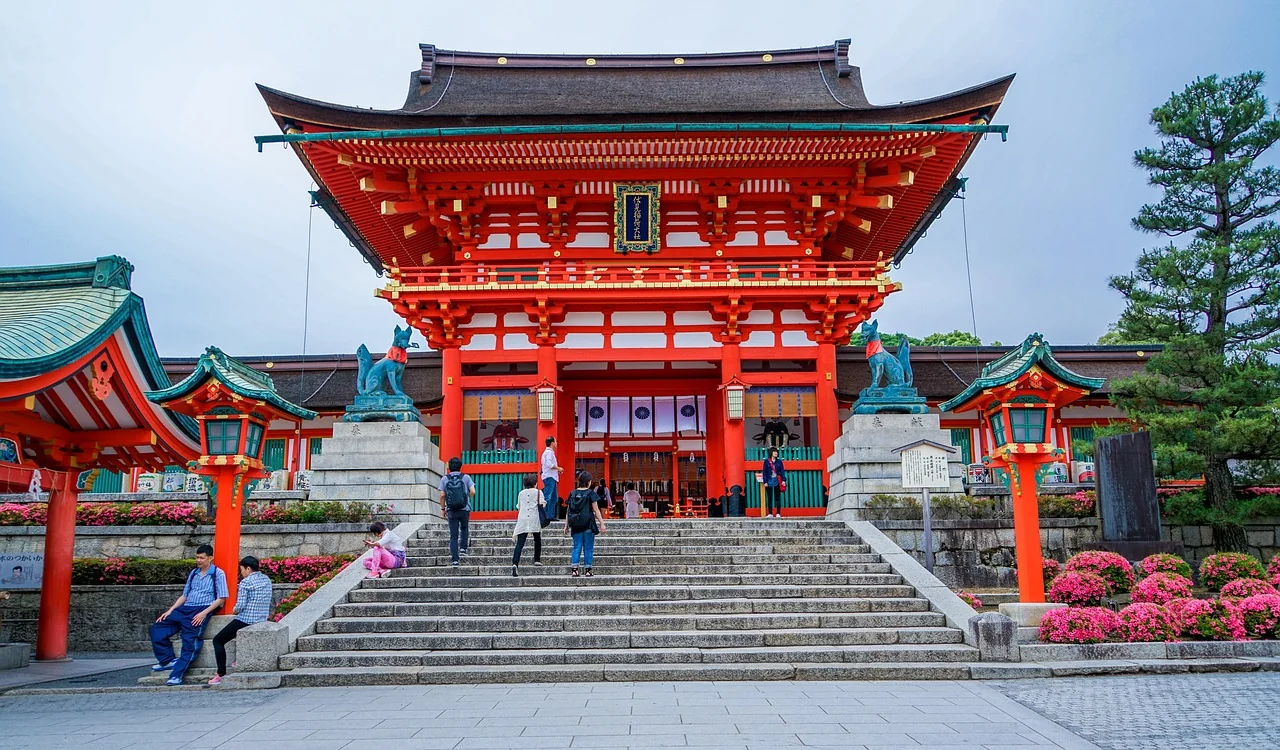
Photo: Michelle-Maria / Pixabay
Areas of Kyoto
Fushimi Inari Shrine's Senbon Torii and the Mount Inari hike, nearby Tofuku-ji Temple, the JR Nara Line from Kyoto Station and the best time to beat the crowds.
 Feb 25Baikasai Plum Blossom Festival (Kitano Tenmangu)
 GuidesWhere to Stay in Kyoto for Sakura and Autumn Leaves: 9 Hotels
This page is translated from the Japanese edition. Read the Japanese edition
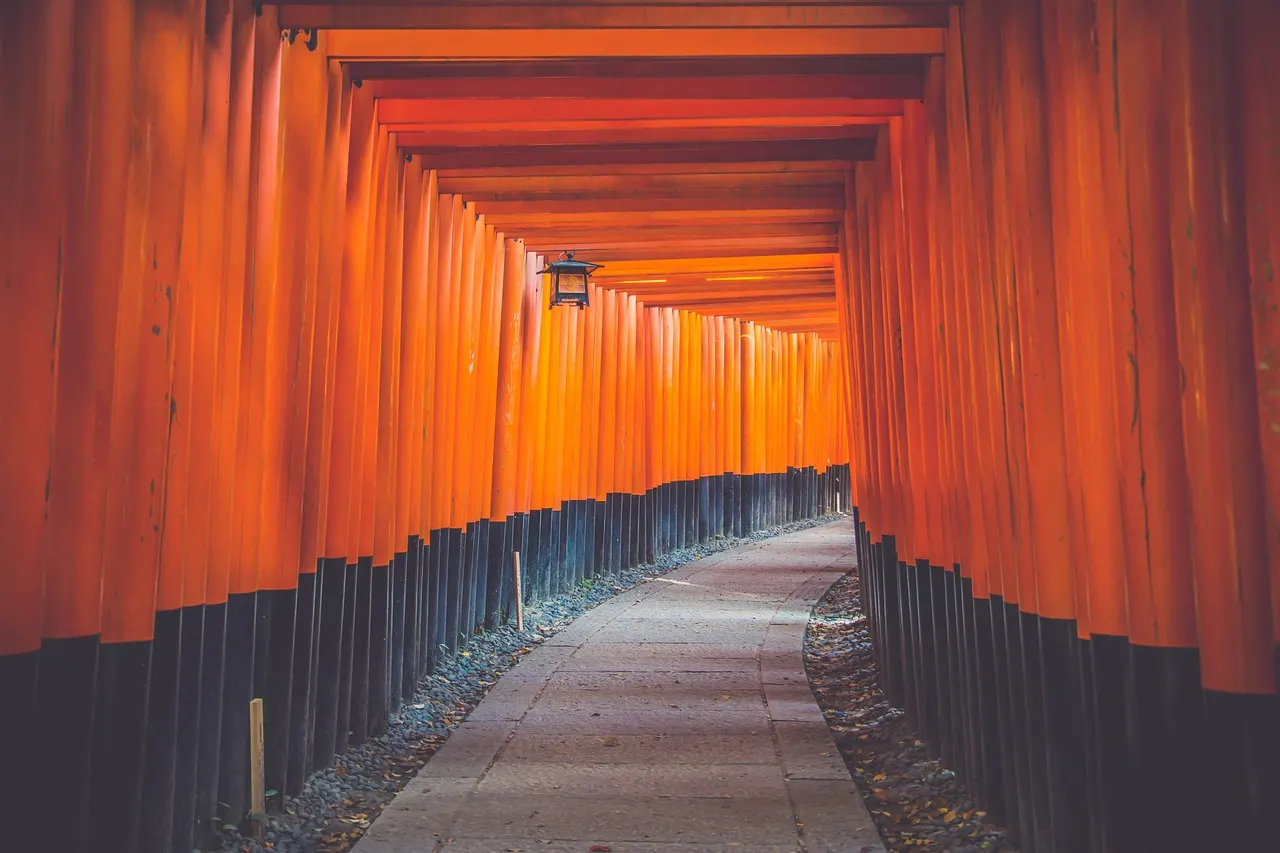
Get off at JR Inari Station and the approach to Fushimi Inari Taisha Shrine begins right outside. People arrive from early morning to see the Senbon Torii, the "thousand torii gates" that run in layer after layer of vermilion up towards the mountain.
Fushimi Inari Taisha is the head shrine of the Inari shrines, said to number about 30,000 across Japan. Allow one to two hours for the main hall and the Senbon Torii, or half a day if you do the Oyama-meguri circuit of Mount Inari up to the summit. The mountain path keeps going up and down stone steps, so wear comfortable shoes.
The shrine traces its origins to 711, when the deity is said to have settled on Mount Inari, and it has long been worshipped for business prosperity and good harvests. Enter the grounds from the main approach, pray at the main hall, then head for the Senbon Torii. Visitor information is on the Fushimi Inari Taisha official website.
Here, vermilion torii gates stand with barely a gap between them along the path from behind the main hall to the Okusha Hohaisho (inner shrine). The custom of donating a torii to express a wish or gratitude began in the Edo period and created the scene you see today.
Walking a circuit of the sacred sites and stone mounds scattered over Mount Inari is called "oyama suru". The loop is about 4 kilometres, and thousands of torii line the paths on the mountain too. A map of the shrine is on the official website's "Visiting Oinari-san" page.
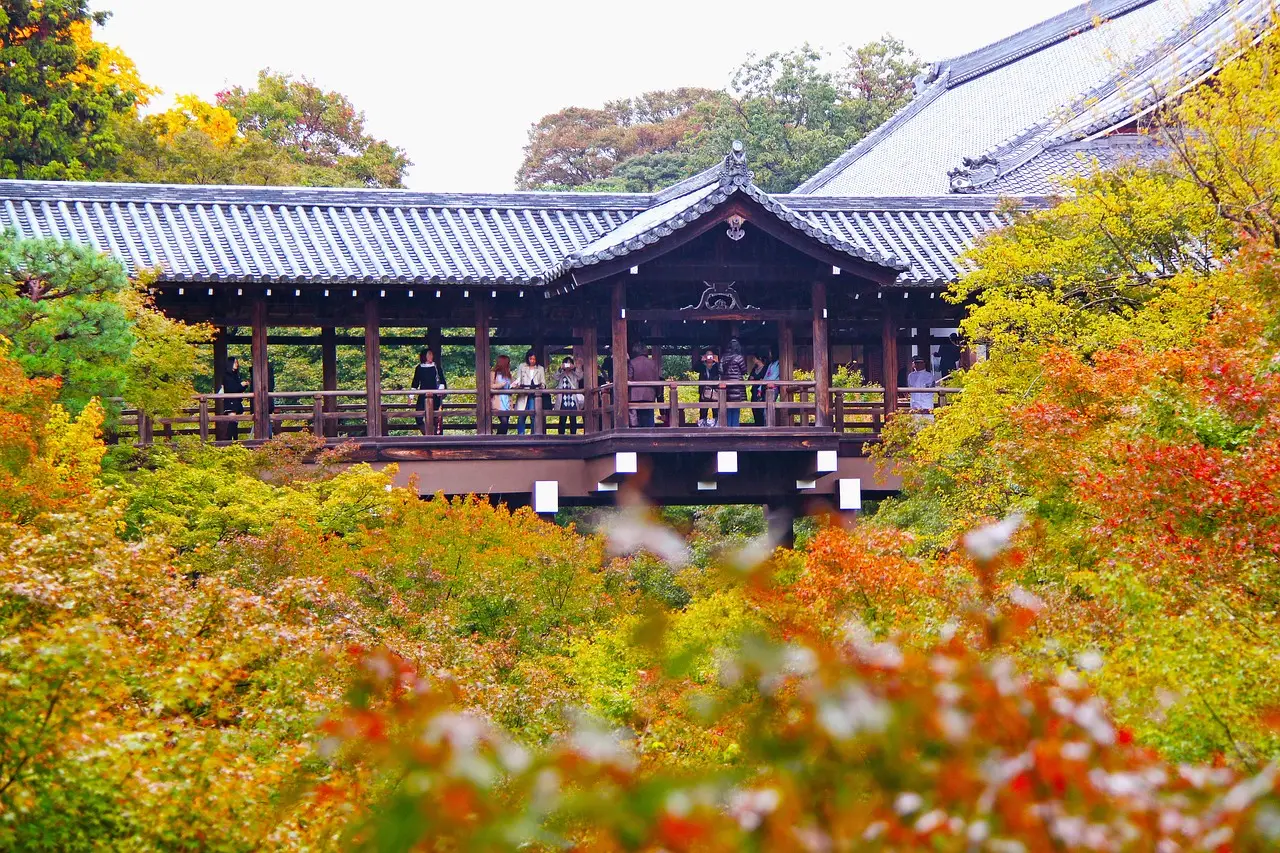
This Zen temple is one stop from Inari towards Kyoto Station on the JR Nara Line, about 10 minutes' walk from Tofukuji Station (JR and Keihan). It is known for the view from its Tsutenkyo Bridge, and it gets especially crowded in the autumn leaf season. Visitor information is on the Tofuku-ji official website.
The area around Fushimi Inari Taisha is a shrine town, with souvenir shops and places to eat lining the streets from the main approach towards Inari Station and Keihan's Fushimi-Inari Station. There are Kyoto-cuisine restaurants too, so you can sort out a meal and souvenir shopping before or after your visit.
Once you are on the mountain paths of Mount Inari, there are far fewer shops than at the foot of the shrine. If you plan to do the circuit, buy drinks before you start climbing. Eating near the approach after you come back down makes for a natural flow.
From Kyoto Station, the simplest way is the JR Nara Line to Inari Station. The shrine approach starts right outside Inari Station, and there is no change of trains. On the Keihan Main Line, get off at Fushimi-Inari Station and walk east for about 5 minutes. By city bus, take route Minami 5 to the Inari Taisha-mae stop and walk east for about 7 minutes.
The roads around the shrine get congested, so the shrine asks visitors to come by public transport.
Pray at the main hall, pass through the Senbon Torii and walk on to the Okusha Hohaisho: even with little time, this is the stretch not to miss. If you have the time and energy, continue around Mount Inari and come back down towards the main hall.
The area around Fushimi Inari Taisha is often crowded, and Kyoto City asks visitors to check crowd forecasts before they go. The Senbon Torii get busier as the day goes on, so arrive early in the morning to walk the tunnel of gates in peace. Forecasts by time of day are on the Kyoto Sightseeing Comfort Map: Fushimi.
Afterwards, take the JR Nara Line back to Kyoto Station, or ride the Keihan Main Line north to Tofukuji Station and on to Gion-Shijo Station for Gion & Higashiyama. The autumn leaves usually peak from mid to late November (varying from year to year), when Tofuku-ji gets especially crowded; How to Enjoy Kyoto's Autumn Leaves Without the Crowds is worth a read.