Nijo Castle & Imperial Palace
Areas of Kyoto
Nijo Castle & Imperial Palace
Nijo Castle's National Treasure Ninomaru Palace and the Kyoto Imperial Palace, open free with no booking: highlights, subway routes and how to see both.
Find on the map
This page is translated from the Japanese edition. Read the Japanese edition
What is the area like?
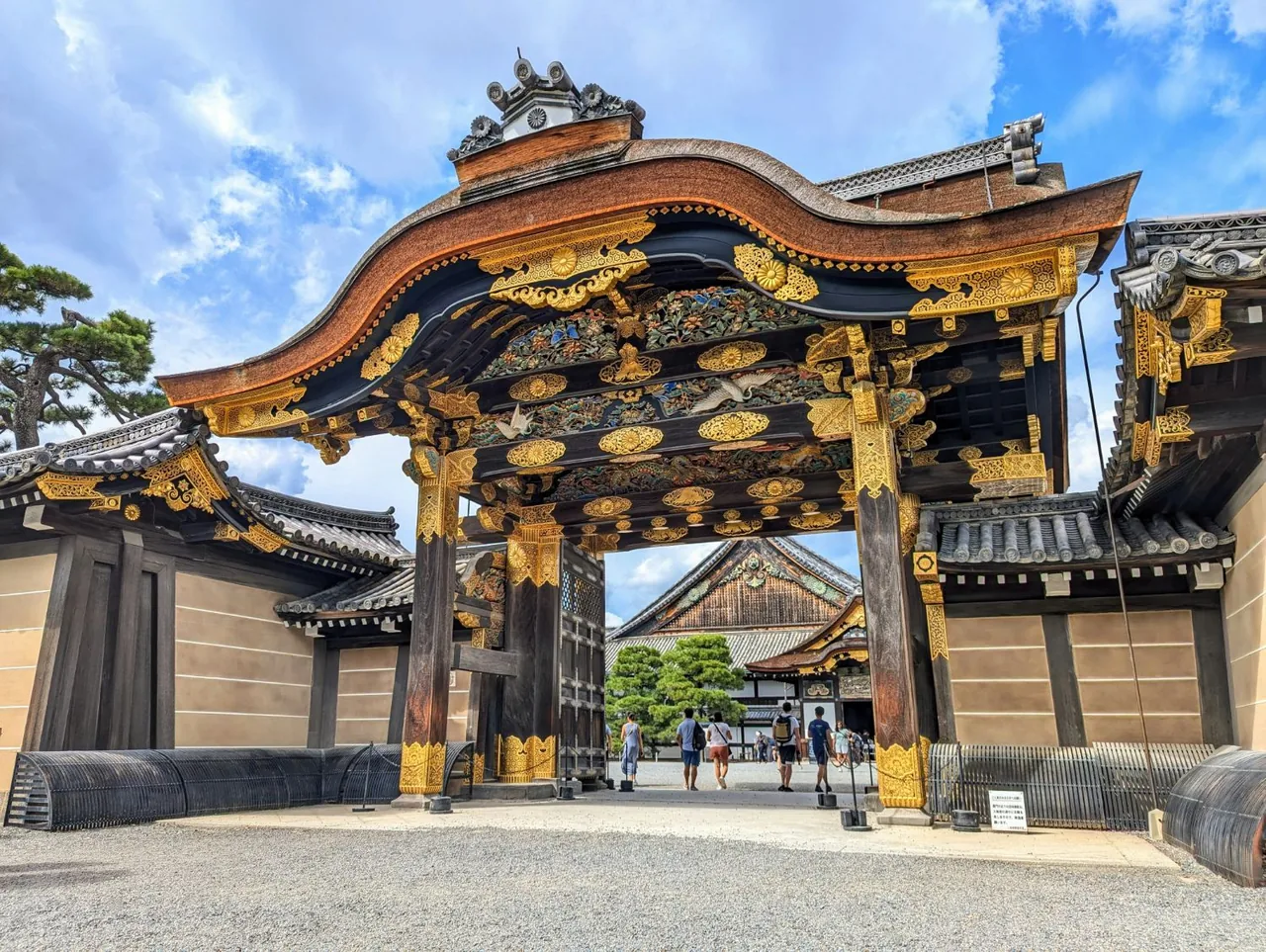
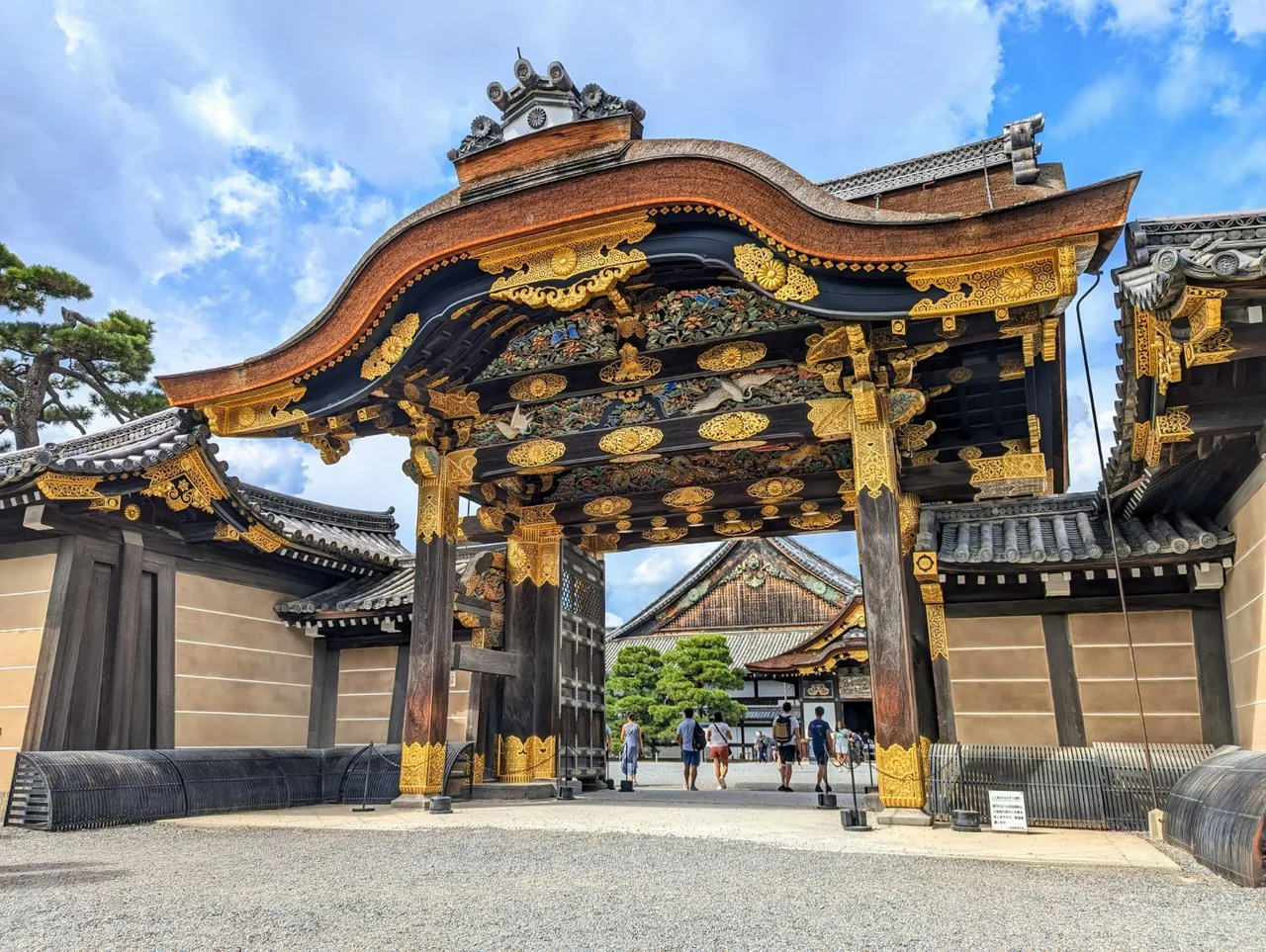
In the heart of the city stand Nijo Castle, once the castle of the Tokugawa shoguns, and the Kyoto Imperial Palace, once the emperors' home. What makes this area interesting is that you can travel between the two by subway and compare two very different kinds of building: a warrior's castle and a court palace.
Unlike the temples and shrines of Higashiyama, neither involves climbing slopes; both stand on level ground. Both have large grounds, though, so expect to spend a long time walking on gravel.
Main sights
Nijo Castle
Tokugawa Ieyasu built this castle to guard the Imperial Palace and to lodge the shogun, and it was completed in 1603. The Ninomaru Palace is designated a National Treasure as the only castle palace complex still standing in Japan, and its rooms are decorated with Kano school wall paintings. In 1867 the 15th shogun, Tokugawa Yoshinobu, announced his intention to return power to the emperor in this palace. In 1994 the castle was inscribed on the World Heritage List as part of the Historic Monuments of Ancient Kyoto. Check opening hours and admission on the Nijo Castle official website. See Nijo Castle for details.
Kyoto Imperial Palace
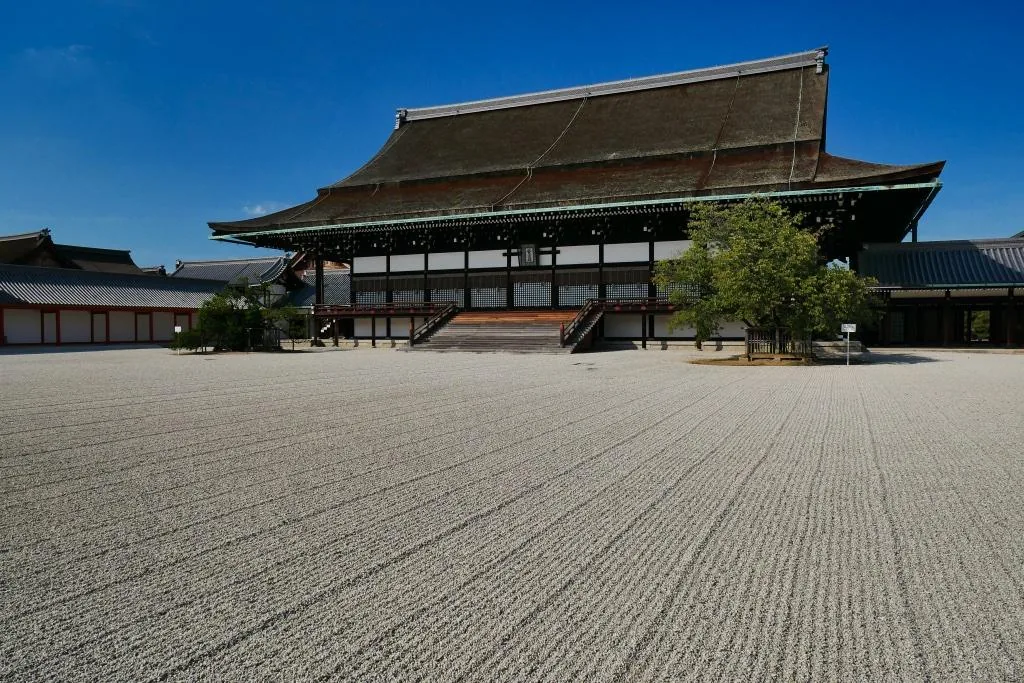
The residence of successive emperors until 1869, standing inside Kyoto Gyoen National Garden. The present buildings were rebuilt in 1855, and the Shishinden, where enthronement ceremonies are held, follows Heian-period architecture. It is open all year with no advance booking, and admission is free. Enter through the Seishomon Gate, where bags are checked. Check closing days on the Kyoto Imperial Palace official website (Imperial Household Agency). See Kyoto Imperial Palace for details.
Starting point of the Jidai Matsuri
At the Jidai Matsuri on 22 October every year, the procession sets off at noon from in front of the Kenreimon Gate of the Imperial Palace and heads for Heian Shrine. Paid seating is set up in Kyoto Gyoen. See Jidai Matsuri for details.
Food and shopping
The streets around Nijo Castle and the Imperial Palace are largely homes and offices. Shops are not clustered along a temple approach as in Higashiyama, so plan to find a meal near a subway station or on the way while changing trains.
The palace grounds are gravel, and Nijo Castle also means walking around large grounds. Carry a drink and wear comfortable shoes, and seeing both in a row will be less tiring.
Getting there
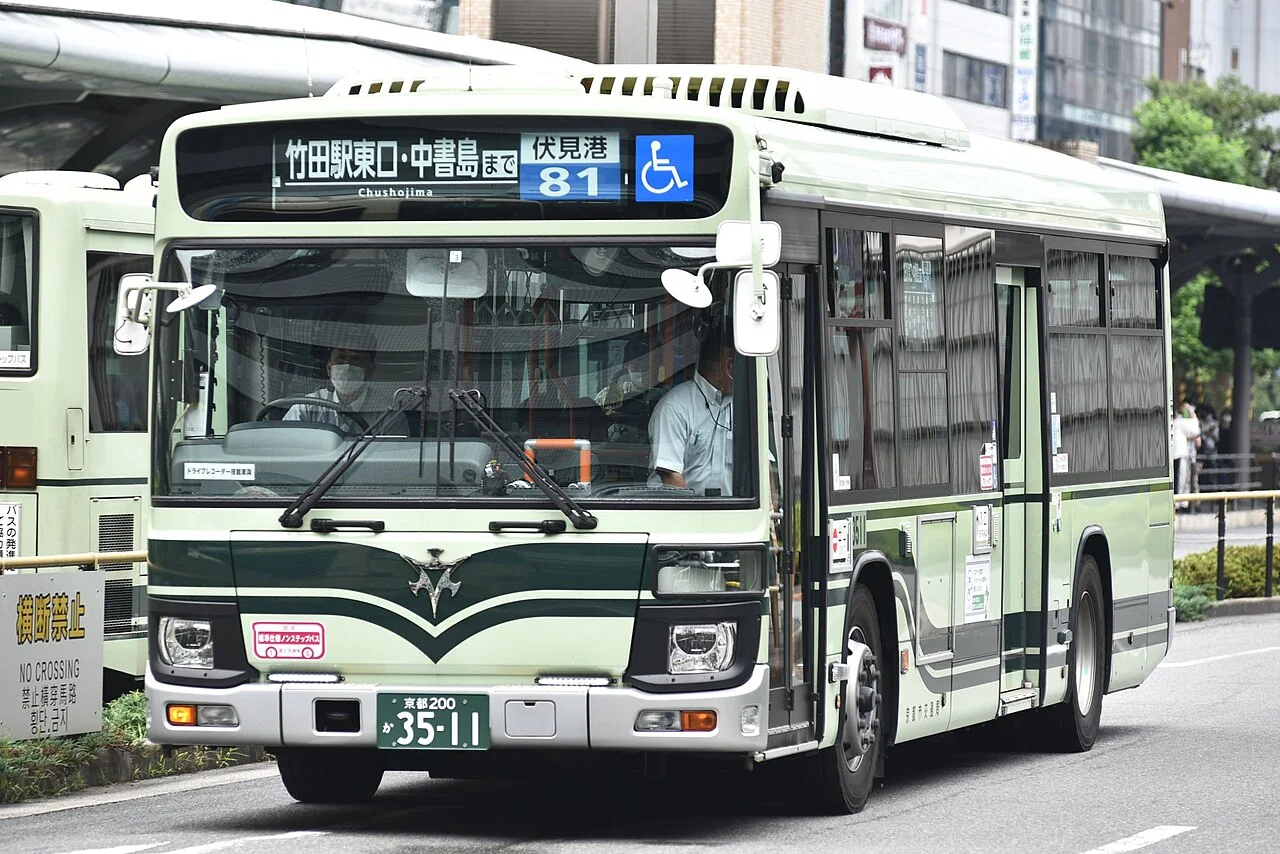
Nijo Castle is right outside Nijojo-mae Station on the Tozai subway line. From Kyoto Station, city bus routes 9 and 50 go to the Nijojo-mae stop.
The Imperial Palace is about a 5-minute walk from Imadegawa Station on the Karasuma subway line, and about 5 minutes from the Karasuma Imadegawa city bus stop. The Tozai and Karasuma lines meet at Karasuma Oike Station, where you can change without leaving the ticket gates.
- Access (Nijo Castle official website)
- Access (Kyoto Imperial Palace, Imperial Household Agency)
- Kyoto City Bus and Subway Guide: How to Ride, Crowds, Day Passes
How to explore the area
Visit Nijo Castle from Nijojo-mae Station, ride the Tozai line to Karasuma Oike, change to the Karasuma line and walk from Imadegawa Station to the Imperial Palace, and you can cover both by subway alone. The palace is closed on Mondays (or the next day when Monday is a holiday) and some other days, so once your date is set, check the official website before deciding the order.
Walk southeast from Karasuma Oike Station and you come out toward Shijo-Kawaramachi & Nishiki Market. You could see Nijo Castle and the Imperial Palace in the morning and shop at Nishiki Market and Shinkyogoku in the afternoon.
Sights in Nijo Castle & Imperial Palace
Recommended hotels in Nijo Castle & Imperial PalacePR
See prices and availability for hotels in Kyoto and book on our partner Trip.com.
See hotels in Kyoto on Trip.com