Kiyomizu-dera to Gion: Higashiyama Half-Day Walk
- Kiyomizu-dera Temple
- Sanneizaka and Ninenzaka
- Kodai-ji Temple
- Yasaka Shrine
- Gion Shirakawa

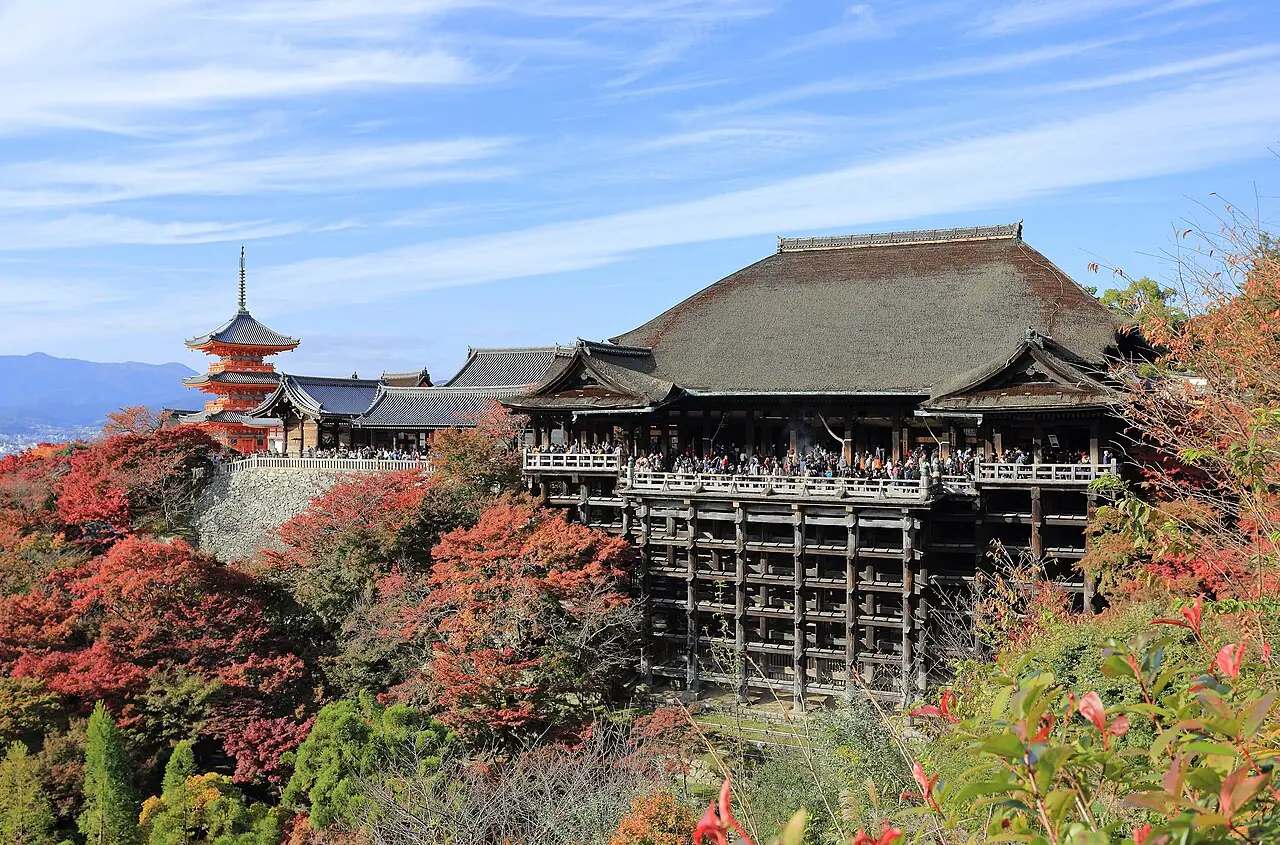
Photo: Martin Falbisoner / Wikimedia Commons(CC BY-SA 4.0)
Areas of Kyoto
Things to do in Gion and Higashiyama: walk downhill from Kiyomizu-dera Temple to Yasaka Shrine and Gion Shirakawa, with access from Kyoto Station and crowd tips.
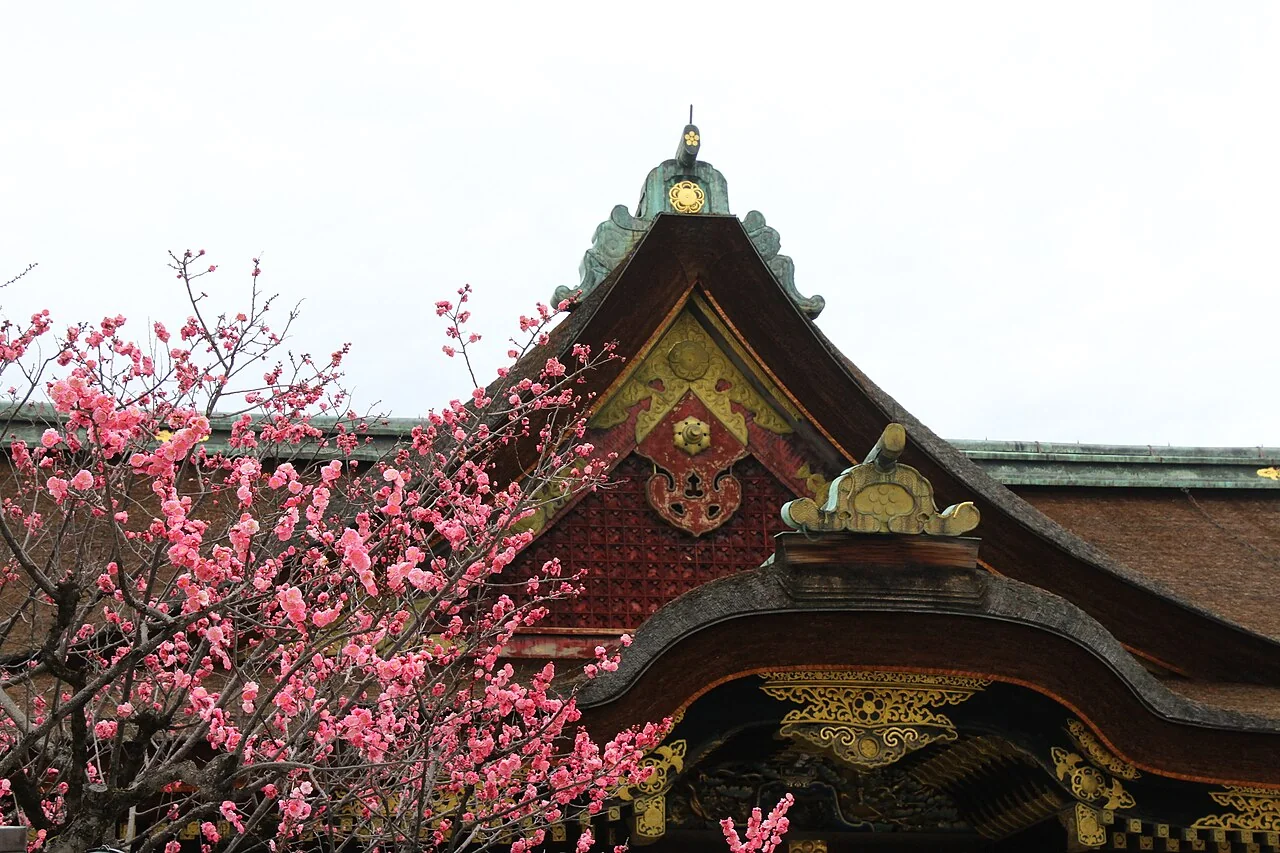 Feb 25Baikasai Plum Blossom Festival (Kitano Tenmangu)
 GuidesWhere to Stay in Kyoto for Sakura and Autumn Leaves: 9 Hotels
This page is translated from the Japanese edition. Read the Japanese edition
Walk down the stone steps from the gates of Kiyomizu-dera Temple, past Kodai-ji Temple, and you come out at Yasaka Shrine, with the streets of Gion beyond. Higashiyama, where temples, shrines and old wooden townhouses line the foot of Kyoto's eastern hills, is where many first-time visitors start, and in one continuous walk you see temple halls and gardens, stone-paved slopes and the old geisha district.
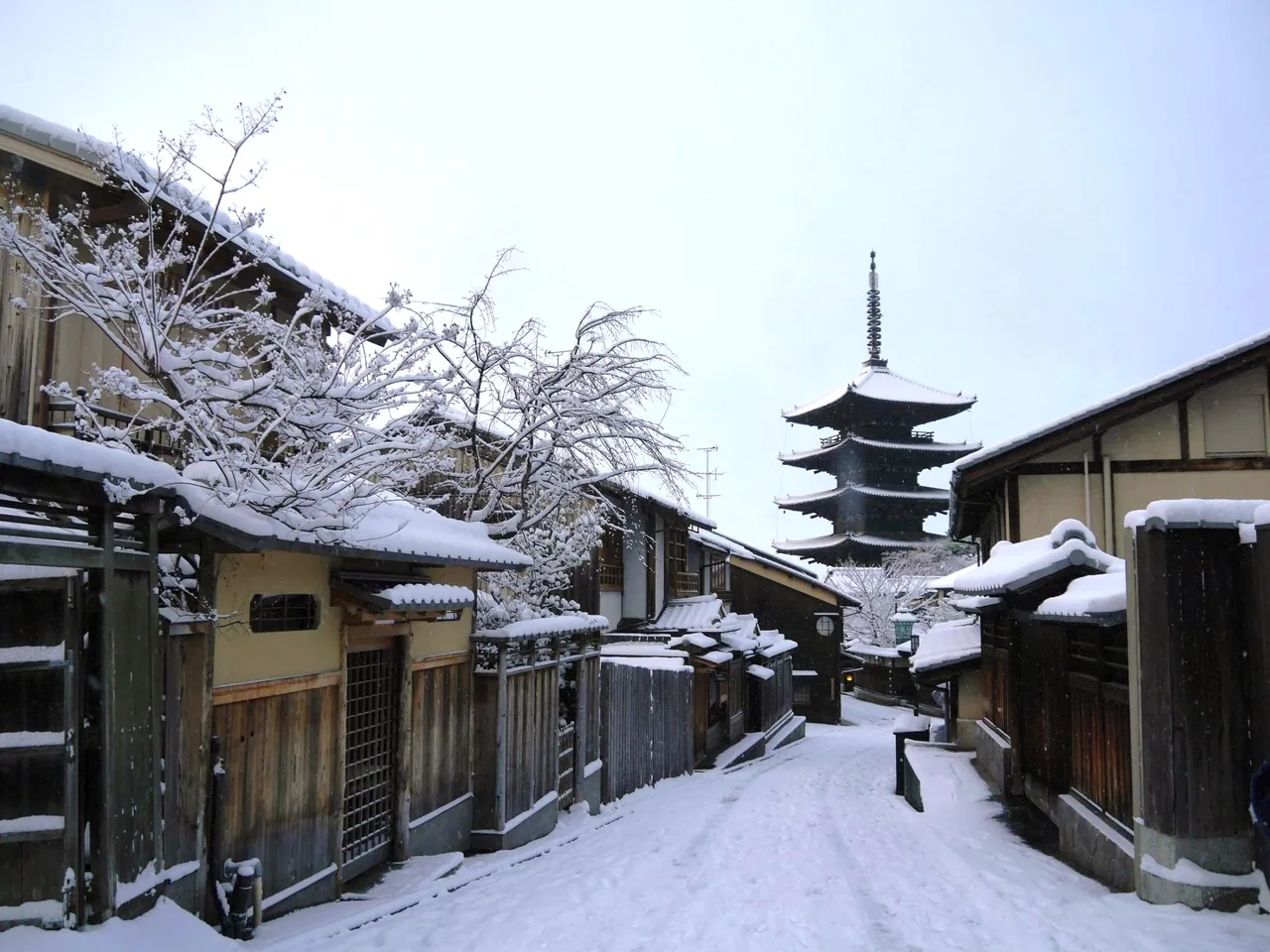
Photo: (c)京都市メディア支援センター
There are plenty of slopes and steps, and you get around almost entirely on foot. From Kiyomizu-dera to Gion, allow half a day including temple visits. If you want time in the Kodai-ji gardens or to stay on into the evening in Gion, plan a full day.
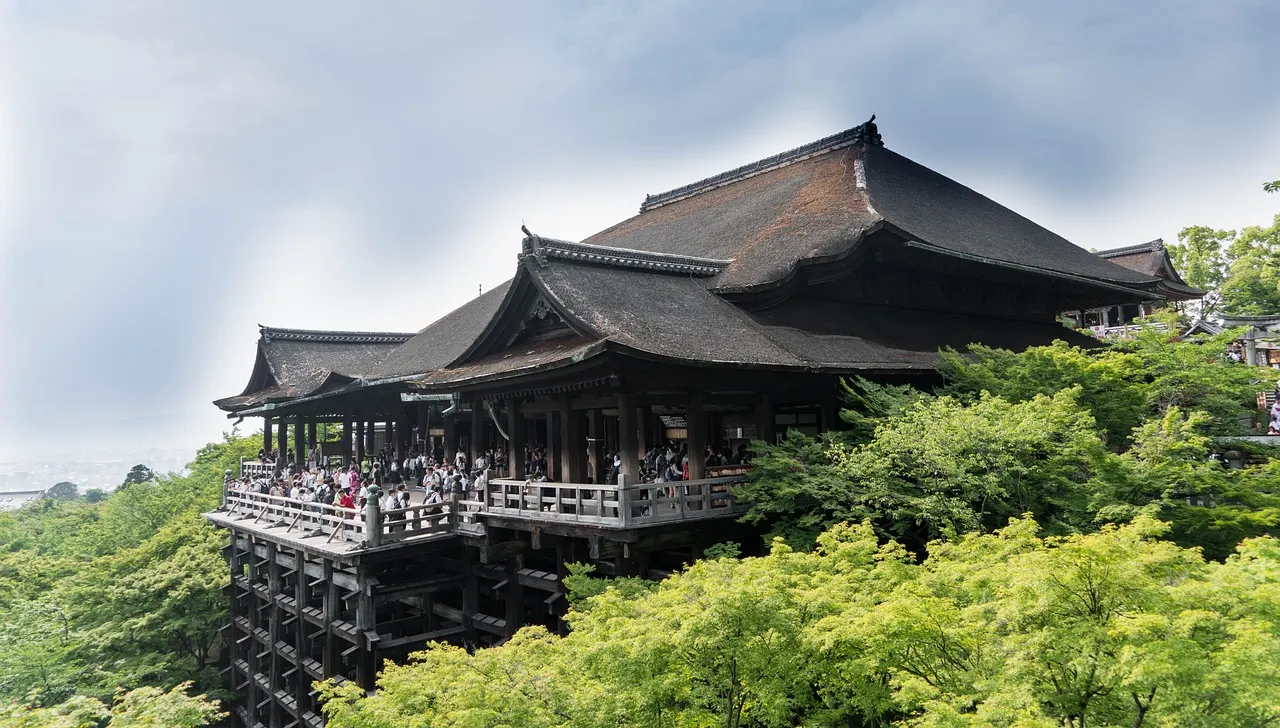
Set halfway up Mount Otowa, the temple is famous for the wooden "stage" of its Main Hall, which juts out over the cliff. The Main Hall is a National Treasure. Check visiting hours and any special evening openings on the Kiyomizu-dera official website.
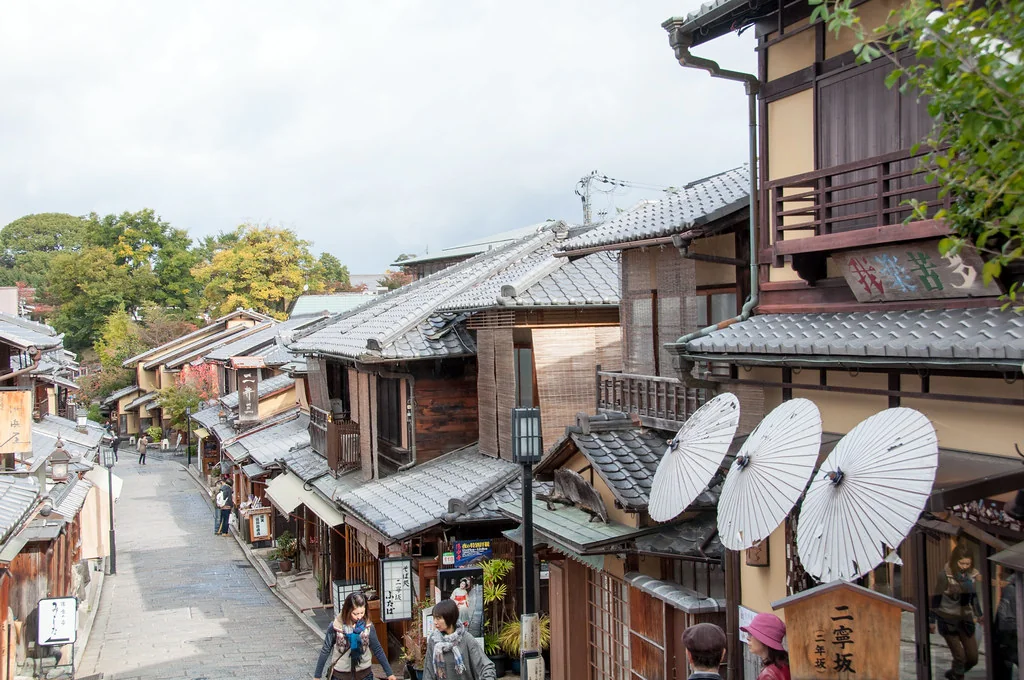
These are the stepped, winding stone-paved lanes that lead north from the approach to Kiyomizu-dera. Together with the Yasaka Pagoda (Hokan-ji), Kodai-ji and townhouses built between the late Edo period and the Taisho era, they are protected as the Sanneizaka Preservation District for Groups of Traditional Buildings, which has also been selected as a national Important Preservation District.
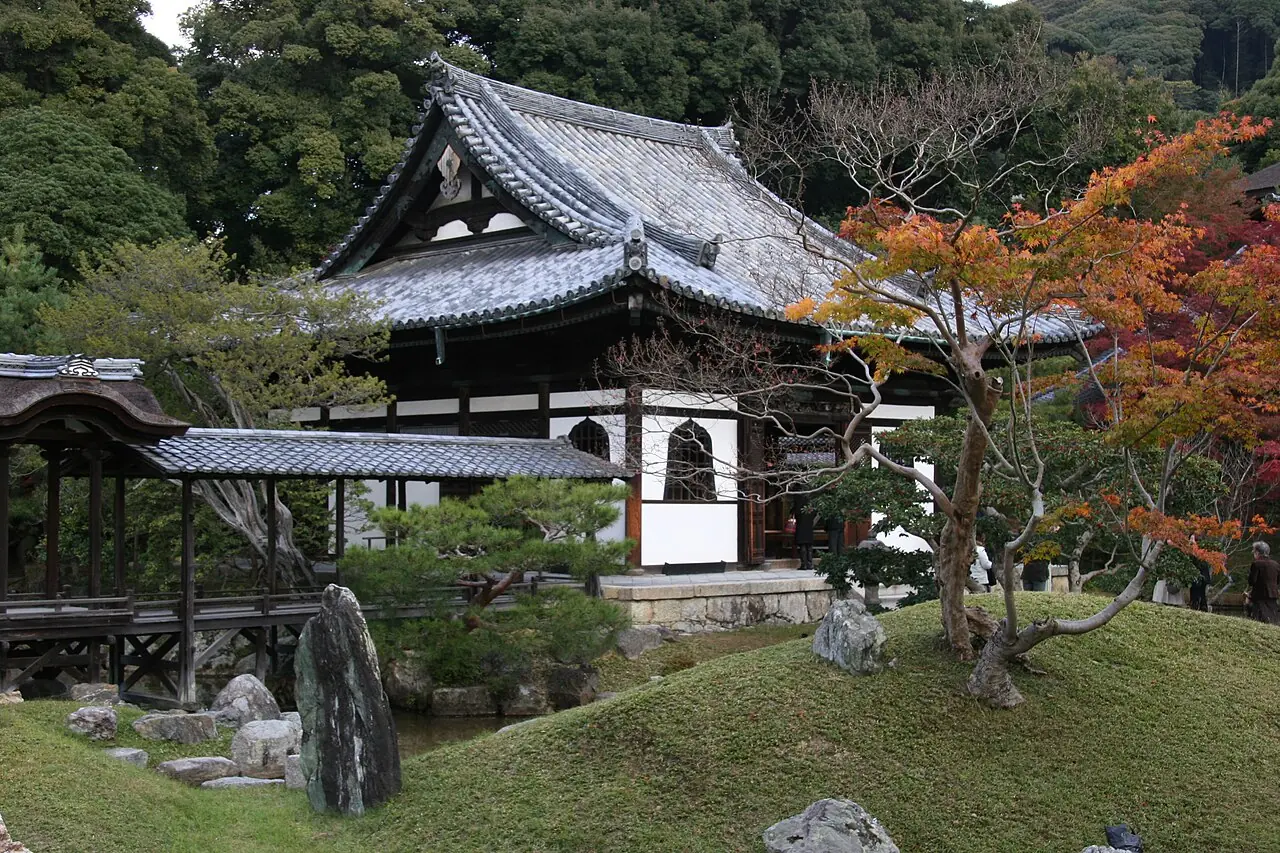
Kita-no-Mandokoro, the wife of Toyotomi Hideyoshi, founded this temple to pray for his soul. The stone-paved street in front of its gate is known as Nene-no-Michi. Visiting hours and admission are on the Kodai-ji official website.
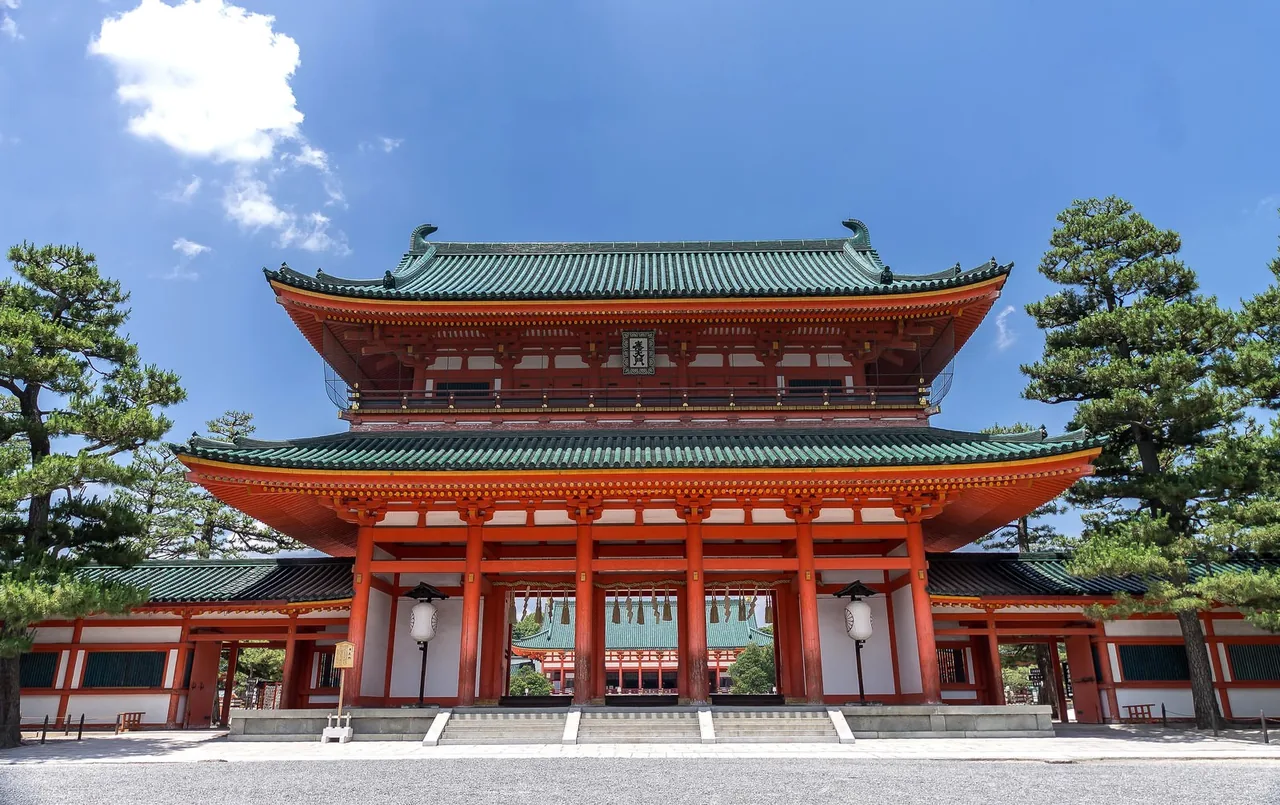
The shrine stands at the eastern end of Shijo-dori, and the Gion Matsuri, held over the whole month of July, is this shrine's festival. More on the Yasaka Shrine official website.
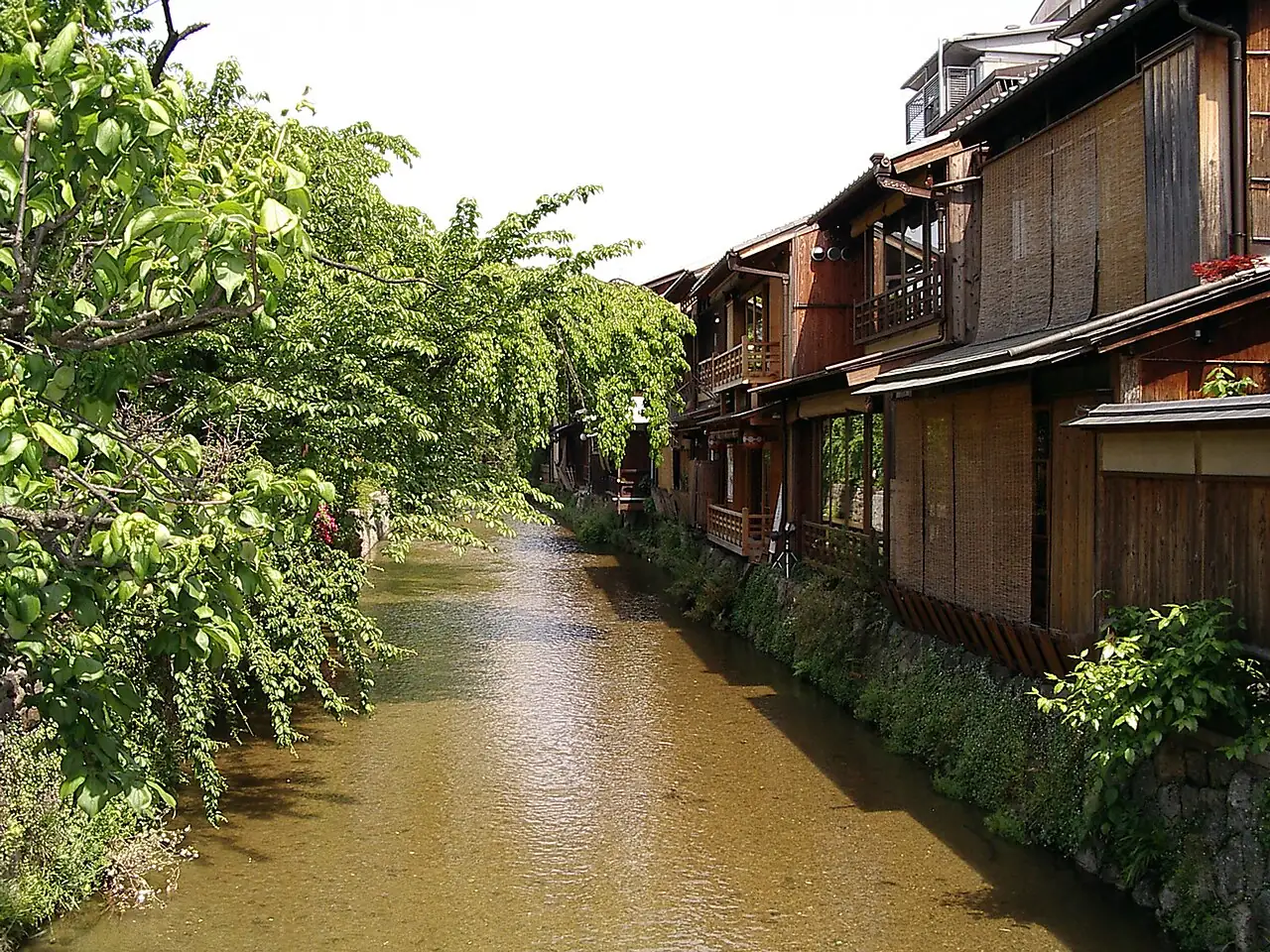
Here townhouses line the Shirakawa stream, and the stone paving, water and trees still form a single scene. It lies within Kyoto City's Gion Shinbashi Preservation District for Groups of Traditional Buildings.
From Sanneizaka and Ninenzaka down to Yasaka Shrine, souvenir shops, Japanese sweet cafés and restaurants in old townhouses line both sides of the slopes. Many sell ceramics, Japanese crafts and Kyoto confectionery, and part of the fun here is browsing a few shops at a time between temple visits.
The lanes are narrow, and around midday the flow of people never stops. Eat what you buy at the shop front or somewhere you can sit, and avoid eating as you walk, so you don't collide with anyone. On the Gion side, souvenir shops and kimono accessory stores continue along Shijo-dori, and in the evening the restaurants in the side lanes light up.
From Kyoto Station, the fastest way to Kiyomizu-dera is a city bus to the Gojozaka stop, but buses get crowded in the busy seasons. By train, take the JR Nara Line to Tofukuji Station, change to the Keihan Main Line and get off at Kiyomizu-Gojo Station. From Kiyomizu-Gojo Station it is about a 25-minute walk to the temple.
For Gion and Yasaka Shrine, the nearest stations are Gion-Shijo Station on the Keihan Main Line (about 5 minutes' walk to the shrine) and Kyoto-Kawaramachi Station on the Hankyu Kyoto Line (about 8 minutes). From Kyoto Station, change from the JR Nara Line to the Keihan Main Line at Tofukuji Station to reach Gion-Shijo. Kyoto City's guide to train-based routes is a useful reference.
Start at Kiyomizu-dera, then walk Sanneizaka and Ninenzaka, Nene-no-Michi, Kodai-ji, Yasaka Shrine and Gion Shirakawa in that order, and the route is almost all downhill. Allow about three to five hours including temple visits and shopping.
The slopes up to Kiyomizu-dera are at their busiest from late morning into the afternoon. Reach Kiyomizu-dera early and you will also walk down the lanes at a relatively easy time. Kyoto City's Kyoto Sightseeing Comfort Map forecasts crowds by time of day. The autumn leaves usually peak from mid to late November (varying from year to year), and crowds are especially heavy then. For an autumn visit, How to Enjoy Kyoto's Autumn Leaves Without the Crowds will help.
Cross the Kamo River on Shijo Ohashi Bridge from Gion-Shijo Station and you are in Shijo-Kawaramachi & Nishiki Market, home to Nishiki Market and Shinkyogoku. You can also walk Fushimi Inari in the morning, take the Keihan Main Line to Gion-Shijo, and spend the afternoon exploring Higashiyama from the bottom of the hill up.