
Saijo
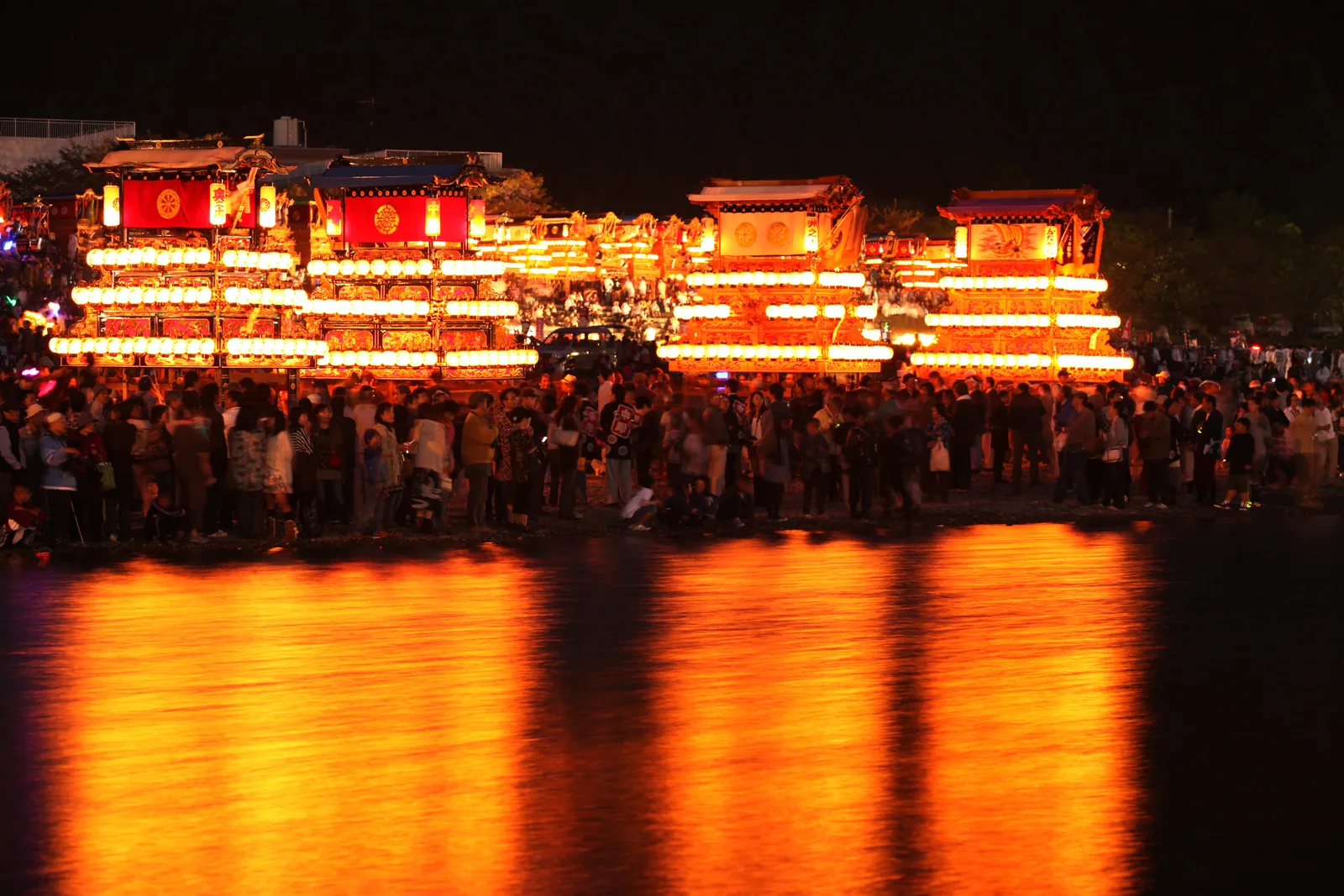
Photo: Ehime Prefectural Tourism & Local Products Association
Areas of Ehime
Saijo
Saijo, below Mt. Ishizuchi, is known for its October festival and spring water: Ishizuchi Shrine, Isono Shrine, Koryu-ji, the Shikoku Railway Culture Center and access.
Find on the map
This page is translated from the Japanese edition. Read the Japanese edition
What is the area like?
On an October night, danjiri floats lit with lanterns line up along the banks of the Kamo River, their lights shimmering on the water. Saijo City is known for its autumn Saijo Festival and as the town at the foot of Mt. Ishizuchi, Western Japan's highest peak.
The city's artesian wells are called "uchinuki," and in 1985 (Showa 60) they were chosen as one of the "100 Exquisite and Well-Conserved Waters" by the Environment Agency (now the Ministry of the Environment). Just east of JR Iyo-Saijo Station is a railway museum, and some sights are within walking distance of the station.
Main sights
Saijo Festival (every October)
"Saijo Festival" is the collective name for the autumn festivals of four shrines: Kamo, Ishioka, Isono and Iizumi. The central one, the Isono Shrine festival, is held every year on October 15 and 16. Before dawn on the 15th, the danjiri pour out of the shrine grounds in the "Miyadashi," and on the evening of the 16th, danjiri and a mikoshi enter the Kamo River near Isonohashi Bridge and Bujo Park in the "Kawairi." The Kawairi often runs later than scheduled, and the city is crowded throughout the festival. For more, see Saijo Festival.
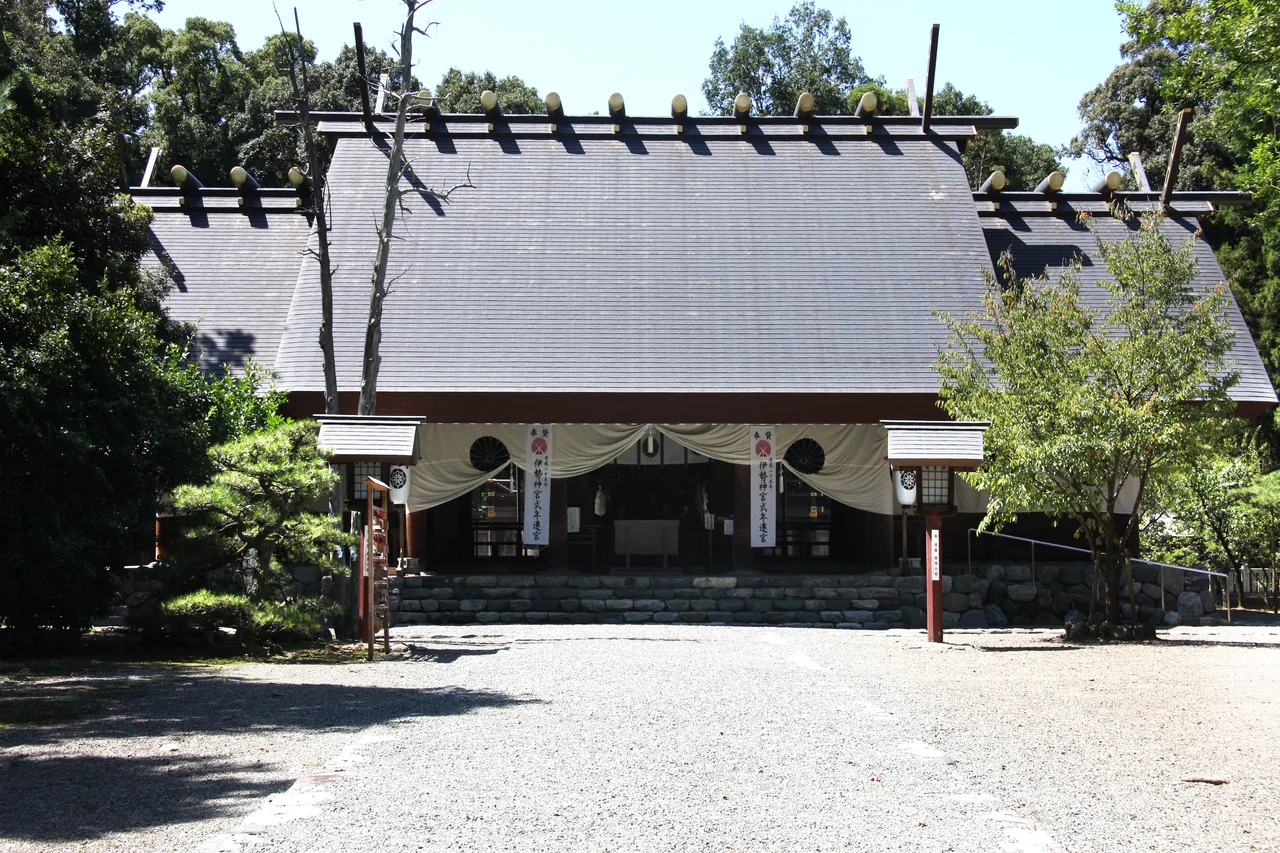
Isono Shrine
An ancient shrine dedicated to the aramitama (rough spirit) of Amaterasu Omikami and to Takekunikoriwake-no-Mikoto, listed in the Engishiki as a major shrine. The Isono Shrine festival of the Saijo Festival is this shrine's festival. For more, see Isono Shrine.
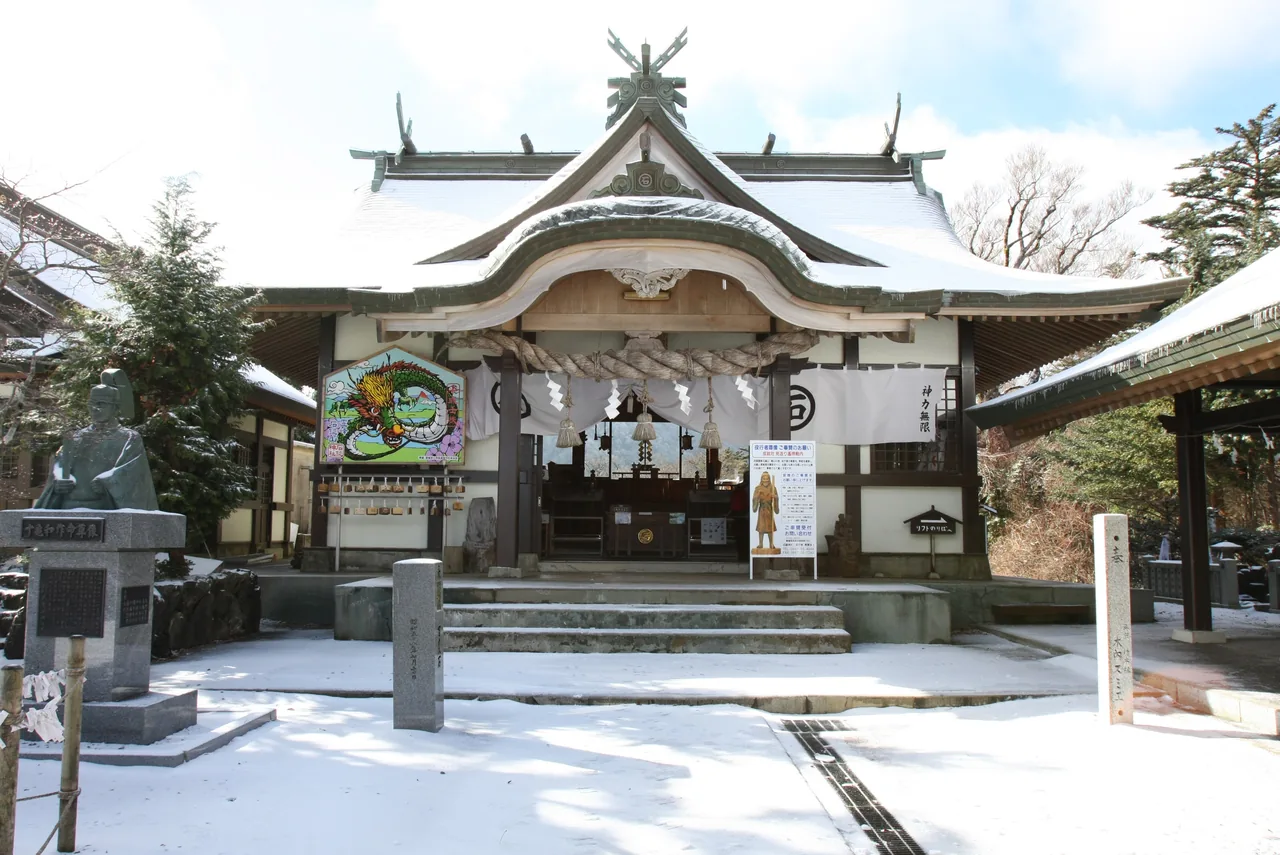
Ishizuchi Shrine
This shrine worships Mt. Ishizuchi itself, and together its four sites are called Ishizuchi Shrine: the main shrine (Kuchinomiya) at the foot, Jojusha (Nakamiya) and Tsuchigoya Yohaiden on the mountainside, and Chojosha (Okumiya) at the summit. The main shrine is about a 10-minute walk from JR Ishizuchiyama Station. The Oyamabiraki festival is held every year from July 1 to 10. For more, see Ishizuchi Shrine.
Shikoku Railway Culture Center
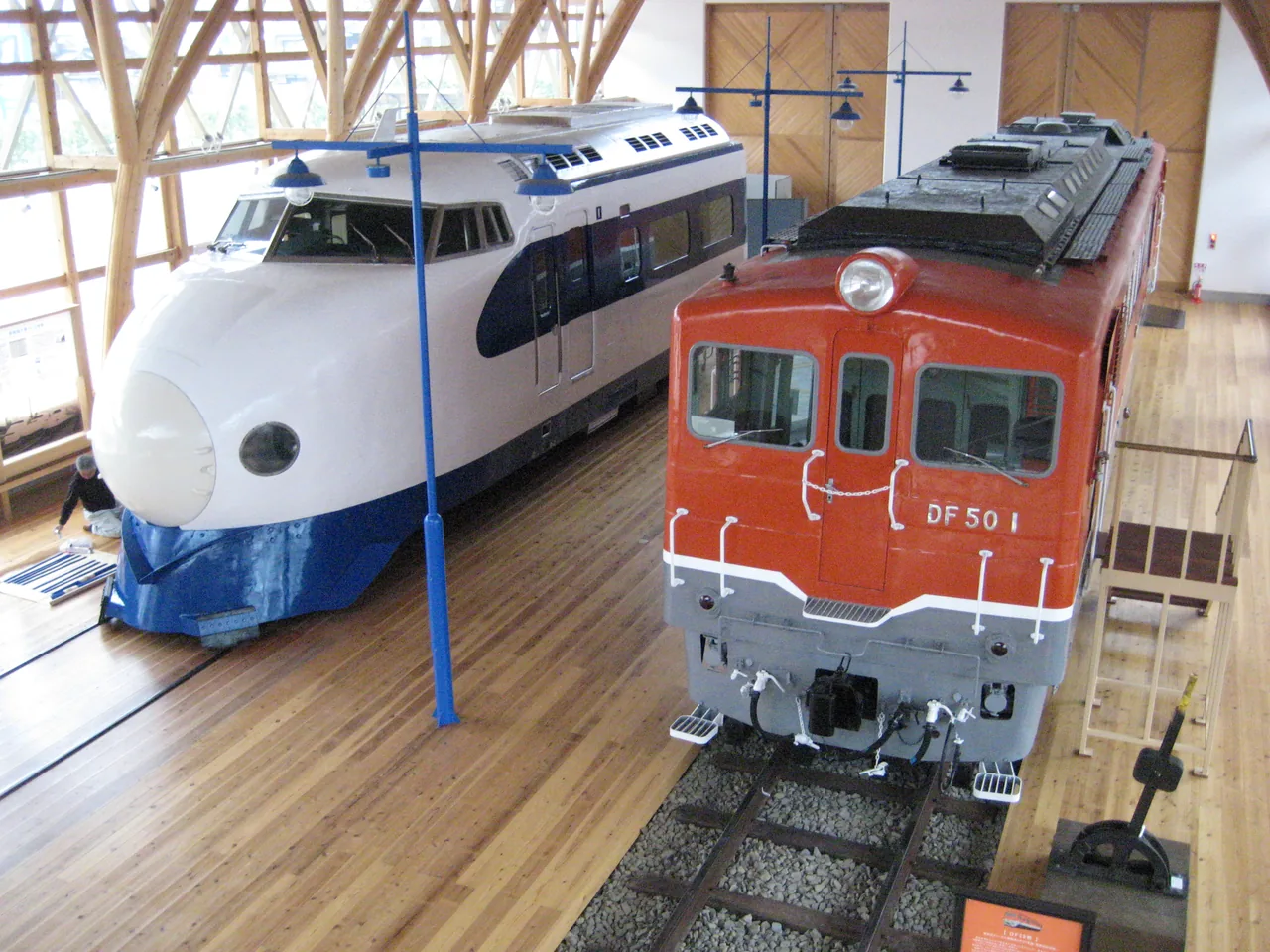
In the North Building stand an original 0 Series Shinkansen and DF50 diesel locomotive No. 1, a Semi-Railway Memorial, and you can look into the cab of both. The South Building has a C57 steam locomotive and a large railway diorama. Next door is a memorial hall for Shinji Sogo, called the "father of the Shinkansen." For more, see Shikoku Railway Culture Center.
Nishiyama Koryu-ji Temple
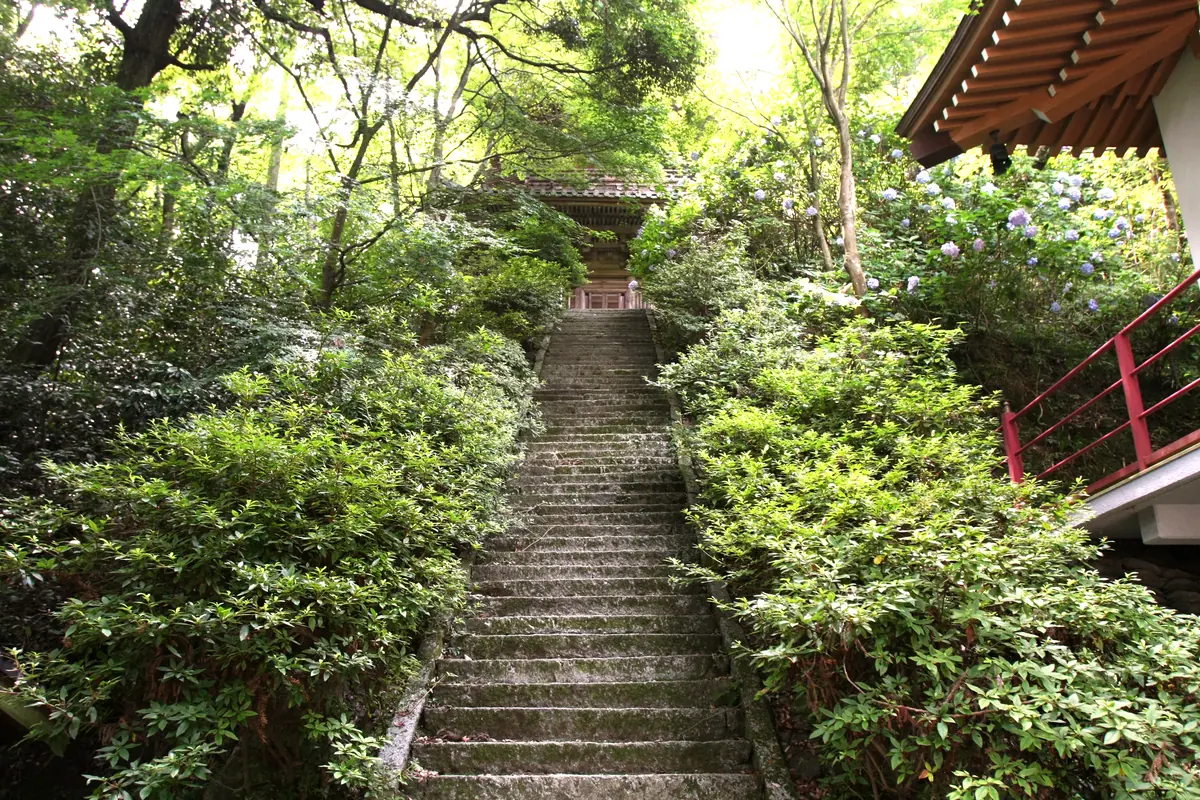
A special head temple of the Shingon Daigo school in the hills of Tanbara-cho, also called the "Momiji-dera" (maple temple). In autumn the approach and the main hall are wrapped in fall colors, and the main hall and other structures are national cultural properties. Peak foliage varies by year, so check Saijo City's "Hana-dayori" flower updates. For more, see Nishiyama Koryu-ji Temple.
Food and shopping
The city gets crowded during the Saijo Festival, so it helps to decide where to eat early. Look for places to eat in the list further down this page.
Getting there
- JR: about 1 hour from Matsuyama Station to Iyo-Saijo Station on the Limited Express "Shiokaze" (Yosan Line). The Shikoku Railway Culture Center is a short walk east of the station.
- Ishizuchi Shrine main shrine: about a 10-minute walk from JR Ishizuchiyama Station. By car, about 15 minutes from Iyo-Saijo IC or Iyo-Komatsu IC on the Matsuyama Expressway.
- Saijo Festival Kawairi: about 1.5 km, roughly a 20-minute walk, from JR Iyo-Saijo Station to the Kamo River venue.
- Nishiyama Koryu-ji: check access on Saijo City's sightseeing page.
Getting around the area
By train, the easy plan is to get off at Iyo-Saijo Station and visit the Shikoku Railway Culture Center just east of it. During the festival, you can also walk from the station to the Kawairi venue on the Kamo River. For Mt. Ishizuchi, buses run from Iyo-Saijo Station to the Ishizuchi Ropeway (see the Mt. Ishizuchi & Kamegamori area guide).
For the Saijo Festival and the taikodai festivals of eastern Ehime, see our feature "Ehime festivals"; for Temple 60 Yokomine-ji and Temple 64 Maegami-ji, linked to Mt. Ishizuchi, see the "Ehime Shikoku pilgrimage guide." The Ehime Prefectural Science Museum can be reached by the Setouchi Bus Saijo–Sumitomo Byoin-mae line and a walk (see the Niihama area guide).
Sights in Saijo
Ehime guides
See all

More areas of Ehime
- Matsuyama Castle & Okaido
- Dogo Onsen
- Southern Matsuyama (Tsubaki Shrine & Joruriji)
- Mitsuhama & Baishinji
- Hojo & Kashima
- Kurushima Strait & Itoyama
- Central Imabari & Imabari Castle
- Oshima Island (Shimanami)
- Hakatajima & Omishima Islands
- Iwagijima Island
- Tamagawa & Asakura
- Besshi & Tonaru
- Niihama
- Mt. Ishizuchi & Mt. Kamegamori
- Shikoku Karst (Mekakudaira & Onogahara)
- Shikokuchuo
- Tobe
- Omogo Gorge
- Kumakogen
- Toon
- Futami & Shimonada
- Ozu
- Nagahama (Ozu)
- Uchiko
- Oda Miyama
- Uwajima
- Tsushima (Uwajima)
- Yusu
- Ainan
- Matsuno & Namedoko
- Unomachi (Seiyo)
- Cape Sada
- Yawatahama
- Kikuma
- Shingu & Kirinomori
- Mima (Uwajima)