Matsuyama One-Day Itinerary: Castle, Ishite-ji and Dogo Onsen
- Matsuyama Castle
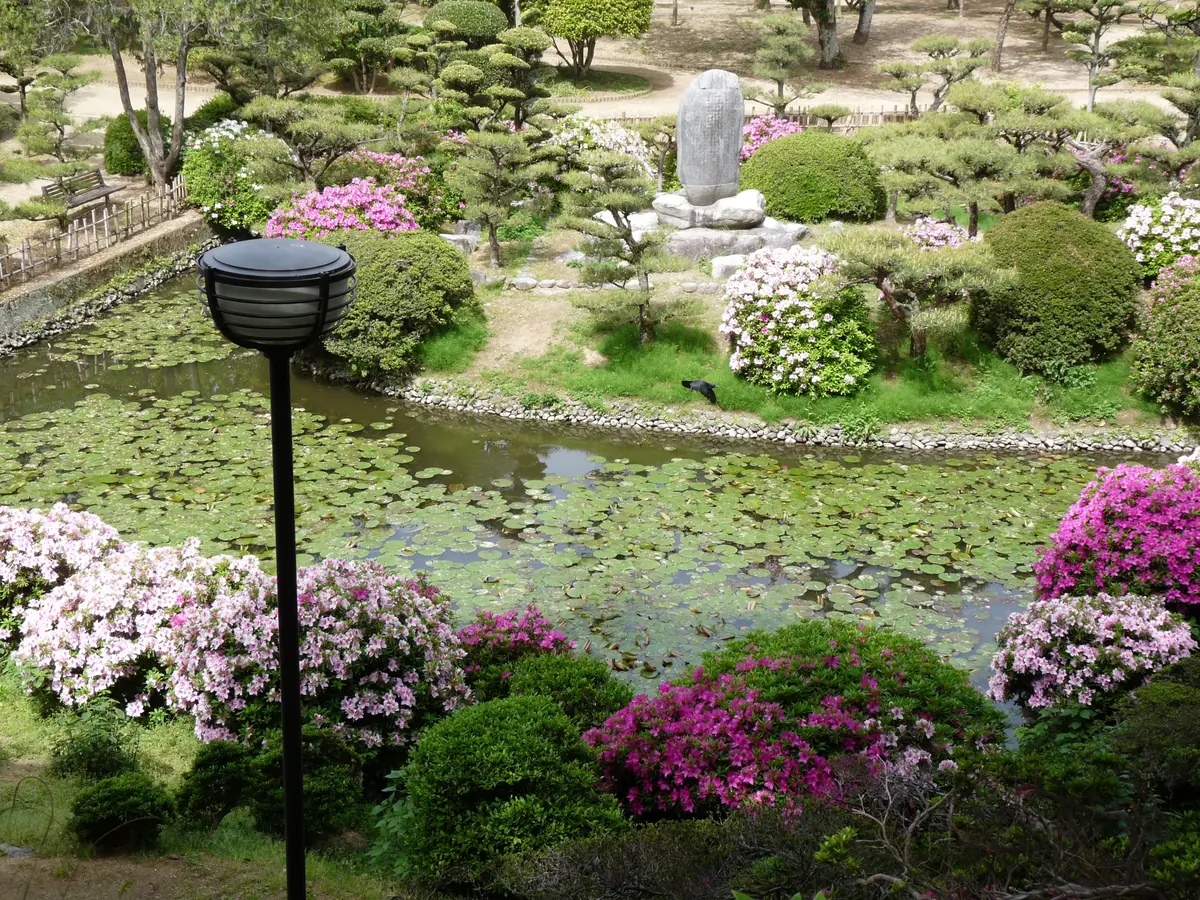
- Matsuyama Castle Ninomaru Historic Garden
- Bansuiso
- Isaniwa Shrine
- Ishite-ji Temple (Temple 51 of the Shikoku Pilgrimage)
- Dogo Onsen Honkan

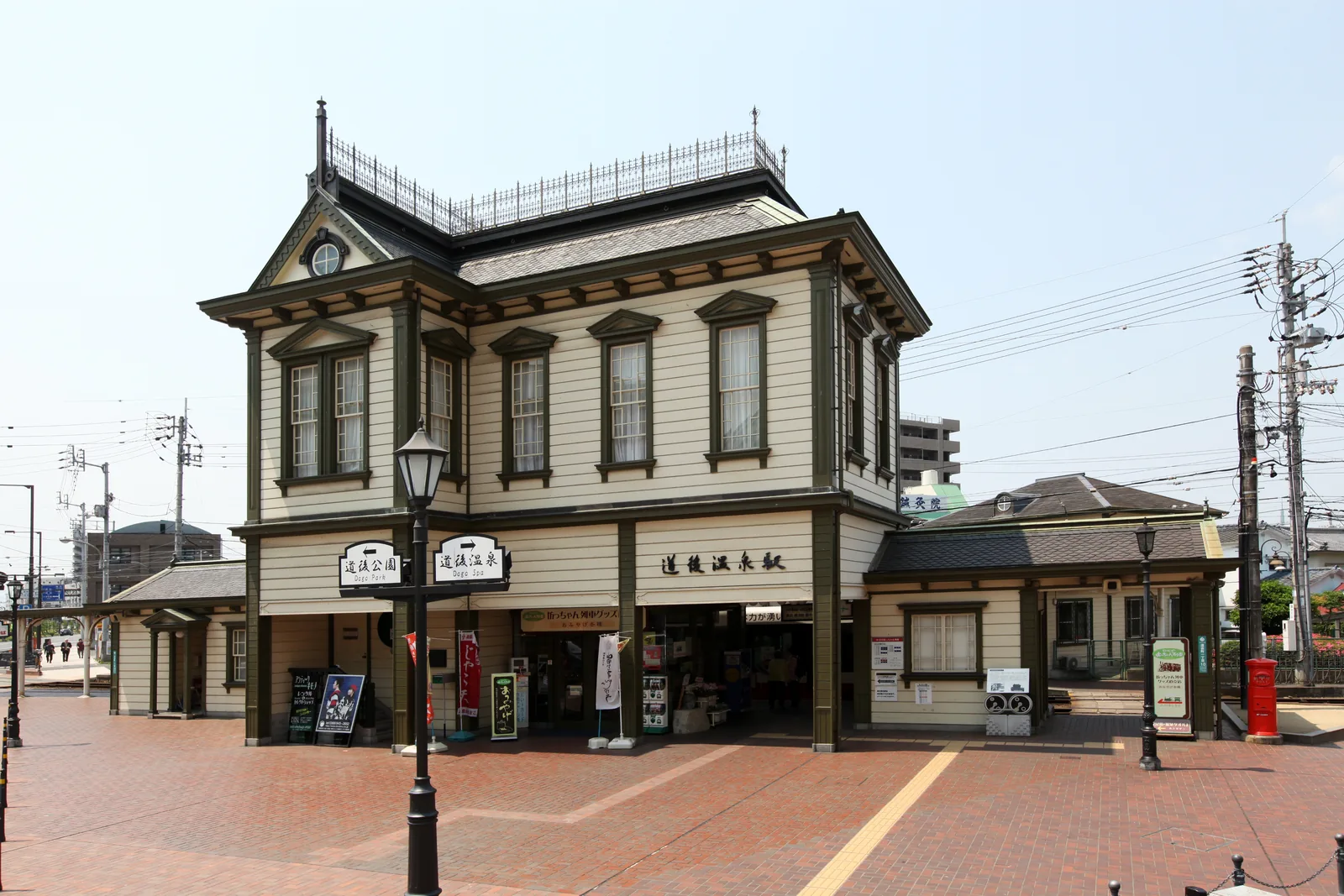
Photo: Ehime Prefectural Tourism & Local Products Association
Areas of Ehime
Dogo Onsen in Matsuyama: the Honkan bathhouse, the station and karakuri clock, Isaniwa Shrine, Dogo Park, Ishite-ji, the autumn festival and how to get there.
This page is translated from the Japanese edition. Read the Japanese edition
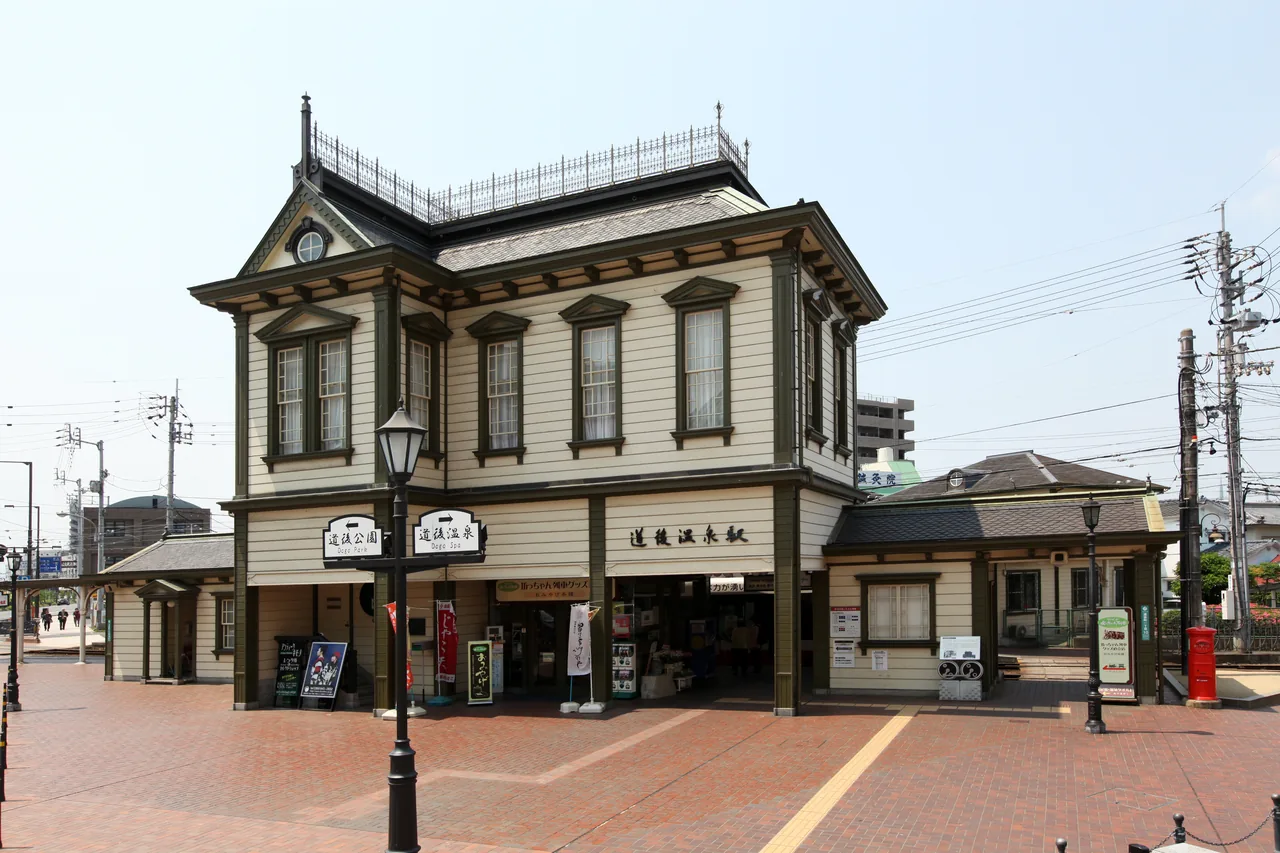
Step out of Dogo Onsen Station, the Western-style terminus of the Iyotetsu tram, and you will find a karakuri clock and a foot bath in the square in front. Walk through the Dogo shopping arcade beyond it and you reach the wooden Dogo Onsen Honkan bathhouse.
Around the hot spring town are Isaniwa Shrine, with its halls at the top of 135 stone steps, Dogo Park on the site of Yuzuki Castle, and Ishite-ji, Temple 51 of the Shikoku Pilgrimage, all within walking distance of the station. You can walk around shrines and castle ruins before or after your bath.
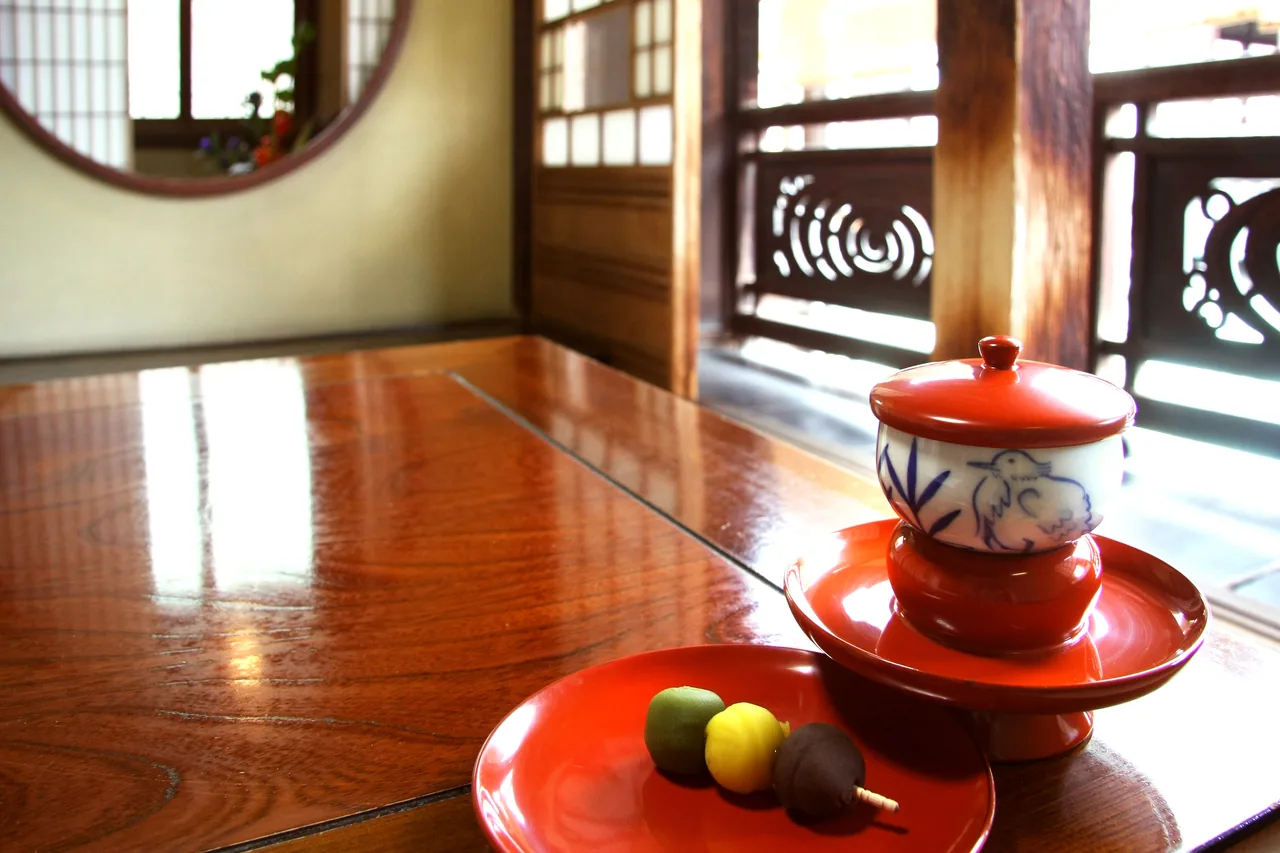
Dogo Onsen Honkan is a wooden public bathhouse rebuilt in 1894 and designated an Important Cultural Property. It has two baths, Tama-no-Yu and Kami-no-Yu. With a plan that includes a rest area, you return to a seat on the second floor after your bath and are served tea and a sweet. Conservation work went on from 2019 while the bathhouse stayed open, and the whole building reopened on July 11, 2024. Check bathing plans and prices on the Dogo Onsen official website.
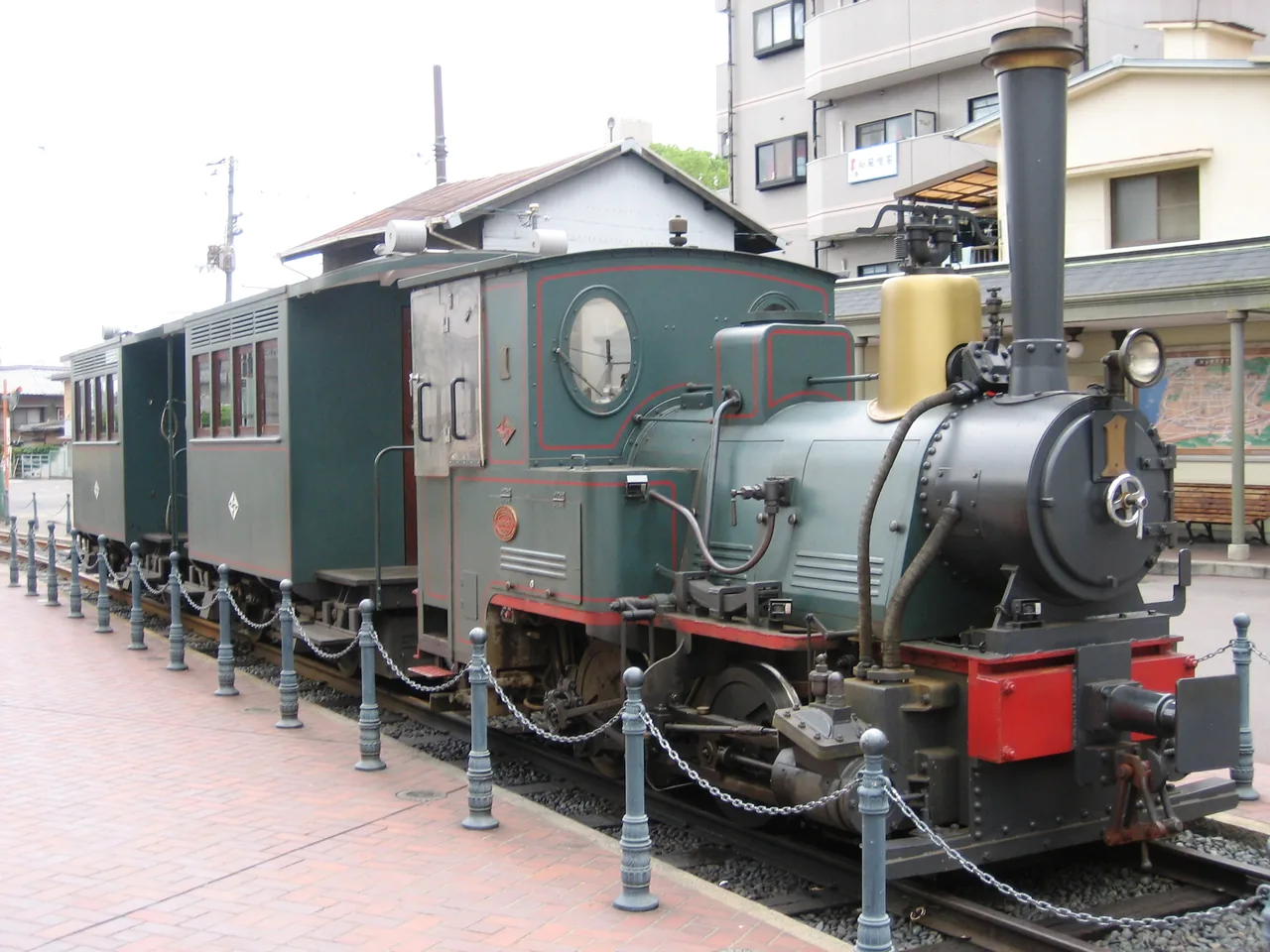
Dogo Onsen Station is a Western-style station building that keeps the look of the Meiji era. The Botchan Train, a sightseeing train, also starts and ends here. It runs only on certain days with few trips, and seats cannot be reserved.
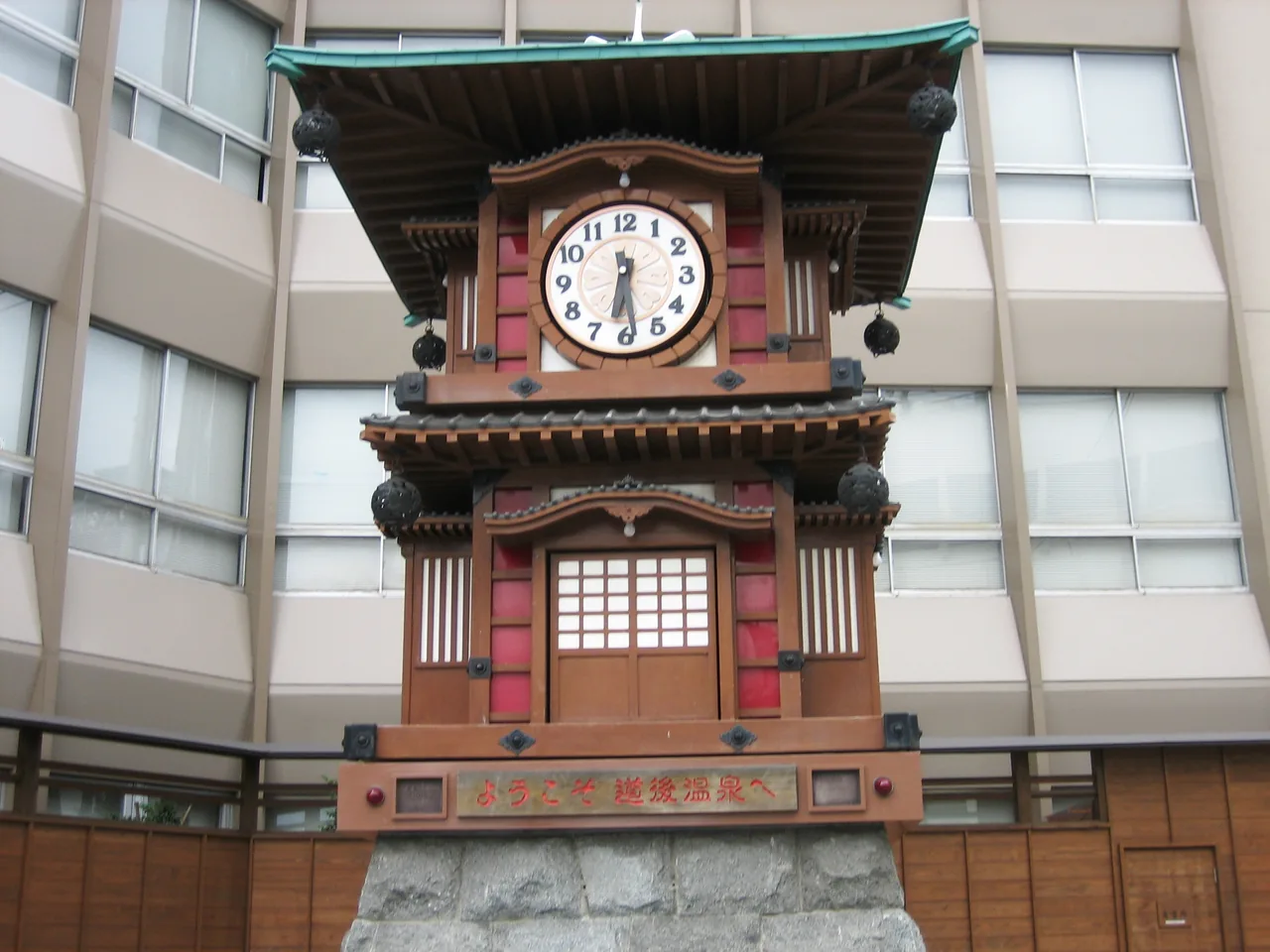
In Hojoen square in front of the station, the Botchan Karakuri Clock was made in 1994 to mark 100 years since the Honkan was built. At set times it rises to music and characters from the novel "Botchan" appear. Hojoen also has a foot bath fed from a hot-water tank once used at the Honkan.
Isaniwa Shrine has vermilion halls at the top of 135 stone steps. Matsudaira Sadanaga, the third lord of the Matsuyama domain, rebuilt it, and the work took three years from 1664. The main hall, built in the Hachiman-zukuri style, and the tower gate, corridors and other buildings are Important Cultural Properties.
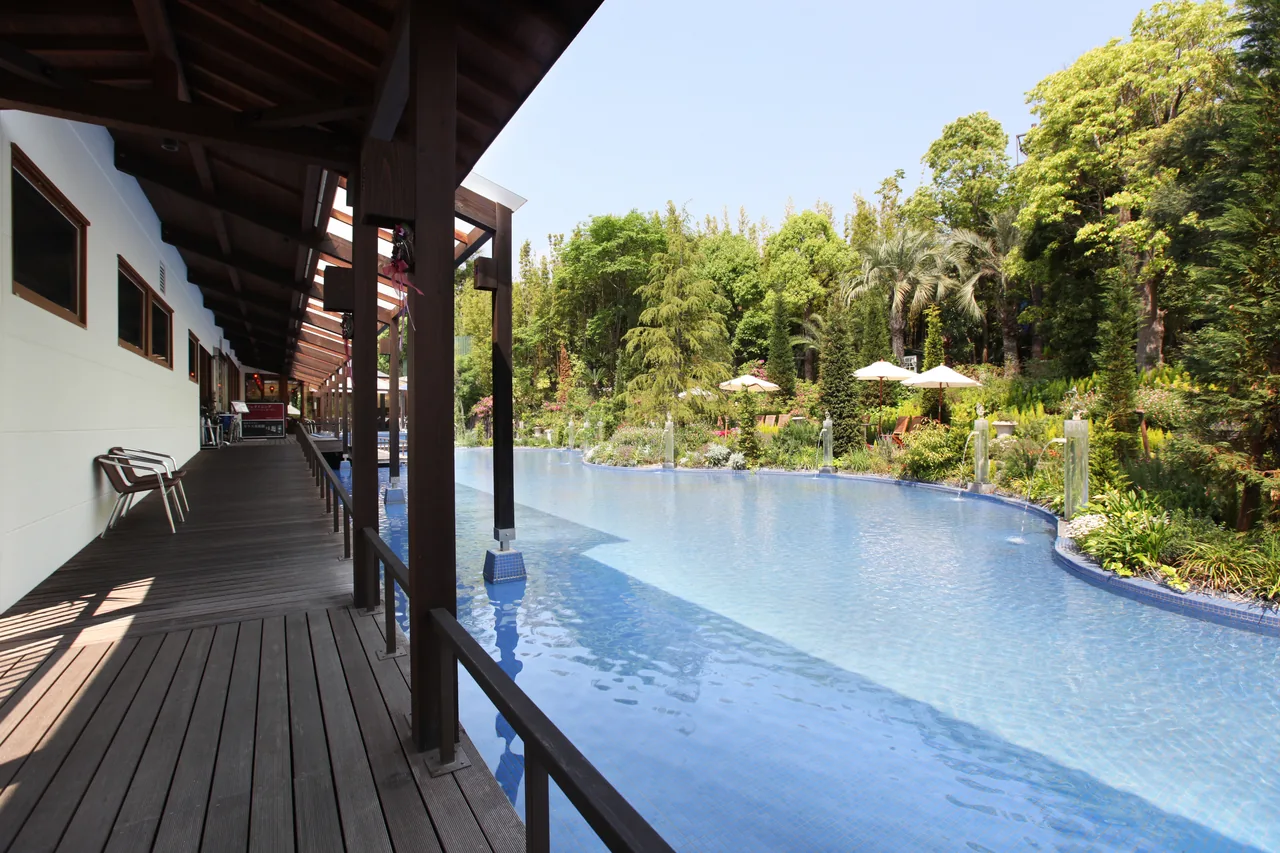
The Dogo Giyaman Glass Museum shows about 300 pieces, including Edo-period glassware known as "vidro" and "giyaman," and glass crafts from the Meiji and Taisho eras. The garden at the back has a wide pool and a glass fountain, lit up at night.
Dogo Park is laid out on the Yuzuki Castle Ruins, the castle of the Kono clan, the medieval governors of Iyo. It was a hilltop castle without a keep or stone walls. The park has samurai houses rebuilt from excavation findings, and the lookout on the hill views the Matsuyama Plain.
Inside the park, the Shiki Memorial Museum covers the life of the haiku poet Masaoka Shiki and the history and literature of Matsuyama. Its permanent exhibition rooms were renewed in July 2024.
About 1 km from Dogo Onsen, Ishite-ji is Temple 51 of the Shikoku Pilgrimage. Its Nio-mon gate, said to have been built in 1318, is a National Treasure, and inside stand guardian statues attributed to the school of Unkei.
The Matsuyama Dogo Autumn Festival is held from October 5 to 7 every year. Early in the morning of the last day, large mikoshi portable shrines crash into each other in front of Dogo Onsen Station in the "hachiawase," and the square fills with onlookers.
From Dogo Onsen Station to the Honkan, you walk through the Dogo shopping arcade. After your bath you can stroll the hot spring town for a meal or souvenirs. Look for places to eat in the list further down this page.
A good order is to watch the karakuri clock by the station, climb the steps of Isaniwa Shrine, go around Dogo Park and Ishite-ji, and finish with a bath at the Honkan. To visit the pilgrimage temples before and after Ishite-ji, see our feature "Shikoku Pilgrimage in Ehime."
To add Matsuyama Castle, take the tram to the Matsuyama Castle & Okaido area. The order for a full day is in our feature "Matsuyama travel guide" and the model course "From Matsuyama Castle to Ishite-ji and Dogo Onsen Honkan," and you can check the dates of the autumn festival and other Ehime festivals in our feature "Ehime festivals."