Photo coming soon
Amakusa (Shimoshima Island)
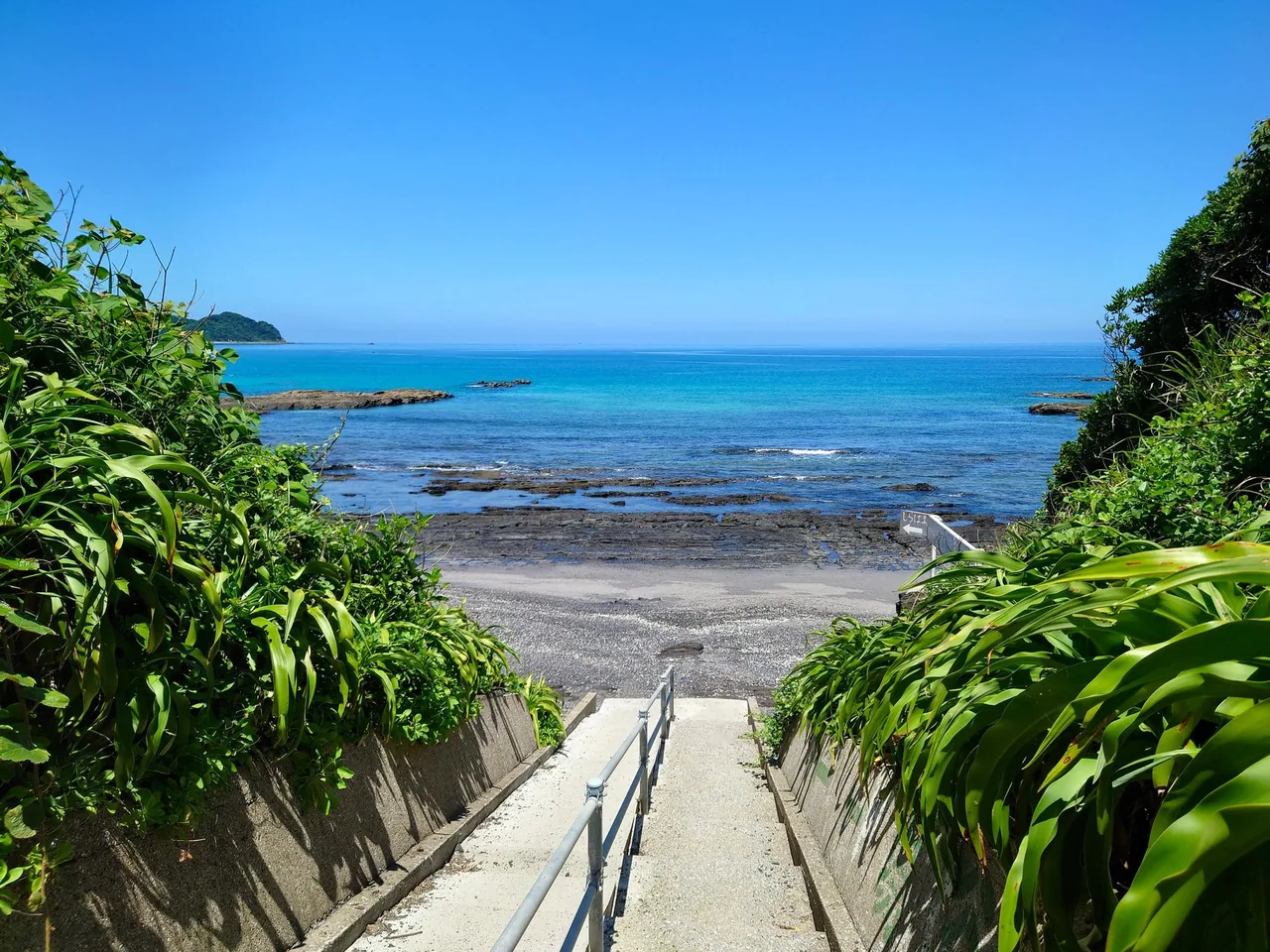
Photo: © Kumamoto Prefecture Tourist Federation.
Areas of Kumamoto
Amakusa (Shimoshima Island)
Hidden Christian history and sea views on Amakusa-Shimoshima: World Heritage Sakitsu, Oe Church, Tomioka Castle ruins, Shimoda Onsen, dolphins, and how to get there.
Find on the map
Choose a numbered circle to zoom in there; choose a name to open the area's page.
This page is translated from the Japanese edition. Read the Japanese edition
What is the area like?
Amakusa-Shimoshima is a large island on the western side of the Amakusa islands. Hondo, the center of Amakusa City, is on its east side, while fishing villages in coves and hot spring towns are dotted along the west and south coasts. The photo at the top of this page shows the shore in the south of the island.
Under the ban on Christianity in the Edo period, people on this island secretly kept their faith alive. The village of Sakitsu has been inscribed as a World Heritage Site as a place that conveys this history. The island is large, and getting between the sights by car is the norm. To combine churches with seaside hot springs, stay one night so you can take your time.
Main sights
Sakitsu Village
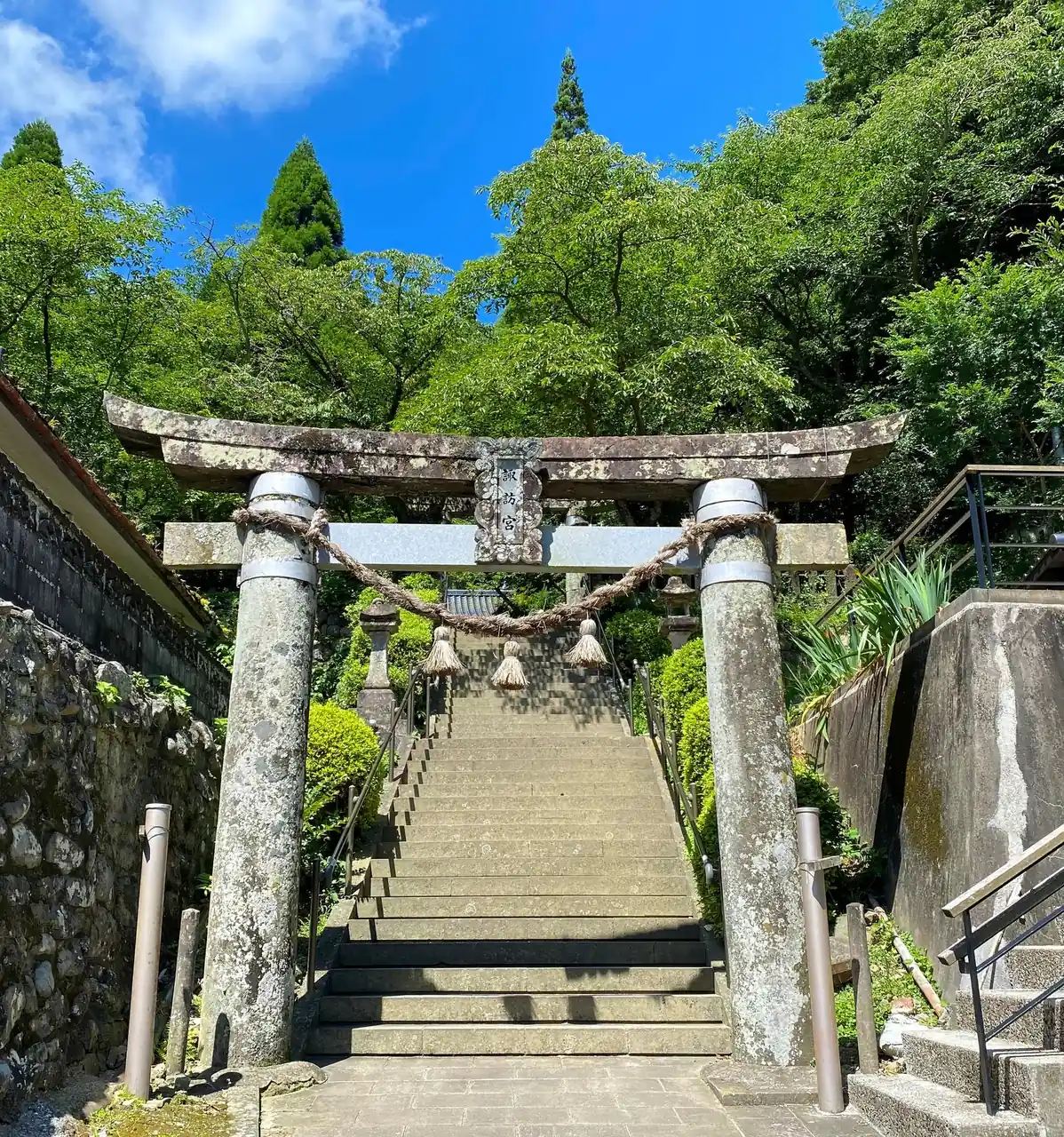
Photo: © Kumamoto Prefecture Tourist Federation.
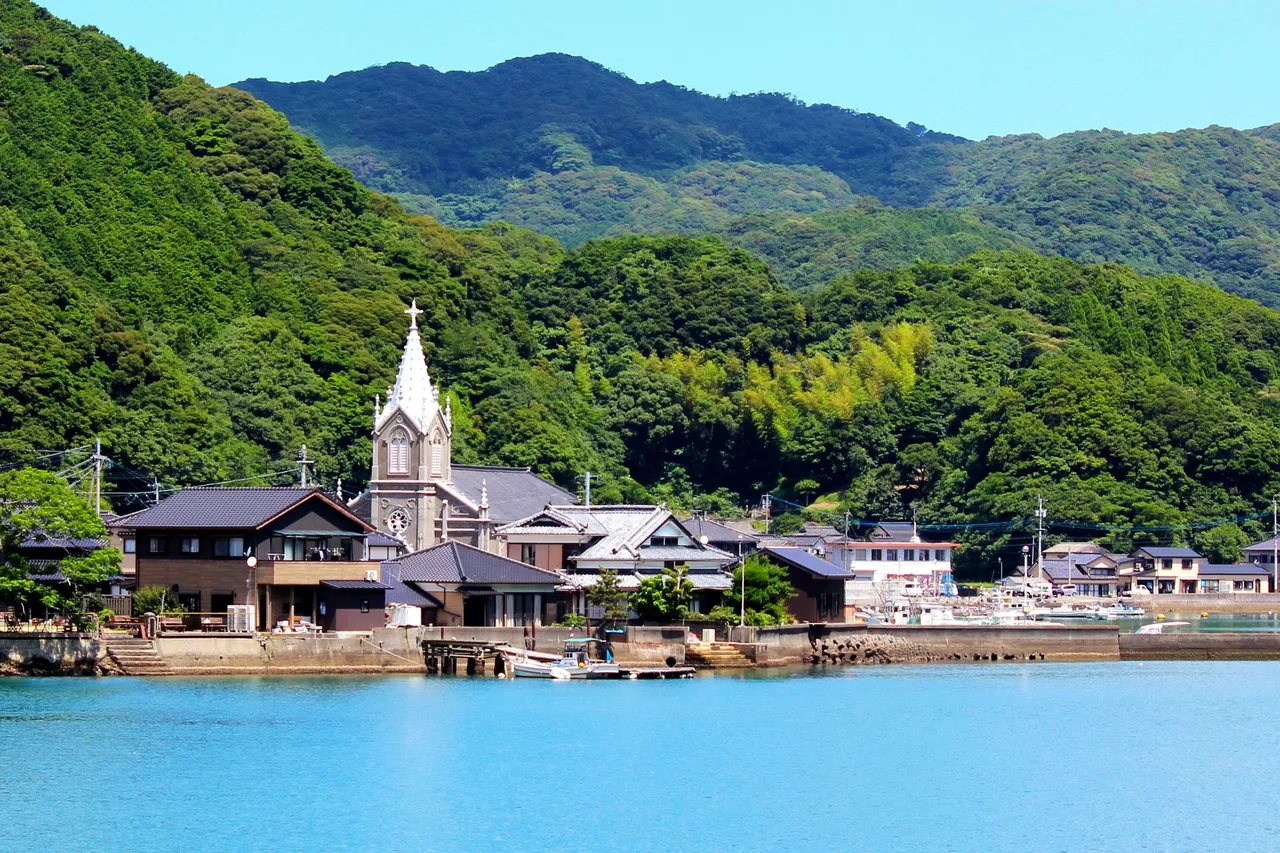
A fishing village on a cove in the southwest of the island. In 2018 it was inscribed as a World Heritage Site as "Sakitsu Village in Amakusa", one of the components of the "Hidden Christian Sites in the Nagasaki Region". In the village, Sakitsu Church, built in 1934, stands close to Sakitsu Suwa Shrine (pictured), where people have worshipped since the days of hidden faith. See Sakitsu Village.
Oe Church and the Amakusa Rosario Museum
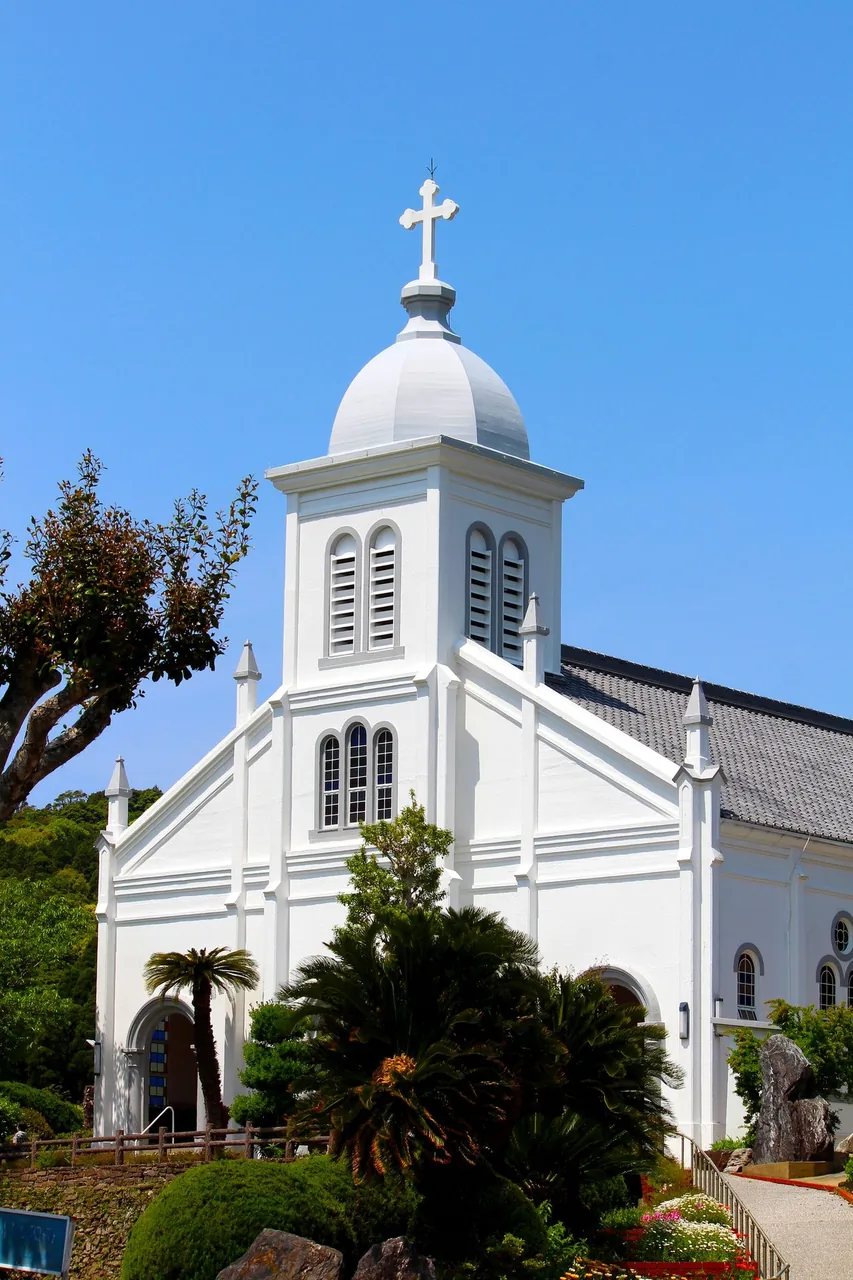
Photo: © Kumamoto Prefecture Tourist Federation.
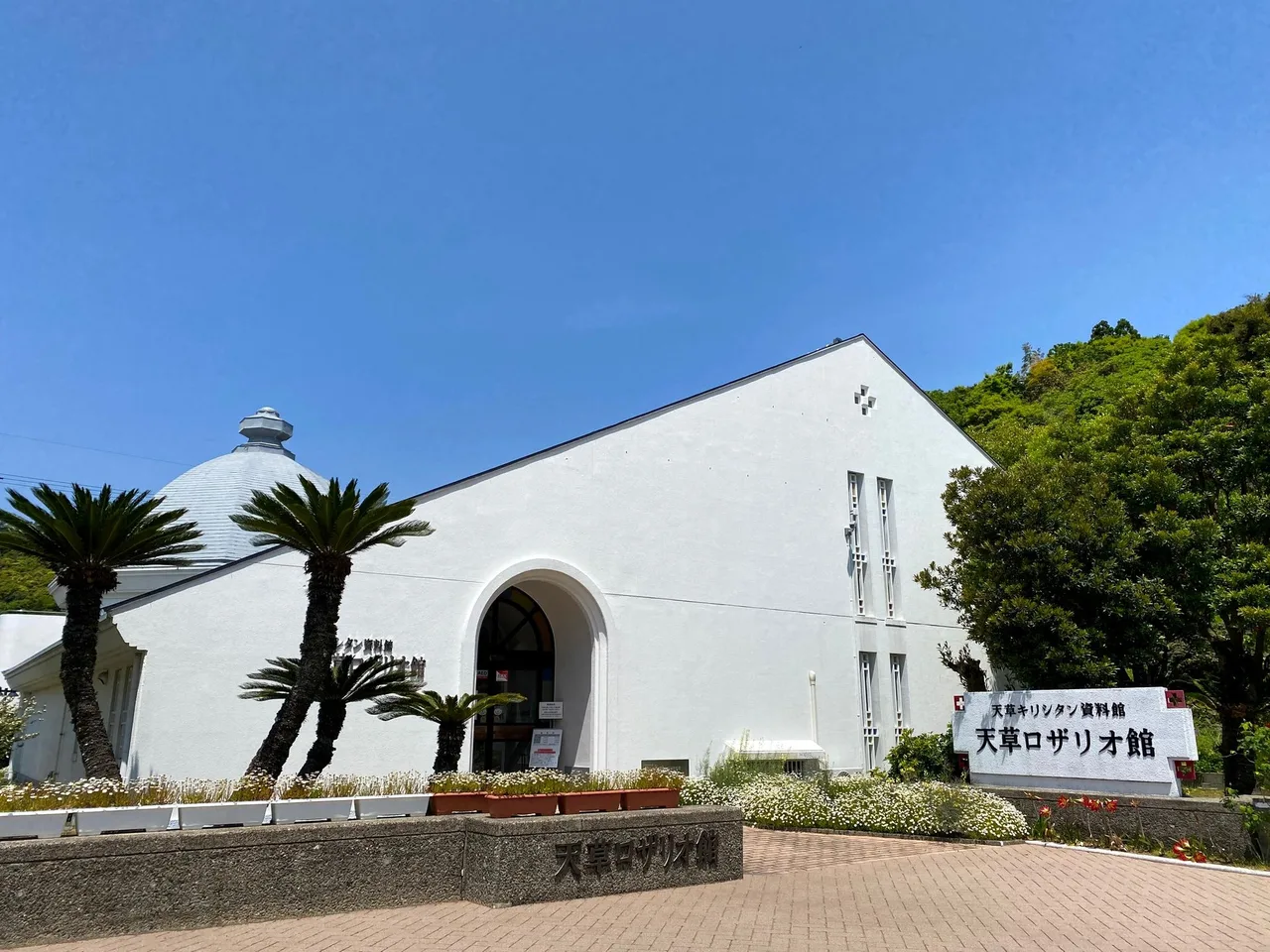
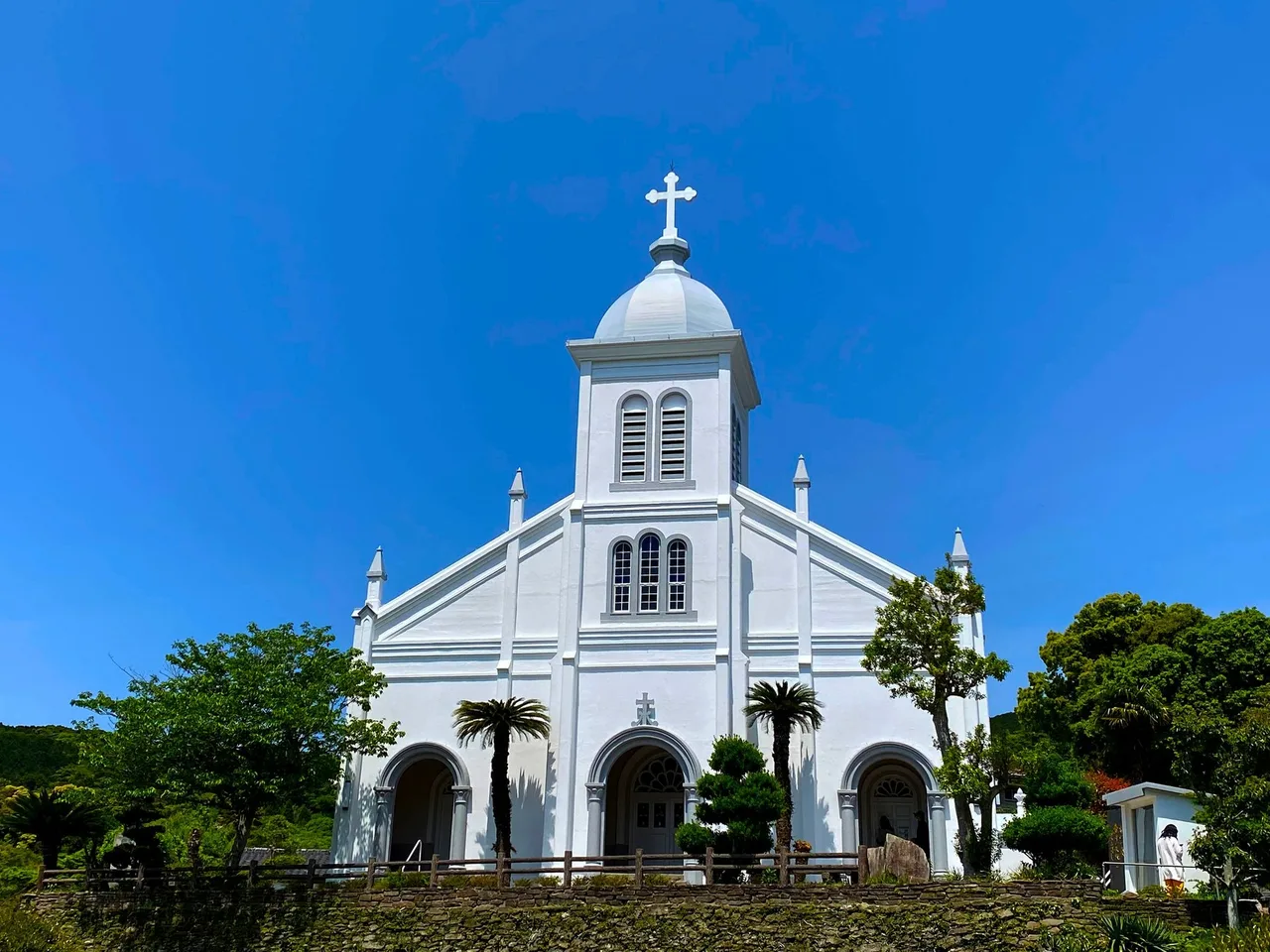
A white Romanesque-style church on a hill in Oe, Amakusa-machi. The present church was built in 1933 by the French missionary Father Garnier together with local believers. At the Amakusa Rosario Museum, right next to the church, you can see religious objects that the Hidden Christians protected. The church is a place of prayer, so refrain from visiting during Mass and church events. See Oe Church.
Tomioka Castle ruins (Reihoku)
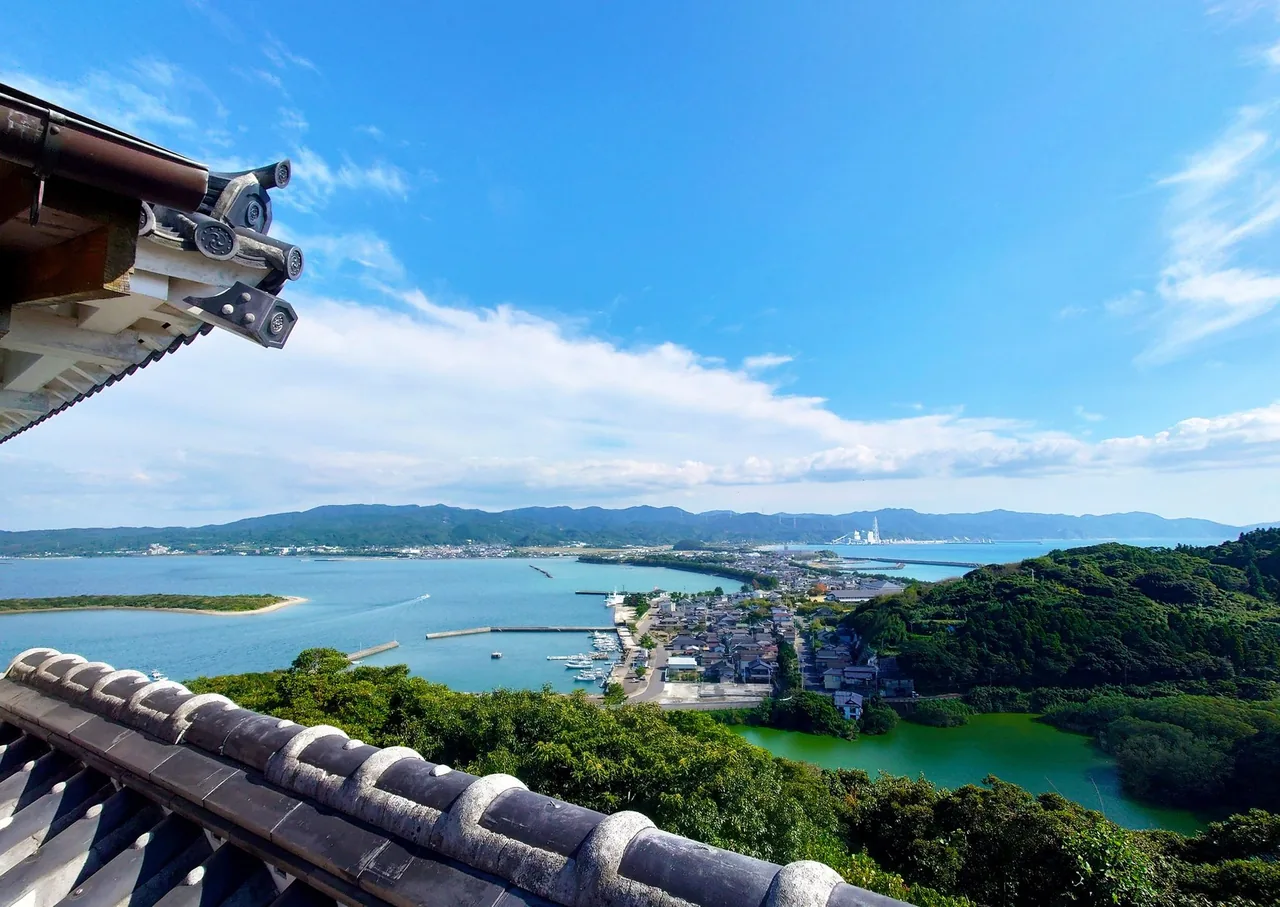
Photo: © Kumamoto Prefecture Tourist Federation.
A castle site on high ground jutting into the sea in Reihoku, in the northwest of the island. It is said to have been built around 1602, and it was attacked by the rebel army during the Shimabara-Amakusa Rebellion of 1637. From the site of the main keep you look down on the cove, the town of Tomioka and the sea beyond. The castle site also has Reihoku Town's history museum, with explanations and exhibits about the rebellion.
Shimoda Onsen Gosoku-no-Yu
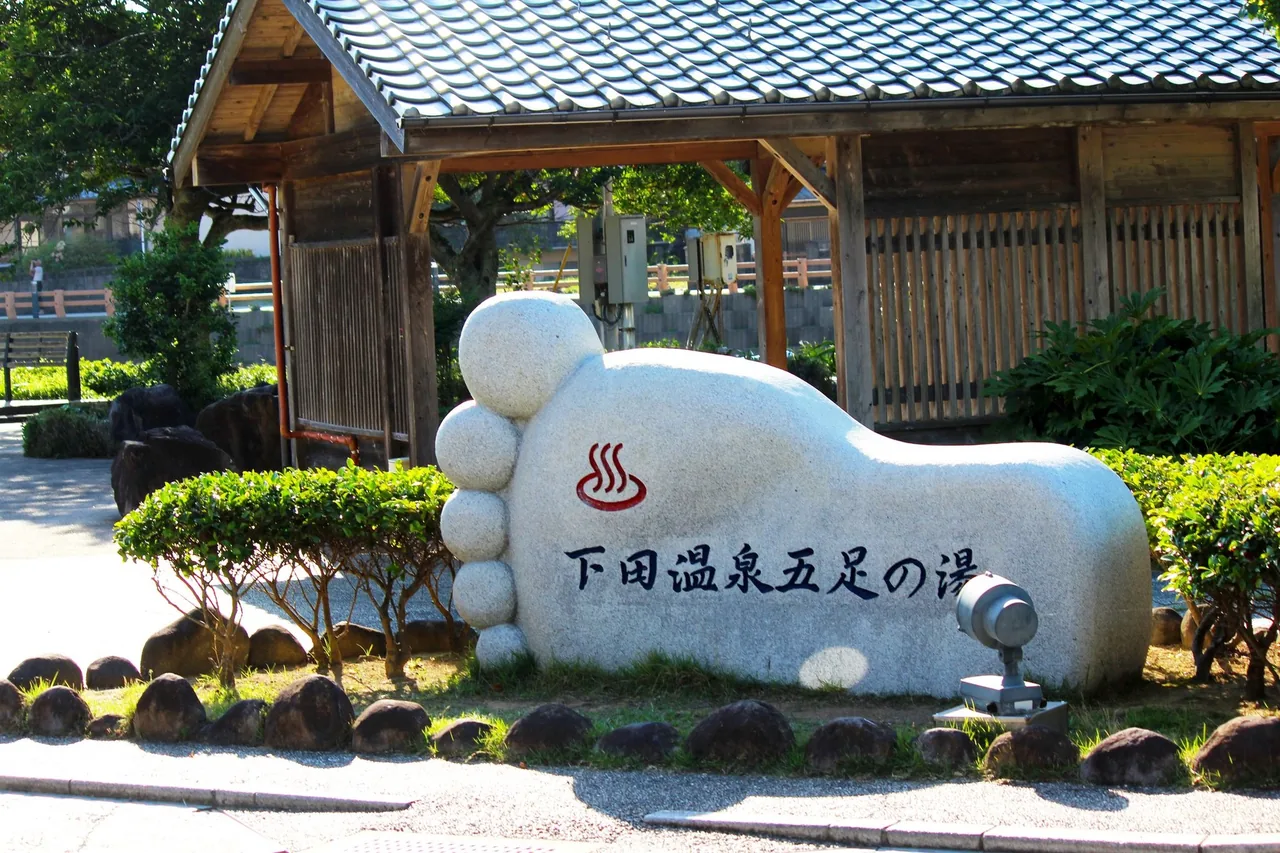
Photo: © Kumamoto Prefecture Tourist Federation.
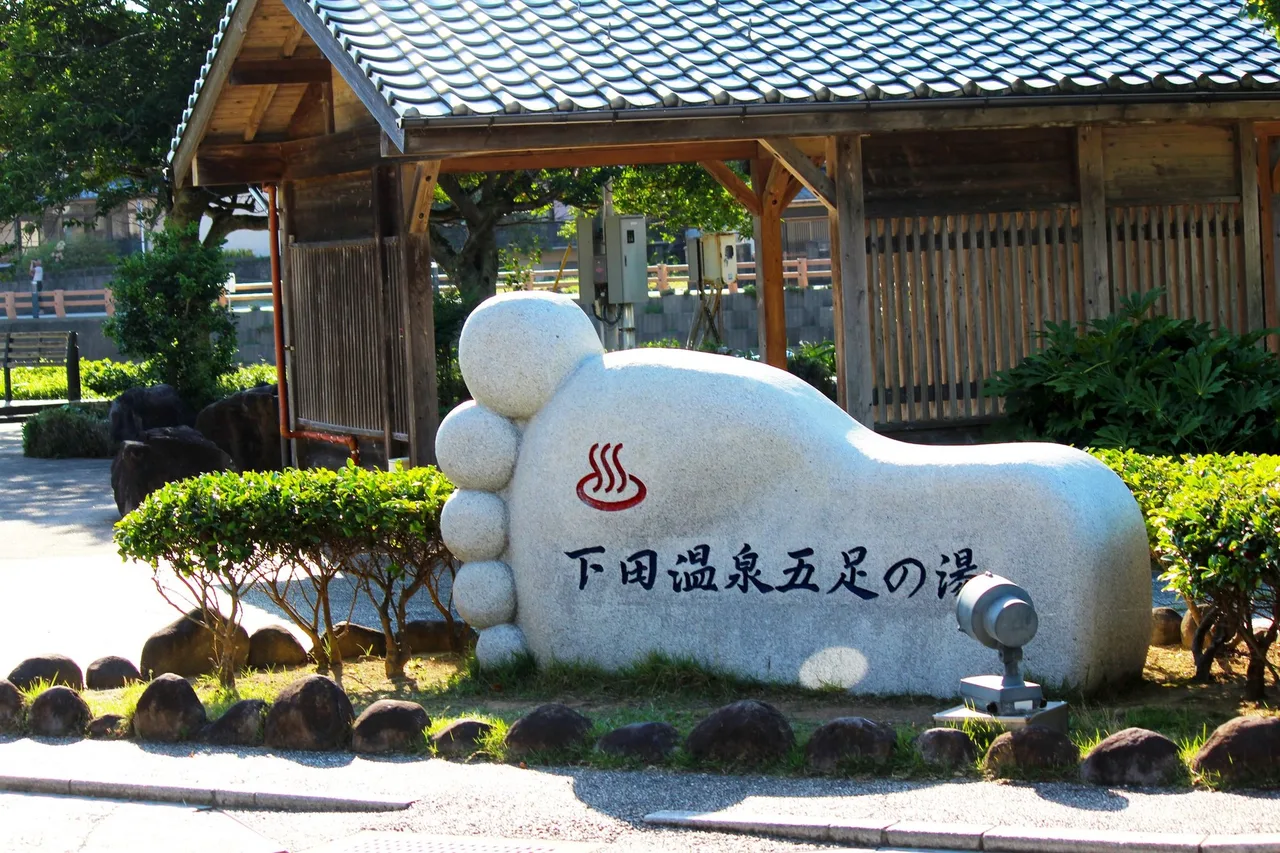
A footbath in Shimoda Onsen on the island's west coast. Its name comes from "Gosoku no Kutsu", the travelogue of five writers who traveled around Amakusa. It is right in the hot spring town, so you can warm your tired feet before heading to your inn. See Shimoda Onsen Gosoku-no-Yu.
Dolphin watching
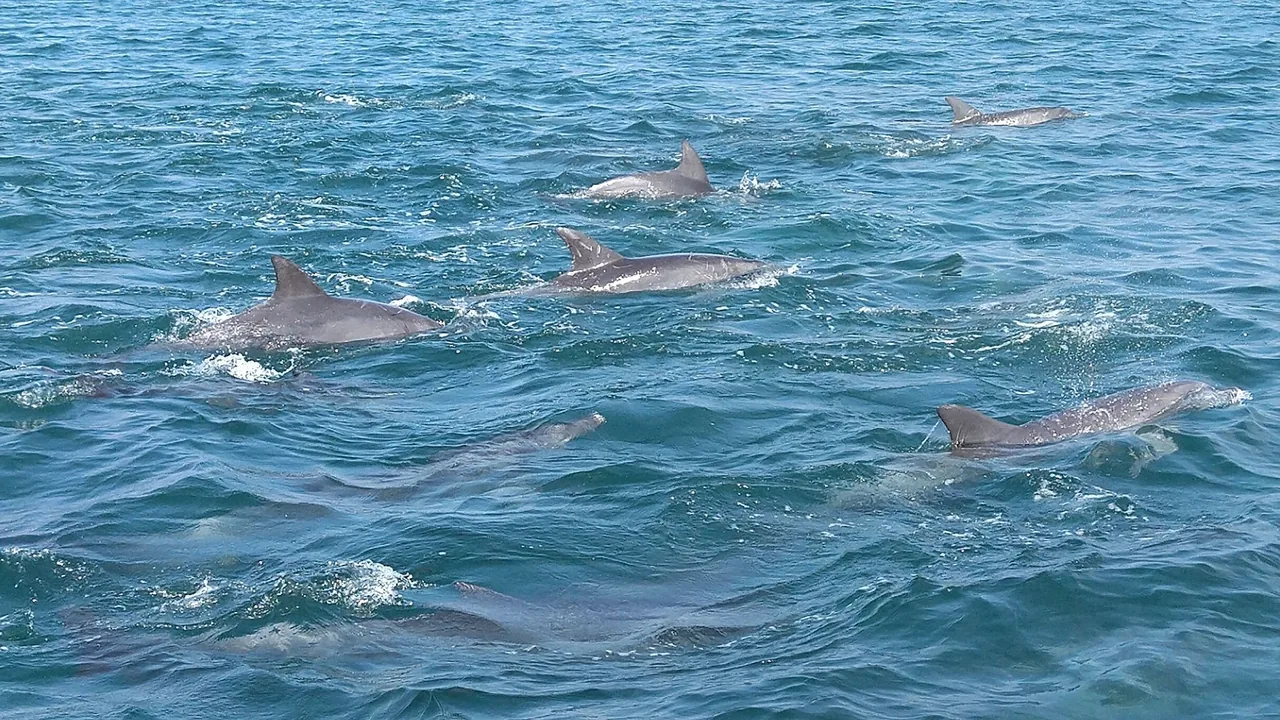
Photo: © Kumamoto Prefecture Tourist Federation.
In the seas around Amakusa, boat tours go out to watch dolphins swimming in the sea. Boats may not sail on some days, depending on the weather and sea conditions. Check whether tours are running and how to book with the tour companies.
Seaside prayer and a port-town festival
The Amakusa Maria statue on the sea, which stands facing the water, is another sight that suits this island of Hidden Christians. In Ushibuka, a port town in the south of the island, the Ushibuka Haiya Festival is usually held in April, with dancers in matching costumes dancing their way along the streets. The churches of Sakitsu and Oe and the history of the Shimabara-Amakusa Rebellion are covered in detail in our feature Tracing the History of Amakusa's Hidden Christians.
Food and shopping
Amakusa is an island surrounded by the sea, and port towns such as Hondo and Ushibuka have restaurants serving seafood. There are few shops on the west coast and in the south of the island, so decide in advance where you will have lunch.
Getting there
- By bus: From Kumamoto Sakuramachi Bus Terminal in Kumamoto City, take the Sanko Bus "Kaisoku Amakusa-go" to Hondo Bus Center. You can also board in front of Kumamoto Station. Local buses run from Hondo to Sakitsu, Oe, Shimoda Onsen and elsewhere, but they are infrequent, so check the timetable.
- Rail and transfers: There is no railway on Amakusa. By train, take the JR Misumi Line from Kumamoto Station to Misumi Station and change to a "Kaisoku Amakusa-go" bus that runs via Misumi (some services do not pass through Misumi). Check the boarding point and times with Sanko Bus.
- By air: Fly with Amakusa Airlines from Aso Kumamoto Airport to Amakusa Airport, then take a bus from the airport to central Hondo.
- By ferry (from Nagasaki): The Shimatetsu Ferry links Kuchinotsu Port on the Shimabara Peninsula in Nagasaki Prefecture with Onikeike Port in Itsuwa-machi, Amakusa City, in about 30 minutes. From Onikeike Port, continue to Hondo by bus or car.
- By car: From Kumamoto City, drive through the Uto Peninsula, cross the Amakusa Five Bridges, pass through Kamiamakusa and head for Hondo.
Getting around the area
For a two-day trip, on day one head from Hondo to the southwest of the island, walk around Sakitsu Village, then visit Oe Church and the Amakusa Rosario Museum, and in the evening stay in Shimoda Onsen and stop at Gosoku-no-Yu. On day two, travel north along the west coast, climb up to the Tomioka Castle ruins, and return to Hondo in the afternoon. If you want to go dolphin watching, keep a morning free on one of the days to fit the boat times.
Check sights and transport information on the Amakusa Takarajima Tourism Association official website. The bridges and lookouts on the way to the island are in Kamiamakusa.