Kumamoto Half-Day Itinerary: Castle and Suizenji Jojuen by Tram
- Sakuranobaba Johsaien
- Kumamoto Castle
- Kato Shrine
- Suizenji Jojuen Garden

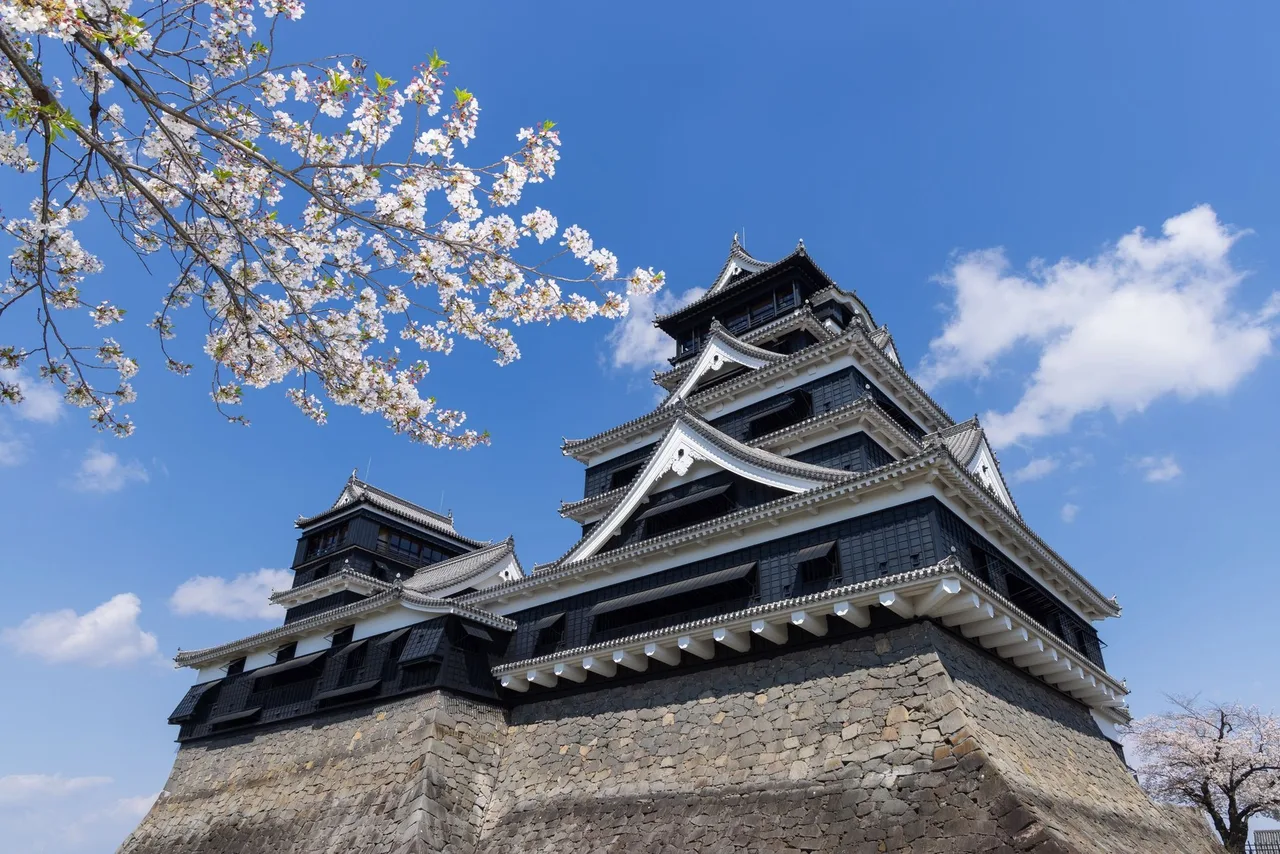
Photo: © Kumamoto Prefecture Tourist Federation.
Areas of Kumamoto
Kumamoto Castle, Suizenji Jojuen Garden, Sakura-no-baba Johsaien and Reigando Cave, with routes from the airport and Hakata and tips for the tram.
Choose a numbered circle to zoom in there; choose a name to open the area's page.
This page is translated from the Japanese edition. Read the Japanese edition
Kumamoto City is the capital of Kumamoto Prefecture, with Kumamoto Castle rising at its center. Streets that date back to the Edo-period castle town spread around it, and the city tram runs from Kumamoto Station to the castle area and on to Suizenji Jojuen Garden without a change.
There are two bases: Kumamoto Station, where the shinkansen stops, and the shopping and dining district east of the castle. The castle and the garden both lie along the tram line, so half a day covers the main sights. Many travelers spend a night here before or after heading to Aso or Amakusa.
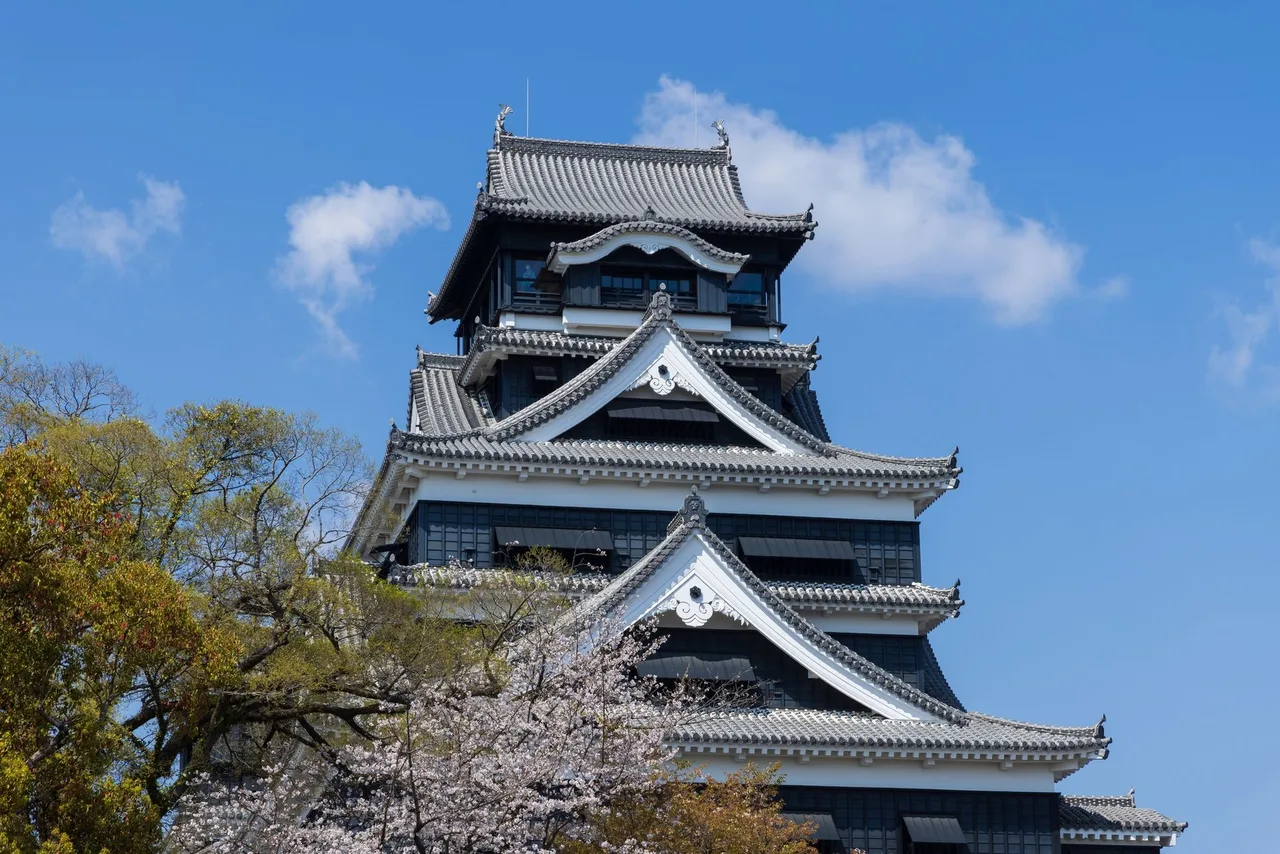
Photo: © Kumamoto Prefecture Tourist Federation.
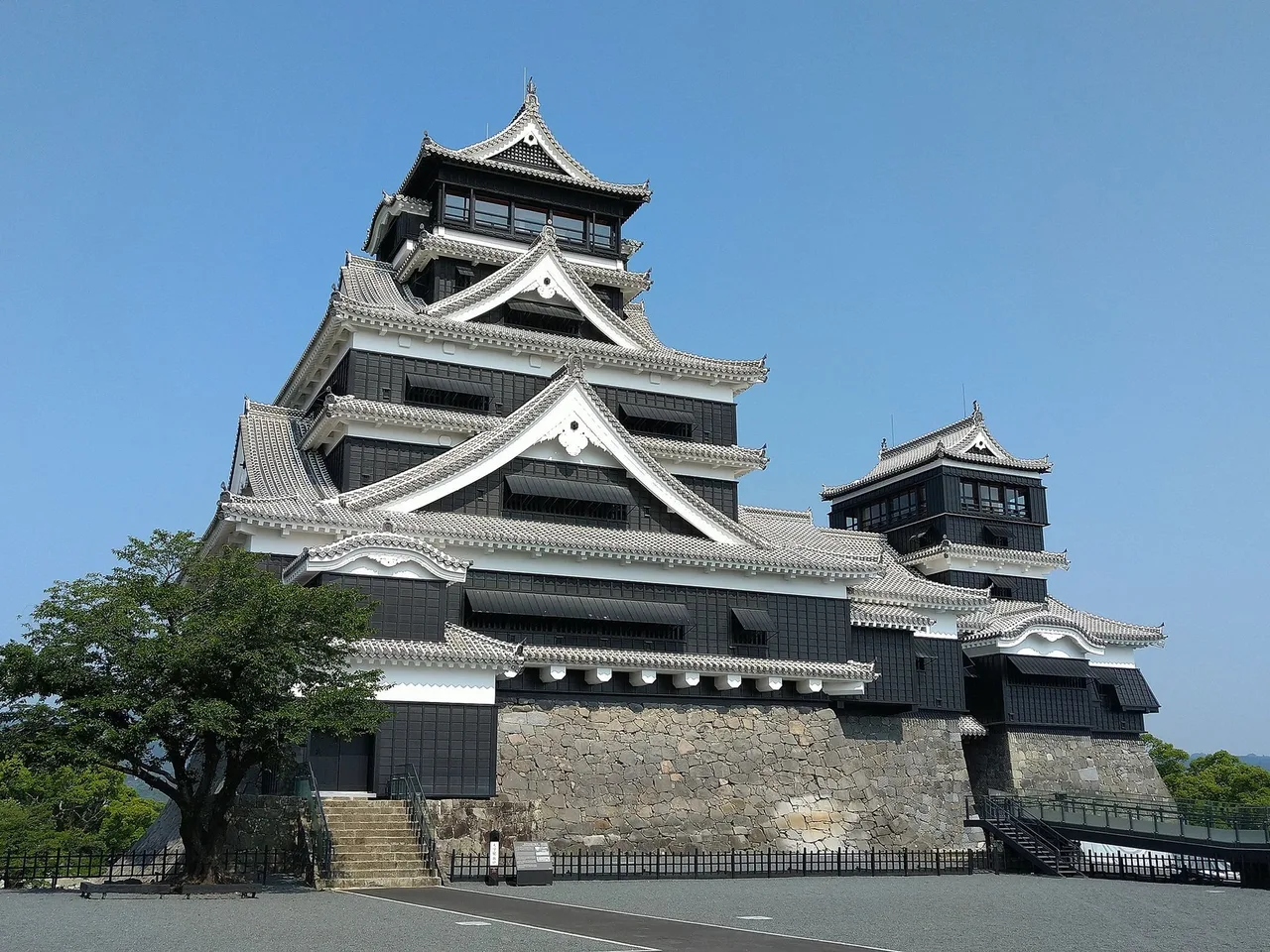
Built by Kato Kiyomasa, the castle is known for its tall, curving stone walls and its keep clad in black boards. It was badly damaged in the 2016 Kumamoto Earthquake, and the keep has since been restored. Work on the stone walls is still under way, and restrictions remain on the paths toward Kato Shrine. The areas open to visitors change as the work goes on, so check the Kumamoto Castle official website before you go. See Kumamoto Castle.
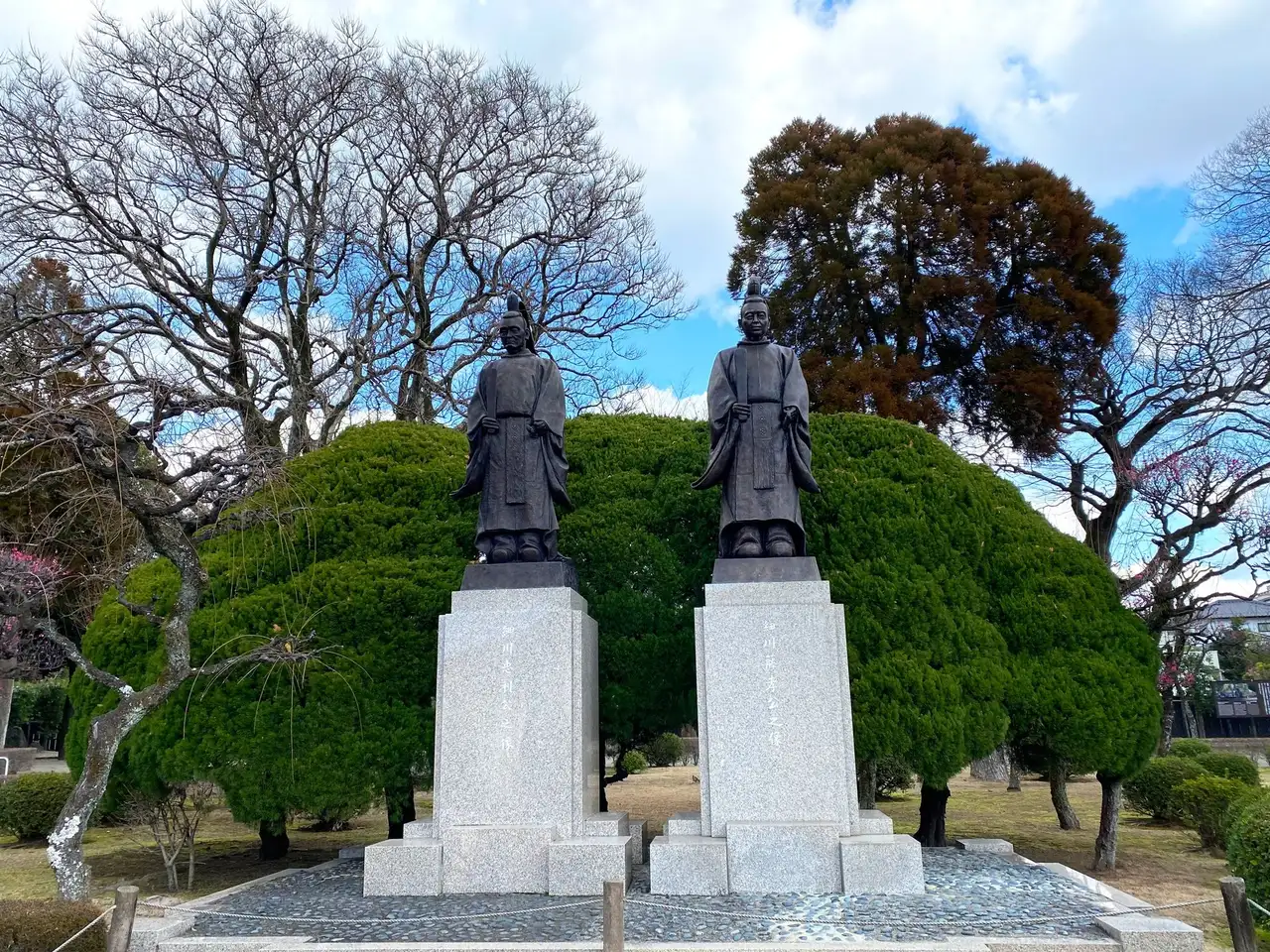
Photo: © Kumamoto Prefecture Tourist Federation.
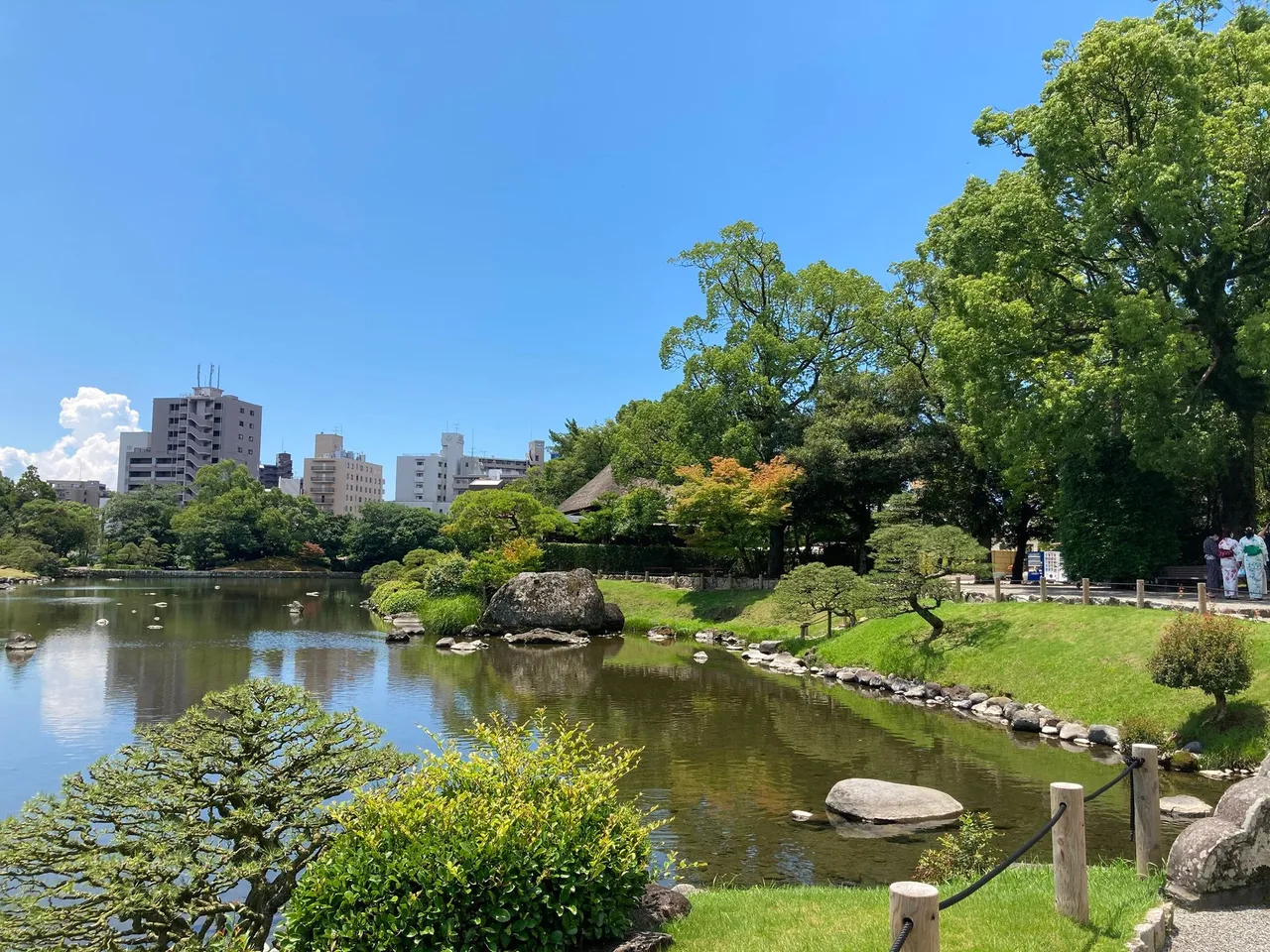
This stroll garden was created by the Hosokawa family, the lords of the Kumamoto domain. Artificial hills and lawns surround a spring-fed pond. Izumi Shrine stands inside the garden. It is a walk from the Suizenji Park tram stop. See Suizenji Jojuen Garden.
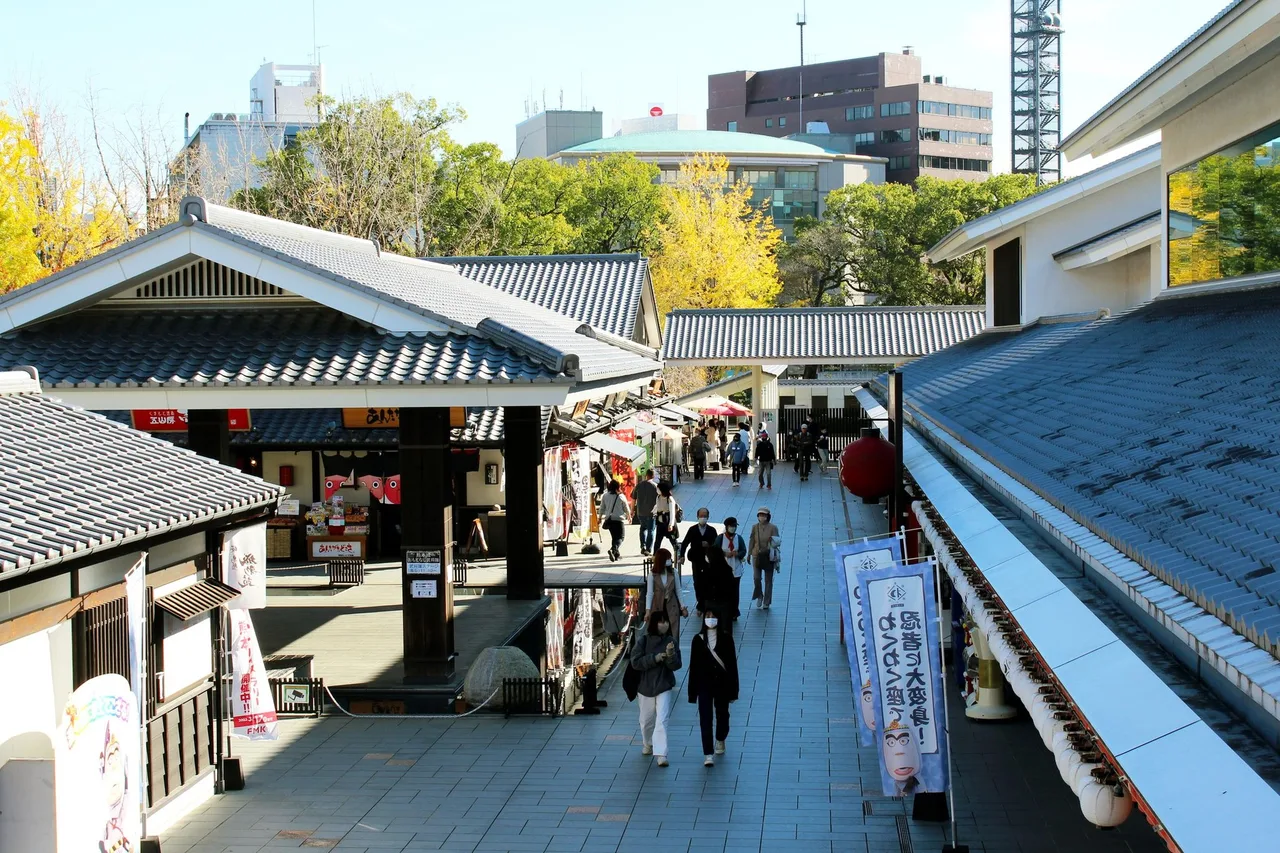
Photo: © Kumamoto Prefecture Tourist Federation.
This visitor complex at the foot of Kumamoto Castle has tile-roofed buildings in the style of a castle town. Sakura-no-Koji is a row of shops selling Kumamoto food and souvenirs, and the Kumamoto Castle Museum Wakuwakuza tells the castle's history. Stopping here before or after the castle lets you take care of lunch and shopping in one place. Wakuwakuza is temporarily closed for now; check the Kumamoto Castle official website for when it will reopen.
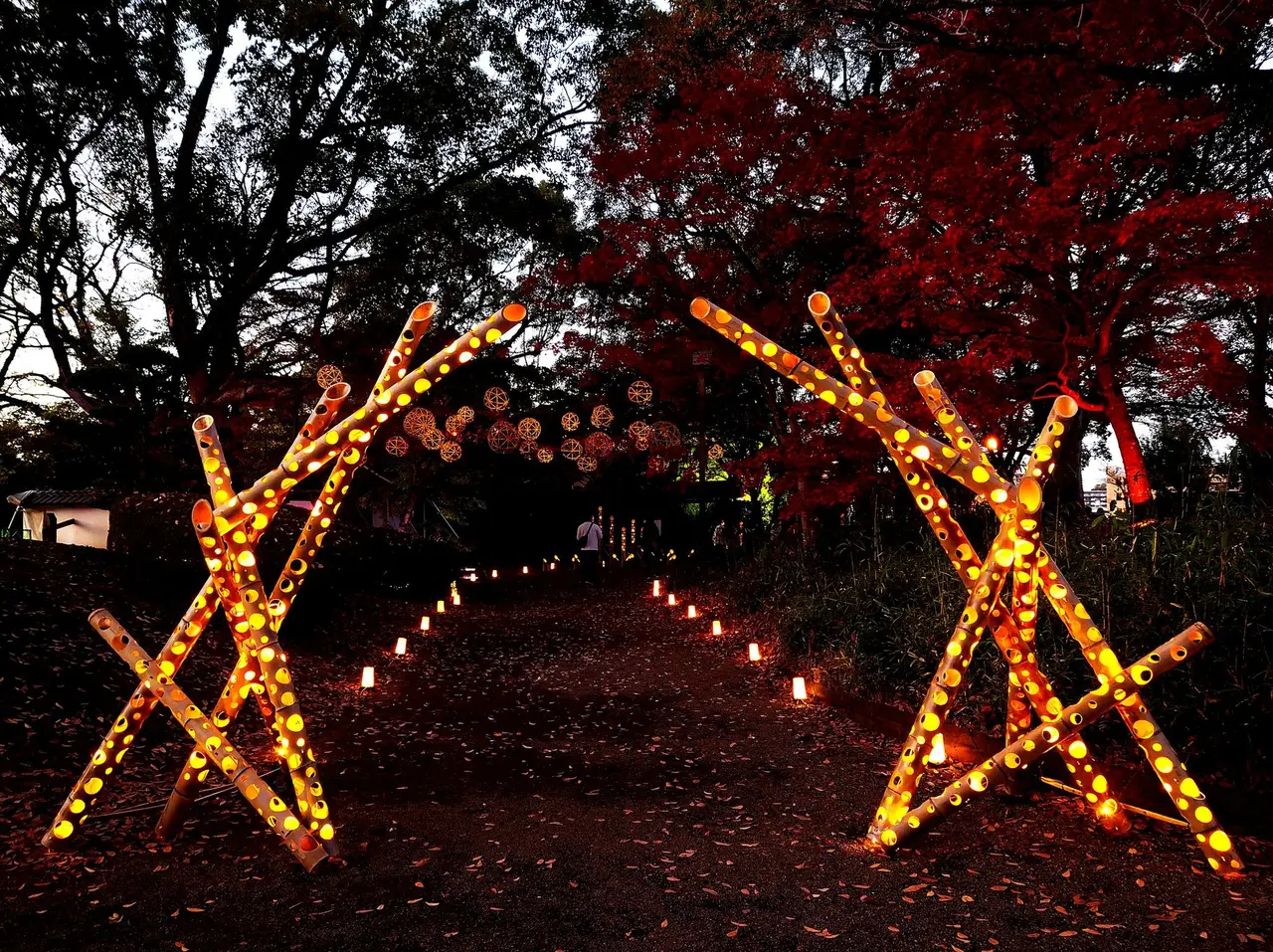
Photo: © Kumamoto Prefecture Tourist Federation.
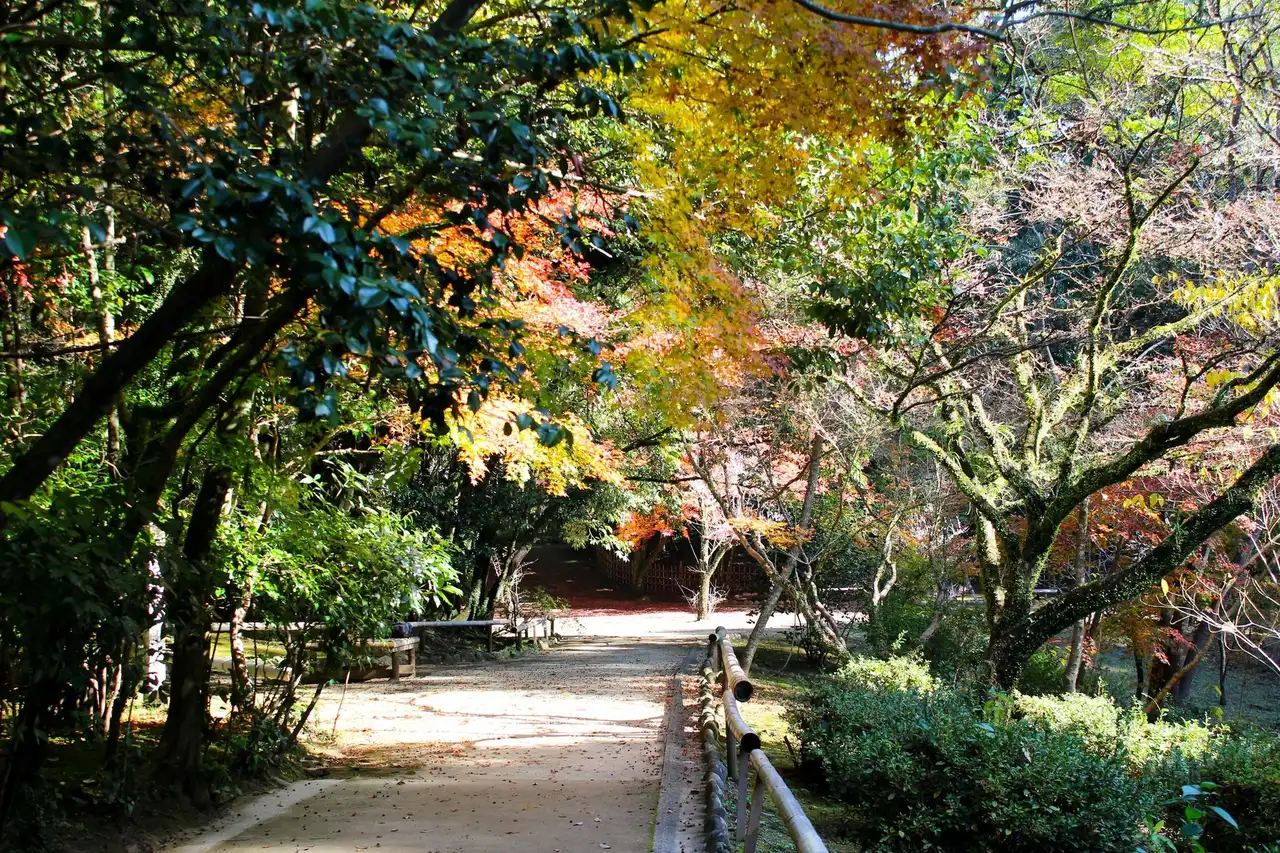
Near Kumamoto Castle stands the residence of the Gyobu family, a branch of the Hosokawa clan. It is closed for now. Elsewhere in the city, Tatsuda Nature Park has a moss garden on the site of a temple linked to the Hosokawa family.
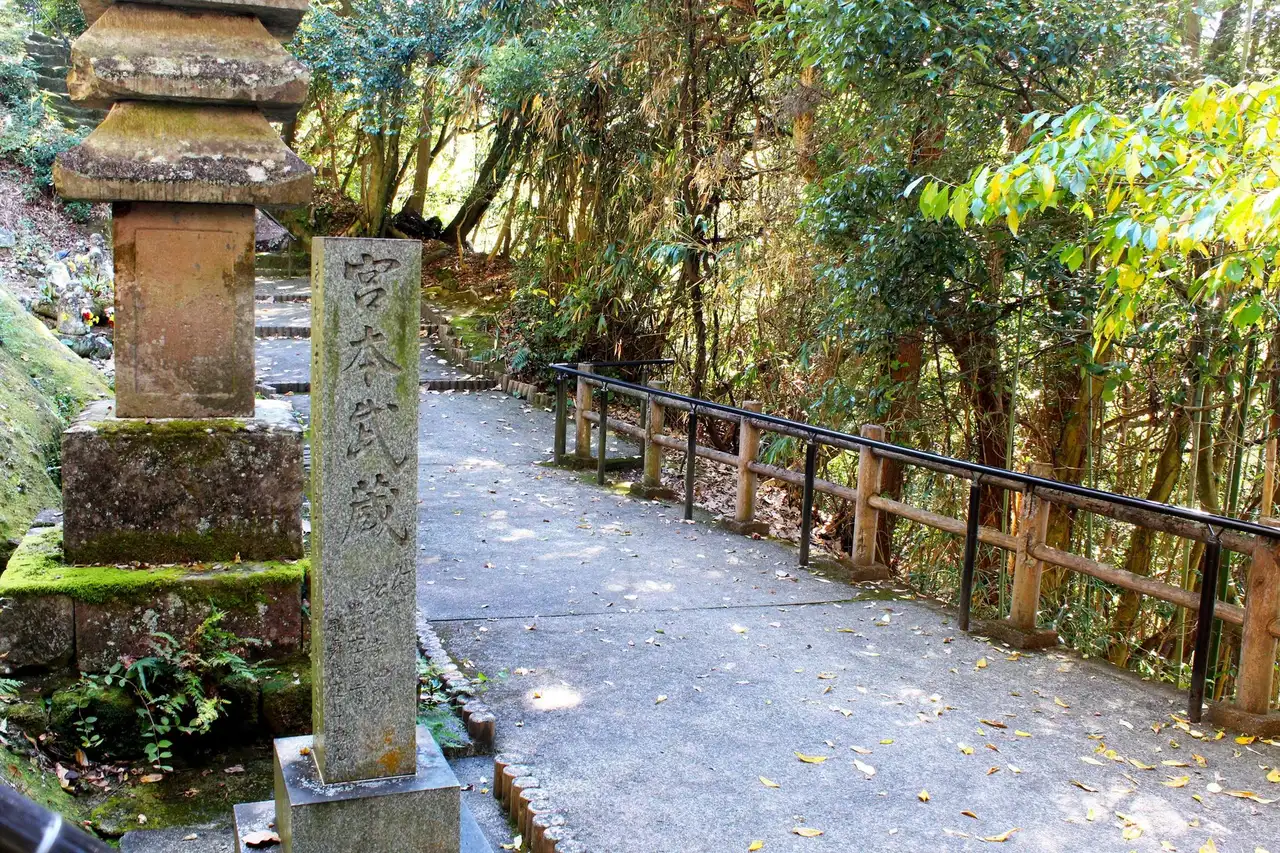
Photo: © Kumamoto Prefecture Tourist Federation.
This cave lies at the foot of Mt. Kinpo, west of central Kumamoto. Stone rakan (Buddhist disciples) line the path to the cave. It is far from the city center, so a taxi or rental car makes the trip easier.
In autumn, decorated horses and their handlers parade through town with rhythmic chants at the Fujisaki Hachimangu Autumn Grand Festival. In 2026, because many people had been affected by the earthquake and aftershocks were continuing, the procession and the offering of the decorated horses were cancelled.
Kumamoto's local dishes include basashi (horse meat sashimi), karashi renkon (lotus root stuffed with mustard miso) and taipien, a noodle soup. At Sakura-no-Koji in Sakura-no-baba Johsaien you can browse Kumamoto food and souvenirs in one place. Souvenir shops also gather inside and around Kumamoto Station. For more on local dishes, see our feature Kumamoto local food.
With half a day, take the tram to Kumamoto Castle in the morning, see the keep and Johsaien, and have lunch. In the afternoon, ride the tram to Suizenji Jojuen Garden and walk around the pond. With a full day, you can add Reigando Cave or enjoy local food in the city's dining district in the evening. The model course Kumamoto Castle and Suizenji Jojuen: a half day by tram fits this route into half a day.
From Kumamoto Station, the JR Hohi Line runs to Aso.