
Oguni & Tsuetate Onsen
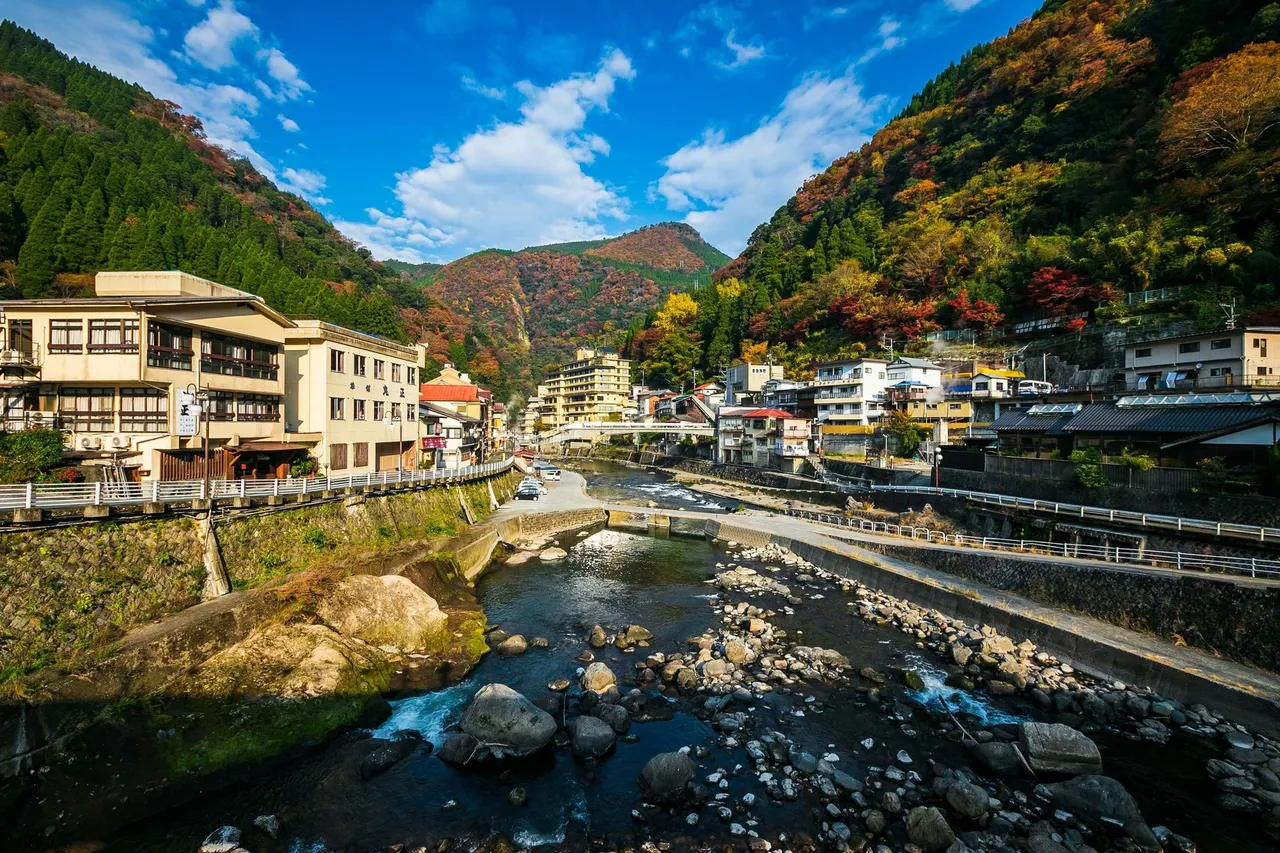
Photo: © Kumamoto Prefecture Tourist Federation.
Areas of Kumamoto
Oguni & Tsuetate Onsen
Nabegataki Falls, which you can walk behind, Tsuetate Onsen and its carp streamers, the Kitasato Shibasaburo museum and Waita Onsen, with routes there.
Find on the map
This page is translated from the Japanese edition. Read the Japanese edition
What is the area like?
Oguni is a hilly town north of Aso's outer rim, on the border with Oita Prefecture. Villages are scattered between cedar-covered hills and pastures, and in the valley of the Tsuetate River near the Oita border, the inns of Tsuetate Onsen stand side by side.
The sights are spread around the town, and you generally move between Nabegataki Falls, the memorial museum and the hot spring villages by car. Some visitors combine Oguni with Kurokawa Onsen in neighboring Minamioguni and stay at the hot springs.
Main sights
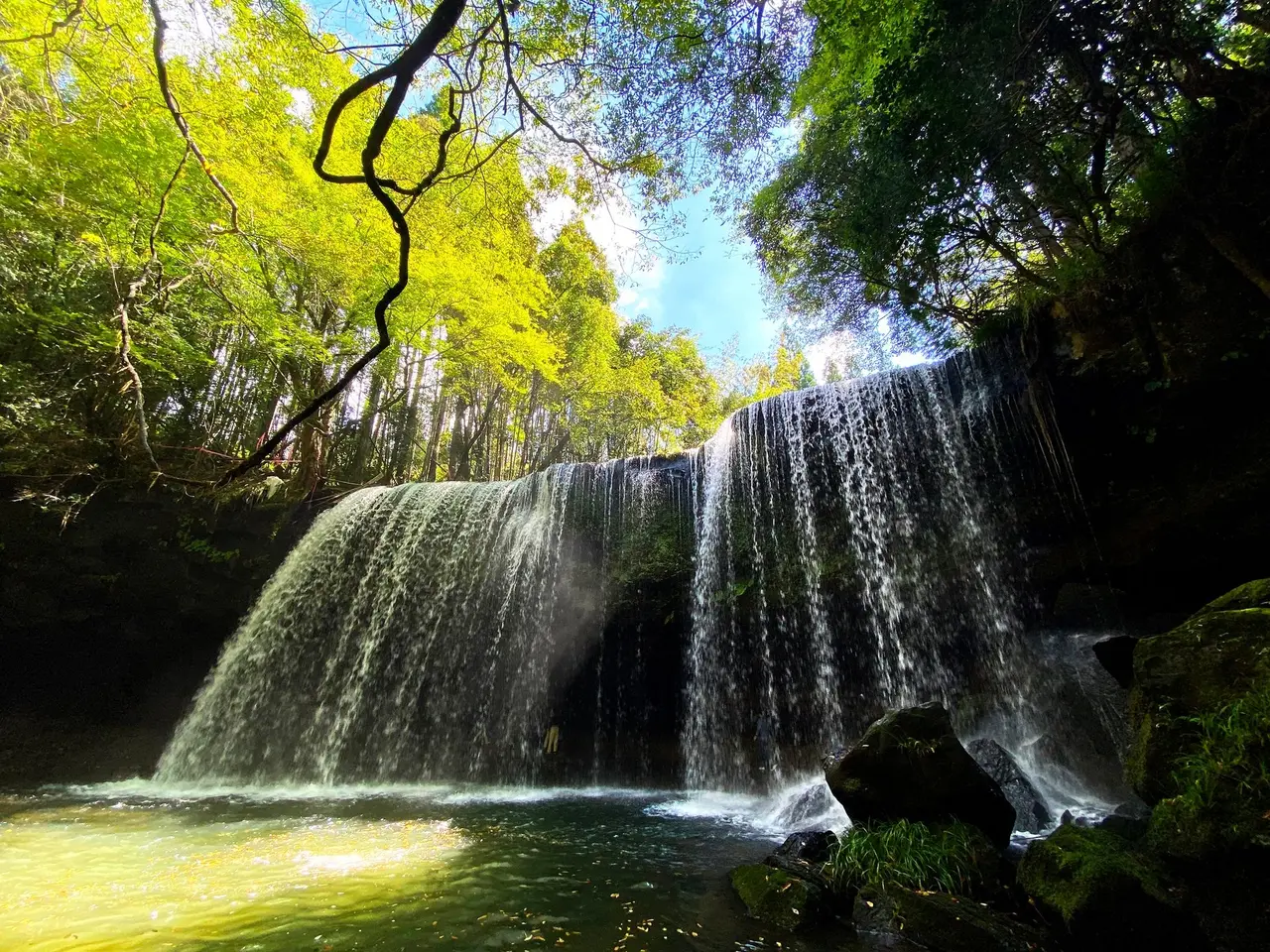
Nabegataki Falls
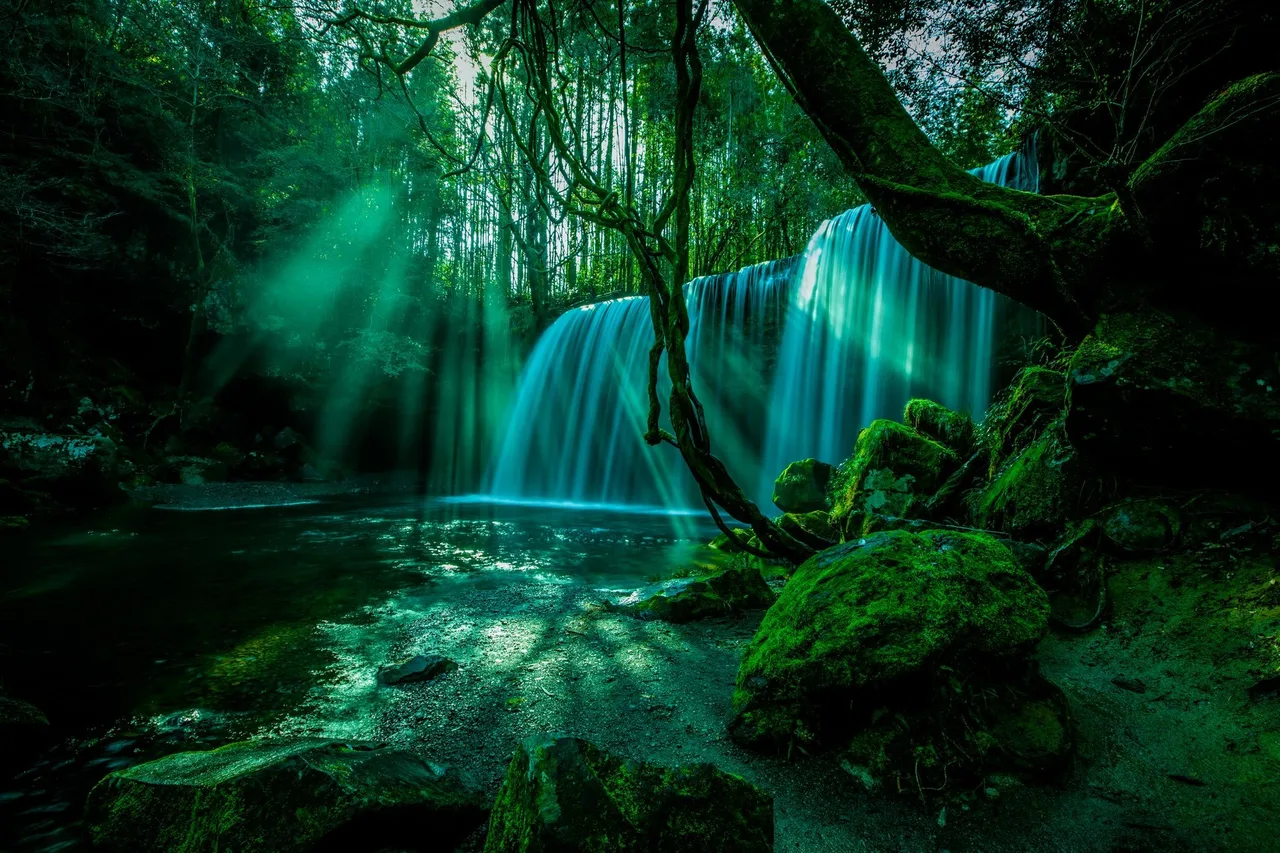
Photo: © Kumamoto Prefecture Tourist Federation.
This wide waterfall is also called "Urami no Taki", a waterfall you can see from behind, because you can walk around to the back of it. From behind, you look out at the forest through a curtain of water. Entry is by advance reservation (you can also book online on the day), and on busy days you cannot get in without one. Check how to reserve on the Nabegataki Park reservation page. See Nabegataki Falls.
Tsuetate Onsen
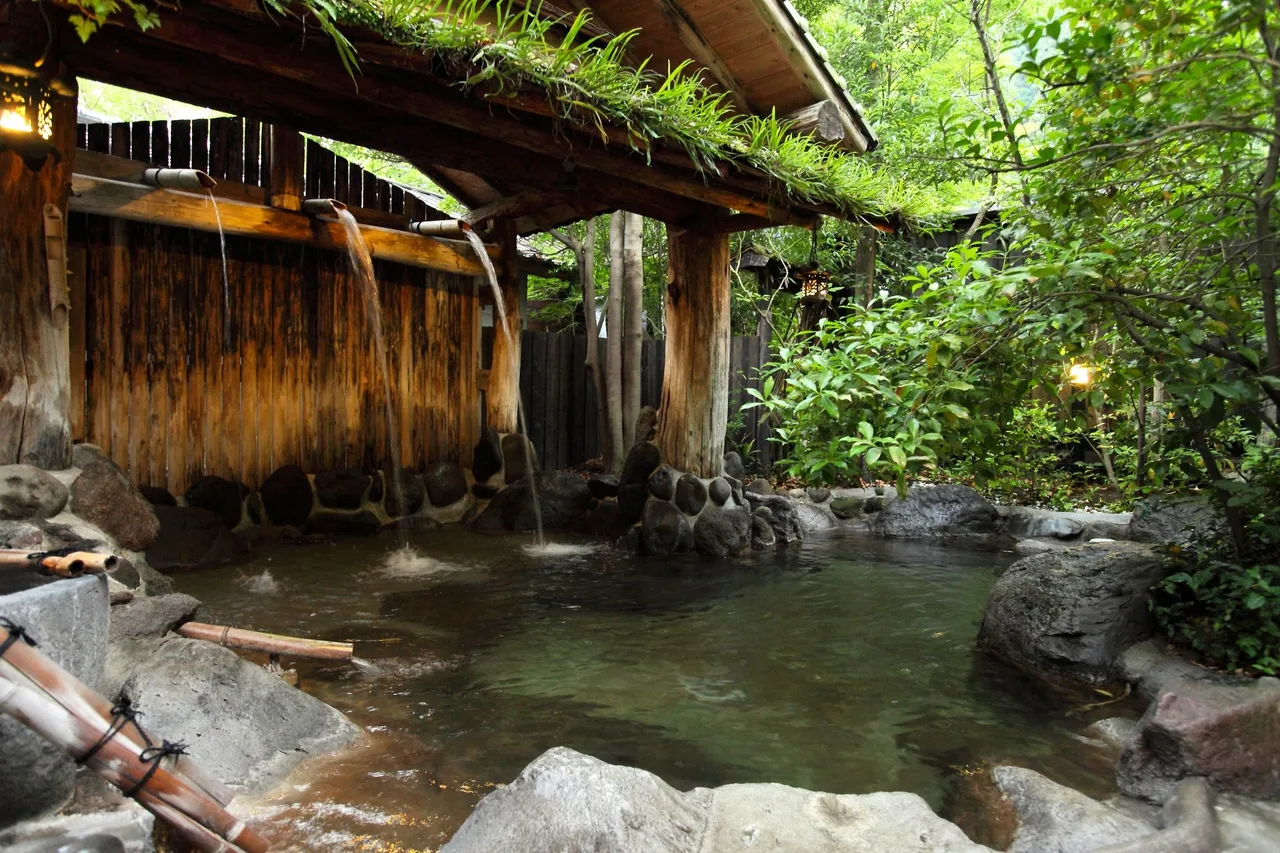
Photo: © Kumamoto Prefecture Tourist Federation.
Inns line both banks of the Tsuetate River, and steam rises from the river and all around town. Narrow alleys called "sedoya" weave between the inns, and you can explore them on foot up slopes and steps. In spring, many koinobori (carp streamers) are strung across the river for the Tsuetate Onsen Koinobori Festival.
Kitasato Shibasaburo Memorial Museum
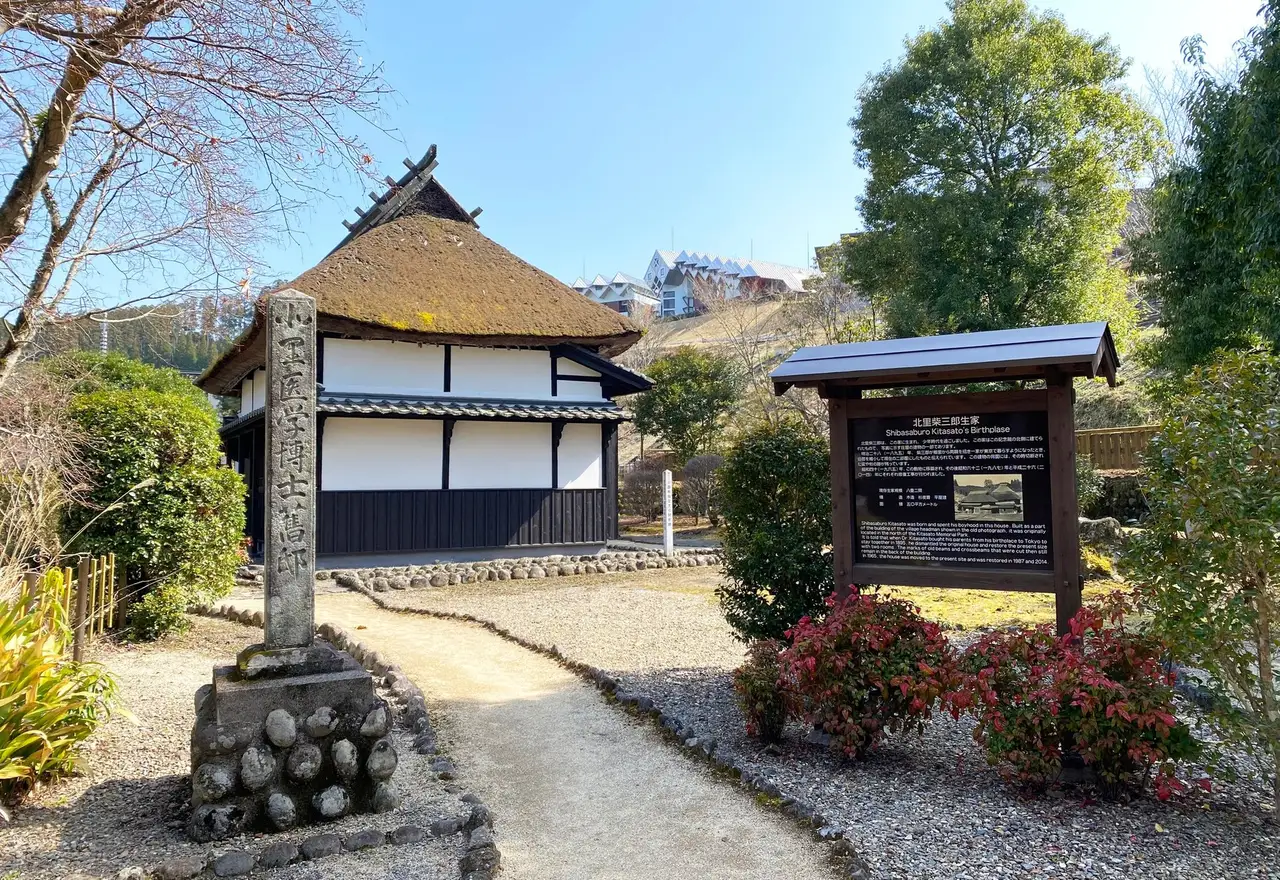
Photo: © Kumamoto Prefecture Tourist Federation.
The bacteriologist Kitasato Shibasaburo came from the Kitasato district of Oguni. Exhibits at the museum trace his life and work.
Waita Onsen
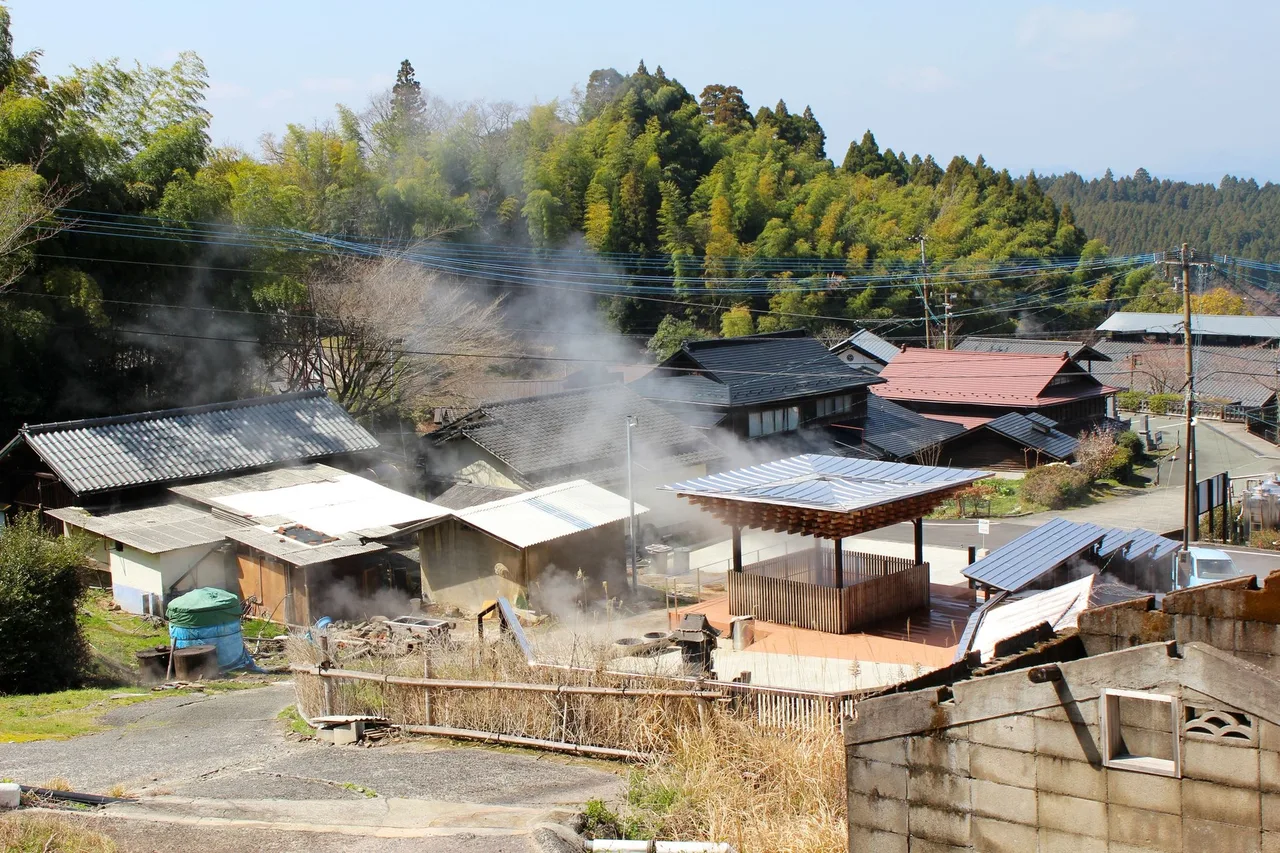
Photo: © Kumamoto Prefecture Tourist Federation.
Small hot spring villages such as Hagenoyu and Takenoyu are dotted around the foot of the cone-shaped Mt. Waita. Geothermal heat is high here, and steam spouts from all over the villages.
Food and shopping
Tsuetate Onsen has "mushiba", spots where you can steam food with hot spring vapor. At Waita Onsen, some places serve food cooked with geothermal steam.
Getting there
- By bus: Check the route and times of buses to Tsuetate Onsen in the timetables before you go. Buses to neighboring Kurokawa Onsen run three times a day, and every service must be booked by the day before.
- By car: Head north from Aso over the outer rim, or south from the Hita area of Oita Prefecture. There is almost no public transport to Nabegataki Falls or Waita Onsen, so a car is the practical choice.
How to explore the area
On a two-day trip, drive to Nabegataki Falls and the Kitasato Shibasaburo Memorial Museum on day one, then check in at Tsuetate Onsen in the evening and walk its sedoya alleys. On day two, take in the steaming villages of Waita Onsen and a soak in the hot spring before heading south. Tsuetate Onsen also appears in our feature Kumamoto's hot spring towns.
You can also drive to Kurokawa Onsen and Minamioguni, the neighboring town to the southeast.


