Akita Travel Guide for First-Timers: Kakunodate, Tazawa and Oga
This guide is translated from the Japanese edition. Read the Japanese edition
First time in Akita? Where to base yourself, and how to see Akita City, Kakunodate, Lake Tazawa and Nyuto Onsen on the Komachi line, plus Oga and Yokote in winter.
In Akita Prefecture, the samurai district, Japan's deepest lake, the mountain hot spring inns and the home of the Namahage are all some distance from one another. It takes about four hours each way by shinkansen from Tokyo, so on a first trip it pays to decide early where you will stay and which areas to pair. The backbone of most trips is the Akita Shinkansen Komachi line, which links Akita City, Kakunodate and Lake Tazawa. How you add the Oga Peninsula or Yokote to that line shapes the rest of the journey.
How do you get to Akita? The Komachi shinkansen and Akita Airport
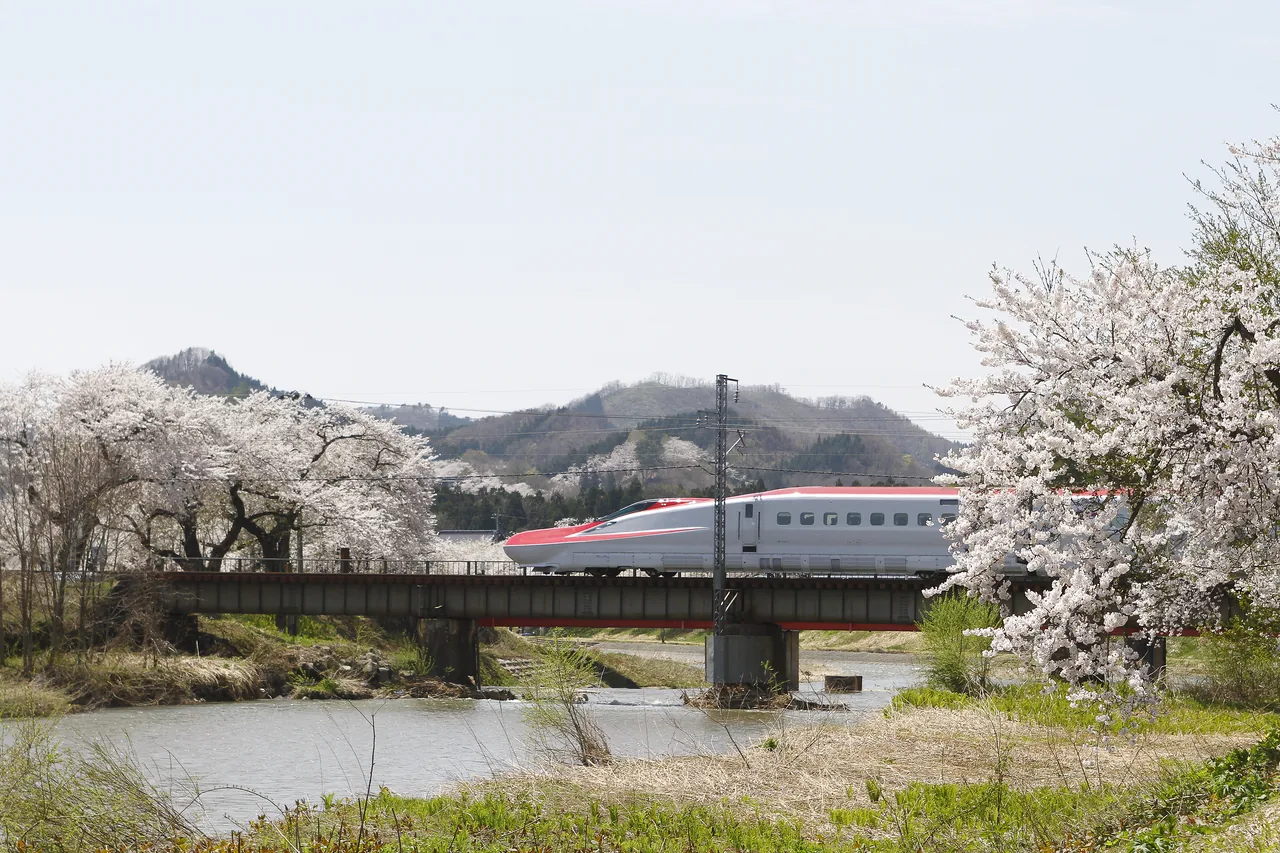
The Akita Shinkansen "Komachi" runs from Tokyo to Akita with no change of trains. Between Tokyo and Morioka it travels coupled to a Tohoku Shinkansen "Hayabusa"; after uncoupling at Morioka it switches to conventional tracks and runs via Tazawako, Kakunodate and Omagari to Akita Station. Tokyo Station to Akita Station takes about four hours. Some trains skip Kakunodate and Tazawako, so if you plan to get off on the way, check the stops for your train in the timetable. How to buy tickets and choose seats is covered in our shinkansen guide.
By air, Haneda Airport to Akita Airport takes about 1 hour 5 minutes. From Akita Airport, the airport limousine bus reaches the west exit of Akita Station in about 40 minutes; timetables are on the Akita Chuo Kotsu bus company's website.
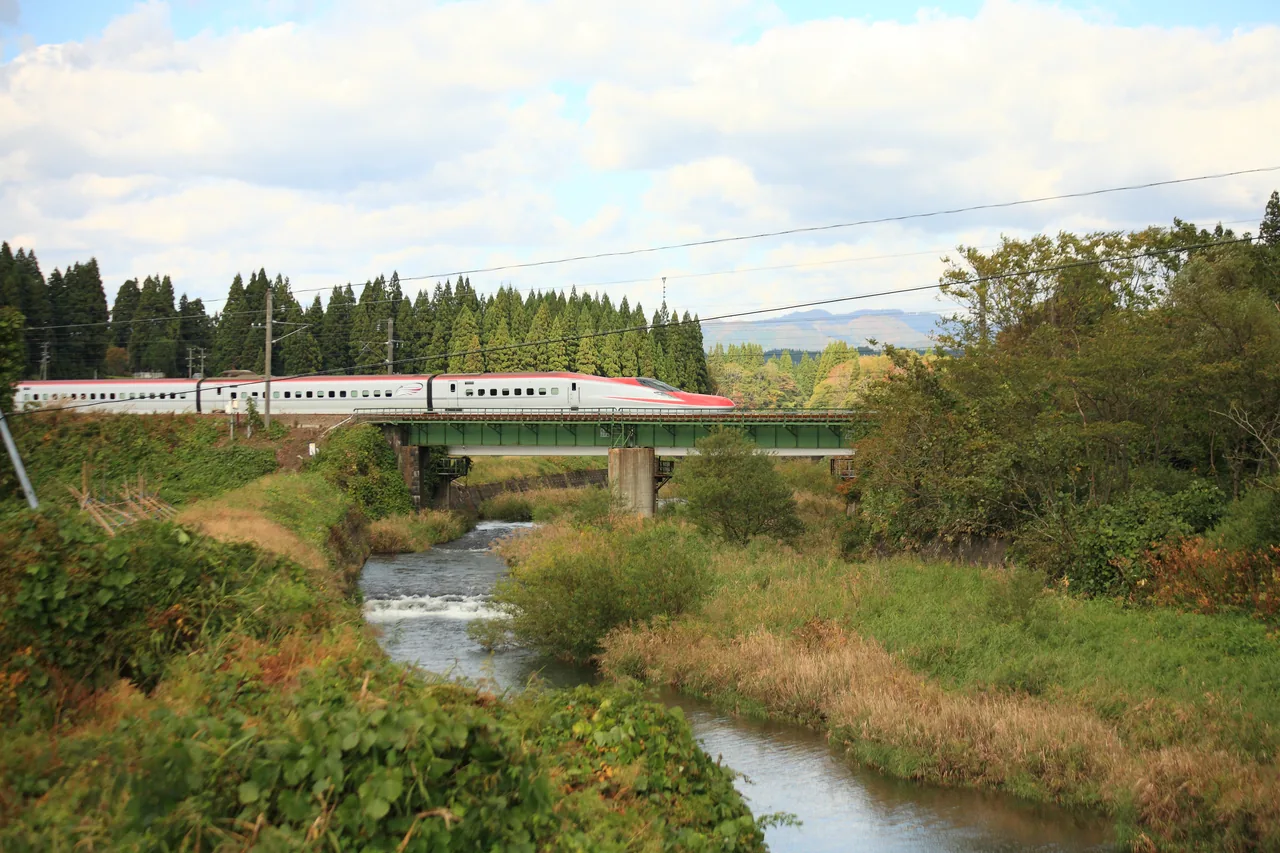
Photo: Akita Prefecture
Akita City: castle ruins and a market within walking distance of the station
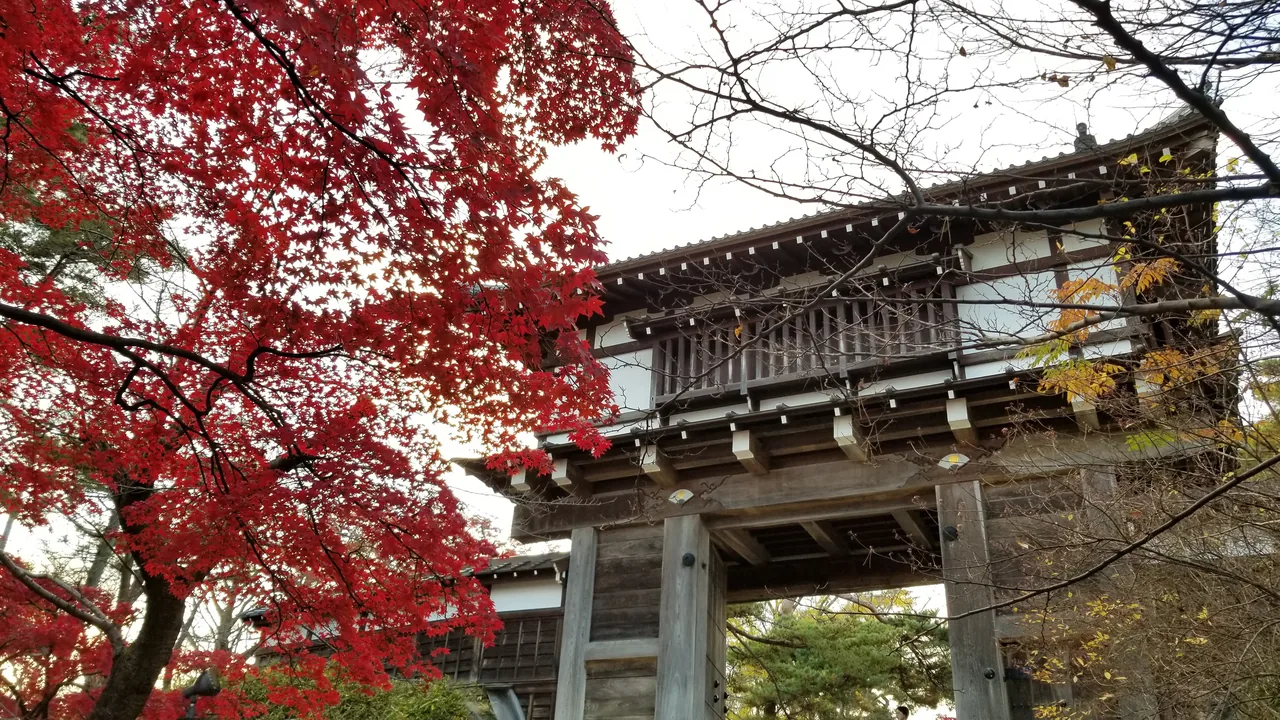
Akita City, the prefectural capital, makes a natural starting point. About 15 minutes on foot from the west exit of Akita Station, Senshu Park occupies the ruins of Kubota Castle, from which the Satake clan ruled the Akita domain for 267 years from 1602. The rebuilt Omotemon gate and Osumi Yagura turret give a sense of the castle. Close to the station is the Akita City Market, where locals shop, so you can drop by on the evening you arrive or the morning you leave.
Every year from August 3 to 6, the Akita Kanto Festival fills a main avenue with tall bamboo poles hung with lanterns. If you are staying in the city then, it is wise to look for a room early. For a day in the city, see Akita City in one day.
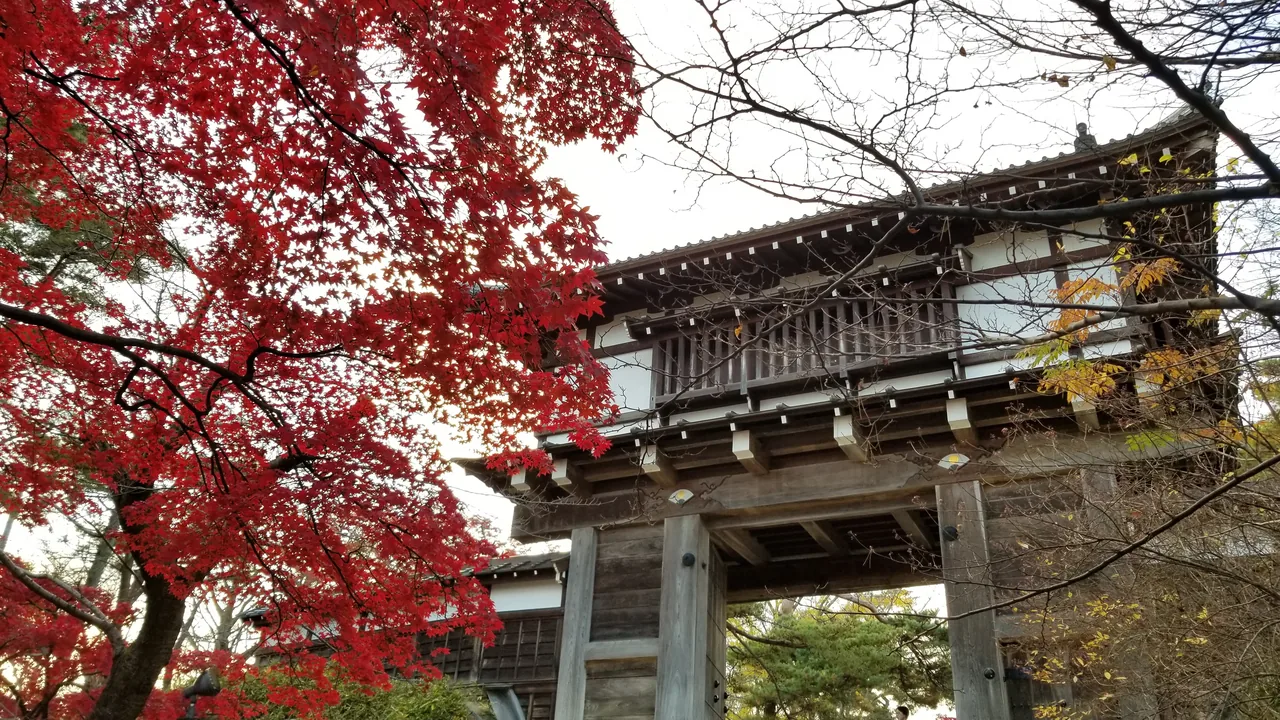
Photo: Akita Prefecture
Kakunodate: walking the samurai district
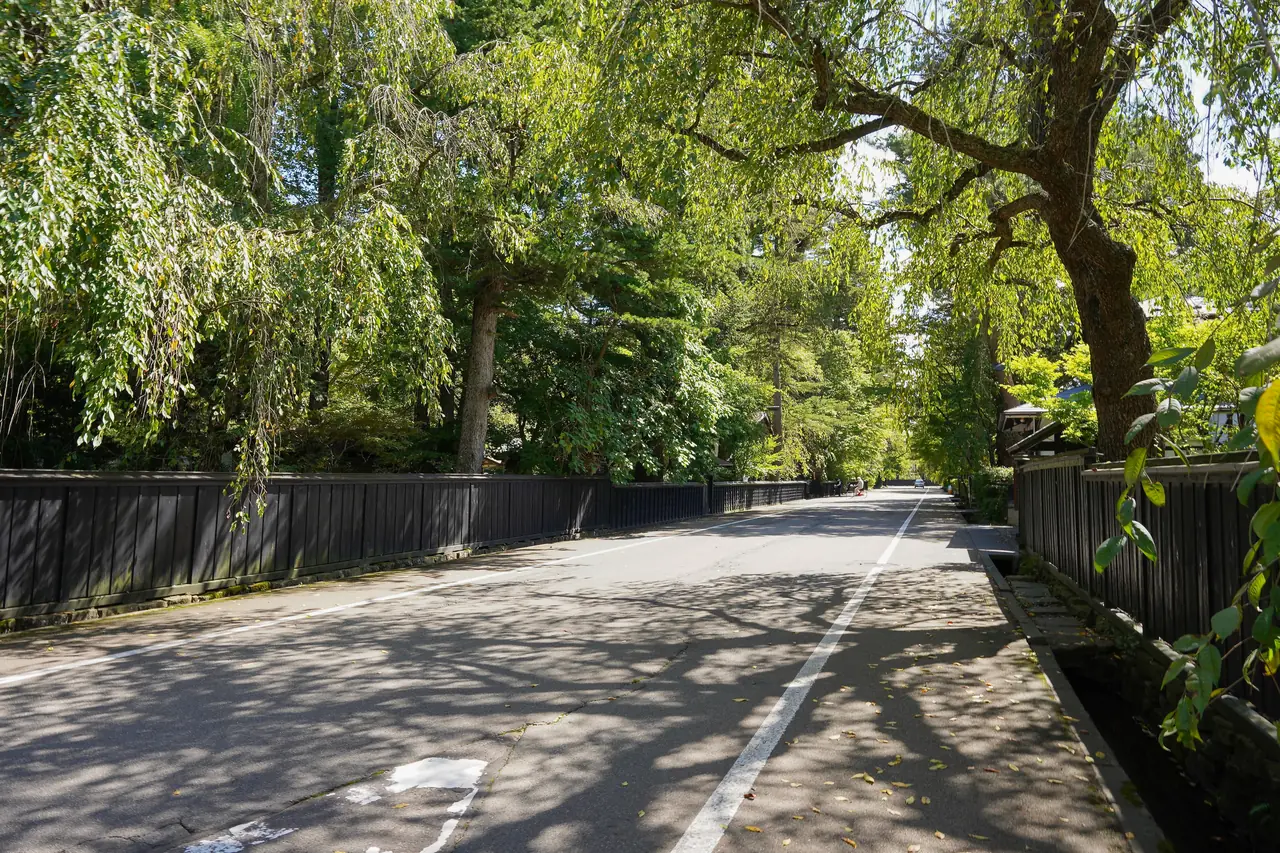
About 20 minutes on foot from JR Kakunodate Station, Kakunodate Samurai District, with its black board fences and big trees, is usually the first place people name when they think of Akita. The street survives in Uchimachi, the samurai quarter of a castle town founded by the Ashina clan around 1620, and the area was designated a national Important Preservation District for Groups of Traditional Buildings in 1976. Some residences, including the Ishiguro and Aoyagi houses, are open for you to see inside.
In spring the weeping cherries, a national Natural Monument known as the Weeping Cherry Trees of Kakunodate, arch over the street; in autumn the maples turn red. Both seasons bring big crowds, so walk the street in the morning if you want a calmer visit.
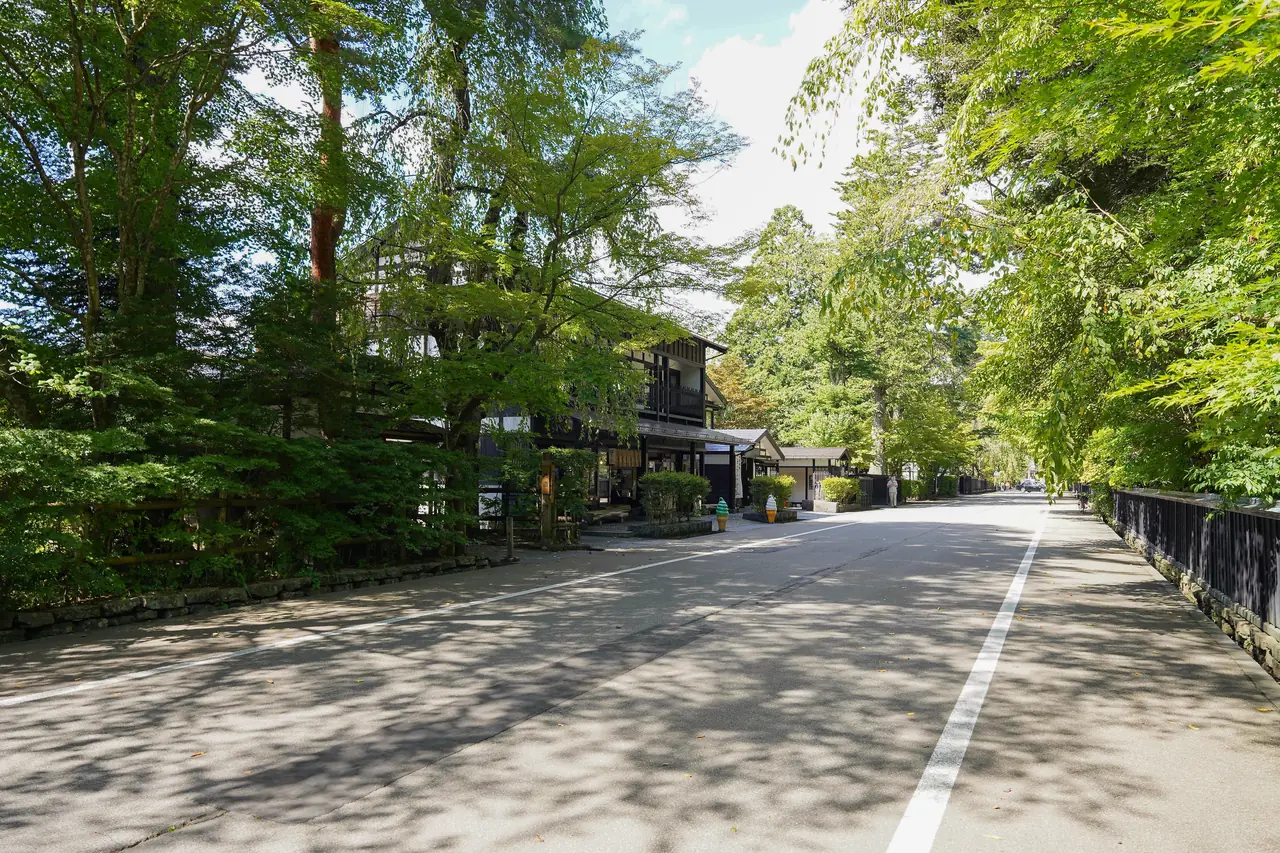
Photo: Akita Prefecture
Lake Tazawa and Nyuto Onsen: a lake and a mountain hot spring stay
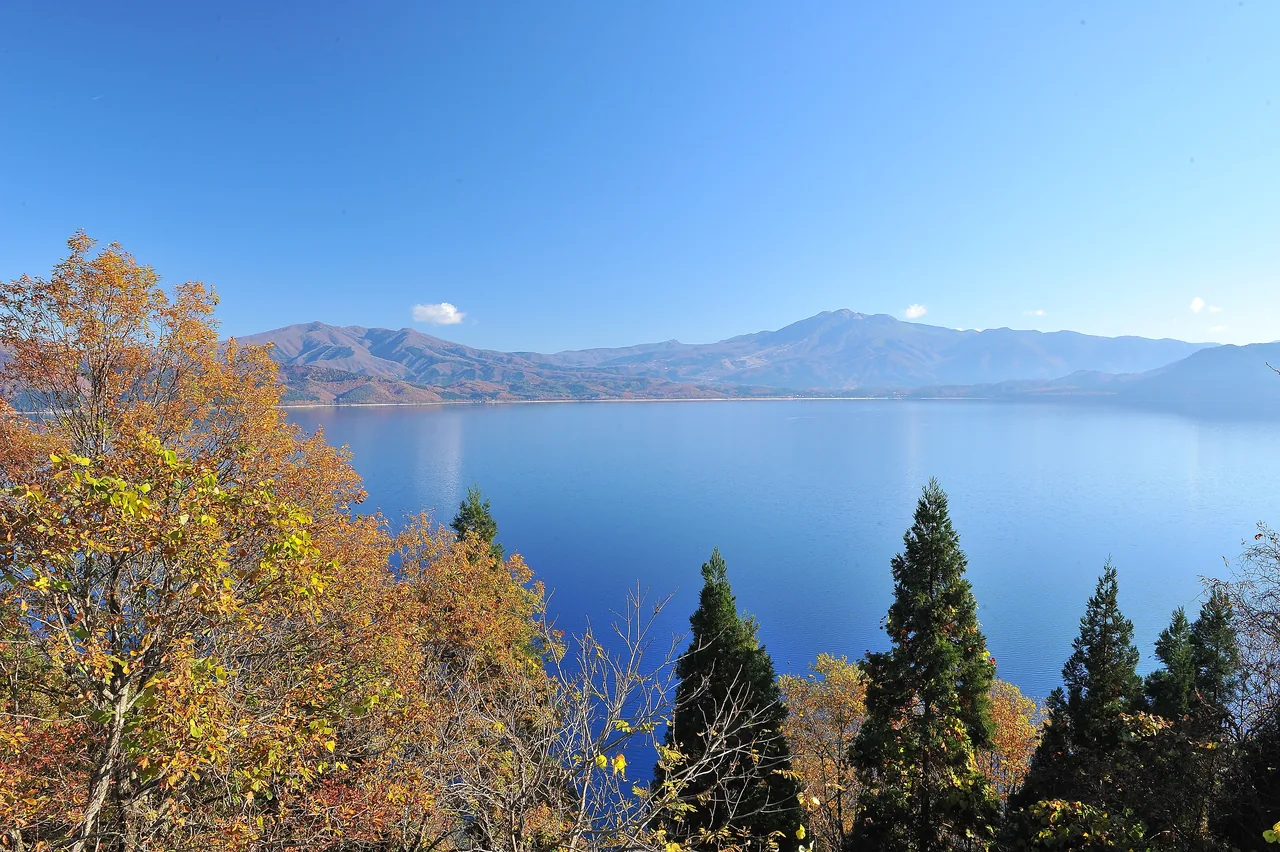
Continue from Kakunodate toward Morioka on the Komachi and you reach Tazawako Station, the gateway to the lake and the hot springs. Lake Tazawa, with a maximum depth of 423.4 m, is Japan's deepest lake, its water shading from clear near the shore to deep navy offshore. At Katajiri, about 30 minutes from Tazawako Station on the Ugo Kotsu Tazawako loop bus, stands the statue of Tatsuko, the heroine of the lake's legend.
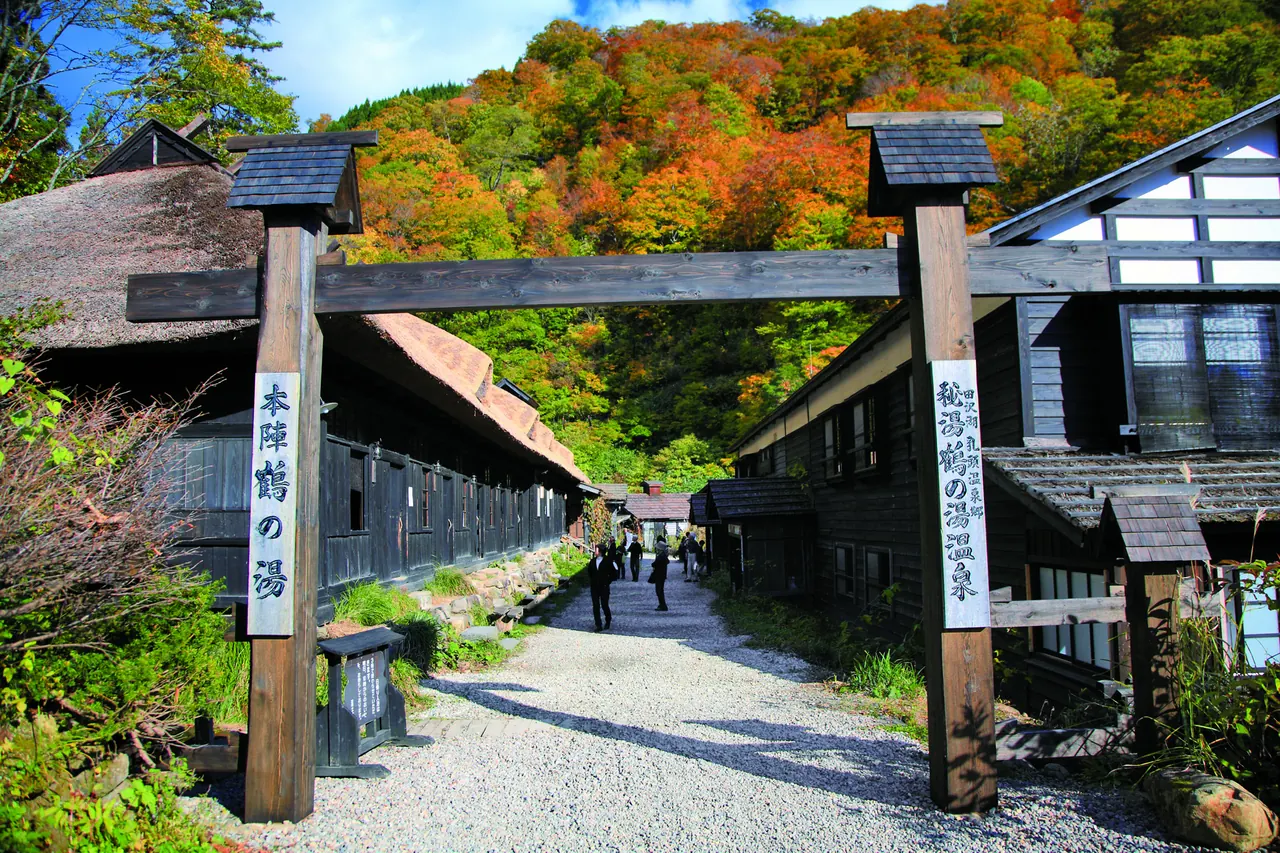
Take the Ugo Kotsu Nyuto line bus from Tazawako Station up into the mountains and you come to Nyuto Onsen, where inns such as Tsurunoyu are scattered through the forest. The area is known for milky-white outdoor baths and thatched buildings, and a night here after seeing the lake adds a quiet evening to a trip that otherwise involves a lot of moving around. For how the inns differ and how to hop between baths, see our Nyuto Onsen guide.
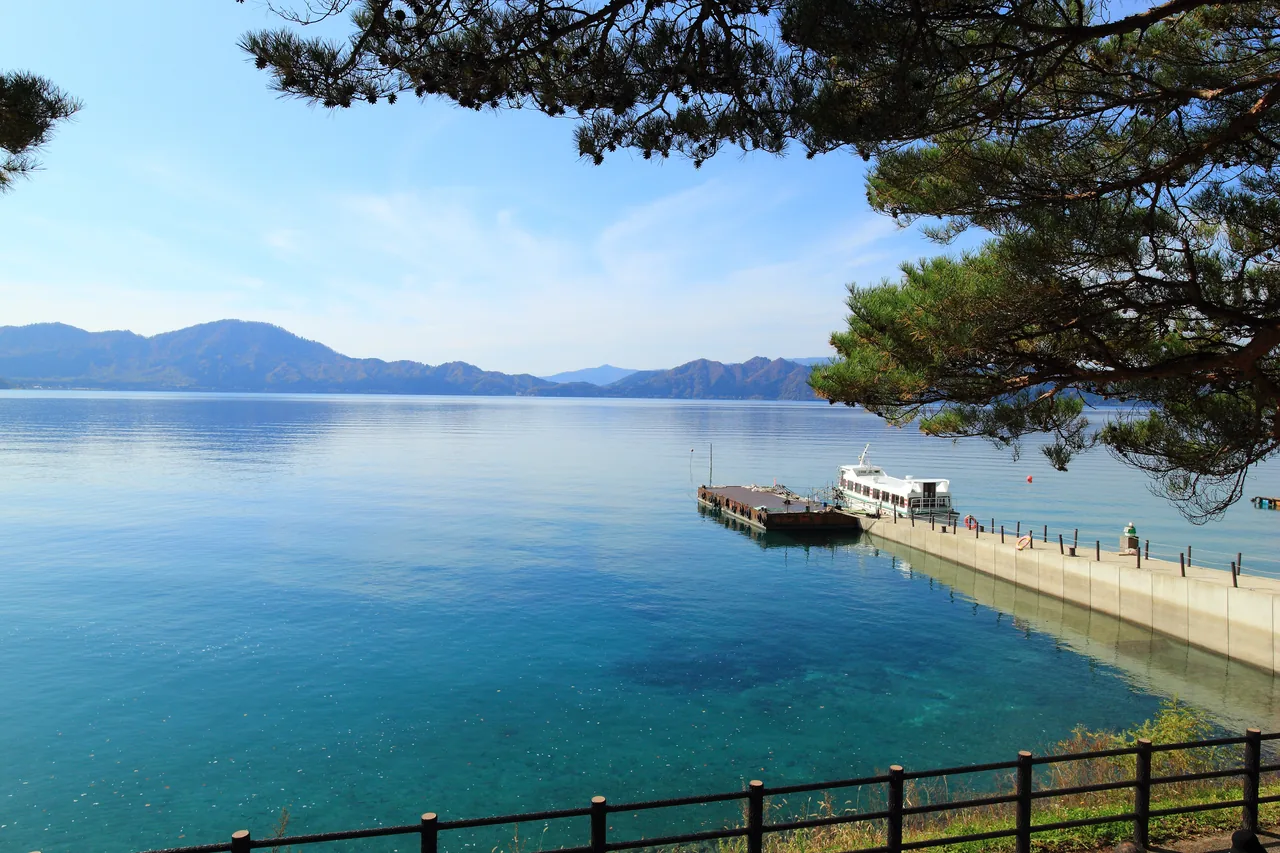
Photo: Akita Prefecture
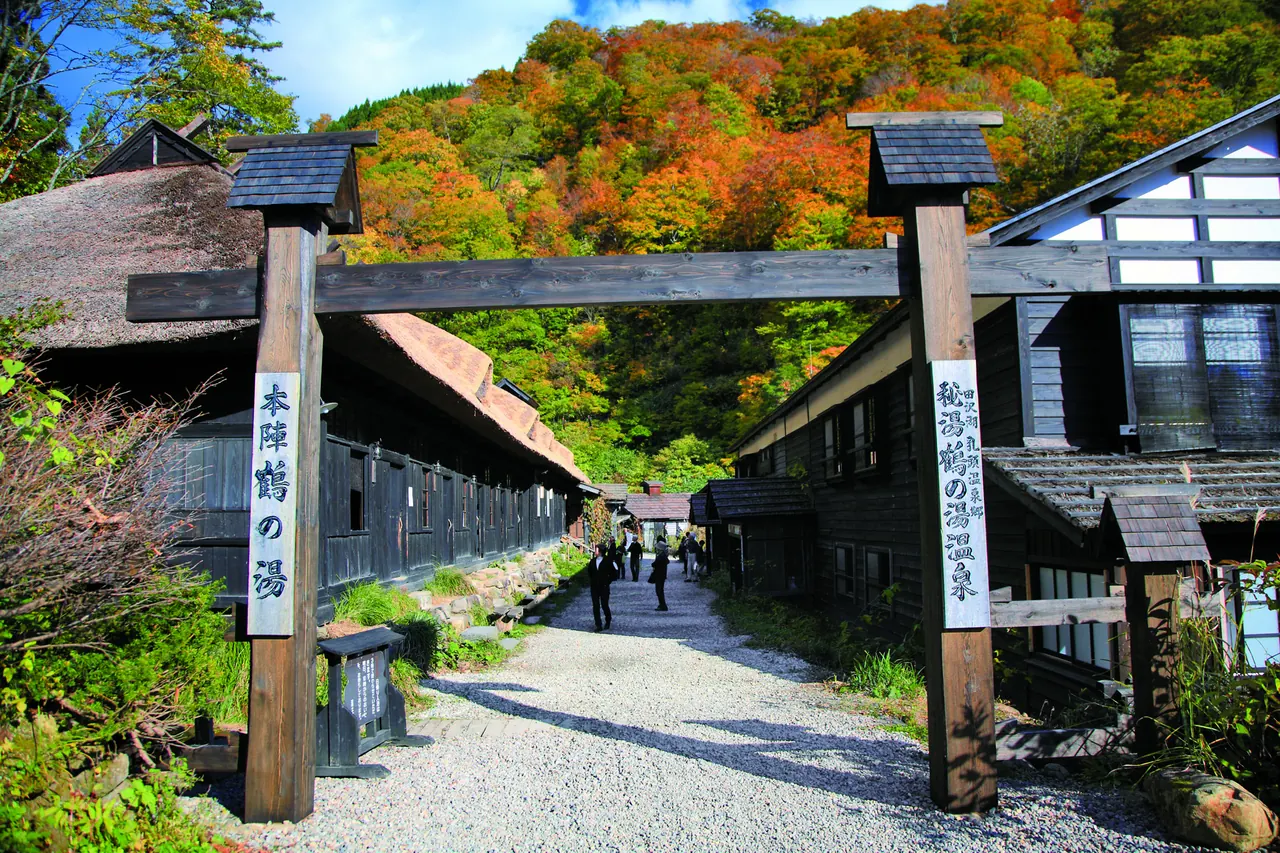
Photo: Akita Prefecture
The Oga Peninsula: home of the Namahage
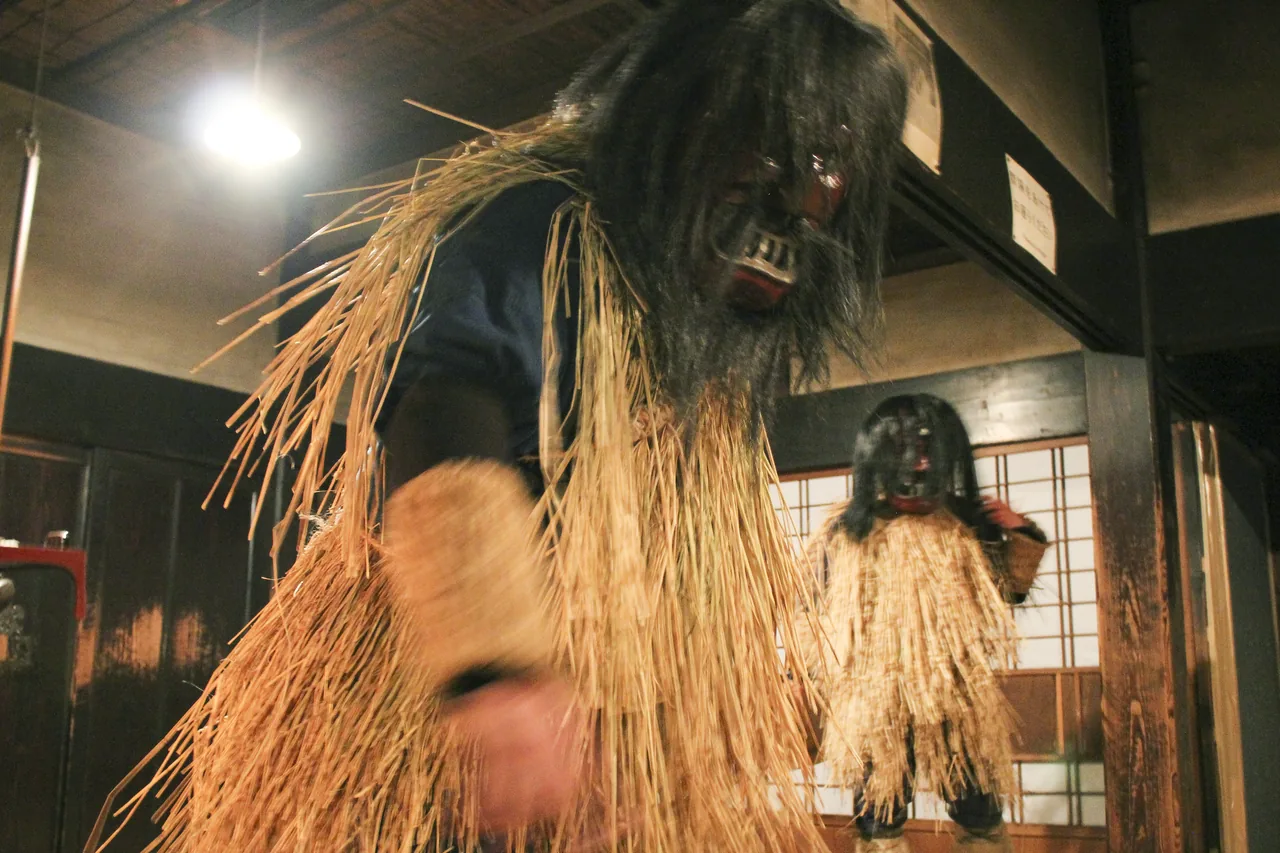
West of Akita City, the Oga Peninsula juts into the Sea of Japan. It is known for the Namahage, figures in demon-like masks who visit homes on New Year's Eve. The Namahage of Oga is a nationally designated Important Intangible Folk Cultural Property, and in 2018 it was inscribed on UNESCO's Intangible Cultural Heritage list.
The real ritual takes place in local homes, but at the Oga Shinzan Folklore Museum you can watch a session that recreates the night in the tatami room of an old farmhouse. From JR Oga Station it is about 25 minutes by the "Namahage Shuttle," a shared taxi that must be booked in advance. The peninsula also has a hot spring area, Oga Onsen, so you can stay a night and tour the peninsula. Oga as a hot spring destination is covered in our Akita onsen guide.
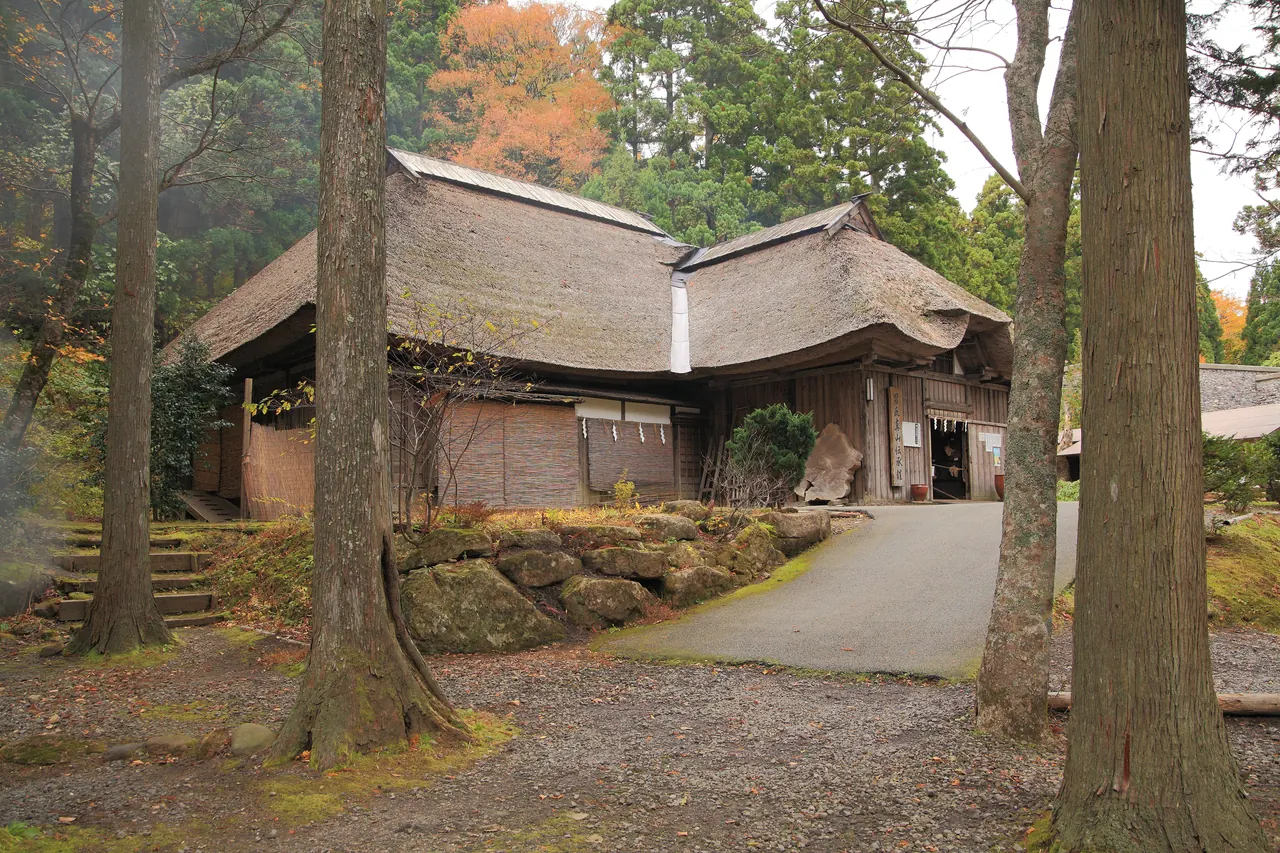
Photo: Akita Prefecture
Yokote: kamakura snow huts on a winter night
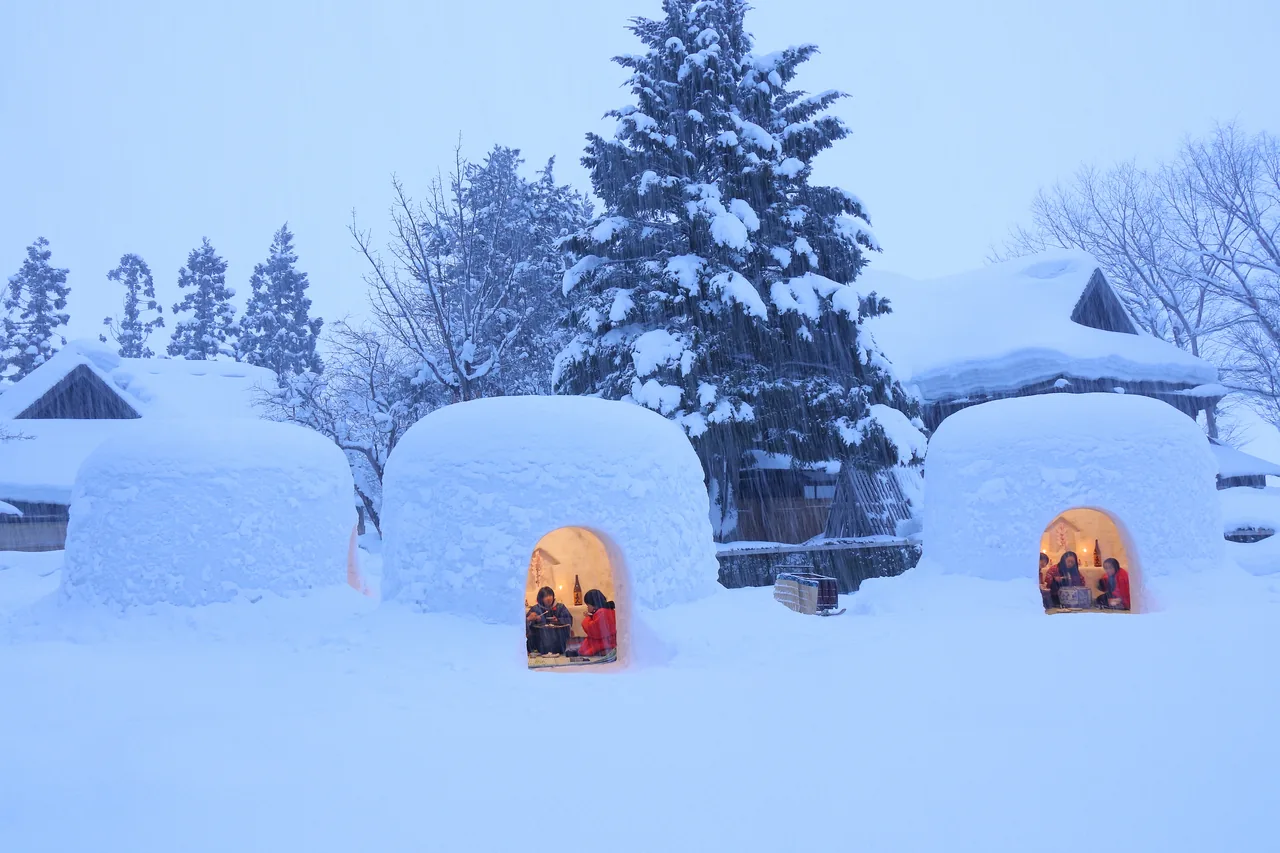
If you travel to Akita in February, Yokote Kamakura Festival in Yokote, in the south of the prefecture, is worth building into your plans. It is a Little New Year event in which the water god is enshrined inside chambers built of snow. After dark the kamakura around the city are lit, and children inside offer visitors sweet amazake and rice cakes.
It used to be held every year on February 15 and 16, but from 2026 to 2029 it is being held on a trial basis on the second Friday and Saturday of February. The main site, in front of the city hall main building, is next to Kamakura-kan, about 10 minutes on foot from JR Yokote Station. To reach Yokote, take the Ou Line from Omagari Station, where the Komachi stops.
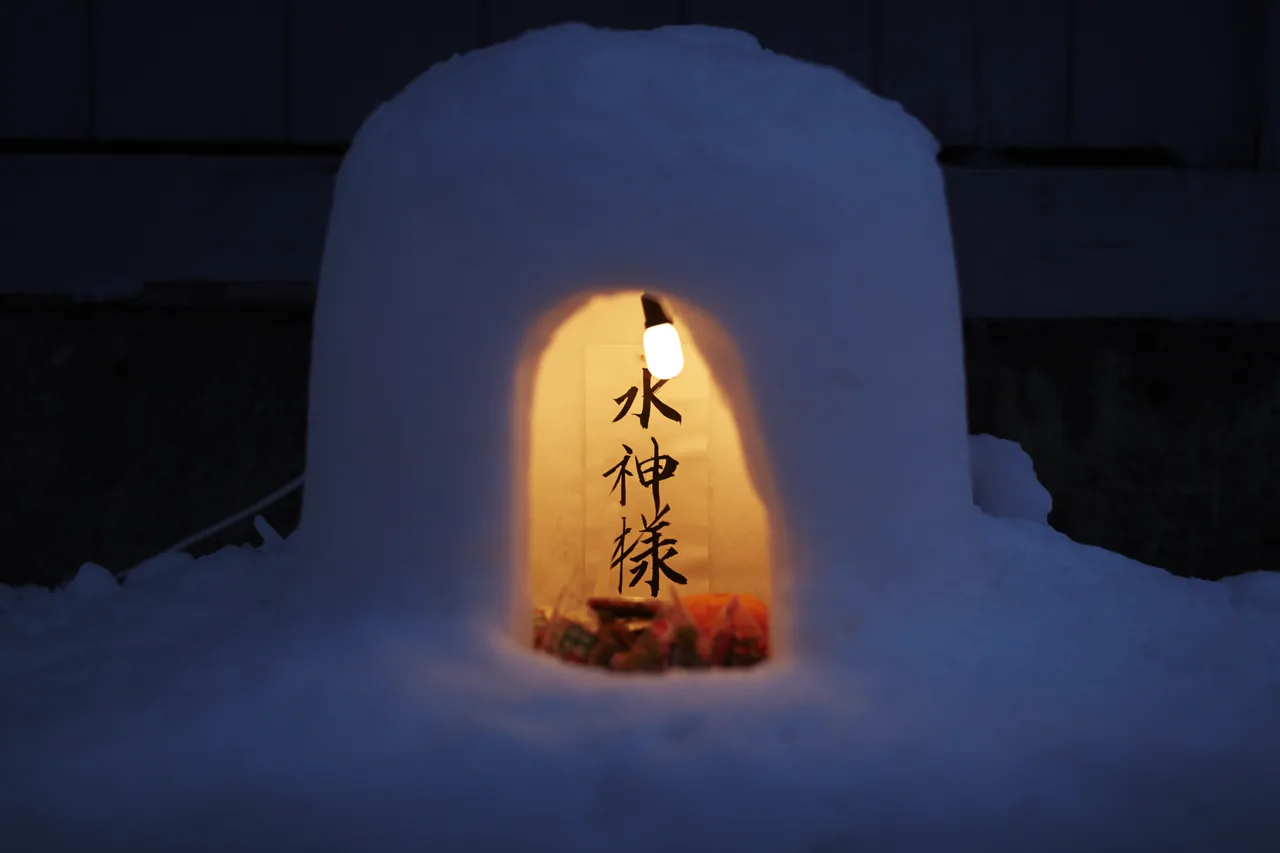
Photo: Akita Prefecture
How many nights? Combining your bases
Akita's main sights fall into two groups: Akita City, Kakunodate and Lake Tazawa along the Komachi line, and Oga and Yokote off it. Depending on how many days you have, these combinations keep the travel manageable.
| Length | Where to stay | Route |
|---|---|---|
| 2 days, 1 night | Nyuto Onsen or around Lake Tazawa | Walk Kakunodate's samurai district, then go via Lake Tazawa to the hot springs. Next day, the lakeshore (Mt. Akita-Komagatake too in summer and autumn) |
| 3 days, 2 nights | Akita City + Nyuto Onsen | Day 1 Akita City; day 2 Kakunodate, Lake Tazawa and Nyuto Onsen; day 3 tour the lake and head home |
| 4 days, 3 nights | Akita City + Oga Onsen + Nyuto Onsen | Add a night on the Oga Peninsula to the route above, taking the Oga Line from Akita City |
If you are making a round trip from Tokyo, get off at Kakunodate or Tazawako on the way in and board at Akita Station on the way back, so you never retrace the same stretch.
Traveling in Akita in winter
Akita gets heavy snow, and mountain hot springs and mountain roads change a great deal from winter into early spring. The road to the eighth station of Mt. Akita-Komagatake is closed from November 1 to May 31, and part of National Route 341 to Tamagawa Onsen is closed to private vehicles from around December to late April each year. Drive in winter only if you are used to snowy roads; otherwise plan around trains, local buses and inn shuttles.
The snow season has its own scenery: the roof and stone steps of Senshu Park's Omotemon gate turn white, and at Nyuto Onsen lights glow in walls of snow. Sidewalks often freeze, so bring shoes with non-slip soles.
Official information to check before you go
Opening hours, fees and event dates change from year to year. Check the latest from these official sources before you set out.
- Kakunodate Samurai District: Semboku City tourism information
- Nyuto Onsen: Semboku City tourism information (Nyuto area)
- Akita Kanto Festival: Akita City Kanto Festival Executive Committee
- Yokote Kamakura: Yokote City
- Buses from Akita Airport: Akita Airport access information