
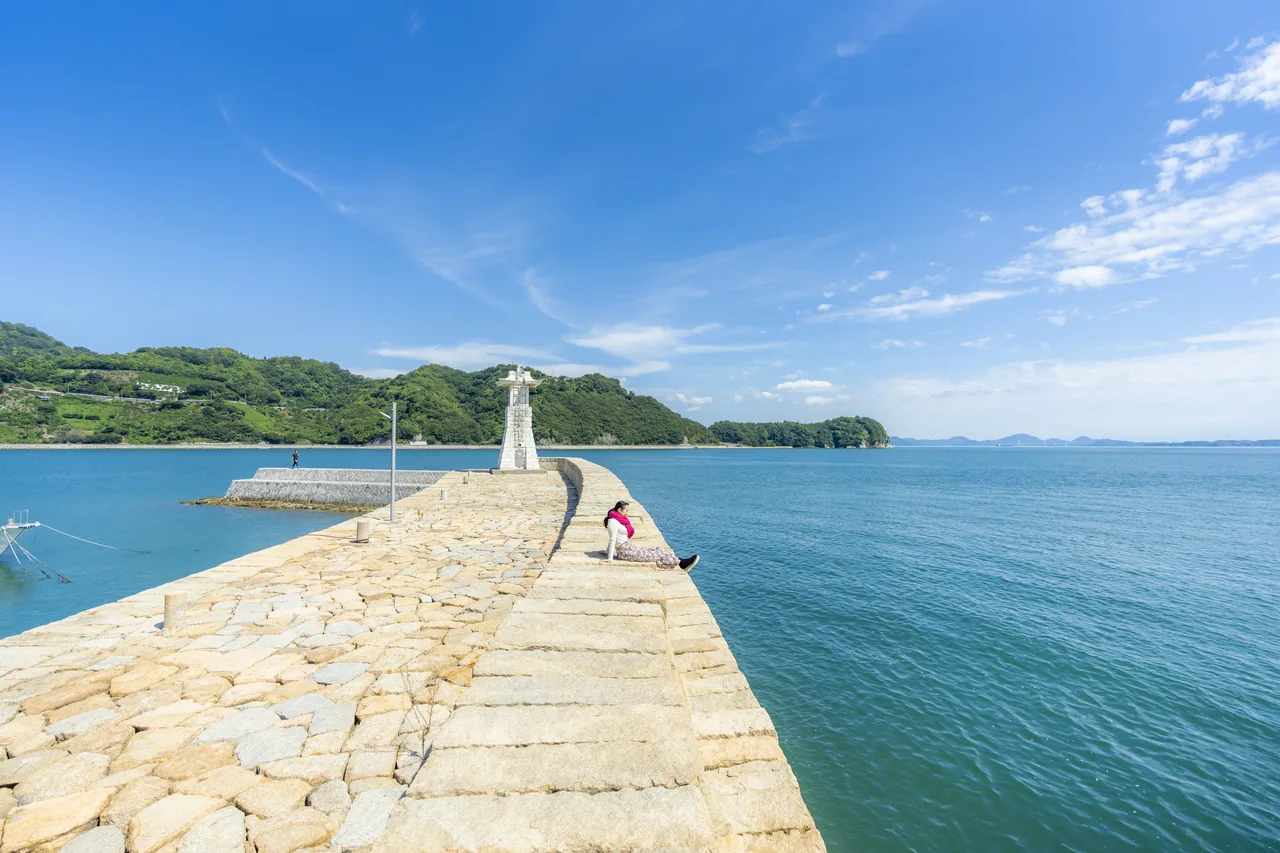
Mitarai (Osakishimojima)
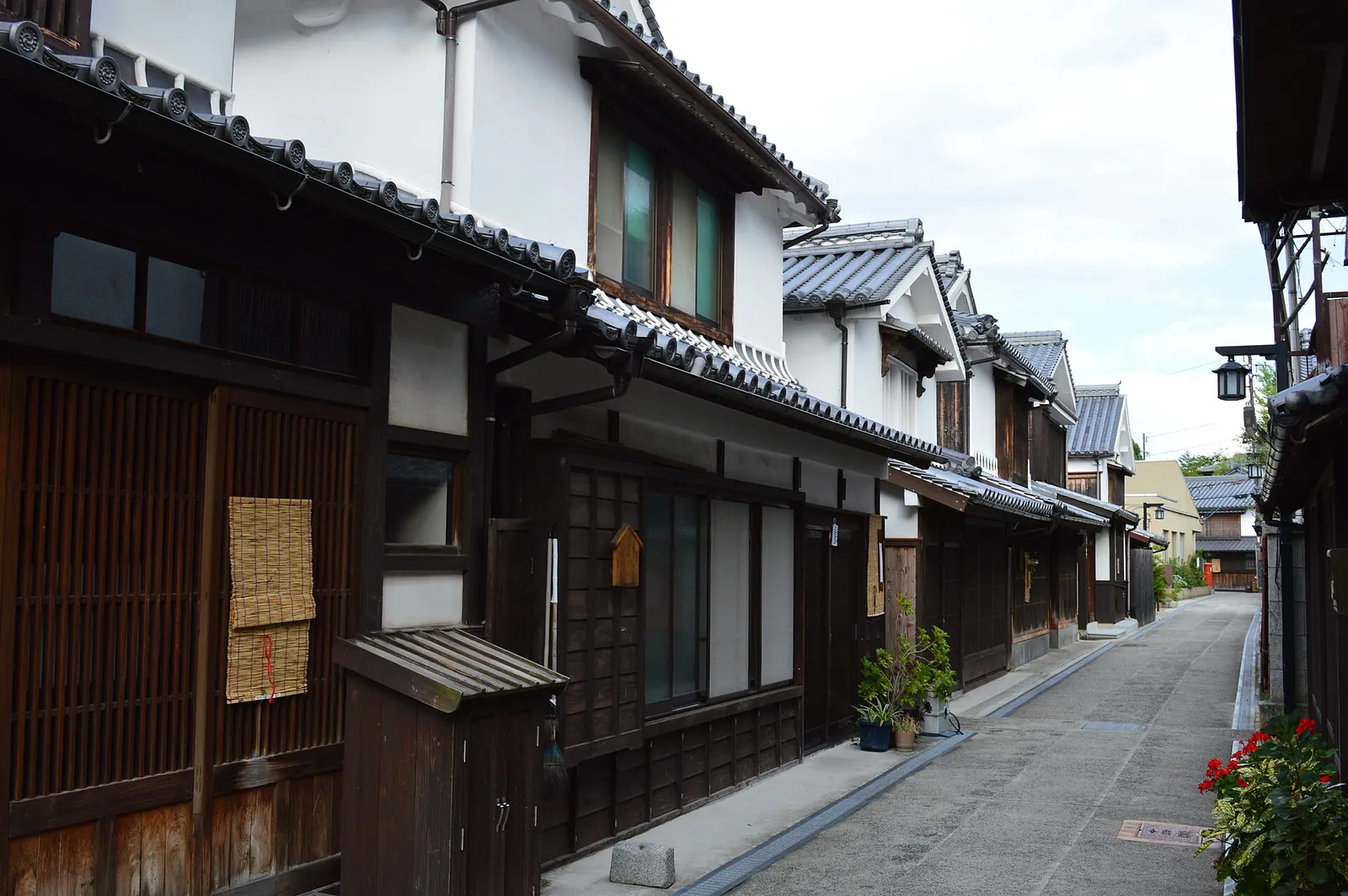
Photo: At by At / Wikimedia Commons(CC BY-SA 3.0)
Areas of Hiroshima
Mitarai (Osakishimojima)
An Edo-period port town on Osakishimojima with merchant houses, a stone breakwater and lantern. How to get there by bridge, bus or boat, and how to plan the visit.
Find on the map
Choose a numbered circle to zoom in there; choose a name to open the area's page.
This page is translated from the Japanese edition. Read the Japanese edition
What is the area like?
Old townhouses with latticed fronts and white walls line the narrow streets. Mitarai is a port town on Osakishimojima in Kure City. In the Edo period it prospered as a port where ships waited for the tide and wind to turn, and merchant houses, teahouses, inns for sailors and shrines were packed tightly onto the narrow strip of land.
In July 1994 it was selected as a national Important Preservation District for Groups of Traditional Buildings. From Honshu you cross the Akinada Bridge and hop from island to island by bridge, so although it is an island trip, you can get there by car or bus.
Main sights
Mitarai townscape
Old merchant houses and teahouses crowd together along the harbor. The port still has its gangi (stepped stone landings), breakwaters and tall stone lantern, and every lane you walk down brings you to traces of life in an old port town. People still live here, so please don't peer into homes or step onto private property. See Mitarai.
Chisago breakwater and the stone lantern
The stone Chisago breakwater reaching out to sea and the tall stone lantern show what the port looked like in its heyday. Stand at the end of the breakwater and you can see clearly how the shape of the harbor suited ships waiting for the tide and wind. It is a place of open sea views, quite different from the narrow lanes of the town.
Akinada Tobishima Kaido
The Akinada Tobishima Kaido is the route that crosses the Akinada Bridge from Kure on Honshu and links island to island by bridge. Osakishimojima, where Mitarai is, lies along the route, and you will see cyclists riding from one island to the next.
Food and shopping
Osakishimojima is an island where citrus such as mikan mandarins is widely grown. An old farmhouse that has long grown mikan is even preserved as a Kure City cultural property.
Look up where you will have lunch on the island before you set out. Carrying something to drink means you won't be caught short while walking the breakwater and lanes. If you plan to take fresh fruit bought on the island back overseas, check the import rules of the country you are returning to.
Getting there
- By bus: From the bus stop in front of Hiro Station on the JR Kure Line, take a Setonaikai Sanko Bus bound for Toyohama / Okitomo Tenmangu and get off at Mitarai-ko.
- By car: Cross the Akinada Bridge and follow the bridges of the Akinada Tobishima Kaido to Osakishimojima.
- By boat: A high-speed boat also runs between Takehara Port and Ocho Port on Osakishimojima.
- Bus and boat times can change, so check the access page of Kure City's Yutaka Community Center and the operators' information before you go.
Getting around the area
Getting to and from the island means working around bus or boat times. Decide on your return departure first, then divide up the time for the townscape and the Chisago breakwater. By car or bicycle, stopping at other islands on the Tobishima Kaido on the way there or back is another way to enjoy the trip.
Hiro Station, where the bus starts, is on the same JR Kure Line as Kure, home to the Yamato Museum and Tetsu no Kujira-kan, so the two can be combined. Cross by boat to Takehara Port and you can continue to Takehara & Okunoshima, with its old townscape.


