Setoda (Ikuchijima)
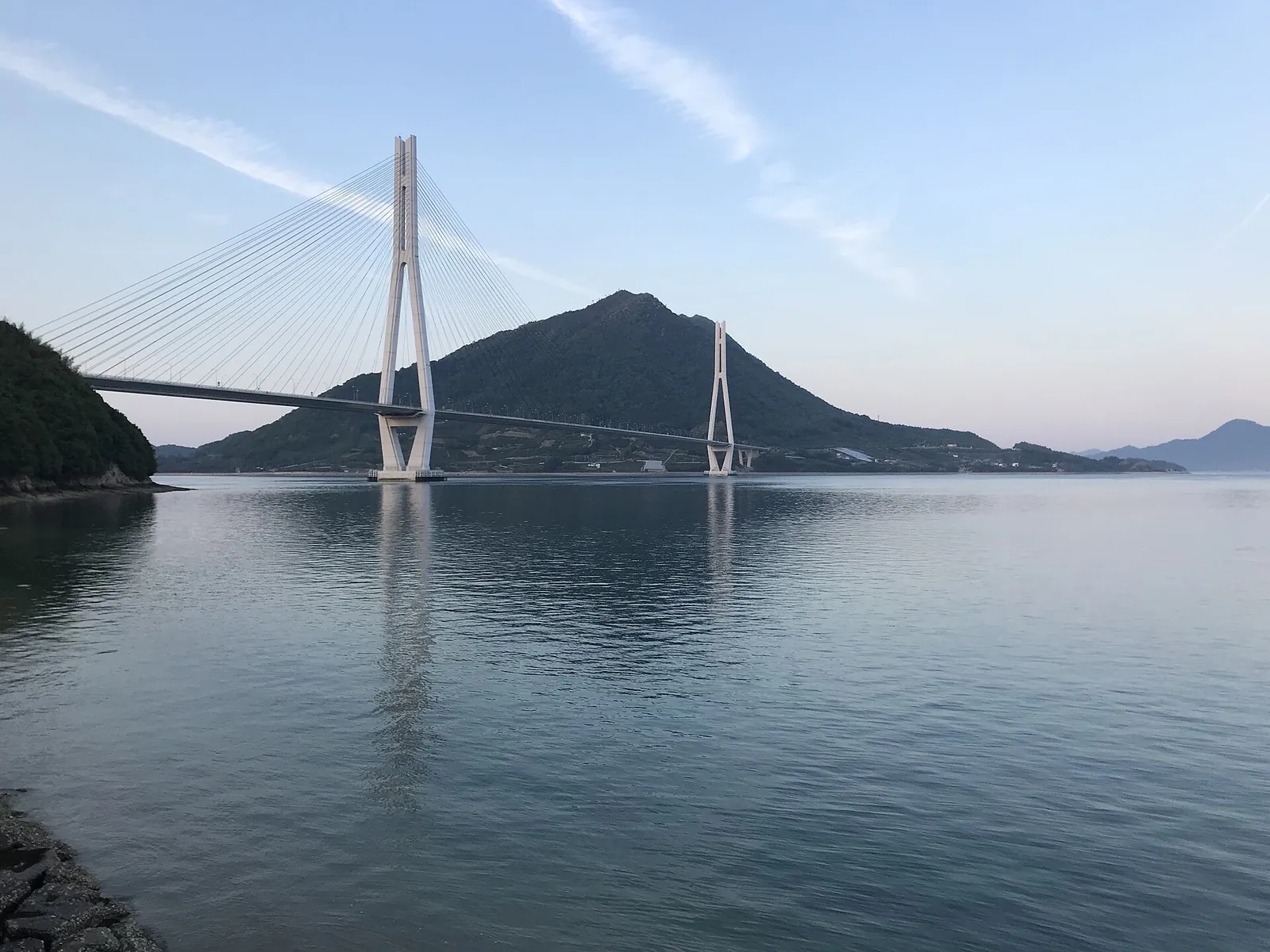
Photo: そらみみ / Wikimedia Commons(CC BY-SA 4.0)
Areas of Hiroshima
Setoda (Ikuchijima)
Setoda on Ikuchijima along the Shimanami Kaido: Kosanji Temple's marble garden, lemon sweets on the Shiomachi street, the Tatara Bridge and boats from Onomichi.
Find on the map
This page is translated from the Japanese edition. Read the Japanese edition
What is the area like?
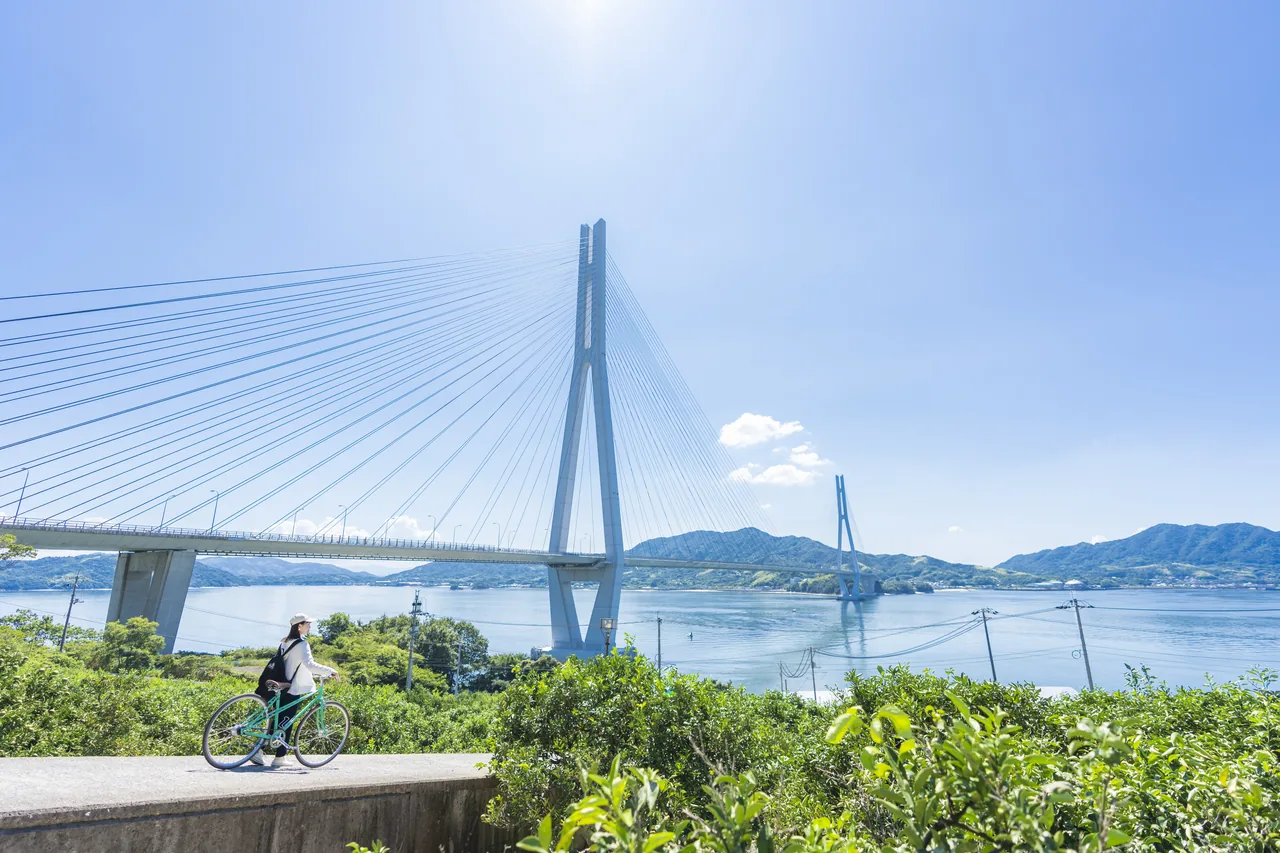
The white cable-stayed Tatara Bridge stretches across the sea. Setoda is a harbour town on Ikuchijima, one of the islands along the Shimanami Kaido. The Tatara Bridge links the island with Omishima in Ehime Prefecture, and cyclists riding from island to island stop here for a break.
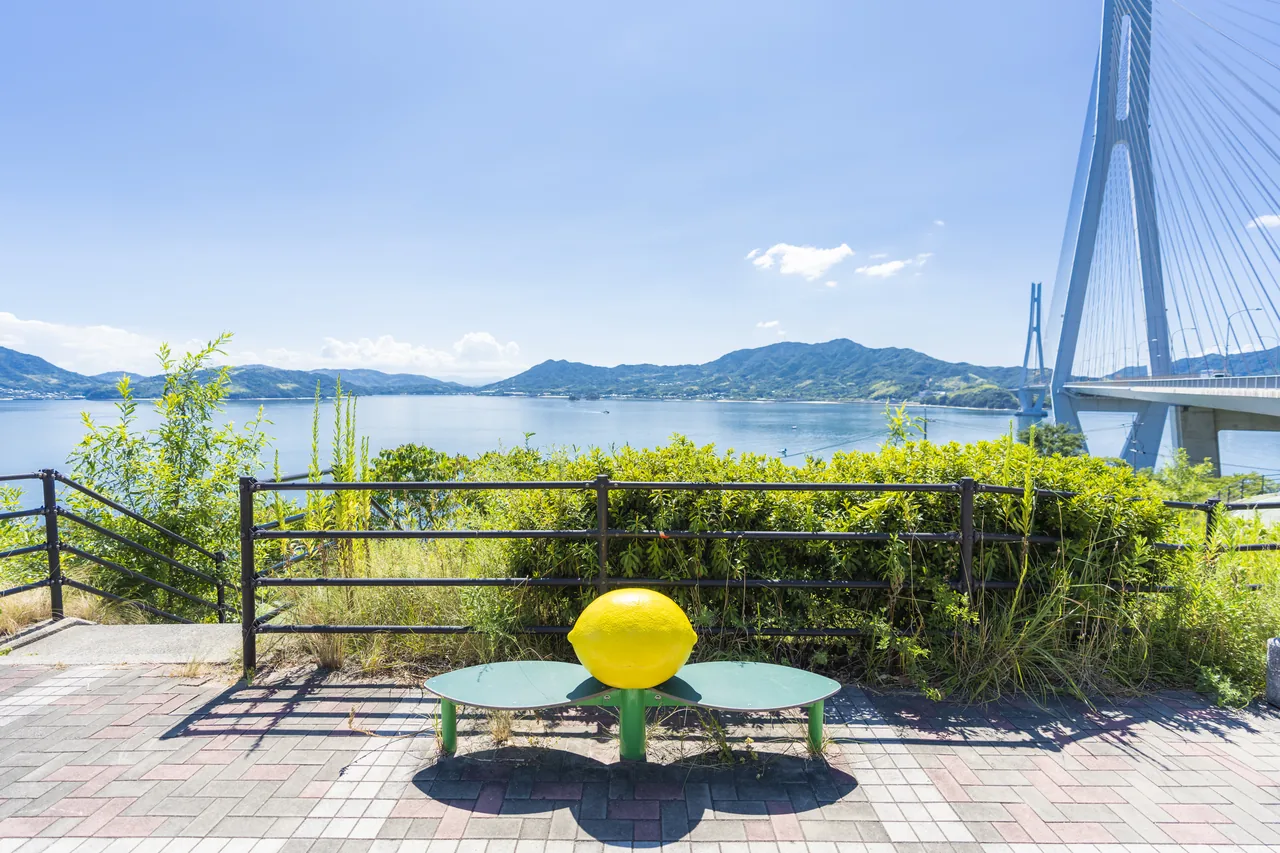
Setoda is known as the birthplace of lemon growing in Japan, and lemon trees grow in the island's fields. Within walking distance of the port are Kosanji Temple with its white marble garden and a shopping street lined with citrus sweets and souvenirs, so whether you arrive by bike or by boat, you can start exploring right away.
Main sights
Kosanji Temple and Miraishin no Oka
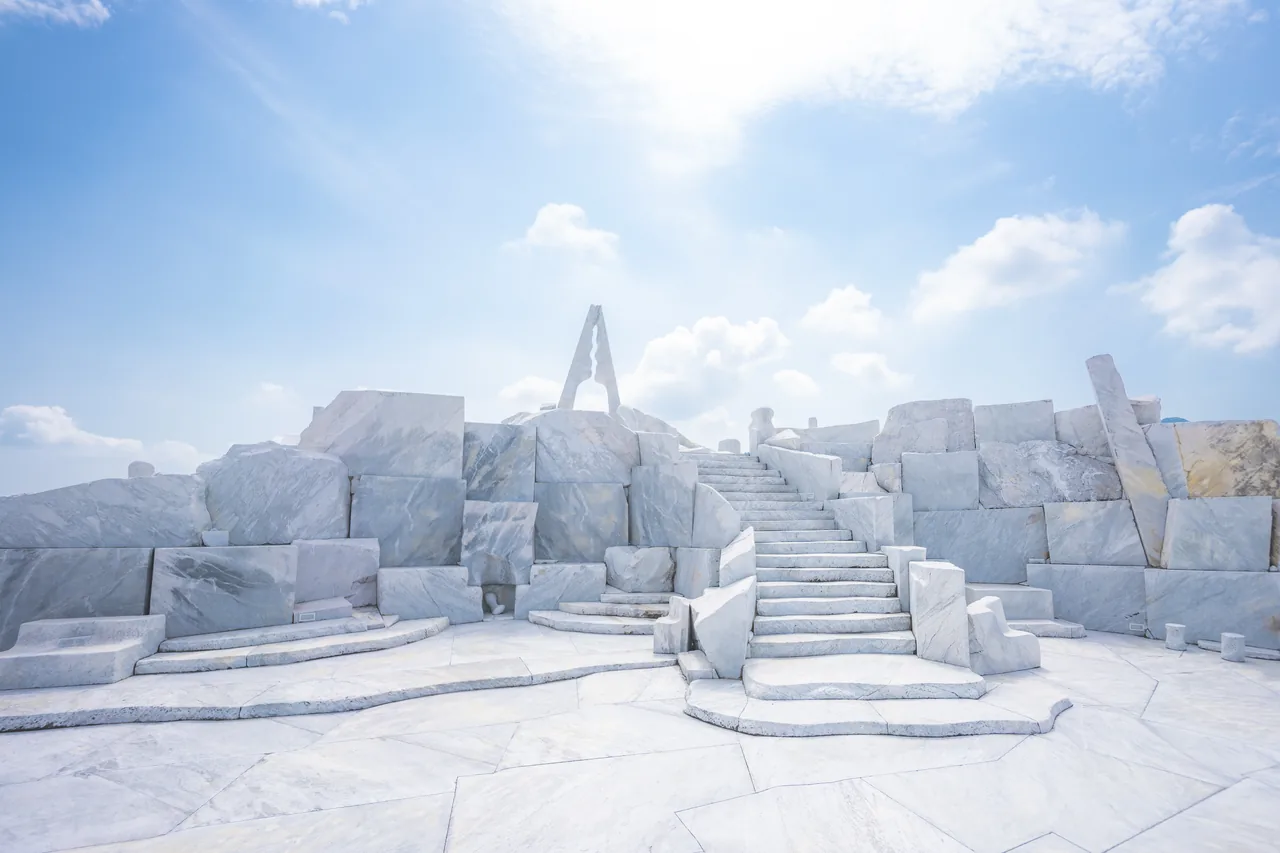
This Jodo Shinshu temple was built by Kozo Kosanji, a businessman who devoted his life from 1935 to building it as a memorial temple for his late mother. Halls and pagodas line the grounds, and the Kosanji Museum displays the temple's collection. On a rise within the grounds lies Miraishin no Oka, a marble garden of about 5,000 square metres by sculptor Itto Kuetani, where white stone quarried in Carrara, Italy, reaches toward the sky. From the top you can see Setoda's streets and harbour, and the sea and islands beyond. There is little shade, so a hat and sunglasses make summer visits easier. See Kosanji Temple.
Shiomachi shopping street and lemon groves
The Shiomachi shopping street runs from Setoda Port toward Kosanji Temple. Its shops sell sweets and other products made with local citrus, and the walk from the port to Kosanji takes about 10 minutes, so the temple and the street together make a half-day outing. When the fruit is ripe, lemon trees hung with yellow fruit stand in the island's fields against a backdrop of sea and bridges. See Setoda (Ikuchijima).
The Tatara Bridge and the Shimanami Kaido
The Tatara Bridge between Ikuchijima and Omishima is a cable-stayed bridge, with cables fanning out from its white towers. The bridge has a cycling and walking lane, and on the islands a blue line painted on the road marks the recommended route. Riding just one island is enough to take in the sea and bridge views. See Shimanami Kaido.
Food and shopping
In Setoda, look for anything made with lemons. Along the shopping street you will find lemon cakes, juice and jam, and it makes a good place to park the bike and rest. Ways to eat Hiroshima lemons, including lemon hot pot with thin lemon slices laid on top, are covered in Hiroshima food basics.
Places to eat and shop cluster around the port and the shopping street. On days when you ride around the island, pick up drinks before you set off and decide in town where you will eat.
Getting there
- By boat: The high-speed boat from the pier in front of Onomichi Station takes about 40 minutes to Setoda Port. Boats that carry bicycles without taking them apart also run between the Onomichi Station pier and Setoda Port. Operating days and sailings vary by season, so check ahead.
- By bus: Buses also run from in front of JR Onomichi Station to Setoda Port.
- By bike: From Onomichi, take the ferry to Mukaishima, then ride via Innoshima to Ikuchijima. Rental bikes are available at terminals along the route, including Onomichi and Imabari, and can be returned to a different terminal. See Shimanami Japan's cycling information.
Getting around the area
If you are not confident about your stamina, go both ways by boat and walk around Kosanji and the shopping street in Setoda. With a boat that carries bikes, you can also plan to go out by boat and ride back over the bridges to Onomichi. How to combine the outbound and return legs, and how bridge tolls for bicycles are handled, are covered in detail in our Shimanami Kaido and Setoda feature.
Stay in Onomichi and you can give one day to the hillside town and one to Setoda. For the Senkoji Park observatory and hillside walks, see Onomichi.