Takehara and Okunoshima Day Trip: Old Townscape and Rabbit Island
- Takehara Townscape Preservation District
- Okunoshima

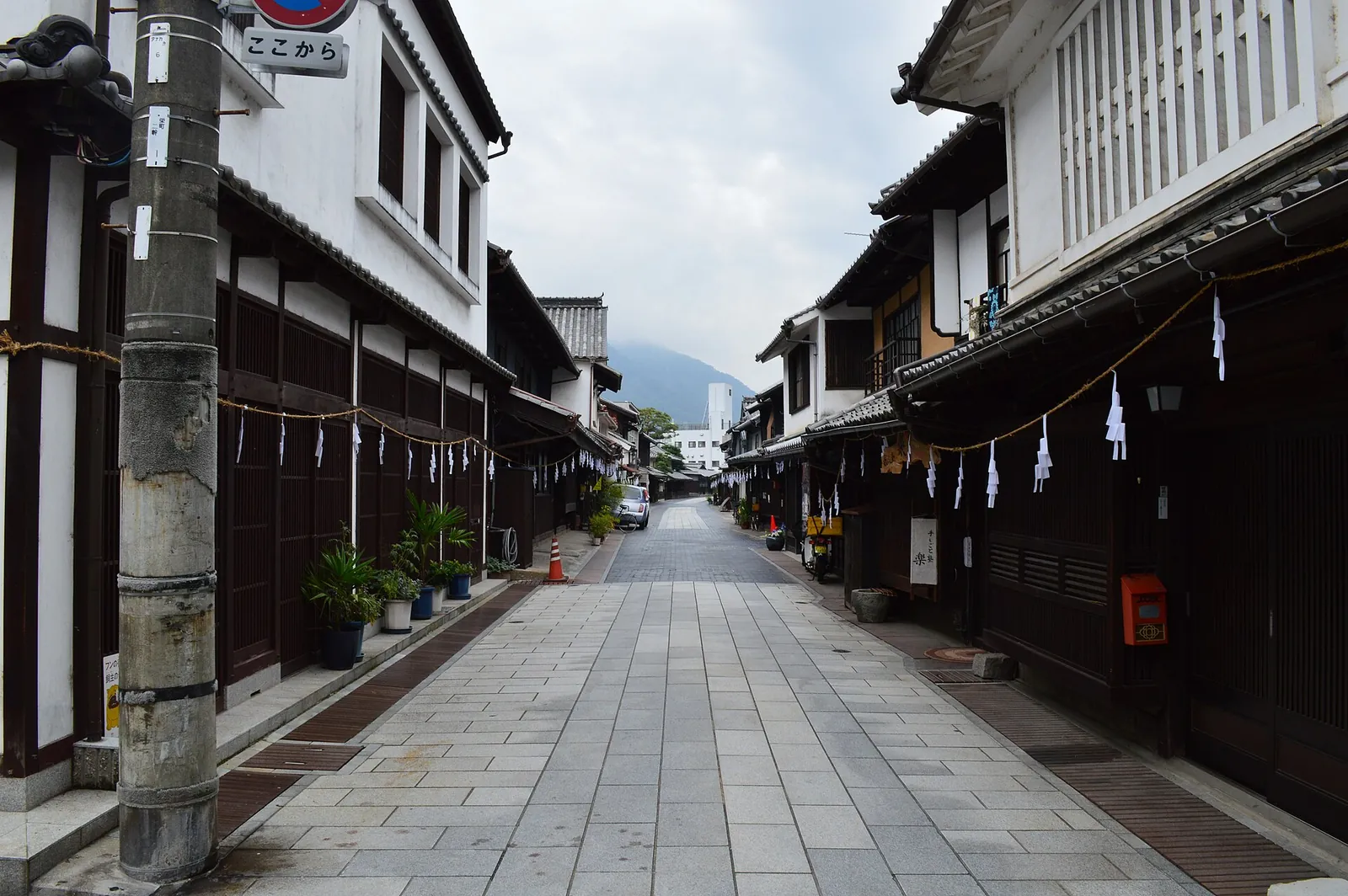
Photo: At by At / Wikimedia Commons(CC BY-SA 3.0)
Areas of Hiroshima
Takehara's preserved salt-town district and Okunoshima, reached by boat from Tadanoumi Port. Access on the JR Kure Line, rabbit rules and seeing both in one day.
This page is translated from the Japanese edition. Read the Japanese edition
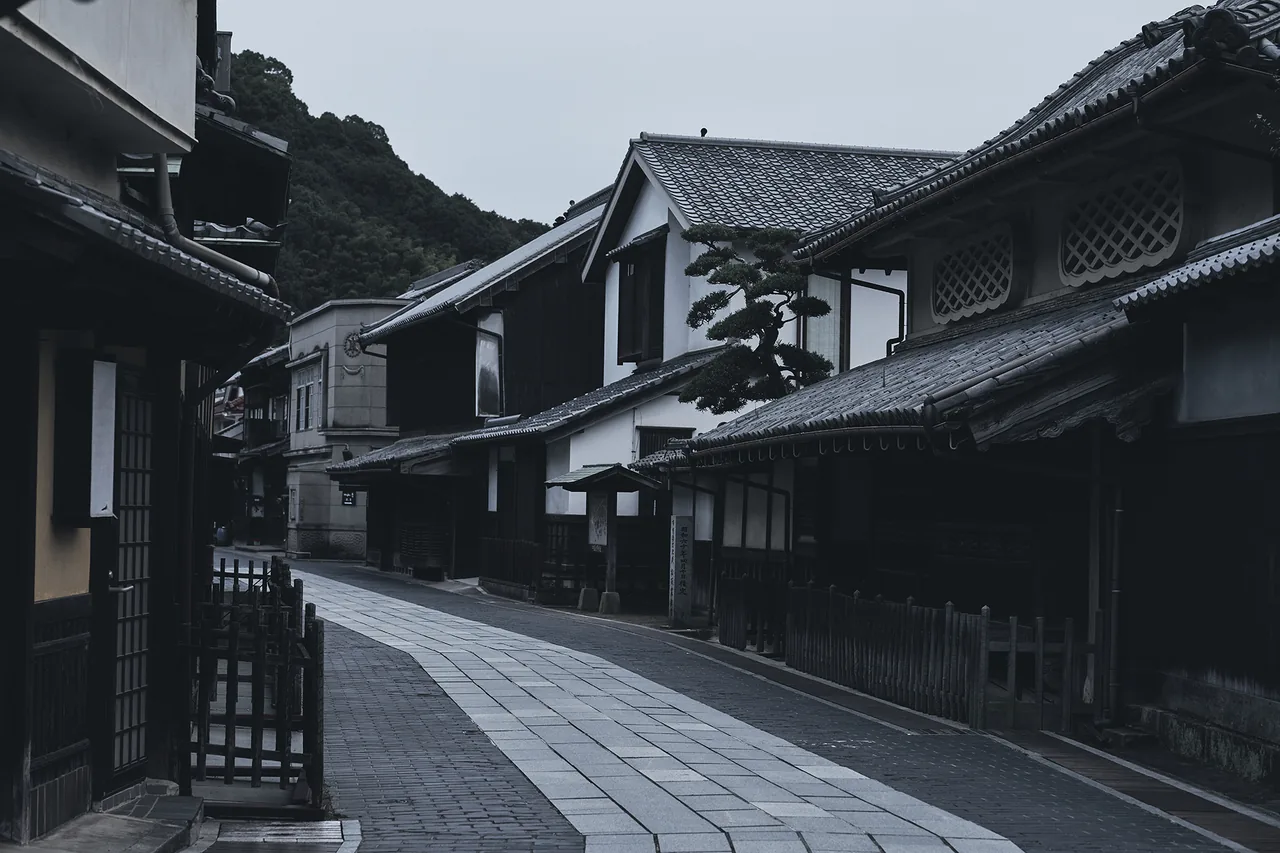
Townhouses with latticed doors and tiled roofs line both sides of a stone-paved street. Takehara grew rich from salt making in the Edo period, and the large houses that merchants built with the wealth of the salt fields still stand together today. In December 1982 the townscape was selected as a national Important Preservation District for Groups of Traditional Buildings.
From Tadanoumi Port, also in Takehara City, boats cross to Okunoshima in the Seto Inland Sea. The island is known for its many rabbits, but it also has a history as a place where poison gas was made during the war. Both the old townscape and the island can be reached from stations on the JR Kure Line.
Large merchant houses from the Edo to Meiji periods line Honmachi-dori, the district's main street. At the north end of the street is Ebisu-do, a shrine to the god of commerce, and among the townhouses are sake brewery buildings with sugidama (cedar balls) hanging from the eaves. Climb to the high ground behind the town and you can look down over overlapping tiled roofs. Many of the houses are still lived in, so please don't peer inside or step onto private property. It is within walking distance of JR Takehara Station. See Takehara Townscape Preservation District.
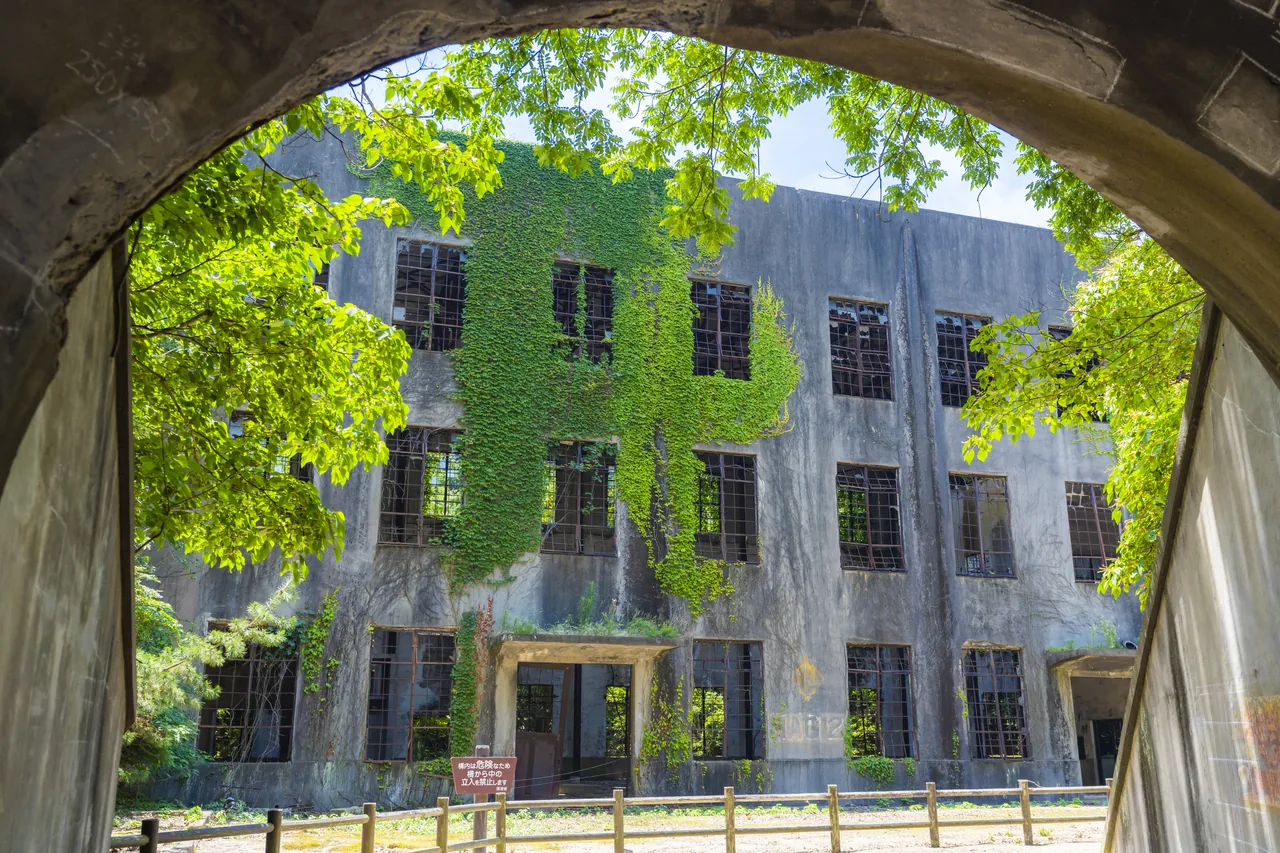
A small island off Tadanoumi Port and part of Setonaikai National Park. From 1929 to 1945 the army produced poison gas here; the remains of a power plant, storehouses and other facilities are still on the island, and the Poison Gas Museum tells the story of its production and the harm it caused. For the rabbits, the Ministry of the Environment has set rules such as don't touch them, don't feed them from your hand, don't feed them on the road, and take leftover food home, so check them before you cross. Cars cannot be used on the island. See Okunoshima.
Takehara is also a sake-making town, and within the preservation district are brewery buildings with sugidama hanging from the eaves. Walking past the white walls and wooden signboards, you get a sense of a trading history rooted in a salt town. If you buy sake to take home, plan so that no one drives a car or rides a bicycle after drinking.
Michi-no-Eki Takehara, a roadside station at the entrance to the preservation district, makes a good starting point for a walk around town. On a day when you cross to Okunoshima, look up where to eat on the island before you go, and take drinks across with you.
Takehara Station and Tadanoumi Station are both on the JR Kure Line, so you can spend the morning on Okunoshima and the afternoon in the Takehara townscape. Look up the return boat and the train from Tadanoumi to Takehara in advance so you don't waste time on connections. Walk the townscape in the early morning or evening, when there are few people, and you get a quiet view all the way down the street.
Head back west on the Kure Line to Kure, home to the Yamato Museum. A high-speed boat from Takehara Port to Osakishimojima takes you to the Edo-period port town of Mitarai. Inland is Saijo (Higashi-Hiroshima), a town of sake breweries.