Kure
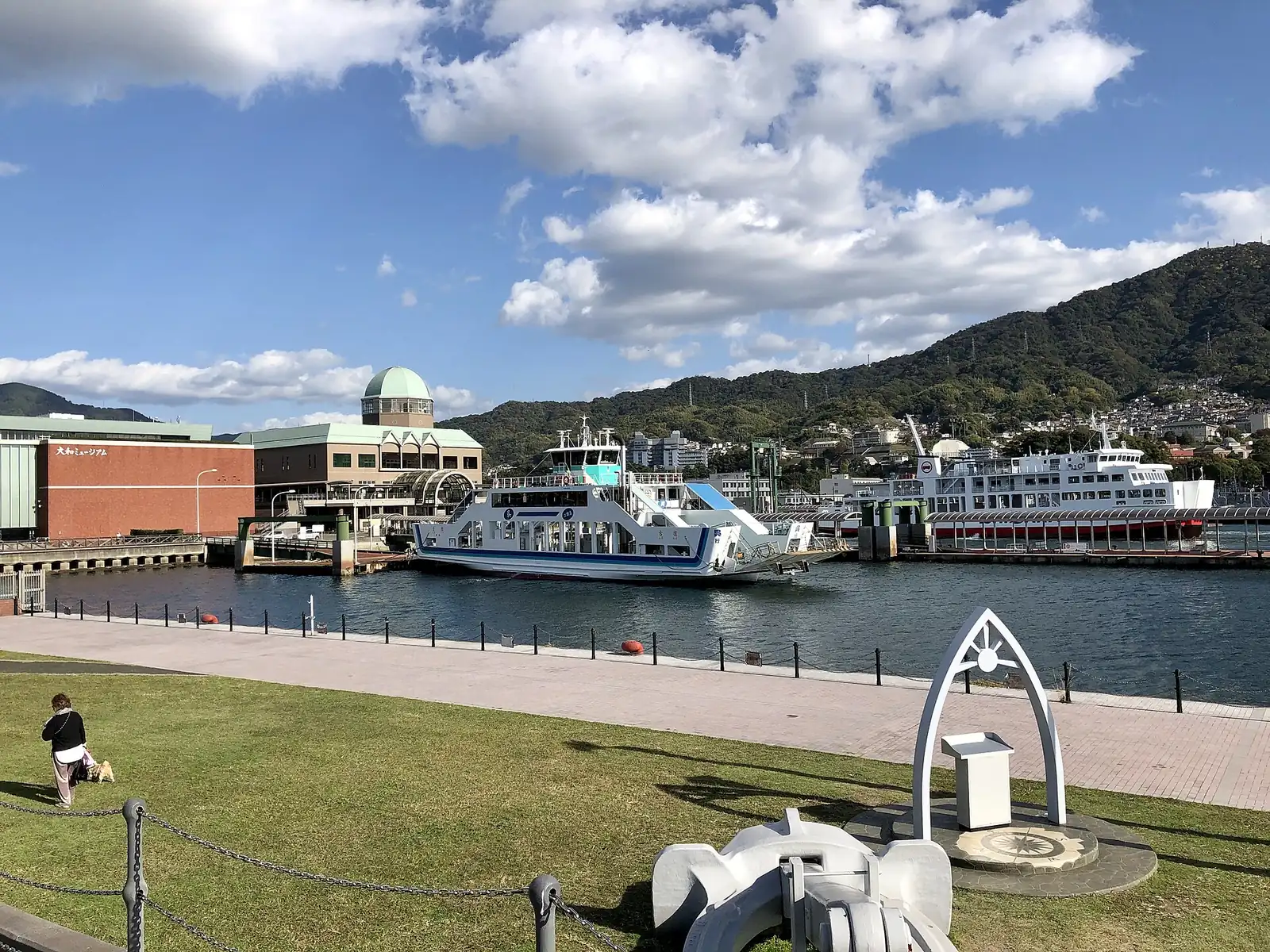
Photo: Evelyn-rose / Wikimedia Commons(CC0)
Areas of Hiroshima
Kure
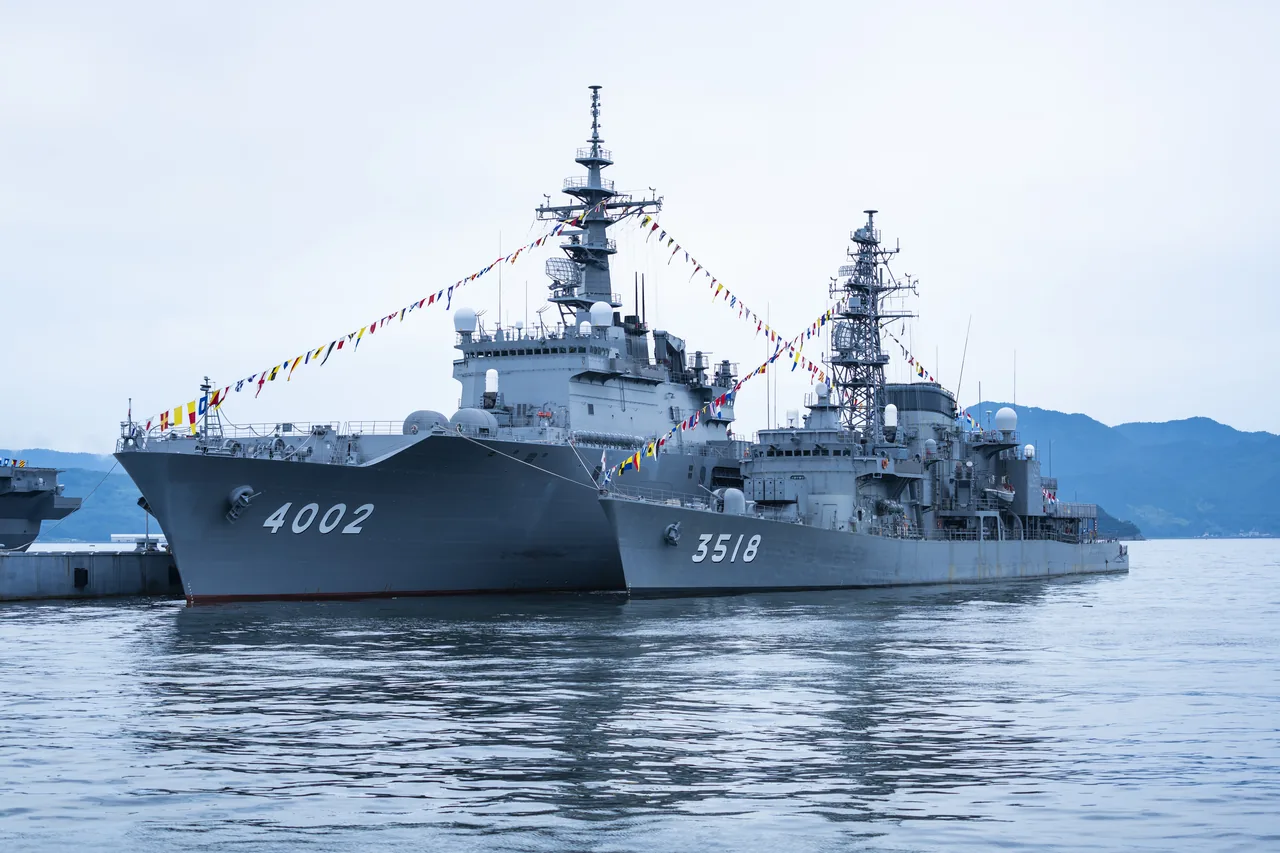
The renewed Yamato Museum, a real submarine at Tetsu no Kujira-kan and a port lined with naval ships, all near Kure Station. Plus access from Hiroshima and navy curry.
Find on the map
Choose a numbered circle to zoom in there; choose a name to open the area's page.
This page is translated from the Japanese edition. Read the Japanese edition
What is the area like?
Boats come and go at the harbour piers, with mountains rising behind. Kure is a port town with the Japan Maritime Self-Defense Force (JMSDF) Kure base, and the town where the battleship Yamato was built. Walk from JR Kure Station toward the harbor and the Yamato Museum, the JMSDF Kure Museum (Tetsu no Kujira-kan) and the Kure Central Pier Terminal, where passenger boats come and go, are all within walking distance of one another.
The JR Kure Line runs from Hiroshima Station without a change of trains, so Kure is an easy day trip from central Hiroshima. With the harbor views and the two museums at its center, you can plan anything from half a day to a full day here.
Main sights
Yamato Museum (Kure Maritime Museum)
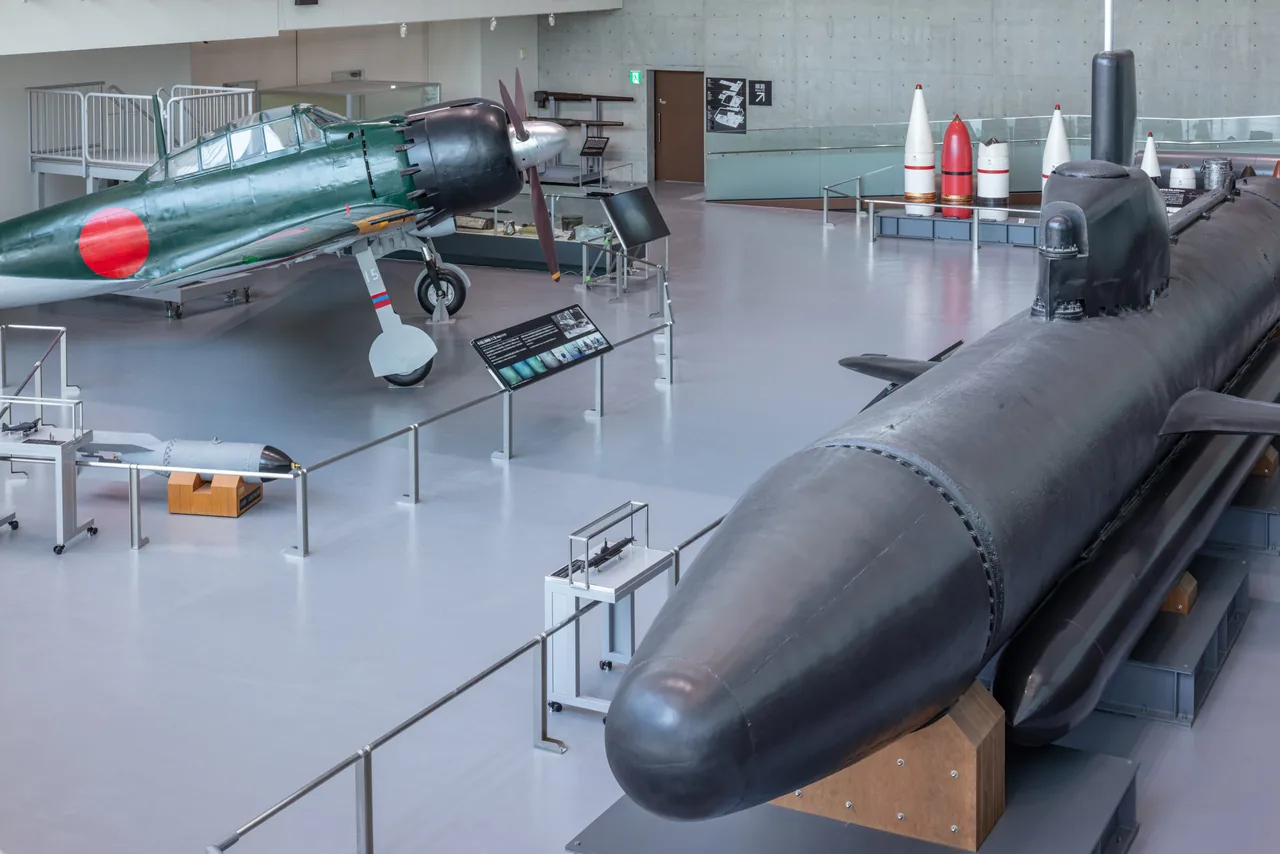
Kure City's museum on the history of the town that built the battleship Yamato and on science and technology such as shipbuilding, told through real artifacts and models. It closed for renovation in February 2025 and reopened with new exhibits on April 23, 2026. The 1/10-scale battleship Yamato at the center of the museum is 26.3 m long, and the Large Exhibit Room holds real pieces such as a Zero fighter (Type 62). It is about an 8-minute walk from JR Kure Station. See Yamato Museum (Kure Maritime Museum).
JMSDF Kure Museum (Tetsu no Kujira-kan)
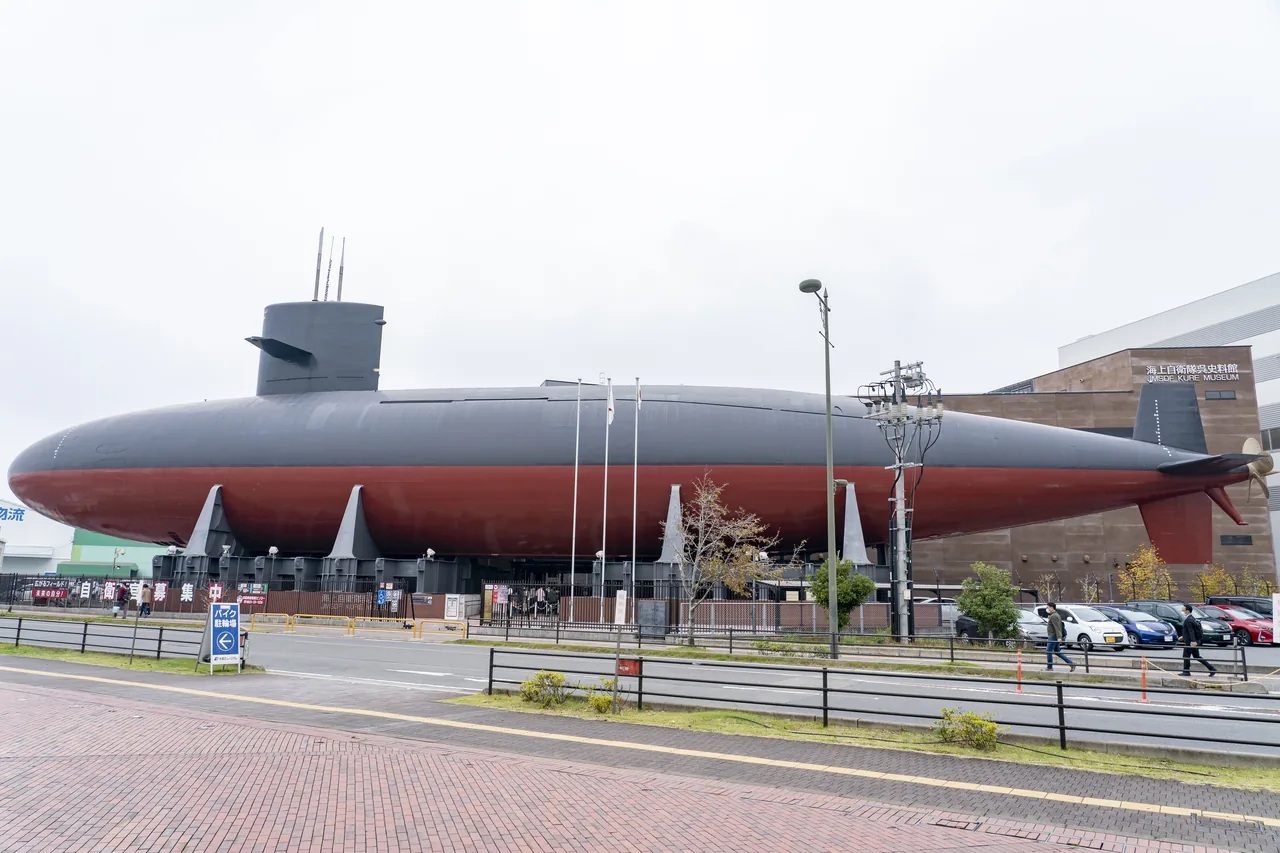
Next to the building sits an entire submarine on dry land: the Akishio, in service from 1986 to 2004. Step aboard from the museum and you find the captain's cabin and officers' quarters along a narrow passage, which shows how the crew lived. Inside the museum, exhibits also cover minesweeping work to clear sea mines and the history of submarines. Admission is free. See JMSDF Kure Museum (Tetsu no Kujira-kan).
Kure Port
The port of the JMSDF Kure base, where you can watch ships moored at the quays from right beside the town. The Kure Bay Ship Cruise, which tours Kure Bay by boat, leaves from the ground floor of the Kure Central Pier Terminal and lets you see the base and its ships from the water. Ships are sometimes opened to the public during port events; the schedule is posted on Kure City's official website. See Kure Port.
Food and shopping
Kure's best-known local dish is Kure Kaiji Curry (Kure navy curry). Restaurants around the city serve curries based on recipes actually cooked on JMSDF ships and units, each one tied to a particular ship, as a project run by Kure City. Which restaurant serves which ship's curry changes from year to year, so check Kure City's information before you choose where to eat.
If you want to eat before or after the museums, the area around Kure Station, where there are plenty of places, is the most convenient. Our guide Kure and Okunoshima also covers a trip around Kure and Okunoshima.
Getting there
- By JR: Take the JR Kure Line from Hiroshima Station to Kure Station. No change is needed, and a rapid train takes about 32 minutes.
- By air: A limousine bus runs from Hiroshima Airport toward Kure. Check times on Hiroshima Airport's access timetable.
- From Kure Station: The Yamato Museum is about an 8-minute walk, and Tetsu no Kujira-kan about 5 minutes. The Kure Central Pier Terminal is also close to the station.
Getting around the area
The Yamato Museum in the morning and Tetsu no Kujira-kan in the afternoon, with lunch in between, lets you see both museums without rushing. The passages inside the submarine are narrow and you may have to wait when it is busy, so leave some slack in your schedule. If you want to take the Kure Bay Ship Cruise, check the sailing days and times first and fit the museums around them.
From Kure, the JR Kure Line continues east to Takehara & Okunoshima, with an old townscape and an island reached by boat. From Hiro Station you can take a bus across the island bridges to the Edo-period port town of Mitarai.