
Fukuyama
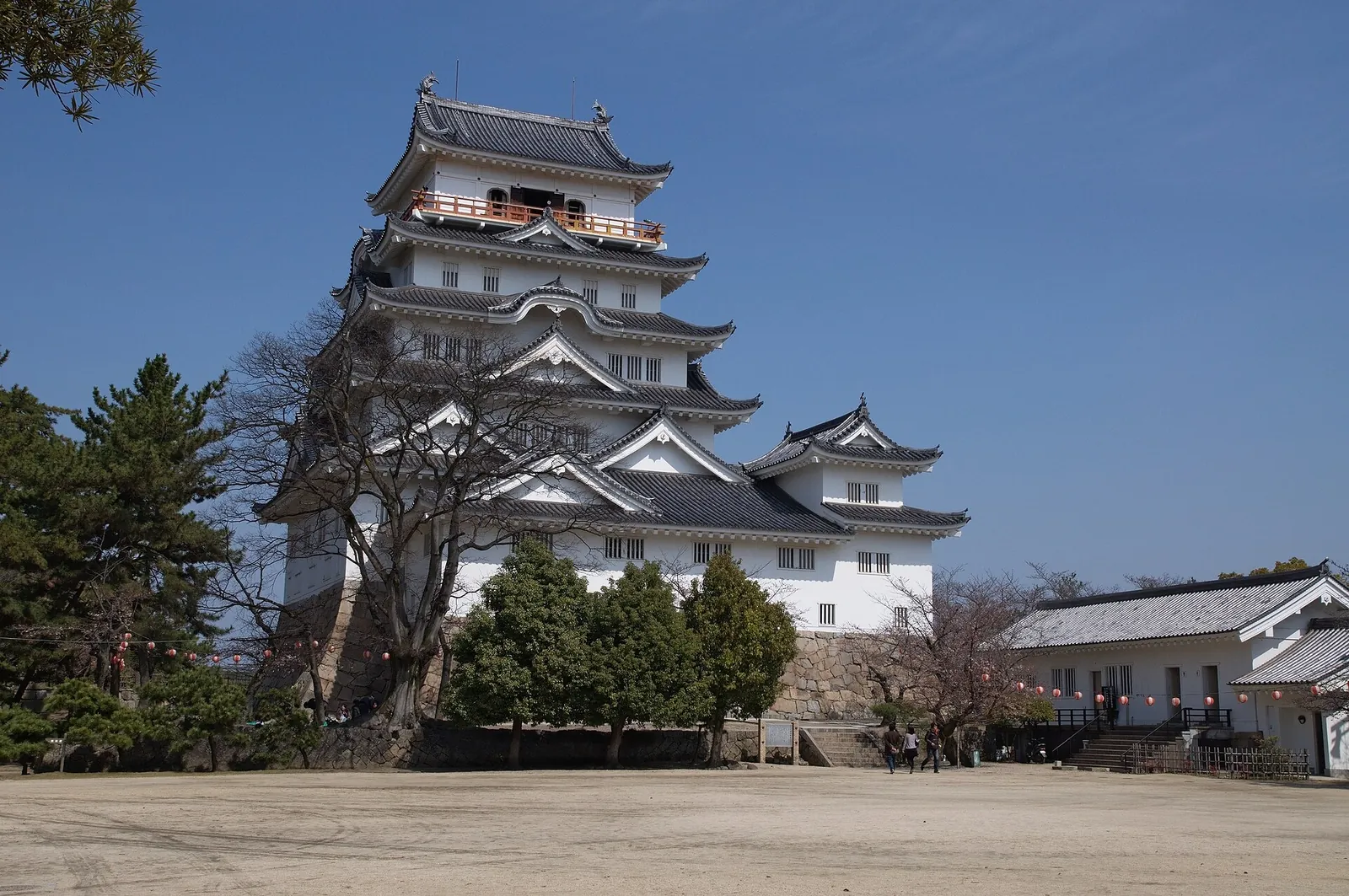
Photo: Jnn / Wikimedia Commons(CC BY 2.1 jp)
Areas of Hiroshima
Fukuyama
Fukuyama Castle by the Shinkansen station, with its iron-clad north wall and museum, roses at Rose Park in May and autumn, and connections to Tomonoura and Onomichi.
Find on the map
This page is translated from the Japanese edition. Read the Japanese edition
What is the area like?
Step out of the north exit of Fukuyama Station and a white castle keep rises above tall stone walls. Few towns have their station and castle this close together. Fukuyama sits at the eastern edge of Hiroshima Prefecture, and its Shinkansen station is served by Nozomi and Hikari trains, which makes it a good base for touring eastern Hiroshima and the Seto Inland Sea islands.
The city has made the rose its emblem, and in May roses bloom across the parks in the centre. From the south side of the station, buses run to the port town of Tomonoura, and heading west takes you to Onomichi, so this castle town is a jumping-off point for the towns along the sea.
Main sights
Fukuyama Castle
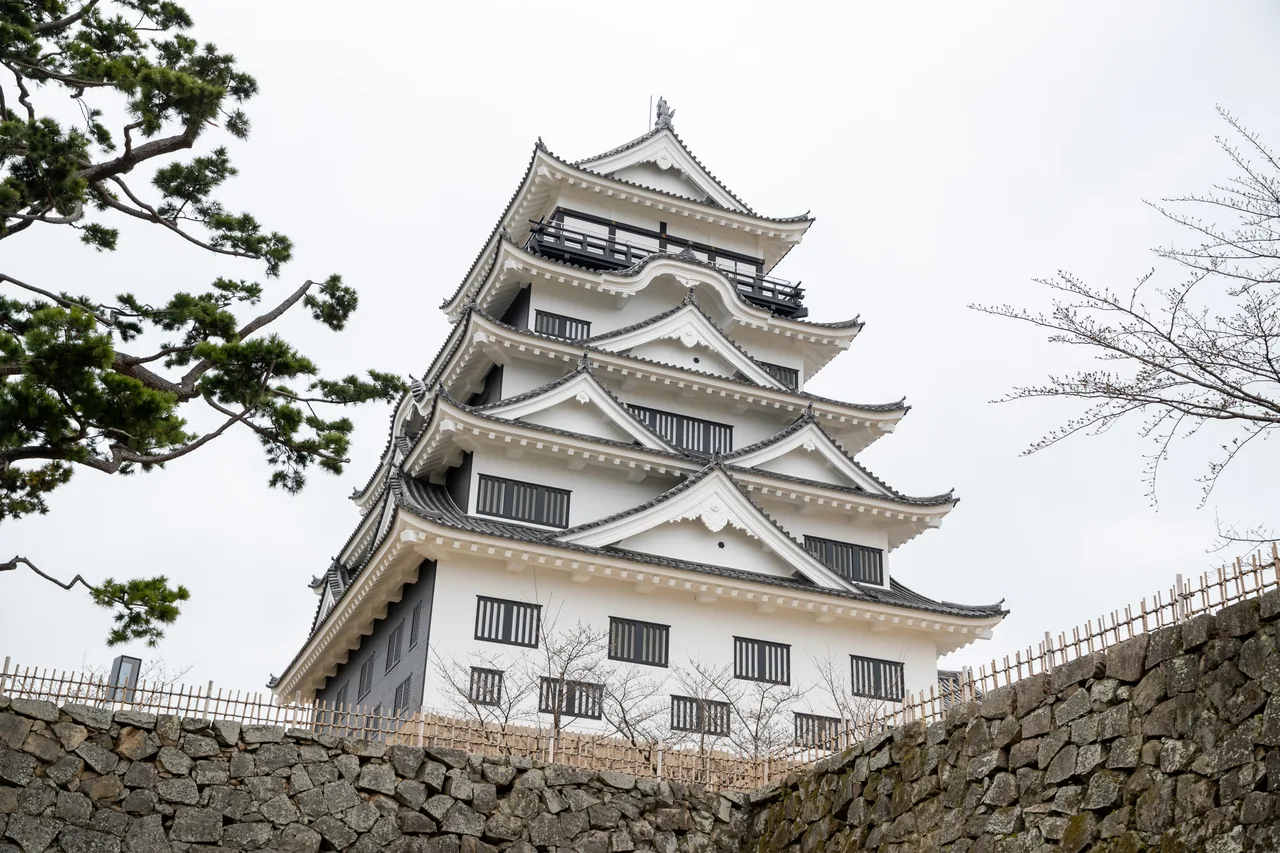
The castle was built in 1622 by Mizuno Katsunari, the first lord of the Fukuyama domain. The keep burned in an air raid in 1945 and was rebuilt in 1966. Walk around to the north side and the keep's walls are covered in black iron plates, looking nothing like the white south side. This was a defensive measure because the outside world pressed close on the north, and it was restored in the 2022 renovation marking the castle's 400th anniversary. Inside the keep is the Fukuyama Castle Museum, with exhibits on how the castle came to be, its successive lords and the history of the castle town, and the top floor looks out over the city. See Fukuyama Castle.
Rose Park
This park is regarded as the place where "Fukuyama, the City of Roses" began. It opened in 1956 as Minami Park, and residents nearby planted rose seedlings, which set off the spread of roses throughout the city. According to Fukuyama City, as of April 2024 about 7,000 roses of some 670 varieties grow here. Roses in the central parks peak from mid to late May, and in autumn they are at their best from late October to mid-November. During the Fukuyama Rose Festival in May, Rose Park is one of the main venues. Check the bloom status on Fukuyama City's rose bloom page.
Food and shopping
Places to eat cluster around the station, so a meal after the castle or a bite before heading to Tomonoura is easy to find. If you go on to Tomonoura, some visitors take home homeishu, a herbal liqueur made in Tomo for centuries (see the Tomonoura page).
Specialties of eastern Hiroshima and the prefecture's lemons and citrus are covered in Hiroshima food basics.
Getting there
- By Shinkansen: Get off at Fukuyama Station on the Sanyo Shinkansen. Nozomi and Hikari trains stop here. Fukuyama Castle is about a 5-minute walk from the north exit (Fukuyama Castle exit).
- To Rose Park: From the north exit of Fukuyama Station, take the Blue Route of the Mawa-Rose loop bus around the centre to Barakoen-mae.
- To Tomonoura: From the south exit of Fukuyama Station, the Tomotetsu Bus Tomo Line takes a little over 30 minutes.
Getting around the area
An easy day here is Fukuyama Castle in the morning, then a bus from the south exit to Tomonoura in the afternoon, watching the stone lantern tower at dusk before heading back to Fukuyama Station. How to explore the port town is covered in detail in our Tomonoura feature.
Shinshoji, a Zen temple whose grounds and gardens are open to visitors, is in Numakuma, reached by bus from Fukuyama Station. Heading west, JR takes you to Onomichi, the gateway to the hillside town and the Shimanami Kaido.


