Hiroshima Peace Park Half-Day: A-Bomb Dome, Castle and Shukkeien
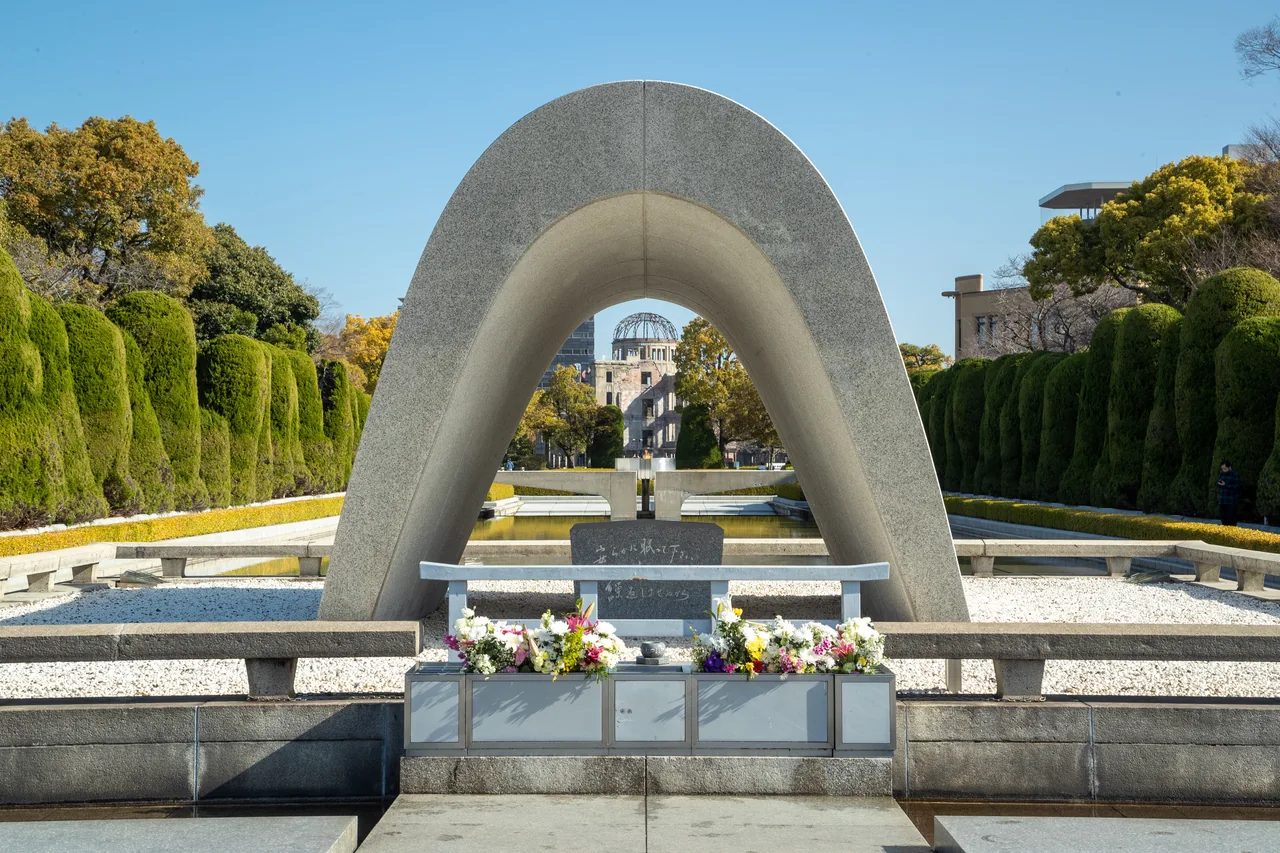
- Peace Memorial Park
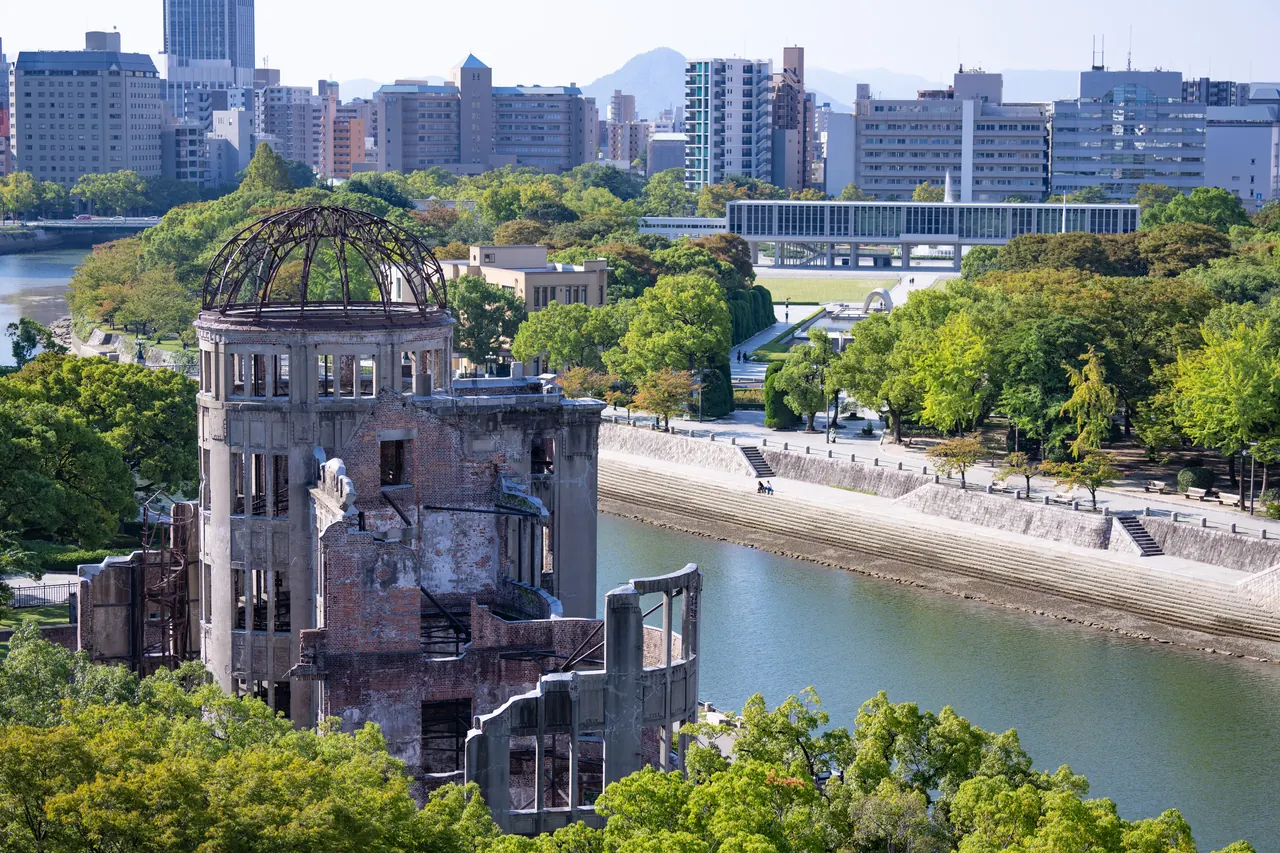
- Atomic Bomb Dome
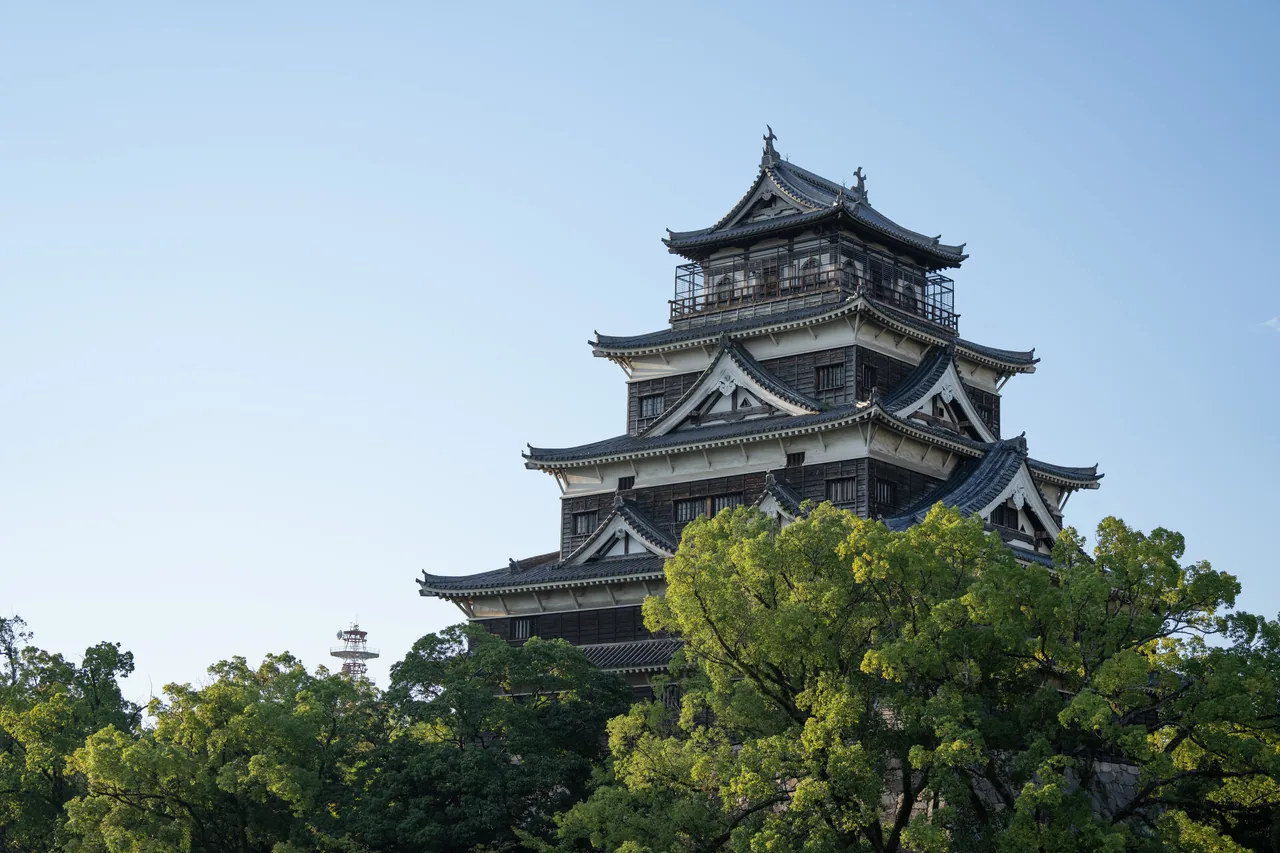
- Hiroshima Castle
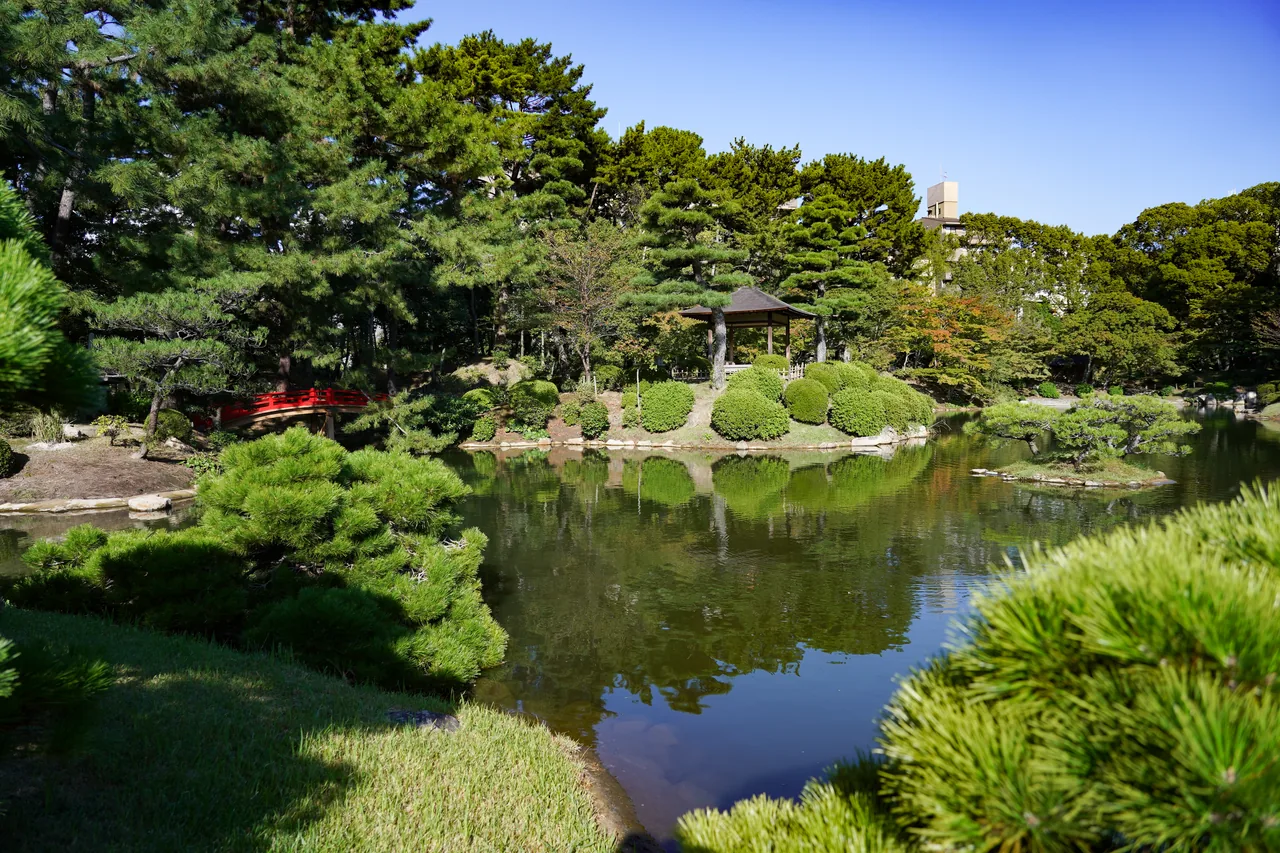
- Shukkeien Garden

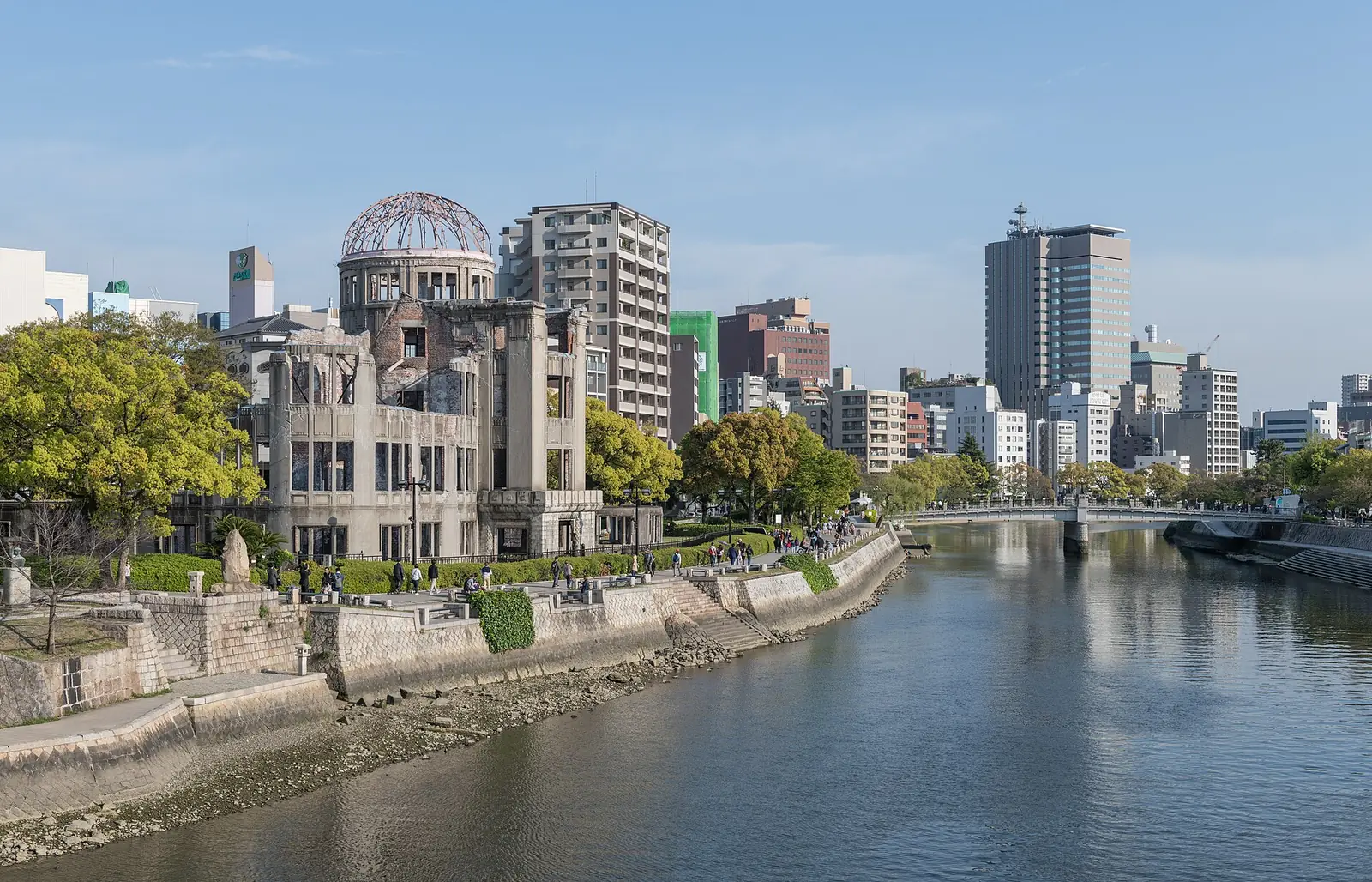
Photo: DXR / Wikimedia Commons(CC BY-SA 4.0)
Areas of Hiroshima
The Atomic Bomb Dome, Peace Memorial Park, Hiroshima Castle and Shukkeien Garden, all within tram range, plus getting there and day trips to Miyajima and Kure.
Choose a numbered circle to zoom in there; choose a name to open the area's page.
This page is translated from the Japanese edition. Read the Japanese edition
The skeletal dome of the Atomic Bomb Dome stands on the bank of the Motoyasu River. Central Hiroshima is where the busy prefectural capital sits side by side with places that carry the memory of the atomic bomb of August 6, 1945. The Atomic Bomb Dome on the bank of the Motoyasu River, and Peace Memorial Park across the water, are where a trip to Hiroshima begins.
Walk north from the park and you reach the moated grounds of Hiroshima Castle; near Hiroshima Station is Shukkeien, a garden laid out in the early Edo period. All of them are close to tram stops, and a day is enough to cover the main sights of the center on foot.
The Atomic Bomb Dome, with the bare steel frame of its dome still standing, was inscribed as a World Heritage Site in December 1996. You cannot go inside; it is viewed from outside the fence. Across the river, Peace Memorial Park holds more than 30 memorials and monuments, including the Cenotaph for the A-bomb Victims and the Children's Peace Monument, and the Hiroshima Peace Memorial Museum in the park conveys the damage the bomb caused through victims' belongings and photographs. This is a place of mourning, so please visit quietly. Our guide Visiting Hiroshima Peace Memorial Park and the Atomic Bomb Dome covers the visit in detail. See Atomic Bomb Dome and Peace Memorial Park.
In the middle of the city, a black-boarded keep stands on castle grounds surrounded by a wide moat. The keep closed on March 22, 2026 and can no longer be entered, but you can look at it from the moat side and from within the grounds. The reconstructed Ninomaru buildings past the Omote-gomon Gate remain open. It is within walking distance of Peace Memorial Park. See Hiroshima Castle.
A stroll garden built around a pond in 1620 on the orders of Asano Nagaakira, lord of the Hiroshima domain, and designated a national Place of Scenic Beauty. The view of the pond, bridges and islands shifts as you walk, and from the higher ground you can see city buildings beyond the garden. It is only about 900 m from JR Hiroshima Station, so it fits easily into your arrival day or the time before you leave. See Shukkeien Garden.
The easiest local dish to try in Hiroshima is okonomiyaki. Hiroshima-style okonomiyaki is not mixed into a batter; cabbage, meat and noodles are layered and cooked on the griddle, and you will find places serving it downtown and around Hiroshima Station. Winter is oyster season, and more places offer grilled oysters and fried oysters. Our guide Hiroshima Food Guide explains the background and how to eat them.
The area around Peace Memorial Park is mainly memorial sites, so you will look for food once you leave the park. Walk out to the shopping streets and there is no shortage of places for lunch or a break.
Walk the Atomic Bomb Dome and Peace Memorial Park in the morning, and give yourself plenty of time in the museum. In the afternoon, walk north to the castle moat and the Ninomaru, then take the tram to Shukkeien; the day ends conveniently back at Hiroshima Station. Some people go back after dark to see the Atomic Bomb Dome lit up.
Central Hiroshima also makes a good base for exploring the prefecture. Head west and take the ferry to Miyajima. Head east on the JR Kure Line and you reach the port town of Kure without changing trains.