Saga City
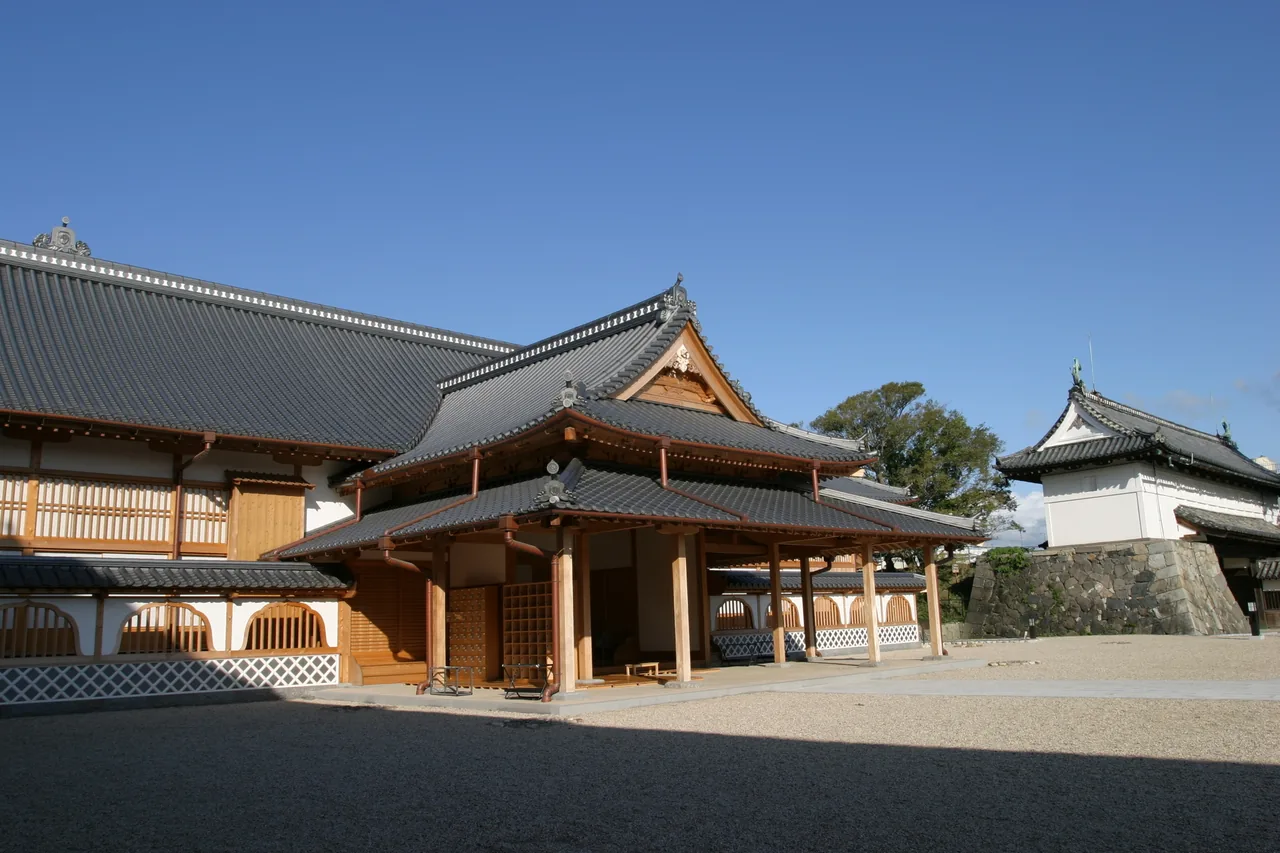
Photo: ©Saga Prefectural Cultural Tourism Federation
Areas of Saga
Saga City
Things to do in Saga City: the rebuilt Saga Castle palace, Meiji-era banks in Yanagimachi, the prefectural museums, the Mietsu Naval Dock and the balloon fiesta.
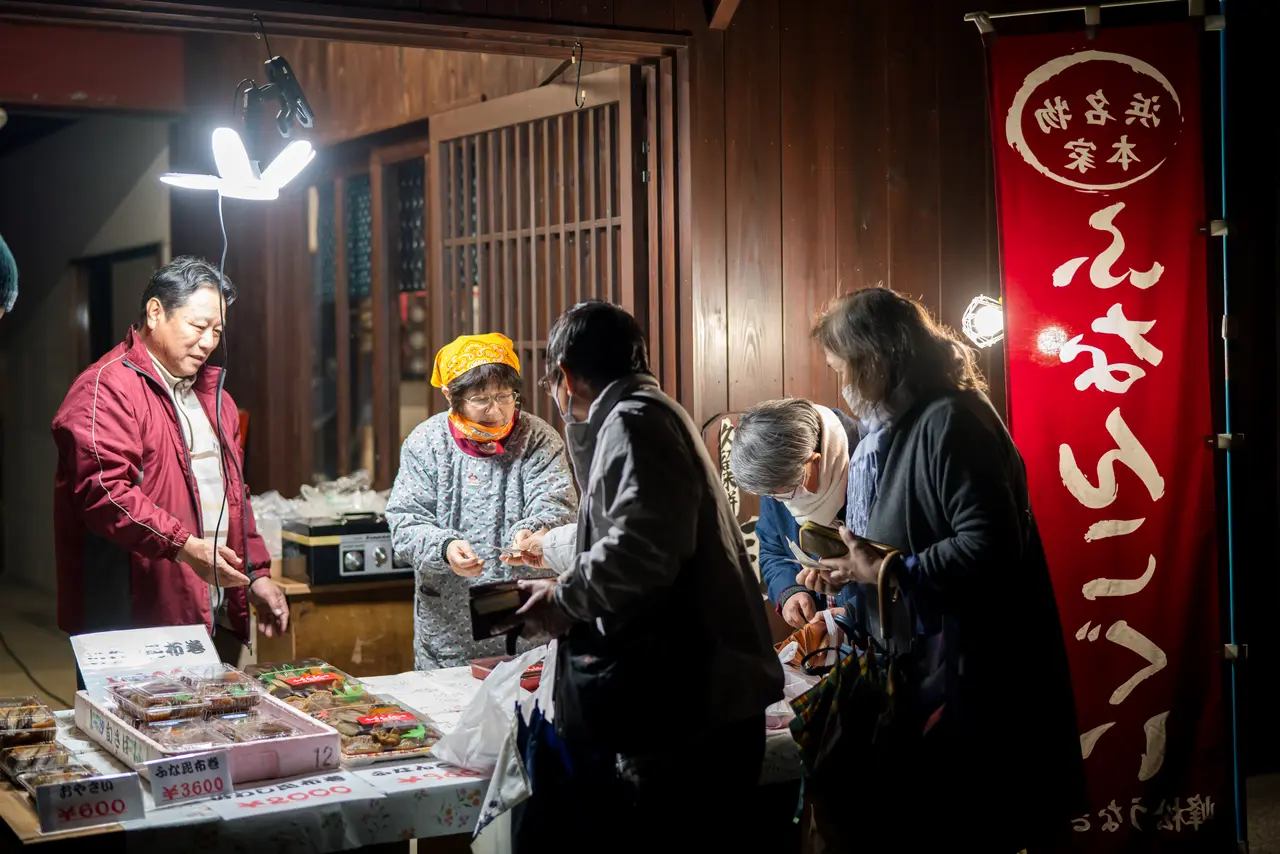 Jan 19Kashima Funa-ichi (Crucian Carp Market) and Funanko-gui
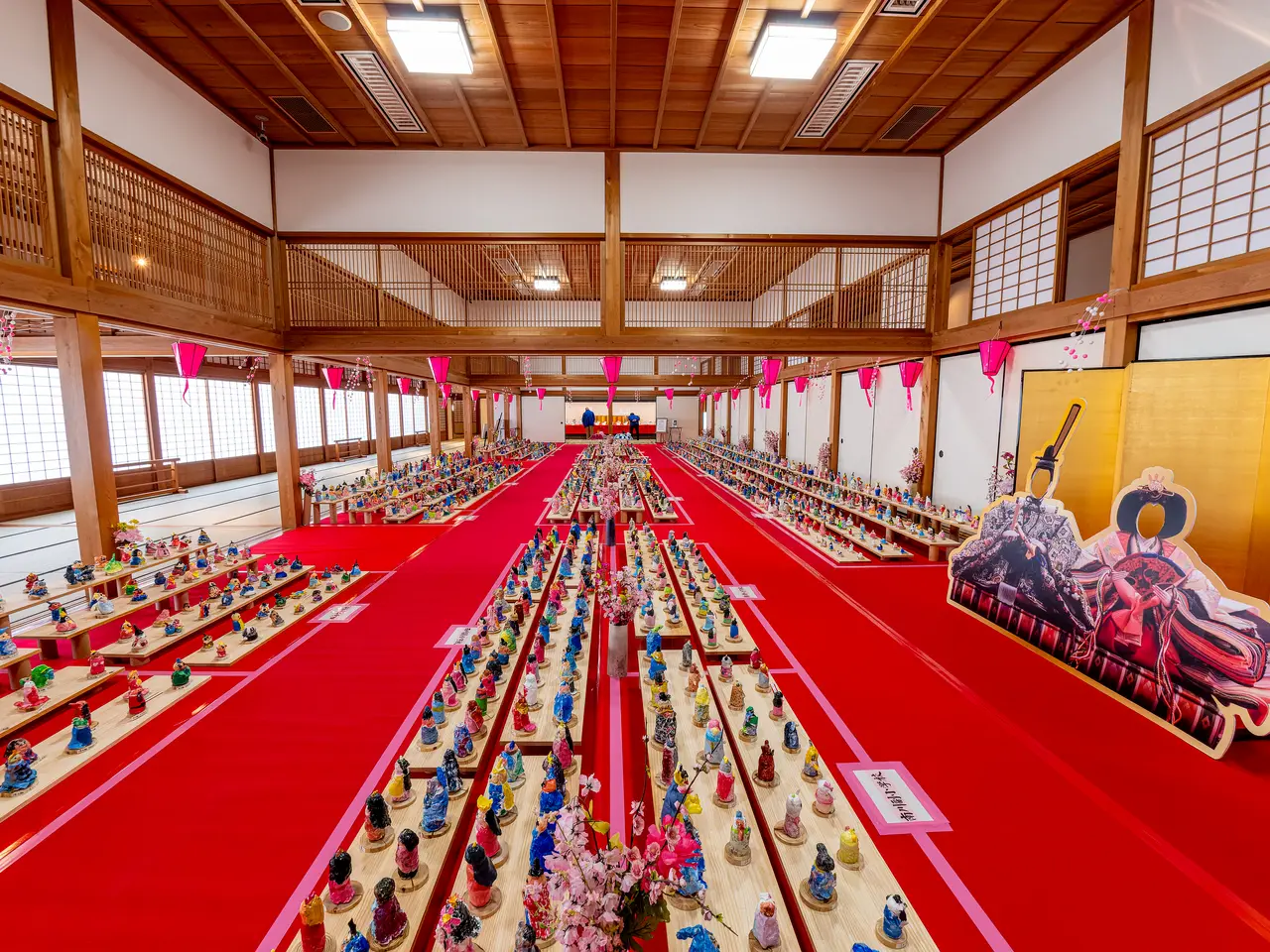 Feb 13 – Mar 14Saga Castle Town Hina Matsuri (Doll Festival)
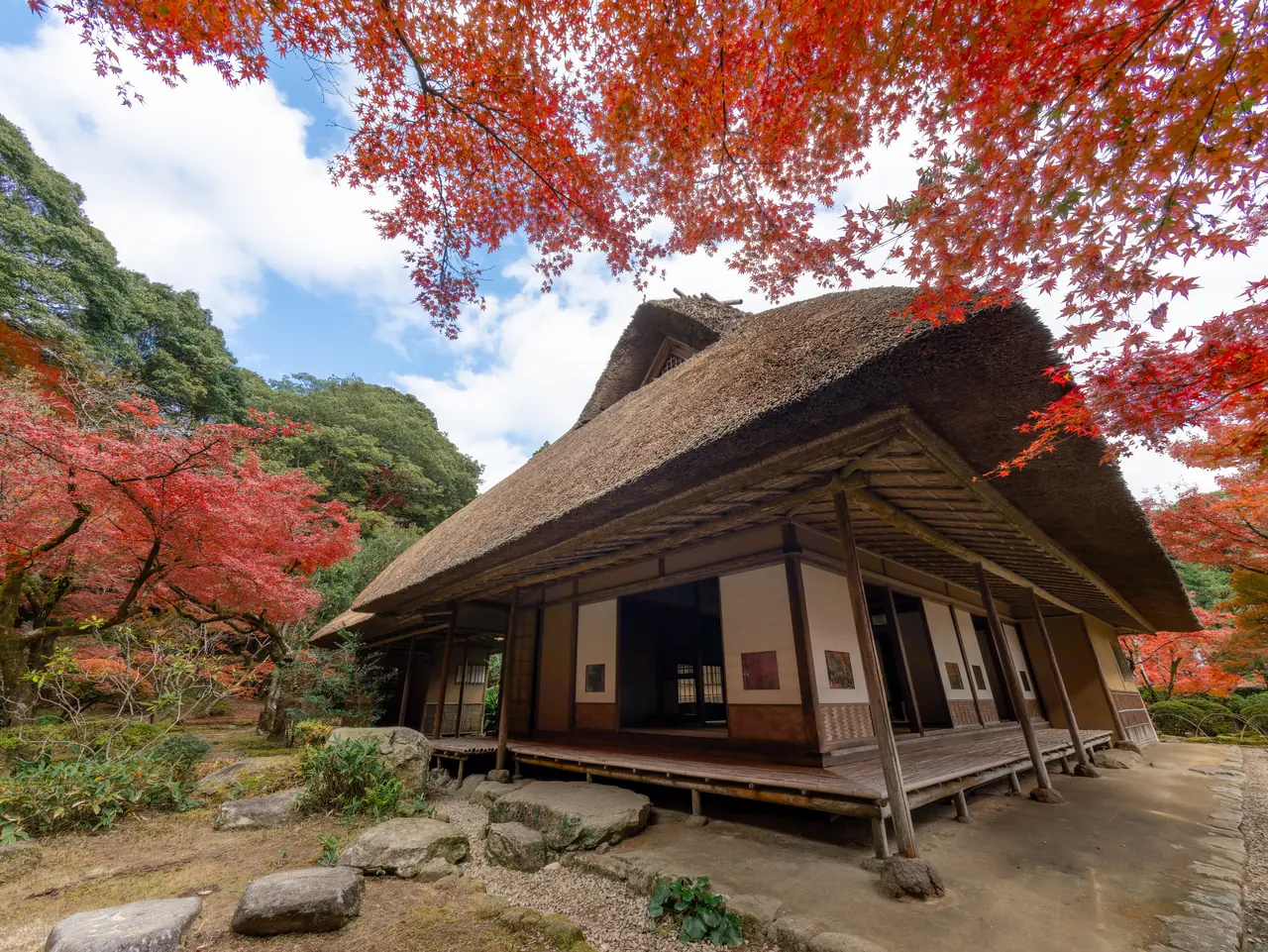 GuidesSaga Autumn Leaves: 6 Spots from Kunen-an to Taku Seibyo
Find on the map
This page is translated from the Japanese edition. Read the Japanese edition
What is the area like?
Head south from Saga Station and you reach the site of Saga Castle, ringed by its moat. This was the castle town of the Nabeshima family, who ruled the Saga domain in the Edo period. Around the castle site are a rebuilt section of the main palace and the prefectural museum and art museum, while Yanagimachi to the north keeps bank and merchant buildings from the Meiji and Taisho eras.
In the last years of the shogunate, the Saga domain was known for adopting Western technology early, and the Mietsu Naval Dock site on the outskirts is part of a World Heritage property. In autumn, more than 100 hot-air balloons gather on the riverbed of the Kase River west of the city, and in spring hina dolls are displayed in old buildings around the castle town. About 40 minutes from Hakata by limited express and about 35 minutes by bus from Saga Airport, the city is an easy stop on a Kyushu trip.
Main sights
Saga Castle History Museum
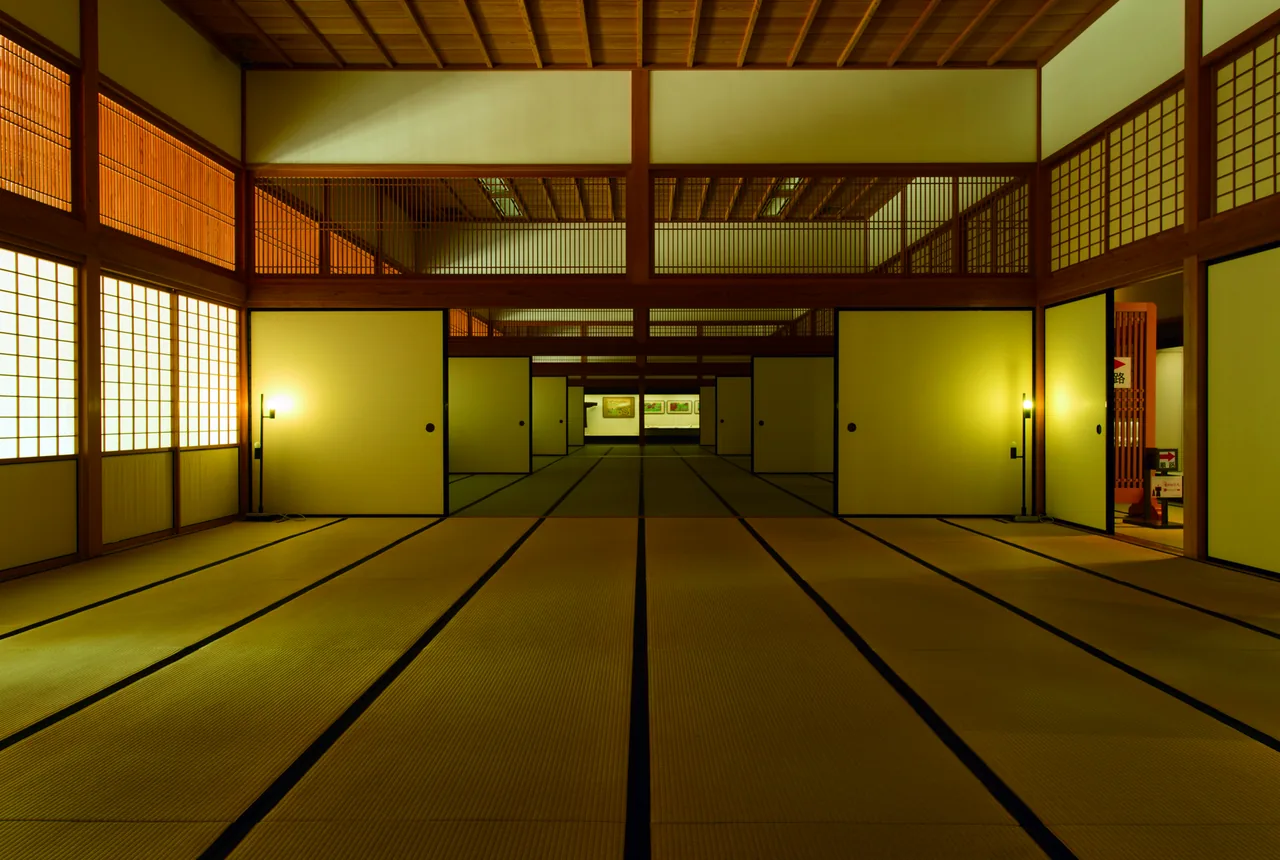
Photo: ©Saga Prefectural Cultural Tourism Federation
This museum is a wooden reconstruction of part of the main palace of Saga Castle, rebuilt in the Tenpo era by the 10th lord, Nabeshima Naomasa, and raised over the original remains to protect them. It is one of the largest wooden reconstructions in Japan, and tatami-floored halls like the one in the photo run on and on. Exhibits trace the history of the Saga domain in the late Edo period. The Shachi-no-mon Gate nearby dates from the Tenpo era and is an Important Cultural Property; it still bears bullet marks from the Saga Rebellion of 1874. For visitor information, see the Saga Castle History Museum official website.
Yanagimachi and the Saga City Historical Folk Museum
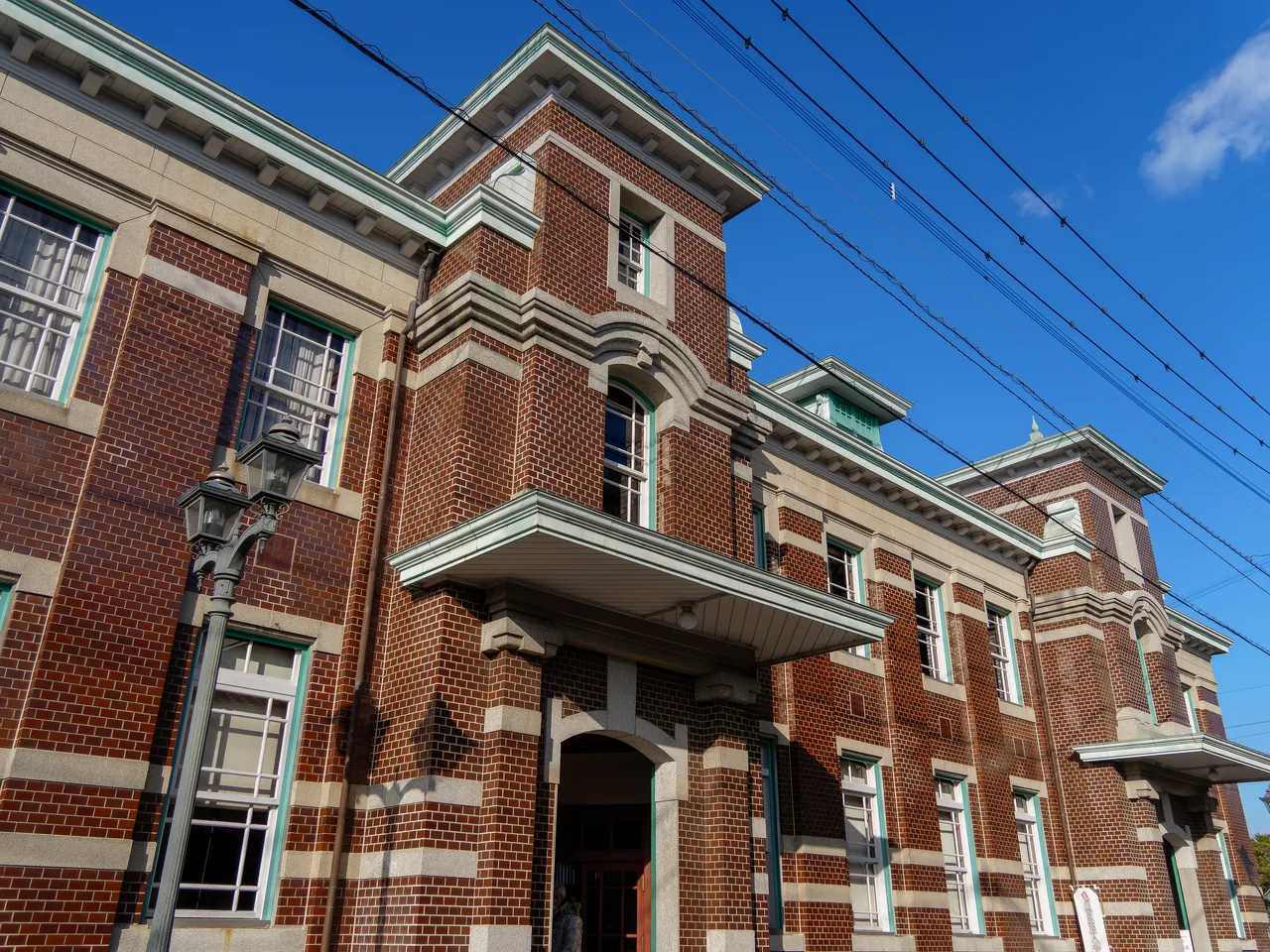
Photo: ©Saga Prefectural Cultural Tourism Federation
Yanagimachi, on the old Nagasaki Kaido road, keeps a group of buildings from the Meiji and Taisho eras that are open to the public as the Saga City Historical Folk Museum. The Former Koga Bank in the photo was built as the bank's head office in 1906 and took its present form after an extension in 1916; it is an Important Cultural Property of Saga City. Next door to the east is the Former Koga Residence, the home of the family that founded the bank. During the spring Saga Castle Town Hina Matsuri, these buildings have also served as venues.
Saga Prefectural Museum and Art Museum
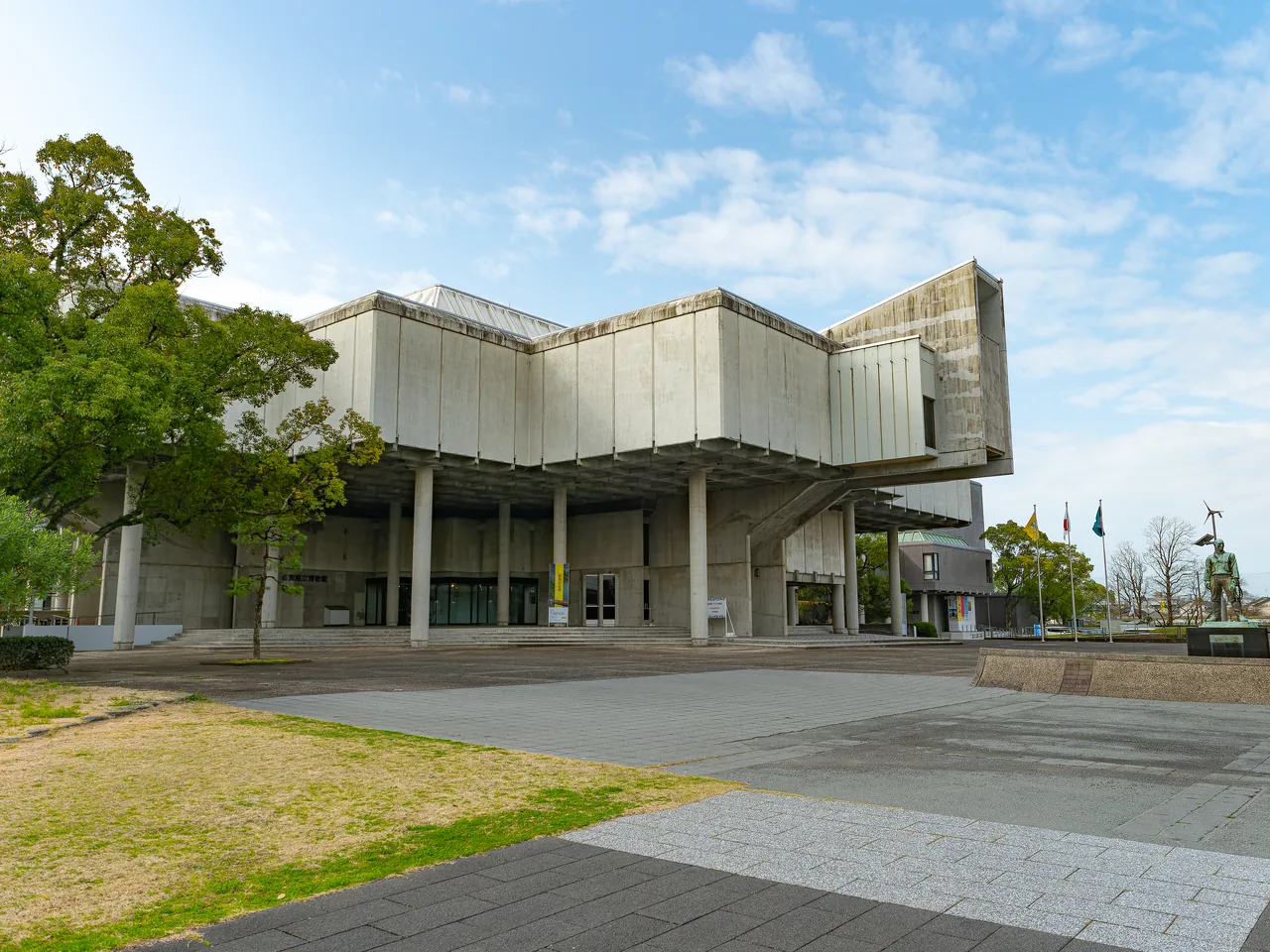
Photo: ©Saga Prefectural Cultural Tourism Federation
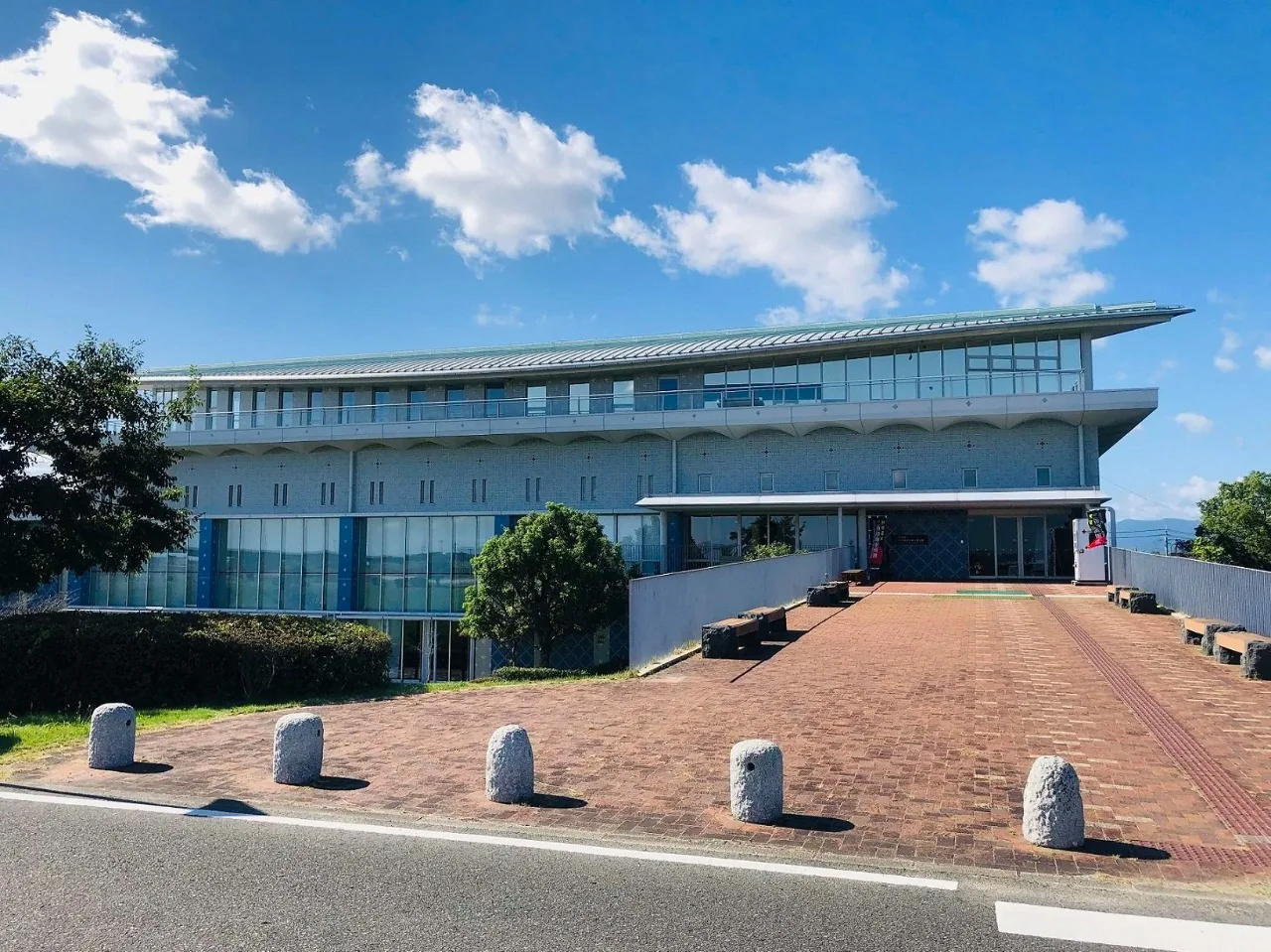
The prefectural museum and art museum stand side by side in a corner of the Saga Castle site. The museum opened in 1970 and the art museum in 1983, and both hold permanent and special exhibitions on Saga's history and art. They are a short walk from the Saga Castle History Museum, so you can visit them together. See the Saga Prefectural Museum and Art Museum official website for details.
Mietsu Naval Dock
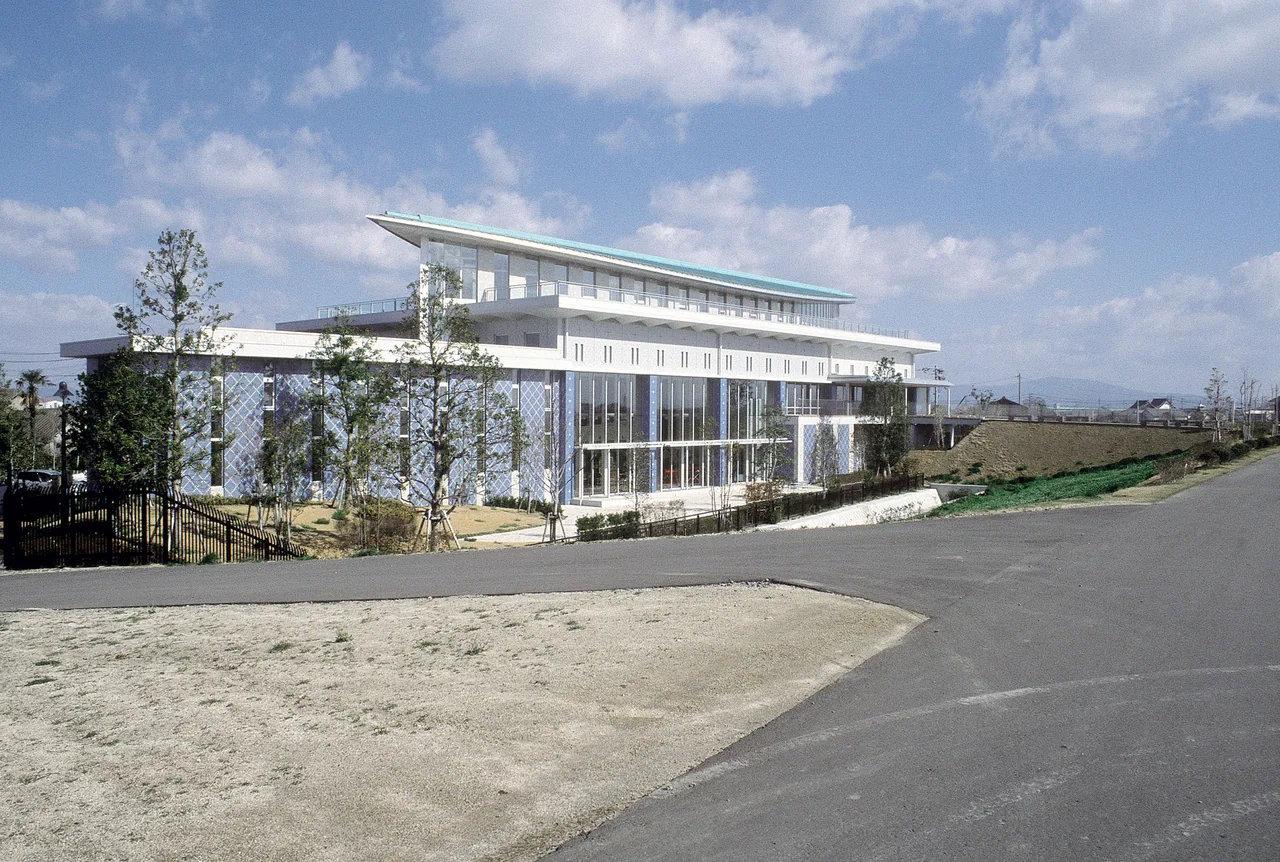
Photo: ©Saga Prefectural Cultural Tourism Federation
This is the site of the naval base the Saga domain set up at the end of the Edo period, inscribed in 2015 as part of the World Heritage property "Sites of Japan's Meiji Industrial Revolution." The remains are preserved underground beneath a park, so there is nothing to see of them on the surface. Instead, the Sano Tsunetami and Mietsu Naval Dock History Museum next door shows a full-size model of the dry dock's timber framework and videos, and its observation room looks out over the whole site. See Mietsu Naval Dock for details.
Saga, city of hot-air balloons
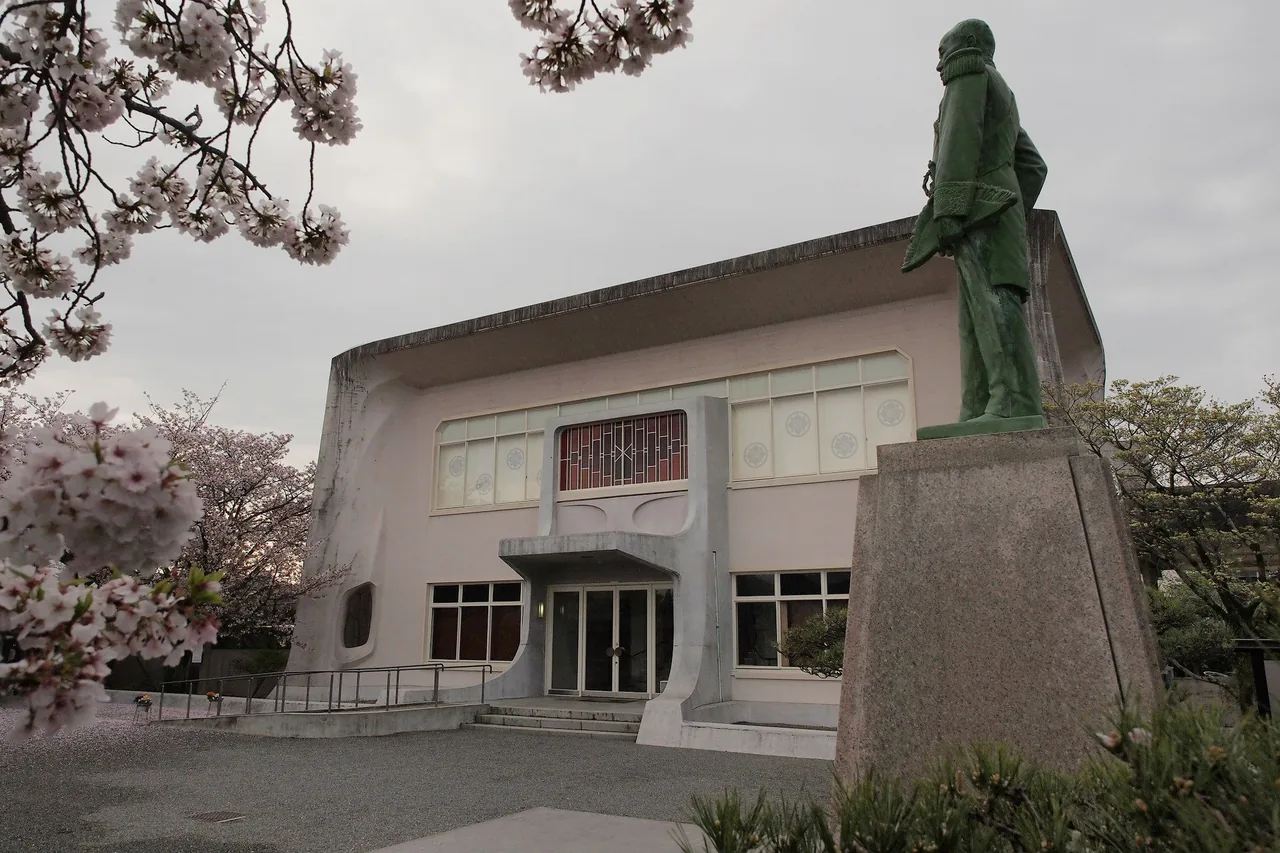
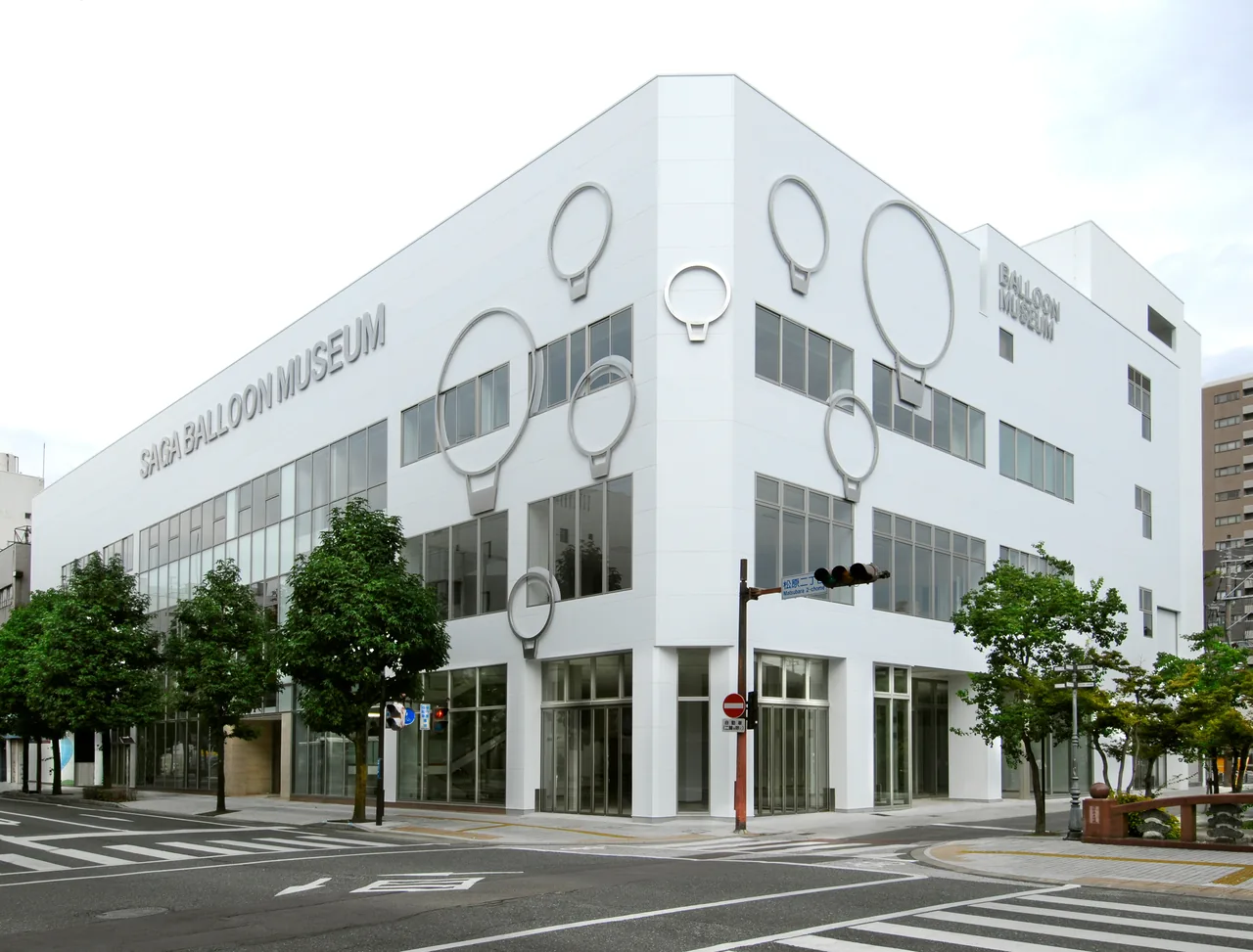
The Saga International Balloon Fiesta, held every autumn, is an international competition that brings balloons from many countries to the riverbed of the Kase River, usually for five days from late October to early November. Outside the event, you can learn about the history and workings of hot-air balloons at the Saga Balloon Museum in the city center. The city also has the Okuma Shigenobu Memorial Museum, dedicated to the Saga-born founder of Waseda University.
Food and shopping
Around Saga Station and along the central streets you will find restaurants serving Saga beef and seafood from the Ariake Sea. On days when you walk around the castle site and Yanagimachi, deciding where to have lunch in advance makes it easier to plan your route.
Getting there
- From Hakata: About 40 minutes to Saga Station by limited express on the JR Nagasaki Line.
- From Saga Airport: About 35 minutes by the access bus to the Saga Station Bus Center. Check times on the access bus timetable (Saga Prefecture).
- To the Saga Castle site: About 15 minutes by bus toward the castle site from the Saga Station bus center; get off at Hakubutsukan-mae, Saga TV-mae or Sagajo-ato.
- To the Mietsu Naval Dock: About 30 minutes on the Saga City Bus Hayatsue Line from the Saga Station Bus Center; get off at Sano Mietsu Rekishikan Iriguchi and walk about 10 minutes.
Getting around the area
The Saga Castle History Museum, the prefectural museums and the Historical Folk Museum in Yanagimachi are all within walking distance of each other, and half a day is enough to see the castle town's main sights. The Mietsu Naval Dock is on the southern outskirts, about 30 minutes each way by bus, so set aside another half day to see it without rushing.
During the Balloon Fiesta in autumn, the temporary Balloon Saga Station, open only during the event, puts you right at the venue. During the hina festival in spring, the usual way to enjoy it is to walk between the venues around the castle site and Yanagimachi.
From Saga Station you can also go about 10 minutes east on the JR Nagasaki Line to Yoshinogari & Kanzaki, or about 20 minutes southwest by limited express to Kashima & Tara.