Takeo and Ureshino Onsen Day Trip: Hot Springs and Yudofu
- Takeo Onsen (Romon Gate and Shinkan)
- The Great Camphor of Takeo (Takeo Shrine)
- Takeo City Library
- Siebold-no-Yu Public Bath, Ureshino Onsen
- Yuyado Hiroba Foot Bath
- Yudofu Dinner

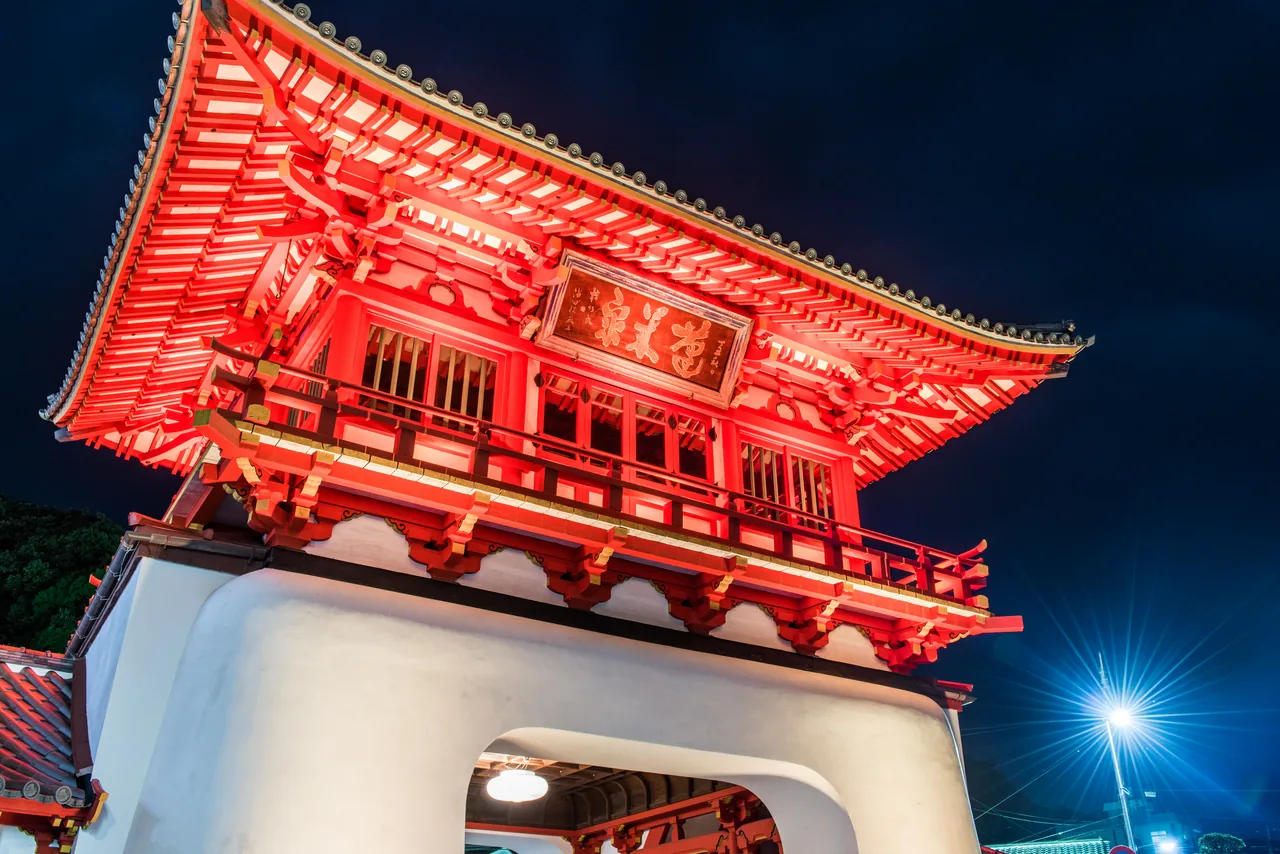
Photo: ©Saga Prefectural Cultural Tourism Federation
Areas of Saga
Things to do in Takeo Onsen: the vermilion Romon Gate and baths, a camphor tree said to be 3,000 years old, Takeo City Library, two gardens and trains from Hakata.
 Jan 19Kashima Funa-ichi (Crucian Carp Market) and Funanko-gui
 Feb 13 – Mar 14Saga Castle Town Hina Matsuri (Doll Festival)
 GuidesSaga Autumn Leaves: 6 Spots from Kunen-an to Taku Seibyo
This page is translated from the Japanese edition. Read the Japanese edition
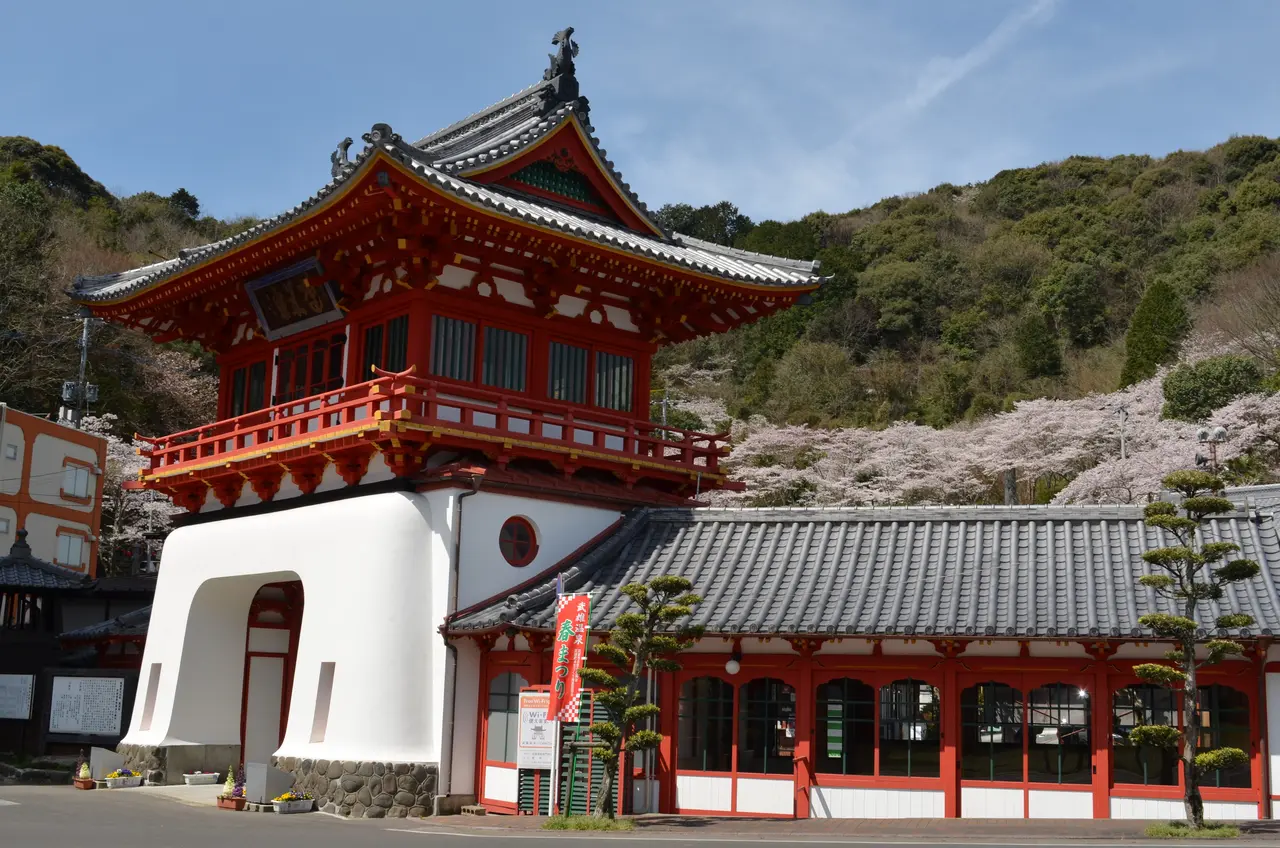
When the vermilion Romon Gate at the entrance to the hot spring town is lit up at night, its upper story, like a sea-god's palace, seems to float above the white base. Takeo Onsen is a hot spring town in the center of Takeo City in western Saga Prefecture, and behind the gate is a cluster of bathhouses open to day visitors.
Takeo-Onsen Station is where the limited express Relay Kamome from Hakata and the Nishi-Kyushu Shinkansen Kamome to Nagasaki meet at the same platform. The baths, Takeo Shrine and the library are all within walking distance of the station, and two large gardens are a little further out. Close to Arita and Ureshino Onsen, Takeo makes a good base for exploring western Saga.
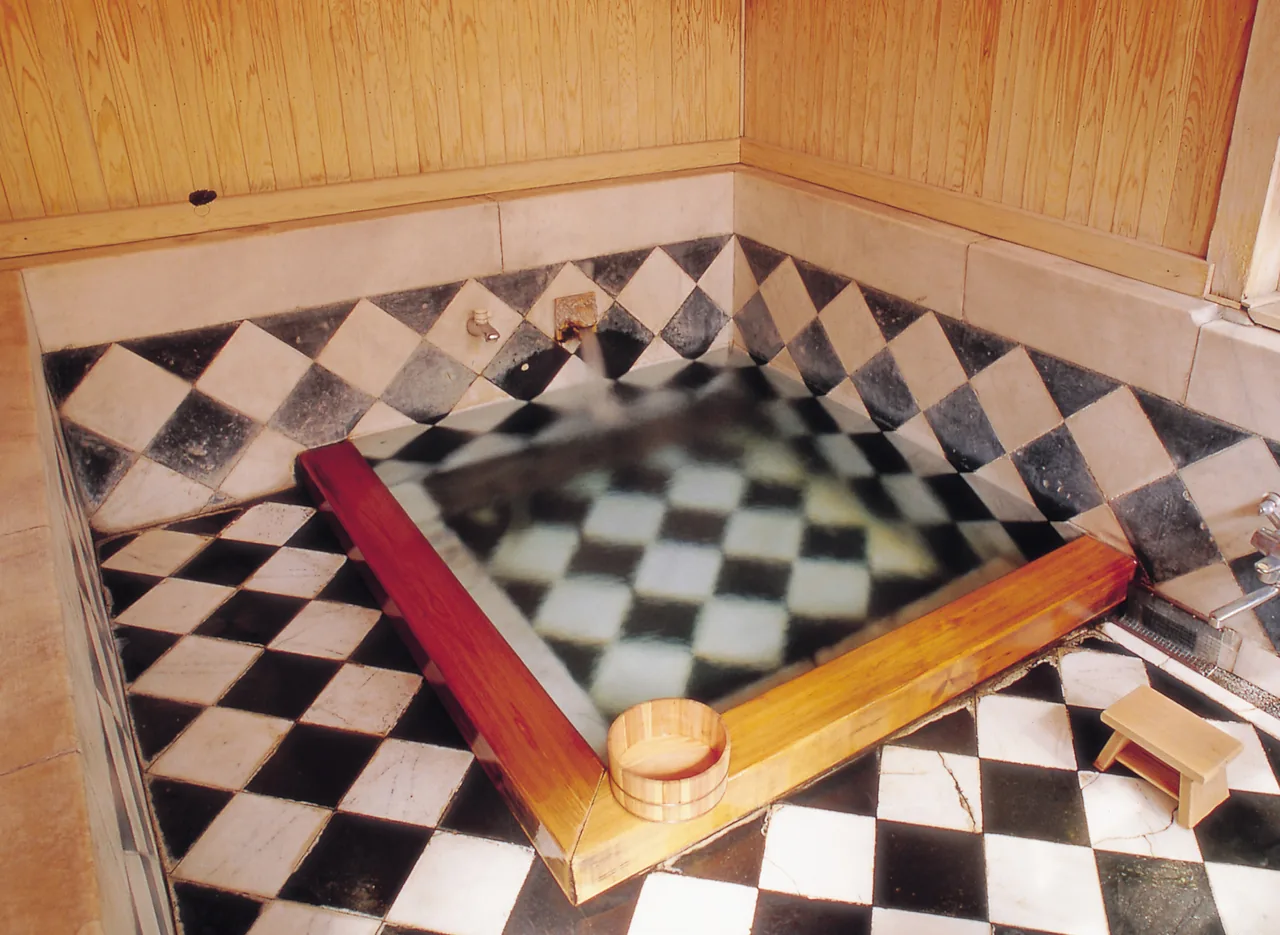
Photo: ©Saga Prefectural Cultural Tourism Federation
The Romon Gate at the entrance to the hot spring town was designed by Tatsuno Kingo, the architect of Tokyo Station, and completed in 1915. Together with the Shinkan, finished the same year, it is an Important Cultural Property. The Shinkan no longer offers bathing; it is now a building where you can see what a Taisho-era bathhouse looked like, including tubs lined with decorative tiles. Behind the gate are several bathhouses, including private baths and public baths, one of which has the black-and-white tiled tub in the photo. Hours and prices differ by bath, so check the Takeo City Tourism Association official website before you go. See Takeo Onsen (Romon Gate and Shinkan) for details.
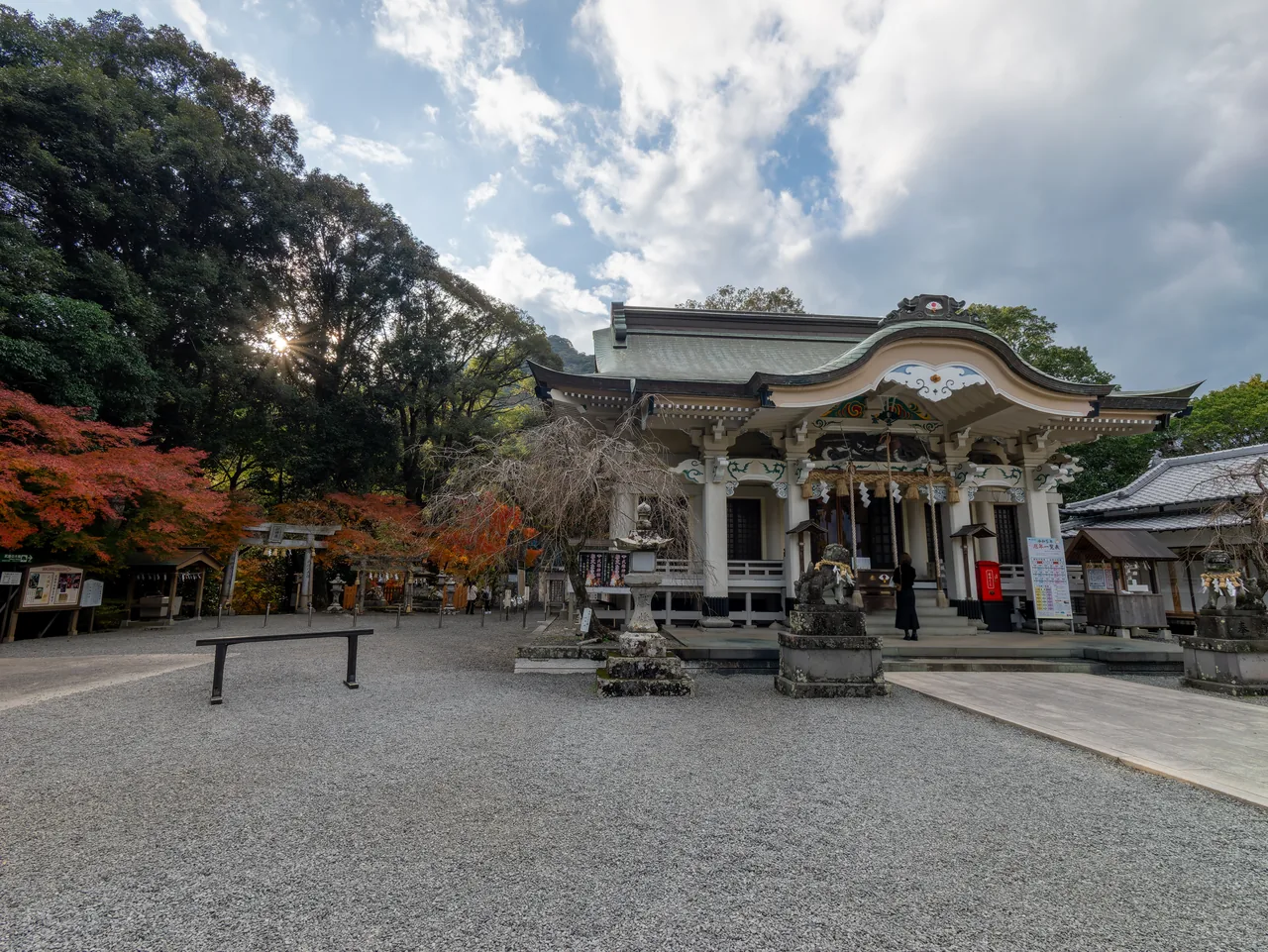
Photo: ©Saga Prefectural Cultural Tourism Federation
Follow a path through a bamboo grove behind the main hall of Takeo Shrine, and a huge camphor tree said to be 3,000 years old appears. It is about 30 m tall with a trunk about 20 m around, and a Tenjin deity is enshrined in the hollow at its base. Because the tree has weakened, the area visitors can enter has been reduced. Along the approach you will also find the Meoto-hinoki, two cypress trees joined at the root that are revered as a sacred tree for finding love. See Great Camphor Tree of Takeo for details.
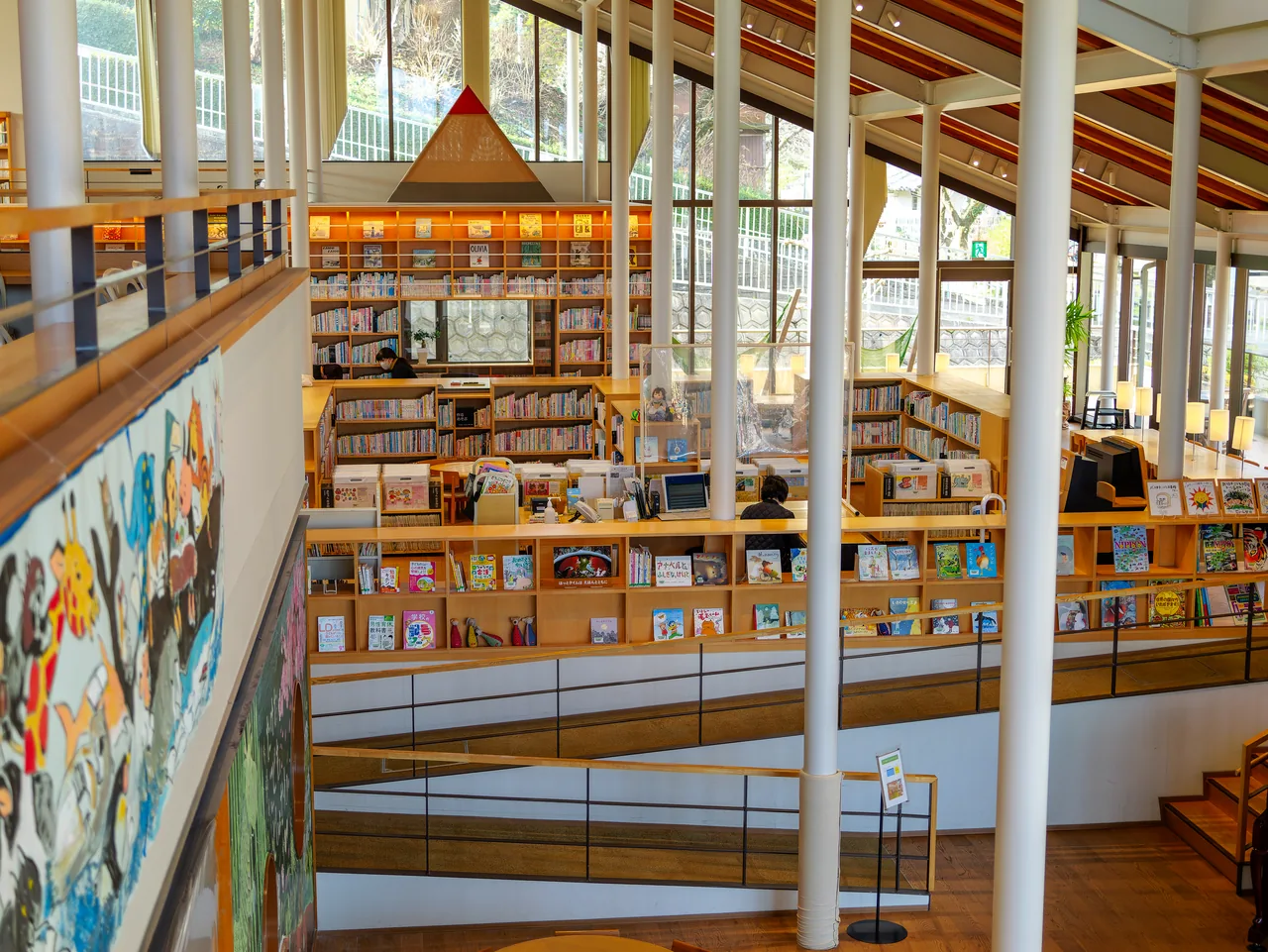
Photo: ©Saga Prefectural Cultural Tourism Federation
This city library became well known for its interior lined with wooden shelves almost to the ceiling, and people come from all over Japan to see it. Next door is the Takeo City Children's Library, opened in 2017, about 15 minutes on foot from Takeo-Onsen Station. It is also close to Takeo Shrine, so you can visit the two together.
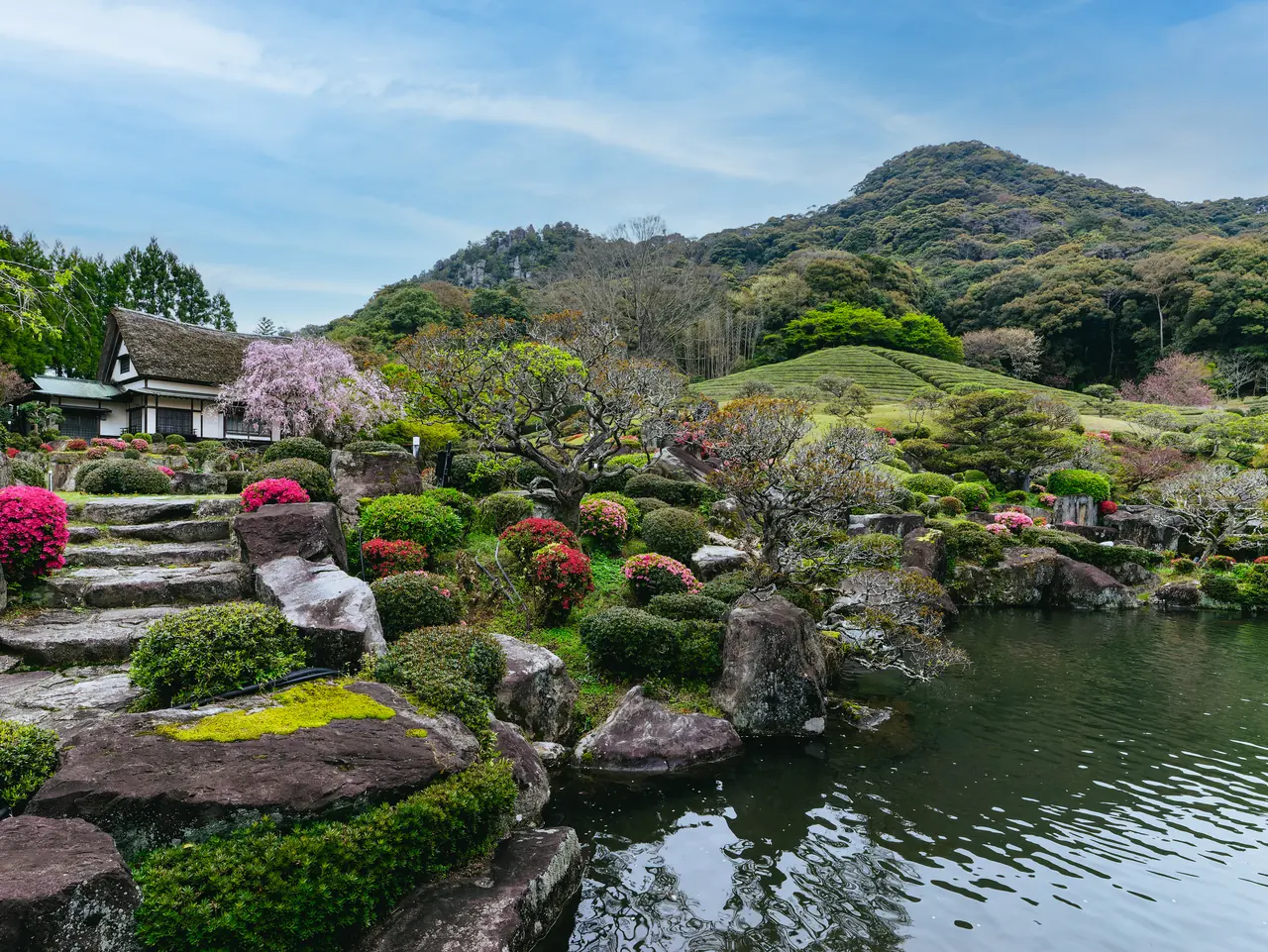
Photo: ©Saga Prefectural Cultural Tourism Federation
Keishuen is a Japanese stroll garden around a pond in the grounds of the Yoko Art Museum, created in 1979 by garden designer Nakane Kinsaku. It borrows Mt. Mifune, the symbol of Takeo, as its backdrop; the photo shows it in spring. At the foot of the same mountain, Mifuneyama Rakuen is a vast garden based on the villa garden that Nabeshima Shigeyoshi, lord of Takeo, created in 1845, and it draws large crowds for spring cherry blossoms and azaleas and for autumn leaves.
There are restaurants and souvenir shops around the Romon Gate and near the station. If you stay in the hot spring town and plan to eat out, decide on a place while it is still light so you don't have to search at night.
To buy ceramics, visit the kilns and shops of Arita or Imari, both reachable by train from Takeo, for a much wider choice.
Times vary by train, so check the JR Kyushu timetable. Takeo City's Shinkansen information is on Shinkansen basic information (Takeo City).
Arrive at Takeo-Onsen Station in the afternoon, pass through the Romon Gate to soak in a bath, then look at the gate lit up after dark: that is the classic hot spring town evening. The next morning, walk to Takeo Shrine, the Great Camphor Tree and the library, and in garden season head to Mifuneyama Rakuen or Keishuen.
Ureshino Onsen is one stop away on the Nishi-Kyushu Shinkansen and the pottery town of Arita is on the JR Sasebo Line, so you can stay in Takeo and make day trips around it.