
Donari & Kamiita (Temples 6–10)
Courtesy of Tokushima Prefecture and the Tokushima Prefecture Tourism Association
Areas of Tokushima
Donari & Kamiita (Temples 6–10)
Kamiita and Awa City's Donari, home to Temples 6 to 10 of the Shikoku pilgrimage, from Anraku-ji to Kirihata-ji: highlights, distances and access from Donari IC.
Find on the map
This page is translated from the Japanese edition. Read the Japanese edition
What is the area like?
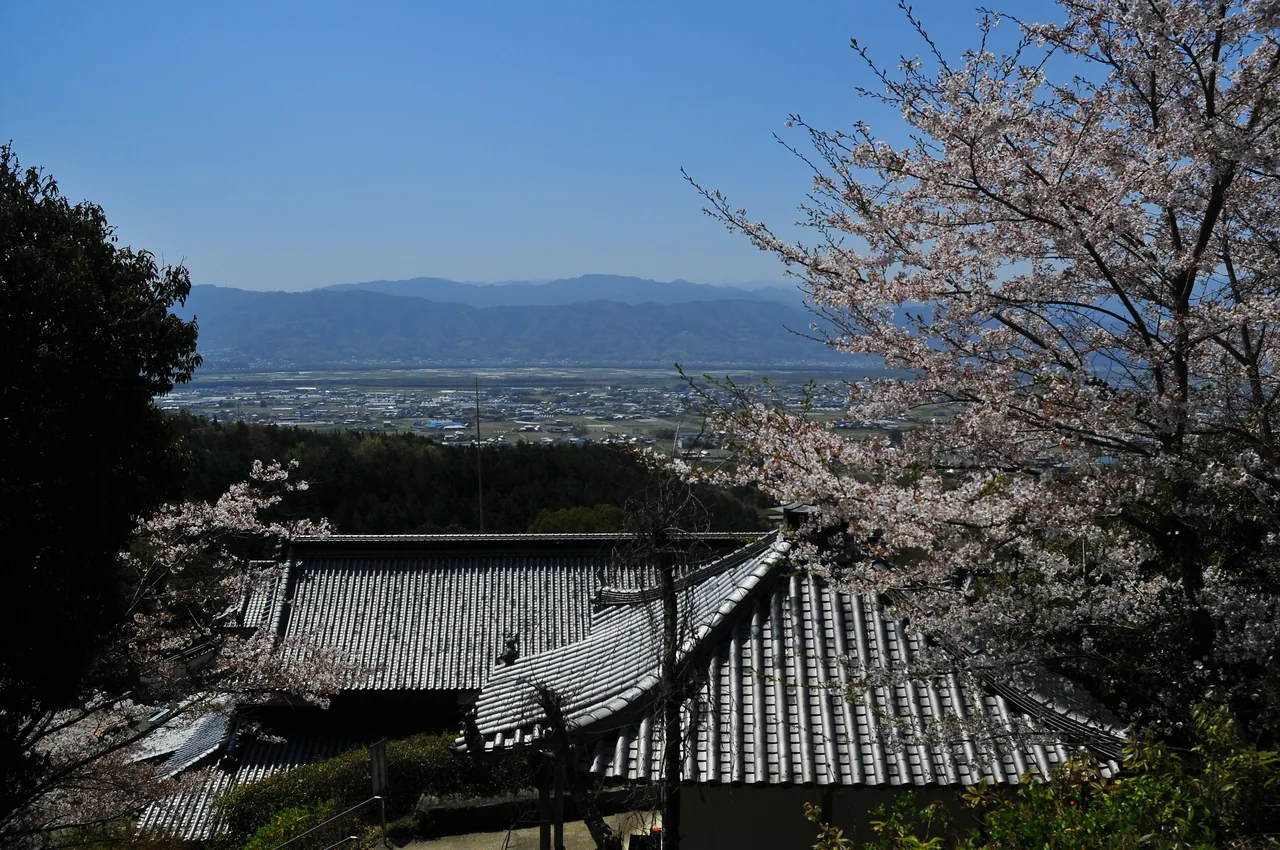
On the north bank of the Yoshino River, in Kamiita and in Awa City's Donari and Ichiba districts, Temples 6 to 10 of the Shikoku 88-temple pilgrimage line up from east to west, a few kilometers apart. At the fifth, Kirihata-ji, the main hall stands at the top of 333 stone steps from the foot of the hill.
The four temples from 7 to 10 are within about 5 to 10 minutes by car of Donari IC on the Tokushima Expressway, so with a car it is easy to go from one temple straight to the next.
Main sights
Anraku-ji Temple (Temple 6)
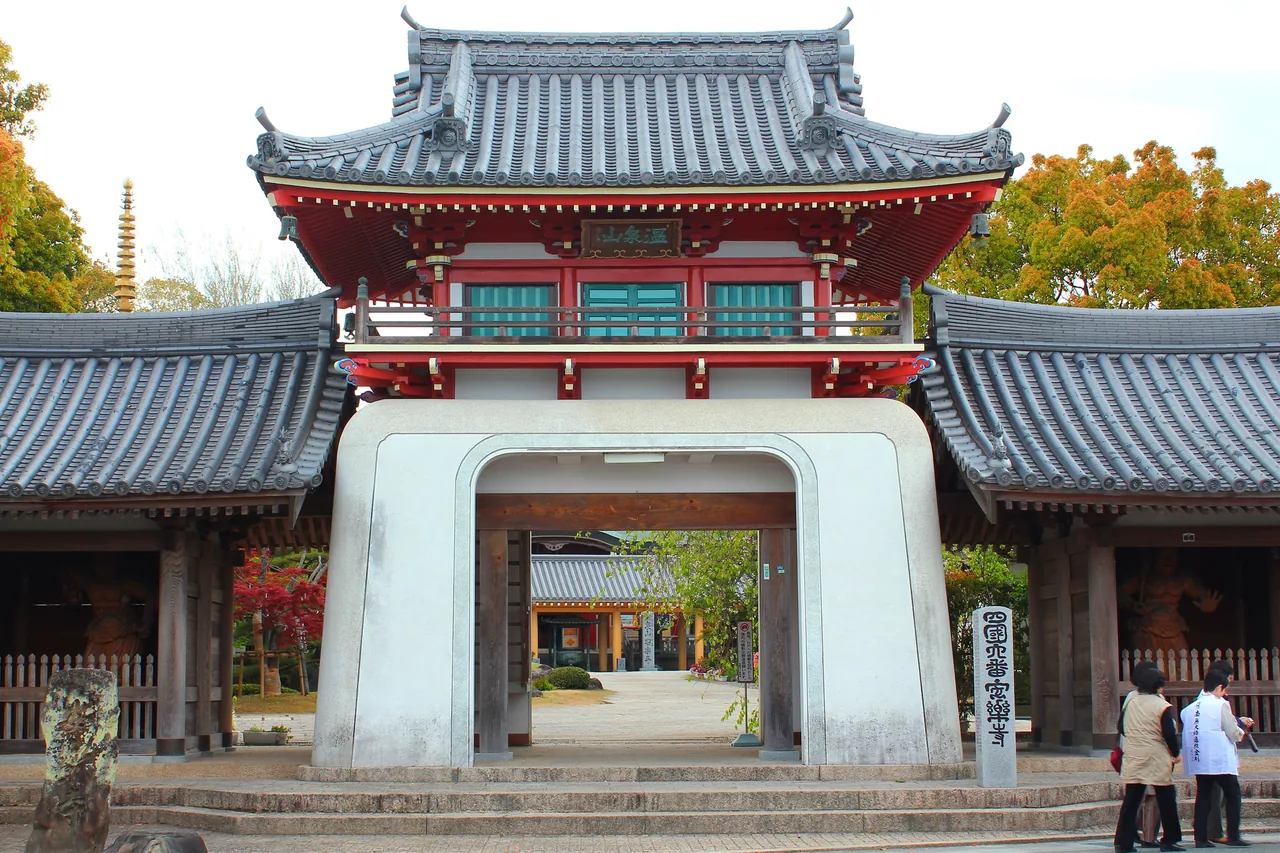
A temple in Kamiita whose mountain name is Onsenzan. It is said to have been founded by Kobo Daishi in 815, and the principal image is Yakushi Nyorai. The entrance gate is a white plastered arch topped by a vermilion upper story. See Anraku-ji Temple for details. Official information: Anraku-ji Temple on Awanavi (Tokushima tourism site).
Juraku-ji Temple (Temple 7)
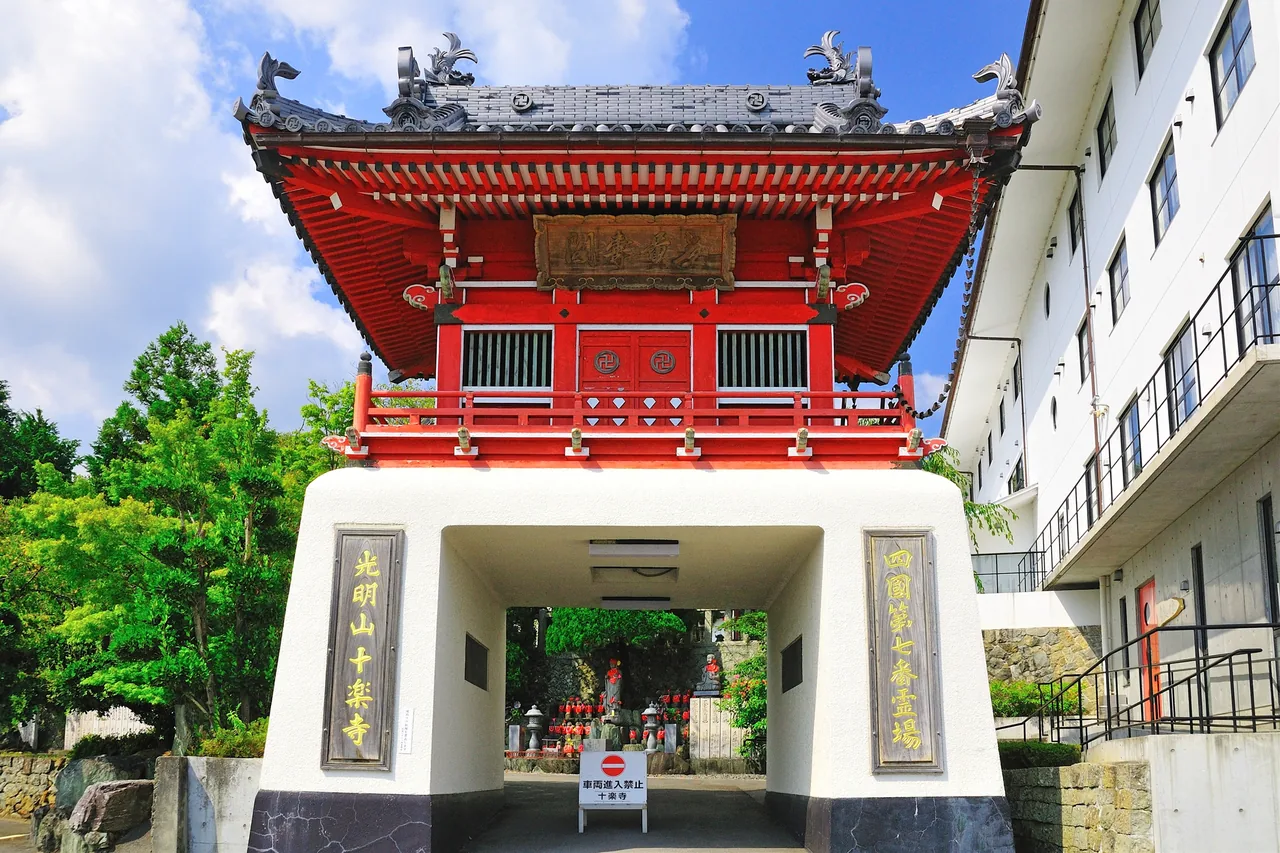
Its mountain name is Komyozan. It is said to have been founded by Kobo Daishi in the Daido era (806-810), and the principal image is Amida Nyorai. After its halls were lost to fighting in the Tensho era, it was rebuilt on its present site in 1635. See Juraku-ji Temple for details. Official information: Juraku-ji Temple on Awanavi (Tokushima tourism site).
Kumadani-ji Temple (Temple 8)
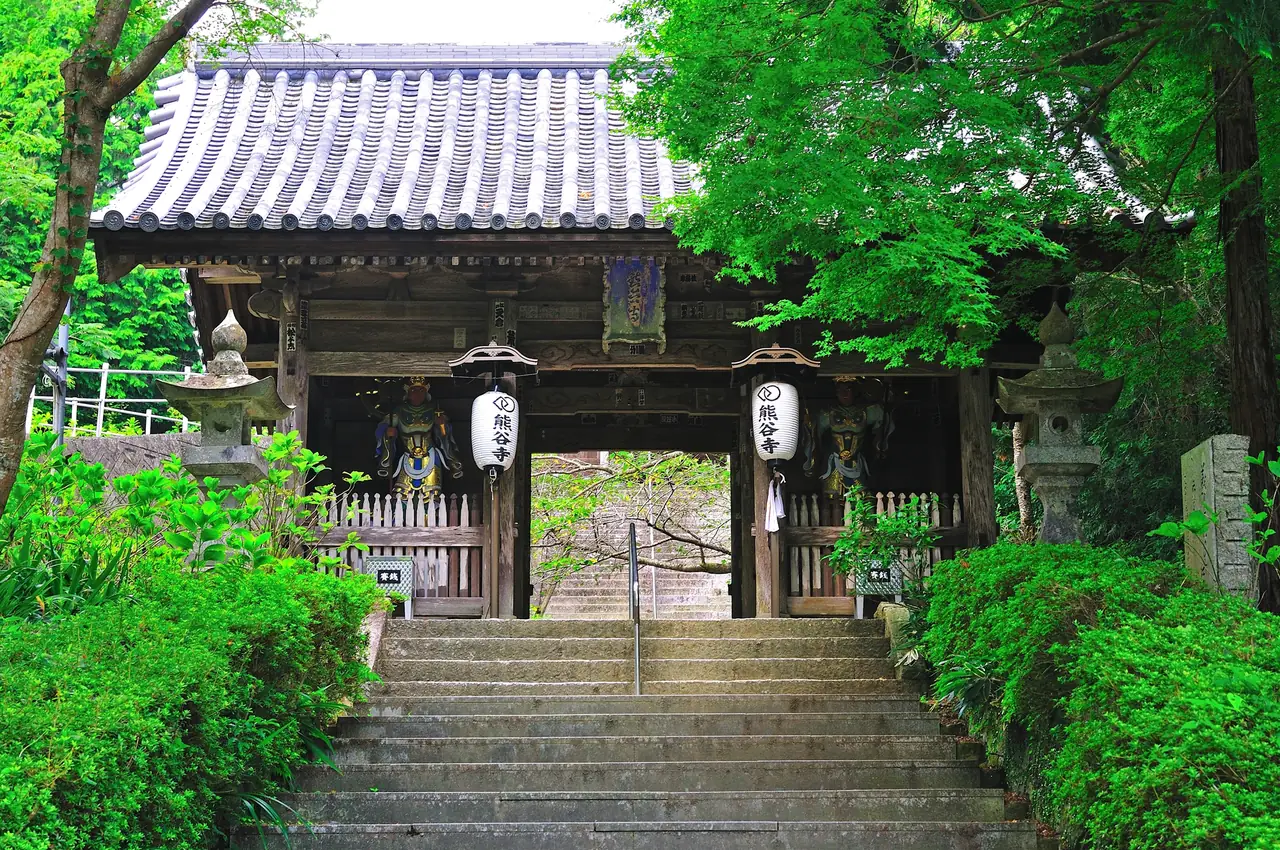
Its mountain name is Fumyozan, and the principal image is a Thousand-Armed Kannon. A fire in 1927 destroyed the main hall; the present hall was completed in 1971. The Nio Gate is a cultural property of Tokushima Prefecture. See Kumadani-ji Temple for details. Official information: Kumadani-ji Temple on Awanavi (Tokushima tourism site).
Horin-ji Temple (Temple 9)
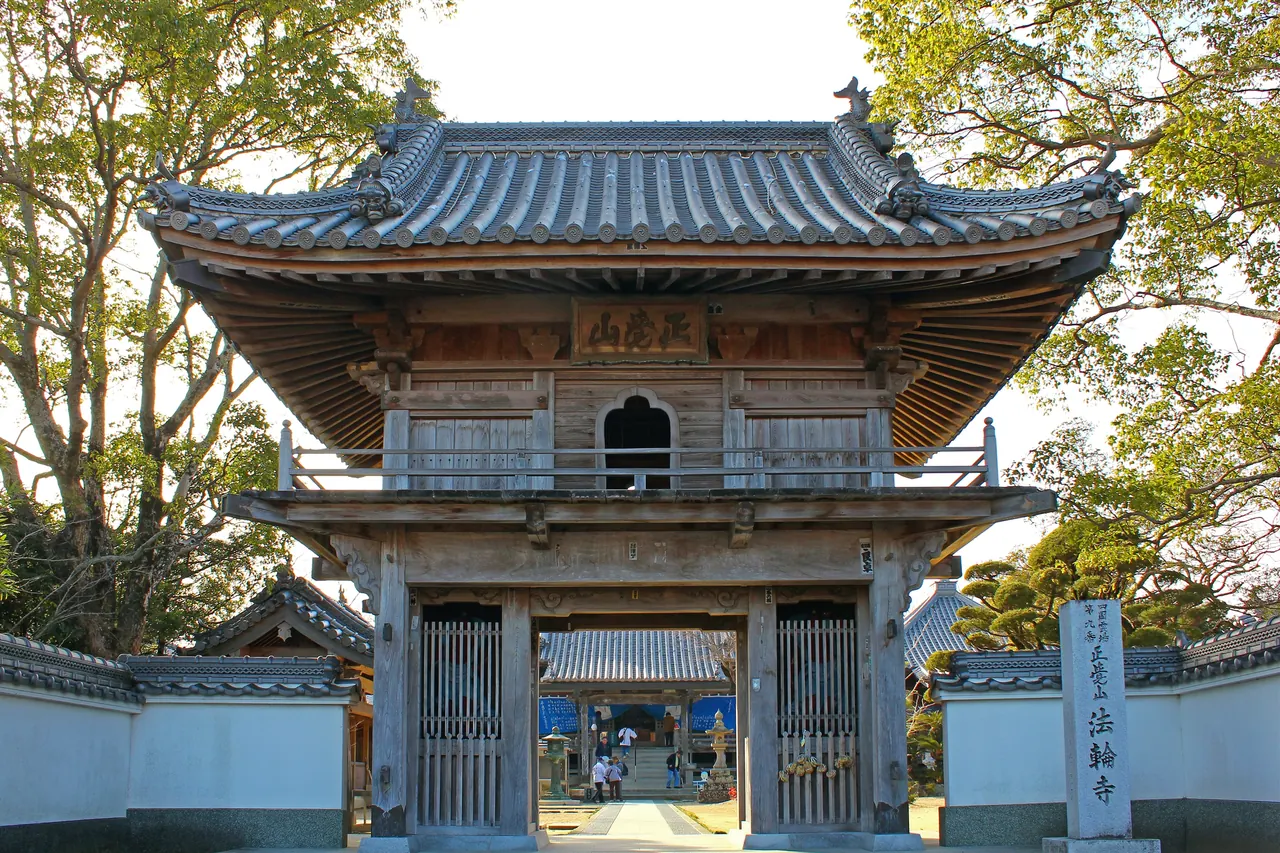
Its mountain name is Shogakuzan. The origin story says Kobo Daishi found a white snake here, carved an image of the Buddha entering nirvana and founded the temple; the principal image is that reclining Shaka. A robe of Kobo Daishi given by Emperor Meiji is kept among its treasures. See Horin-ji Temple for details. Official information: Horin-ji Temple on Awanavi (Tokushima tourism site).
Kirihata-ji Temple (Temple 10)
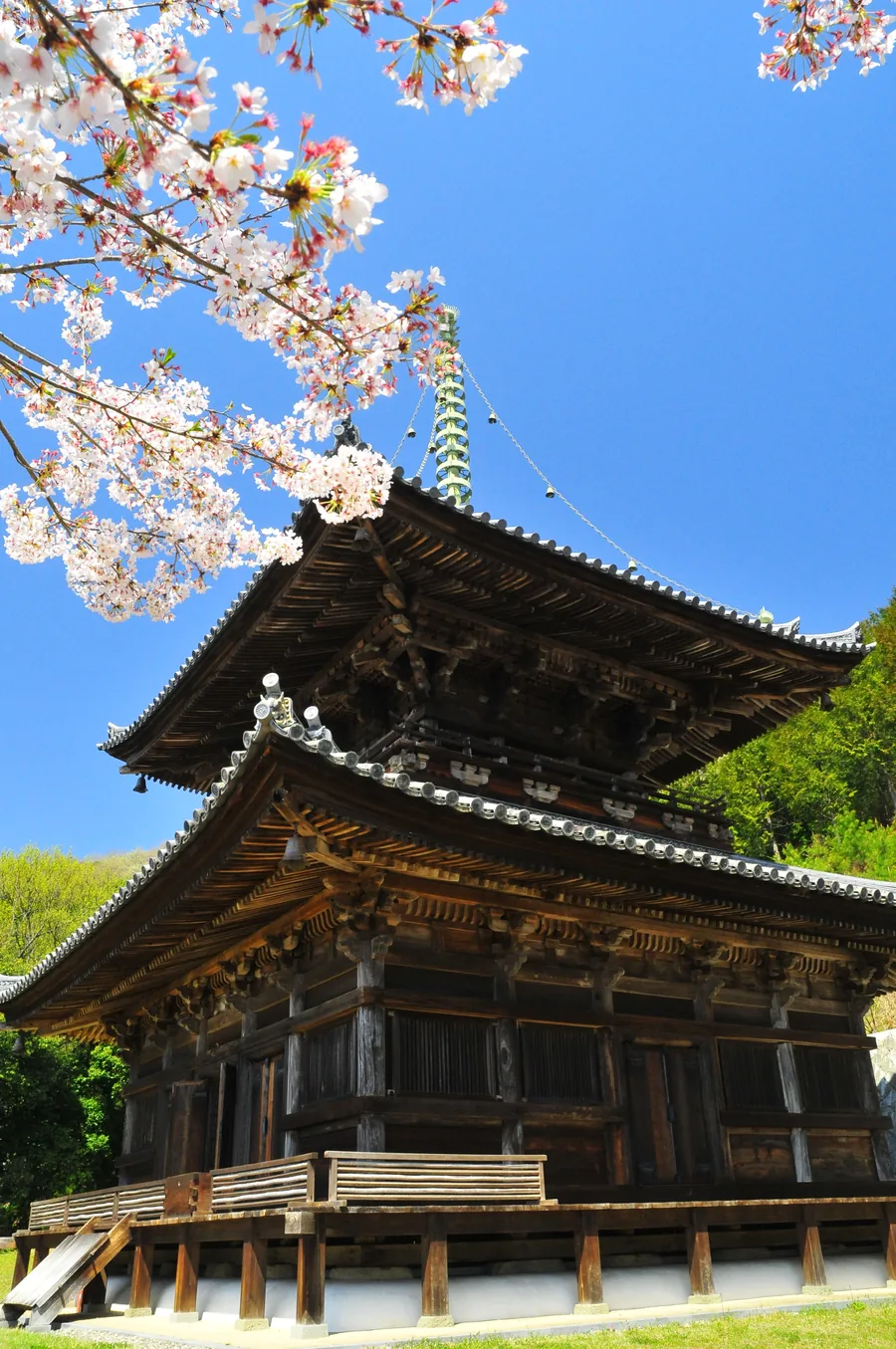
Its mountain name is Tokudozan, and the principal image is a Thousand-Armed Kannon. From the foot of the hill to the main hall is about 800 meters, up 333 stone steps. The Great Pagoda in the grounds is a national Important Cultural Property. See Kirihata-ji Temple for details. Official information: Kirihata-ji Temple on Awanavi (Tokushima tourism site).
Food and shopping
The temples all sit in quiet farmland or at the foot of the hills. If you are driving, decide in advance when and where to eat so the temple circuit keeps flowing. For places to eat, see the list further down this page.
Getting there
- By car: from Donari IC on the Tokushima Expressway, Juraku-ji, Kumadani-ji and Horin-ji are about 1.5 to 2.5 km away (around 5 minutes), and Kirihata-ji about 5 km (around 10 minutes). Anraku-ji has free parking.
- By train plus bus or taxi: from Kamojima Station on the JR Tokushima Line, Kumadani-ji and Kirihata-ji are about 20 minutes by car, Juraku-ji about 25 minutes and Horin-ji about 15 minutes. For Anraku-ji, take the Tokushima Bus Kajiyabara Line to "Higashibara," then walk about 7 minutes west. The line starts at Tokushima Station and passes "Itano Eki-minami," near JR Itano Station, and "Rakan," the stop for Jizo-ji; Rakan to Higashibara takes about 6 minutes.
Getting around the area
Head west from Anraku-ji in numerical order. Juraku-ji to Kumadani-ji is about 4 km, Kumadani-ji to Horin-ji about 2.1 km, and Horin-ji to Kirihata-ji about 3.8 km. Kirihata-ji's steps are a real climb, so save some time and energy for the end.
For Temples 3 to 5, see the Itano area guide; for Temple 11, Fujii-dera, across the Yoshino River from Kirihata-ji, see the Kamojima & Kawashima area guide.
Sights in Donari & Kamiita (Temples 6–10)
Tokushima guides
See all

More areas of Tokushima
- Naruto Park & Uzu-no-Michi
- Uchinoumi
- Naruto Otsu
- Naruto & Oasa (Temples 1–2)
- Itano (Temples 3–5)
- Kamojima & Kawashima
- Aizumi
- Kitajima
- Kokufu & Ishii (Temples 13–17)
- Tokushima Station, Mt. Bizan & Shinmachi River
- Kawauchi
- Hachiman, Shibuno & Joroku
- Komatsushima (Temples 18–19)
- Anan & Hanoura
- Aratano (Temple 22)
- Tairyuji, Kakurinji & Washiki
- Cape Kamoda & Tsubaki
- Kawaguchi Dam
- Hiwasa (Temple 23)
- Akamatsu
- Tainohama Beach
- Mugi & Tebajima Island
- Kainan
- Asakawa
- Shishikui & Takegashima
- Todoroki Falls
- Kisawa Waterfalls
- Kamiyama (Temple 12)
- Kamiyama Kamibun
- Kamikatsu Kashihara
- Kamikatsu Kanjogataki
- Okawara Highlands
- Yamakawa & Misato
- Awa Earth Pillars
- Wakimachi
- Yaoyorozu Kami no Goten
- Sadamitsu
- Ichiu
- Koyadaira
- Higashimiyoshi
- Iya Kazurabashi
- Iya Valley
- Kurozo Wetland
- Oboke
- Higashi-Iya Ochiai
- Oku-Iya
- Mt. Tsurugi
- Konose Gorge