Shikoku Pilgrimage Walk: Temples 1 to 5 in One Day
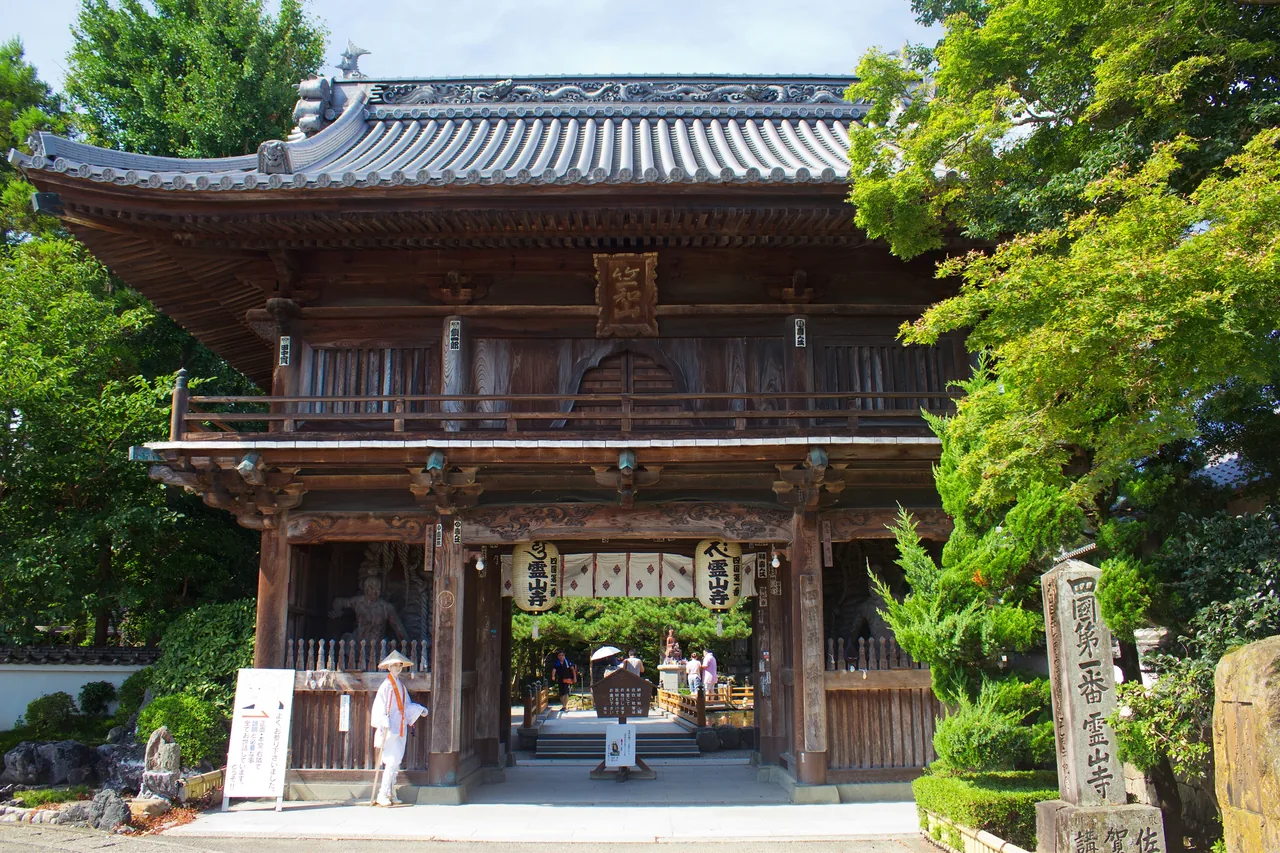
- Ryozen-ji Temple (No. 1)
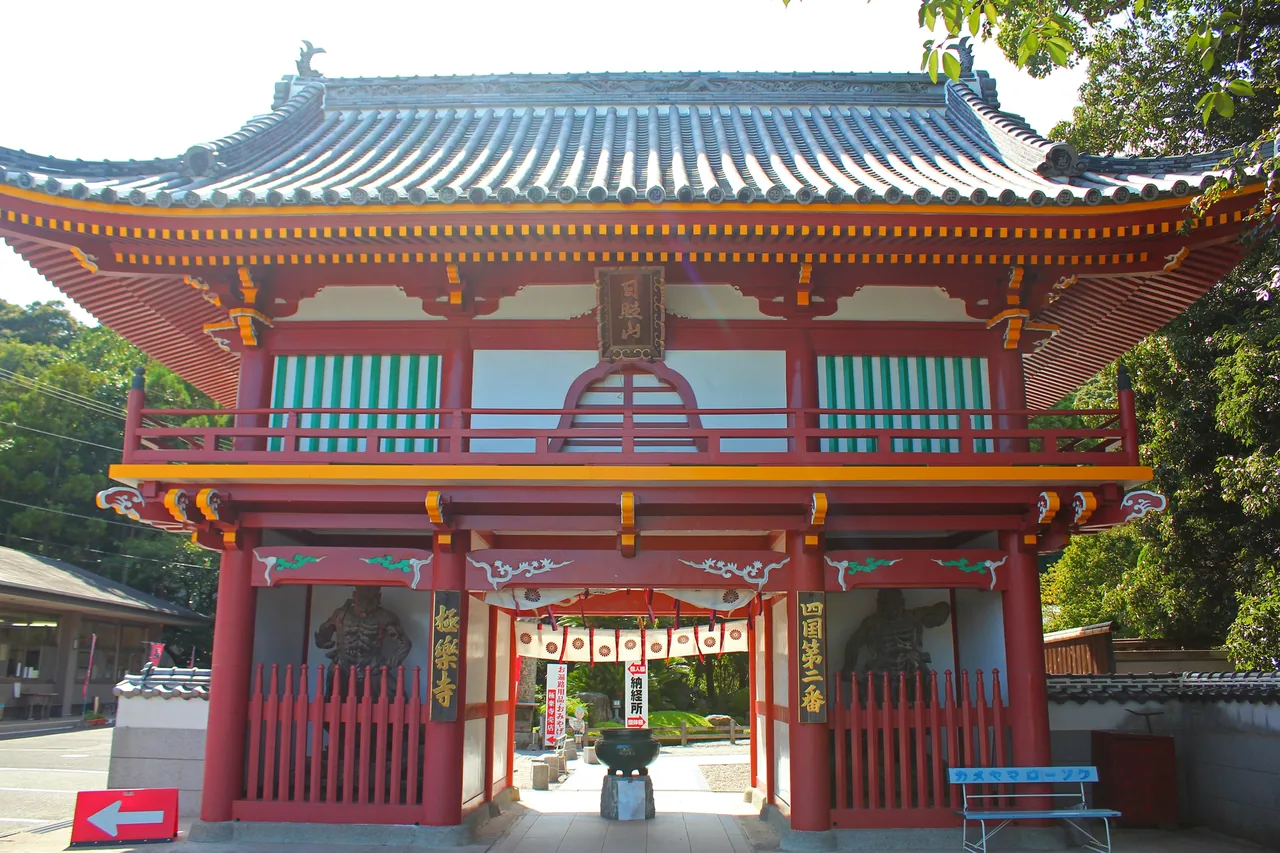
- Gokuraku-ji Temple (No. 2)
- Konsen-ji Temple (No. 3)
- Dainichi-ji Temple (No. 4)
- Jizo-ji Temple (No. 5)

Courtesy of Tokushima Prefecture and the Tokushima Prefecture Tourism Association
Areas of Tokushima
Oasa in Naruto, where the Shikoku pilgrimage begins at Temple 1, Ryozen-ji, and Temple 2, Gokuraku-ji, plus Oasahiko Shrine, the Naruto German House and walking routes.
This page is translated from the Japanese edition. Read the Japanese edition
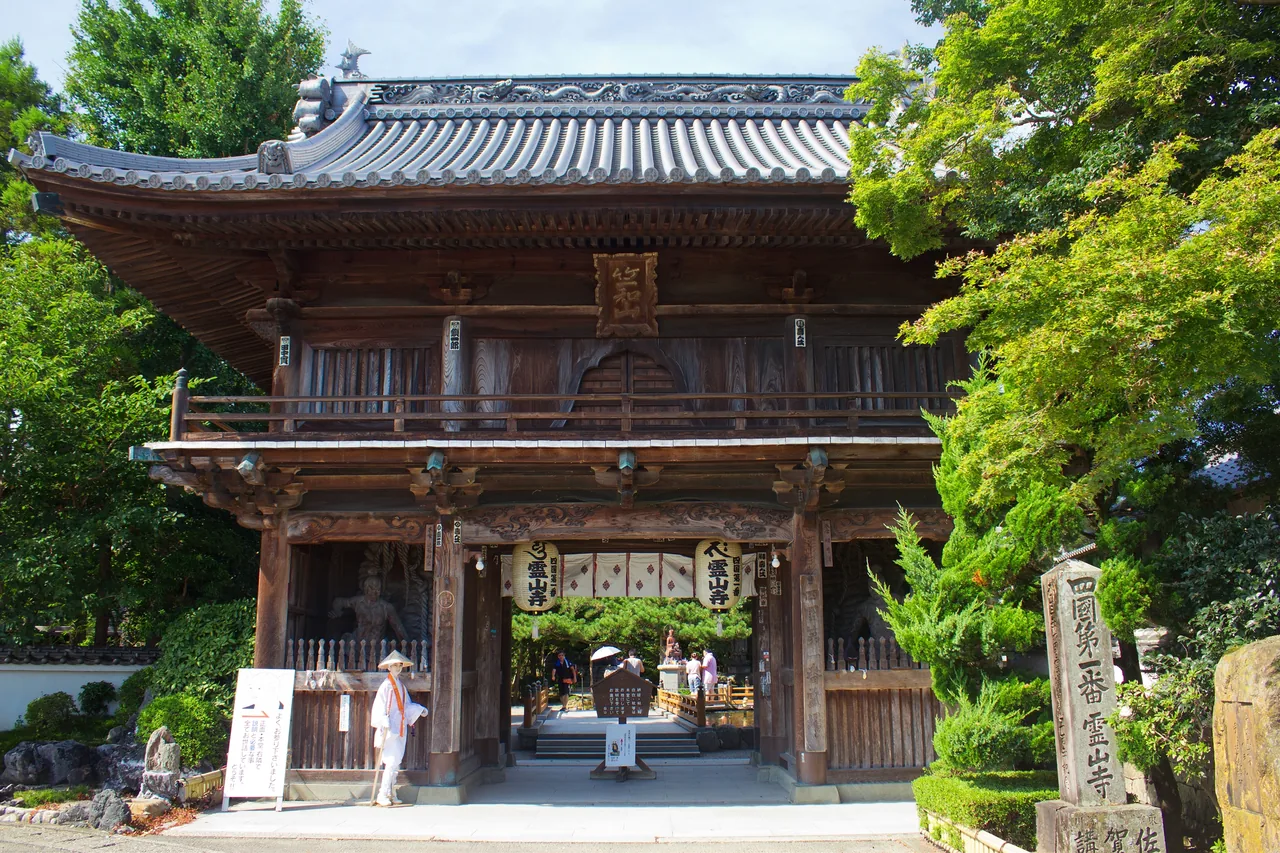
About a 10-minute walk from Bando Station on the JR Kotoku Line stands the gate of Ryozen-ji, Temple 1 of the Shikoku 88-temple pilgrimage. The pilgrimage begins here, and Temple 2, Gokuraku-ji, is about 20 minutes away on foot.
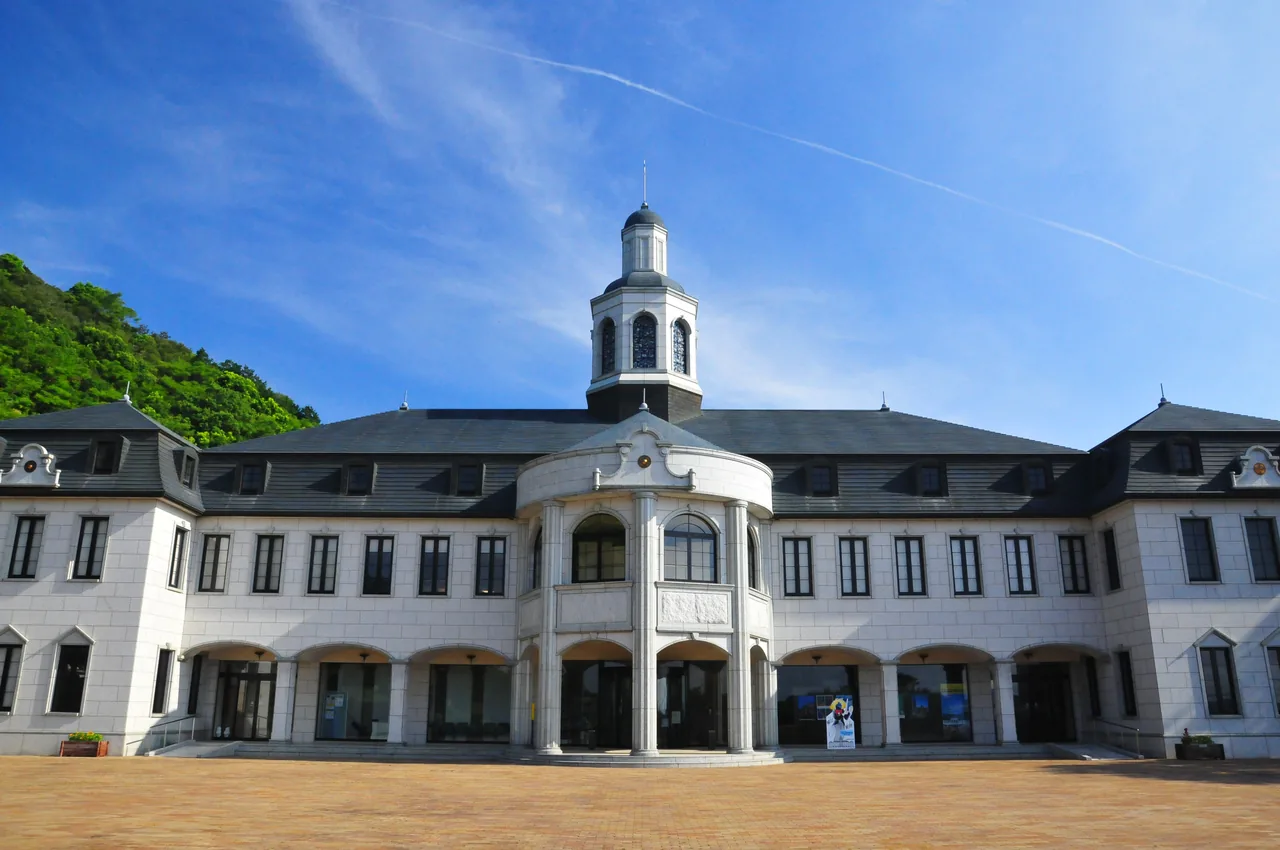
During World War I, this part of Oasa-cho, Naruto, was home to the Bando prisoner-of-war camp, where German prisoners lived. Besides the temples, you can trace the exchanges between the prisoners and local people at Oasahiko Shrine and the Naruto German House.
Temple tradition says the monk Gyoki founded it in the Tenpyo era (729-749) at the wish of Emperor Shomu, and that Kobo Daishi (Kukai) later trained here and made it the first temple of the circuit. The principal image is Shaka Nyorai. Temples 1 to 23, in Tokushima (the old province of Awa), are called the "dojo of awakening the aspiration." See Ryozen-ji Temple for details. Official information: Ryozen-ji Temple on Awanavi (Tokushima tourism site).
Its mountain name is Nisshozan. Temple tradition says it was founded by Gyoki, and that in 815, on the last day of Kobo Daishi's recitation of the Amida Sutra here, Amida Buddha appeared to him; he carved that figure as the principal image. Look for the vermilion gate. See Gokuraku-ji Temple for details. Official information: Gokuraku-ji Temple on Awanavi (Tokushima tourism site).
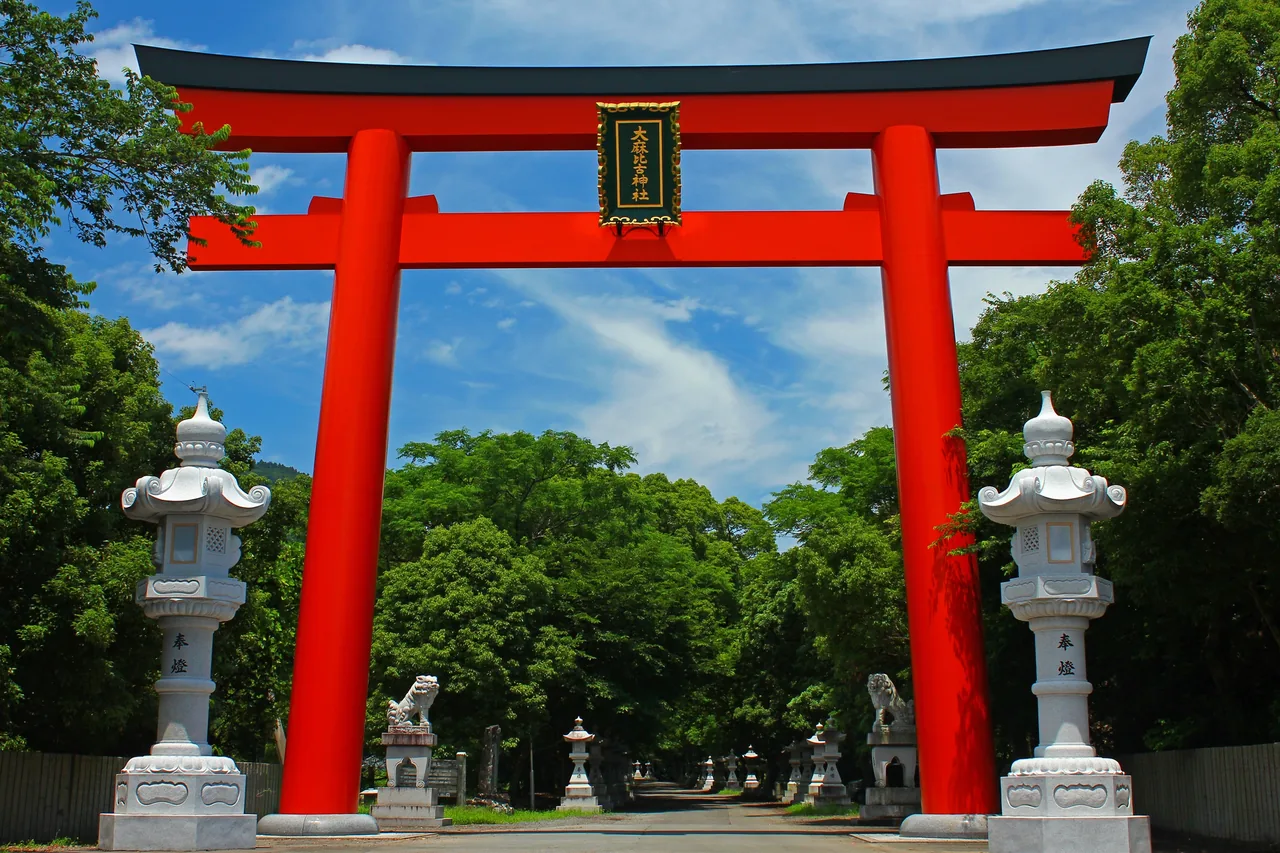
A long approach leads from a 14-meter-high torii gate to the shrine buildings. The sacred camphor tree measures 8.3 meters around the trunk and 22 meters tall and is a natural monument of Naruto City. In the grounds are the "German Bridge" and the "Spectacles Bridge," built in 1919 by German soldiers from the Bando camp. See Oasahiko Shrine for details. Official information: Oasahiko Shrine official website.
On June 1, 1918, the prisoners at the camp performed all four movements of Beethoven's Ninth Symphony, which the German House presents as its first performance in Japan. Displays inside tell the story of the prisoners' activities and their exchanges with local people. The camp site nearby is now Germany Village Park. See Naruto German House for details. Official information: Naruto German House official website.
Pilgrim gear such as white robes, walking staffs and stamp books can be bought at the shop in Ryozen-ji's grounds and at stores outside the gate. If you are setting off on foot from here, get kitted out before you pray.
Visit Ryozen-ji from Bando Station and walk on to Gokuraku-ji, and you have taken the first steps of the pilgrimage. Oasahiko Shrine and the German House lie on the north side of Ryozen-ji, and walking to them makes for a half-day stroll.
For Temples 3 to 5, see the Itano area guide; for the Naruto whirlpools, see the Naruto Park & Uzu-no-Michi area guide.