
Hachiman, Shibuno & Joroku
Courtesy of Tokushima Prefecture and the Tokushima Prefecture Tourism Association
Areas of Tokushima
Hachiman, Shibuno & Joroku
Southern Tokushima City: the zoo and botanical garden, Bunka-no-Mori Park, Joroku-ji Temple and the Inugai puppet stage, with bus routes from Tokushima Station.
Find on the map
This page is translated from the Japanese edition. Read the Japanese edition
What is the area like?
Ride a city bus 20 to 30 minutes south from Tokushima Station and green hills draw closer. The Hachiman, Shibuno and Joroku districts make up southern Tokushima City, with large prefectural and city parks and, scattered among them, old temples and a rural theater stage.
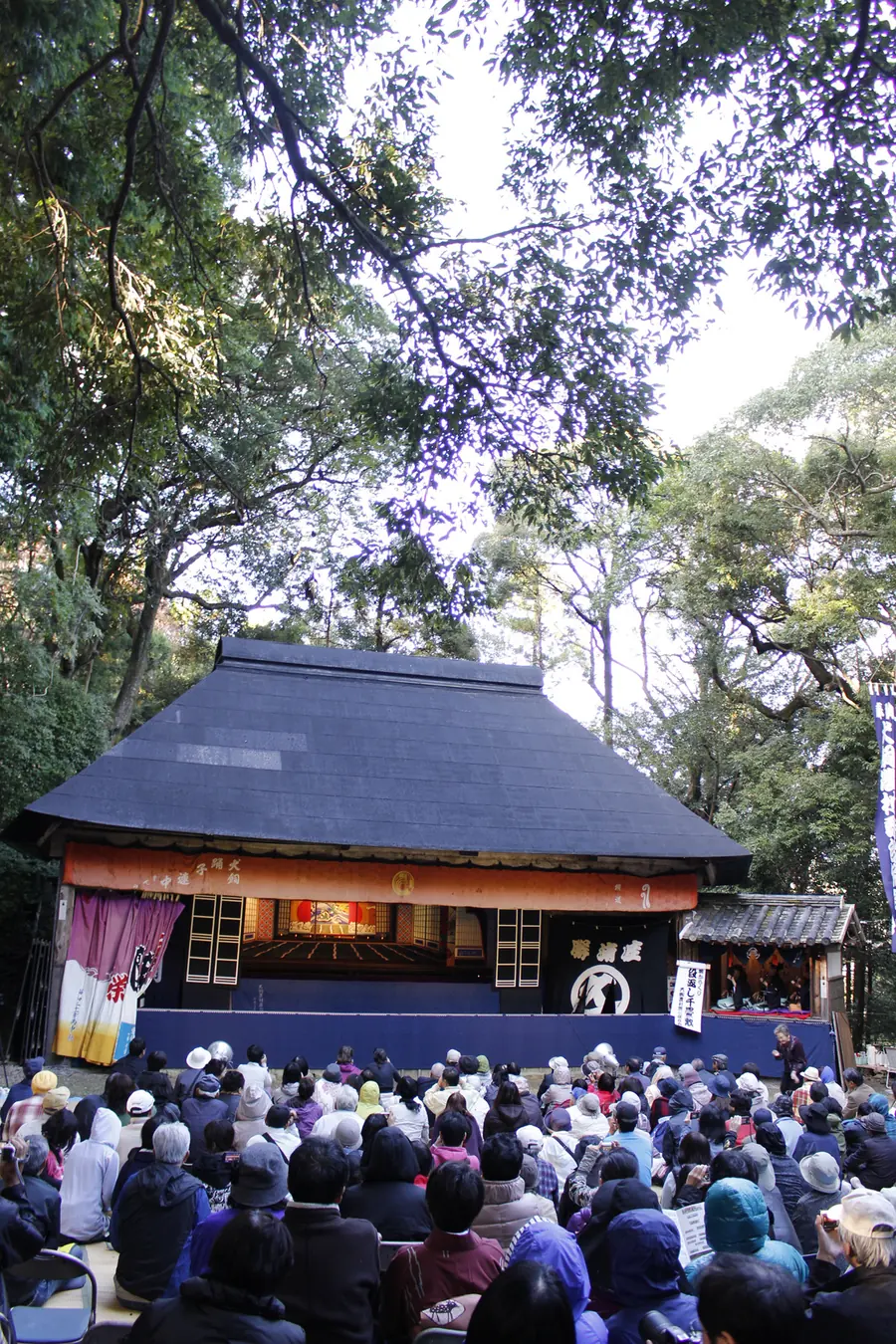
There is a zoo and botanical garden where a family can spend a whole day, a hilltop park full of prefectural cultural facilities, and Joroku-ji Temple with its Muromachi-period gate. On November 3, a mountain shrine also stages puppet theater.
Main sights
Tokushima Zoo and Tokushima Botanical Garden
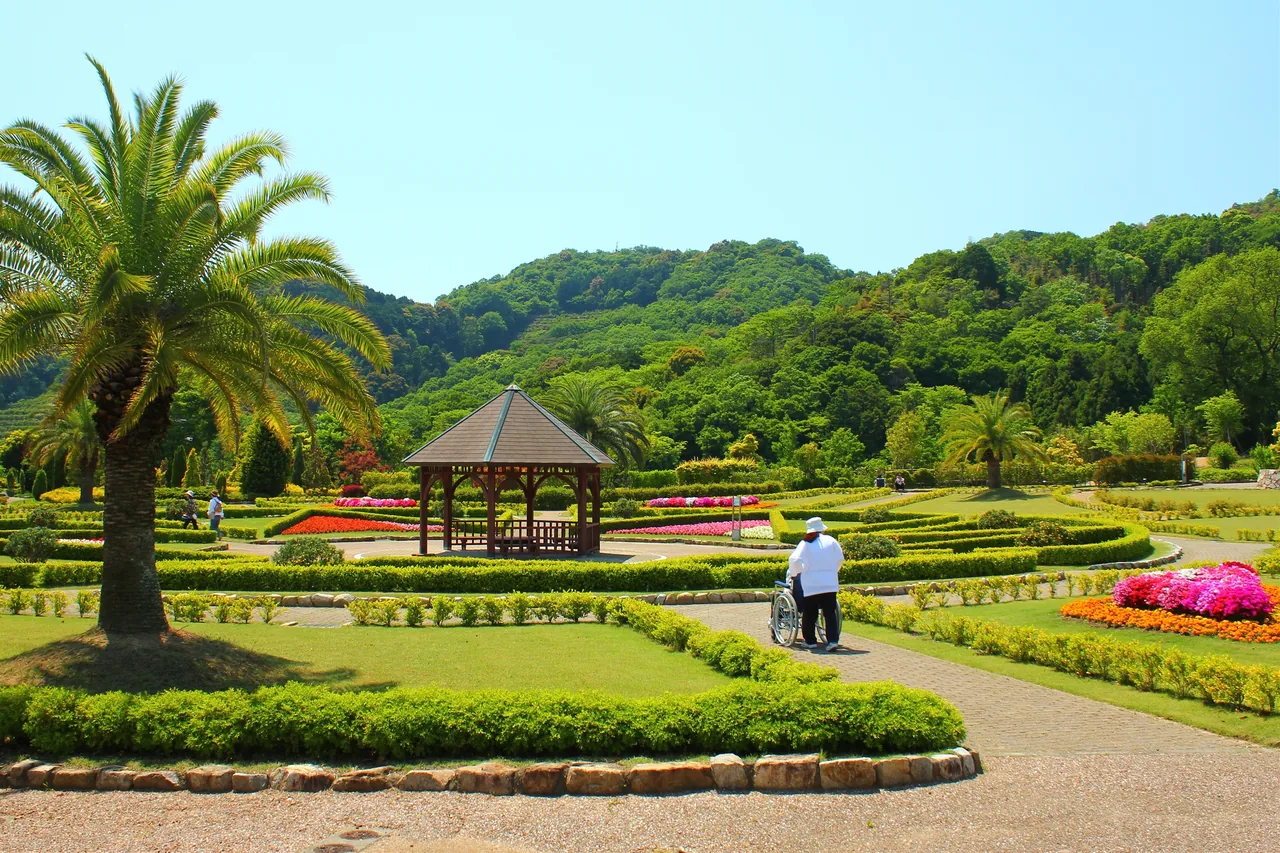
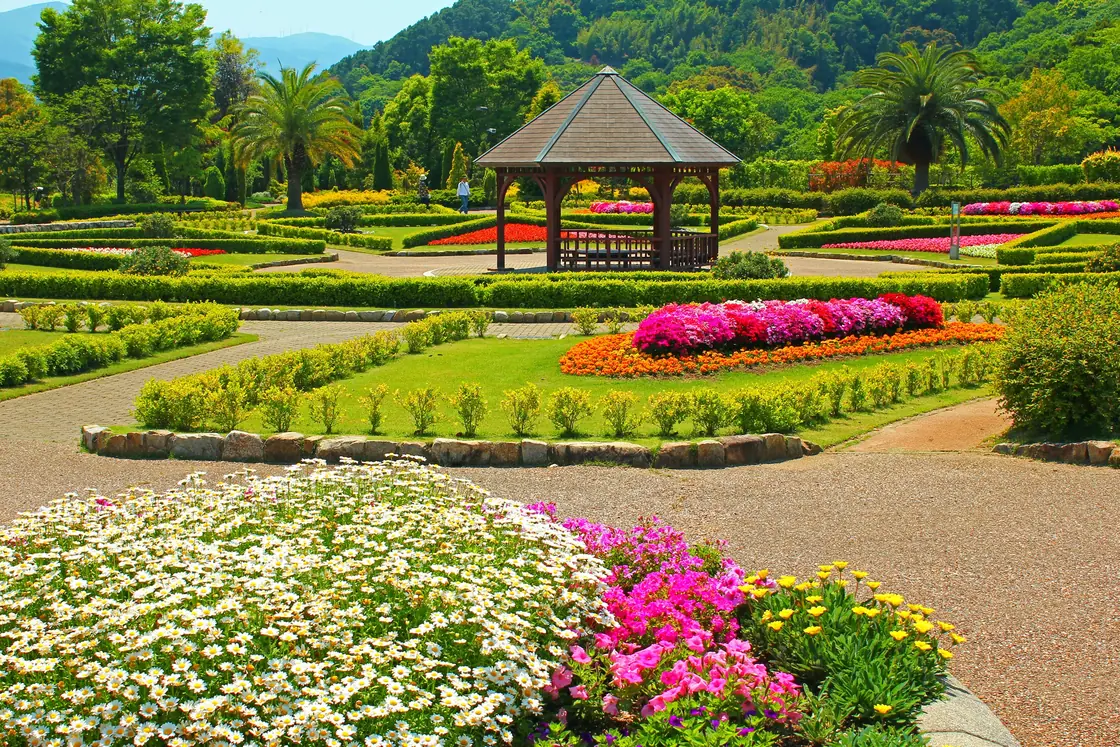
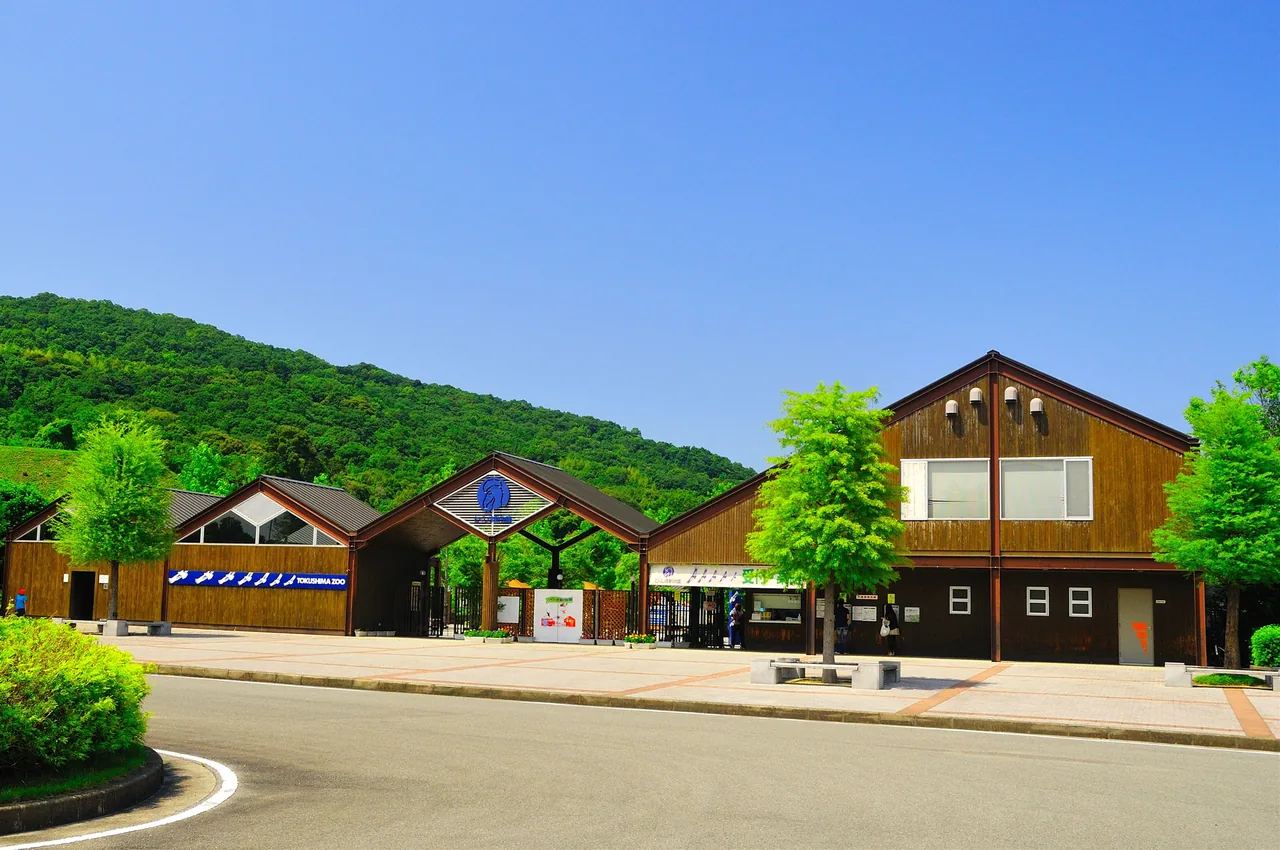
The two neighboring parks together form the Tokushima City Zoological and Botanical Park. The zoo is divided into climate zones plus a children's zoo; in the savanna zone zebras and capybaras share one enclosure, and in the temperate zone you can walk inside a domed flying cage. The botanical garden spreads out in flower beds and palm-lined gardens. For more, see Tokushima Zoo and Tokushima Botanical Garden. Official information: Tokushima Zoo on Awanavi (Tokushima tourism site). Official information: Tokushima City's official page on Tokushima Botanical Garden.
Tokushima Prefectural Bunka-no-Mori Park
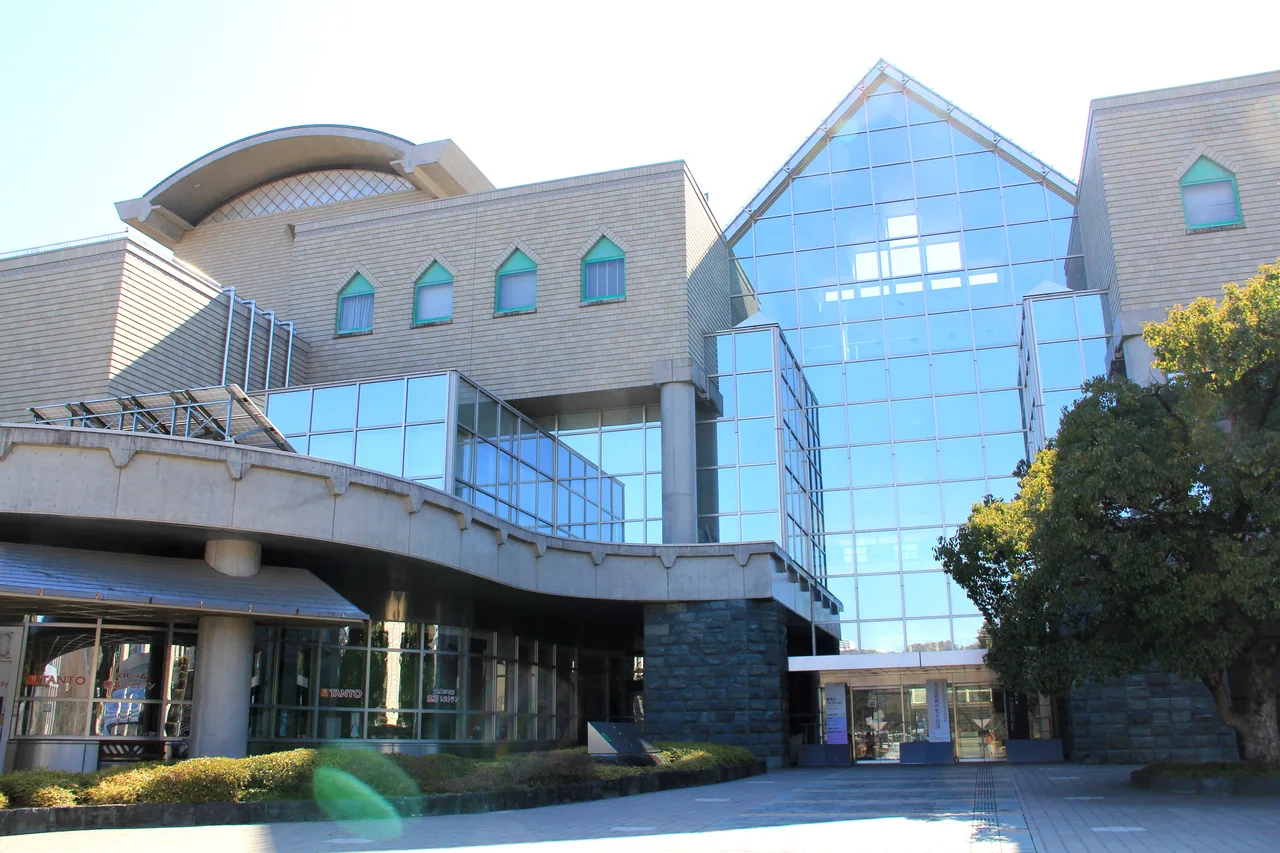
A park on a hill above the Sonose River, where the prefecture's cultural facilities are gathered. Check each facility's website for exhibitions and events. For more, see Bunka-no-Mori Park. Official information: Tokushima City's official page on Bunka-no-Mori Park.
Joroku-ji Temple
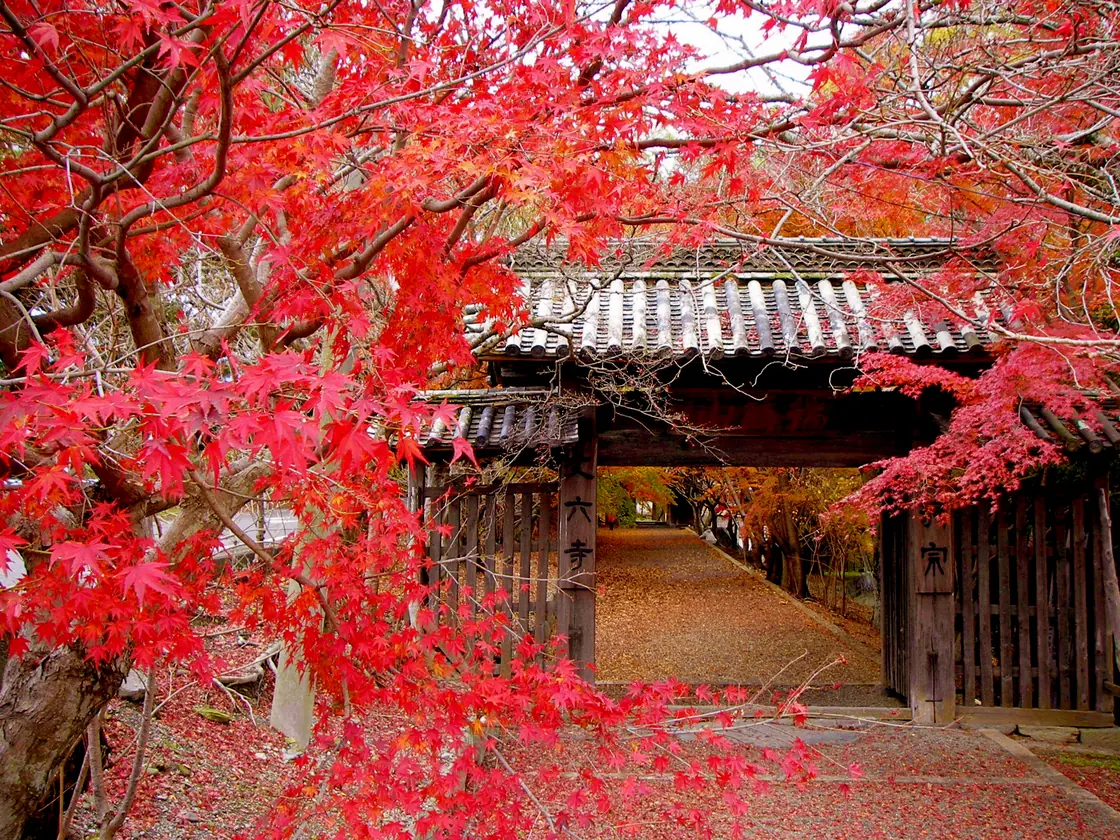
Said to date from the late 7th century and nicknamed "the Horyu-ji of Awa," this temple has a Muromachi-period gate, main hall and Kannon hall, plus a 3.58 m seated Sho Kannon, all national Important Cultural Properties. Autumn leaves usually peak from late November to mid-December. For more, see Joroku-ji. Official information: Tokushima City's official page on Joroku-ji.
Inugai Noson Butai
A puppet-theater stage from the early Meiji era in the grounds of Goo Shrine in Hata, designated a national Important Tangible Folk Cultural Property. Every November 3, it hosts Awa puppet theater and fusuma karakuri, in which the painted sliding panels at the back of the stage change one after another. For more, see Inugai Noson Butai and the performance at Inugai Noson Butai. Official information: Tokushima City's official page on Inugai Noson Butai. Official information: Tokushima City's official page on the performance at Inugai Noson Butai.
Getting there
- Tokushima Zoo and Botanical Garden: from stop 2 of the Tokushima City Bus in front of JR Tokushima Station, take a bus bound for "Jorokuji-minami" (route 11), about 25 minutes. For the zoo, get off at "Tokushima Dobutsuen-mae"; the botanical garden is about a 10- to 15-minute walk from that stop or from "Funakoshi."
- Bunka-no-Mori Park: take a Tokushima City Bus bound for "Bunka-no-Mori" to the last stop; the park is right there.
- Joroku-ji: from JR Tokushima Station, take a Tokushima City Bus bound for Gotaki, Hata or Okubo to "Joroku-kita," then walk about 2 minutes.
- Inugai Noson Butai: in the hills of Hata. Check Tokushima City's information for transport on performance day.
Getting around the area
The sights are far apart and served by different bus routes, so it works best to pick one: a full day at the zoo and botanical garden, or half a day at Bunka-no-Mori. With a car, you can pair Joroku-ji with the zoo and gardens.
In autumn, the Inugai performance on November 3 is followed by Joroku-ji's autumn colors from late November. For central Tokushima, see the Tokushima Station, Mt. Bizan and Shinmachi River area guide; for the pilgrimage temples in neighboring Komatsushima to the south, see the Komatsushima area guide.
Sights in Hachiman, Shibuno & Joroku
Tokushima guides
See all

More areas of Tokushima
- Naruto Park & Uzu-no-Michi
- Uchinoumi
- Naruto Otsu
- Naruto & Oasa (Temples 1–2)
- Itano (Temples 3–5)
- Donari & Kamiita (Temples 6–10)
- Kamojima & Kawashima
- Aizumi
- Kitajima
- Kokufu & Ishii (Temples 13–17)
- Tokushima Station, Mt. Bizan & Shinmachi River
- Kawauchi
- Komatsushima (Temples 18–19)
- Anan & Hanoura
- Aratano (Temple 22)
- Tairyuji, Kakurinji & Washiki
- Cape Kamoda & Tsubaki
- Kawaguchi Dam
- Hiwasa (Temple 23)
- Akamatsu
- Tainohama Beach
- Mugi & Tebajima Island
- Kainan
- Asakawa
- Shishikui & Takegashima
- Todoroki Falls
- Kisawa Waterfalls
- Kamiyama (Temple 12)
- Kamiyama Kamibun
- Kamikatsu Kashihara
- Kamikatsu Kanjogataki
- Okawara Highlands
- Yamakawa & Misato
- Awa Earth Pillars
- Wakimachi
- Yaoyorozu Kami no Goten
- Sadamitsu
- Ichiu
- Koyadaira
- Higashimiyoshi
- Iya Kazurabashi
- Iya Valley
- Kurozo Wetland
- Oboke
- Higashi-Iya Ochiai
- Oku-Iya
- Mt. Tsurugi
- Konose Gorge