Tottori Castle Ruins, Hakuto Shrine and Shikano Half-Day
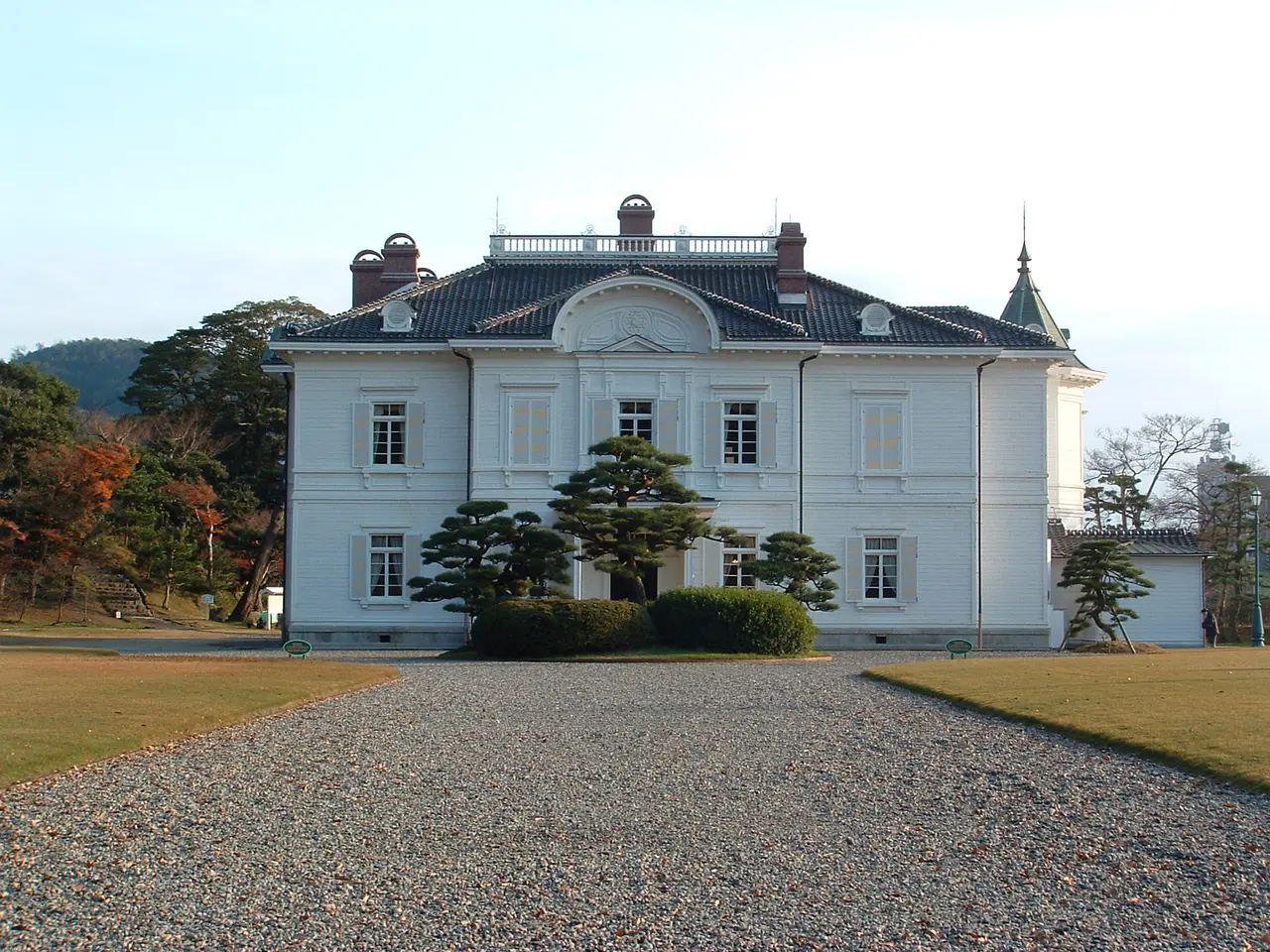
- Tottori Castle Ruins and Jinpukaku
- Hakuto Shrine
- Shikano Old Town

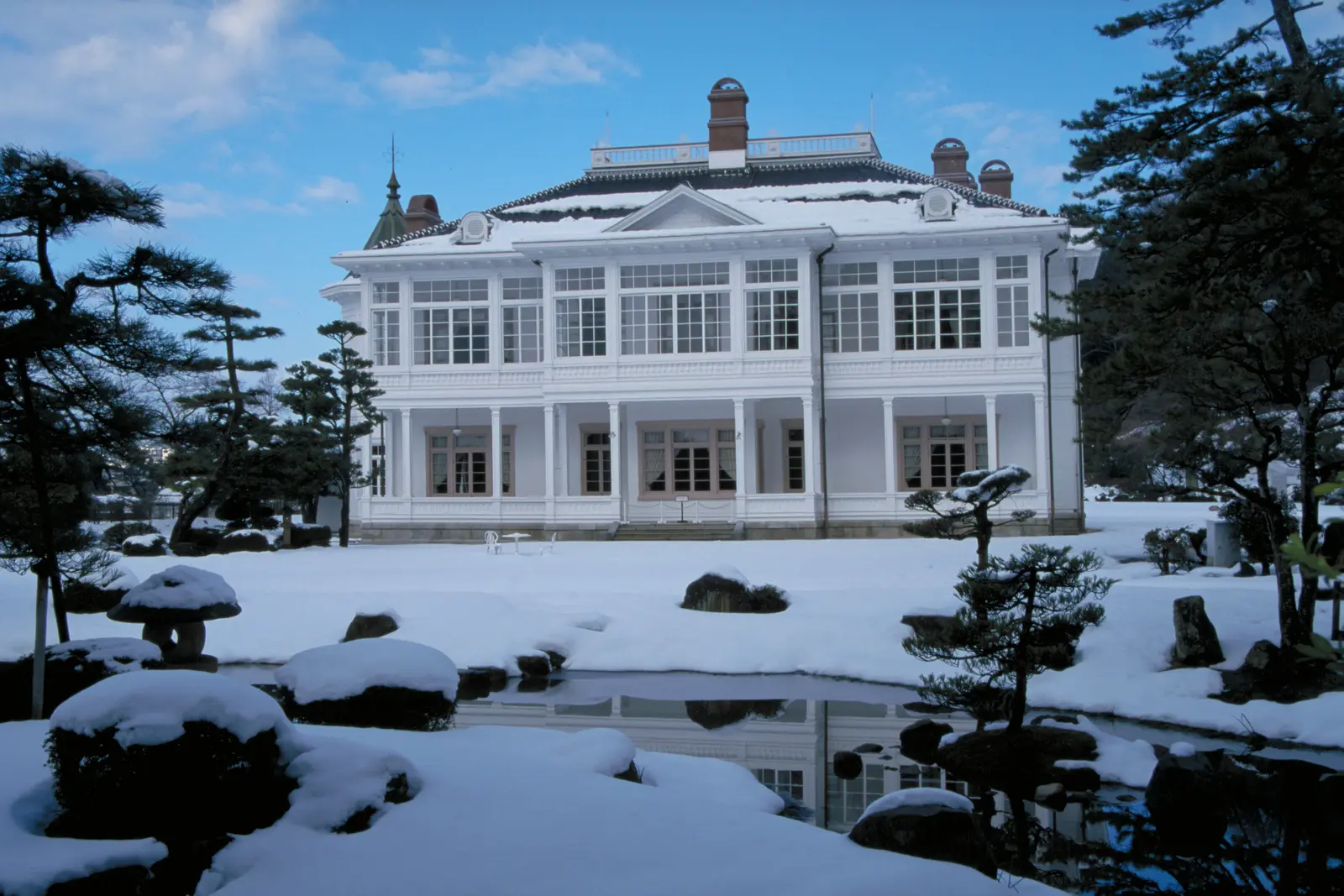
Photo: ©Tottori Pref.
Areas of Tottori
Tottori Castle Ruins, the Jinpukaku mansion (closed for restoration since Dec 2023, garden open), Kyusho Park cherry blossoms and getting around from Tottori Station.
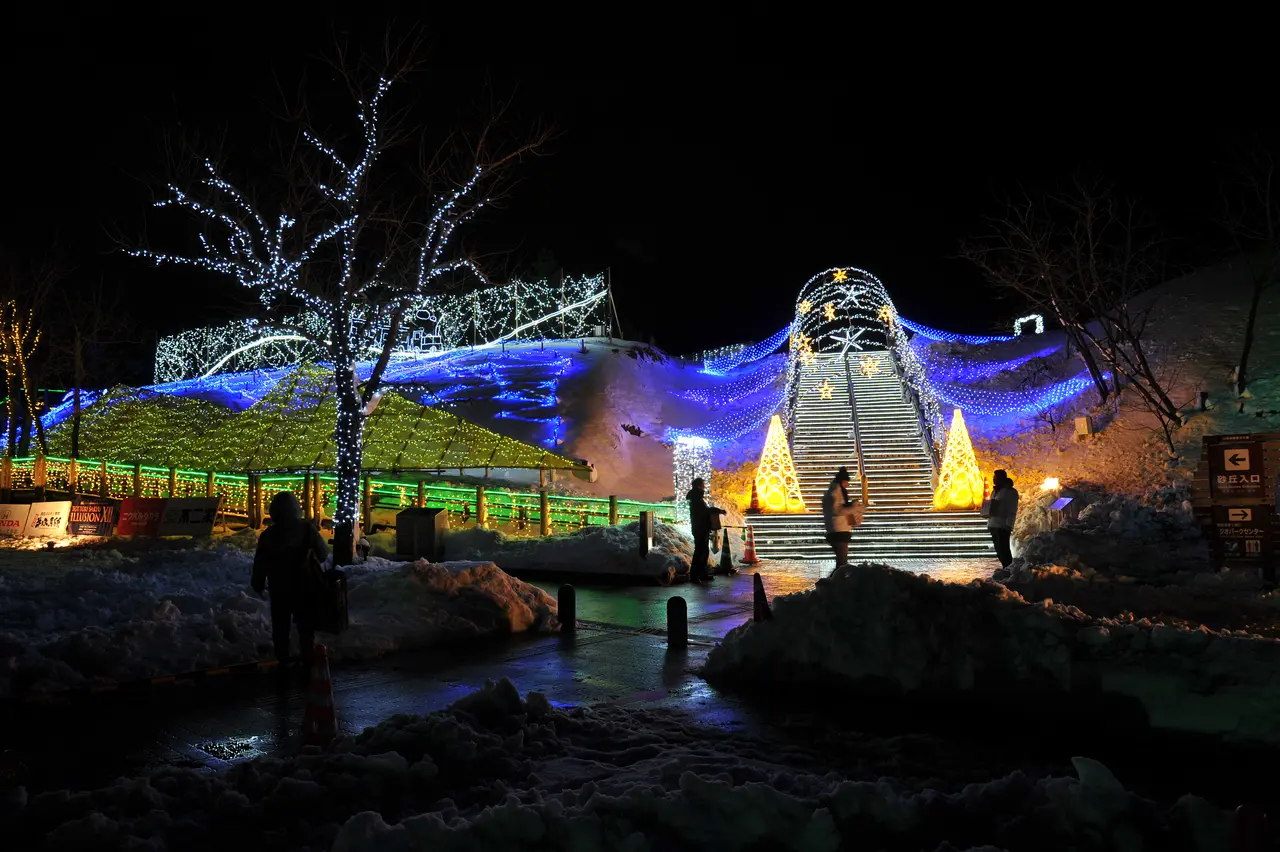 Nov 21 – Dec 6Tottori Sakyu Illusion
 GuidesTottori Crab Ryokan: 6 Onsen Inns for Matsuba Crab Season
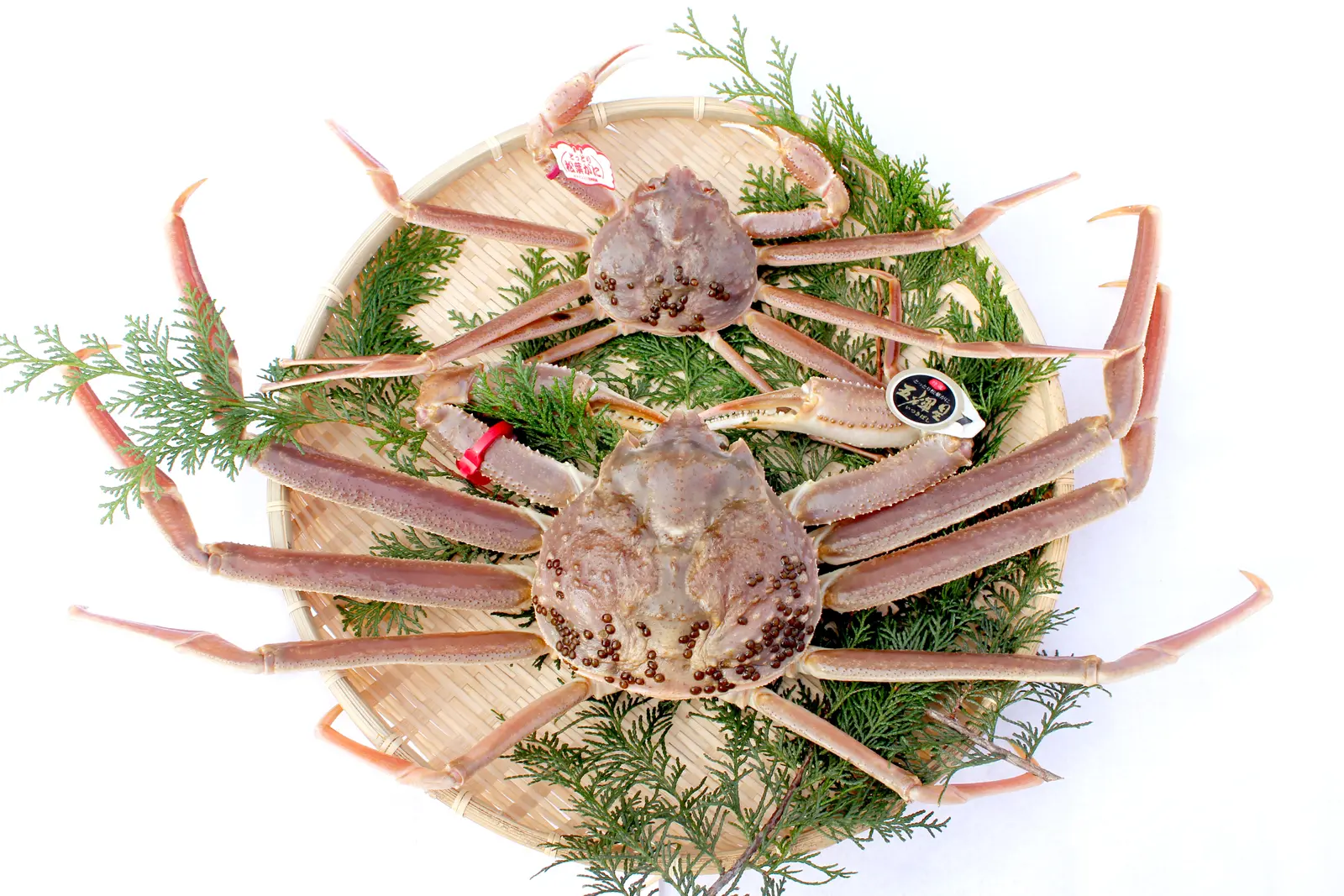 GuidesMatsuba Crab in Tottori: Season, Itsukiboshi and How to Eat It
This page is translated from the Japanese edition. Read the Japanese edition
This is the center of Tottori City, the prefectural capital. JR Tottori Station is the hub for trains and local buses, and trips to the dunes, the coast and the mountain towns all start here. Walk north from the station and beyond the streets you see Mt. Kyusho, 263 m high, where the remains of Tottori Castle run from the foot of the hill to the summit.
The castle ruins are a national Historic Site, and the area around the stone walls at the foot of the hill is laid out as Kyusho Park. Cherry blossoms in spring and snow on the walls in winter change the look of the place with the seasons. In one corner of the ruins stands Jinpukaku, a white Western-style mansion built at the end of the Meiji period.
Stone walls remain at the Ninomaru, Tenkyumaru and other enclosures, and stone steps lead up to views over the city. The Gibooshi Bridge at the main entrance was rebuilt in 2018 and the Nakanomon Gate in 2021, so you can once again follow the way into the castle from the front. See Tottori Castle Ruins & Jinpukaku.
Jinpukaku is a Western-style mansion built in 1907 (Meiji 40) by the Ikeda family, the former lords of the domain, as lodgings for Crown Prince Yoshihito (later Emperor Taisho) on his visit to the San'in region. It was designed by Katayama Tokuma, who also designed the Akasaka Palace, and is an Important Cultural Property. It has been closed since December 2023 for conservation work that includes earthquake reinforcement, and reopening is planned several years from now. You cannot go inside during the work, but the Horyuin Garden with its pond behind the mansion remains open, and an exhibition hall covers the castle ruins and Jinpukaku. Check Tottori City's announcements for the reopening date.
Kyusho Park, at the foot of the castle ruins, is one of Japan's Top 100 Cherry Blossom Spots. In spring, Somei-yoshino cherry trees surround the stone walls and Jinpukaku, and you can see the white mansion and the blossoms together.
Tottori faces the Sea of Japan, and each season has its specialty, such as matsuba crab in winter and Nijisseiki pears. On days when you head out to the dunes or the mountain towns, eating around the station before you leave makes it easier to fit in with the bus times. The crab season and how to tell the crabs apart are in Matsuba Crab in Tottori, and Tottori's specialties as a whole in Tottori Food Guide.
Walk the castle ruins and Kyusho Park in the morning, then take a local bus to the Tottori Sand Dunes in the afternoon, and you have covered Tottori City's classics in one day.
Buses heading west also take you to the Hakuto Coast, known for the myth of the White Hare of Inaba, and to Shikano, where traces of a castle town remain.