
Uradome Coast & Iwai Onsen
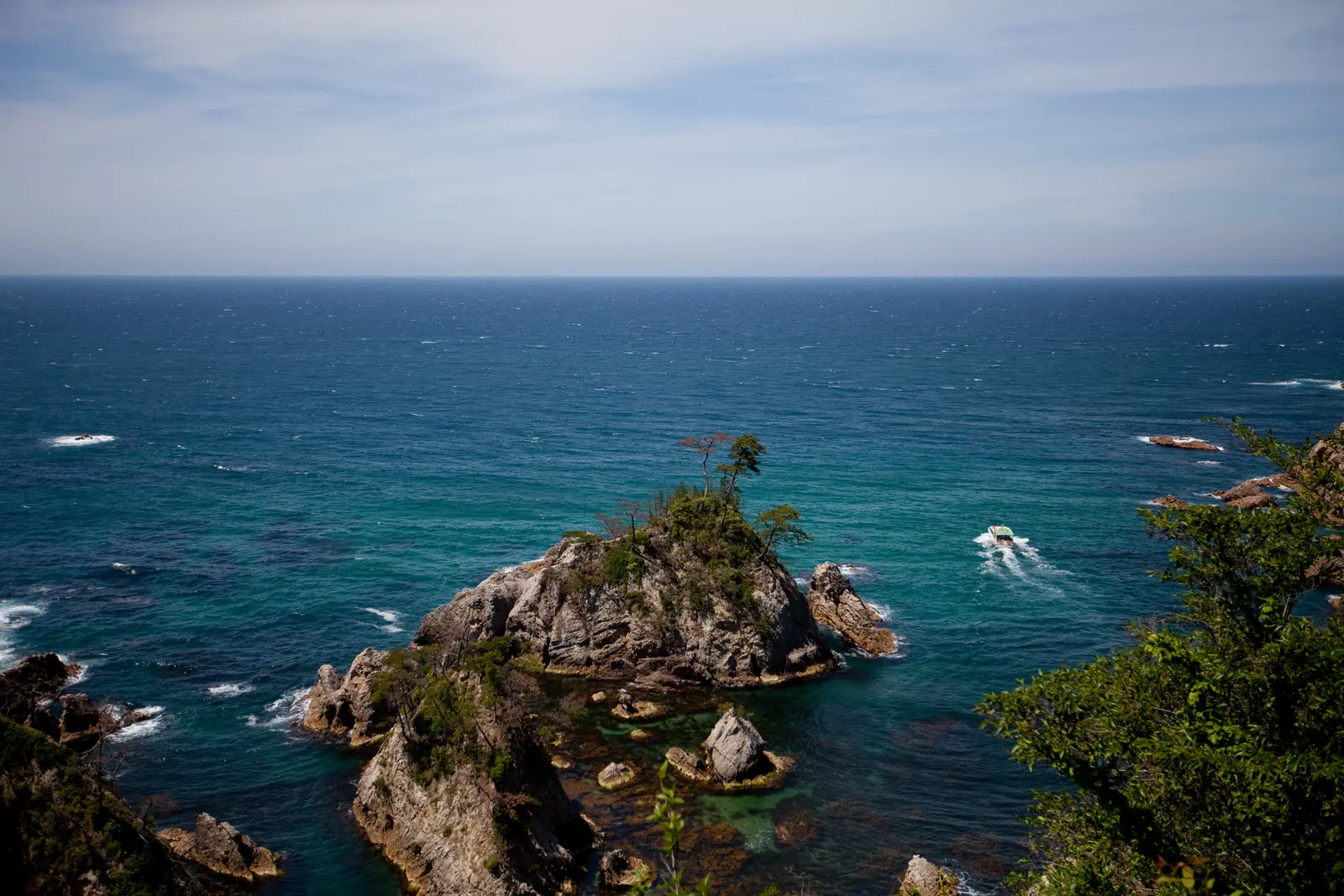
Photo: ©Tottori Pref.
Areas of Tottori
Uradome Coast & Iwai Onsen
Uradome Coast in Iwami, Tottori: 15 km of rocky islets and cliffs by sightseeing boat or sea kayak, plus Iwai Onsen and its yukamuri bathing custom.
 Nov 21 – Dec 6Tottori Sakyu Illusion
 GuidesTottori Crab Ryokan: 6 Onsen Inns for Matsuba Crab Season
 GuidesMatsuba Crab in Tottori: Season, Itsukiboshi and How to Eat It
Find on the map
This page is translated from the Japanese edition. Read the Japanese edition
What is the area like?
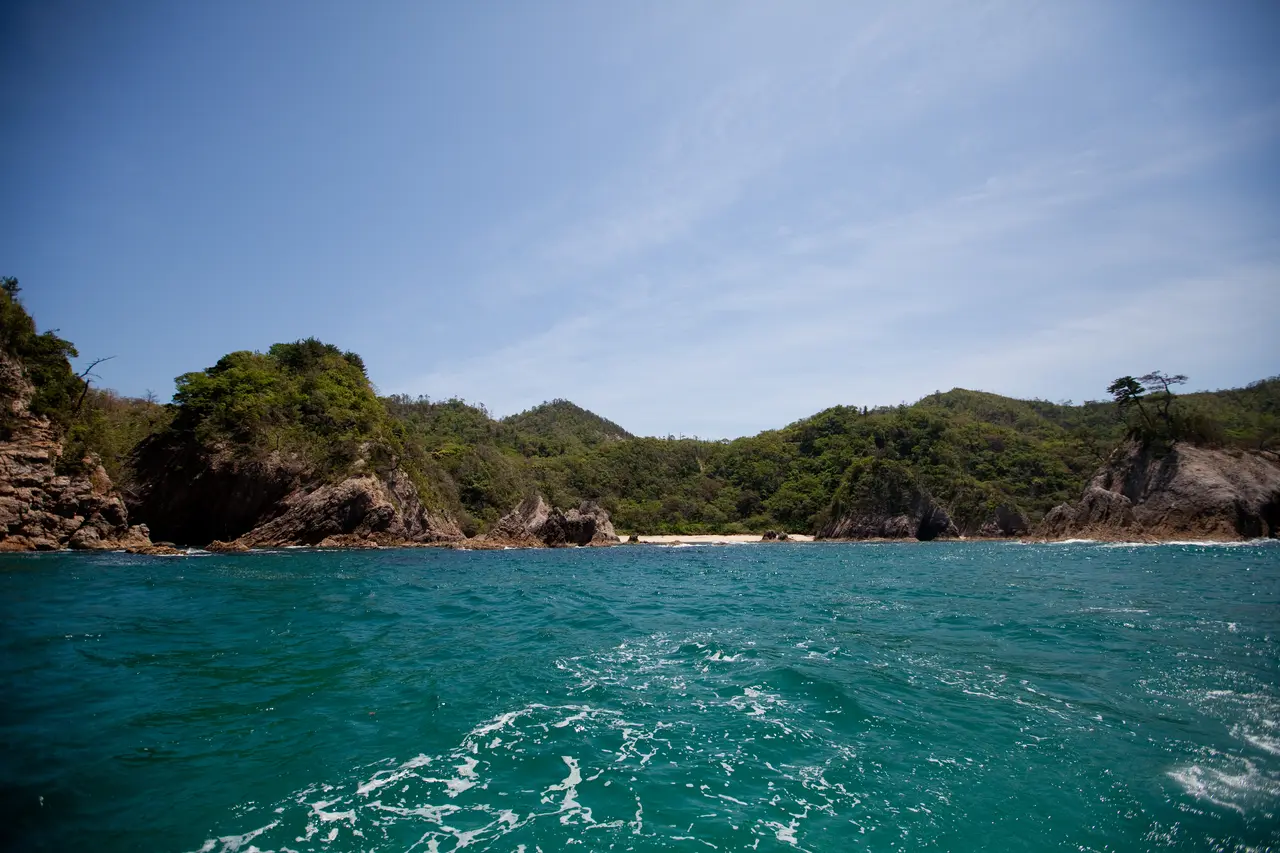
Iwami, at the eastern tip of Tottori Prefecture, has two sides: the sea and the hot springs. On the sea side is the Uradome Coast, which runs for about 15 km from the Otani district of Iwami to the border with Hyogo Prefecture. Pines cling to rocky islets and cliffs carved by the waves, small sandy beaches sit in the coves, and the coast is sometimes called "the Matsushima of San'in". It is a national Place of Scenic Beauty and one of the highlights of the San'in Kaigan UNESCO Global Geopark.
On the mountain side is Iwai Onsen, a hot spring town in the hills. It is close to the Tottori Sand Dunes and makes an easy place to stay after a day on the coast.
Main sights
Uradome Coast
The island-hopping sightseeing boat from Otani threads between rocky islets and reefs, giving you a close look from the water at rock formations you cannot reach from land. On calm days you can also paddle a sea kayak right up to the cliffs and sea arches; join a tour run by local guides. From early summer to autumn the water is especially clear, and in shallow spots you can see the rocks on the seabed. Boat seasons and sailings change with the weather, so check the official information. See Uradome Coast.
Iwai Onsen
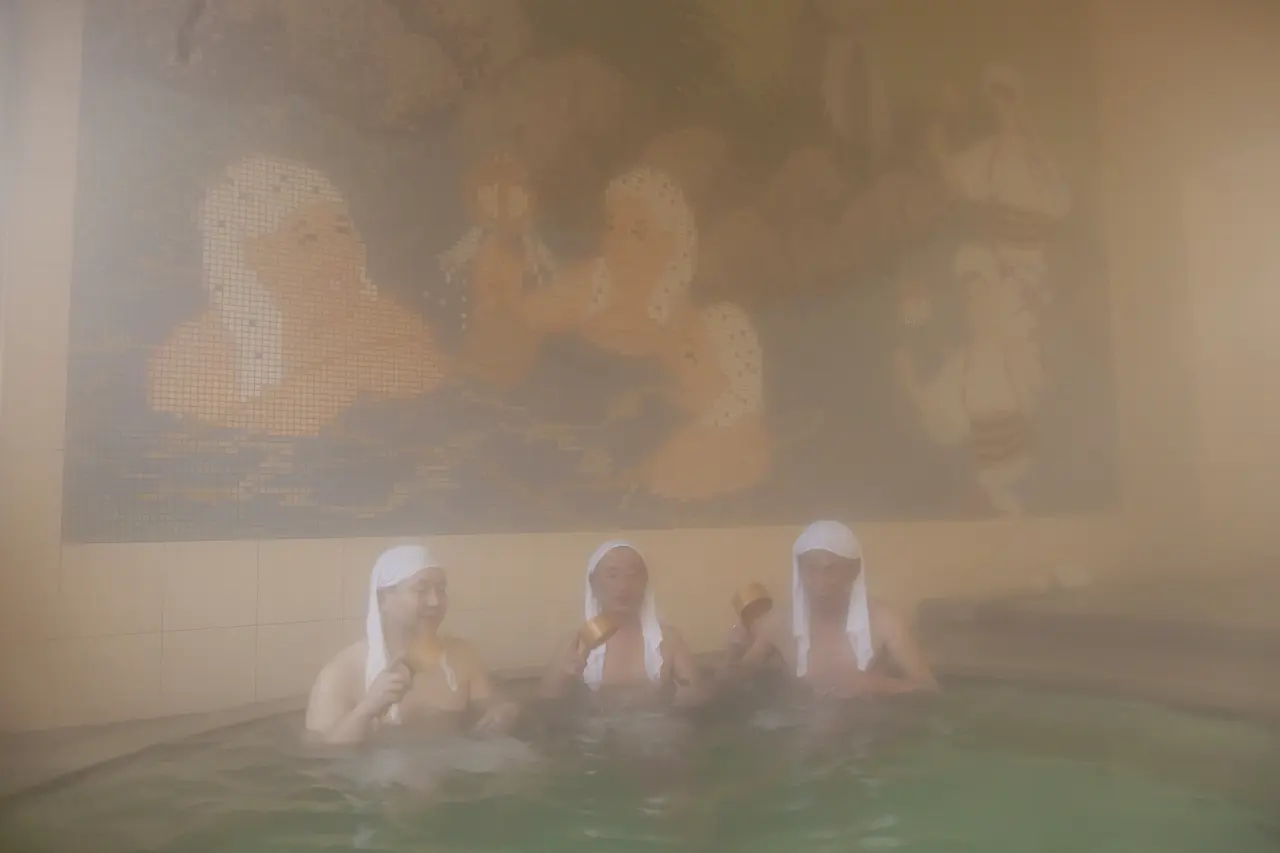
Because Oyu Shrine, dedicated to the guardian god of the springs, was founded in 811, Iwai Onsen is said to be 1,200 years old and is considered the oldest hot spring town in Inaba. It is home to yukamuri: in the late Edo period, people began to put a towel on their heads so they could stay in the water longer, singing while pouring water over themselves with a ladle, and the yukamuri song is still handed down today. The public bathhouse Yukamuri Onsen is open to day visitors. See Iwai Onsen.
Food and shopping
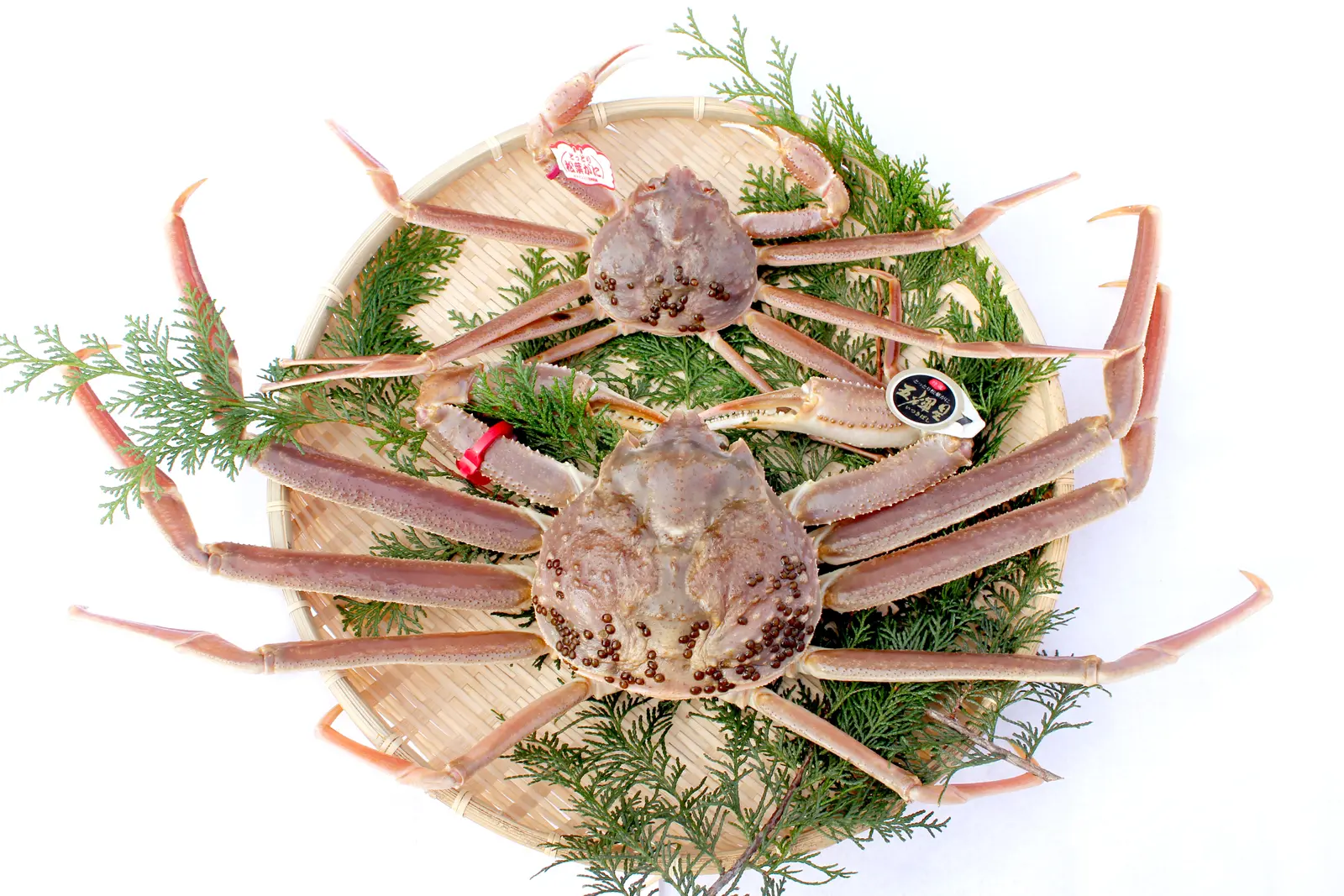
Iwami faces the Sea of Japan, and winter brings the matsuba crab season, when crab dishes appear at dinner in the hot spring inns. If you want crab with an overnight stay, what is served differs from inn to inn, so check when you book. The fishing season and how to tell the crabs apart are in Matsuba Crab in Tottori.
Getting there
- By train: The nearest station is Iwami on the JR San'in Line, reached from Tottori Station on the same line.
- By bus: Nihon Kotsu local buses run from JR Tottori Station and Iwami Station to Otani in Iwami, where the sightseeing boats leave. For Iwai Onsen, take a local bus from Iwami Station to the Iwai Onsen stop.
Getting around the area
For a one-day trip, an easy plan is to walk the Tottori Sand Dunes in the morning, head out to sea at the Uradome Coast by boat or kayak in the afternoon, and stay the night at Iwai Onsen. Boats and kayak tours can be cancelled because of the weather or sea conditions, so leave some slack in your plans.
How to combine the dunes and the coast is covered in Tottori Sand Dunes Guide, and how Iwai Onsen compares with Tottori's other hot springs in Tottori Onsen Guide.
Sights in Uradome Coast & Iwai Onsen
Tottori guides
See all

More areas of Tottori
- Tottori Sand Dunes
- Central Tottori & Tottori Castle Ruins
- Hakuto Coast
- Amedaki Falls (Kokufu)
- Wakasa
- Shikano
- Chizu & Itaihara
- Kurayoshi White-Walled Storehouses
- Misasa Onsen
- Mt. Mitoku
- Lake Togo & Hawai Onsen
- Hokuei
- Mt. Daisen
- Hoki (Shoji Ueda Museum of Photography)
- Nanbu & Tottori Hanakairo Flower Park
- Kaike Onsen
- Yonago
- Sakaiminato