Daisen, Yonago and Sakaiminato Day Trip: Shrine, Castle, Port
- Daisenji Temple
- Ogamiyama Shrine Okunomiya
- Yonago Castle Ruins
- Eshima Ohashi Bridge
- Sakaiminato Port

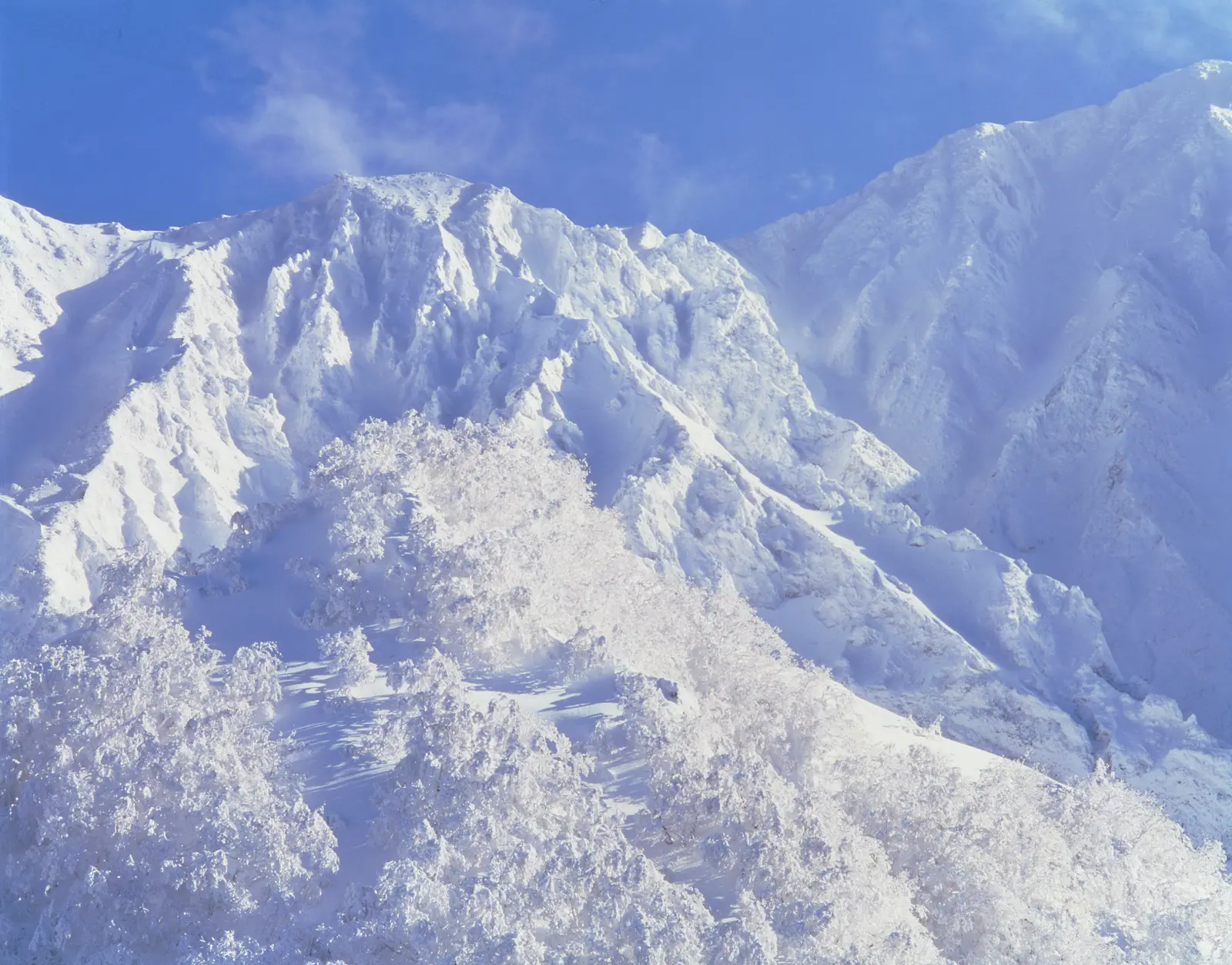
Photo: ©Tottori Pref.
Areas of Tottori
Mt. Daisen, the highest peak in Chugoku: the stone path from Daisen-ji to Ogamiyama Jinja, autumn at Kagikake Pass, skiing, the dairy farm and the bus from Yonago.
 Nov 21 – Dec 6Tottori Sakyu Illusion
 GuidesTottori Crab Ryokan: 6 Onsen Inns for Matsuba Crab Season
 GuidesMatsuba Crab in Tottori: Season, Itsukiboshi and How to Eat It
This page is translated from the Japanese edition. Read the Japanese edition
In winter, Mt. Daisen is covered in snow from the summit to its middle slopes, down to the branches of the trees. Daisen rises in western Tottori and is the highest peak in the Chugoku region, part of Daisen-Oki National Park. It has long been a sacred mountain, and on its northern slopes stand Daisen-ji Temple and Ogamiyama Jinja Okunomiya.
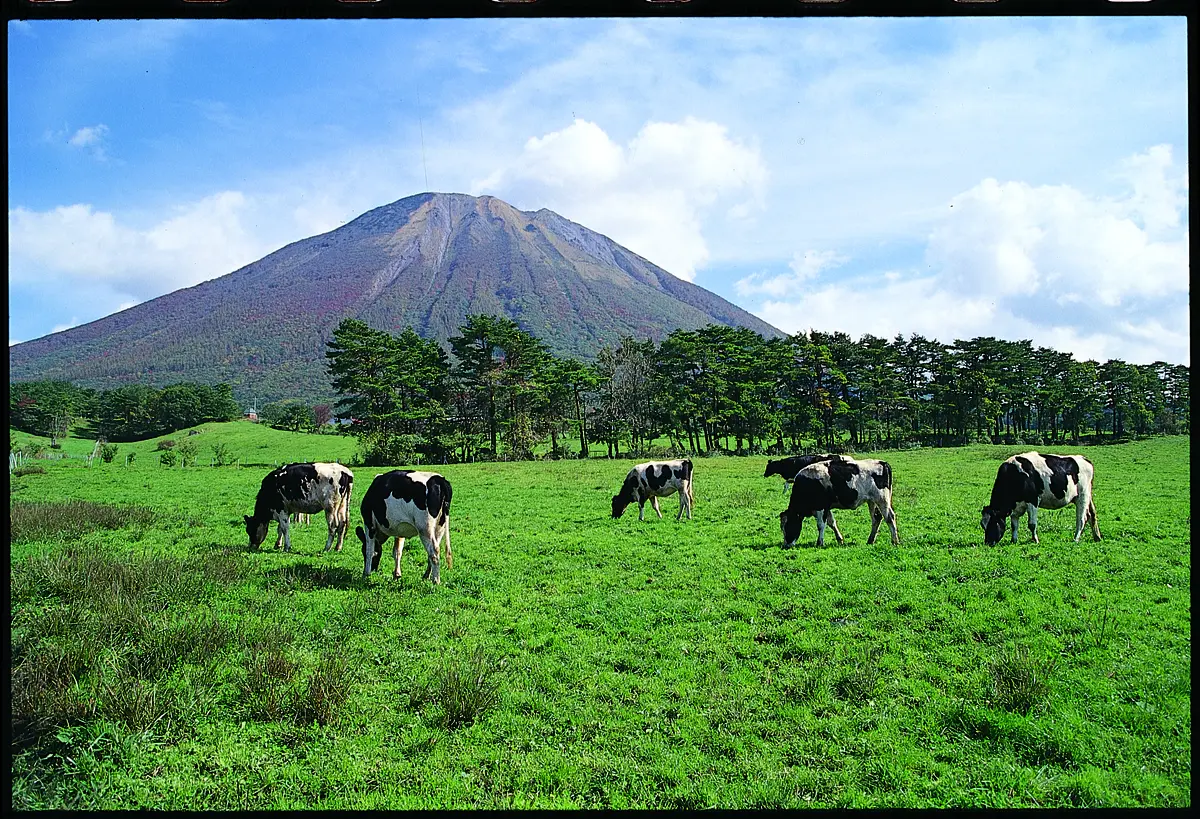
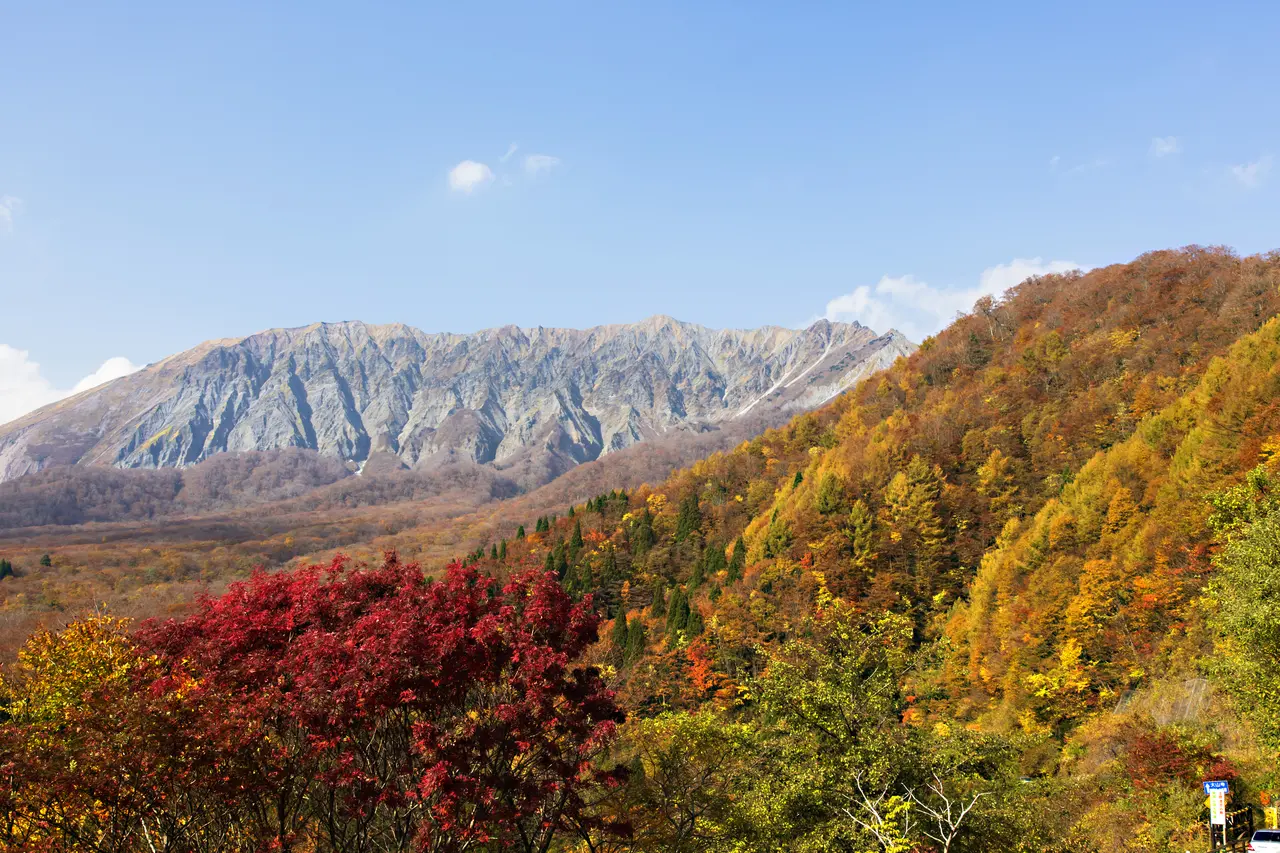
The mountain also changes shape depending on where you see it from. From Kagikake Pass on the south side you see the bare rock of the south face; from the west, where the dairy farm is, it is a triangle with long, spreading slopes. Walking the shrine path, viewing autumn leaves, skiing in the snow season, looking at the mountain from the farm: how you enjoy Daisen depends on the season and the side.
From the Daisenji bus stop, an approach lined with inns and souvenir shops climbs gently toward the mountain. Daisen-ji is a Tendai Buddhist temple; temple tradition says it was founded in 718 in the Nara period, and for centuries it was the center of worship on Daisen. The Amida-do Hall in the forest was built in 1552, and both the hall and its Amida triad are Important Cultural Properties. See Mt. Daisen.
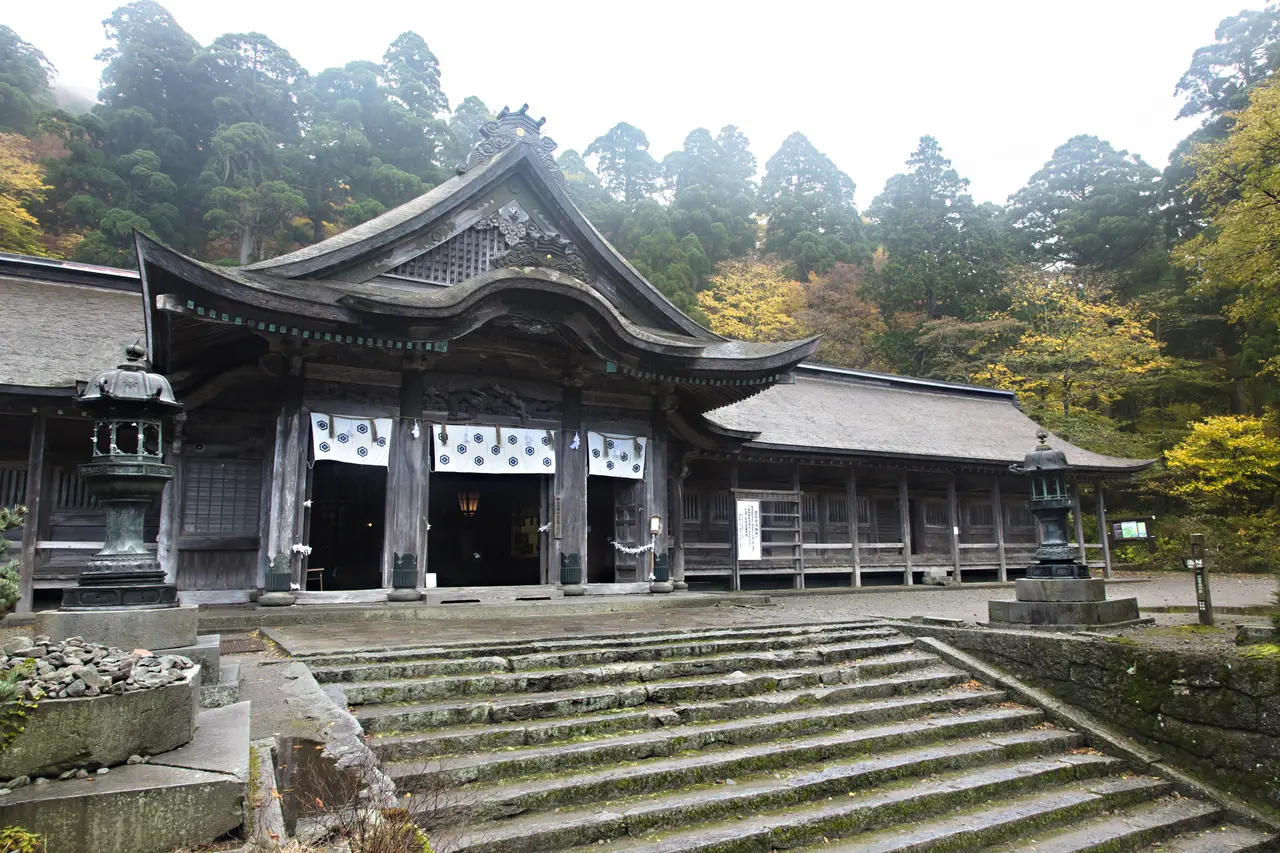
From Daisen-ji to Ogamiyama Jinja Okunomiya runs a stone-paved path of about 700m laid with natural stones. It is lined with huge cedars and red lanterns, and in autumn maple leaves form a canopy overhead. The shrine building is one of the largest in Japan built in the gongen-zukuri style and is an Important Cultural Property. The stones vary in size and height, so wear comfortable shoes. See Ogamiyama Jinja Okunomiya.
In autumn, Kagikake Pass on the south side looks out on the south face and beech forest in fall color, usually at its best from late October to mid-November. In winter the Daisen White Resort ski area opens on the northern slopes near Daisen-ji. Climbing to the summit in the snow season is only for people with winter mountaineering gear and experience.
At the western foot of Daisen, inside the Daisen ranch in Hoki, this farm puts Daisen right behind pastures where cows graze. It is closed for part of the winter, so check before you go. See Daisen Makiba Milk no Sato.
The approach to Daisen-ji is lined with inns and souvenir shops you can drop into before or after your visit. At Daisen Makiba Milk no Sato at the western foot, you can try dairy products such as soft-serve ice cream made with the farm's milk.
The weather changes quickly on the mountain, and in some seasons few shops are open. On days you drive to places away from the temple approach, such as Kagikake Pass, decide in advance where you will eat.
Half a day is enough to walk the paths to Daisen-ji and Ogamiyama Jinja Okunomiya. In autumn, walk the paths in the morning and drive to Kagikake Pass in the afternoon to compare the north and south faces of the mountain. For more on each season, see Mt. Daisen through the seasons.
From spring to autumn, the farm at the western foot combines well with the Shoji Ueda Museum of Photography in Hoki and Tottori Hanakairo Flower Park. For a place to stay, seaside Kaike Onsen or the area around the station in well-connected Yonago are convenient.