Tottori Sand Dunes and Uradome Coast Day Trip to Iwai Onsen
- Tottori Sand Dunes
- Sand Museum
- Uradome Coast
- Iwai Onsen

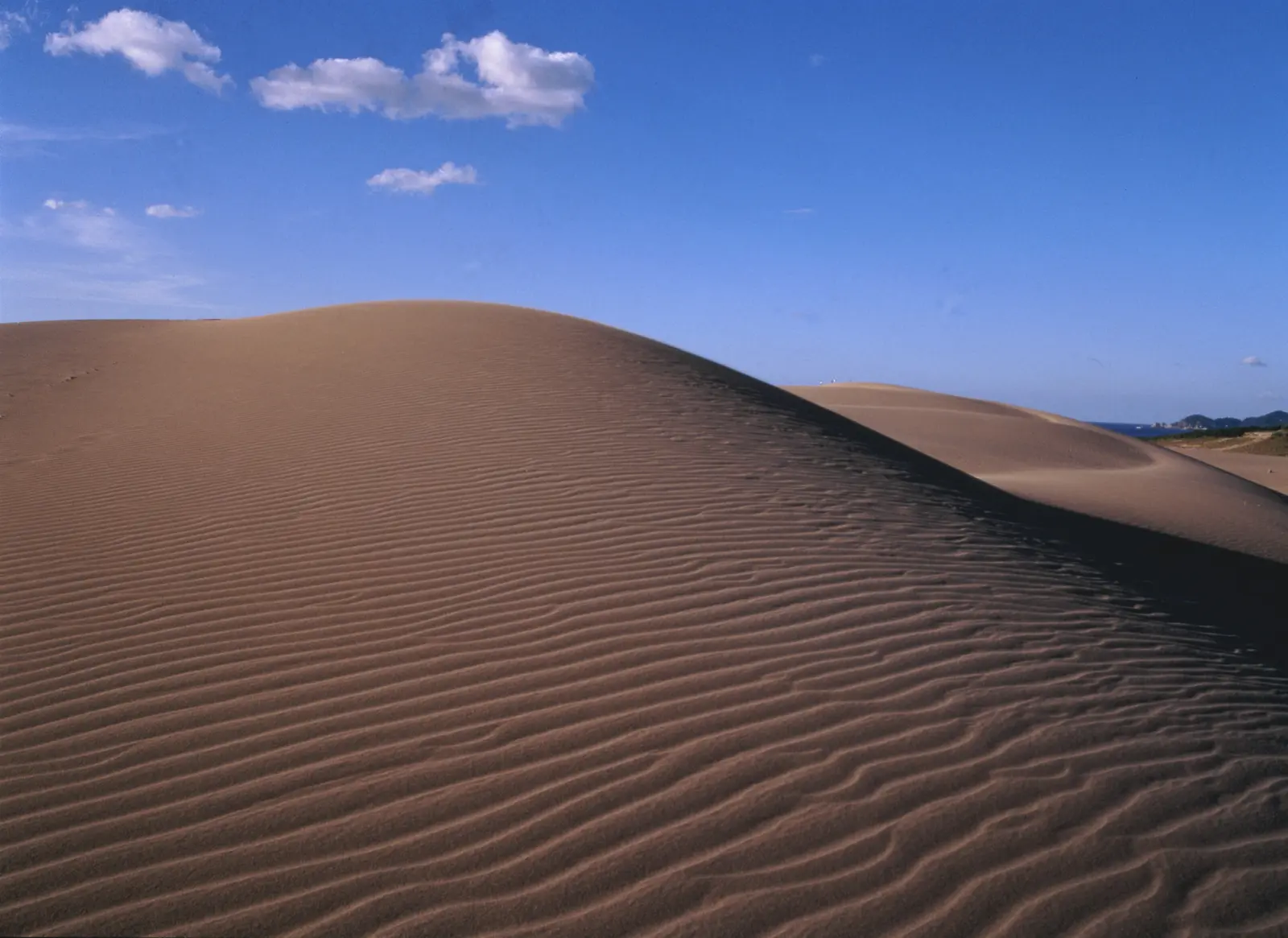
Photo: ©Tottori Pref.
Areas of Tottori
The Tottori Sand Dunes: the Umanose ridge (elev. about 47 m), camel rides, the Sand Museum, autumn rakkyo flowers, a winter light show and buses from Tottori Station.
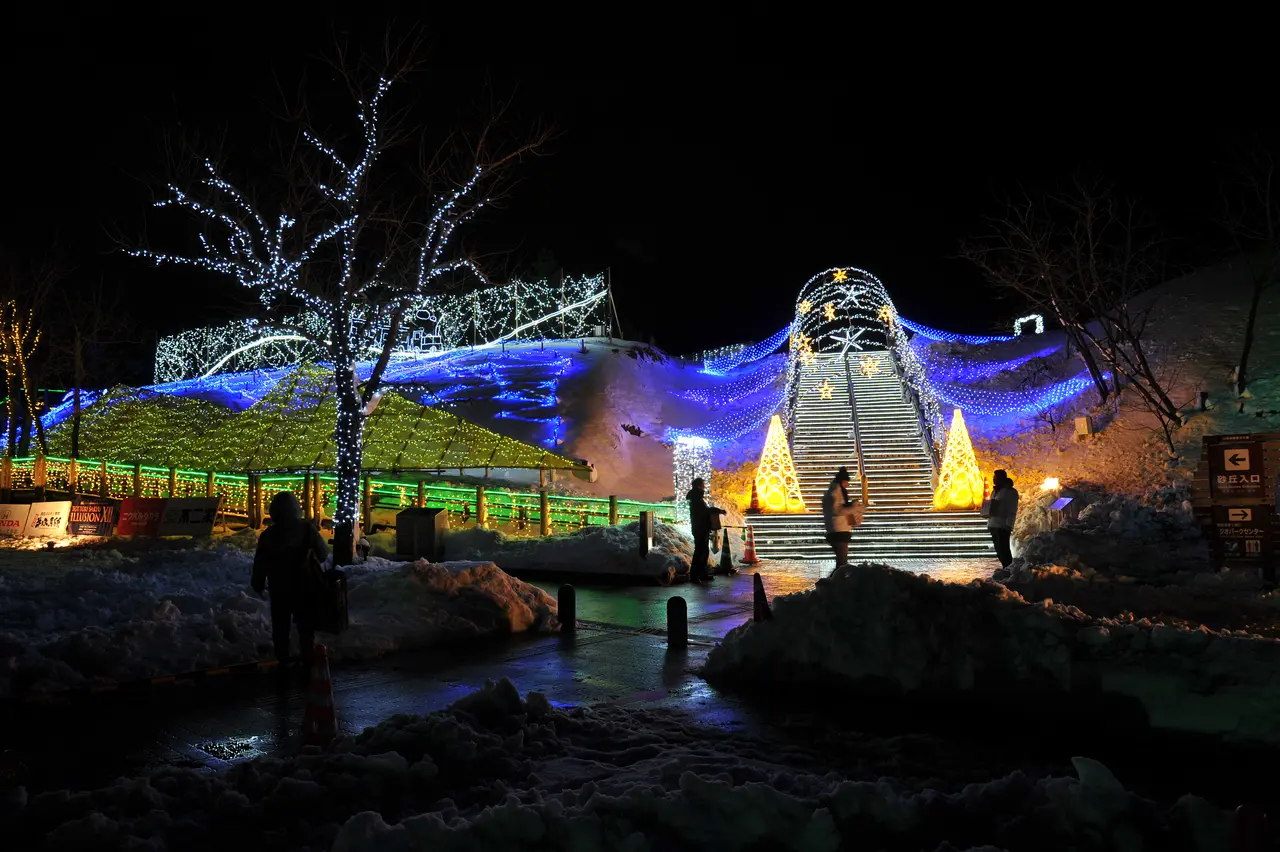 Nov 21 – Dec 6Tottori Sakyu Illusion
 GuidesTottori Crab Ryokan: 6 Onsen Inns for Matsuba Crab Season
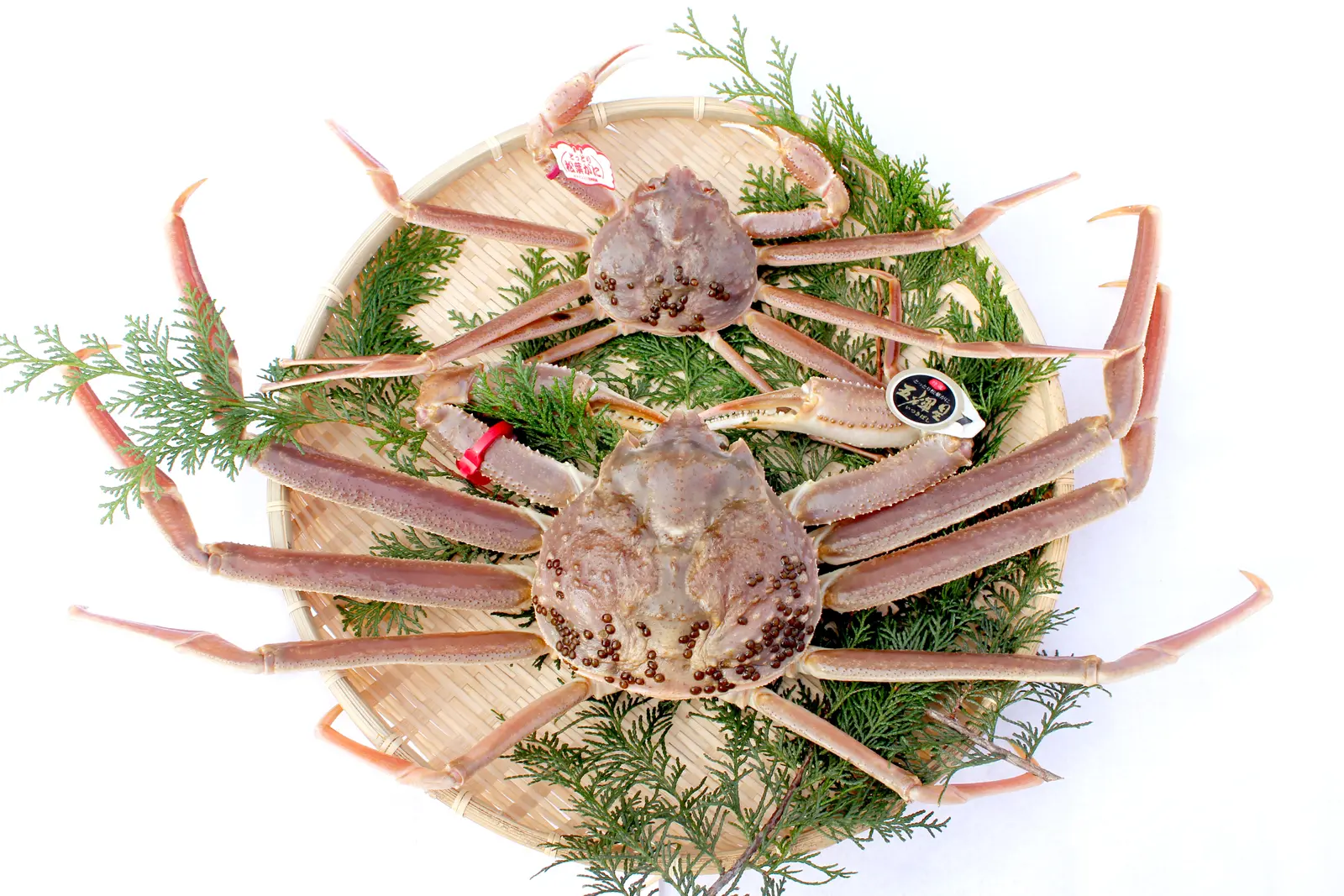 GuidesMatsuba Crab in Tottori: Season, Itsukiboshi and How to Eat It
This page is translated from the Japanese edition. Read the Japanese edition
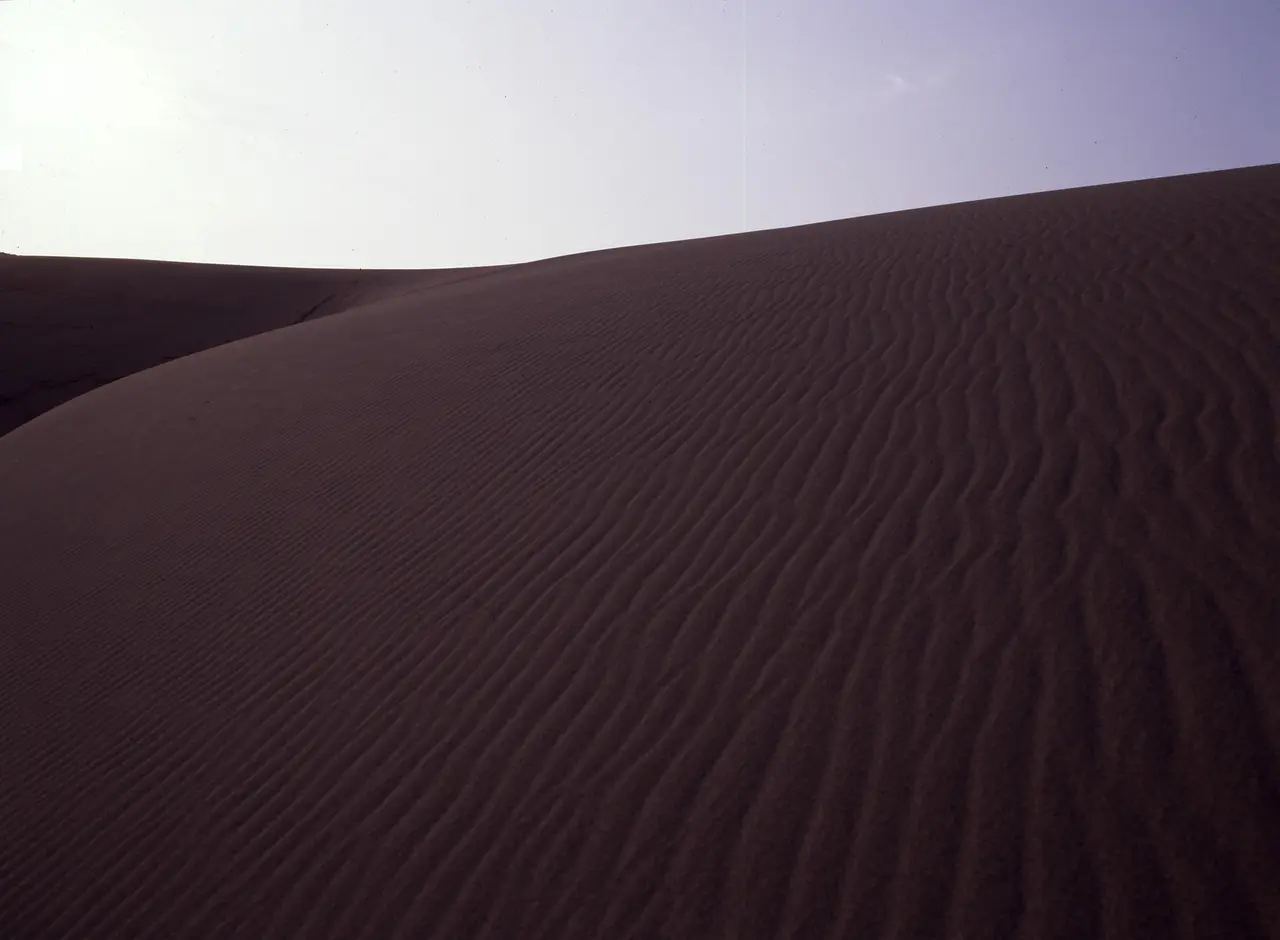
North of central Tottori, sand dunes stretch 16 km east to west and 2.4 km north to south along the Sea of Japan. They are a national Natural Monument, and while visitors only walk a part of them, that part is still sand as far as you can see. When the wind blows, fine ripples called fumon appear on the surface, and as the sun drops their shadows stand out sharply.
The Sand Museum, which displays sand sculptures, is near the entrance to the dunes, so half a day is enough for both. In autumn, rakkyo flowers bloom in the fields next to the dunes, and in winter the area around the car park is lit up, so the reason to visit changes with the season.
The most striking feature is Umanose, "the horse's back", a ridge shaped like the back of a horse that rises to about 47 m above sea level. Climb it with the sand giving way under your feet and the Sea of Japan opens up in front of you. The slope is steeper than it looks and the sand gets hot on sunny days, so wear comfortable shoes and bring something to drink. You can also ride a camel across the sand; the rides circle near the boarding area rather than going up Umanose, and they stop in bad weather. For clean wind ripples, start walking in the morning, before there are many footprints. See Tottori Sand Dunes.
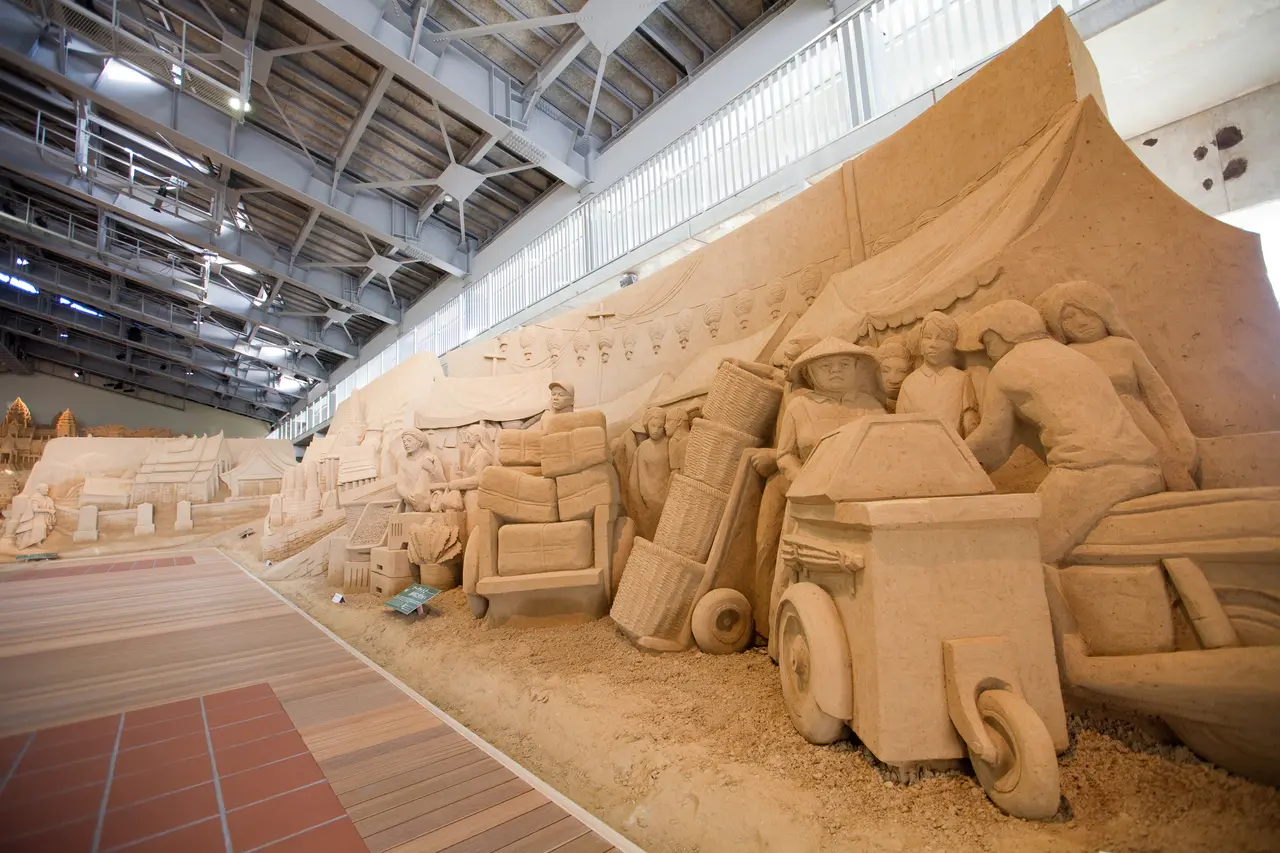
A museum that shows sculptures made only of sand and water in a roofed exhibition hall. Under the title "Traveling Around the World in Sand", the works change every year to feature one country or region. The 2026 theme is Spain, on show until January 3, 2027. Being indoors, it also works as a rainy-day option. It is within walking distance of the dunes. See Sand Museum.
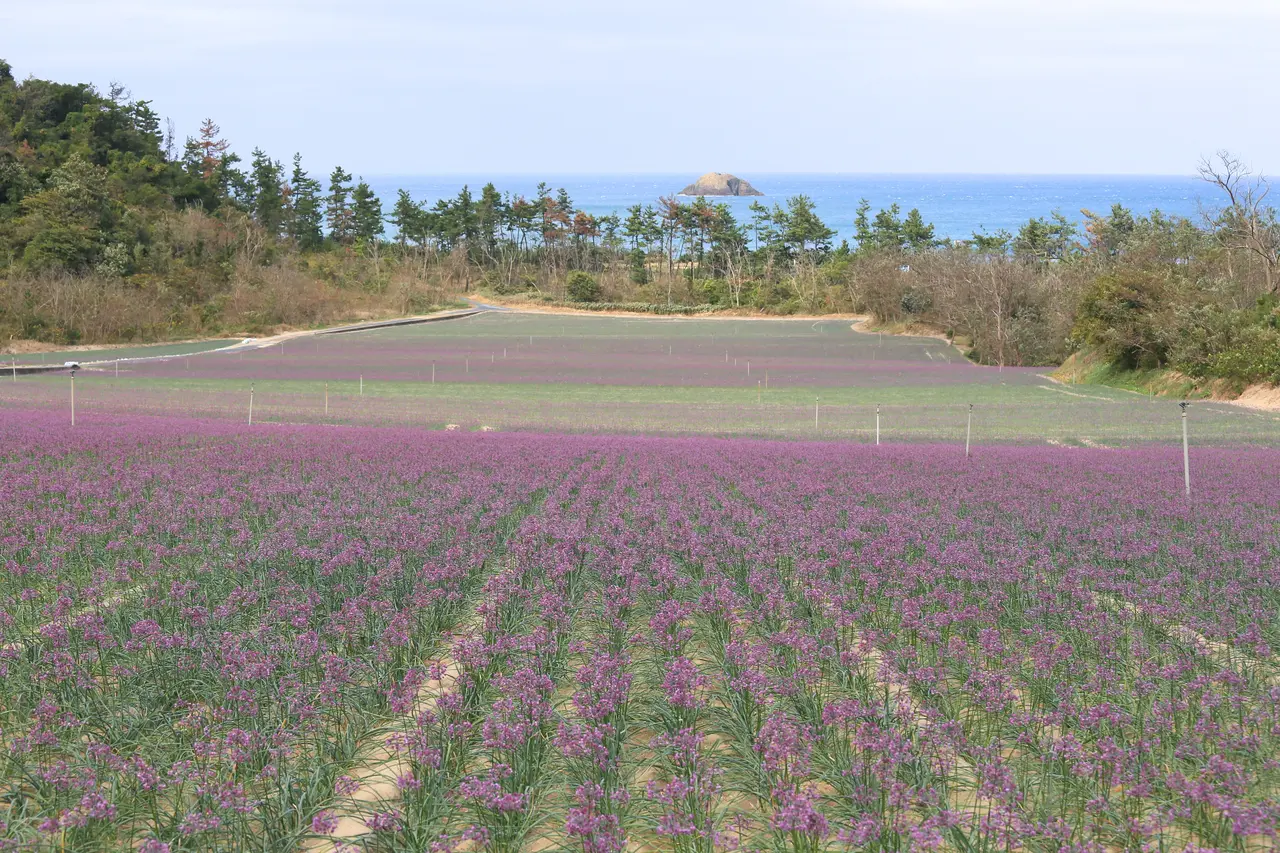
Right next to the Tottori Sand Dunes, in Fukube-cho, Tottori City, fields of rakkyo, a local specialty, cover the sandy land. From around late October to early November the fields fill with small purple flowers. These are working farms, so stay out of the fields and look from the road, farm roads or footpaths. See Sakyu Rakkyo Flower Fields.
An illumination that lights up the area around the dunes' car park from evening into the night in winter. Entry is free, and in 2026 it runs from November 21 to December 6, with a new display built around blue. It is outdoors, so dress warmly. See Tottori Sakyu Illusion.
The rakkyo grown in the dune fields of Fukube-cho is a local product registered in 2016 under Japan's Geographical Indication (GI) system as "Tottori Sakyu Rakkyo". It is harvested in early summer of the following year, a different season from the autumn flowers. Winter is the season for matsuba crab from the Sea of Japan. Tottori's specialties are covered in Tottori Food Guide and Matsuba Crab in Tottori.
The sights around the dunes are spread over a wide area, so decide where to eat before you set out and you won't be racing the bus timetable.
For half a day, an easy plan is to climb Umanose in the morning, see the Sand Museum and head back to the station. On summer days the sand gets hot, so walk the dunes in the morning or evening and spend the hottest hours in the museum.
With a full day, head east to Uradome Coast and Iwai Onsen for the sightseeing boat and stay the night at Iwai Onsen. For the castle ruins, go to Central Tottori and Tottori Castle Ruins. How to walk the dunes and what each season brings are covered in detail in Tottori Sand Dunes Guide.