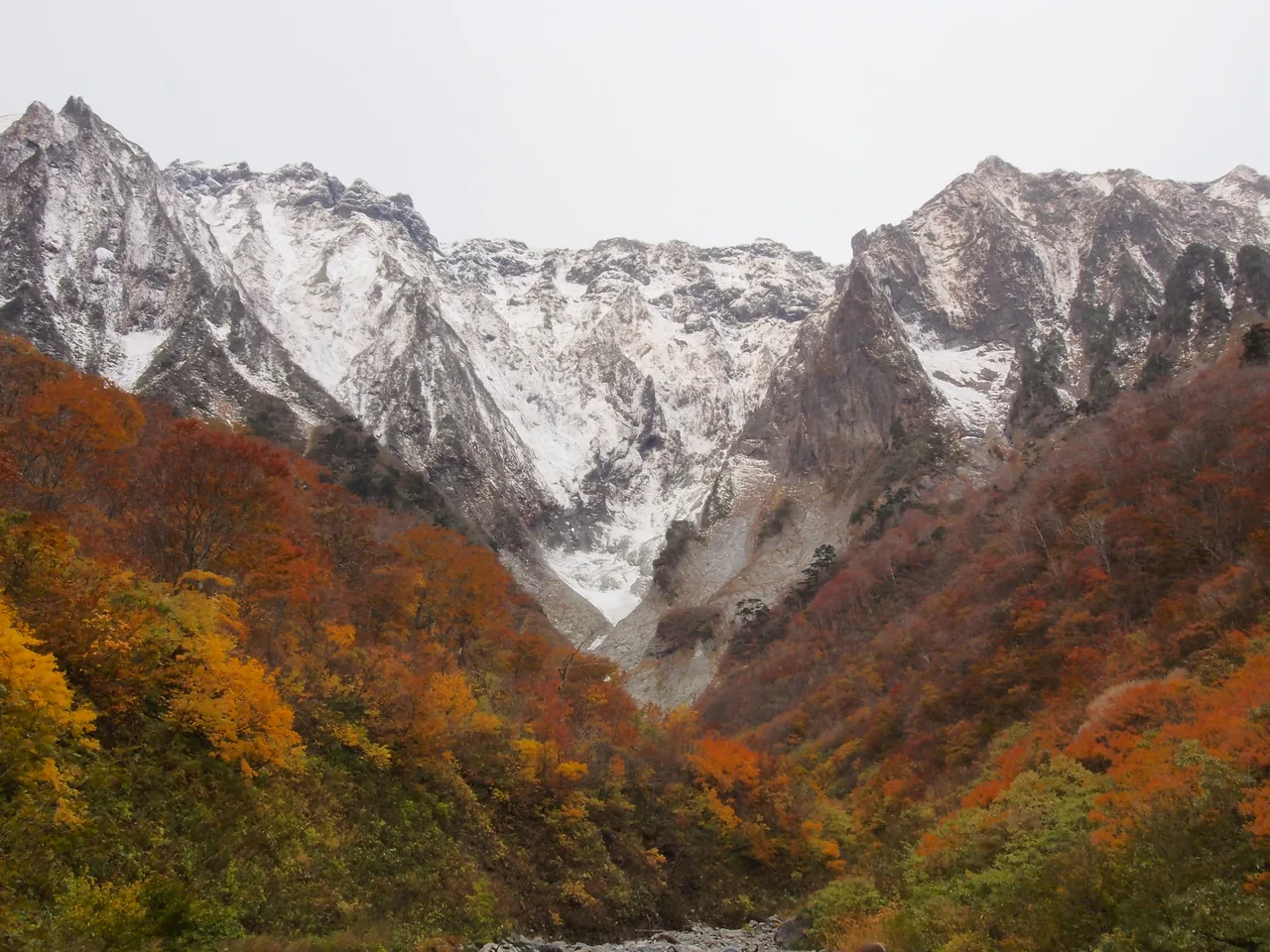
Gunma Autumn Leaves: Mount Tanigawa, Fukiware Falls and More
Gunma's autumn colours start high on Mount Tanigawa, then move down to Fukiware Falls, Suwa Gorge and Shima Onsen: when to go, access and onsen to pair them with.
4 min read日本語繁中+1

Guides
Seasonal picks, food and practical tips, checked by our editors.
Gunma's autumn colours start high on Mount Tanigawa, then move down to Fukiware Falls, Suwa Gorge and Shima Onsen: when to go, access and onsen to pair them with.
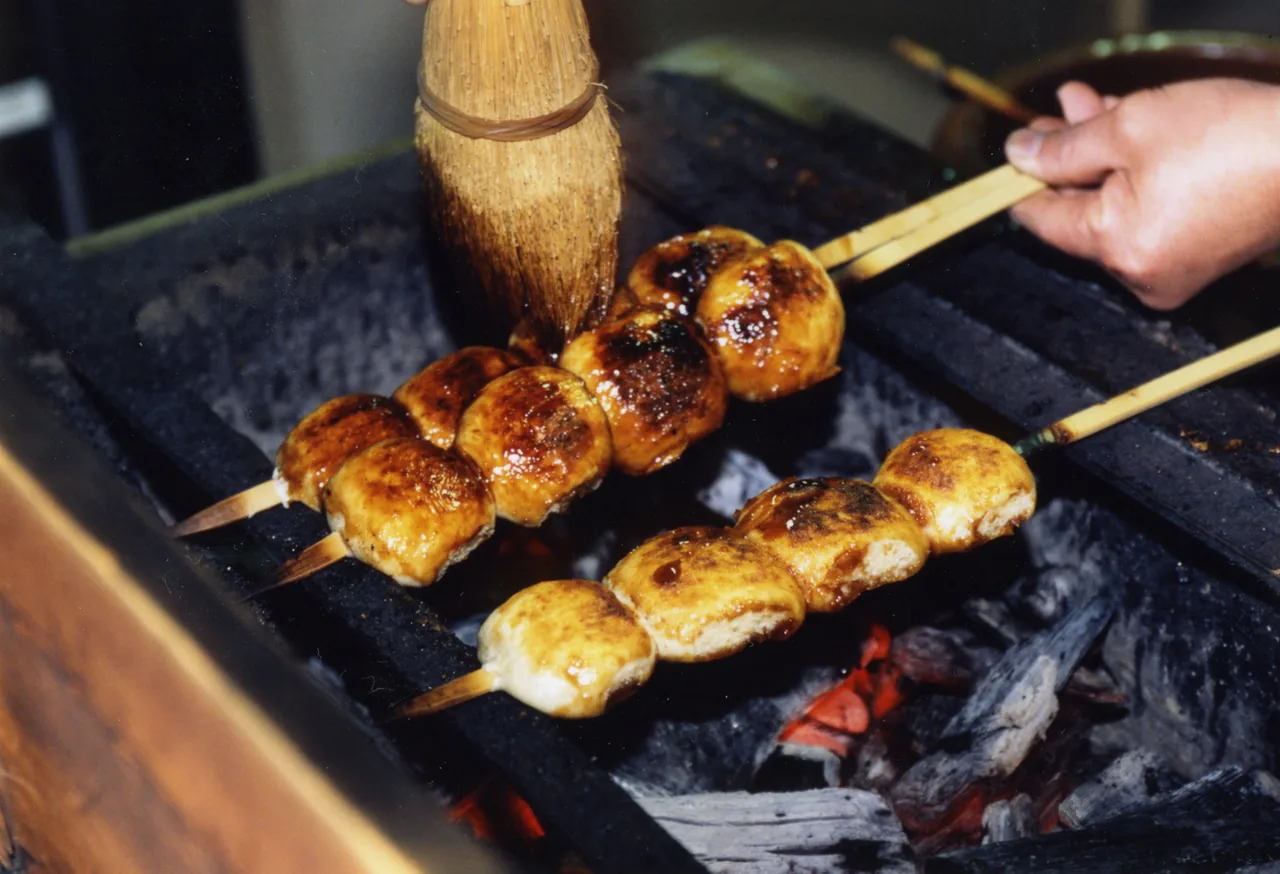
Gunma food is built on wheat: miso-glazed yaki manju, Mizusawa udon, Kiryu's himokawa noodles and sauce katsudon, the Toge no Kamameshi rice pot, Ota yakisoba and konjac.
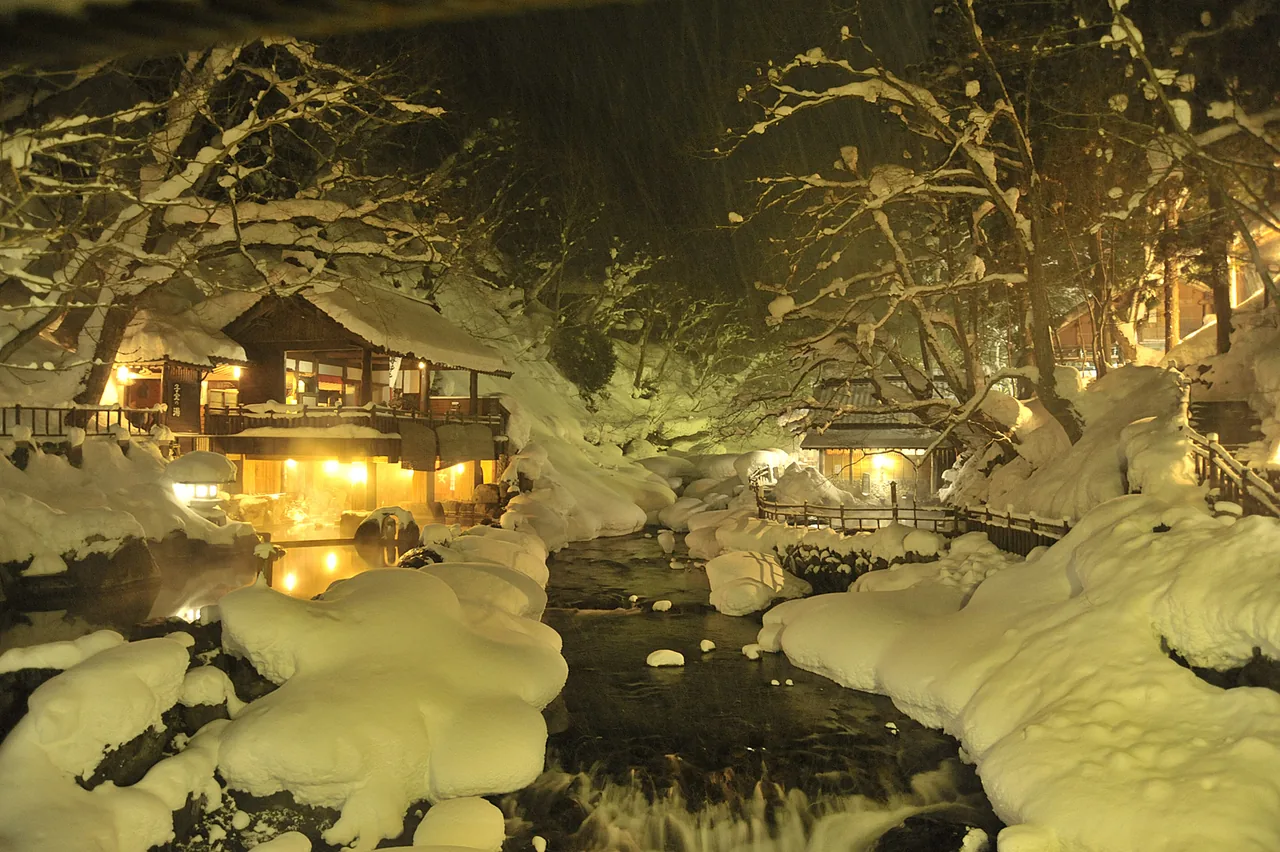
How to choose a Gunma onsen: lively Kusatsu and Ikaho, quiet Shima, and the single-inn spas of Hoshi and Takaragawa, compared by water, mood and access from Tokyo.
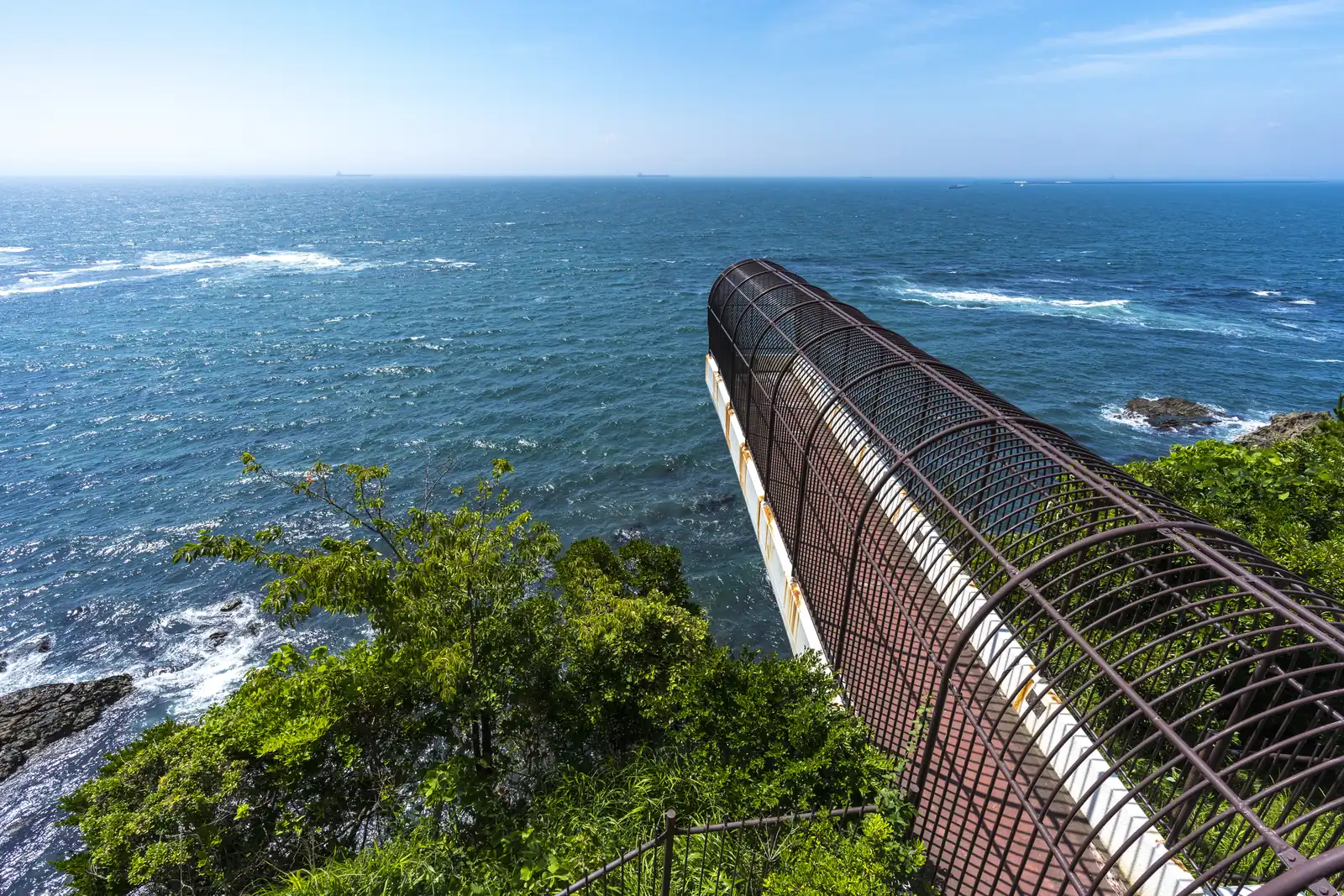
Fukushima's Pacific coast (Hamadori): Misaki Park and Iwaki Marine Tower, Shioyasaki Lighthouse, Aquamarine Fukushima, Matsukawaura lagoon and getting around.
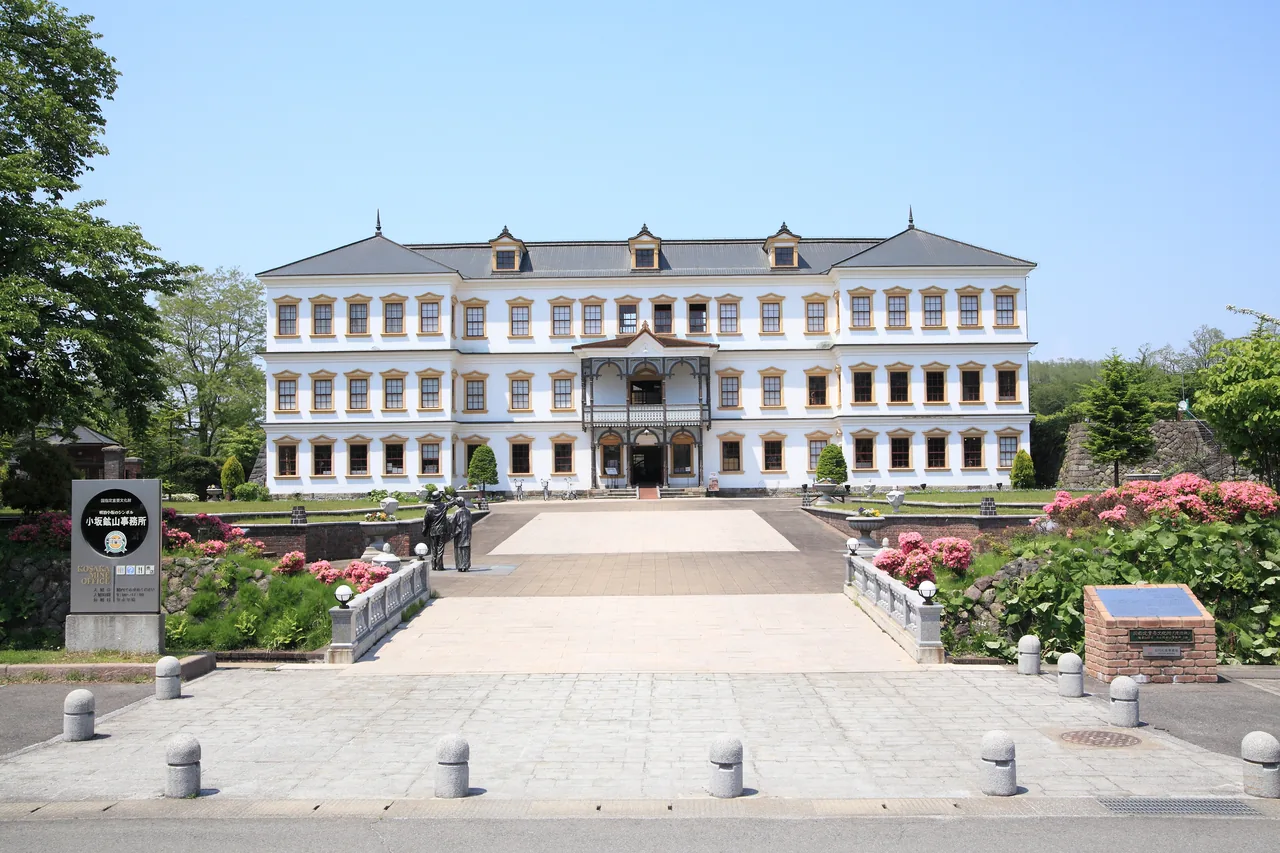
Kosaka, Akita's old mining town: the Meiji-era Korakukan theater, the Kosaka Mine Office's spiral staircase, a rail park at the old station and a local winery.
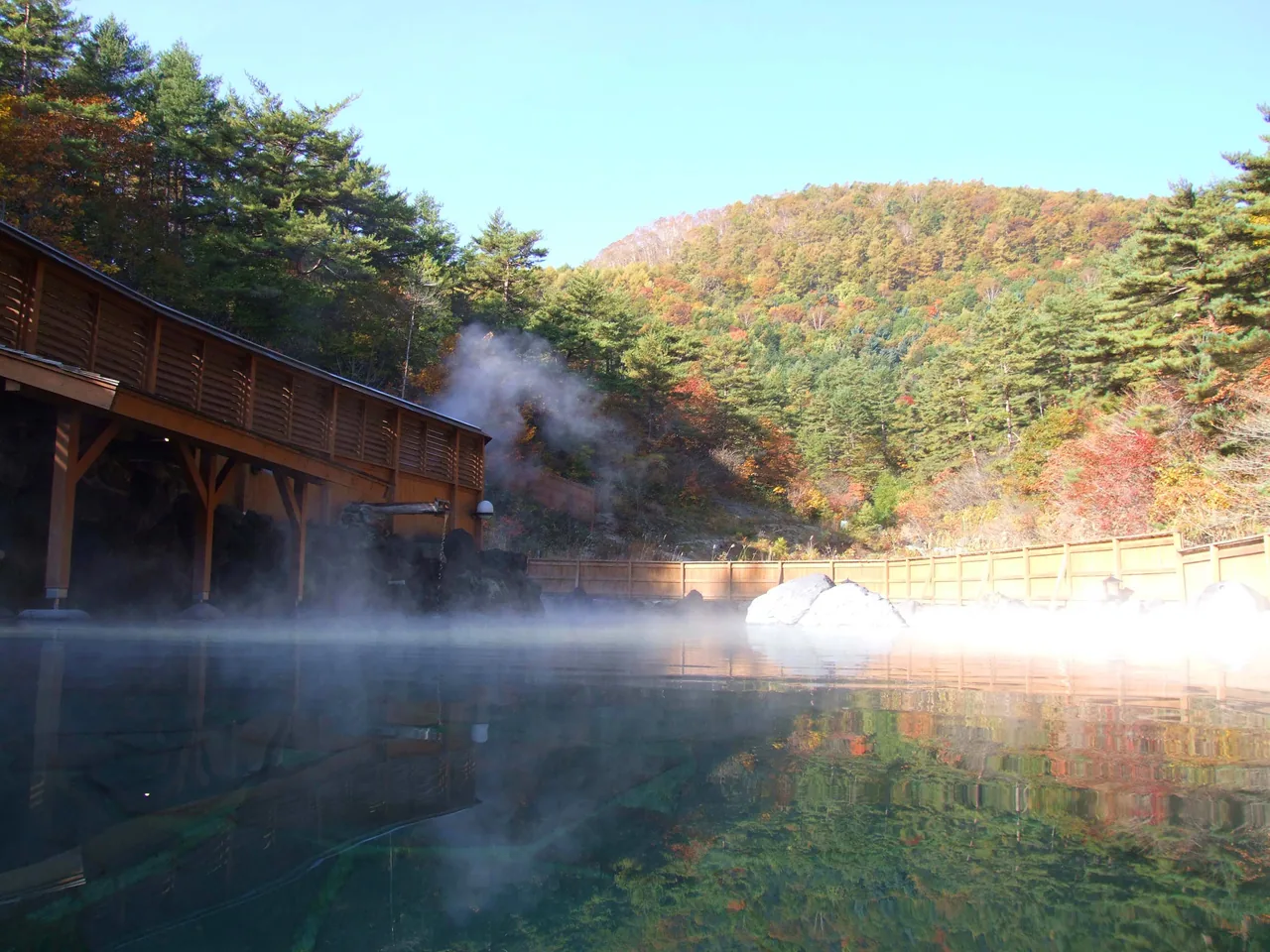
Kusatsu Onsen on foot: the Yubatake, the yumomi show, the Sainokawara open-air bath, public baths visitors can use, tips for the acidic water and getting there.
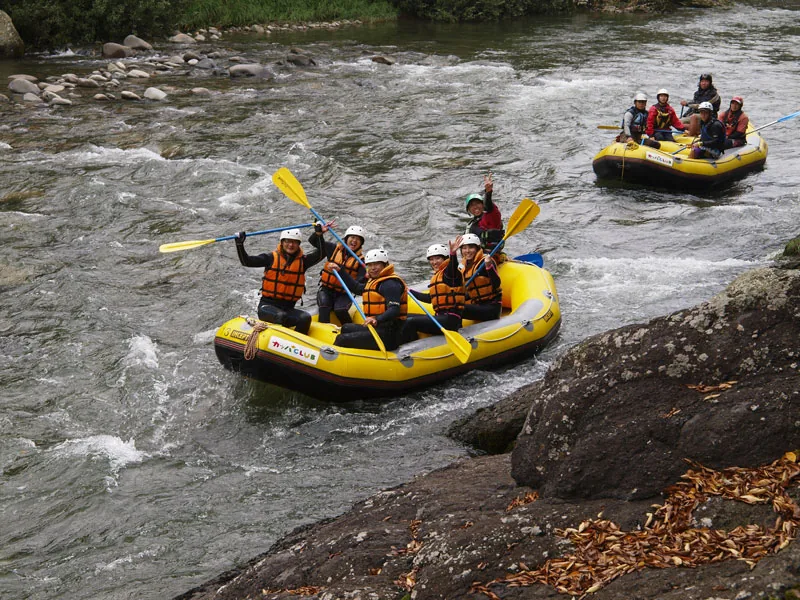
Minakami in Gunma is an outdoor town: rafting and canyoning, bungee jumping from Suwakyo Bridge and Mount Tanigawa hikes. Choosing by season, booking and where to stay.
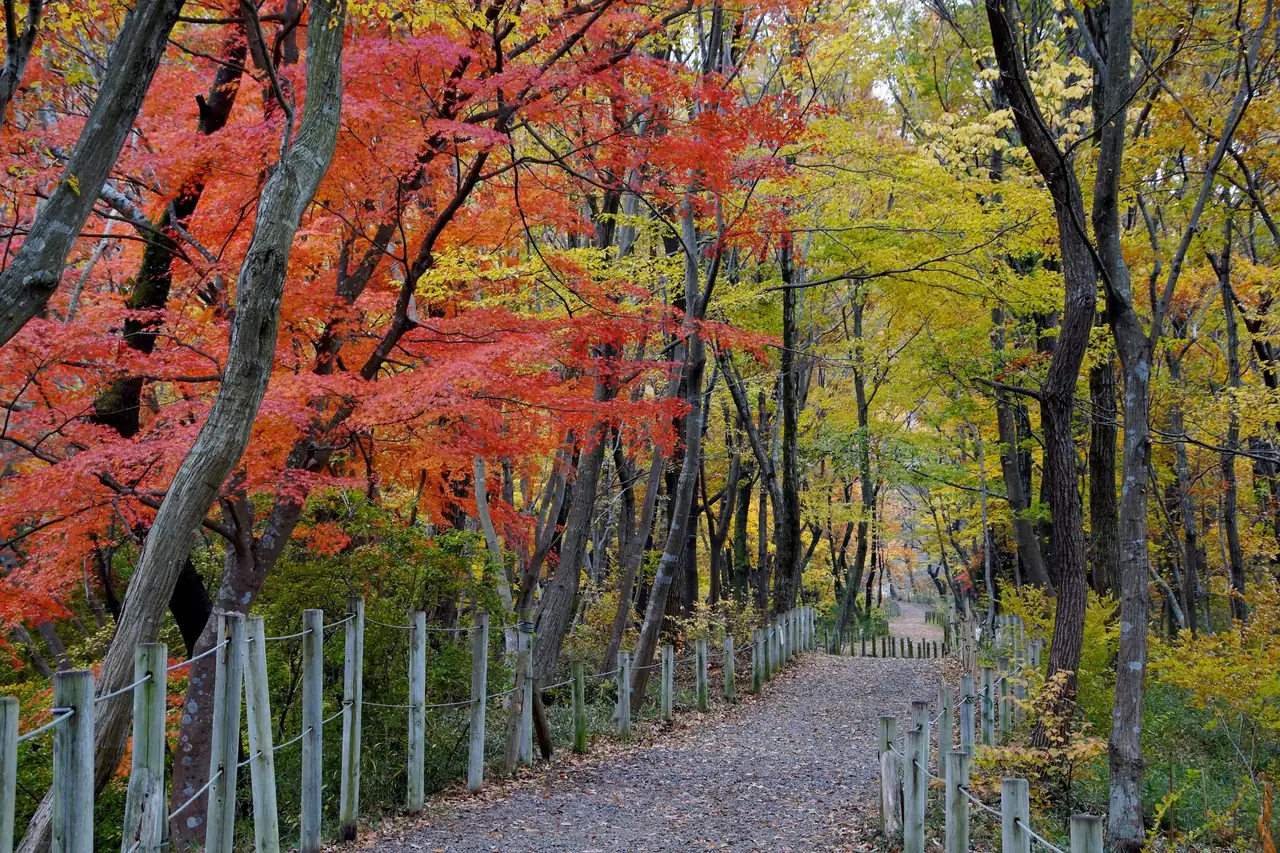
An hour from Ikebukuro on the Tobu Tojo Line, Musashi Ranzan was named for its likeness to Kyoto's Arashiyama. See Ranzan Valley, cherries, lavender and Yoshimi Hyakuana.
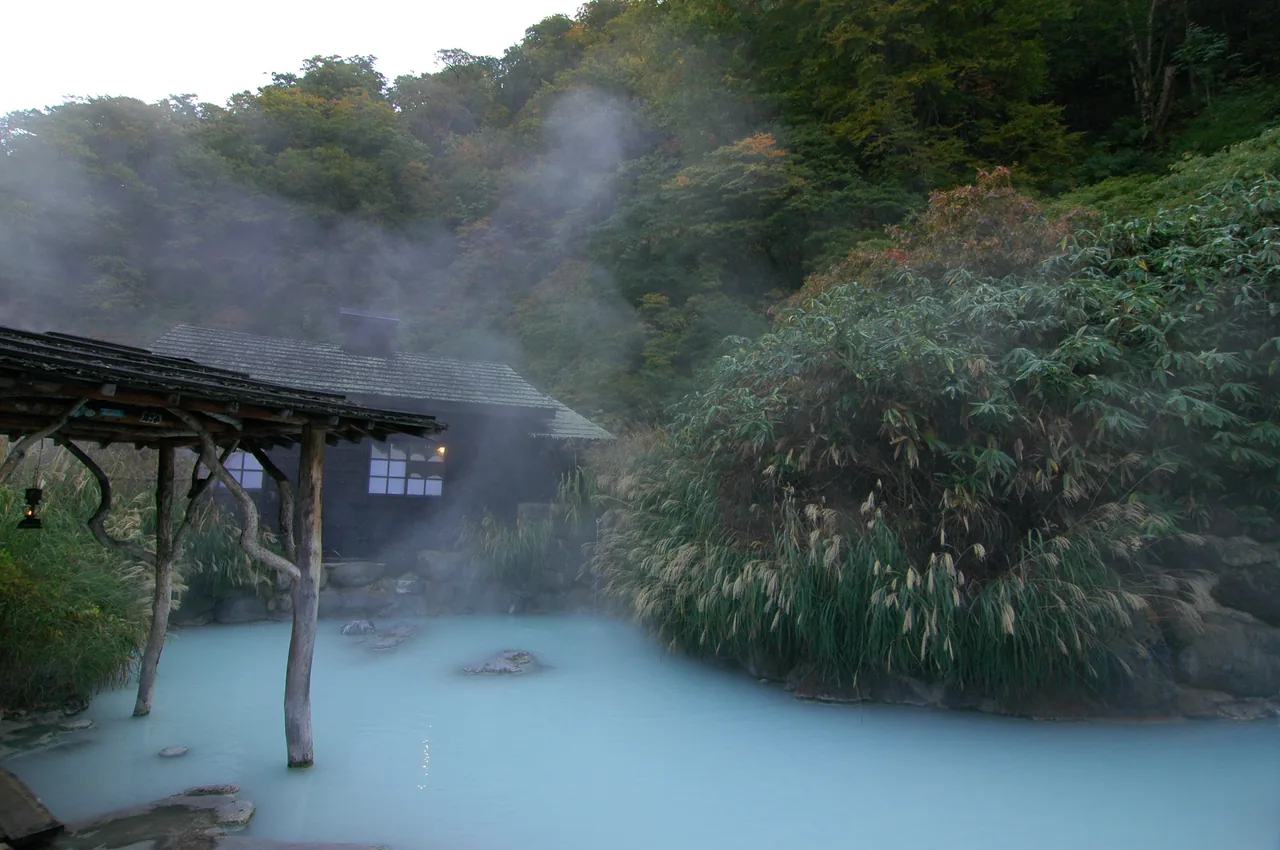
Nyuto Onsen, Akita: single-inn hot springs in the mountains. How Tsurunoyu, Kuroyu, Ganiba, Taenoyu and Kyukamura differ, the bus, the Yumeguri-cho pass and winter tips.