
Tokamachi
Areas of Niigata
Tokamachi
Central Tokamachi is the gateway to the Echigo-Tsumari Art Triennale, next held from July 17, 2027: the festival hub, the February snow festival and hegi soba.
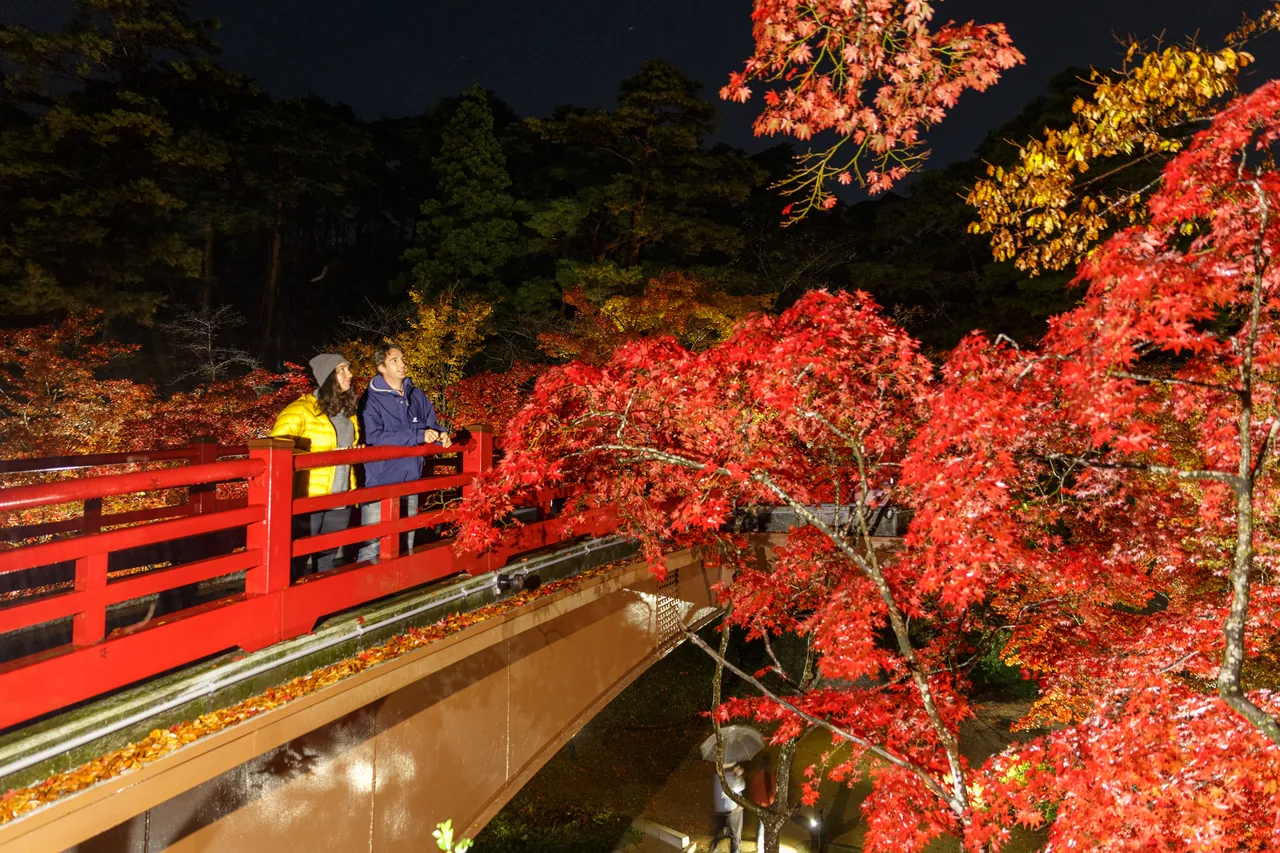 Oct 31 – Nov 30Yahiko Park Momiji-dani Autumn Light-up
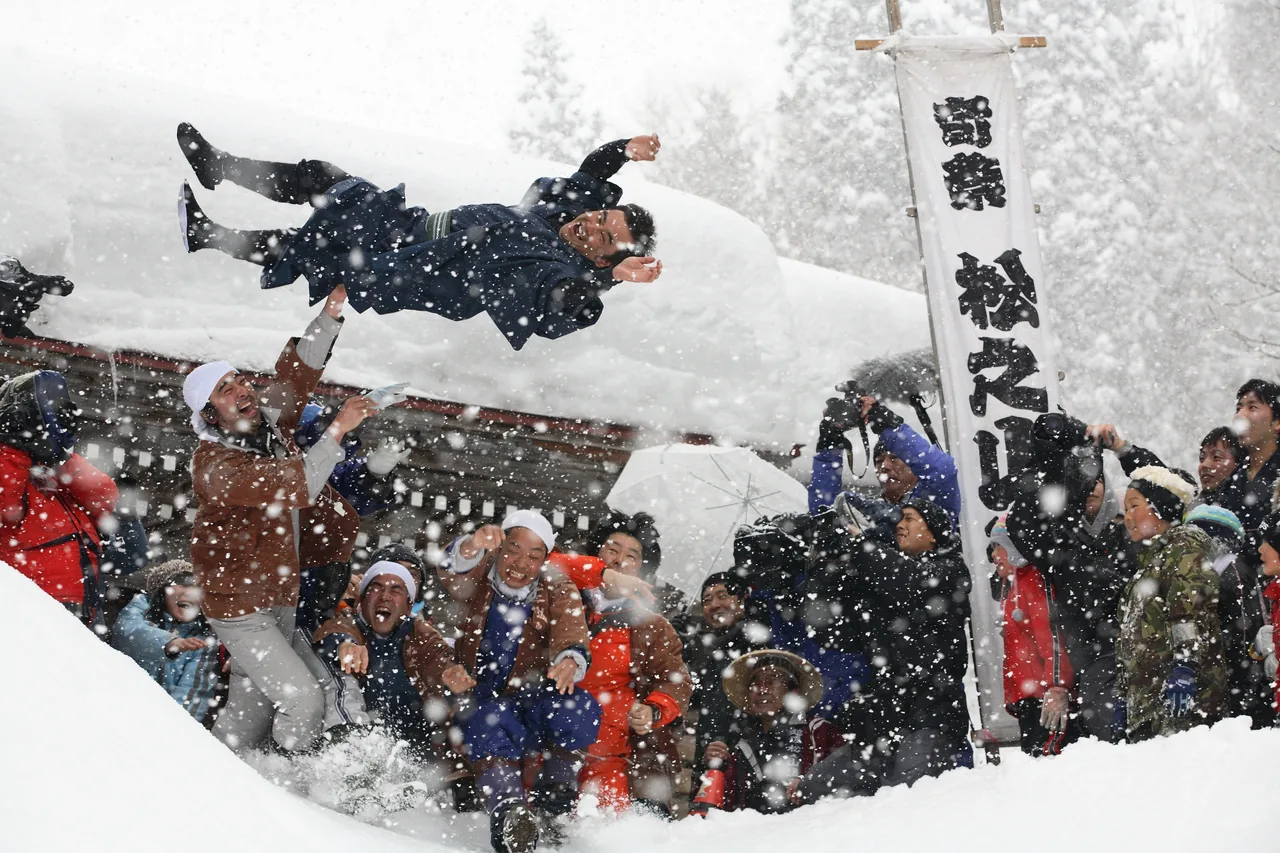 Jan 15Muko-nage and Sumi-nuri at Matsunoyama Onsen
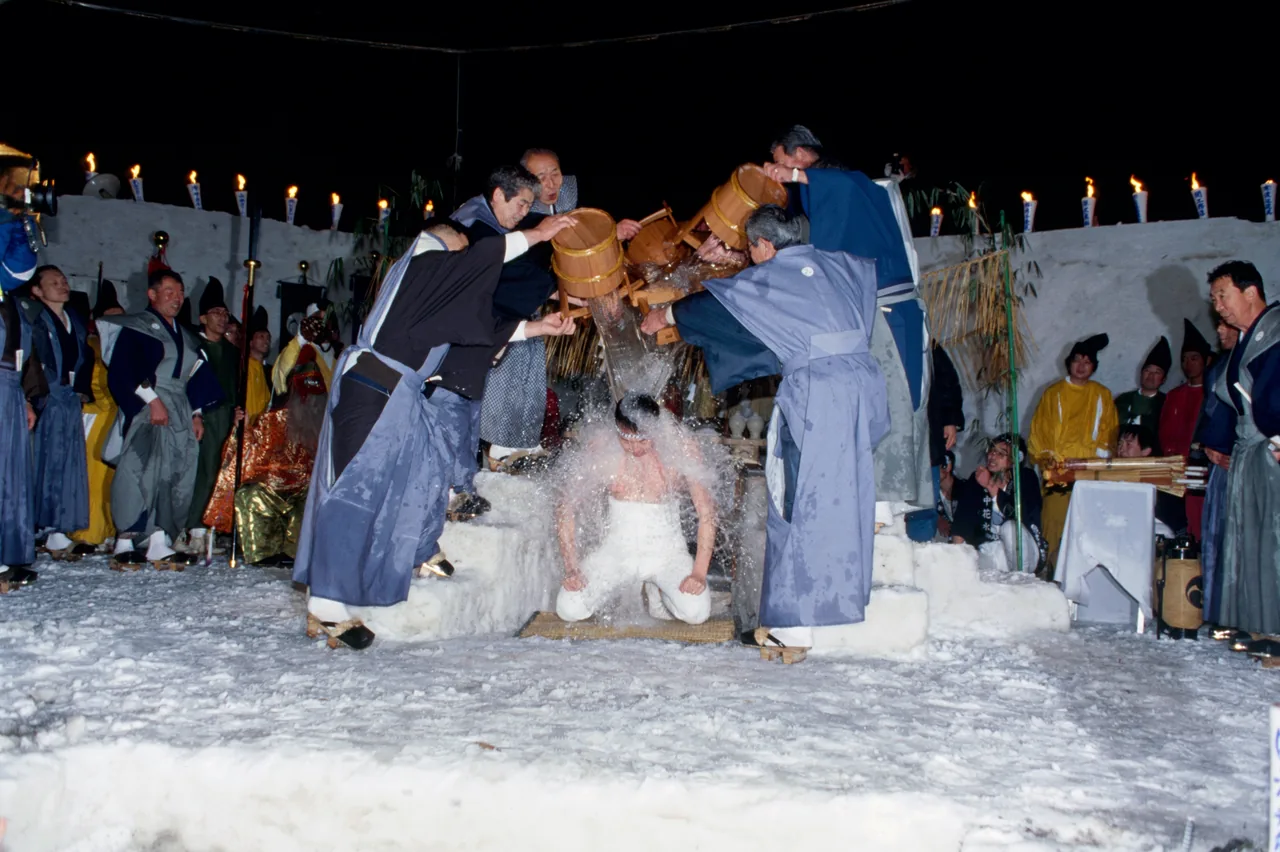 Feb 13Secchu Hanamizu Iwai (Snow Water Blessing)
Find on the map
This page is translated from the Japanese edition. Read the Japanese edition
What is the area like?
Echigo-Tsumari, made up of Tokamachi City and Tsunan Town, is a snowy region of satoyama countryside. Every three years it is the stage for an international art festival, the Echigo-Tsumari Art Triennale (Art Field). The works are not only in museums but scattered through terraced rice fields, villages, empty houses and closed schools, and visitors tour the region by car or bus to see them.
The starting point is the town around Tokamachi Station, served by the Hokuetsu Express Hokuhoku Line and the JR Iiyama Line. In winter, snow sculptures made by local residents line the streets for the Tokamachi Snow Festival, first held in 1950.
Main sights
Echigo-Tsumari Art Triennale
The 9th edition ran from July 13 to November 10, 2024, with 275 artists and groups from 41 countries and regions. The 10th will be held from July 17 to November 7, 2027.
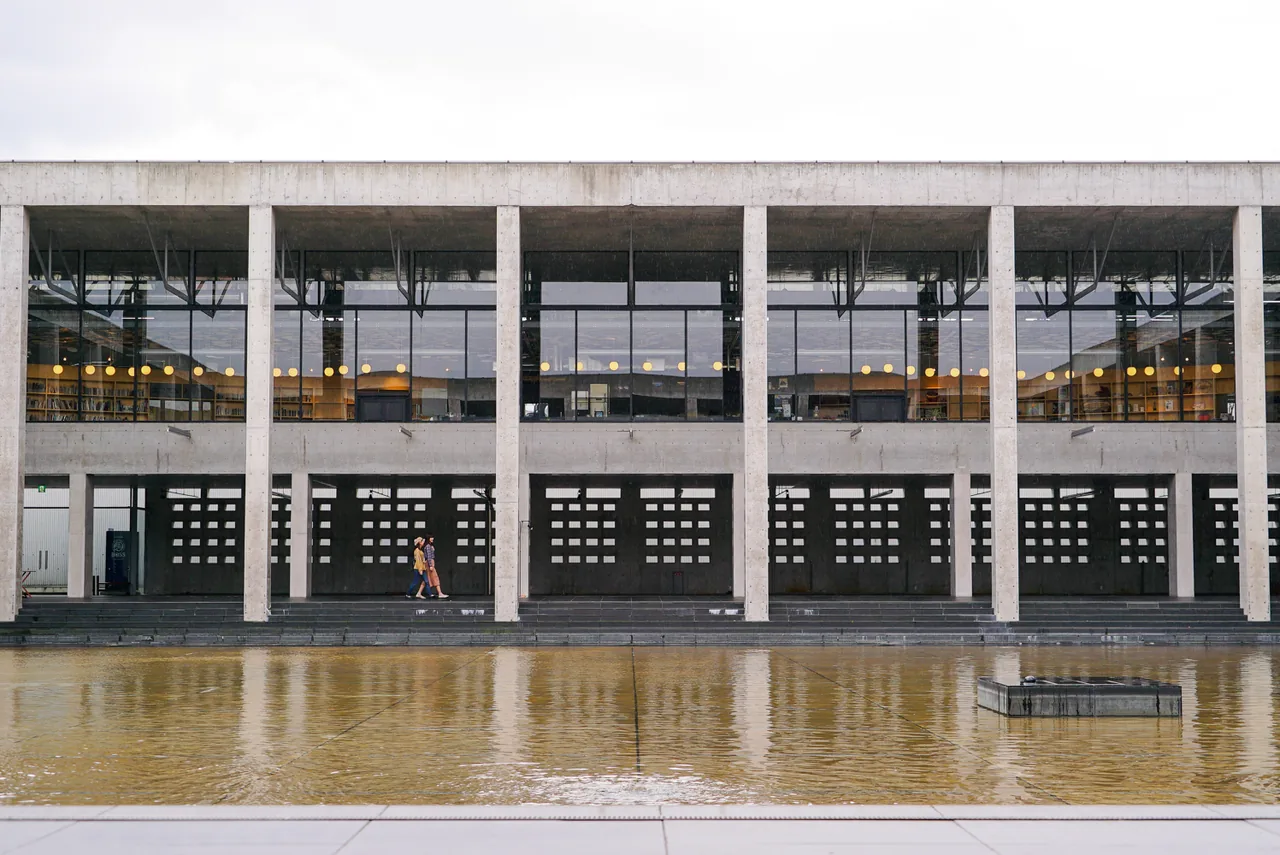
The festival hub in central Tokamachi is built around a square courtyard enclosed by a colonnade, with evenly spaced pillars letting light in from the courtyard side. During the festival, works are placed in the colonnade and inside the building, and festival information and tickets are handled here. See Echigo-Tsumari Art Triennale.
Tokamachi Snow Festival
This snow festival is held from mid- to late February, with snow sculptures made by residents lining the streets. Check Tokamachi City's announcement for each year's dates.
Food and shopping
The Uonuma region, including Tokamachi, is hegi soba country. The noodles are bound with funori seaweed, giving them a smooth surface and a firm bite, and they are served in bite-sized coils lined up in a hegi, a square cedar-board tray. Traditionally they come with mustard rather than wasabi.
Getting there
- By train: Go to Tokamachi Station on the Hokuetsu Express Hokuhoku Line and JR Iiyama Line. The festival hub is within walking distance.
- During the festival: The venues are spread over a wide area, so a car or the tour buses that run during the festival are the easiest way to get around.
Getting around the area
The usual approach is to pick up maps and information at the hub before heading out to the works in the countryside. Because the works are spread across mountain villages, you can only cover a limited area in a day, and many visitors pick a few areas and spend two days or more.
Matsunoyama and Matsudai, with terraced fields and beech woods, and Kiyotsu Gorge, known for its tunnel artwork, are also festival venues. For seasonal routes through the satoyama, see Tokamachi travel guide.
Niigata guides
See all
More areas of Niigata
- Central Niigata City (Bandai, Furumachi & Nuttari)
- Matsuhama
- Fukushimagata Lagoon
- Northern Culture Museum
- Sakata Lagoon & Mt. Kakuda
- Yahiko
- Teradomari
- Izumozaki
- Shibata
- Tsukioka Onsen
- Lake Hyoko
- Sasagawa Nagare
- Aga
- Nagaoka
- Yamakoshi
- Ojiya
- Kashiwazaki
- Takayanagi (thatched villages)
- Matsunoyama & Matsudai
- Kiyotsu Gorge
- Akiyamago
- Tsunan
- Minamiuonuma
- Uonuma Skyline
- Horinouchi
- Okutadami
- Takada (Joetsu)
- Kasugayama (Joetsu)
- Myoko
- Sado: Ogi & Shukunegi
- Sado: Mano & Niibo
- Sado: Sotokaifu (Onogame)
- Sado: Nanaura Coast