
Myoko
Areas of Niigata
Myoko
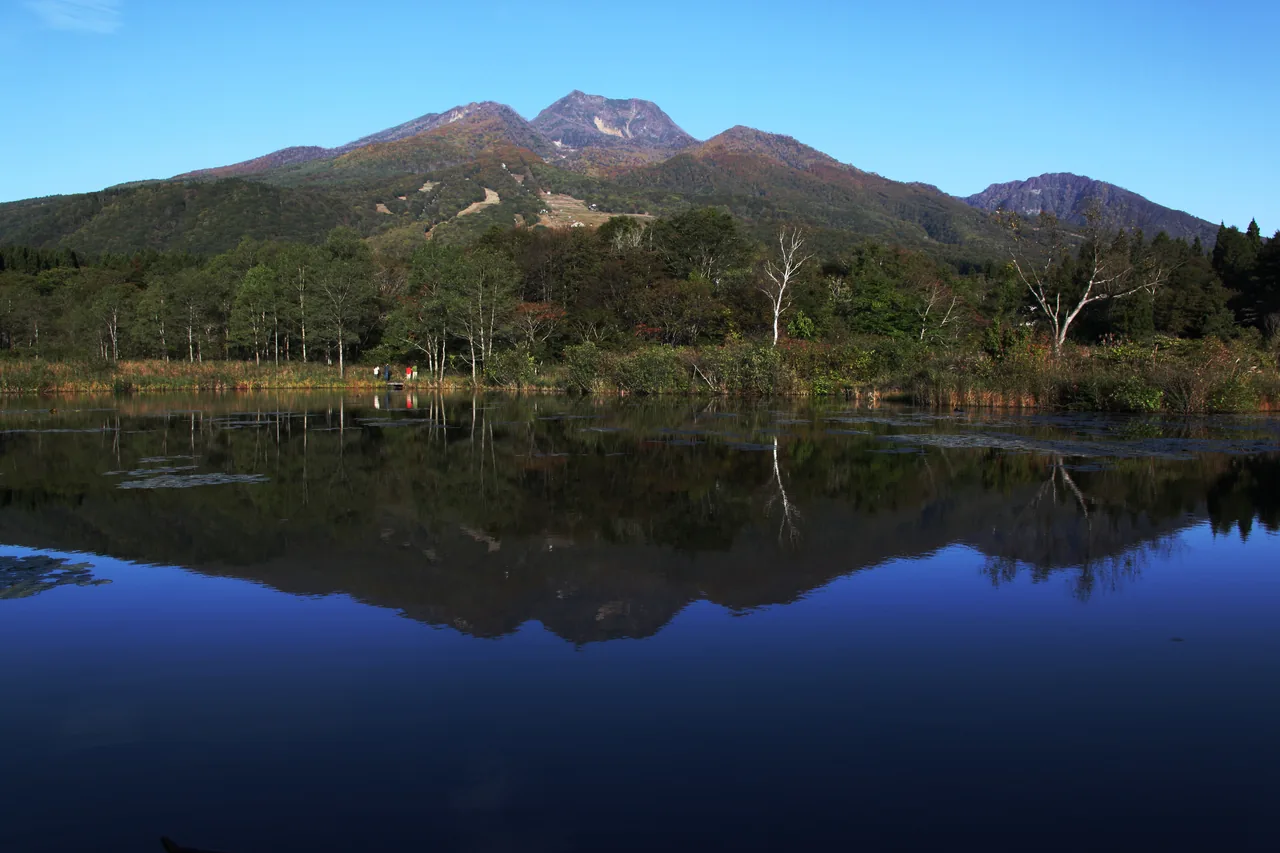
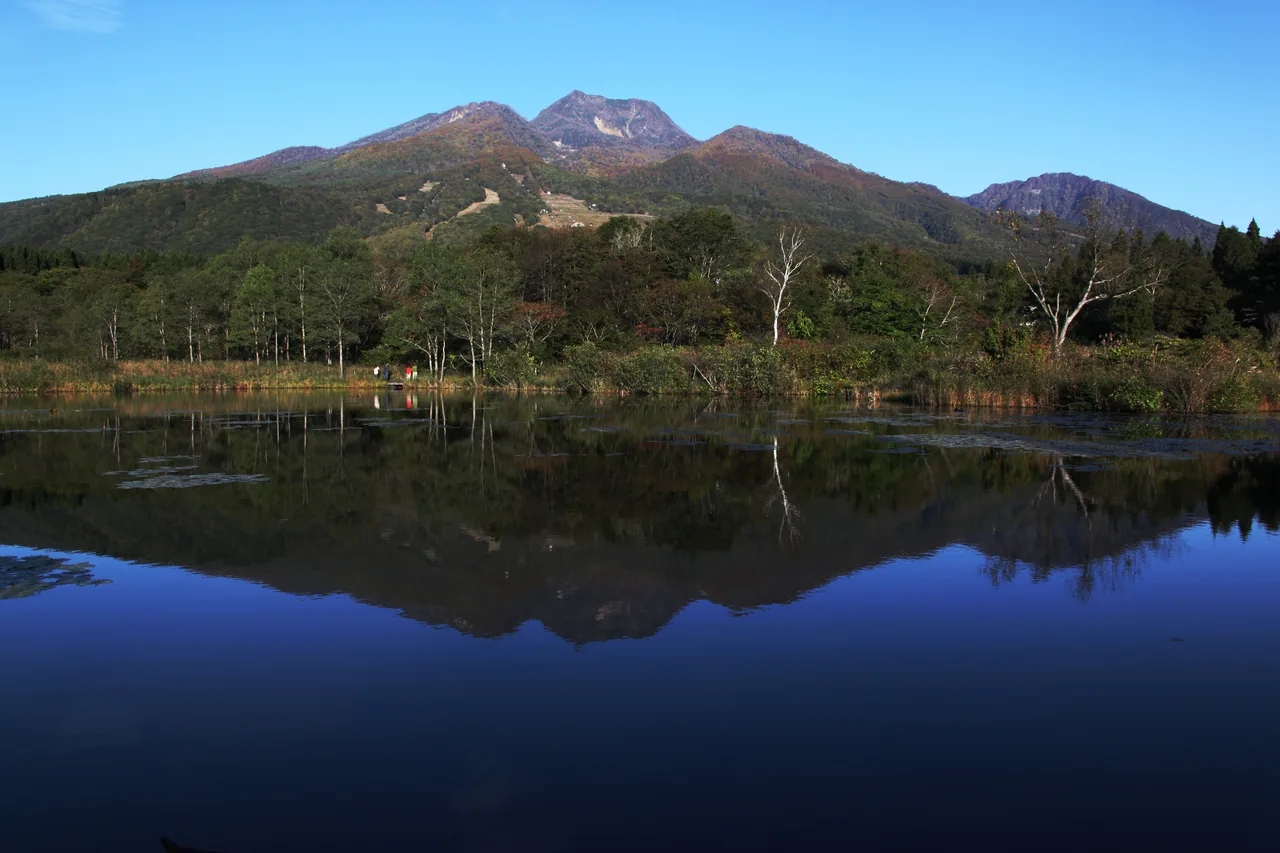
Myoko sightseeing: Mount Myoko mirrored in Imori Pond, spring skunk cabbage, the July Sekiyama Shrine Fire Festival, and how a visit differs between summer and winter.
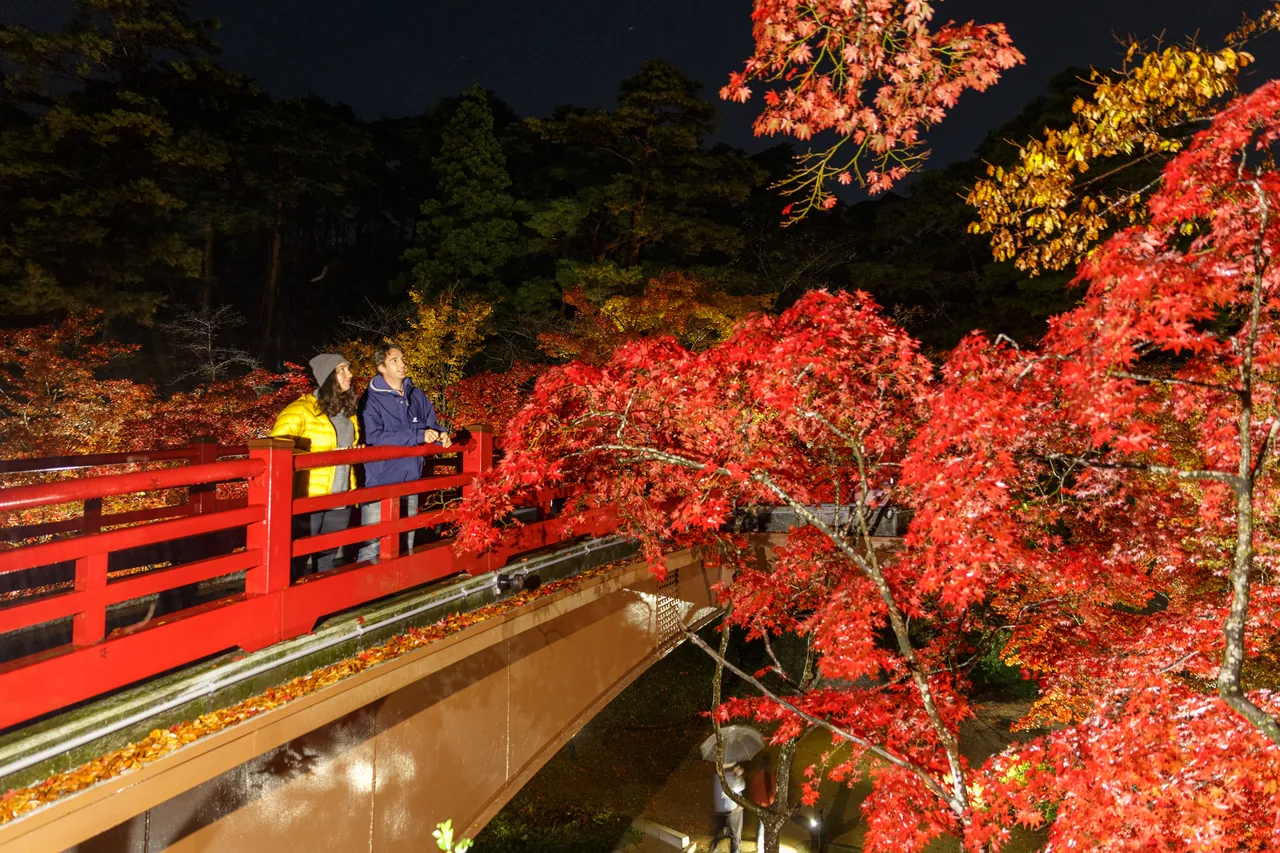 Oct 31 – Nov 30Yahiko Park Momiji-dani Autumn Light-up
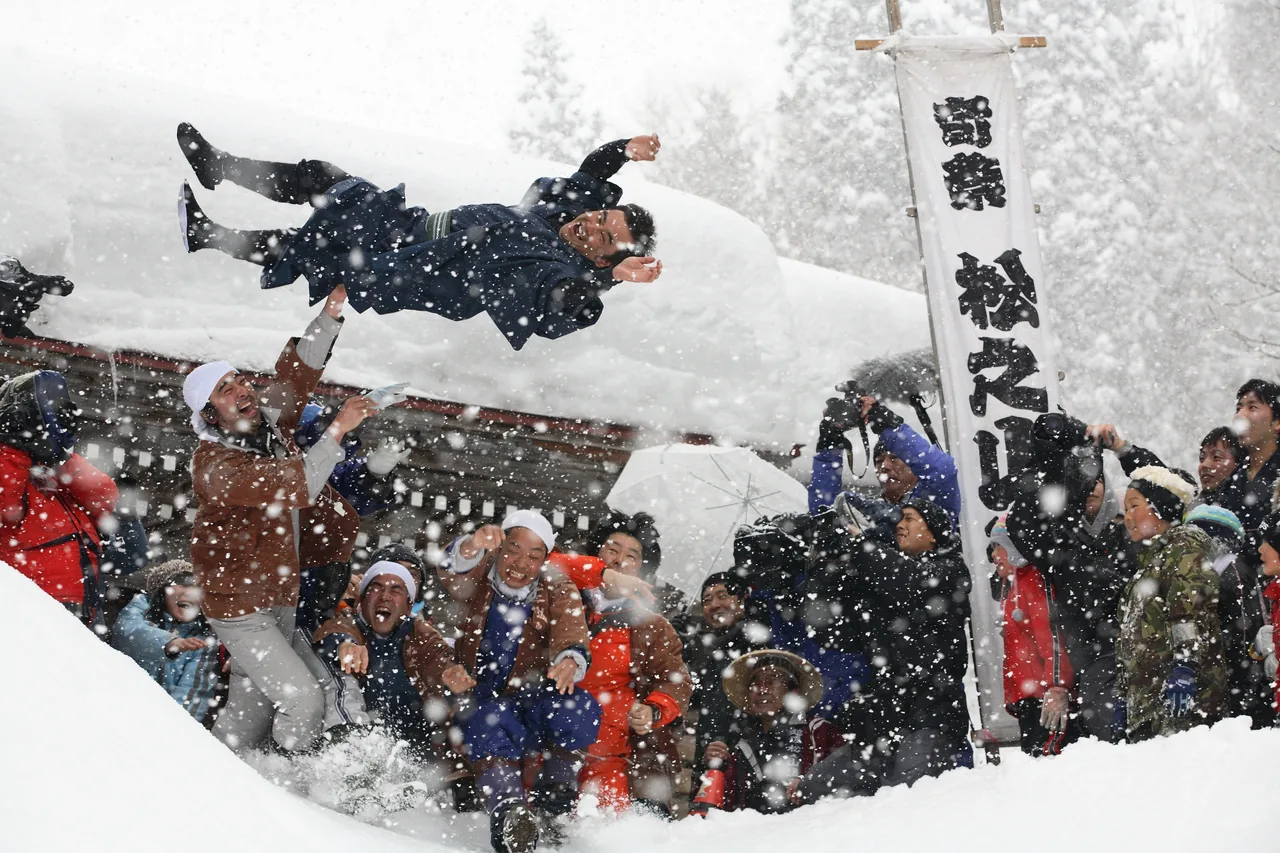 Jan 15Muko-nage and Sumi-nuri at Matsunoyama Onsen
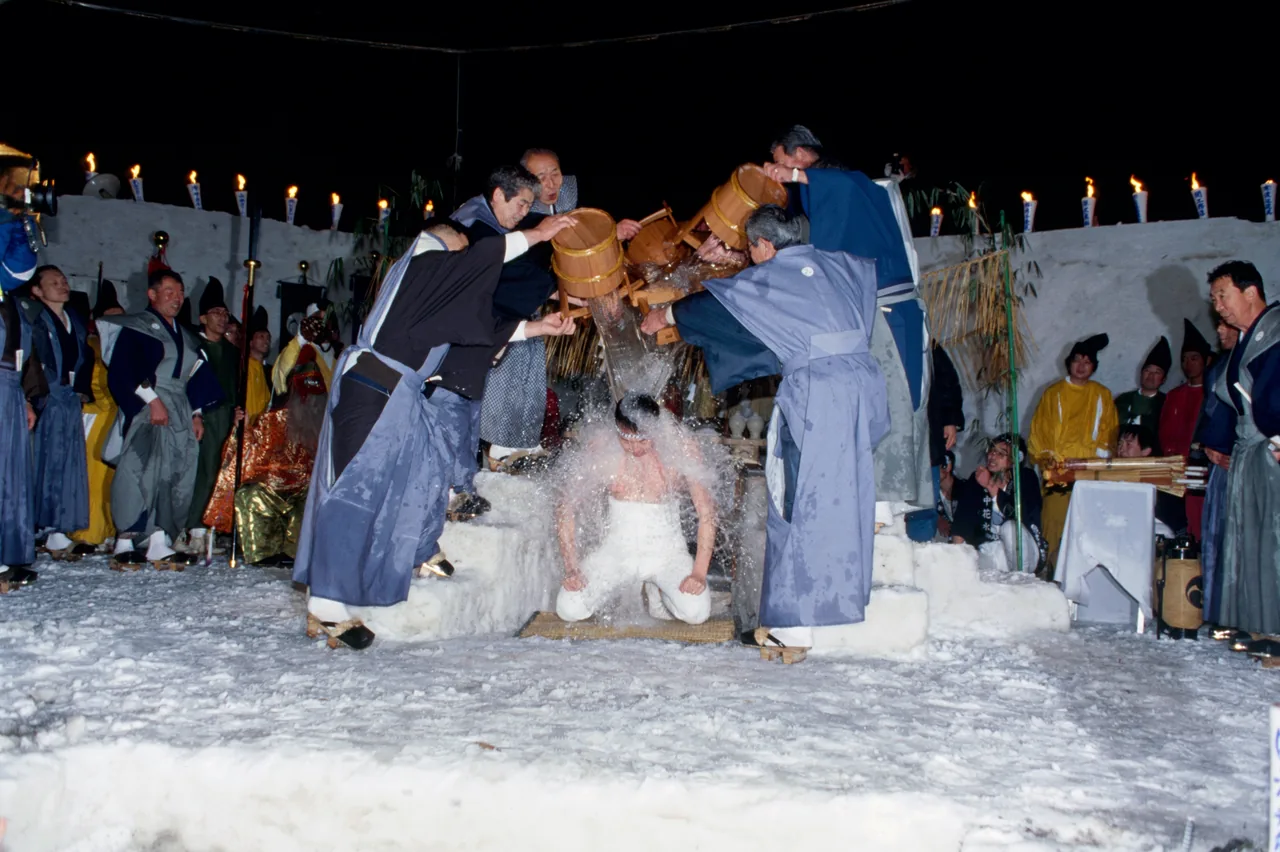 Feb 13Secchu Hanamizu Iwai (Snow Water Blessing)
Find on the map
Choose a numbered circle to zoom in there; choose a name to open the area's page.
This page is translated from the Japanese edition. Read the Japanese edition
What is the area like?
At the southwestern tip of Niigata Prefecture, close to the border with Nagano, Myoko is a highland area where hot springs and ski resorts gather at the foot of 2,454-meter Mount Myoko. The area is surrounded by the mountains of Myoko-Togakushi Renzan National Park.
On clear mornings, Mount Myoko is reflected perfectly in Imori Pond at Ikenotaira Onsen. At Sekiyama, at the foot of the mountain, Sekiyama Shrine has carried on its festival together with the worship of Mount Myoko. In winter the whole area becomes a ski resort, and where you can go changes greatly with the season.
Main sights
Imori Pond
This pond at Ikenotaira Onsen is about 500 meters around, and on still, clear days Mount Myoko is mirrored in its surface. From late April to early May, about 100,000 skunk cabbages bloom along the shore. A walking path circles the pond in about 15 minutes, and the Ministry of the Environment's Myoko Kogen Visitor Center is right next to it.
As the snow melts in spring, the Sogensai festival is held nearby: the character 艸 is drawn in fire on the slopes of Mount Myoko, followed by fireworks. The date is announced each year by the Myoko Tourism Bureau. See Imori Pond.
Sekiyama Shrine Fire Festival
This is Sekiyama Shrine's summer festival, held on the third Saturday and Sunday of July each year (July 17 and 18 in 2027). On Saturday there is the kariyamabushi bo-tsukai, in which young men dressed as mountain ascetics wield staffs (an Intangible Folk Cultural Property of Niigata Prefecture), a contest between the northern and southern villages to light a pine pillar first, and offertory sumo; on Sunday a portable shrine is carried around the district. See Sekiyama Shrine Fire Festival.
Food and shopping
Myoko Kogen has several hot-spring towns, including Ikenotaira Onsen where Imori Pond is. Planning to eat and rest in the hot-spring towns makes getting around easier.
Getting there
- To Imori Pond: From Myoko-Kogen Station on the Echigo Tokimeki Railway, take a city bus (such as the Suginosawa Line) to Imoriike Iriguchi. From the Tokyo direction, take the Hokuriku Shinkansen to Joetsumyoko Station and change to the Myoko Haneuma Line. Buses are infrequent and timetables change with the season, so check the Myoko Tourism Bureau's site.
- To Sekiyama Shrine: About 20 minutes on foot from Sekiyama Station on the Myoko Haneuma Line.
- By car: If you plan to visit several sights at the foot of the mountain, a rental car makes it easier.
Getting around the area
Outside the snow season, you can walk the path around Imori Pond, learn about the national park's nature at the visitor center, and then head on to Naena Falls and other spots nearby. In winter, snow covers even the area around the pond, and trips center on skiing and hot springs.
For seasonal routes that include Naena Falls, Tsubame Onsen and the wetlands above 2,000 meters, see Myoko Kogen sightseeing. Takada in central Joetsu is reached on the Myoko Haneuma Line.
Sights in Myoko
Niigata guides
See all
More areas of Niigata
- Central Niigata City (Bandai, Furumachi & Nuttari)
- Matsuhama
- Fukushimagata Lagoon
- Northern Culture Museum
- Sakata Lagoon & Mt. Kakuda
- Yahiko
- Teradomari
- Izumozaki
- Shibata
- Tsukioka Onsen
- Lake Hyoko
- Sasagawa Nagare
- Aga
- Nagaoka
- Yamakoshi
- Ojiya
- Kashiwazaki
- Takayanagi (thatched villages)
- Tokamachi
- Matsunoyama & Matsudai
- Kiyotsu Gorge
- Akiyamago
- Tsunan
- Minamiuonuma
- Uonuma Skyline
- Horinouchi
- Okutadami
- Takada (Joetsu)
- Kasugayama (Joetsu)
- Sado: Ogi & Shukunegi
- Sado: Mano & Niibo
- Sado: Sotokaifu (Onogame)
- Sado: Nanaura Coast