
Fukushimagata Lagoon
Areas of Niigata
Fukushimagata Lagoon
Fukushimagata Lagoon in Niigata is Japan's largest wintering site for taiga bean geese. Autumn and winter birds, seasonal flowers, the rooftop view and access.
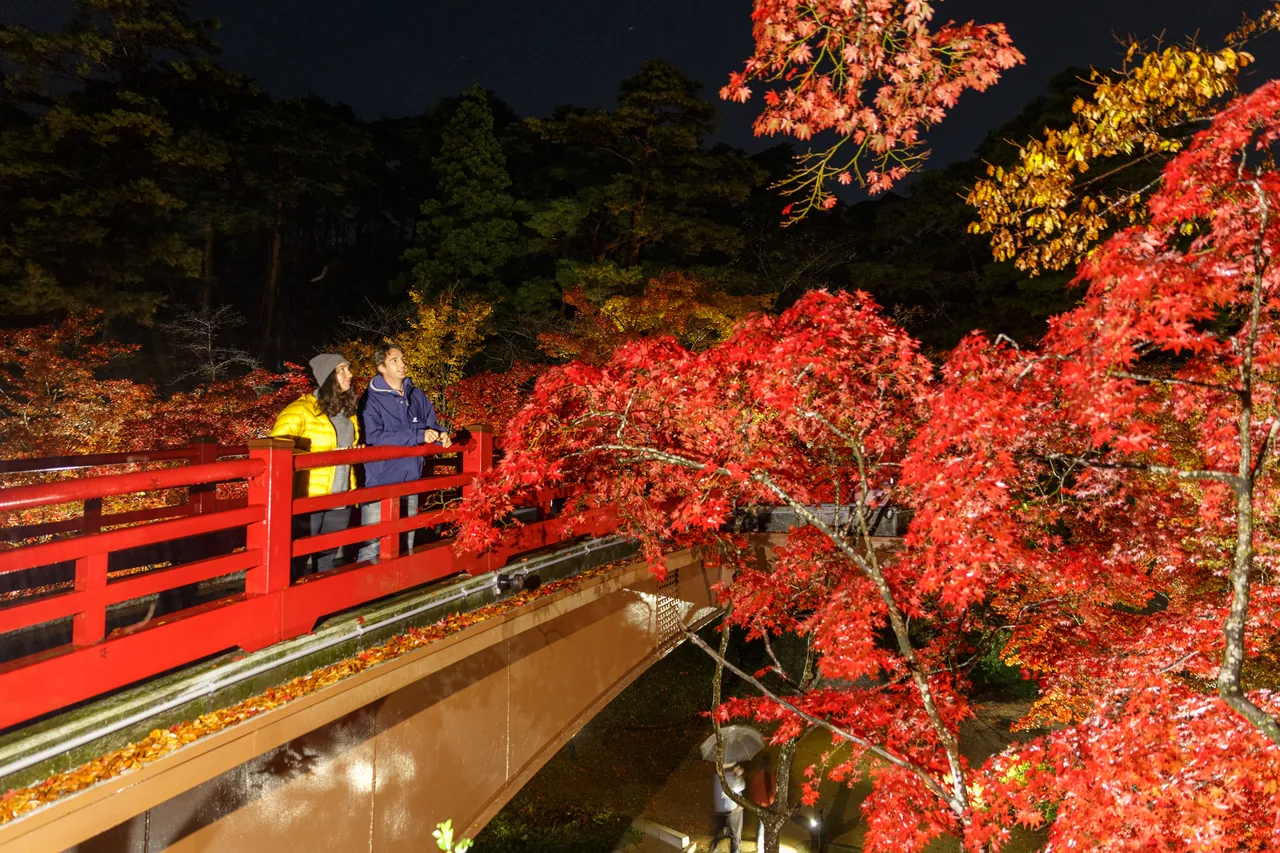 Oct 31 – Nov 30Yahiko Park Momiji-dani Autumn Light-up
 Jan 15Muko-nage and Sumi-nuri at Matsunoyama Onsen
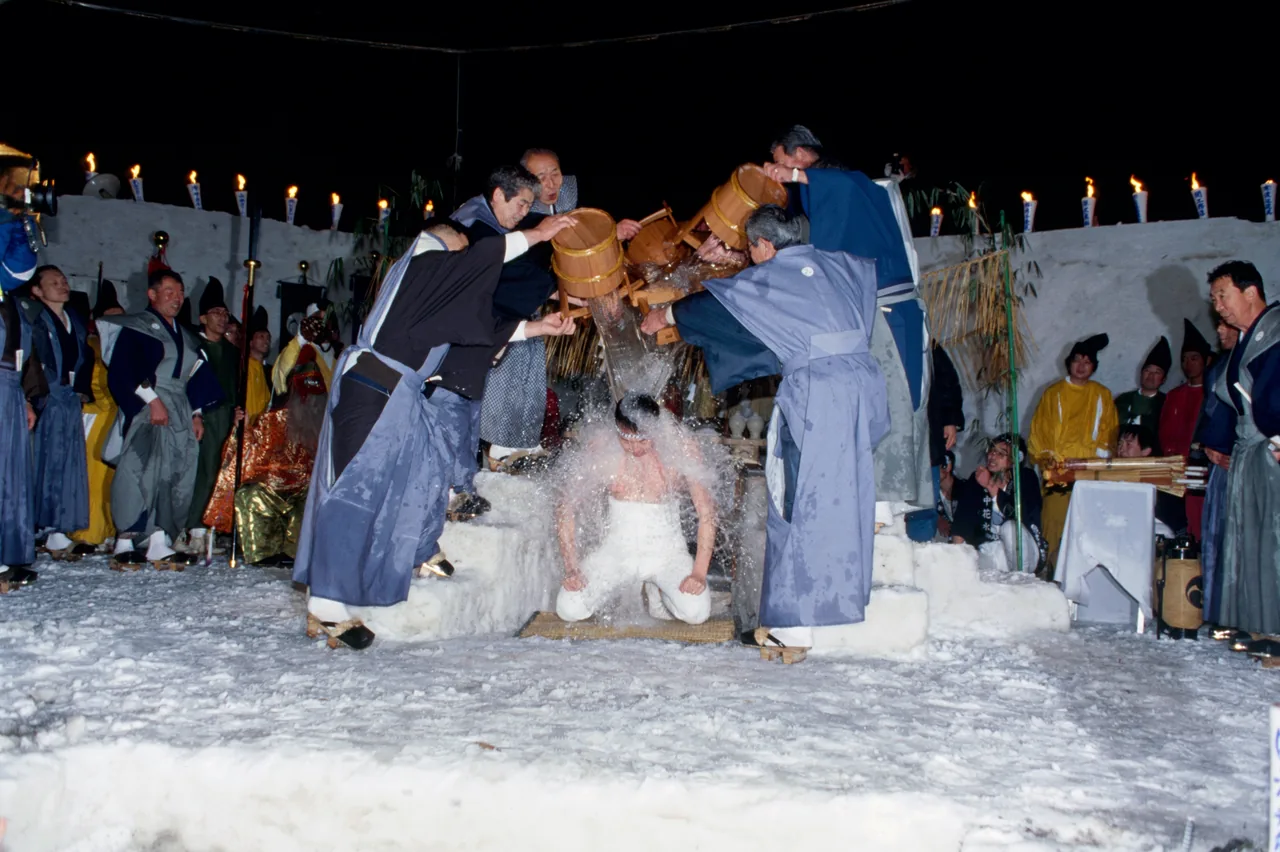 Feb 13Secchu Hanamizu Iwai (Snow Water Blessing)
Find on the map
This page is translated from the Japanese edition. Read the Japanese edition
What is the area like?
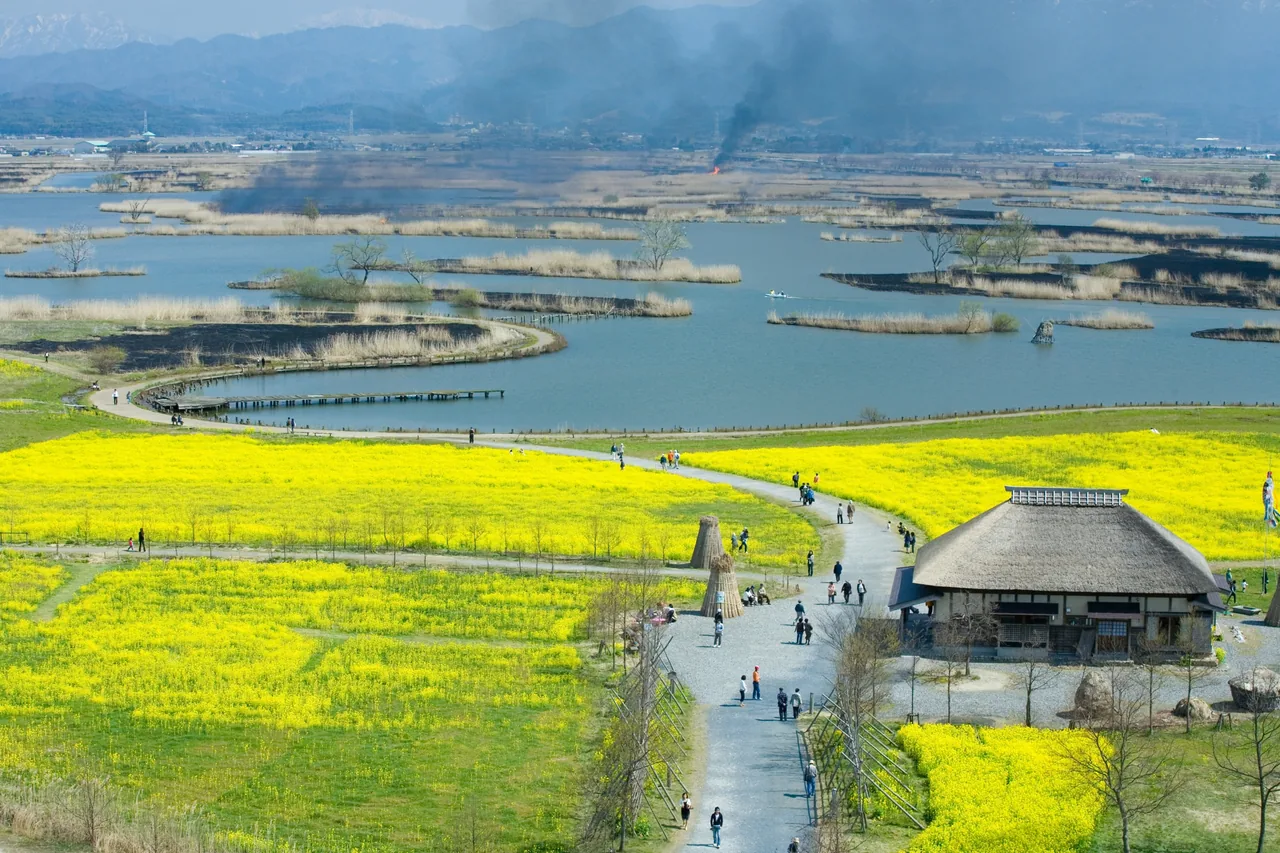
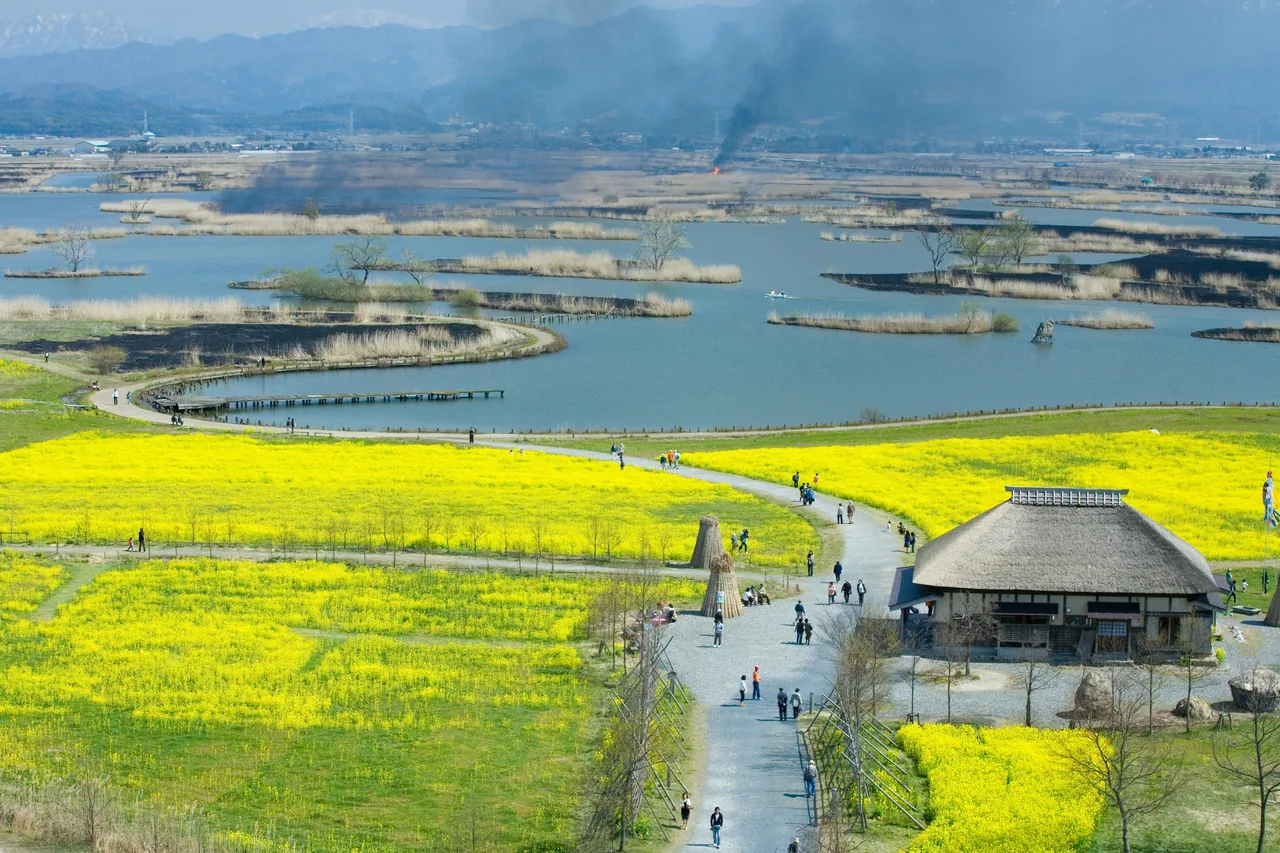
Fukushimagata, in Kita Ward of Niigata City, is a shallow lagoon of reed beds and open water. Rice paddies of the Echigo Plain spread around it, and the way the waterside meets the paddies is typical of the lagoon country here.
From autumn to winter it becomes Japan's largest wintering site for the taiga bean goose (Oohishikui), a National Natural Monument, and tundra swans and other migratory birds gather too. In spring rapeseed flowers bloom around the lagoon, and from summer to early autumn the prickly water lily (onibasu), known here at the northern limit of its natural range, opens its flowers.
Main sights
Fukushimagata and View Fukushimagata
The lagoon's base, the water station View Fukushimagata, has a rooftop overlooking the lagoon and the Echigo Plain, with exhibits on the lagoon's wildlife and history inside. You can also watch live video from within the lagoon.
Taiga bean geese winter here from October to March, sometimes more than 5,000 at a time. On still autumn mornings the rising sun is reflected in the water, and you may see flocks taking off from their roost at dawn. Around August and September, the prickly water lily, with huge thorn-covered leaves, opens purple flowers; Fukushimagata is its northernmost natural habitat in Japan. See Fukushimagata Lagoon.
Food and shopping
The lagoon is a quiet place of paddies and water. If you go birdwatching early in the morning or in the evening, bring drinks and warm clothes.
Getting there
- By train: About 5 minutes by taxi or 40 minutes on foot from Toyosaka Station on the JR Hakushin Line.
- By car: There is parking at View Fukushimagata.
Getting around the area
Start by looking over the whole lagoon from the rooftop of View Fukushimagata and learning about the season's wildlife from the exhibits, then walk along the water. For migratory birds, go on autumn or winter mornings; for the prickly water lily, around August to September.
Staying at Tsukioka Onsen, served by a shuttle bus from the same Toyosaka Station, makes it easy to visit the lagoon in the morning. For a lake where swans gather, Lake Hyoko in Agano City is also nearby.
Sights in Fukushimagata Lagoon
Niigata guides
See all
More areas of Niigata
- Central Niigata City (Bandai, Furumachi & Nuttari)
- Matsuhama
- Northern Culture Museum
- Sakata Lagoon & Mt. Kakuda
- Yahiko
- Teradomari
- Izumozaki
- Shibata
- Tsukioka Onsen
- Lake Hyoko
- Sasagawa Nagare
- Aga
- Nagaoka
- Yamakoshi
- Ojiya
- Kashiwazaki
- Takayanagi (thatched villages)
- Tokamachi
- Matsunoyama & Matsudai
- Kiyotsu Gorge
- Akiyamago
- Tsunan
- Minamiuonuma
- Uonuma Skyline
- Horinouchi
- Okutadami
- Takada (Joetsu)
- Kasugayama (Joetsu)
- Myoko
- Sado: Ogi & Shukunegi
- Sado: Mano & Niibo
- Sado: Sotokaifu (Onogame)
- Sado: Nanaura Coast