
Kasugayama (Joetsu)
Areas of Niigata
Kasugayama (Joetsu)
Kasugayama in Joetsu holds Uesugi Kenshin's castle ruins and Rinsenji, where he is said to have trained as a boy. The earthen castle walk, his grave and access.
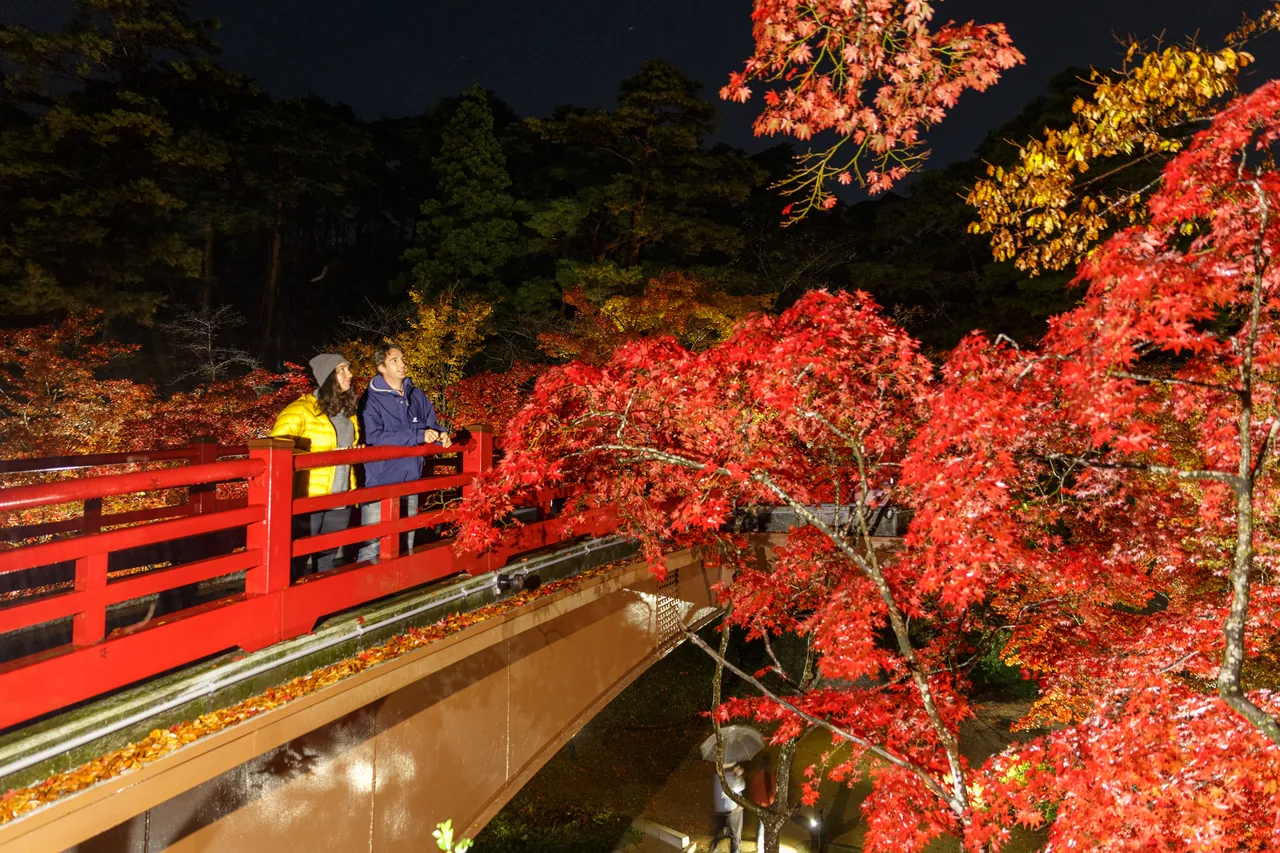 Oct 31 – Nov 30Yahiko Park Momiji-dani Autumn Light-up
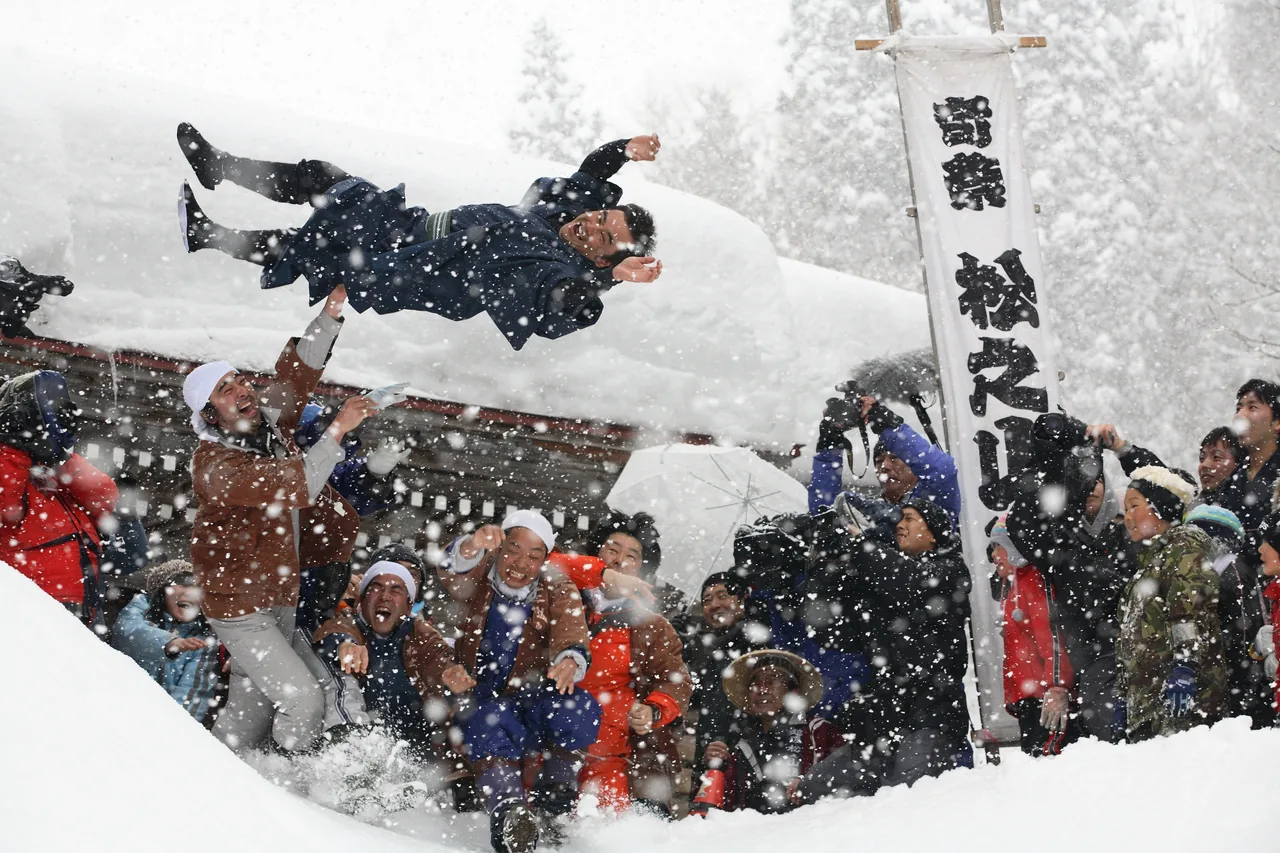 Jan 15Muko-nage and Sumi-nuri at Matsunoyama Onsen
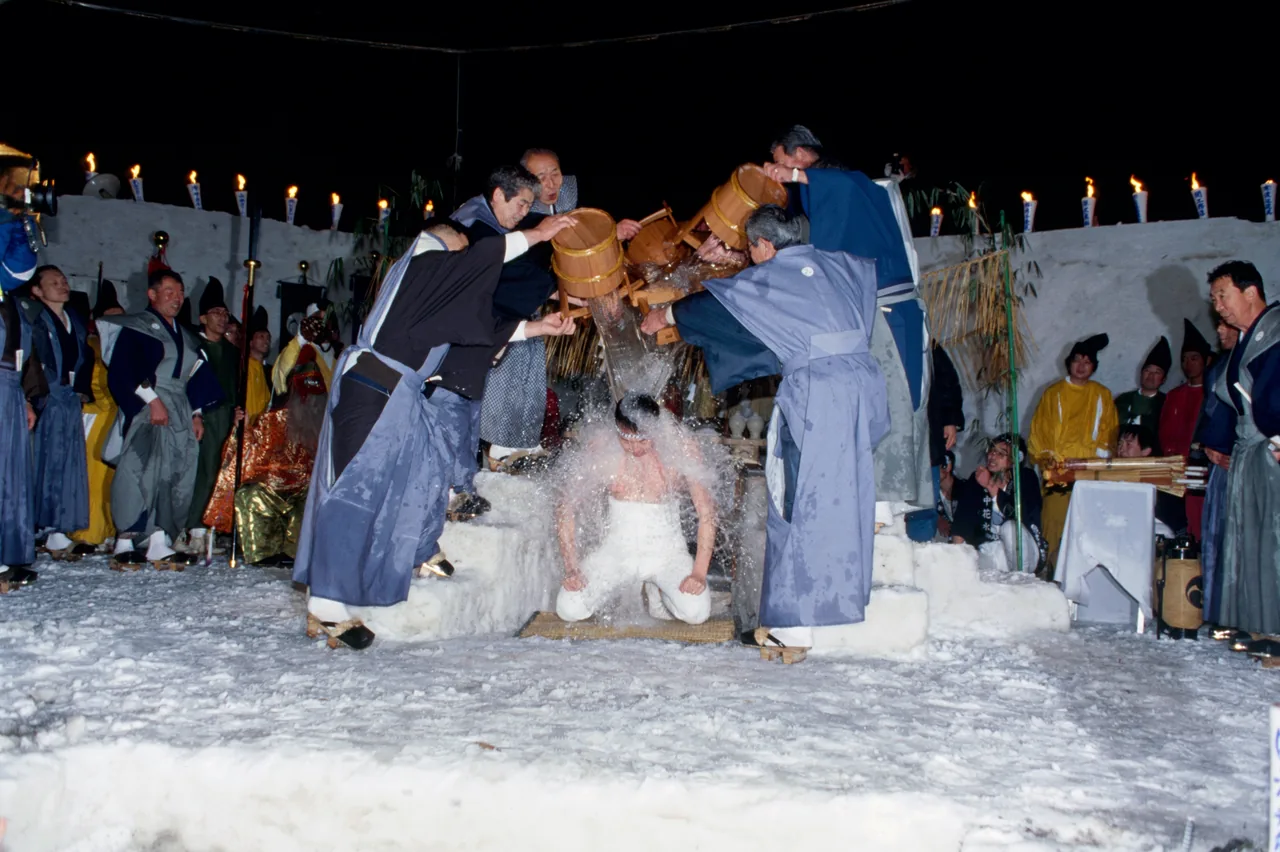 Feb 13Secchu Hanamizu Iwai (Snow Water Blessing)
Find on the map
This page is translated from the Japanese edition. Read the Japanese edition
What is the area like?
Kasugayama, west of central Joetsu City, is the mountain where the Warring States warlord Uesugi Kenshin had his stronghold, Kasugayama Castle, whose ruins remain. At the foot of the mountain are Rinsenji, the family temple of Kenshin's Nagao clan, and Kasugayama Shrine, which enshrines Kenshin.
The castle ruins are a National Historic Site. This was an "earthen castle" with neither a keep nor stone walls; the terraced enclosures carved from the mountainside, dry moats and earthen ramparts still survive on the slopes. Walk the ruins and the temple together and you get a feel for Joetsu in Kenshin's day.
Main sights
Rinsenji Temple
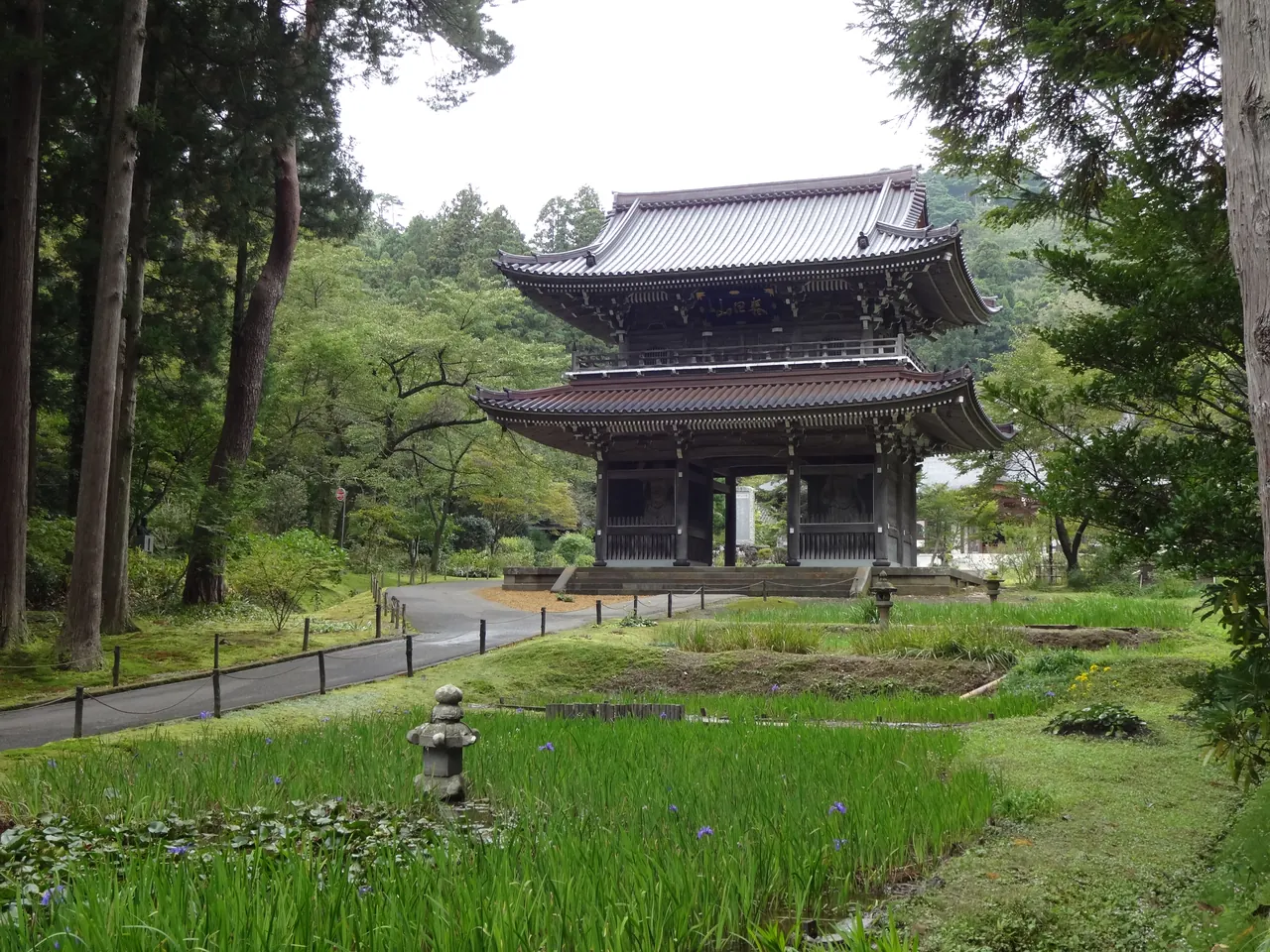
Kenshin's grandfather Nagao Yoshikage founded this temple in 1497, and Kenshin is said to have trained here as a child. The outer gate, said to have been moved from the back gate of Kasugayama Castle, is considered the oldest building in Joetsu City. The two-storey main gate was built in 1925, and the plaque on its front reading "Daiichigi" is a copy of one said to be in Kenshin's own hand. Kenshin's grave is in the temple cemetery. See Rinsenji Temple.
Kasugayama Castle ruins and Kasugayama Shrine
To reach the main enclosure, climb the mountain path beside Kasugayama Shrine. The path is dirt and stone steps and gets slippery after rain, so wear good walking shoes. Joetsu City lends bear bells to visitors to the ruins. Kasugayama Shrine at the trailhead was founded in 1901 to enshrine Kenshin.
At the eastern foot of the mountain are the Kasugayama Castle Historic Site Plaza, with earthworks and moats reconstructed based on excavations, and the Kasugayama Castle Monogatari-kan, with exhibits on Kenshin. Stopping by before you climb helps you grasp how far the castle extended.
Kenshin-ko Festival
Held around Kasugayama in memory of Kenshin, this festival usually takes place on a weekend in late August; the 101st festival in 2026 was on August 22 and 23. Highlights include a procession of warriors in armor setting out for battle and a reenactment of the Battle of Kawanakajima. The Kasugayama area is extremely crowded during the festival.
Food and shopping
The sights at Kasugayama are mostly temples, a shrine and mountain castle ruins, and there are few places to eat. Plan to have your meals in town, in Takada or Naoetsu.
Getting there
- By train: From Tokyo, take the Hokuriku Shinkansen to Joetsumyoko Station and change to the Echigo Tokimeki Railway. The nearest station is Kasugayama.
- From the station: The road from Kasugayama Station to Kasugayama Shrine climbs steadily and takes about 40 minutes on foot. A bus or taxi saves your energy for walking the castle ruins.
Getting around the area
Allow about half a day for the castle ruins, Kasugayama Shrine and Rinsenji so you are not rushed. Rinsenji is within walking distance of Kasugayama Shrine. Check Rinsenji's visiting hours before you go.
Move on to Takada in the afternoon to walk Takada Castle Site Park, and you can compare a Warring States mountain castle with an Edo-period lowland castle in a single day. For a detailed route, see Uesugi Kenshin's Joetsu.
Sights in Kasugayama (Joetsu)
Niigata guides
See all
More areas of Niigata
- Central Niigata City (Bandai, Furumachi & Nuttari)
- Matsuhama
- Fukushimagata Lagoon
- Northern Culture Museum
- Sakata Lagoon & Mt. Kakuda
- Yahiko
- Teradomari
- Izumozaki
- Shibata
- Tsukioka Onsen
- Lake Hyoko
- Sasagawa Nagare
- Aga
- Nagaoka
- Yamakoshi
- Ojiya
- Kashiwazaki
- Takayanagi (thatched villages)
- Tokamachi
- Matsunoyama & Matsudai
- Kiyotsu Gorge
- Akiyamago
- Tsunan
- Minamiuonuma
- Uonuma Skyline
- Horinouchi
- Okutadami
- Takada (Joetsu)
- Myoko
- Sado: Ogi & Shukunegi
- Sado: Mano & Niibo
- Sado: Sotokaifu (Onogame)
- Sado: Nanaura Coast