Sado Island in One Day: Ogi Tub Boats, Shukunegi and Myosenji
- Ogi Tarai-bune Tub Boats
- Shukunegi
- Sado National Ogi Folk Museum and Sengokubune Exhibition Hall
- Myosenji Temple (Five-storey Pagoda)

Areas of Niigata
Ogi and Shukunegi at the southern tip of Sado: three places to ride tarai-bune tub boats, lanes of board-clad houses, the life-size Hakusan-maru ship, and ferries.
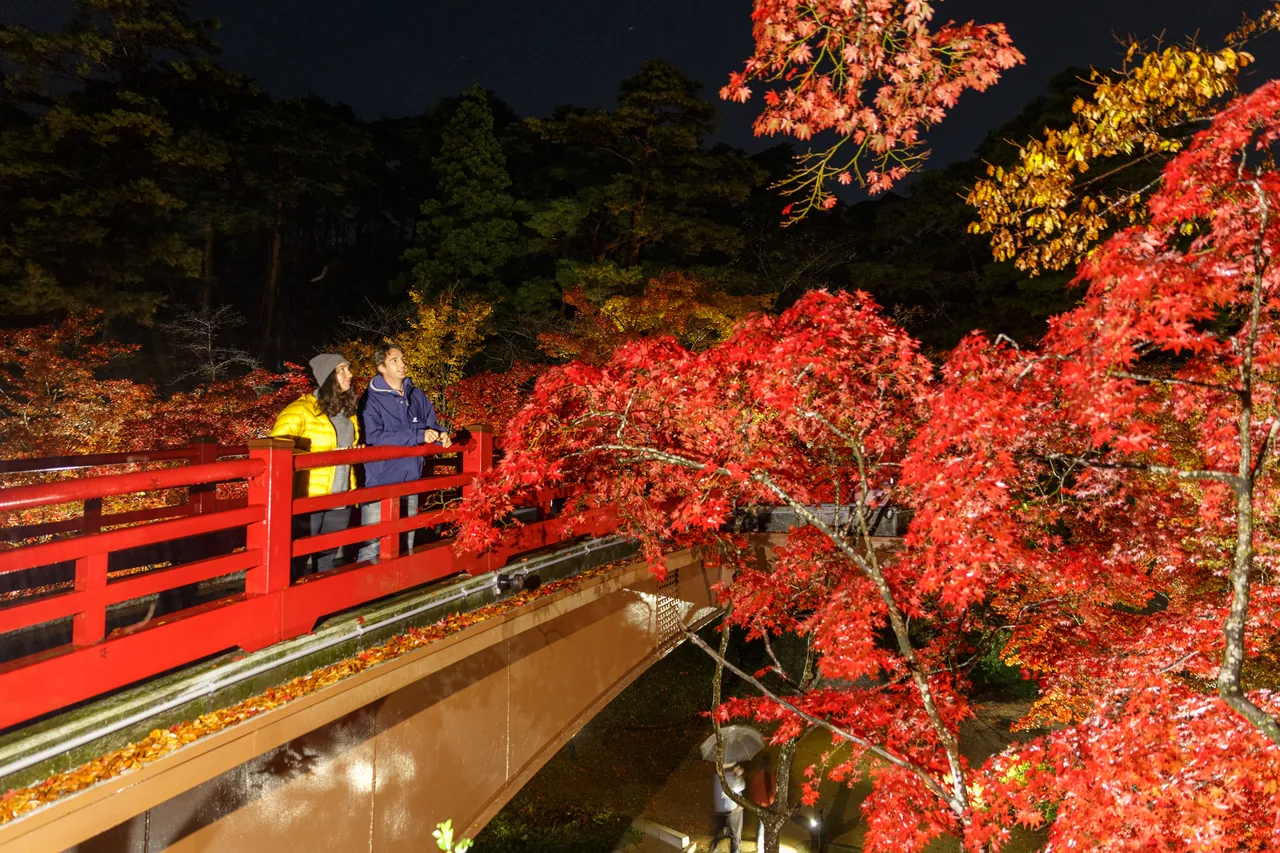 Oct 31 – Nov 30Yahiko Park Momiji-dani Autumn Light-up
 Jan 15Muko-nage and Sumi-nuri at Matsunoyama Onsen
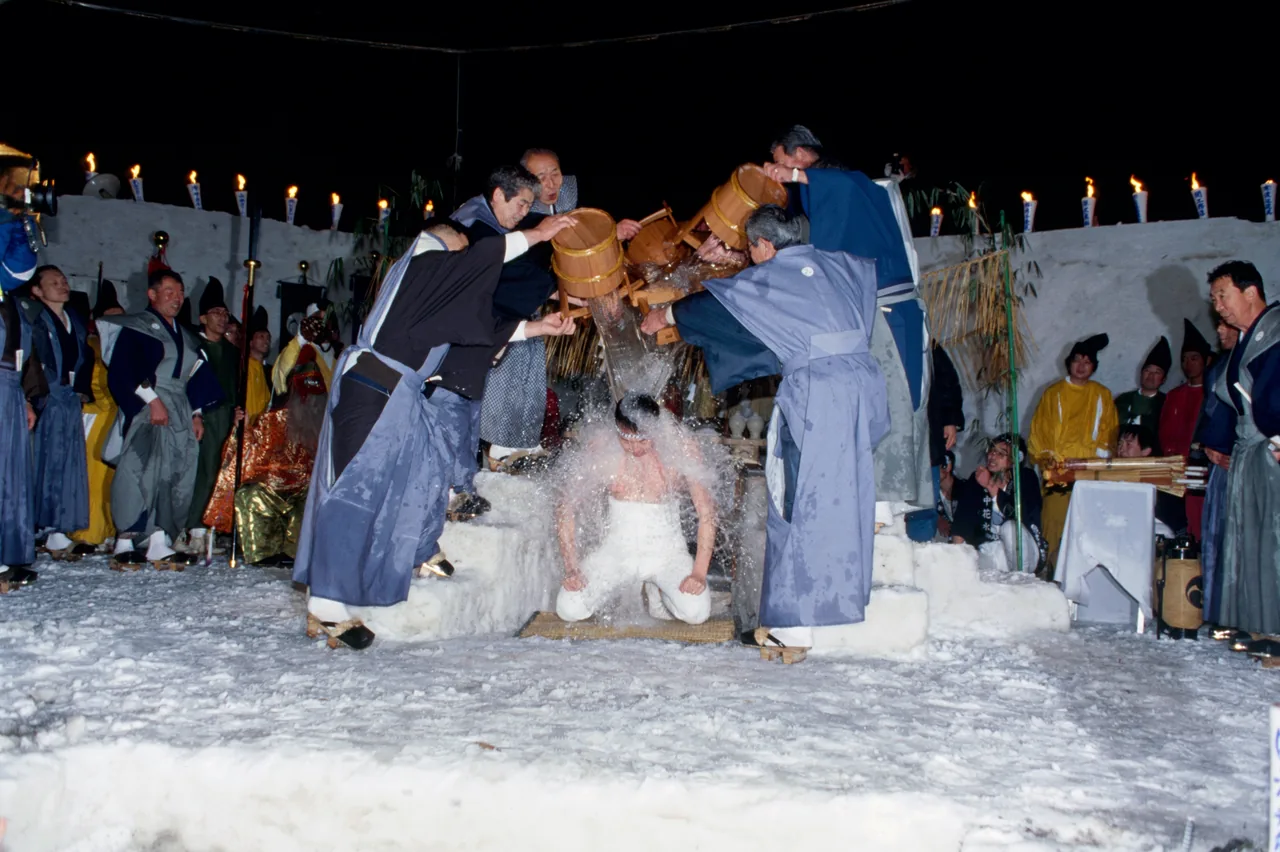 Feb 13Secchu Hanamizu Iwai (Snow Water Blessing)
Choose a numbered circle to zoom in there; choose a name to open the area's page.
This page is translated from the Japanese edition. Read the Japanese edition
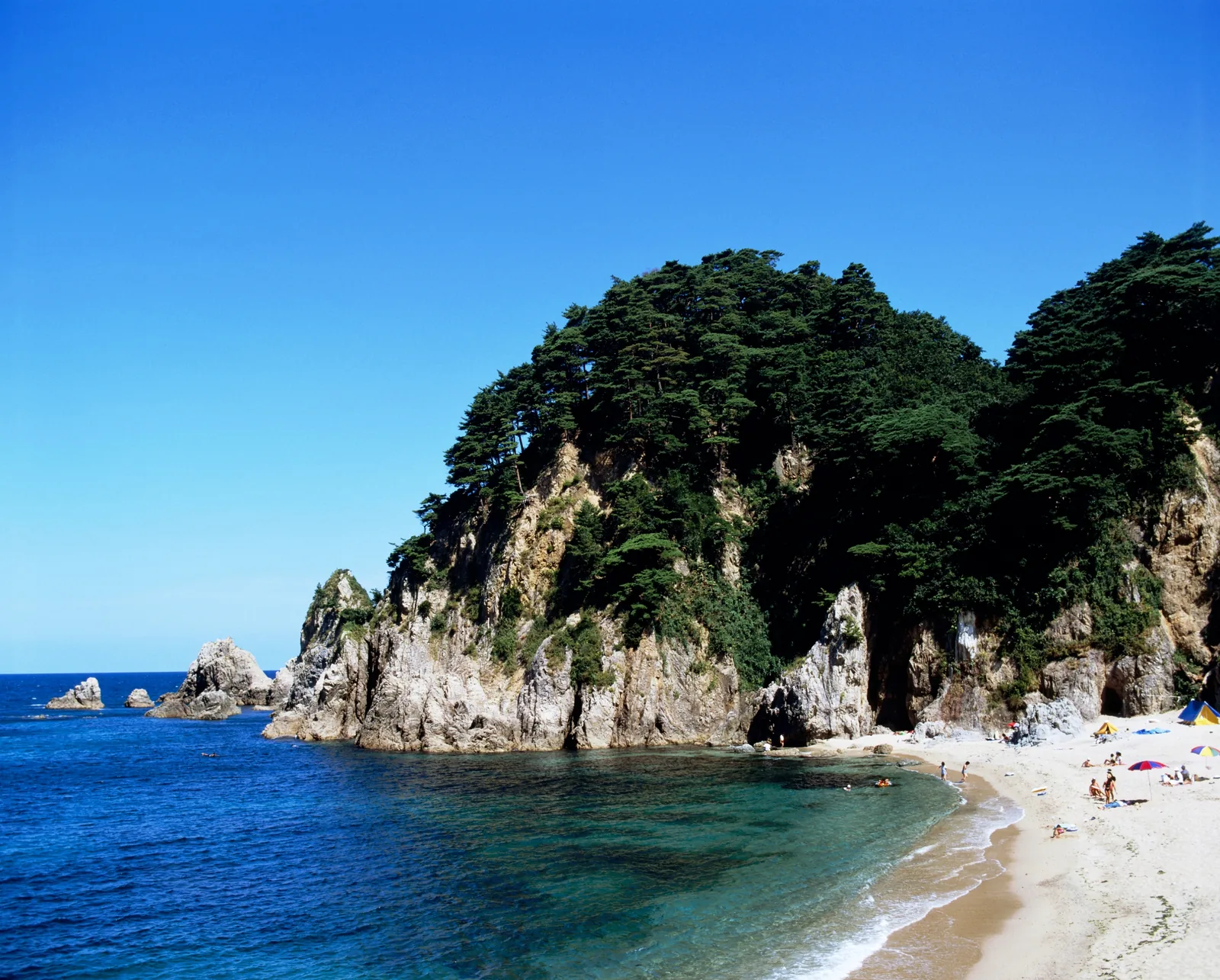
The Ogi Peninsula juts out from the southwest of Sado Island, its coastline a tangle of rocky reefs. Ferries from Naoetsu Port in Joetsu City arrive at Ogi Port, at the base of the peninsula. Farther west along the peninsula, Shukunegi is a harbor village that prospered in the Edo period through coastal shipping; nearly everyone in the village was involved in the trade as a shipowner, sailor or shipwright.
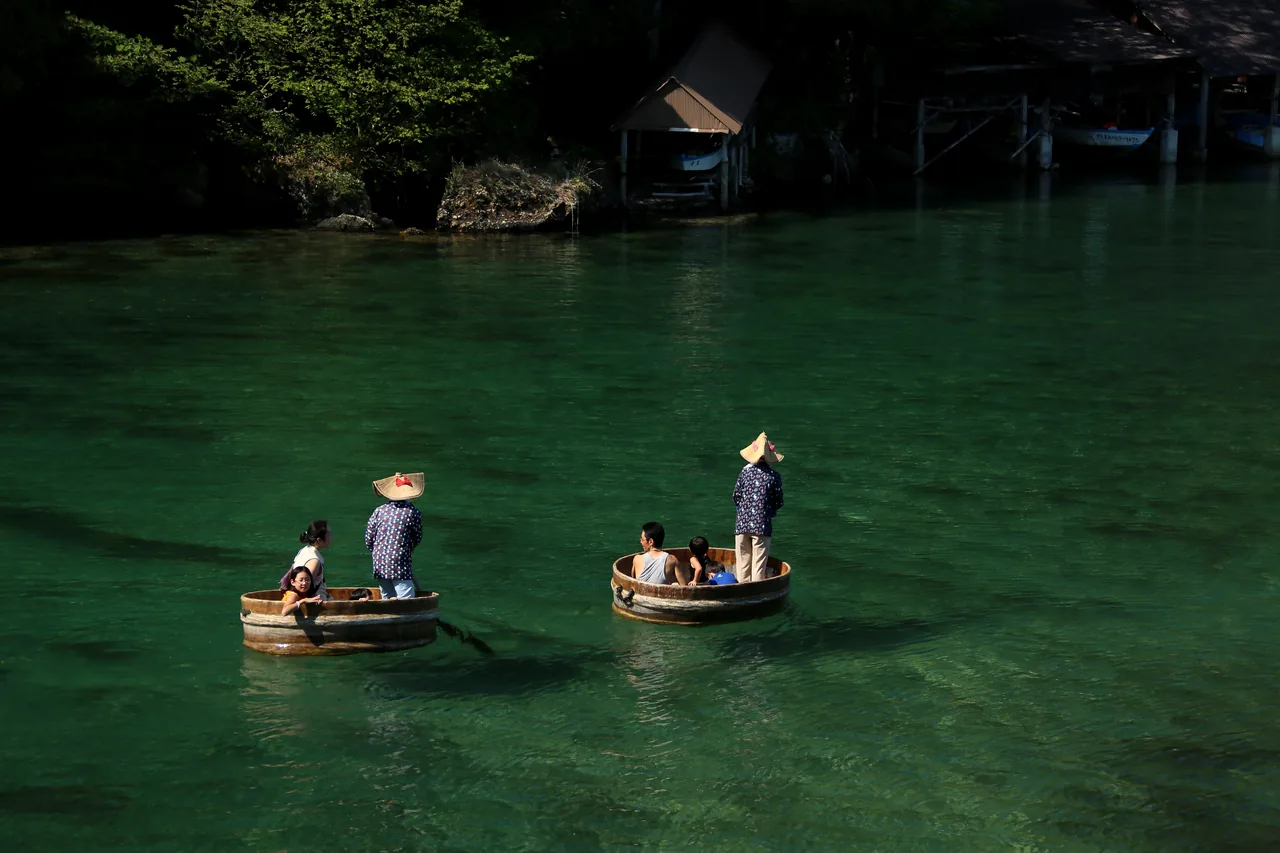
The tarai-bune, a tub-shaped boat that can turn nimbly between the rocks, has long been used here for isonegi fishing, gathering shellfish and seaweed from the rocky shallows. Ride a tub boat, walk the shipwrights' village and look up at a full-size cargo ship, and you get a clear picture of a peninsula that has always lived with the sea.
These boats are shaped like big wooden tubs, and the boatwoman or boatman propels them with a single oar. The round boat spins this way and that as it crosses the inlet, and from just above the waterline you can peer into the clear water among the rocks. There are three places to ride:
Some operators close in winter, so check with each one that boats are running. See Ogi Tarai-bune Tub Boats.
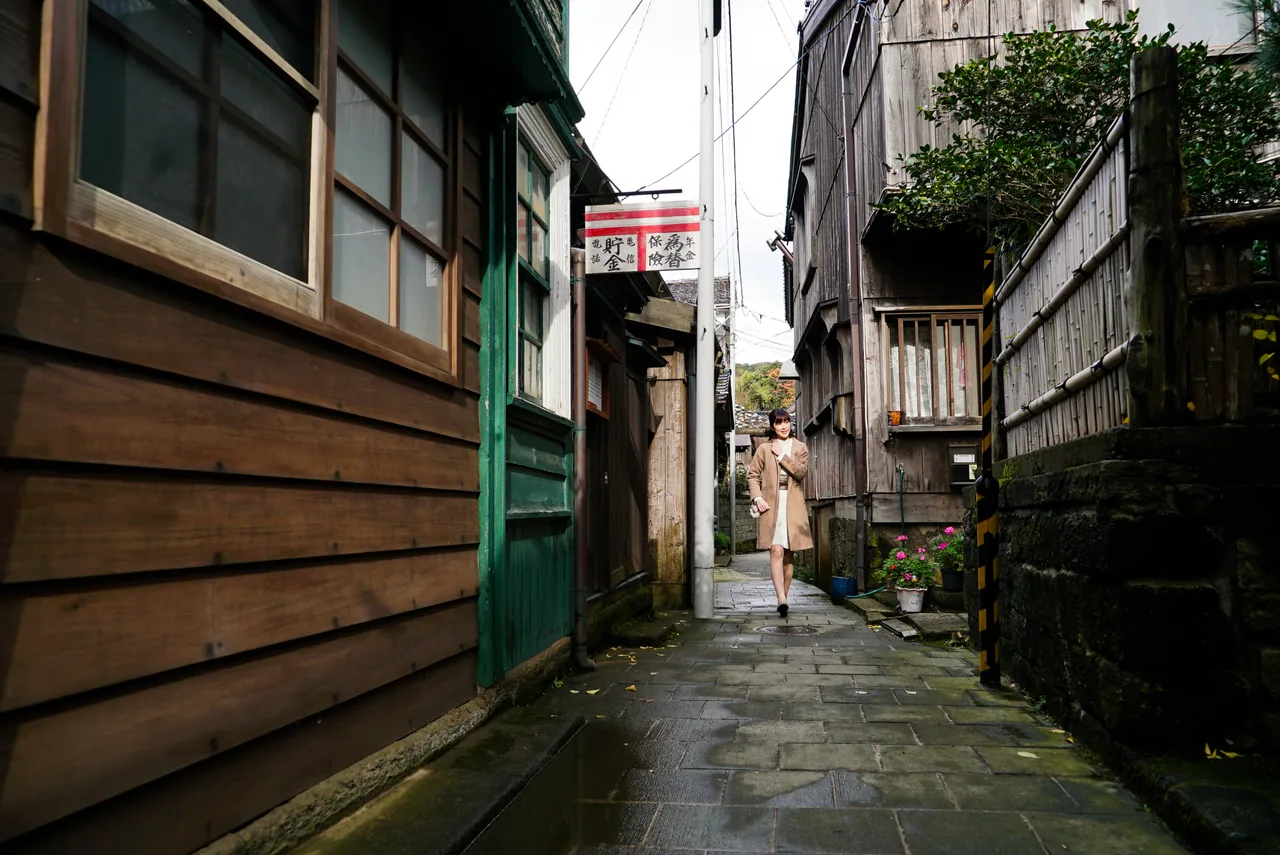
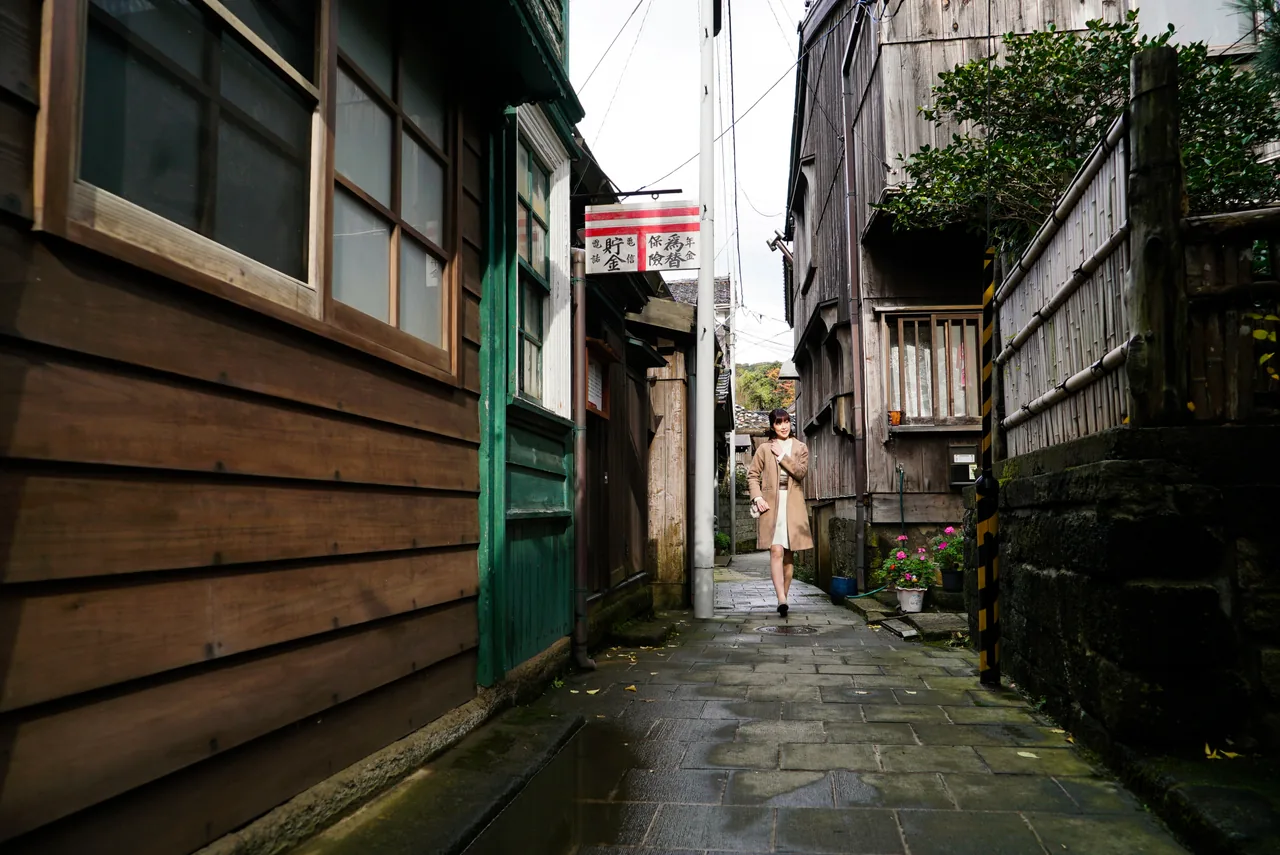
In this village, board-clad houses are packed tightly into a small valley, and narrow lanes wind between them like a maze. It was selected as a nationally designated Important Preservation District for Groups of Traditional Buildings in 1991. Look for houses with outer walls made from ship planks, the Sankaku-ya (Triangle House), built to fit a triangular plot and shaped like the bow of a ship, and the Yosute-koji lane that threads between the wooden walls. People still live here, so walk quietly and don't peer into homes or gardens. See Shukunegi.
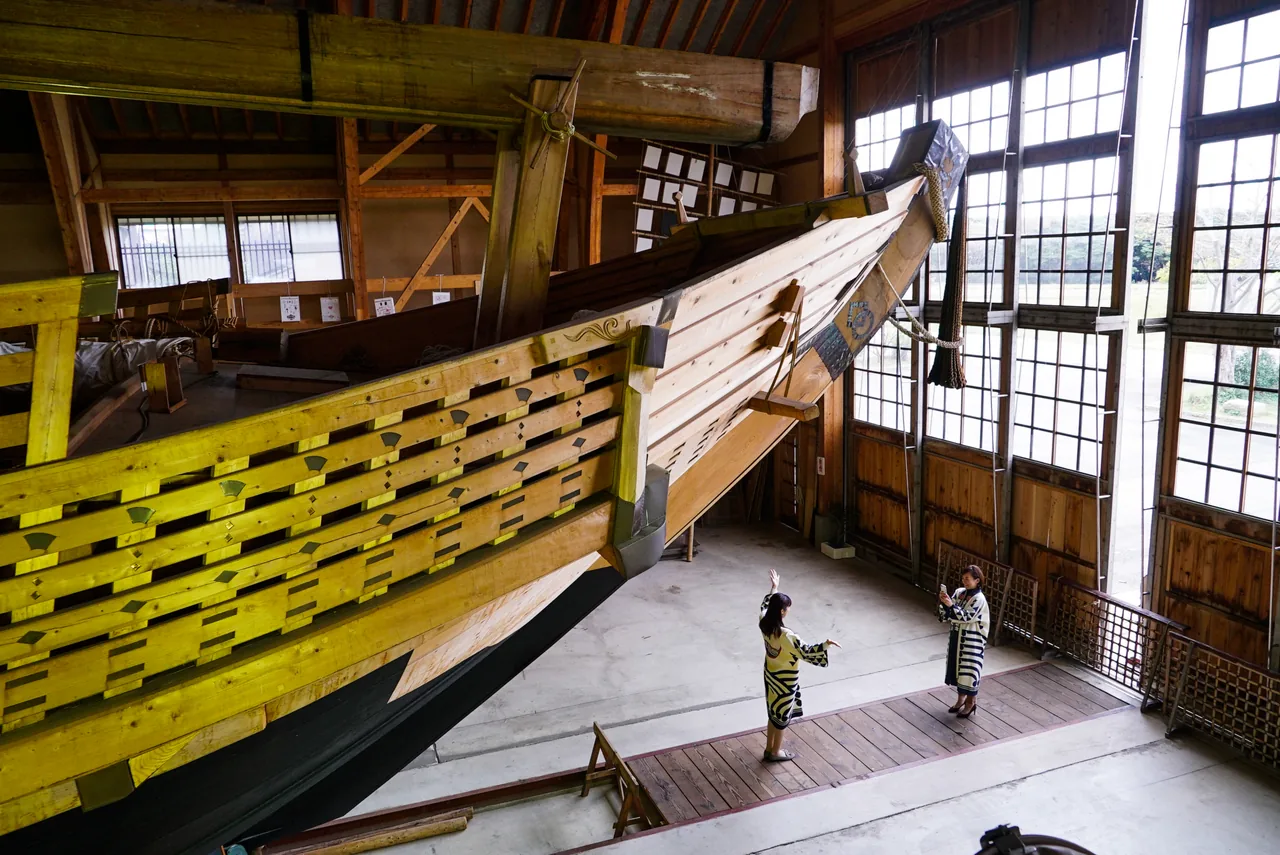
Housed in the wooden building of the former Shukunegi Elementary School, built in 1920, the museum holds about 30,000 folk items on fishing and daily life in southern Sado, shipwrights' tools and more. In the Sengokubune Exhibition Hall next door, you can look up close at the Hakusan-maru, a life-size reconstruction of a sengokubune cargo ship based on period plans. See Sado National Ogi Folk Museum and Sengokubune Exhibition Hall.
You will usually drive between the sights, and Shukunegi is a quiet, lived-in village. Look up places to eat before you set out on the Sado tourism site.
An easy order is to ride a tub boat at Ogi Port, head west along the peninsula, walk the lanes of Shukunegi and then visit the folk museum and Sengokubune Exhibition Hall right nearby. The village and the museum are within walking distance of each other. A footpath lets you walk out to the islands of Yajima and Kyojima, so if you have time, take in the coastal scenery as well.
If you leave by ferry from Ogi to Naoetsu, you can continue your trip in Joetsu at Takada or Kasugayama. For a two-day route covering the island from north to south, see Sado two-day itinerary.