Echigo-Tsumari One Day by Car: Hoshitoge, Bijin-bayashi, Kiyotsu
- Hoshitoge Rice Terraces
- Bijin-bayashi Beech Forest
- Matsunoyama Onsen
- Kiyotsu Gorge Tunnel

Areas of Niigata
Matsunoyama and Matsudai in Tokamachi: the Hoshitoge rice terraces, the Bijin-bayashi beech forest, terrace etiquette, the muko-nage ritual, the onsen and access.
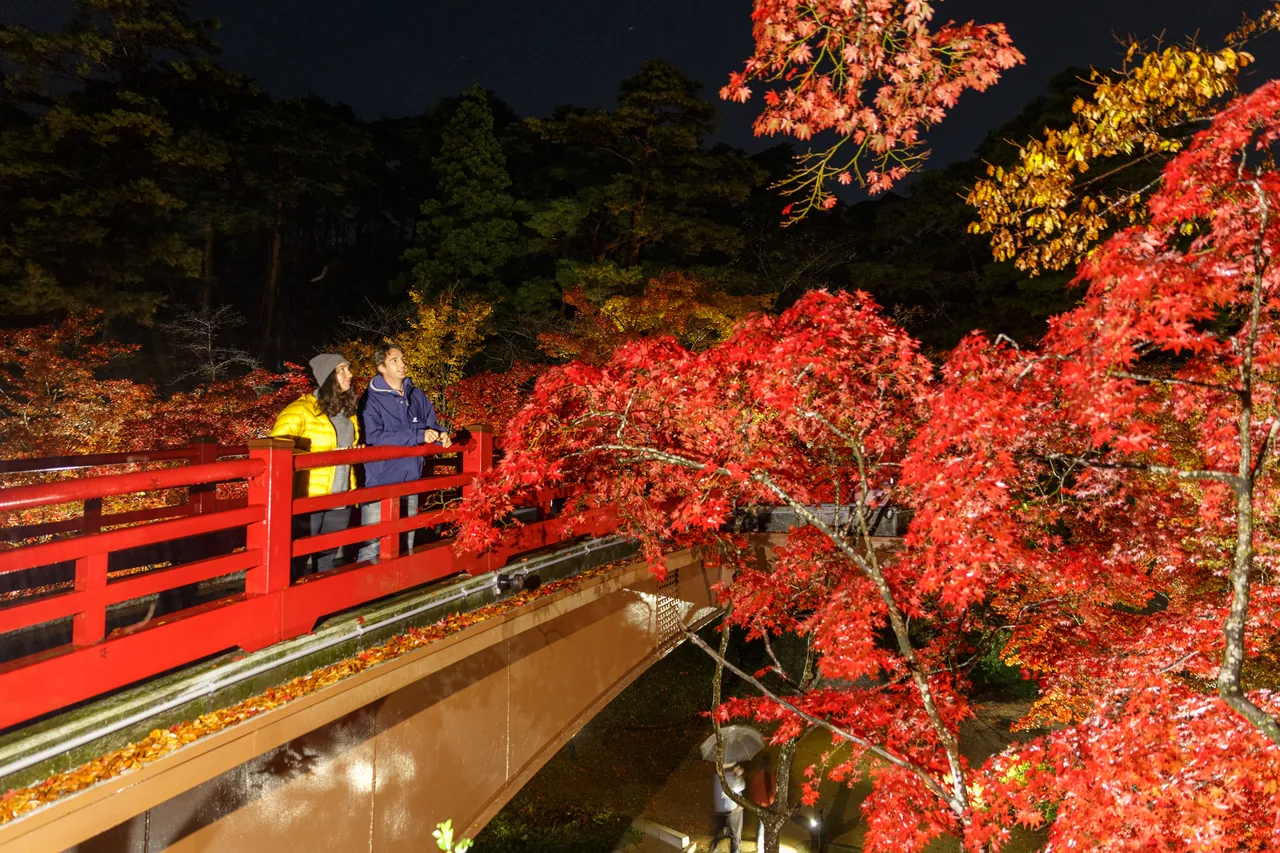 Oct 31 – Nov 30Yahiko Park Momiji-dani Autumn Light-up
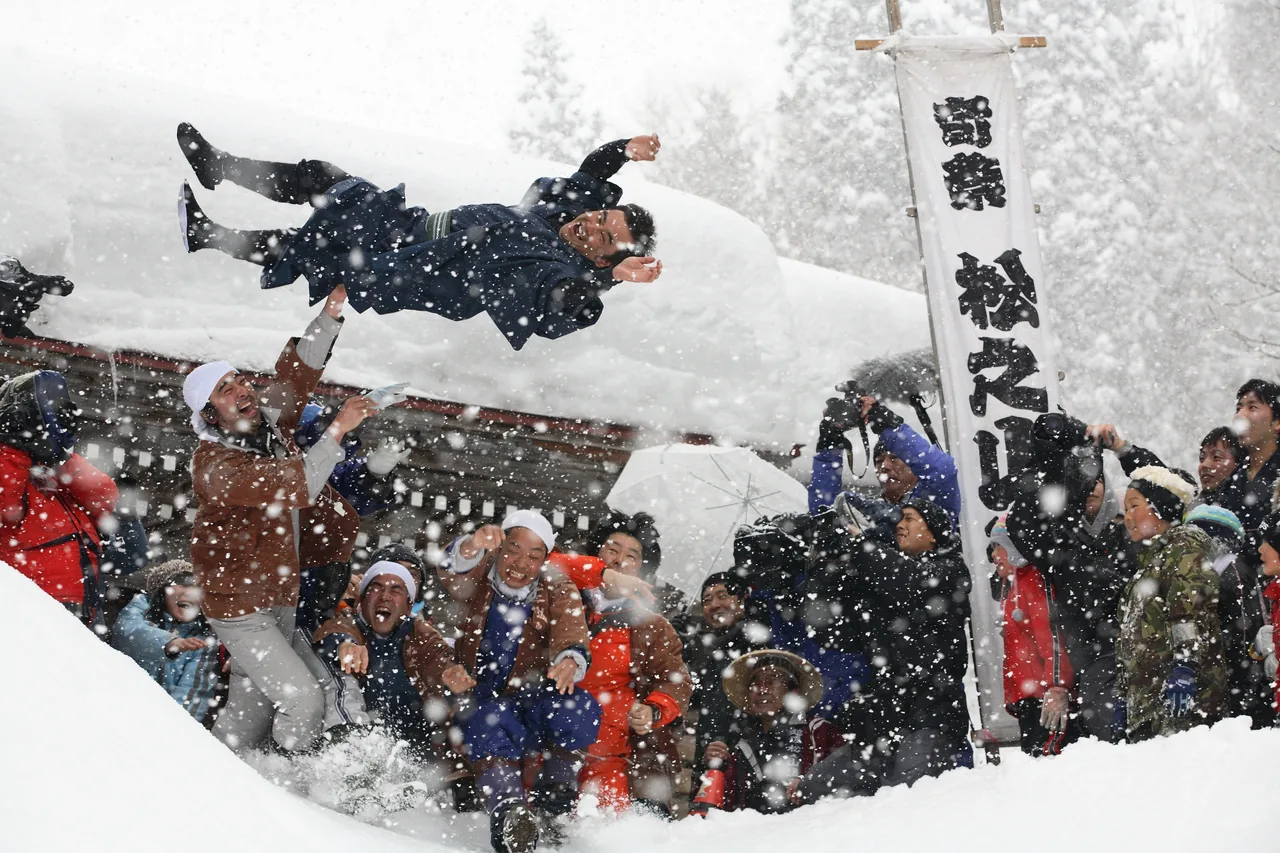 Jan 15Muko-nage and Sumi-nuri at Matsunoyama Onsen
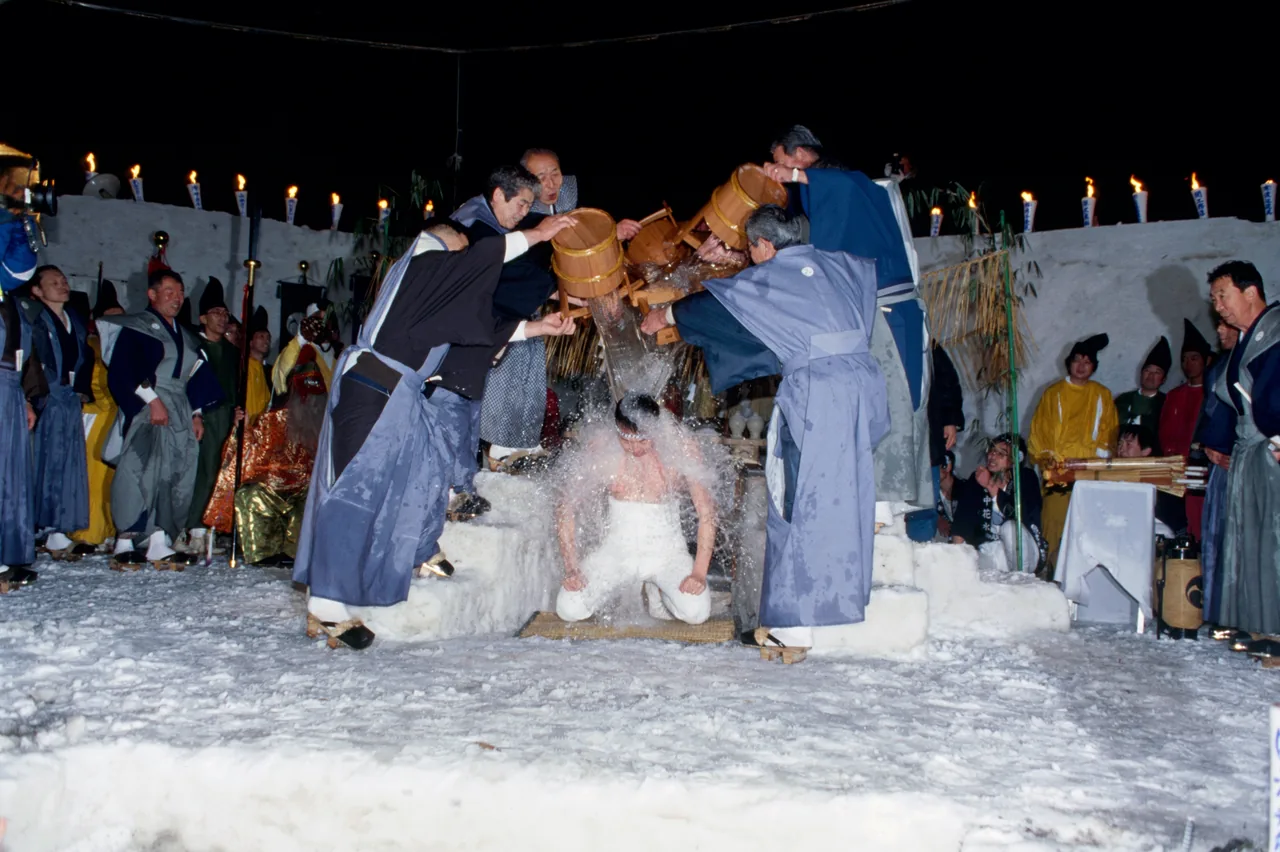 Feb 13Secchu Hanamizu Iwai (Snow Water Blessing)
This page is translated from the Japanese edition. Read the Japanese edition
In the hills of Matsudai and Matsunoyama in southern Tokamachi City, terraced rice fields cut into the slopes rise tier upon tier, and beech woods survive between the villages. This is part of the region known as Echigo-Tsumari, and in winter it lies under deep snow.
When the snow melts, water flows into the paddies, and from spring to autumn the terraces and woods turn green. The scenery changes so much with the seasons that what you want to see decides when to go. Matsunoyama Onsen, a small hot-spring town in the hills, is close to Bijin-bayashi.
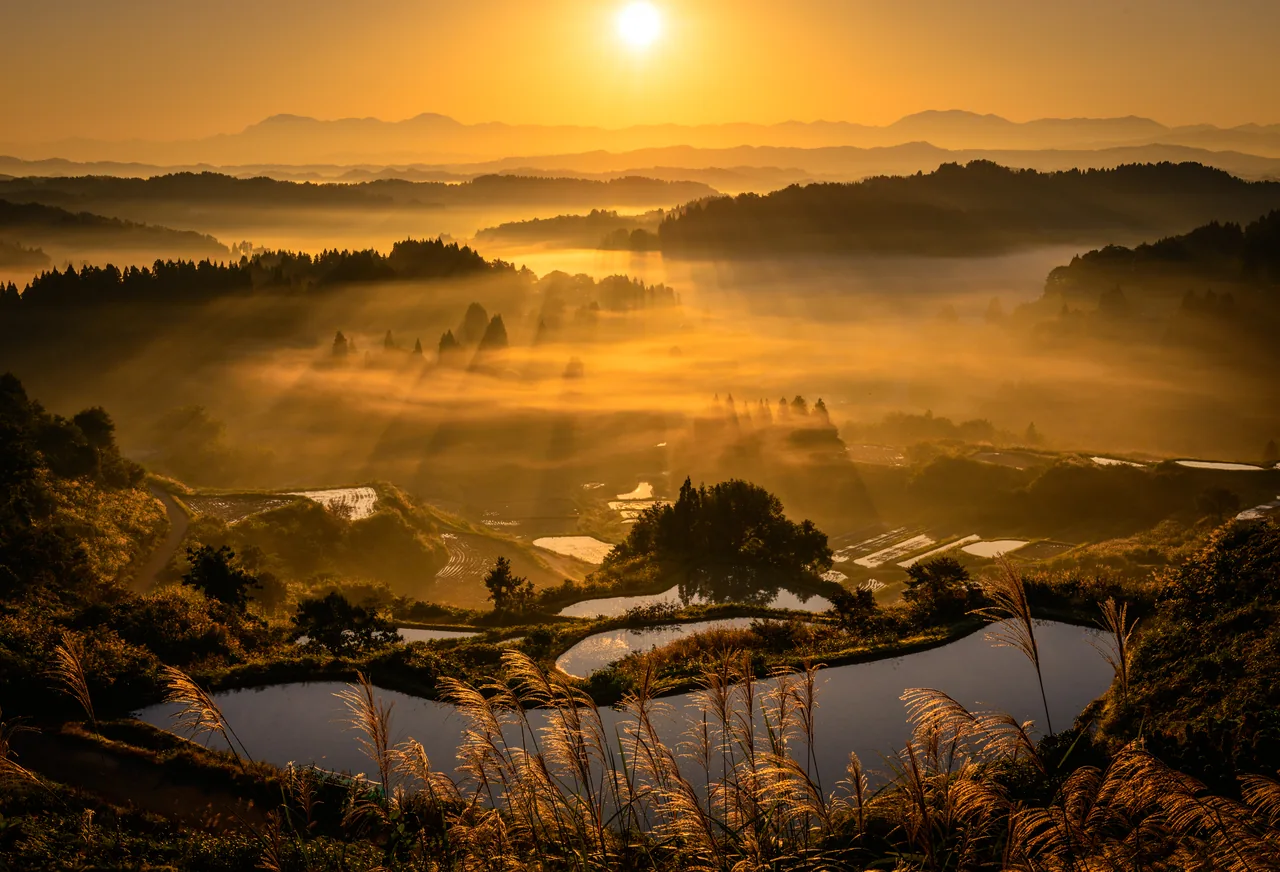
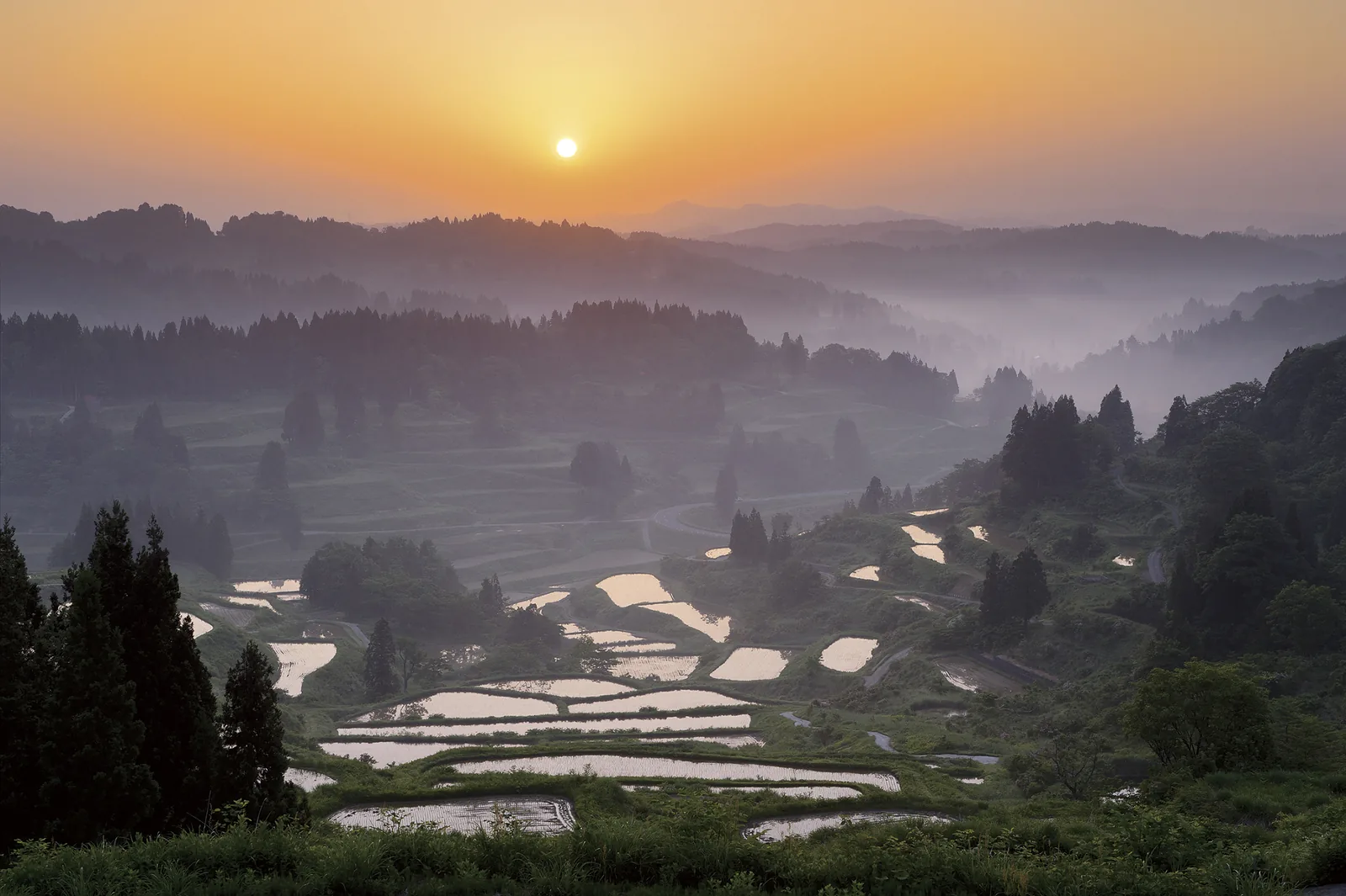
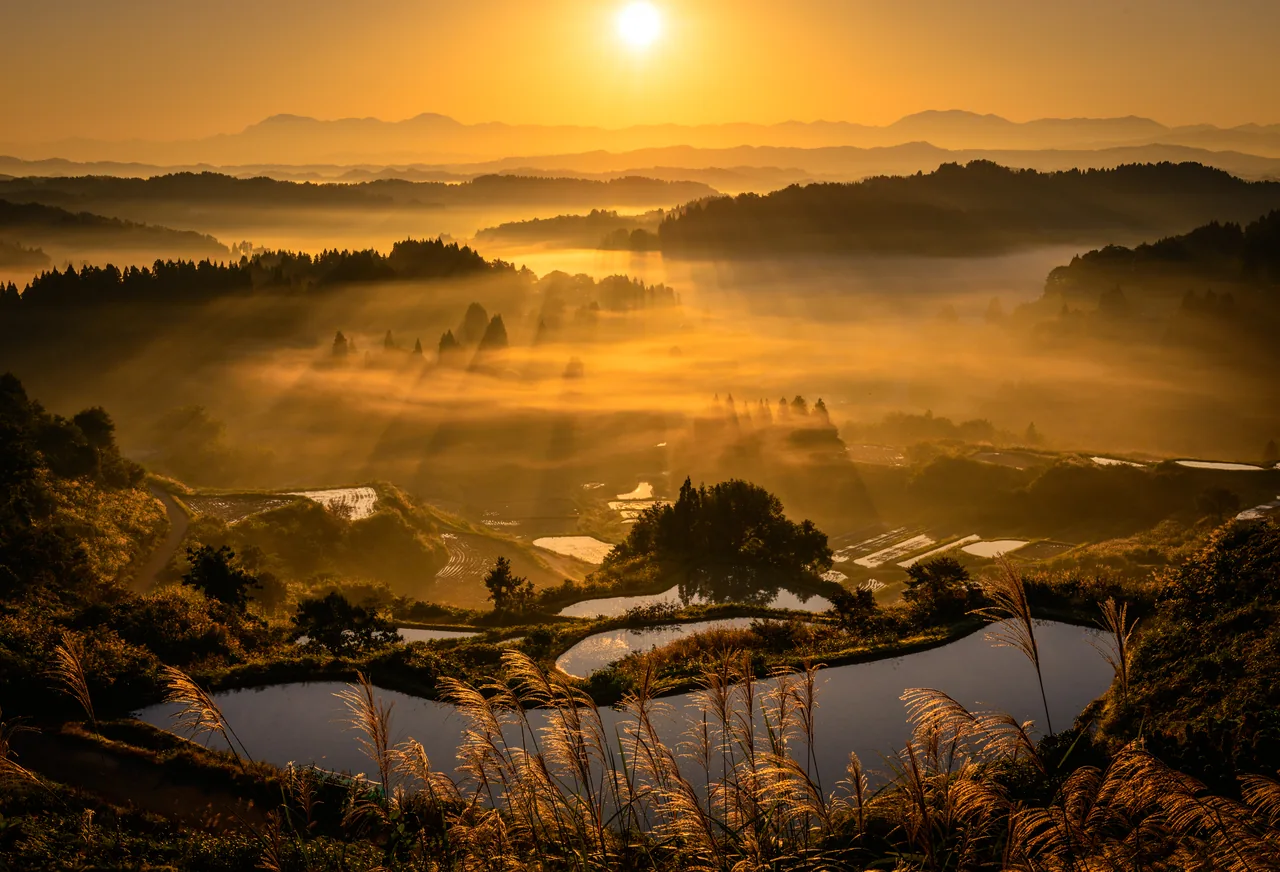
In the hills of Matsudai, paddies large and small fill the slopes. In spring when they are flooded, and between the harvest and the first snow, the water becomes a mirror reflecting the sky, and on autumn mornings with big temperature swings a sea of clouds fills the valley. The roads are usually closed by snow from late November to mid-April.
The terraces are not a tourist attraction but private fields farmed by local families for generations. Do not walk into the paddies or onto the ridges, do not set tripods on the ridges, and do not photograph people at work without asking. See Hoshitoge Rice Terraces.
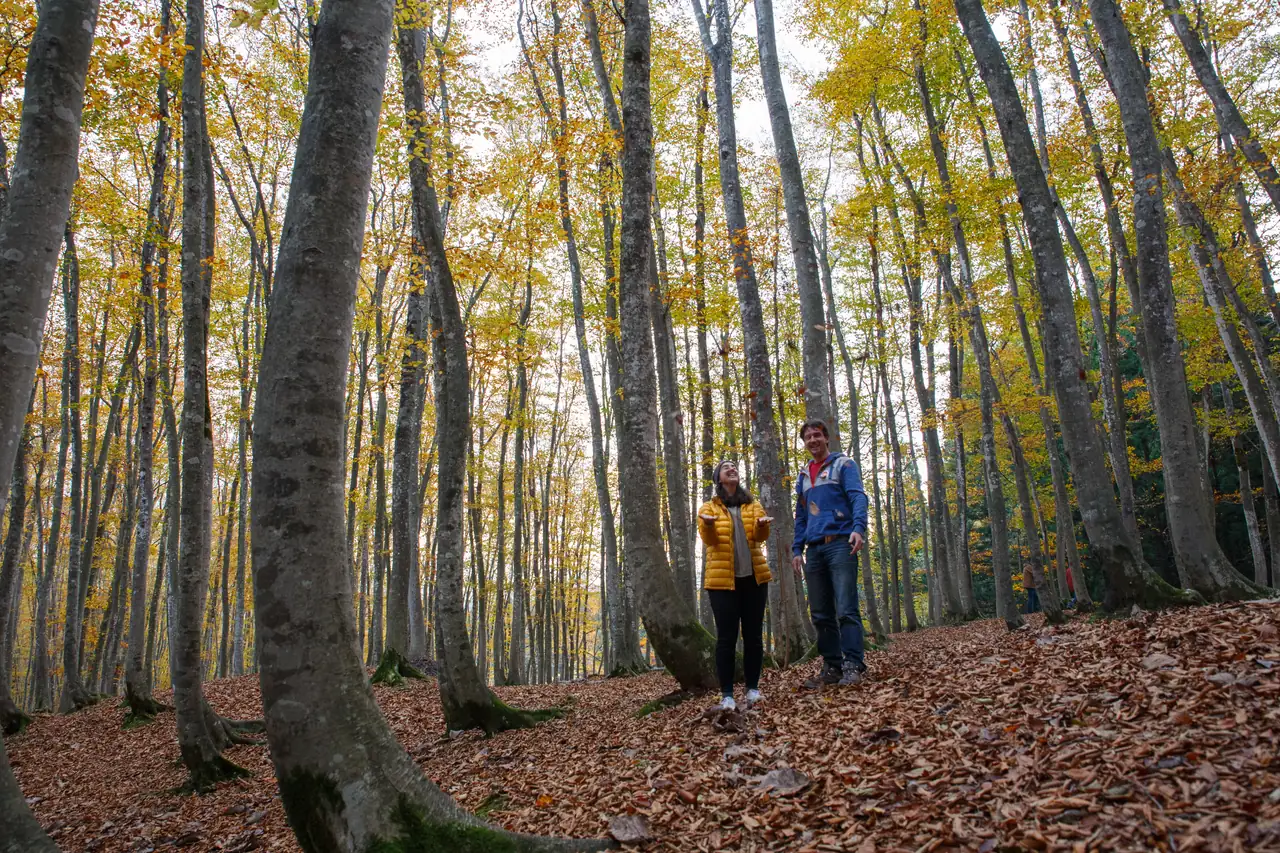
This beech forest of about 3 hectares spreads over a hill in Matsunoyama. After the trees were cut for charcoal in the late Taisho period, beeches sprouted all at once, and the slender trunks of matching height earned it the name Bijin-bayashi ("beauty forest"). People come in every season: for lingering snow and fresh green in spring, shade in summer, yellow leaves in autumn and snow in winter. Next door is Kyororo, a satoyama science museum. See Bijin-bayashi Beech Forest.
This ritual has been held at Matsunoyama Onsen on January 15, Little New Year. To celebrate their marriage, men married in the past year are tossed from the top of a slope about 5 meters high, where the Yakushi-do hall stands at the edge of the hot-spring town, into the snow below. In the sumi-nuri that follows, ash from the sai-no-kami bonfire is mixed with snow and smeared on each other's faces with cries of "omedeto". See Muko-nage and Sumi-nuri.
Matsunoyama Onsen is counted among Japan's three great medicinal hot springs, together with Kusatsu Onsen in Gunma and Arima Onsen in Hyogo. Stay here after touring the terraces and beech woods and you can enjoy the satoyama scenery at leisure in the morning and evening.
The sights are scattered through the hills, so a car or taxi makes getting around easier. For the mirrors and sea of clouds at Hoshitoge, go around dawn; Bijin-bayashi can be walked during the day in any season. In winter Hoshitoge is out of reach, but you can see Bijin-bayashi in snow and the muko-nage ritual.
For seasonal highlights and routes, see Tokamachi travel guide. The hub of the triennial art festival is in central Tokamachi.