Satte
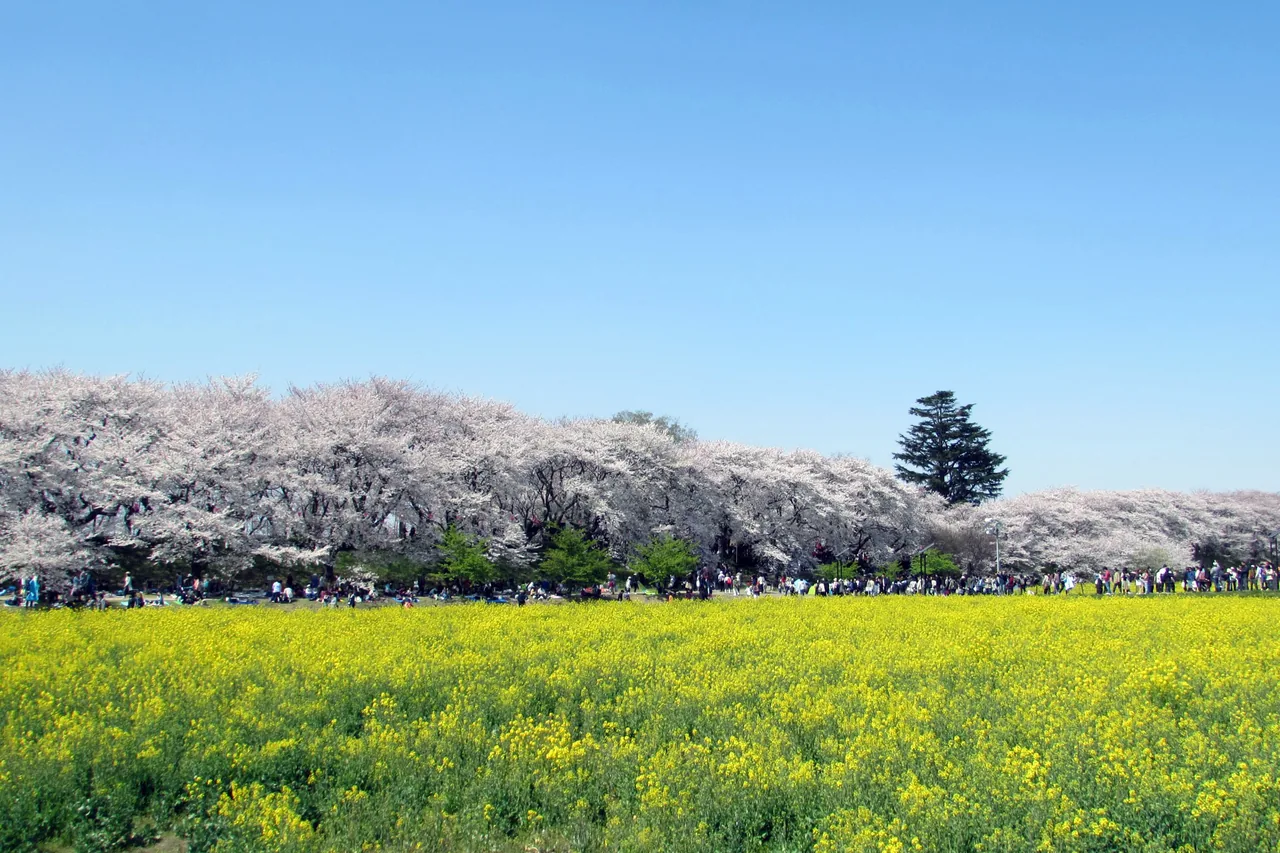
Photo: Saitama Prefecture Products & Tourism Association / Reproduction/Reprint prohibited
Areas of Saitama
Satte
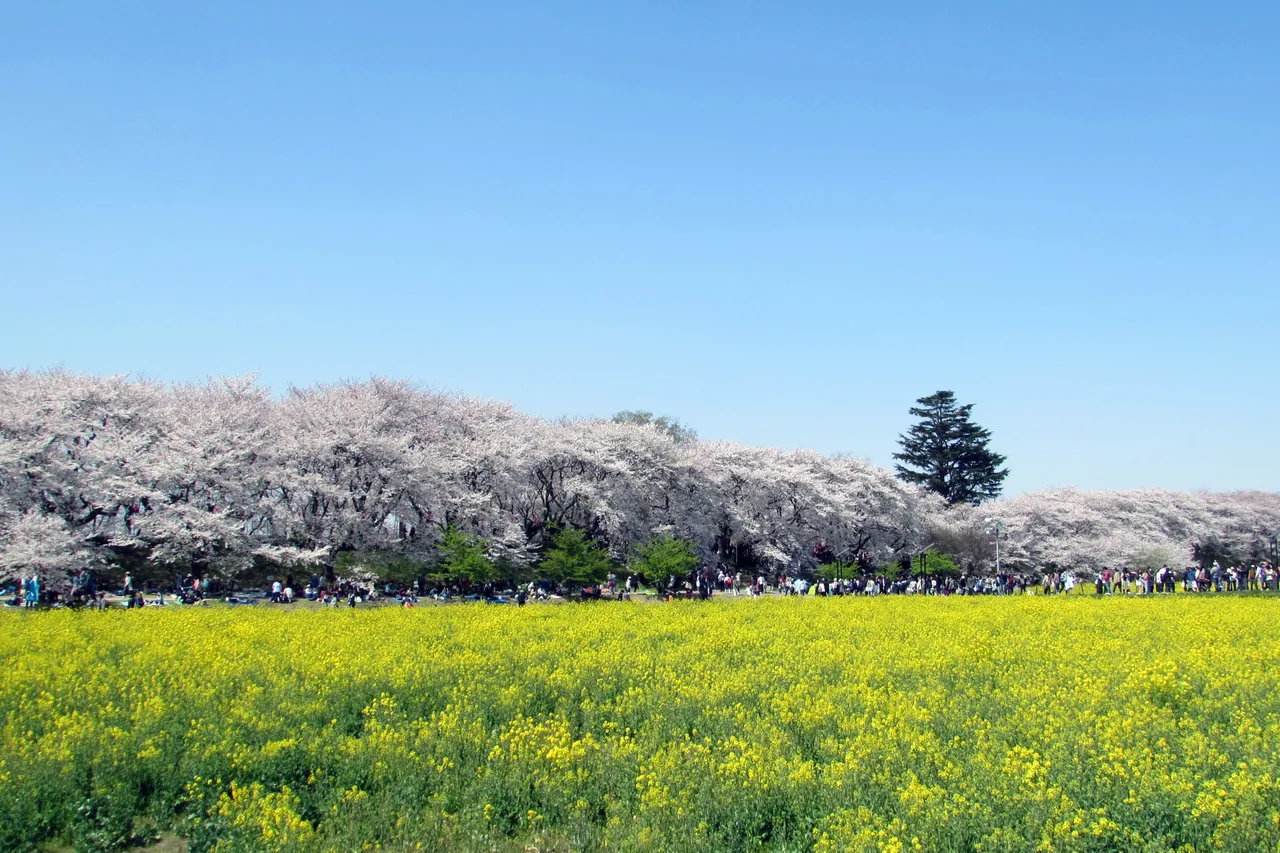
The Gongendo Embankment in Satte: about 1,000 cherry trees above rape blossoms in spring, hydrangeas in June, red spider lilies in autumn, and the way from Satte Station.
 Dec 2 – Dec 3Chichibu Night Festival (Chichibu Yomatsuri)
 GuidesSaitama Autumn Leaves: Nakatsukyo, Ranzan Valley and Fall Flowers
Find on the map
This page is translated from the Japanese edition. Read the Japanese edition
What is the area like?
Satte is a town in eastern Saitama reached from the Asakusa area on the Tobu Nikko Line. The embankment along the Naka River, which flows through the city, is maintained as Gongendo Prefectural Park, and its flowers change with the seasons, from cherry blossoms in spring to red spider lilies in autumn.
Main sights
Gongendo Embankment (Gongendo Park)
About 1,000 Somei-yoshino cherry trees line the embankment for about 1 km, and together with the rape flower field right beside them, they make the area famous for its spring view of pink and yellow. The Satte Sakura Festival is usually held from late March to early April.
In June, about 16,000 hydrangeas of some 100 varieties bloom on the slopes of the embankment, and the Gongendo Hydrangea Festival is held (May 30 to June 21 in 2026). Sunflowers follow in summer, the Red Spider Lily Festival turns the embankment red in September and October, and daffodils bloom from late winter into early spring, so there are flowers all year round. Each flower's peak and the festival dates vary from year to year and are announced on the official website. See Gongendo Embankment.
Getting there
- About 2.5 km, or roughly a 30-minute walk, from Satte Station on the Tobu Nikko and Isesaki lines.
- You can also take an Asahi Bus from Satte Station bound for Goka Town Hall (五霞町役場) and get off at Gongendo-iriguchi.
- During the cherry festival the roads around the park are congested, so the train is the surer option.
Getting around the area
In cherry blossom season, walk the embankment in the morning to take photos before the crowds. In hydrangea season, too, people flock in on sunny breaks in the rainy season, so early morning is the most relaxed time to walk. Along the Tobu lines you will also find Kasukabe, with its wisteria and giant kites, and Kazo, with its carp streamer. For seasonal itineraries, see our spring in Saitama by Tobu Line guide and our Saitama flower calendar.