Kawagoe Half-Day Itinerary: Kitain, Castle Palace and Candy Alley
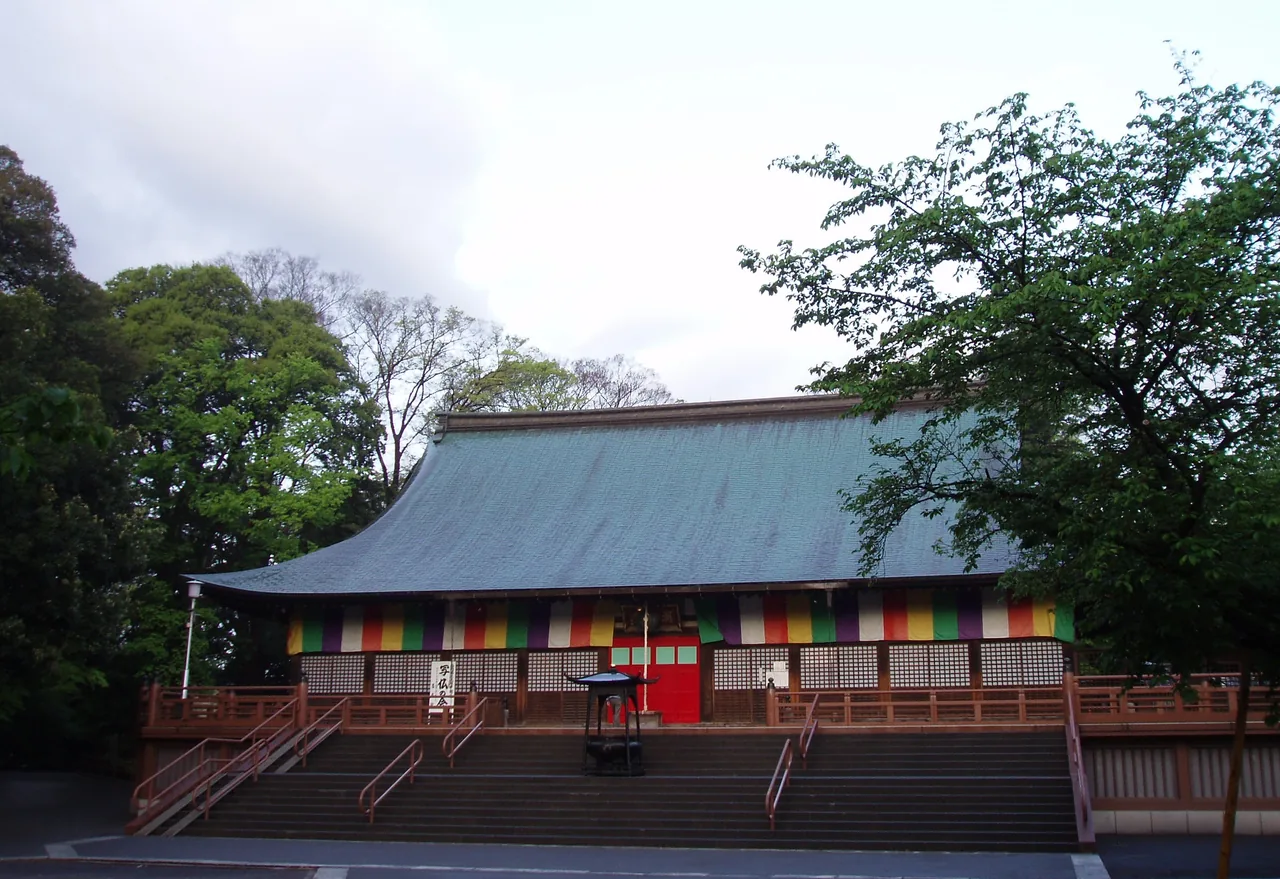
- Kitain Temple
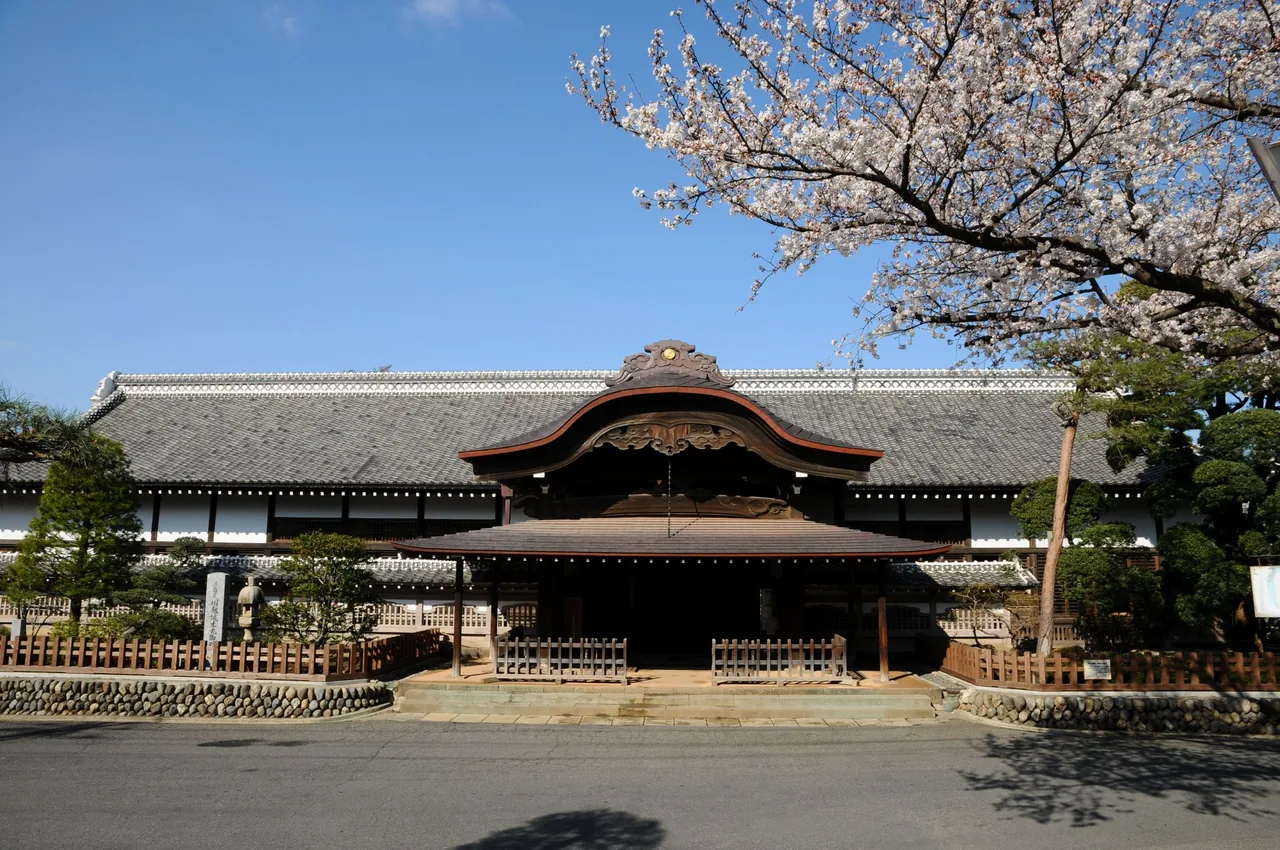
- Kawagoe Castle Honmaru Goten Palace
- Toki no Kane Bell Tower (Kawagoe)
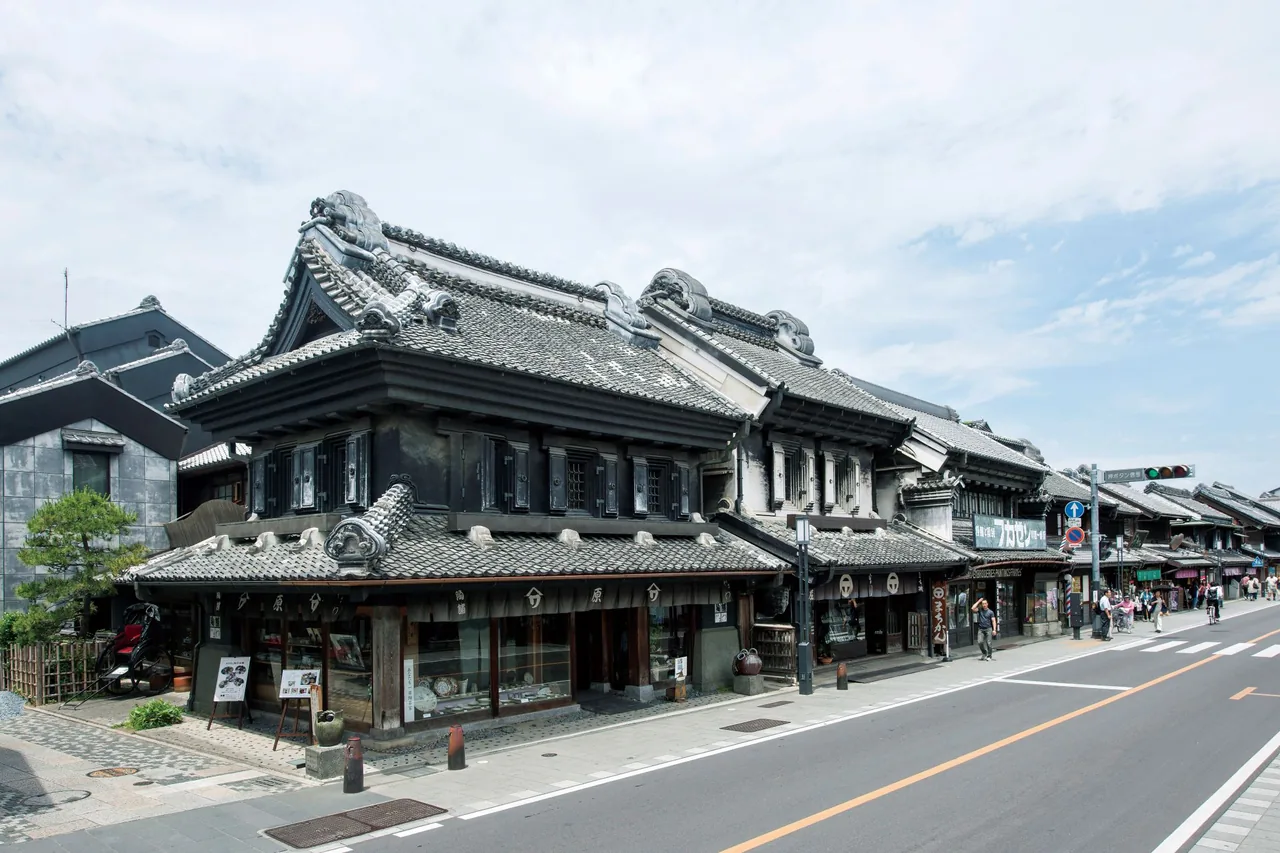
- Kawagoe Warehouse District (Ichibangai)
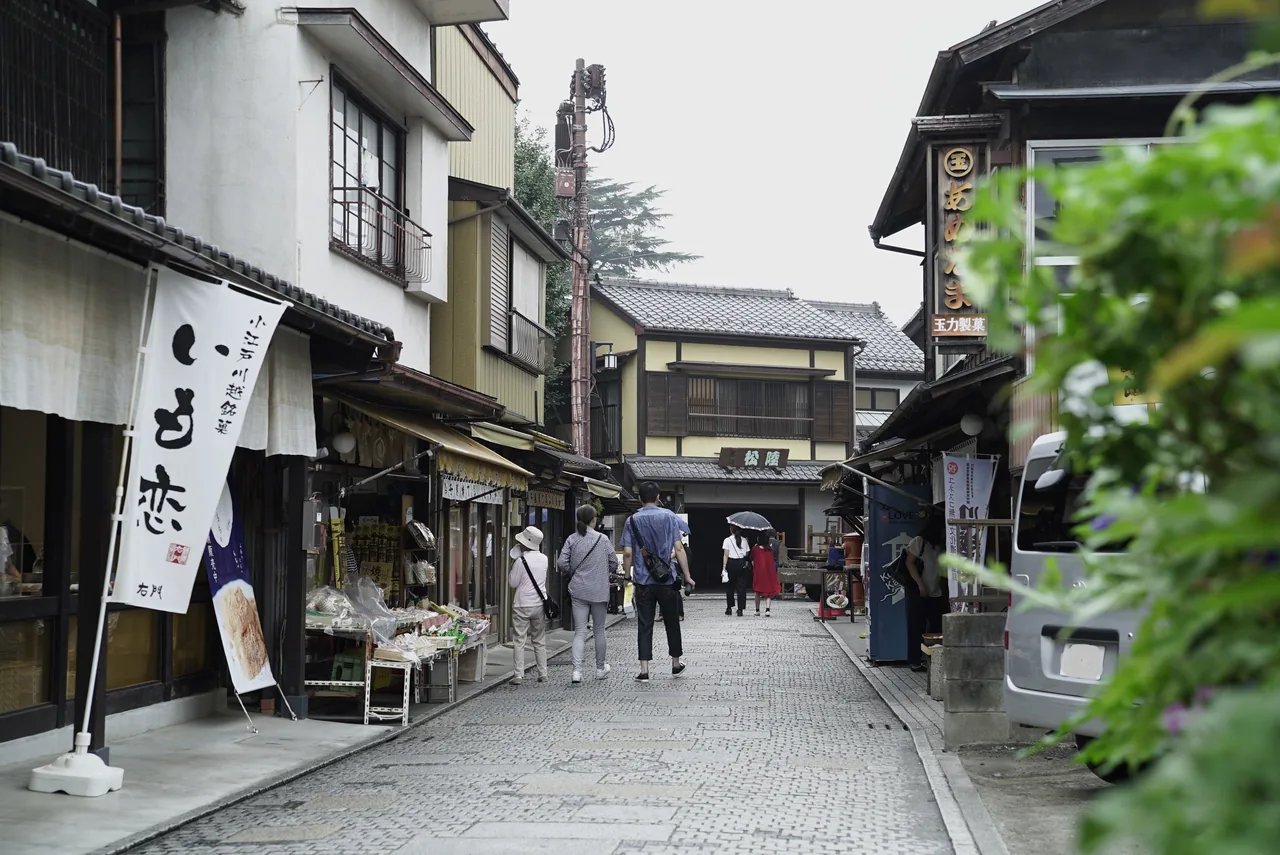
- Kashiya Yokocho (Kawagoe Candy Alley)

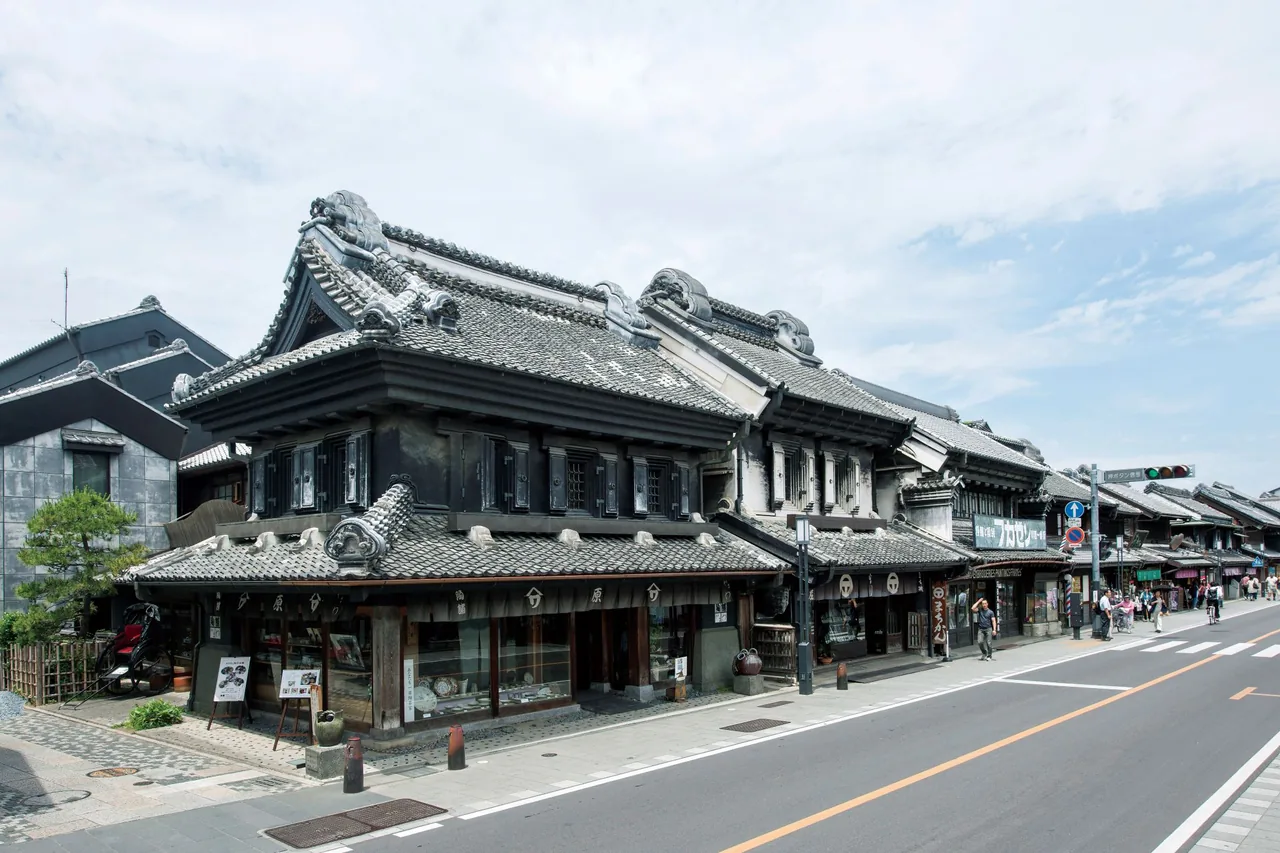
Photo: Saitama Prefecture Products & Tourism Association / Reproduction/Reprint prohibited
Areas of Saitama
Kawagoe's warehouse shops on Ichibangai, Toki no Kane, Kashiya Yokocho, Kitain and Honmaru Goten, the October festival, which station to use and avoiding crowds.
 Dec 2 – Dec 3Chichibu Night Festival (Chichibu Yomatsuri)
 GuidesSaitama Autumn Leaves: Nakatsukyo, Ranzan Valley and Fall Flowers
This page is translated from the Japanese edition. Read the Japanese edition
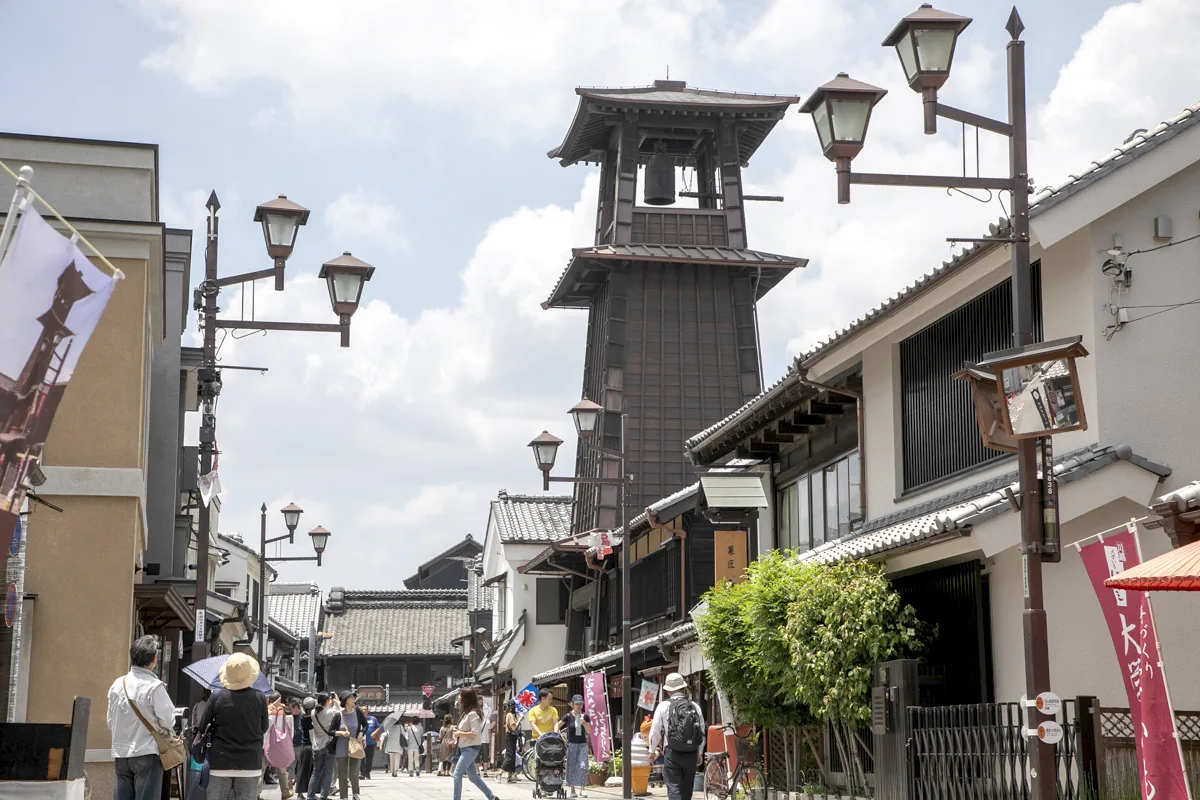
Shop buildings with black plaster walls and huge ridge tiles line both sides of the street. Kawagoe, nicknamed "Little Edo," is a former castle town reached by a single train from Ikebukuro or Shinjuku. After a great fire in 1893, merchants noticed that the clay-walled warehouse buildings had survived, and they rebuilt their shops in the same fire-resistant style. That is how today's streetscape began.
The Toki no Kane bell tower, Kashiya Yokocho, Kitain Temple and Kawagoe Castle's Honmaru Goten are all within walking distance of Ichibangai, the street of warehouse shops. Weekends get busy from around midday, so arrive in the morning if you want to look at the buildings at your own pace.
Black-plastered warehouse shops line Ichibangai, which runs north–south from Fudanotsuji to Nakacho. The district was designated a national Important Preservation District for Groups of Traditional Buildings in 1999, and many of the warehouses still house sweet shops, craft shops and restaurants. The Osawa House, built before the great fire, is a national Important Cultural Property. Cars use Ichibangai too, so stay off the roadway when taking photos. See Kawagoe Warehouse District.
A three-story wooden bell tower at the end of a short lane running east from Ichibangai. The present tower was rebuilt the year after the great fire, and the bell still rings four times a day: at 6 a.m., noon, 3 p.m. and 6 p.m. You can't go inside; you look up at it from the lane below. See Toki no Kane.
An alley of old-fashioned candy and snack shops just past Fudanotsuji at the north end of Ichibangai. After the Great Kanto Earthquake, Kawagoe prospered by making and wholesaling sweets in place of Tokyo. The sweet smell in the air has been chosen as one of the Ministry of the Environment's 100 Fragrant Landscapes of Japan. See Kashiya Yokocho.
A Tendai Buddhist temple also known as Kawagoe Daishi. Its guest hall, study hall and priests' quarters, moved here from the Momijiyama area of Edo Castle, are national Important Cultural Properties, and the guest hall has a room said to be where the shogun Iemitsu was born. Beside the main gate stand the Five Hundred Rakan, 538 stone statues of Buddhist disciples. It is a walk southeast from the warehouse district. See Kitain Temple.
The entrance and great hall survive from the Honmaru Goten palace of Kawagoe Castle, built in 1848. Only two castle Honmaru palaces remain in Japan: this one and Kochi Castle's. You can go inside to see the 36-mat great hall and the chief retainers' office. See Kawagoe Castle Honmaru Goten Palace.
The festival of Kawagoe Hikawa Shrine, held on the third Saturday and Sunday of October. Floats topped with figures roll through the town center, and at night the floats face off and compete with their festival music in the hikkawase. In 2026 it was held on October 17 and 18. See Kawagoe Festival.
Shops along the warehouse street and in Kashiya Yokocho sell sweets and snacks from their storefronts. Eat in the designated spots, and put your rubbish in the shop's bin or take it with you. Payment options vary from shop to shop, so carry some cash. The Kawagoe area also has many restaurants serving thick, firm Musashino udon, a good lunch on a walking day (Saitama udon guide).
Take a loop bus to the old town in the morning and walk Ichibangai, Toki no Kane and Kashiya Yokocho first. After lunch, move on to Kitain, then head back to Tokyo from Kawagoe or Hon-Kawagoe Station; this keeps you away from the busiest hours. You can also use a different line on the way back. For which line to take from where you are staying and how to read the city's crowd forecast, see our Kawagoe day trip guide.
During the two days of the Kawagoe Festival, traffic is restricted in the town center, so come by train and walk from the station. Further north on the Tobu Tojo Line is the valley town of Musashi-Ranzan.


Restaurant information: Powered by ホットペッパー グルメ Webサービス