Kakunodate and Lake Tazawa in One Day, Ending at Tsurunoyu Onsen
- Kakunodate Samurai District
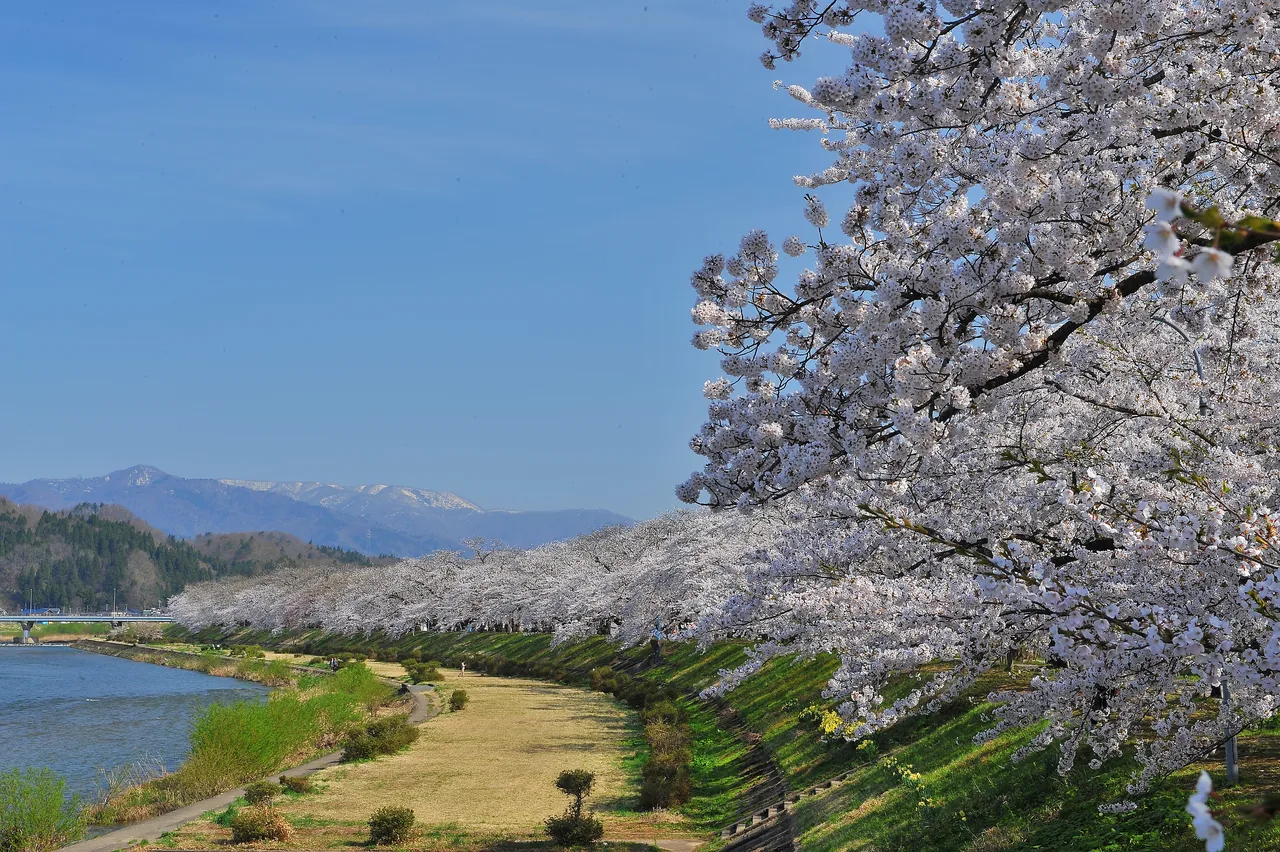
- Hinokinai River Cherry Trees
- Lake Tazawa
- Tsurunoyu Onsen (Nyuto Onsenkyo)

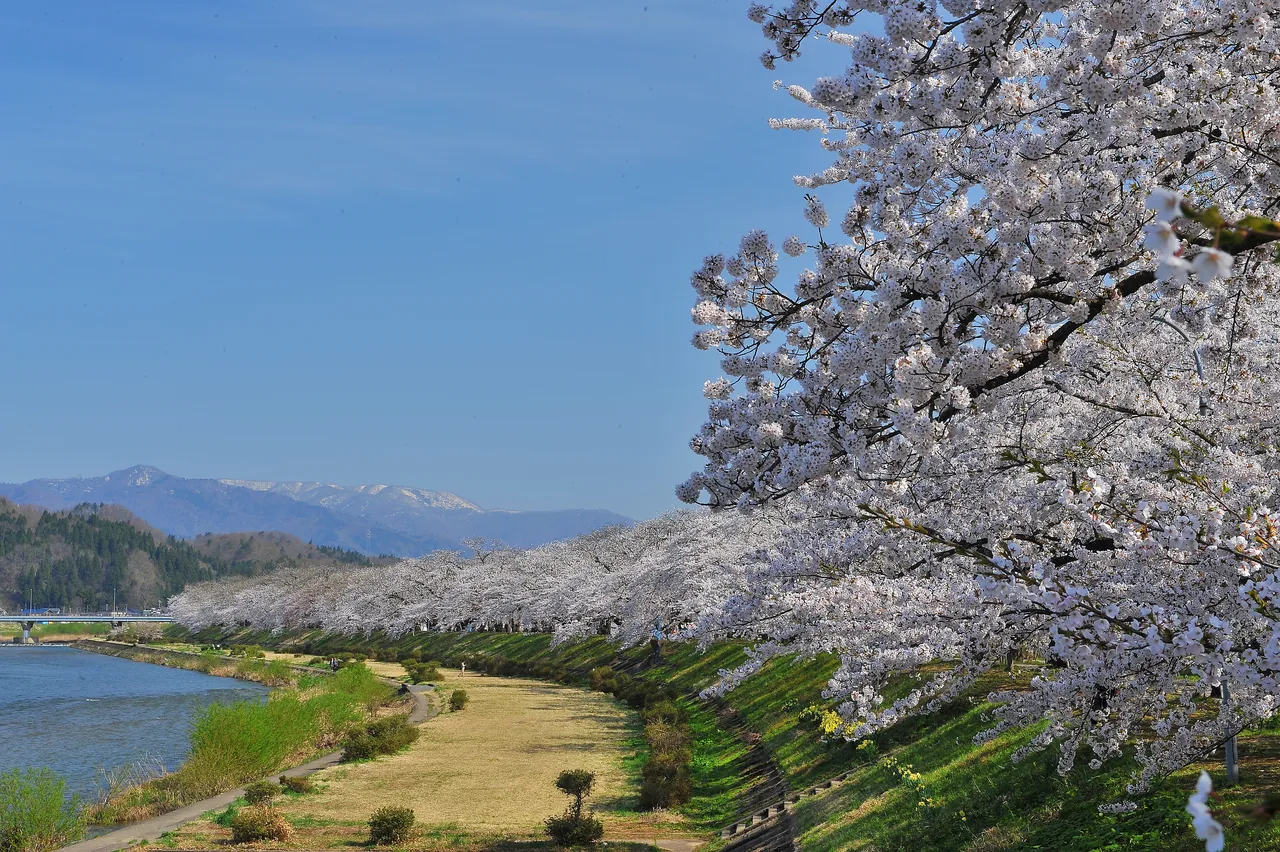
Photo: Akita Prefecture
Areas of Akita
Kakunodate's samurai district, the Hinokinai River cherry trees, the September festival and February fire-swinging, Dakigaeri Gorge, and tips for avoiding the crowds.
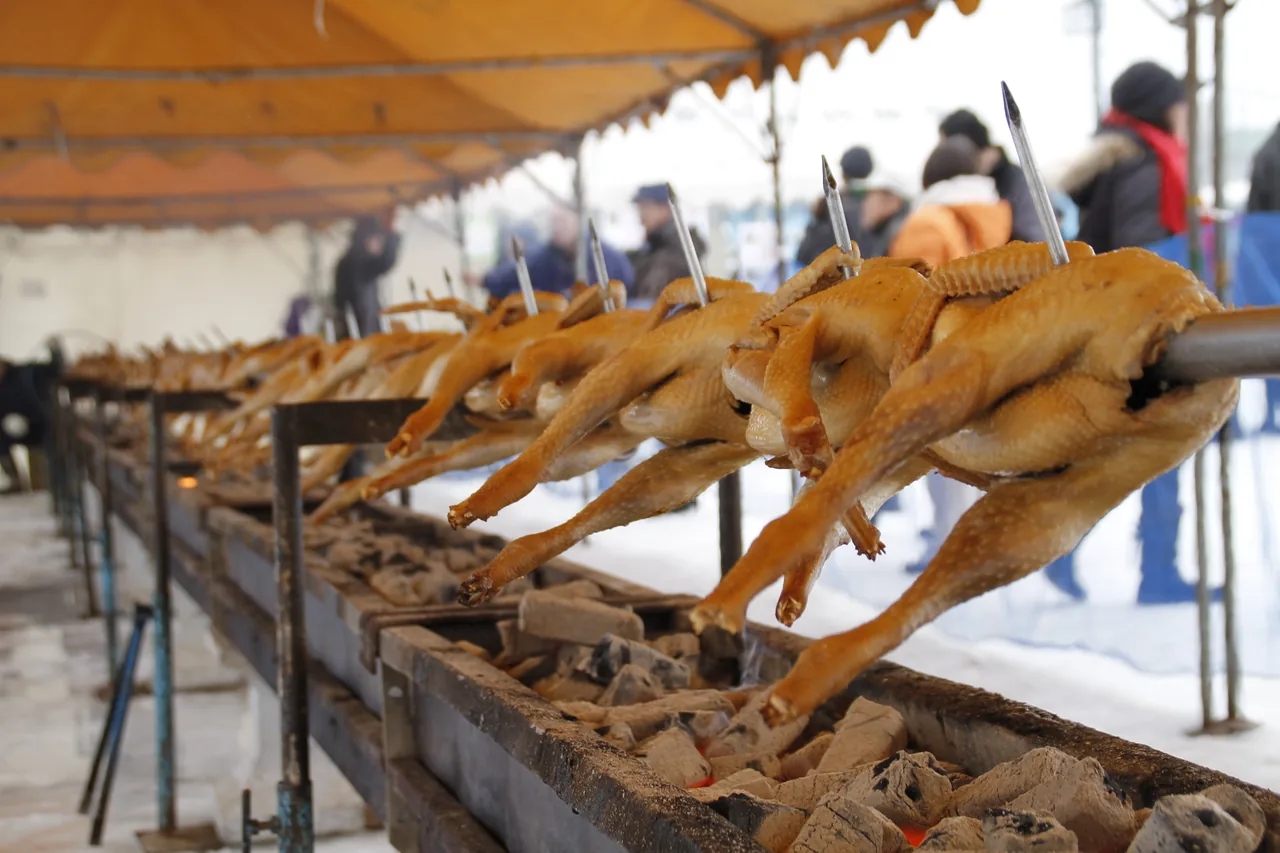 Jan 23 – Jan 24Hinai Tori no Ichi (Hinai Chicken Fair)
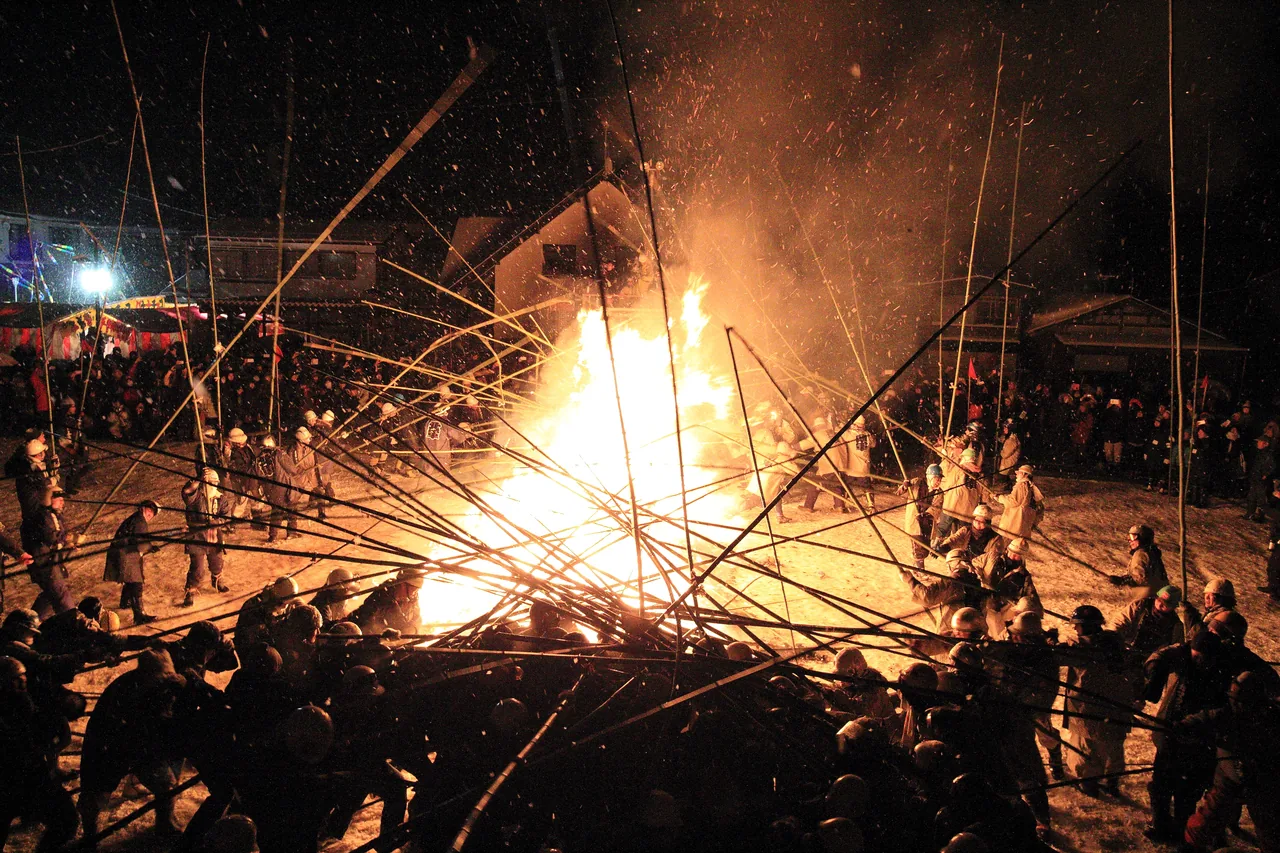 Feb 9 – Feb 13Rokugo Kamakura and Takeuchi (Bamboo Battle)
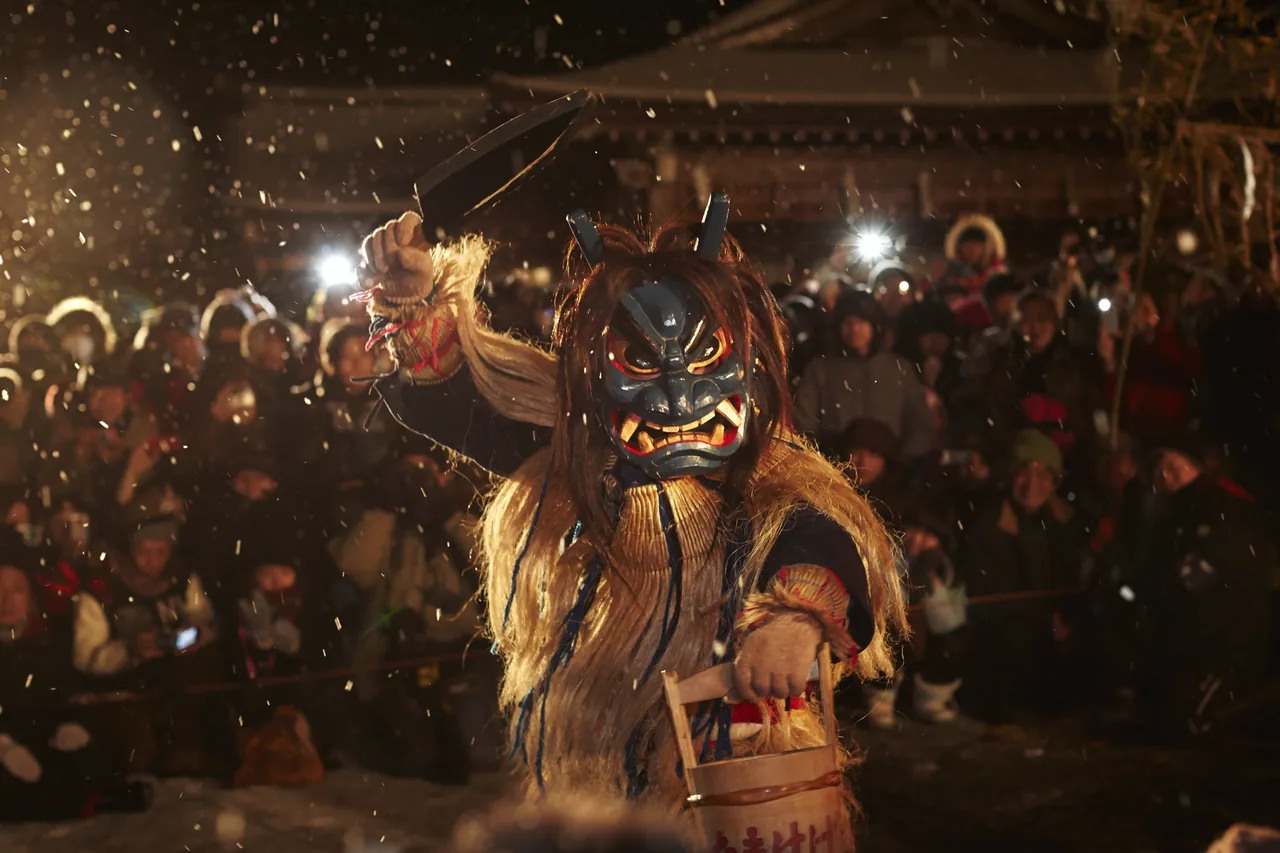 Feb 12 – Feb 14Namahage Sedo Festival
Choose a numbered circle to zoom in there; choose a name to open the area's page.
This page is translated from the Japanese edition. Read the Japanese edition
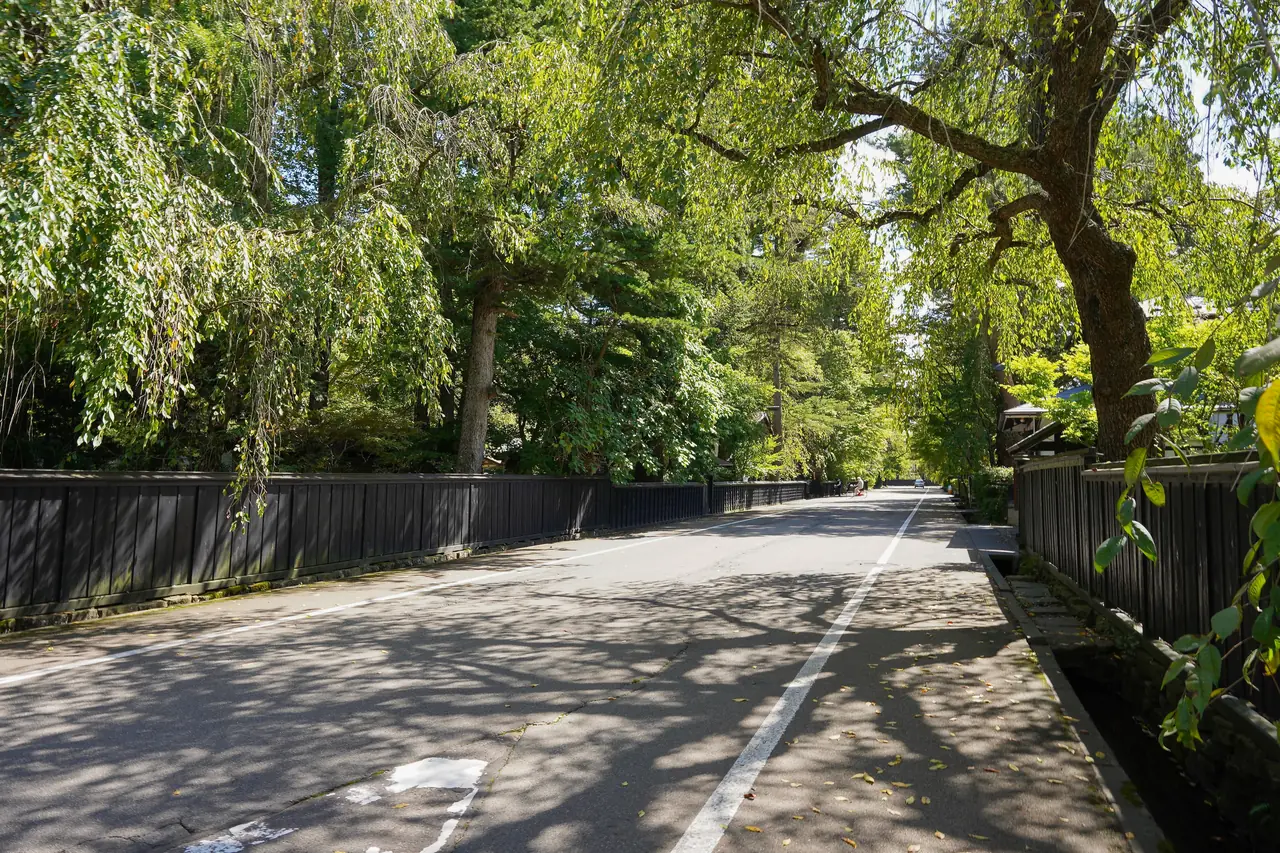
About 20 minutes on foot from Kakunodate Station on the Akita Shinkansen Komachi, you reach a broad street lined with black wooden fences and big trees. This is Uchimachi, where the samurai of Kakunodate lived, a castle town founded by the Ashina clan around 1620 and later ruled by the Satake-Kita family. The district became a national Important Preservation District for Groups of Traditional Buildings in 1976. South of Uchimachi lies Tomachi, the merchants' and townspeople's quarter, and the Hinokinai River flows along the west side of town.
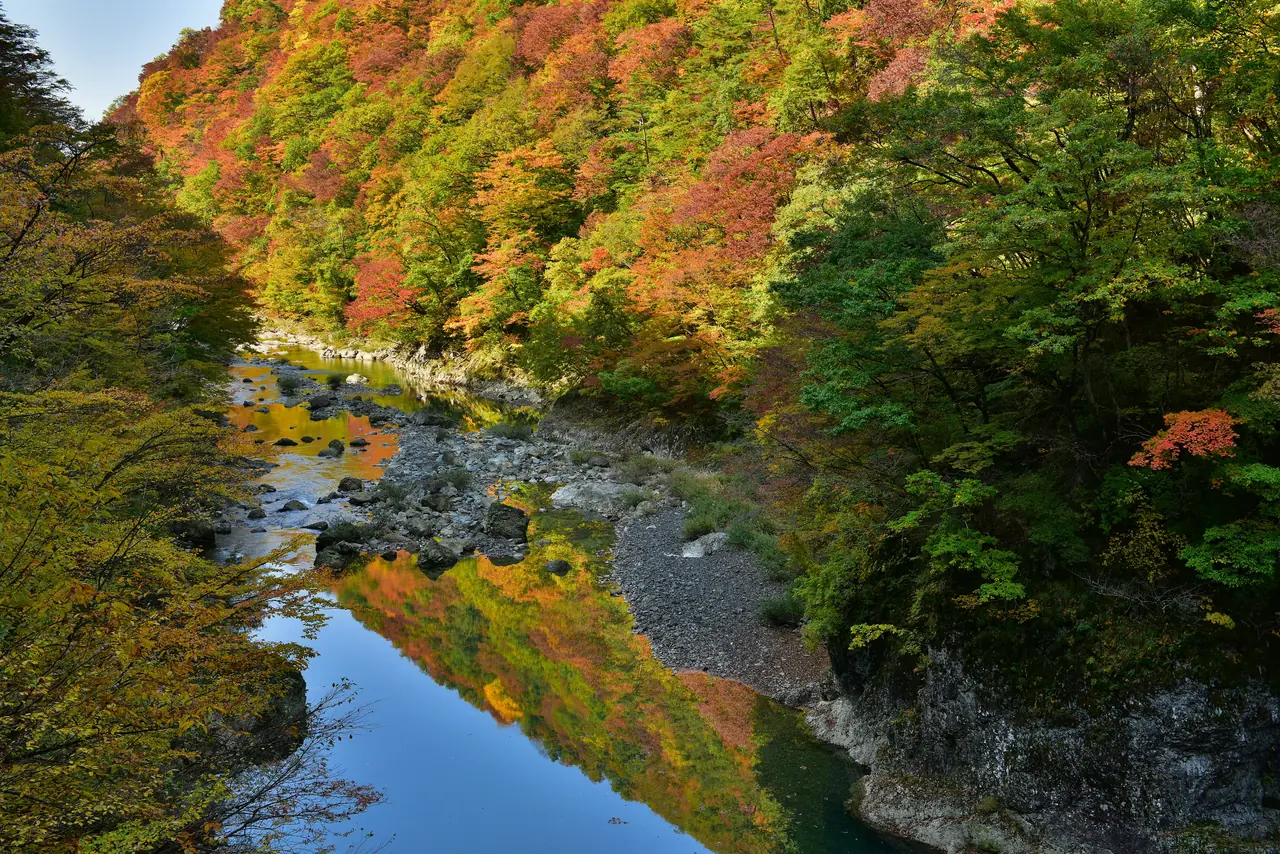
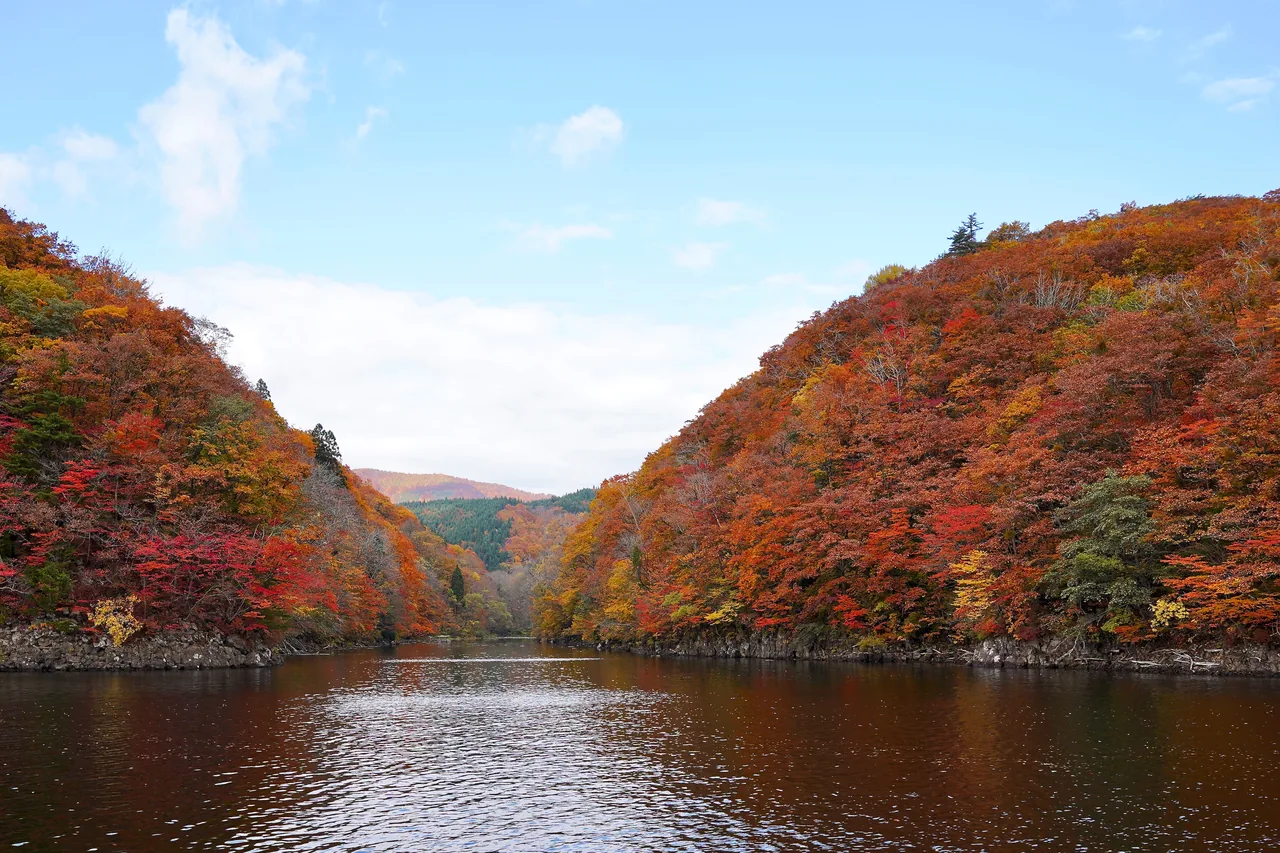
Weeping cherries and the riverside avenue of cherry trees fill the town in spring, and autumn leaves in fall. At Dakigaeri Gorge, about 15 minutes away by car, the blue Tama River and the forest on its banks change color with the seasons.
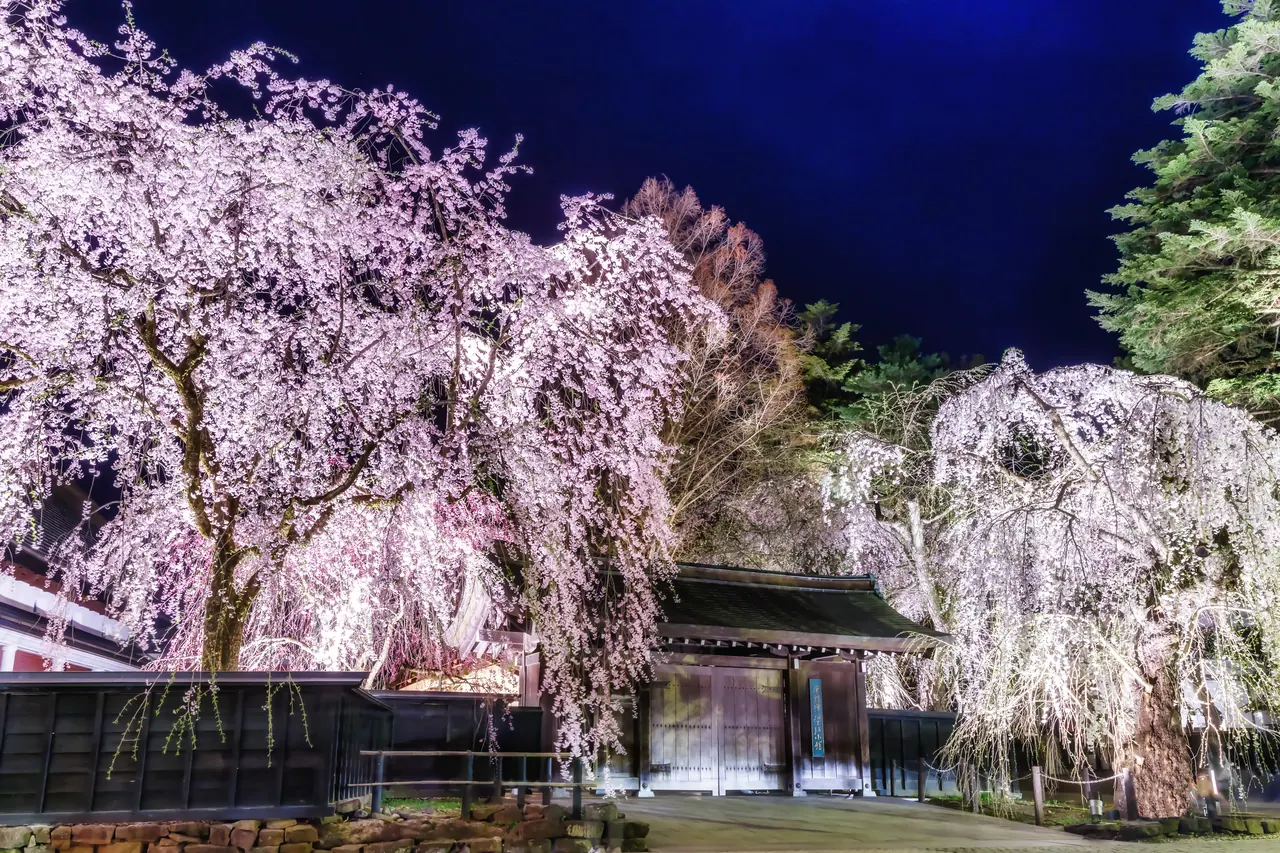
The weeping cherries that hang over the street from the samurai gardens are a national Natural Monument, "the Weeping Cherry Trees of Kakunodate." Several houses, including the Ishiguro and Aoyagi residences, are open to the public, and looking into the tatami rooms from the veranda shows you the size and layout of a samurai home. On one corner of the district is the Kakunodate Kabazaiku Denshokan, a museum of cherry-bark craft run by Semboku City. See Kakunodate Samurai District for more.
More than 400 Somei-yoshino cherry trees line the bank of the Hinokinai River, west of town, for about 2 km. They were planted in 1934 and designated a national Place of Scenic Beauty in 1975. You can walk between them and the weeping cherries of the samurai district, and during the cherry blossom festival they are lit up at night.
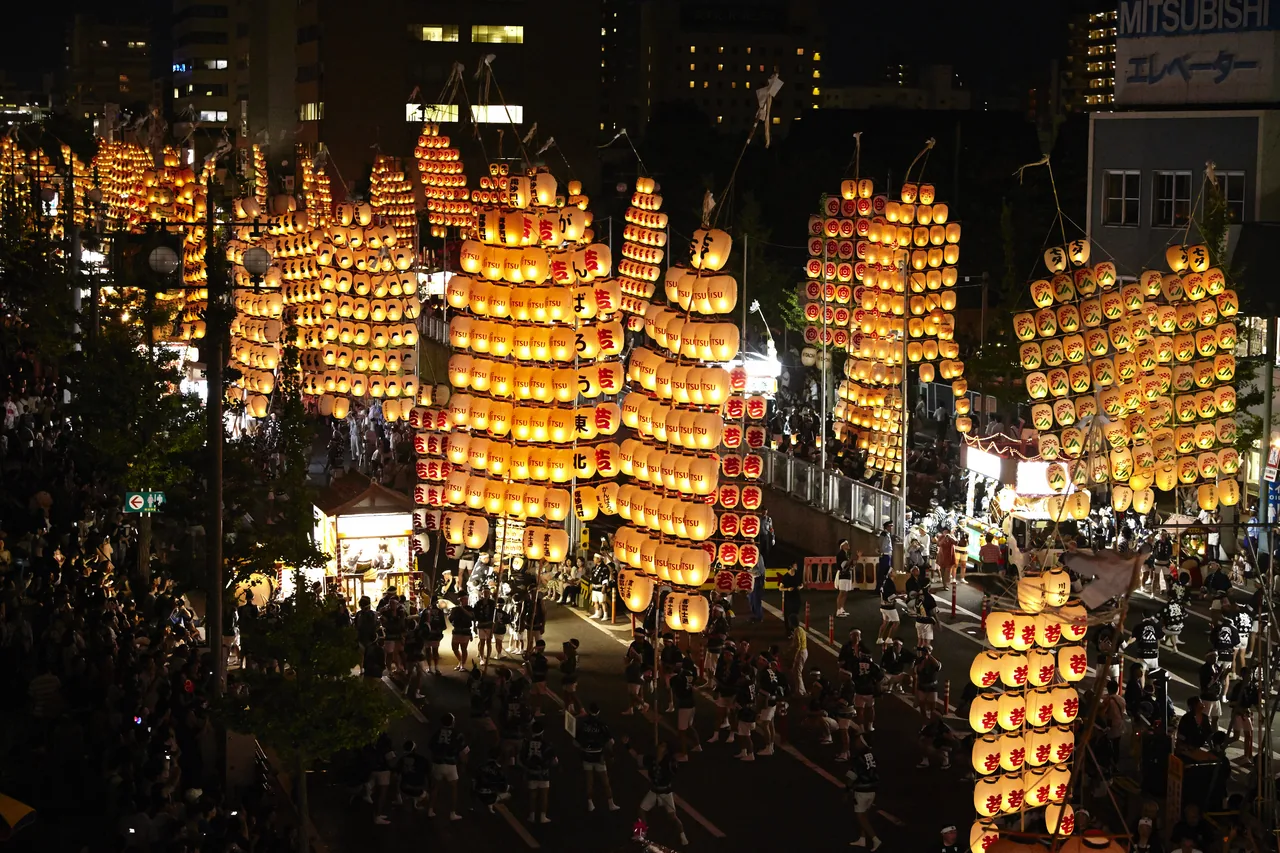
At the Kakunodate Festival, held every year from September 7 to 9, floats decorated with warrior and kabuki figures are pulled through town, and when two meet on a narrow street they sometimes ram each other in a "yama-buttsuke." It is a national Important Intangible Folk Cultural Property and one of the "Yama, Hoko, Yatai" float festivals on UNESCO's Intangible Cultural Heritage list. On the night of February 14, the "Hiburi Kamakura" sees people swinging burning bales of charcoal to drive misfortune from the rice fields.
This gorge runs for about 10 km along the middle reaches of the Tama River. A trail starts near the red suspension bridge "Kami-no-Iwahashi" at the entrance and reaches the 30 m Mikaeri Falls in about 30 minutes on foot. The autumn leaves usually peak from mid-October to early November. Bears have been sighted along the trail, and Semboku City asks visitors to walk in groups of two or more. See Dakigaeri Gorge for more.
Some shops along the samurai district make use of the old residences, so you can take a break between houses. Kabazaiku, finished with mountain cherry bark, is Kakunodate's signature craft, with small boxes and trays that are easy to take home. Morokoshi, an Akita sweet made from azuki bean flour and sugar, is also sold at Kakunodate's confectioners.
In cherry blossom and autumn leaf season, the samurai district fills with people. Walk the street early in the morning and head to the Hinokinai River bank or Tomachi around midday for a calmer visit. During festivals, roads in town are closed, so arriving by train and walking is the surest option.
For getting around in cherry season, see Akita cherry blossom spots and when to go, and consider combining your visit with Lake Tazawa, farther along the Komachi line toward Morioka.