
Hachimantai & Tamagawa Onsen
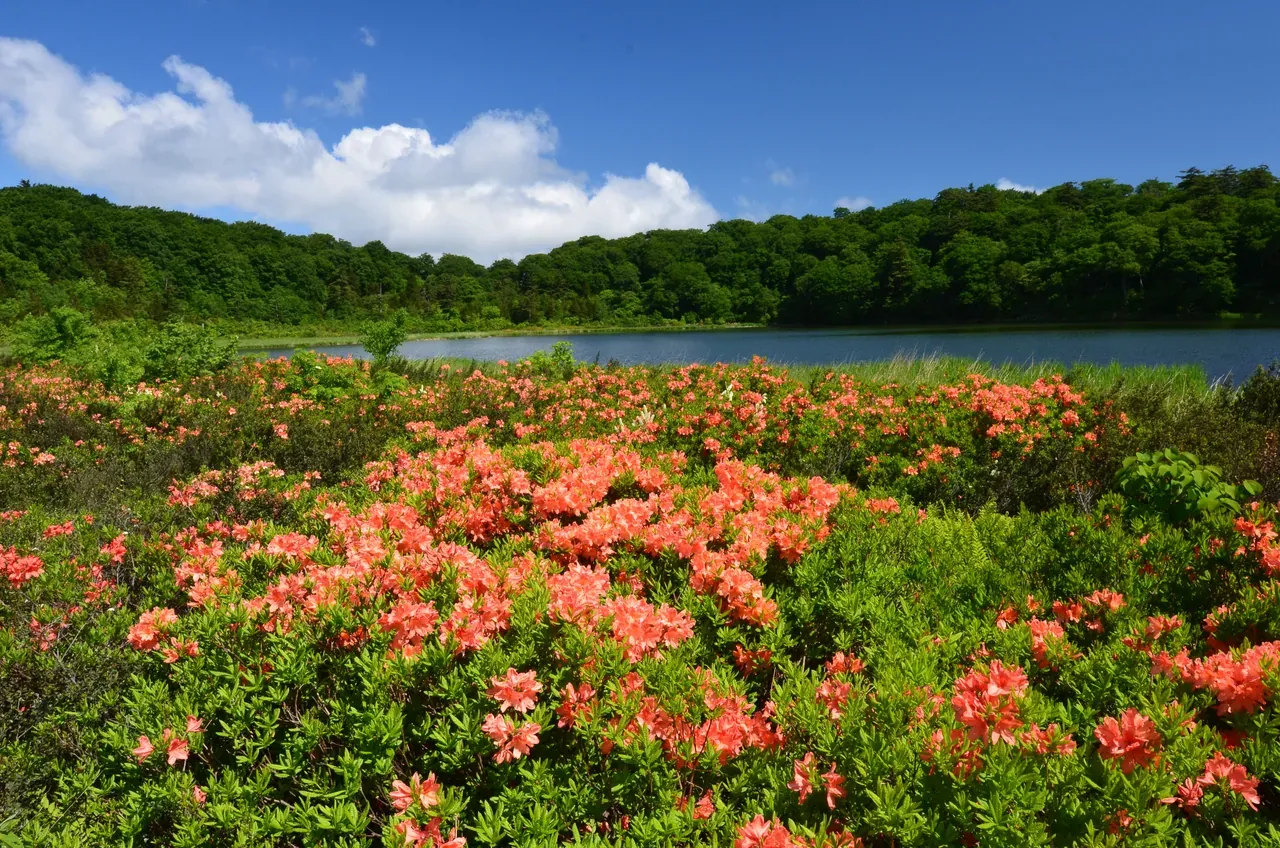
Photo: Akita Prefecture
Areas of Akita
Hachimantai & Tamagawa Onsen
Hachimantai on the Akita-Iwate border: ponds and wetland boardwalks, Goshogake's mud volcanoes, Tamagawa Onsen's pH 1.2 acidic water, and the Aspite Line's closure.
 Jan 23 – Jan 24Hinai Tori no Ichi (Hinai Chicken Fair)
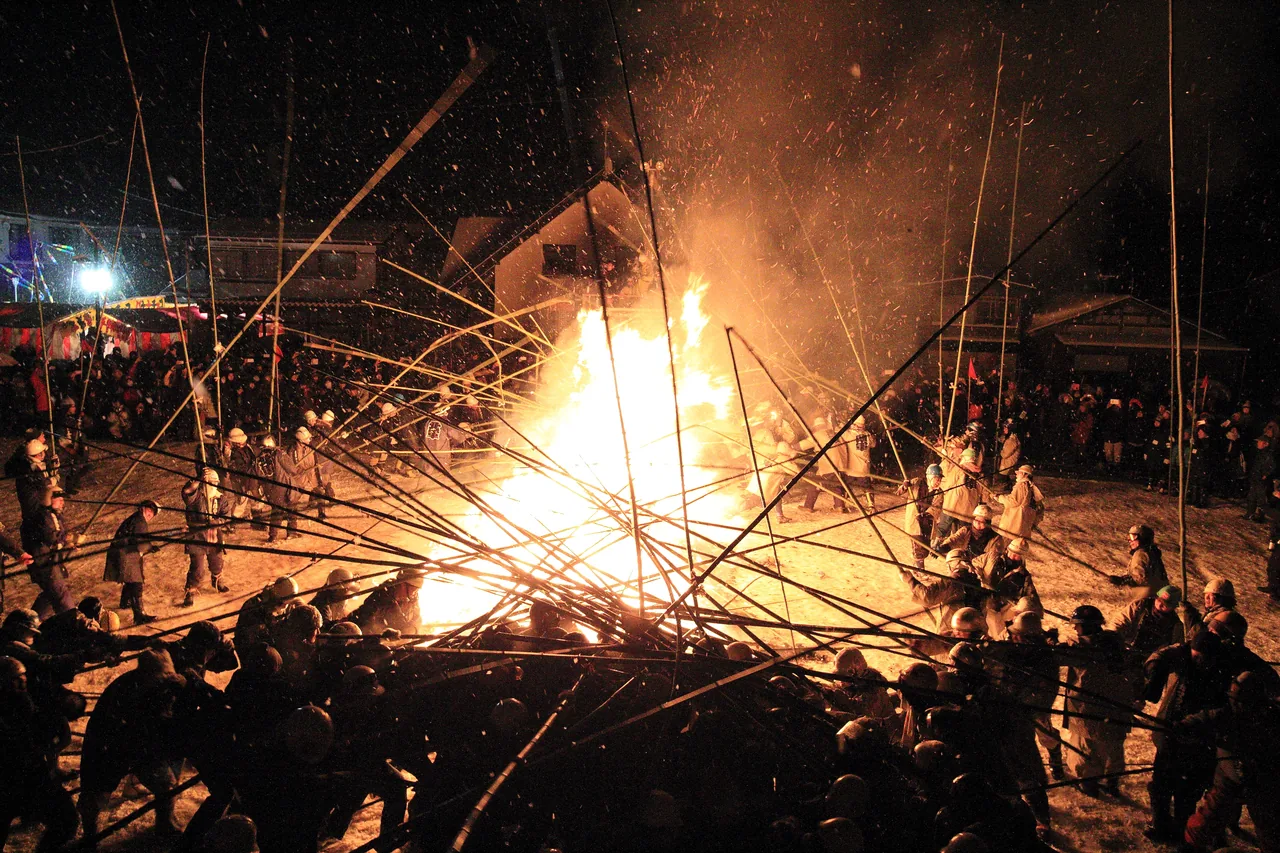 Feb 9 – Feb 13Rokugo Kamakura and Takeuchi (Bamboo Battle)
 Feb 12 – Feb 14Namahage Sedo Festival
Find on the map
Choose a numbered circle to zoom in there; choose a name to open the area's page.
This page is translated from the Japanese edition. Read the Japanese edition
What is the area like?
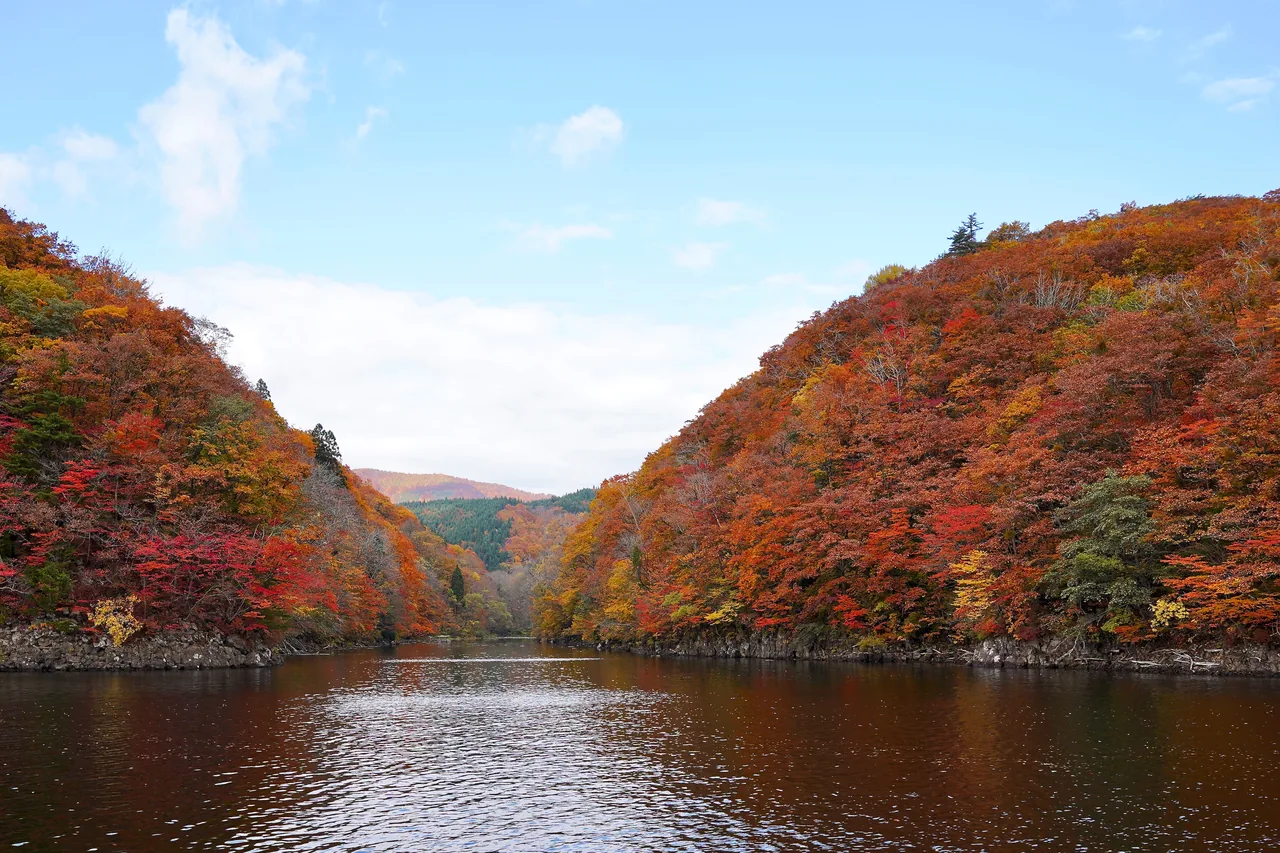
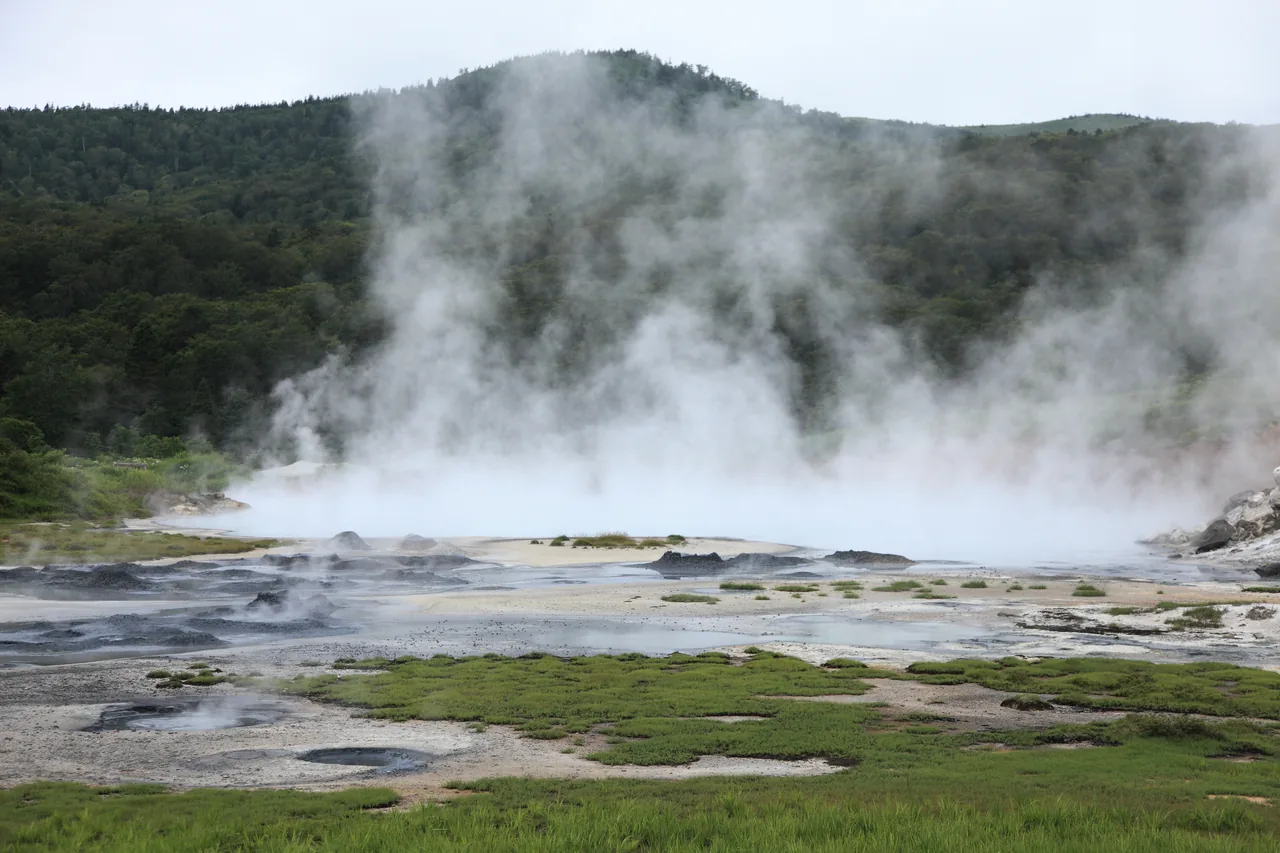
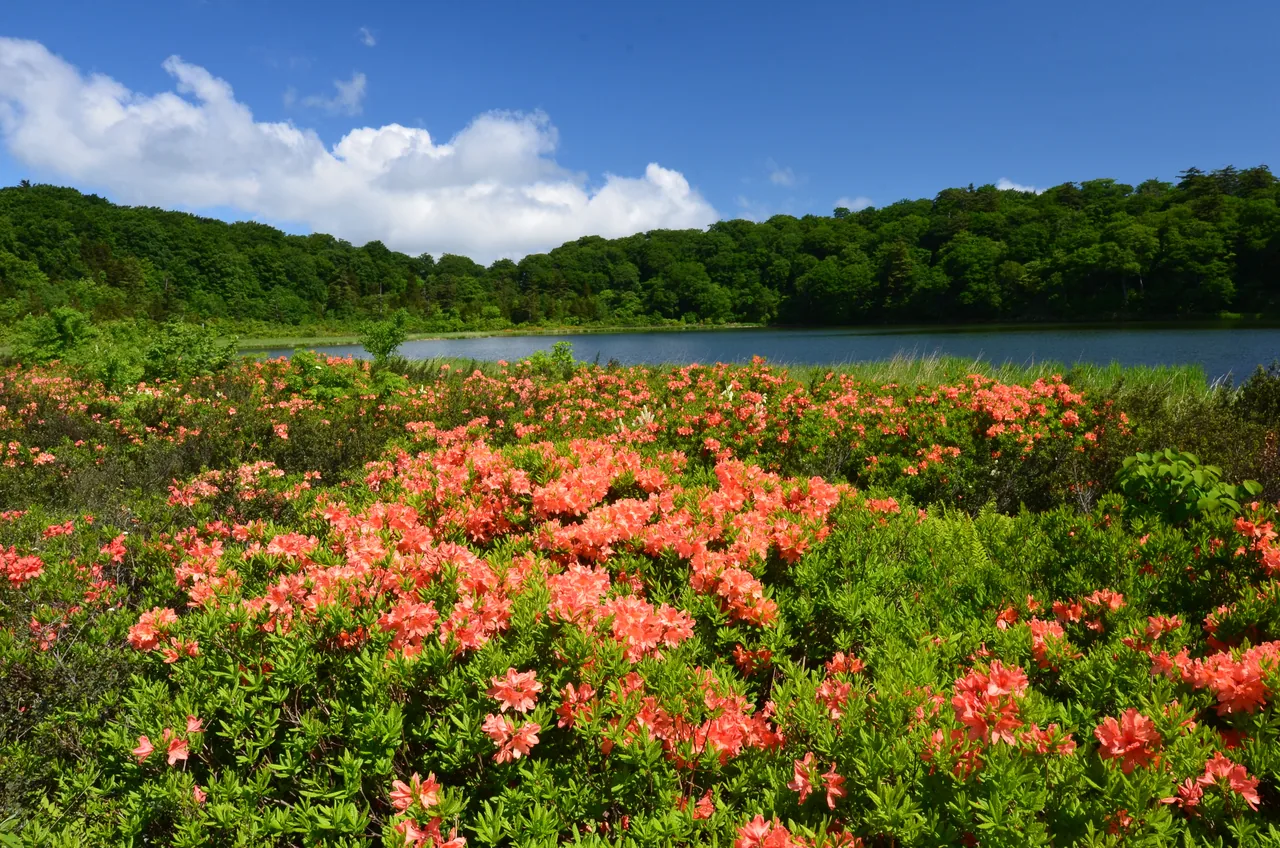
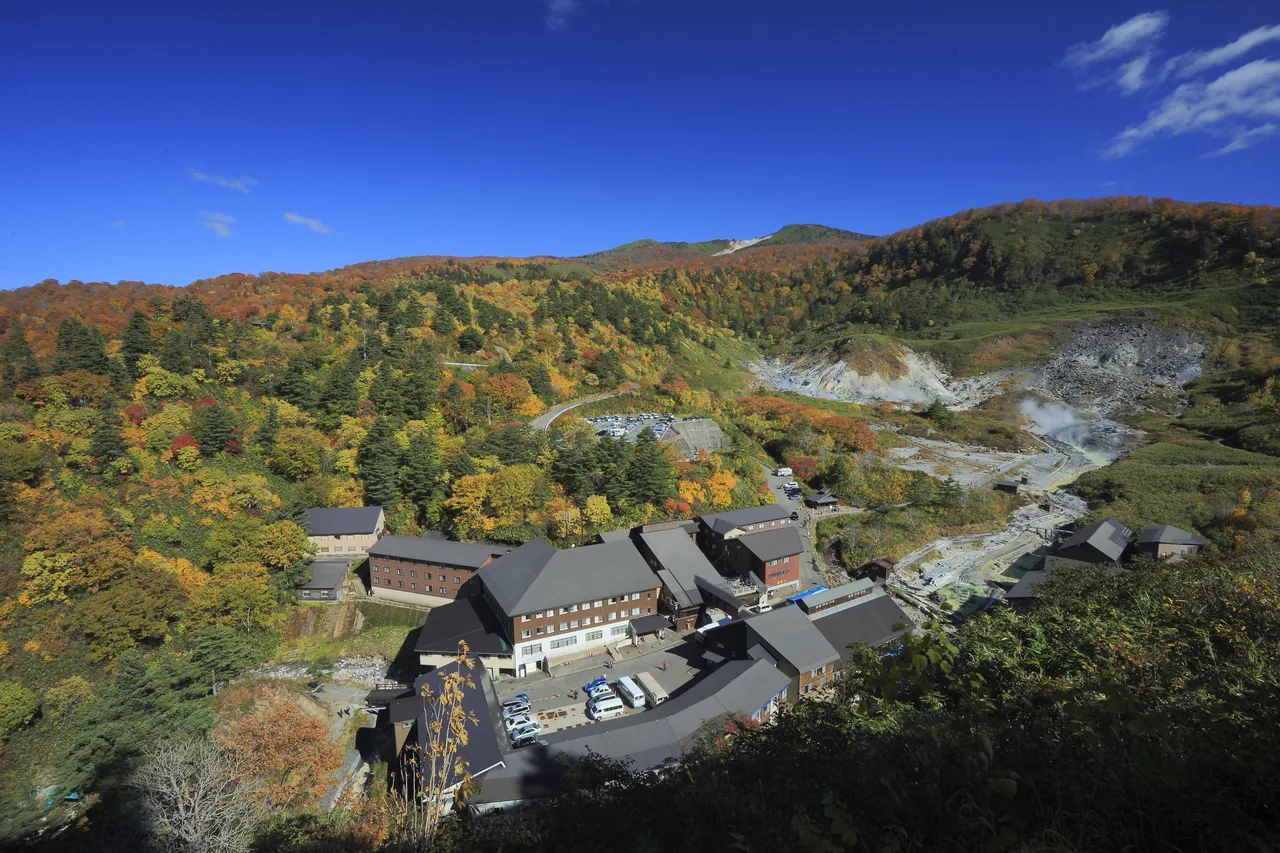
On the border of Akita and Iwate rises Hachimantai, a gentle mountain shaped like a plateau. It lies in Towada-Hachimantai National Park, and around the summit, ponds and wetlands of all sizes are dotted along boardwalks. On the Akita side, the ground around Goshogake Onsen vents steam and hot mud, and Tamagawa Onsen sits in a valley full of steam, so volcanic scenery runs throughout.
The Hachimantai Aspite Line climbs to near the summit, and visitors come all season long: for the snowmelt in early summer, wetland flowers in summer and autumn color in fall.
Main sights
Hachimantai Nature Trail and Hachiman-numa
The "Hachimantai Nature Trail" around the summit leads past one pond after another. Boardwalks run through the wetland around Hachiman-numa, the largest, and from late July to early August Nikko-kisuge lilies bloom along "Kisuge-dori" on its south side. From late May to early June, the "Dragon Eye" appears as the snow on the crater lake Kagami-numa melts into the shape of a dragon's eye. In autumn, the wetland grasses turn color in late September. See Hachimantai for more.
Goshogake Nature Trail
This walking trail starts right beside Goshogake Onsen and takes about 30 to 50 minutes to loop. Steam bursts from the ground in many places and gray mud bubbles, all visible from a maintained path. The highlights are Japan's largest mud volcano and the steaming Oyunuma pond. The trail can usually be walked from around early June to late October; stay on the designated path.
Tamagawa Onsen
Its water, made acidic mainly by hydrochloric acid, has a pH of 1.2, and the flow from a single source is the largest in Japan. Behind the inn, a nature trail of about 30 minutes loops around the springs and steam vents, and you can walk it without staying (closed in winter). The water is strongly acidic, so read the bath's instructions before getting in. See Tamagawa Onsen for more.
Food and shopping
There are almost no shops on the mountain or around the trails. Carry drinks, and since it is cool near the summit even in summer, bring long sleeves and a windproof jacket. Eat at inns or hot spring facilities after checking their hours.
Getting there
- By car: about 45 minutes from the Kazuno-Hachimantai Interchange to Goshogake Onsen via Route 341 and the Aspite Line (Prefectural Road 23). The Aspite Line is usually closed for winter from early November to mid-April.
- Shared shuttle: in some seasons, the reservation-only "Dragon-go" shuttle runs from JR Kazuno-Hanawa Station to the Hachimantai summit area. Check the Kazuno City website for details.
- To Tamagawa Onsen: about 75 minutes by the Ugo Kotsu "Tamagawa Line (express)" bus from JR Tazawako Station. In winter the route changes to the "Express Shin-Tamagawa Line," and part of Route 341 is closed to private cars (usually from December to around late April).
Getting around the area
The summit ponds and the Goshogake Nature Trail are linked by the Aspite Line, so by car you can see both in a day. Tamagawa Onsen lies farther south down Route 341, and you can also reach it by bus from the Tazawako side.
Right after the road opens in mid-April, walls of snow several meters high line both sides of the road, the "snow corridor." For autumn leaves, see Akita's autumn leaves; for Tamagawa Onsen and the prefecture's other hot springs, see Akita's hot springs.
Sights in Hachimantai & Tamagawa Onsen
Akita guides
See all
More areas of Akita
- Akita Station & Senshu Park
- Tsuchizaki & Kanaashi
- Oga Onsen & Shinzan
- Cape Nyudozaki
- Mount Kanpu
- Ogata
- Hachirogata & Kotooka
- Kamayahama Beach
- Gojome
- Kakunodate & Dakigaeri Gorge
- Lake Tazawa
- Nyuto Onsen & Mount Akita-Komagatake
- Nishiki & Kamihinokinai
- Kazuno (Oyu & Kemanai)
- Kosaka
- Odate
- Takanosu & Tsuzureko
- Ani & Mount Moriyoshi
- Lake Taihei & Komata Gorge
- Noshiro
- Futatsui
- Fujisato (Shirakami Mountains)
- Omagari
- Kariwano
- Misato
- Yokote
- Masuda
- Yuzawa
- Ugo & Nishimonai
- Oyasukyo Gorge & Kawarage
- Mount Kurikoma
- Kisakata & the Foot of Mount Chokai
- Hottai Falls