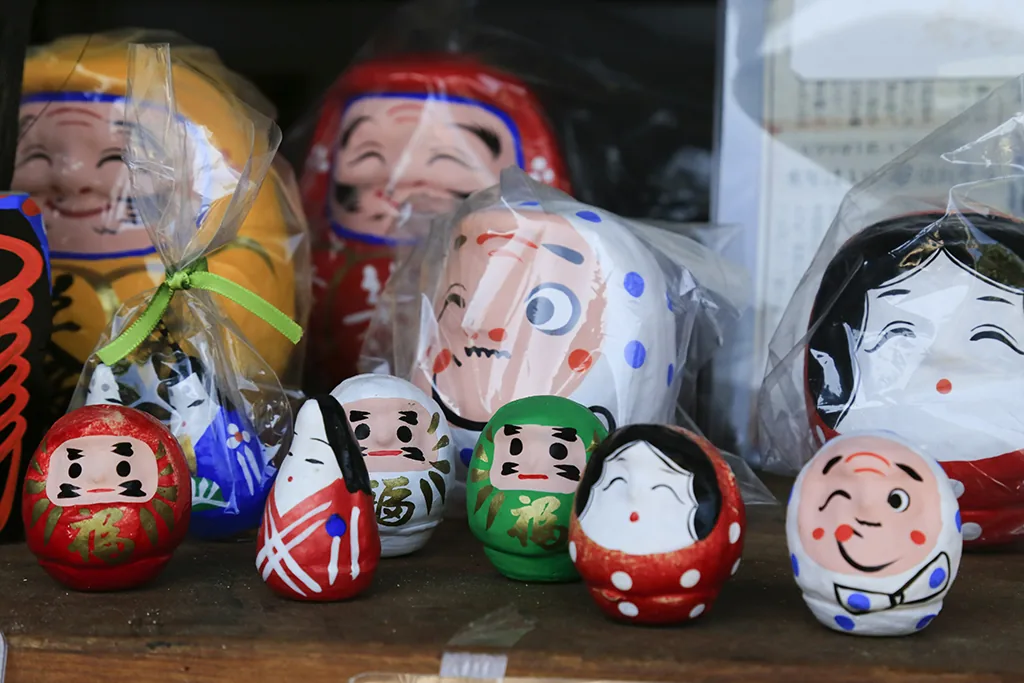
Fukushima Folk Toys: Okiagari-koboshi, Akabeko and Miharu-goma
Fukushima folk toys and where to buy them: Aizu's okiagari-koboshi and akabeko, the Miharu-goma horse, Shirakawa daruma and the workshops of Takashiba Deko Yashiki.
4 min read日本語繁中+1

Guides
Seasonal picks, food and practical tips, checked by our editors.
Fukushima folk toys and where to buy them: Aizu's okiagari-koboshi and akabeko, the Miharu-goma horse, Shirakawa daruma and the workshops of Takashiba Deko Yashiki.
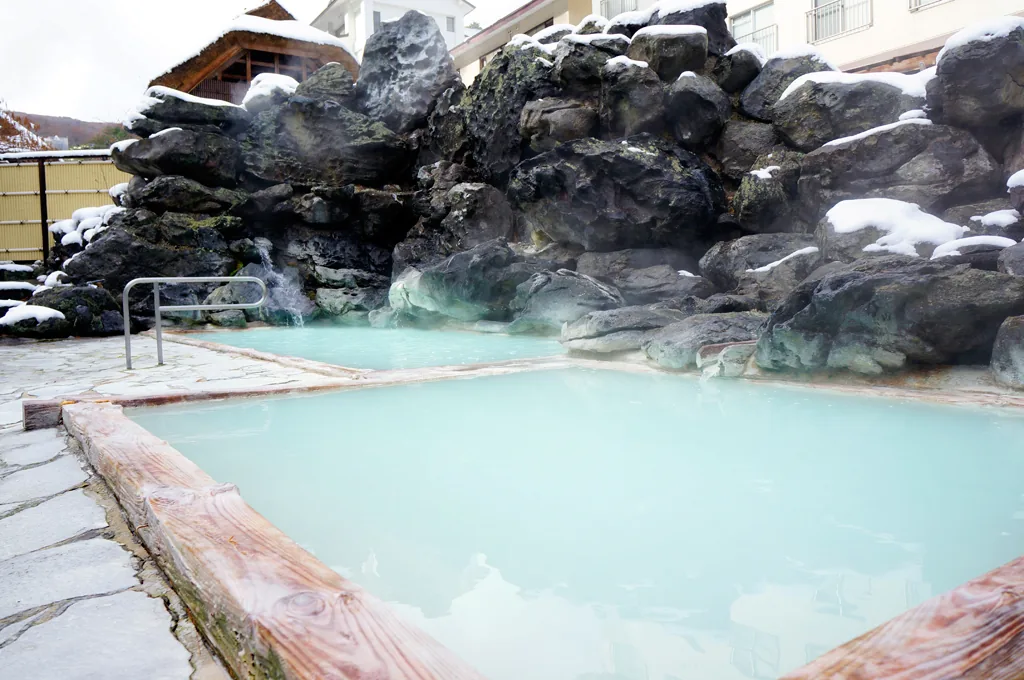
How to choose a Fukushima onsen town: milky sulfur water at Takayu, Iizaka's Sabakoyu, Dake's piped mountain water, station foot baths, train access and public-bath tips.
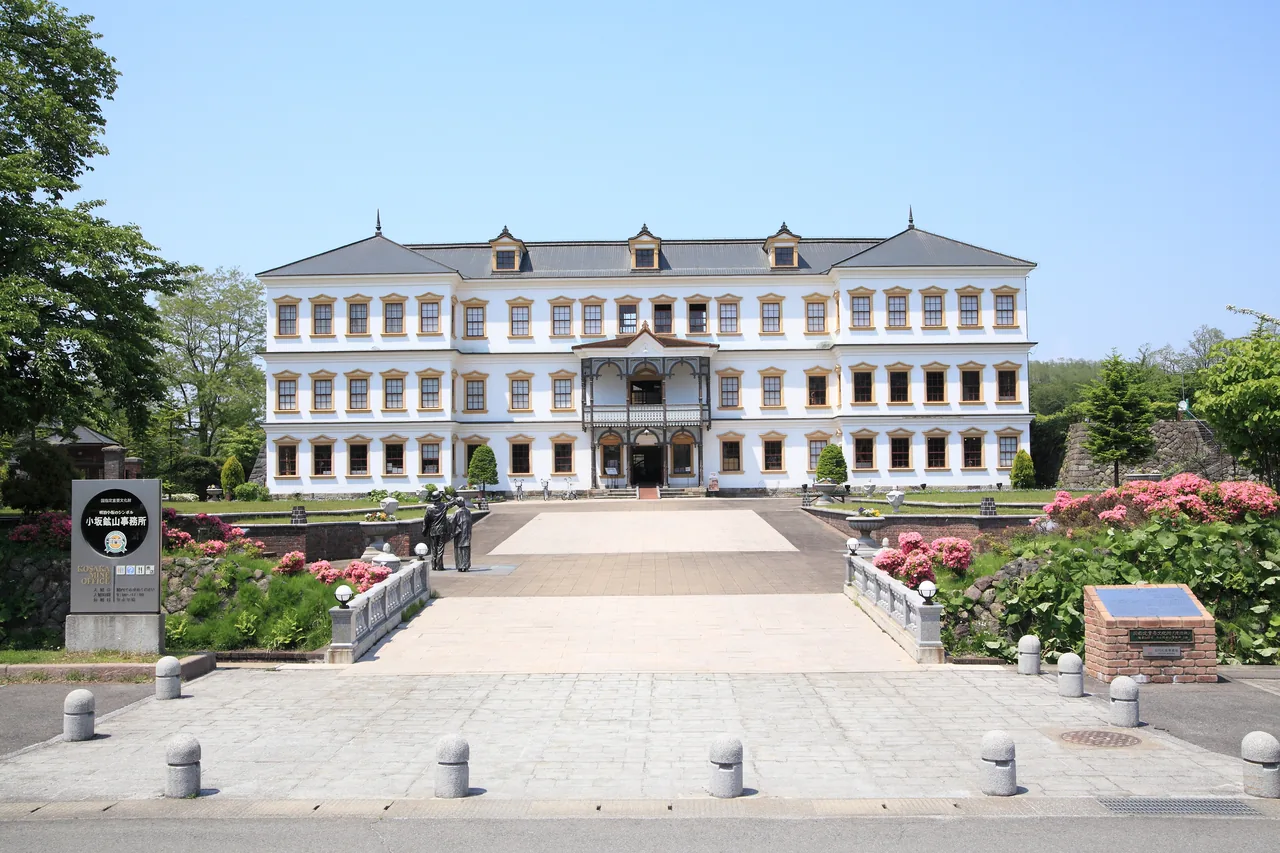
Kosaka, Akita's old mining town: the Meiji-era Korakukan theater, the Kosaka Mine Office's spiral staircase, a rail park at the old station and a local winery.
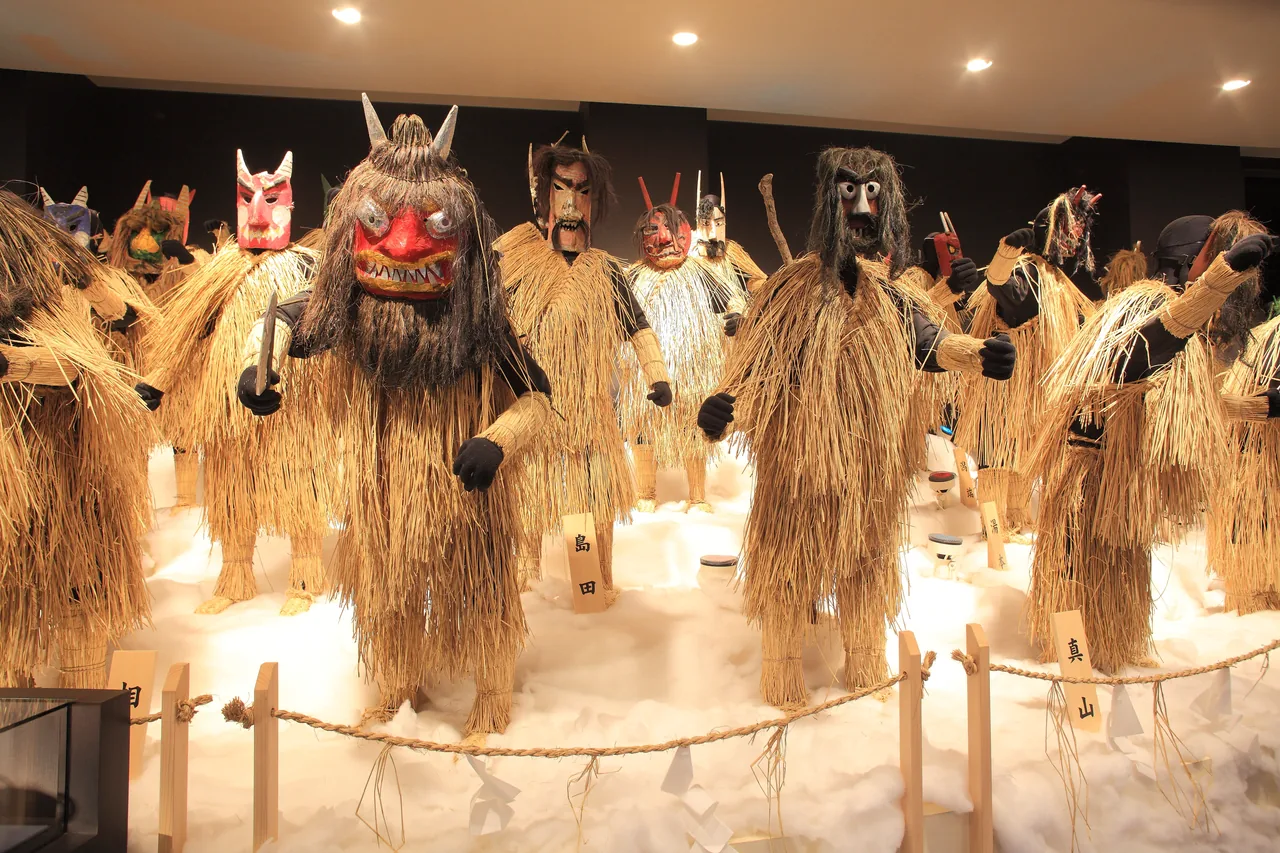
Where to meet Oga namahage: the folklore museum, Namahage Museum and Shinzan Shrine, the February Sedo Festival, plus Kanpuzan, Nyudozaki and GAO aquarium.
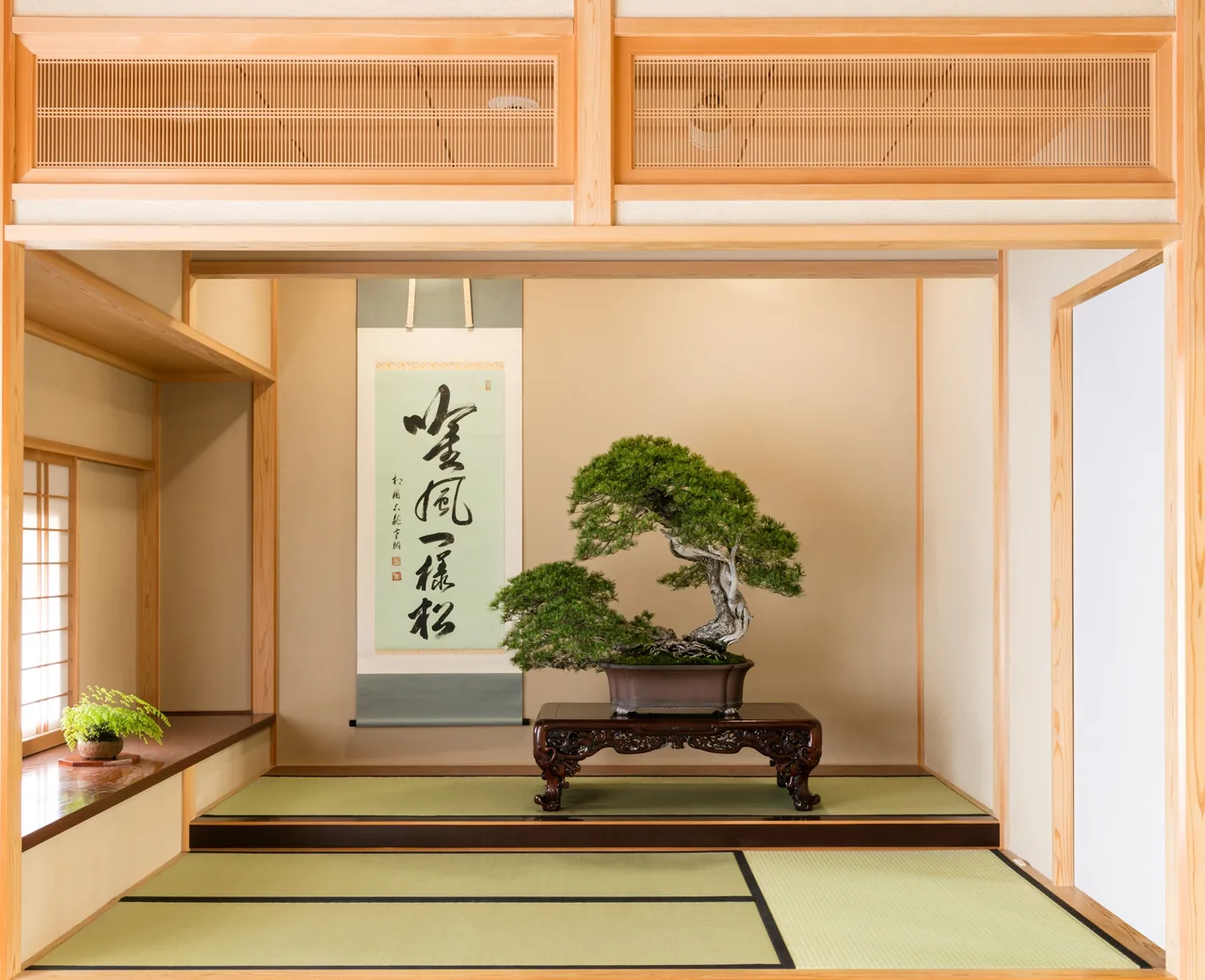
Omiya Bonsai Village and the world's first public bonsai museum, plus the Iwatsuki doll museum in Saitama City. What to see, how to look at bonsai and dolls, and access.
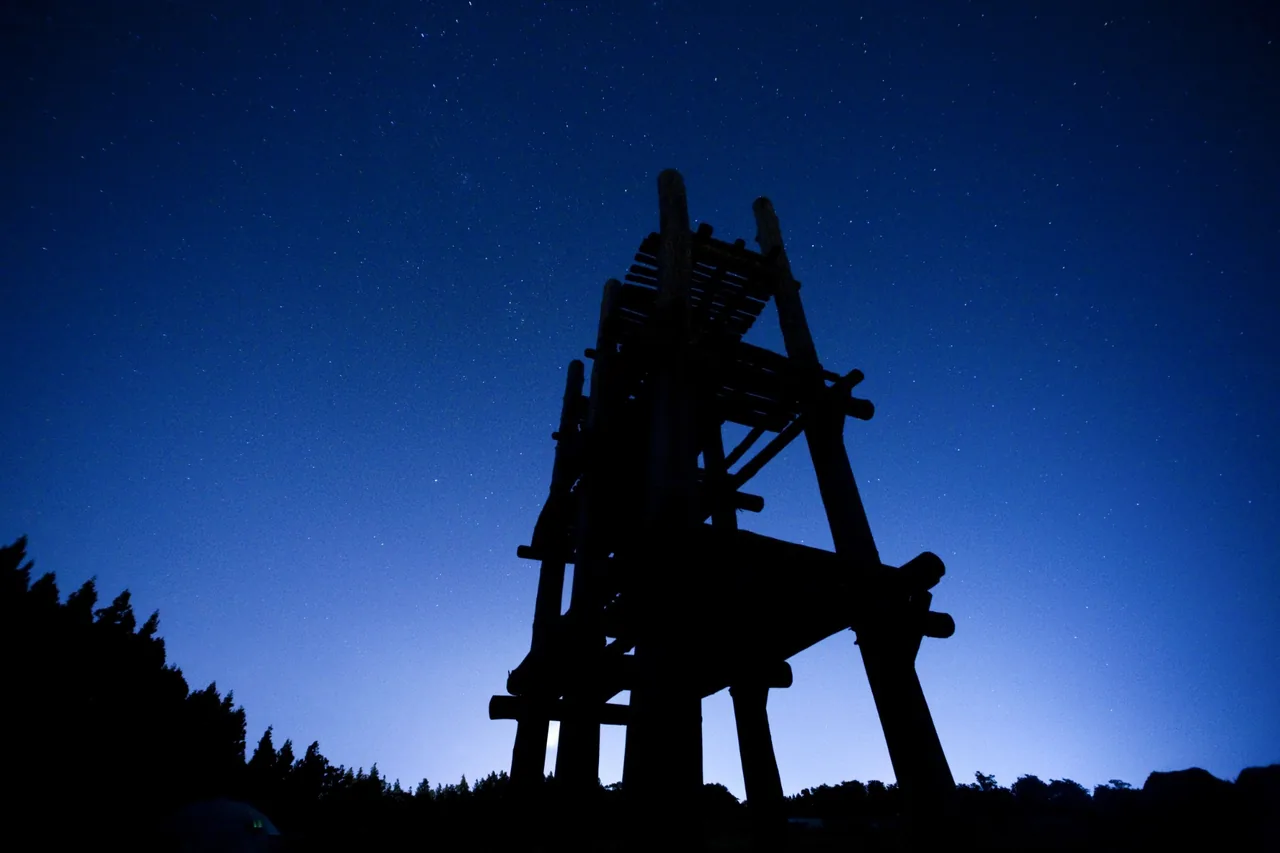
World Heritage Jomon sites in Aomori: Sannai-Maruyama, the Komakino and Omori Katsuyama stone circles, Futatsumori, the Korekawa Jomon Museum and Kamegaoka.
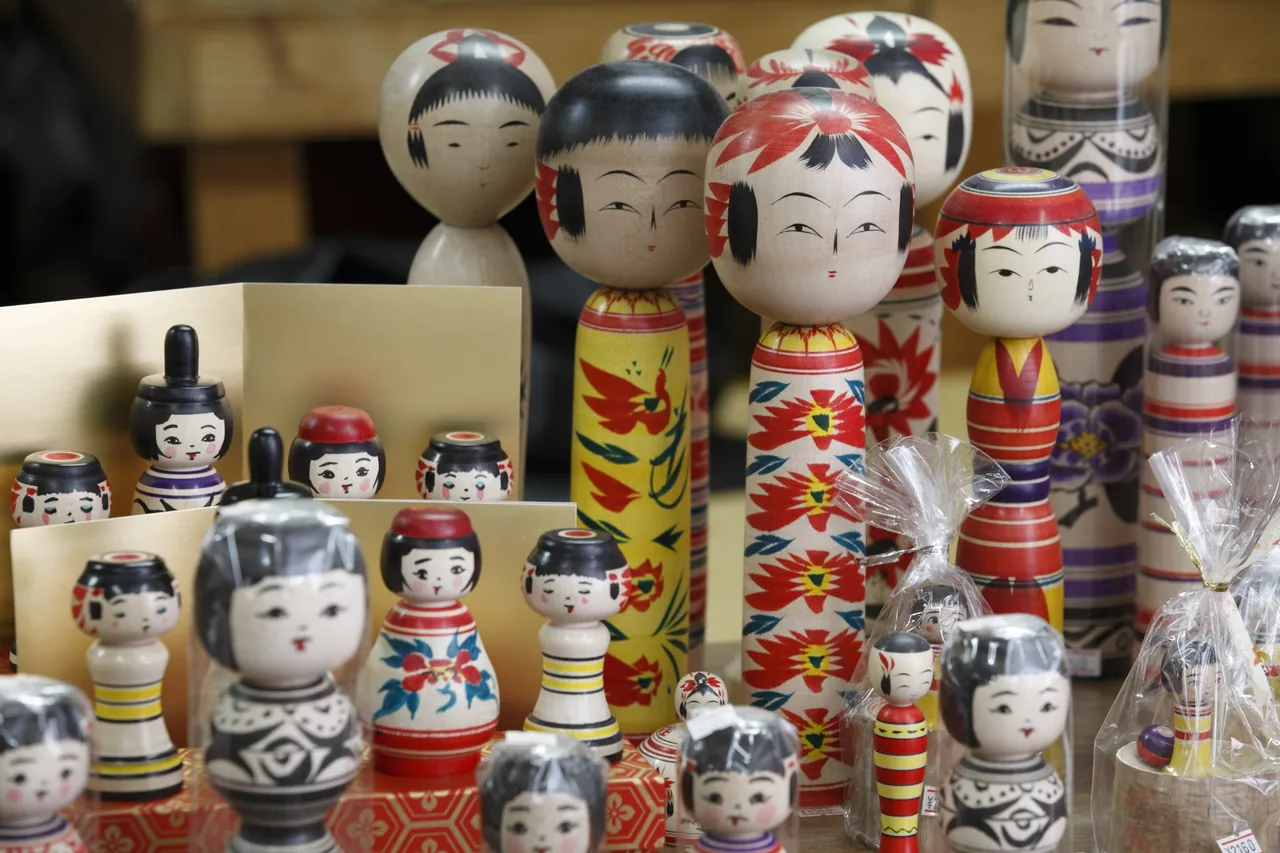
Aomori traditional crafts: Tsugaru lacquerware, kogin embroidery, akebi vine baskets, Tsugaru vidro glass, BUNACO beechwood, Kanayama pottery and Tsugaru kokeshi dolls.
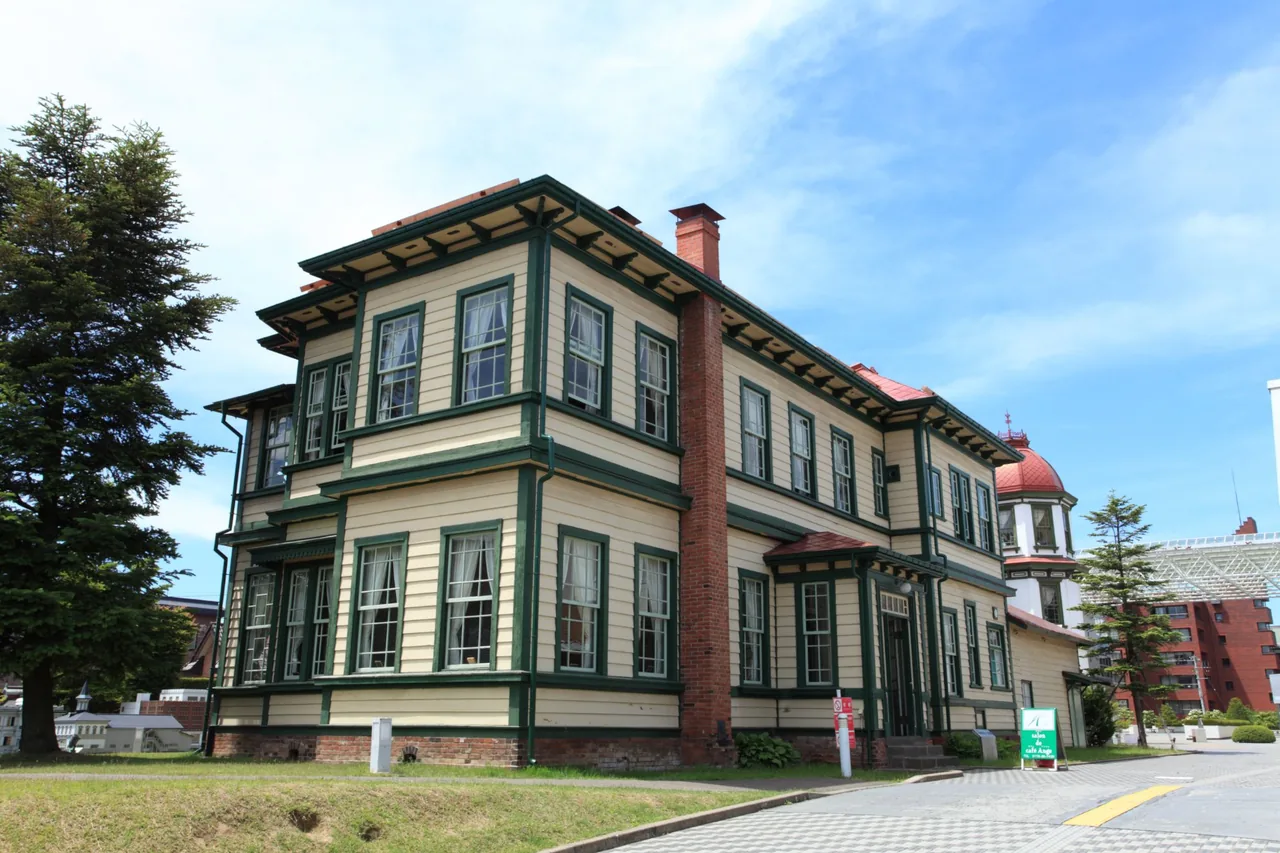
Hirosaki western-style buildings: the old library, a foreign teachers' house, a missionary residence, three churches, the Fujita Memorial Garden villa and a brick museum.
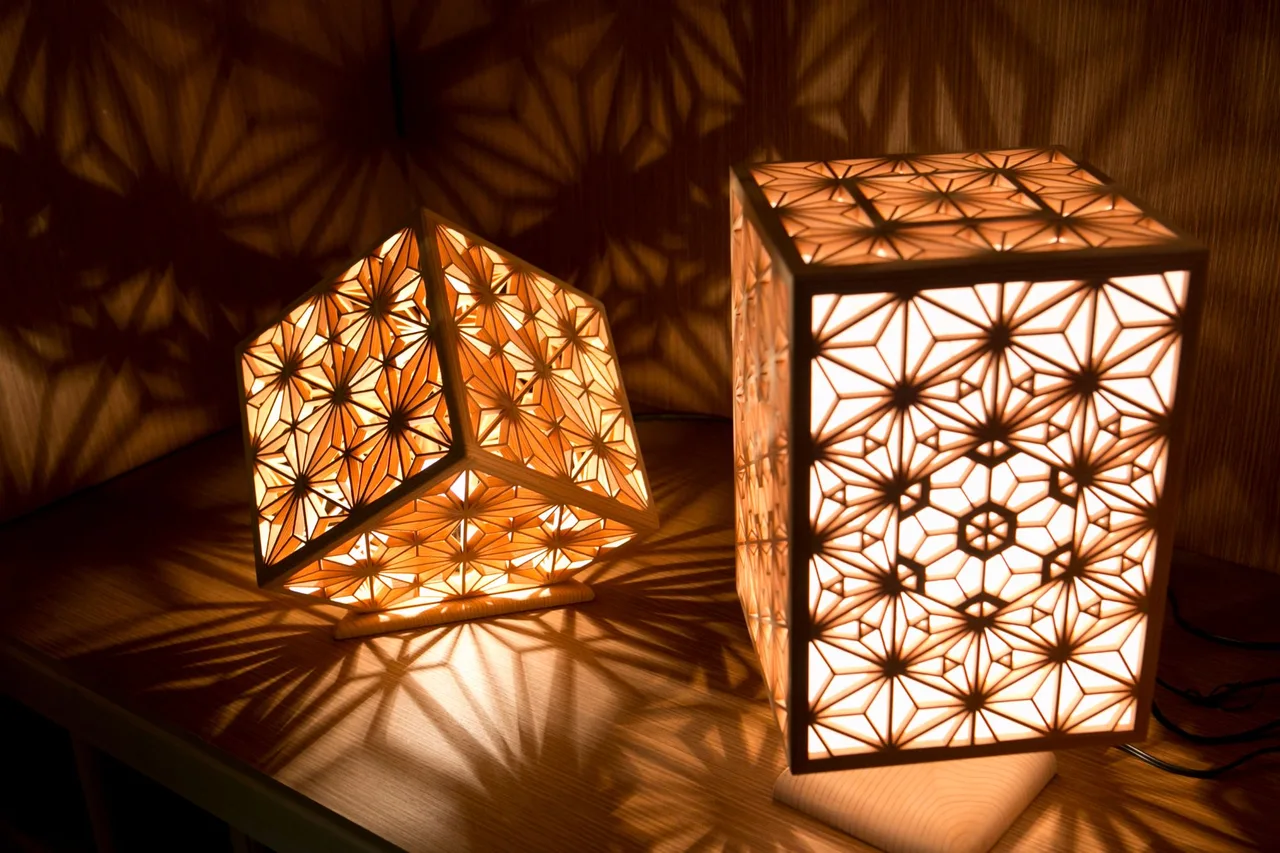
Fukuoka traditional crafts and where to see them: Hakata ori silk, indigo Kurume kasuri, Yame lanterns, Koishiwara and Agano pottery, and Okawa kumiko woodwork.