
Daishoji
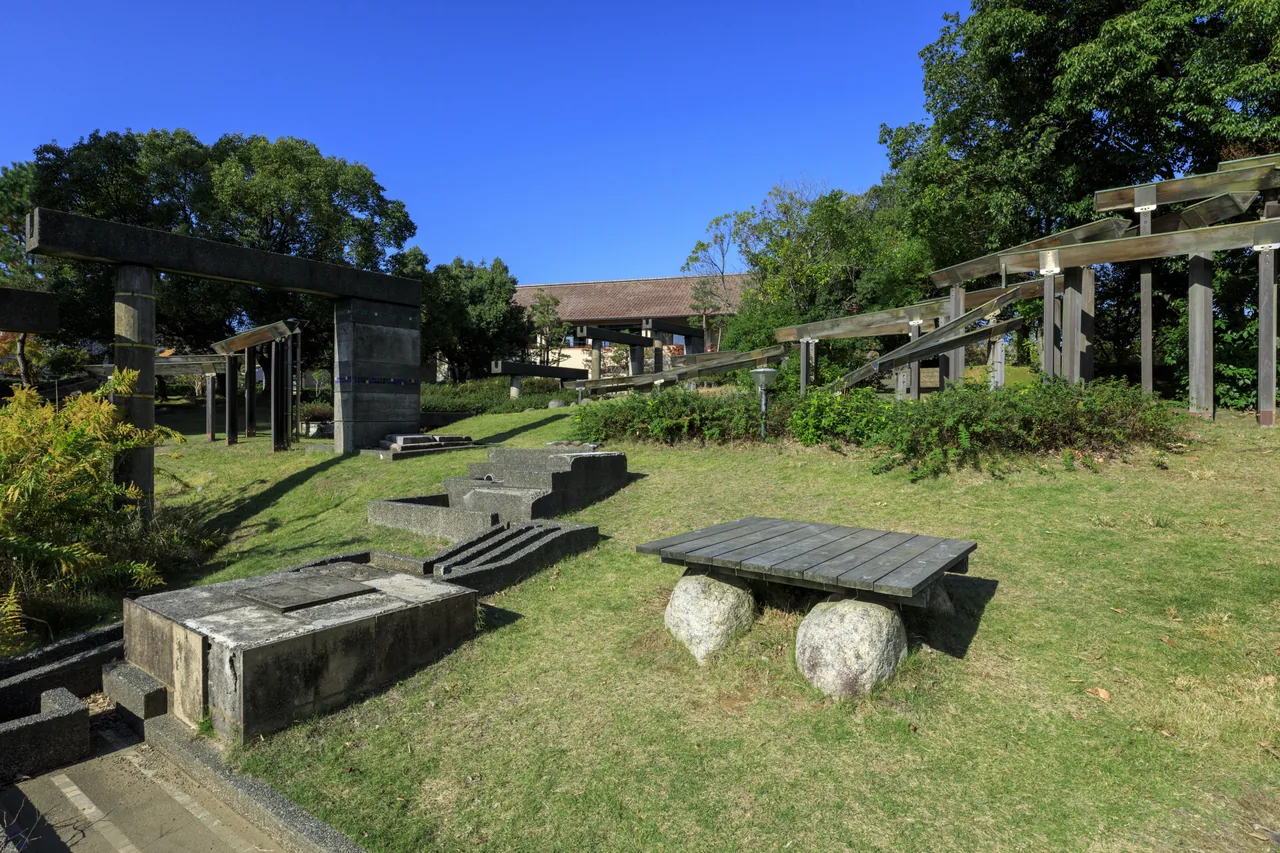
Photo: ©石川県観光連盟
Areas of Ishikawa
Daishoji
Daishoji in Kaga, a former castle town: the Ishikawa Kutani Ware Museum, the February Gogan Shinji festival, and access from Daishoji Station and by CANBUS.
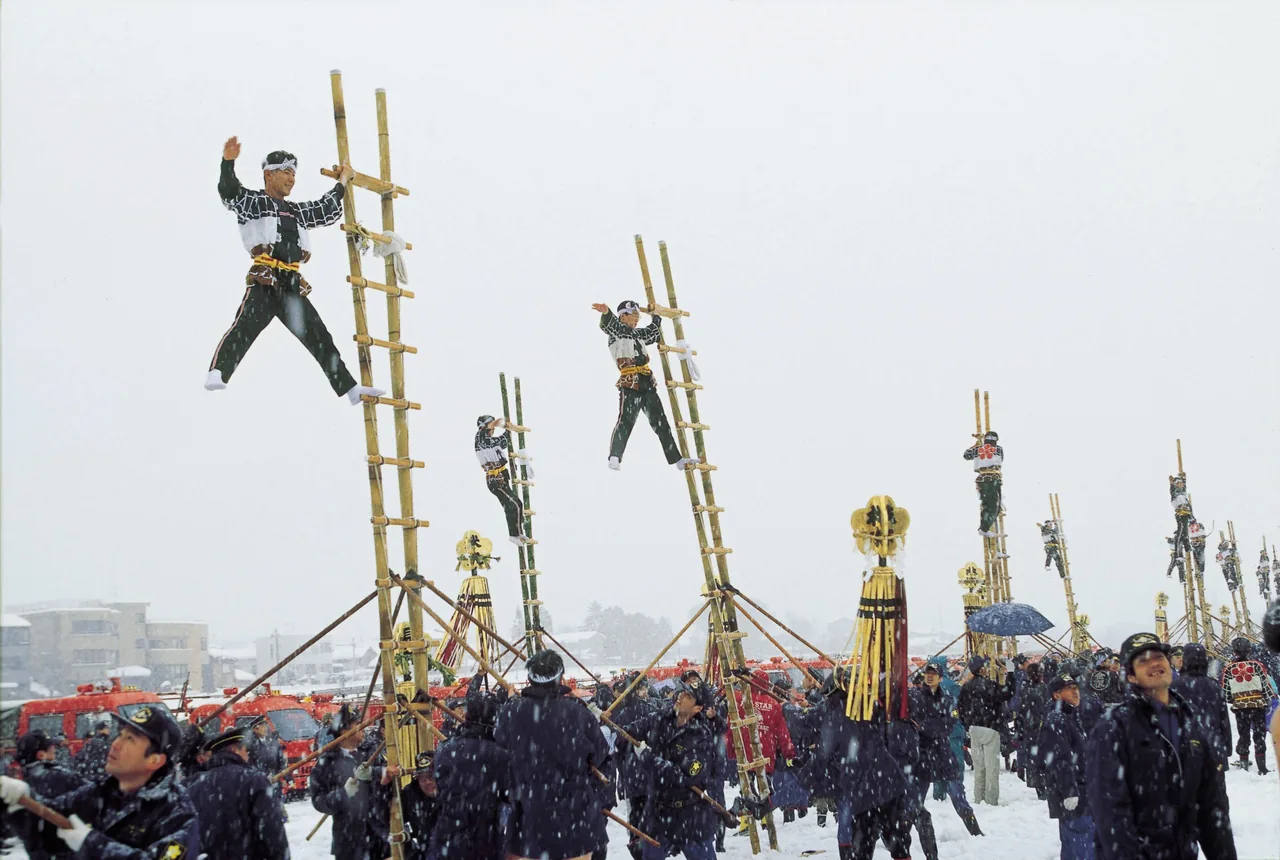 Jan 10Kaga Tobi Dezomeshiki (New Year Firefighters' Review)
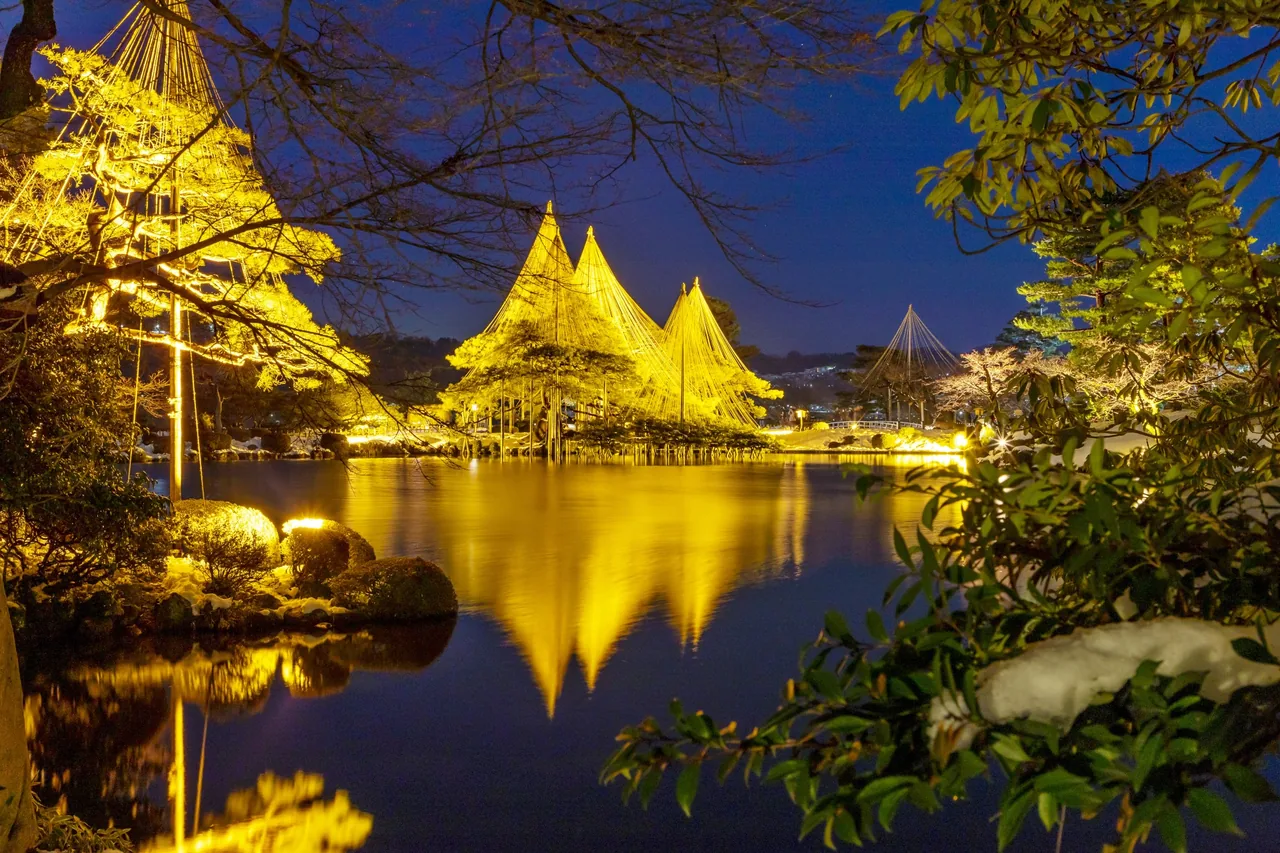 Feb 6 – Feb 10Kenrokuen and Kanazawa Castle Illuminations
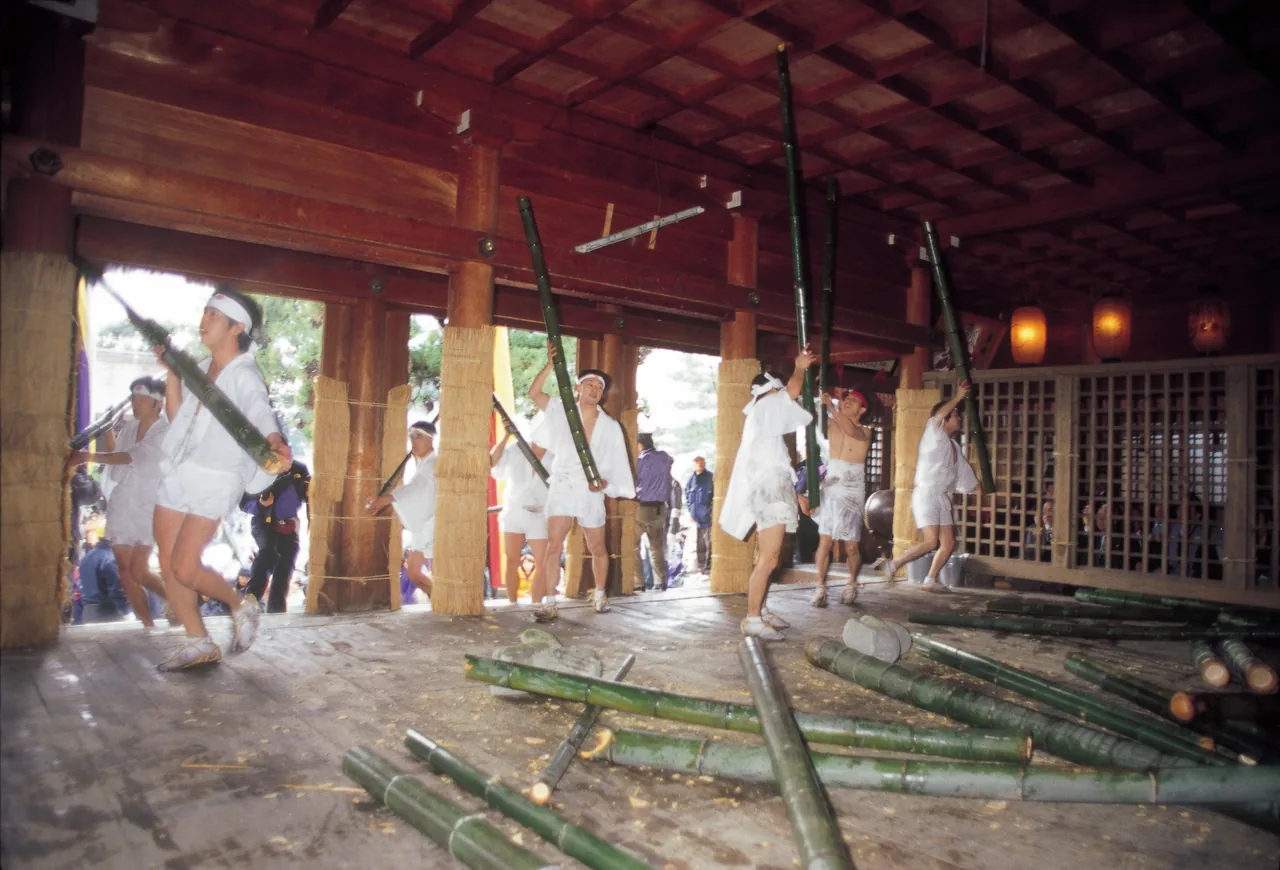 Feb 10Gogan Shinji (Bamboo-Smashing Festival)
Find on the map
This page is translated from the Japanese edition. Read the Japanese edition
What is the area like?
Spreading out around Daishoji Station on the IR Ishikawa Railway is Daishoji, in Kaga City. In the Edo period it was the castle town of the Daishoji Domain, and Kaga City notes that the town's street layout has remained much as it was in the Edo period since the Meiji era. Kutani ware is also said to have begun in the village of Kutani, within the lands of this Daishoji Domain.
The Kutani ware museum is within walking distance of the station, and a quarter where temples gather survives too. If you are staying in Kaga Onsen, you can add a day of strolling through a castle town, quite different from the hot spring towns.
Main sights
Ishikawa Kutani Ware Museum
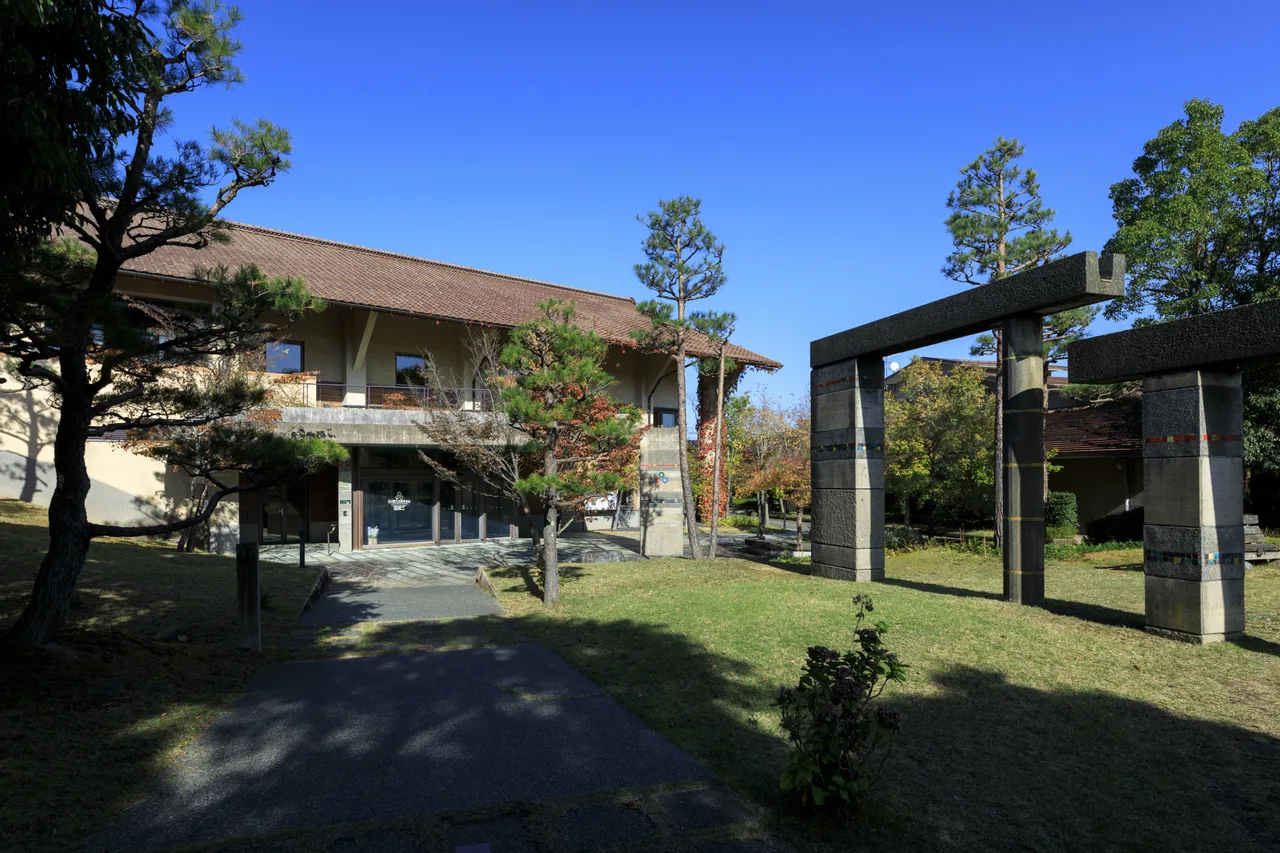
This museum is devoted to Kutani ware and displays its full history, from Ko-Kutani to Saiko Kutani (revival Kutani). The museum describes itself as "the only museum in Japan specializing in Kutani ware." In the galleries, large plates and bowls sit in glass cases, letting you compare the styles of each era. Seeing everything takes about an hour. The building combines wooden lattices and a tiled roof, and its grounds are laid with lawn and set with sculptures of stone and concrete. Check the official website for opening hours, admission and exhibition changes. For more, see Ishikawa Kutani Ware Museum.
Gogan Shinji (Bamboo-Smashing Festival)
This Shinto ritual is held every February 10 at Sugo Isobe Shrine and is also called Takewari Matsuri. Young men dressed in white beat green bamboo poles against the stone steps and paving until every pole is split, and at the end they throw a great rope representing a giant serpent from a bridge into the Daishoji River. It is an Intangible Folk Cultural Property of Ishikawa Prefecture, and the ritual is over in about an hour. In 2027 it is again scheduled for February 10. Check the starting time in the official information and arrive early to see everything from the bamboo smashing to the rope being thrown into the river. For more, see Gogan Shinji (Bamboo-Smashing Festival).
Yamanoshita Jiingun
Kaga City lists the Yamanoshita Jiingun, a group of temples, among the places that convey the town's history under the domain. The CANBUS sightseeing loop bus has a stop called Yamanoshita Jiingun/Ishikawa Kutani Ware Museum, so you can walk here together with the museum. Temple grounds are places of worship, so please visit quietly.
Getting there
- By train: The Kutani ware museum is about 550 m from Daishoji Station on the IR Ishikawa Railway, within walking distance. Daishoji Station has been an IR Ishikawa Railway station since March 2024.
- By bus: From Kaga-Onsen Station, take the Umi-mawari (coast) route of the CANBUS sightseeing loop bus to the Yamanoshita Jiingun/Ishikawa Kutani Ware Museum stop; the museum is about 100 m away. For Sugo Isobe Shrine, take a bus from Kaga-Onsen Station to the Sugo Isobe Jinja stop. It is about 1.7 km from Daishoji Station.
- Check CANBUS fares and timetables on the official website before you ride.
Getting around the area
See the colors of Ko-Kutani at the Kutani ware museum, then walk through the quarter lined with temples, and in about half a day you can trace the feel of the castle town. To choose Kutani ware or try painting it yourself, head to Nomi, home of Kutani Pottery Village. For how to combine the museum and the pottery village, see Kutani ware country.
The CANBUS Umi-mawari route also stops at the Kitamaebune Museum in Hashitate, where the village of Kitamaebune shipowners survives. If you are staying at a hot spring, Rosanjin's Former Residence Iroha Soan in Yamashiro Onsen is another place with ties to Kutani ware.
Sights in Daishoji
Ishikawa guides
See all
More areas of Ishikawa
- Kenrokuen & Kanazawa Castle
- Higashi Chaya & Kazuemachi
- Kanazawa Station & Omicho Market
- Nagamachi & Korinbo
- Nishi Chaya & Teramachi
- Yuwaku Onsen
- Nonoichi
- Tsurugi (Shirayama Hime Shrine & Shishiku Highland)
- Shiramine
- Hakusan Shirakawa-go White Road
- Kawakita
- Nomi (Kutani Pottery Village & Ishikawa Zoo)
- Komatsu
- Natadera Temple
- Awazu Onsen
- Katayamazu Onsen & Lake Shibayama
- Yamashiro Onsen
- Yamanaka Onsen & Kakusenkei Gorge
- Hashitate & Cape Kasa
- Chirihama Beach
- Hakui (Keta Taisha & Myojoji)
- Ganmon & the Noto Kongo Coast
- Wakura Onsen
- Nanao
- Notojima Island
- Wajima
- Shiroyone Senmaida
- Monzen (Sojiji Soin Temple)
- Ushitsu
- Mitsukejima Island
- Cape Rokko & Noroshi
- Suzu Salt Farm Village