
Higashi Chaya & Kazuemachi
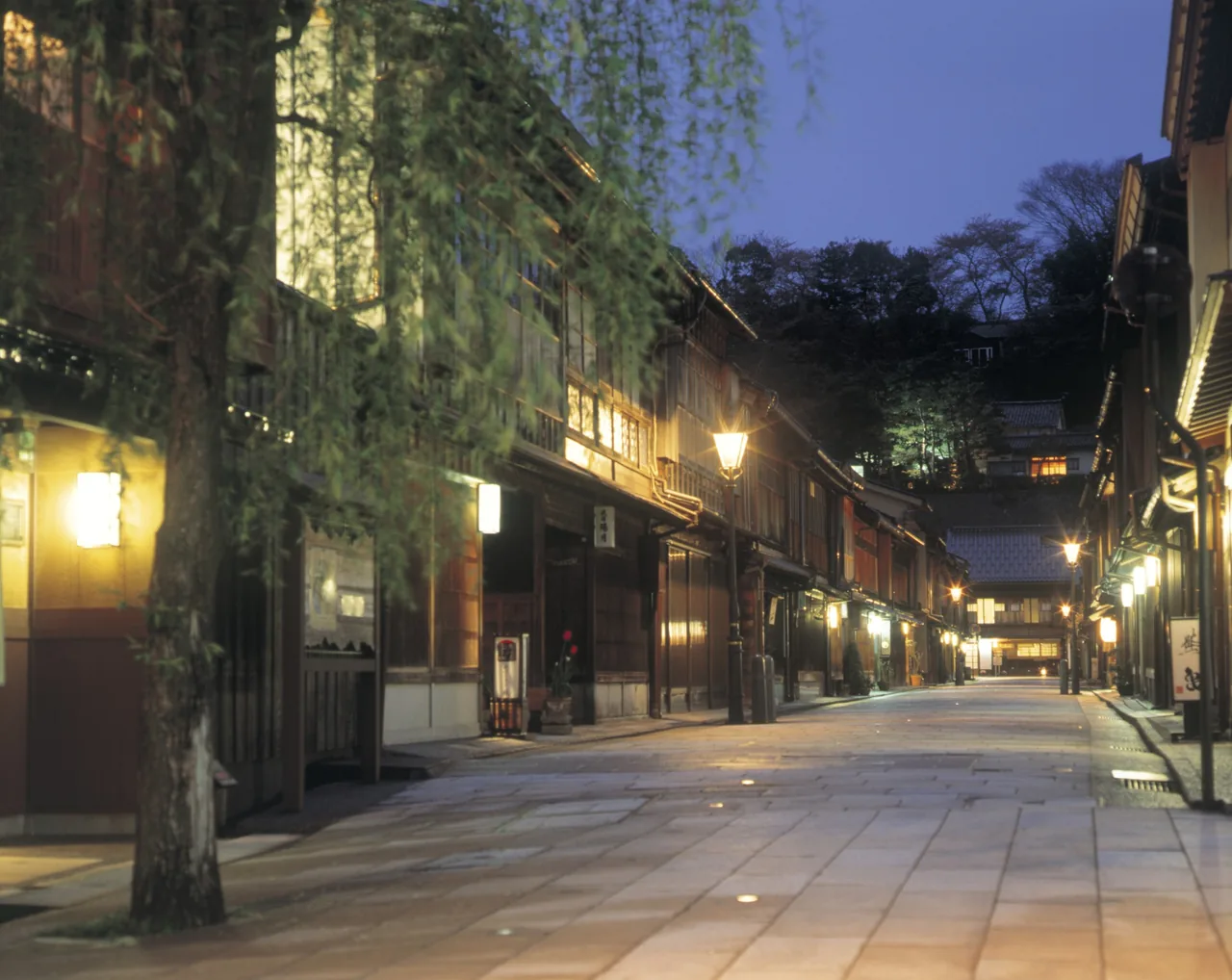
Photo: ©石川県観光連盟
Areas of Ishikawa
Higashi Chaya & Kazuemachi
Higashi Chaya District things to do: the teahouse Shima, stone-paved lanes, Kazuemachi across the Asano River, gold leaf, eating rules and buses.
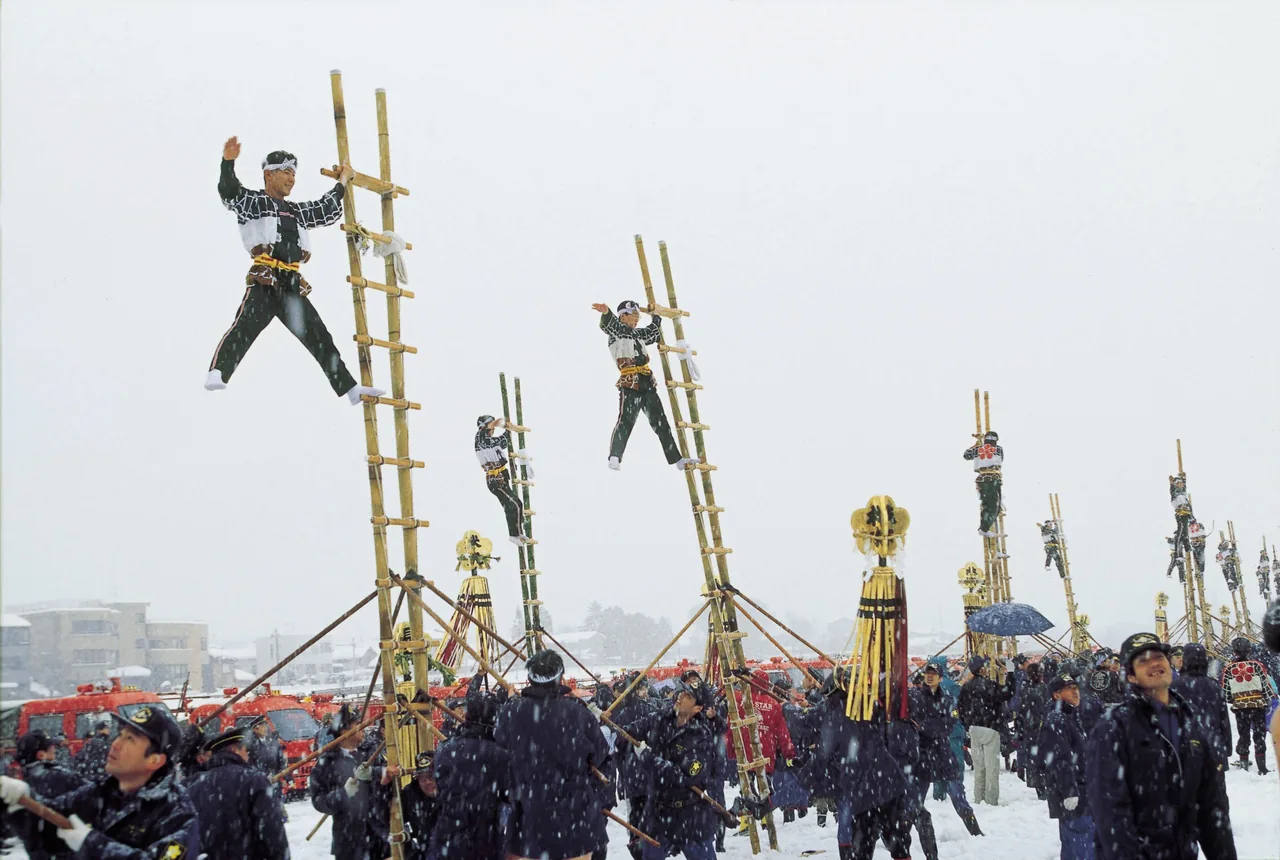 Jan 10Kaga Tobi Dezomeshiki (New Year Firefighters' Review)
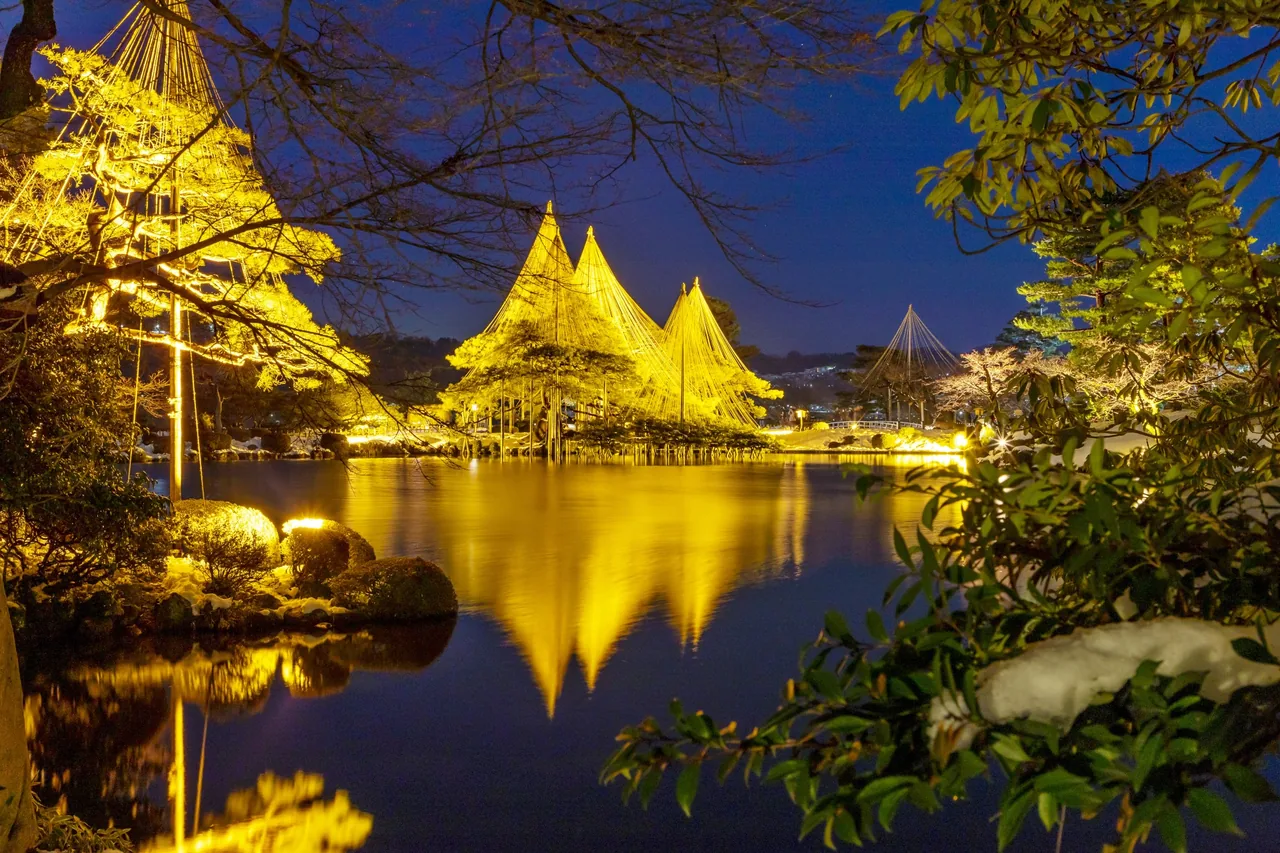 Feb 6 – Feb 10Kenrokuen and Kanazawa Castle Illuminations
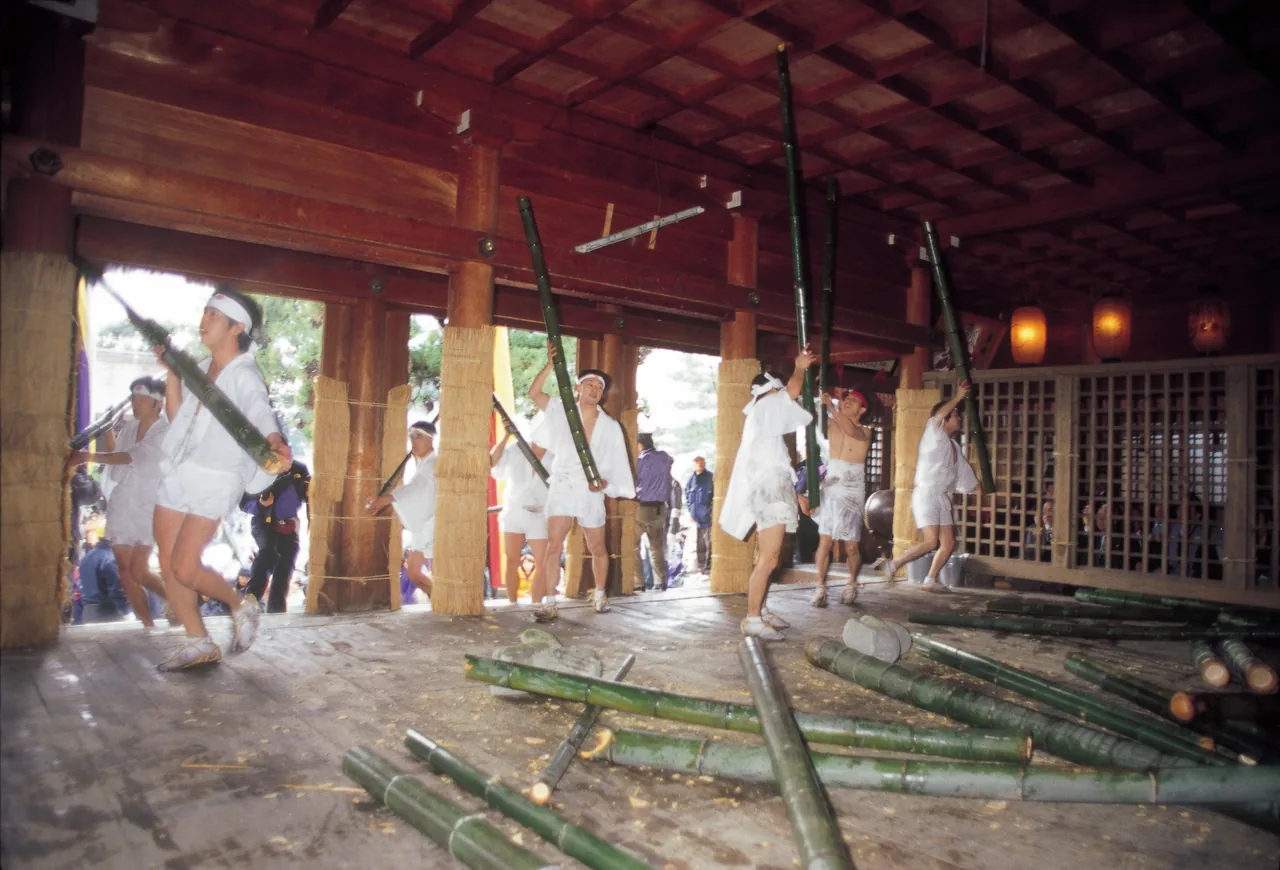 Feb 10Gogan Shinji (Bamboo-Smashing Festival)
Find on the map
This page is translated from the Japanese edition. Read the Japanese edition
What is the area like?
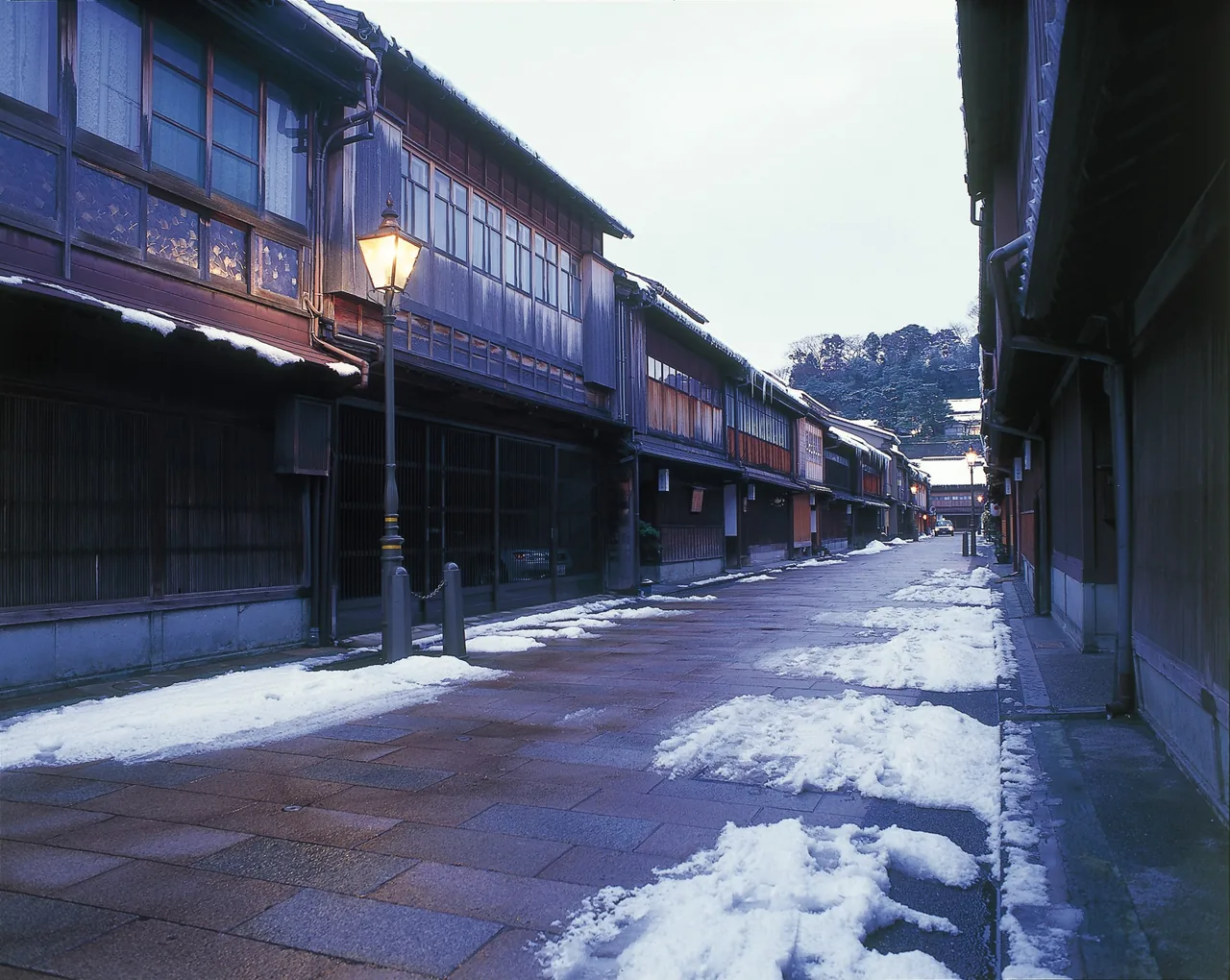
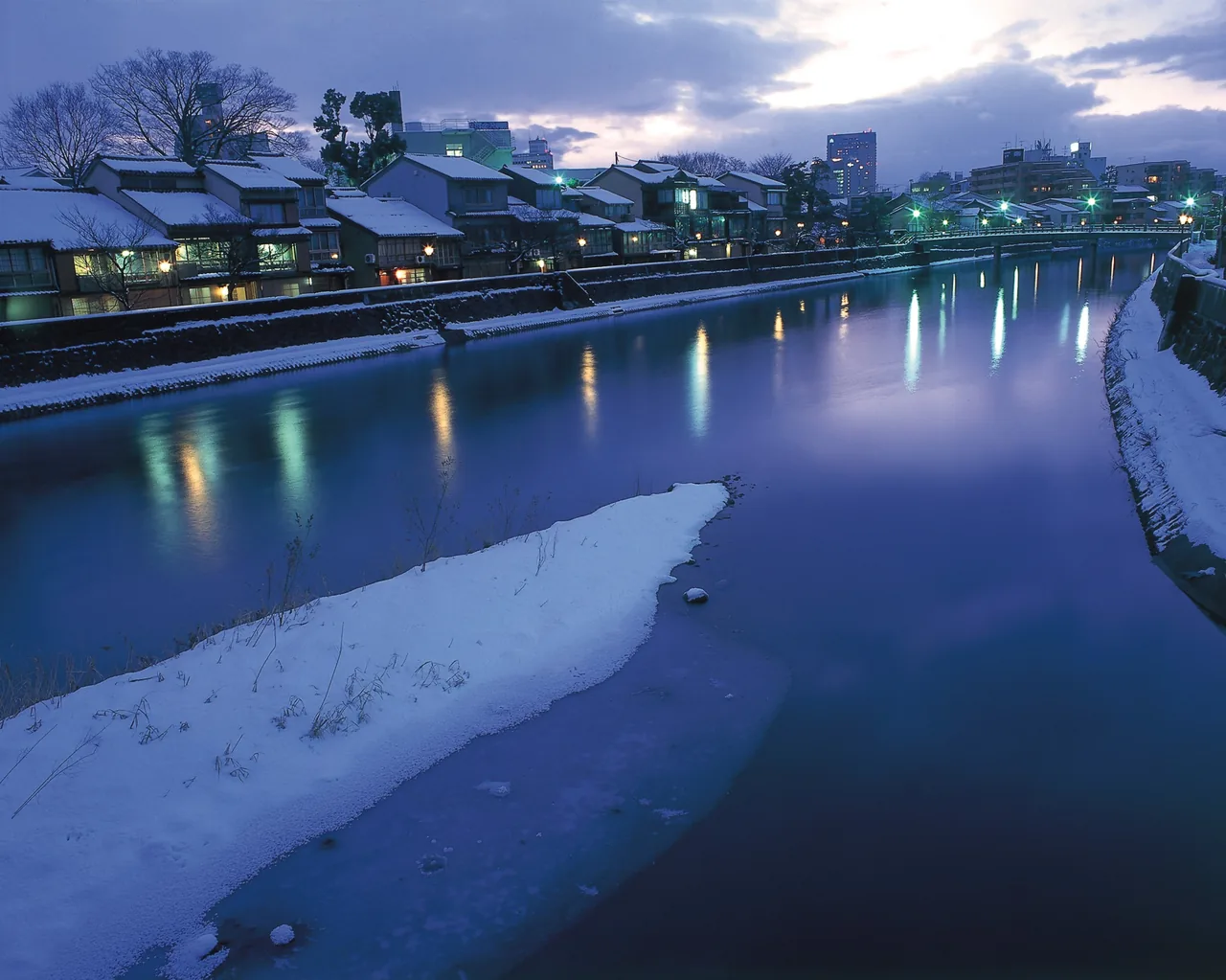
In the evening, lights come on in the teahouses along the Asano River and stretch out in long reflections on the water. The Higashi Chaya District, on the east bank of the Asano River, and the Kazuemachi Chaya District, which runs along the river on the opposite bank, keep the streetscapes of Edo-period geisha quarters.
The Higashi Chaya District was licensed as a teahouse district by the Kaga Domain in 1820. The Higashi Chaya District was selected as an Important Preservation District for Groups of Traditional Buildings in 2001, and the Kazuemachi Chaya District in 2008. The two are within walking distance of each other across the Asano River.
Main sights
Higashi Chaya District
Wooden teahouses with fine lattices across their fronts line both sides of a stone-paved street. Shima, a teahouse building on the street built in 1820, is an Important Cultural Property; its interior is open to visitors, so you can see how a teahouse is built up close. Allow about 30 minutes just to walk around the streets, or about an hour if you visit the teahouse and stop at shops. For more, see Higashi Chaya District.
Kazuemachi Chaya District
Walk toward the Asano River Ohashi Bridge and cross the river to reach the Kazuemachi Chaya District, where teahouse buildings stand along the Asano River. One street back from the river are two slopes, Akari-zaka and Kuragari-zaka, which show the quieter back side of the district. In spring you can see the cherry trees along the river together with the row of teahouses. For more, see Kazuemachi Chaya District.
Kanazawa Yasue Gold Leaf Museum
This museum near the Higashi Chaya District is devoted to gold leaf. It displays tools and samples of each stage of gold leaf making, as well as works of art and craft that use gold leaf. According to the Kanazawa City Tourism Association, more than 99% of Japan's gold leaf is made in Kanazawa.
Food and shopping
The Higashi Chaya District has many wagashi shops and cafés serving Japanese sweets, and there are gold leaf shops nearby where you can also try applying gold leaf yourself. Within the preservation district of the Higashi Chaya District, eating and drinking while walking is prohibited. Eat what you buy inside the shop or on its premises.
Some teahouses are still in business, so apart from buildings and shops that are open to the public, do not open lattice doors or peer inside. For the workshops, see Kanazawa traditional craft experiences; for sweets and eating rules, see Kanazawa sweets and eating etiquette.
Getting there
- By bus: Take a bus from Kanazawa Station to the Hashiba-cho stop. Both the Higashi Chaya District and the Kazuemachi Chaya District are within walking distance.
- From Omicho Market: Take the clockwise (right-hand) route of the Kanazawa Loop Bus from the Musashigatsuji/Omicho Ichiba stop to Hashiba-cho.
Check the official Hokuriku Railroad website for bus routes and times.
Getting around the area
Walk the Higashi Chaya District in the quiet morning, visit Shima if it is open, then cross the Asano River to the Kazuemachi Chaya District to compare the two in one go. If you walk the streets by day, come back in the evening when the lights are on and the same street looks different. On rainy or snowy days, the slopes in Kazuemachi can be slippery.
For a full-day route combining the area with Kenrokuen & Kanazawa Castle and Omicho Market, see Kanazawa one-day model course. For how the three chaya districts differ, including the Nishi Chaya District in Nishi Chaya & Teramachi, see Kanazawa's chaya districts.
Sights in Higashi Chaya & Kazuemachi
Ishikawa guides
See all
More areas of Ishikawa
- Kenrokuen & Kanazawa Castle
- Kanazawa Station & Omicho Market
- Nagamachi & Korinbo
- Nishi Chaya & Teramachi
- Yuwaku Onsen
- Nonoichi
- Tsurugi (Shirayama Hime Shrine & Shishiku Highland)
- Shiramine
- Hakusan Shirakawa-go White Road
- Kawakita
- Nomi (Kutani Pottery Village & Ishikawa Zoo)
- Komatsu
- Natadera Temple
- Awazu Onsen
- Katayamazu Onsen & Lake Shibayama
- Yamashiro Onsen
- Yamanaka Onsen & Kakusenkei Gorge
- Daishoji
- Hashitate & Cape Kasa
- Chirihama Beach
- Hakui (Keta Taisha & Myojoji)
- Ganmon & the Noto Kongo Coast
- Wakura Onsen
- Nanao
- Notojima Island
- Wajima
- Shiroyone Senmaida
- Monzen (Sojiji Soin Temple)
- Ushitsu
- Mitsukejima Island
- Cape Rokko & Noroshi
- Suzu Salt Farm Village