
Nomi (Kutani Pottery Village & Ishikawa Zoo)
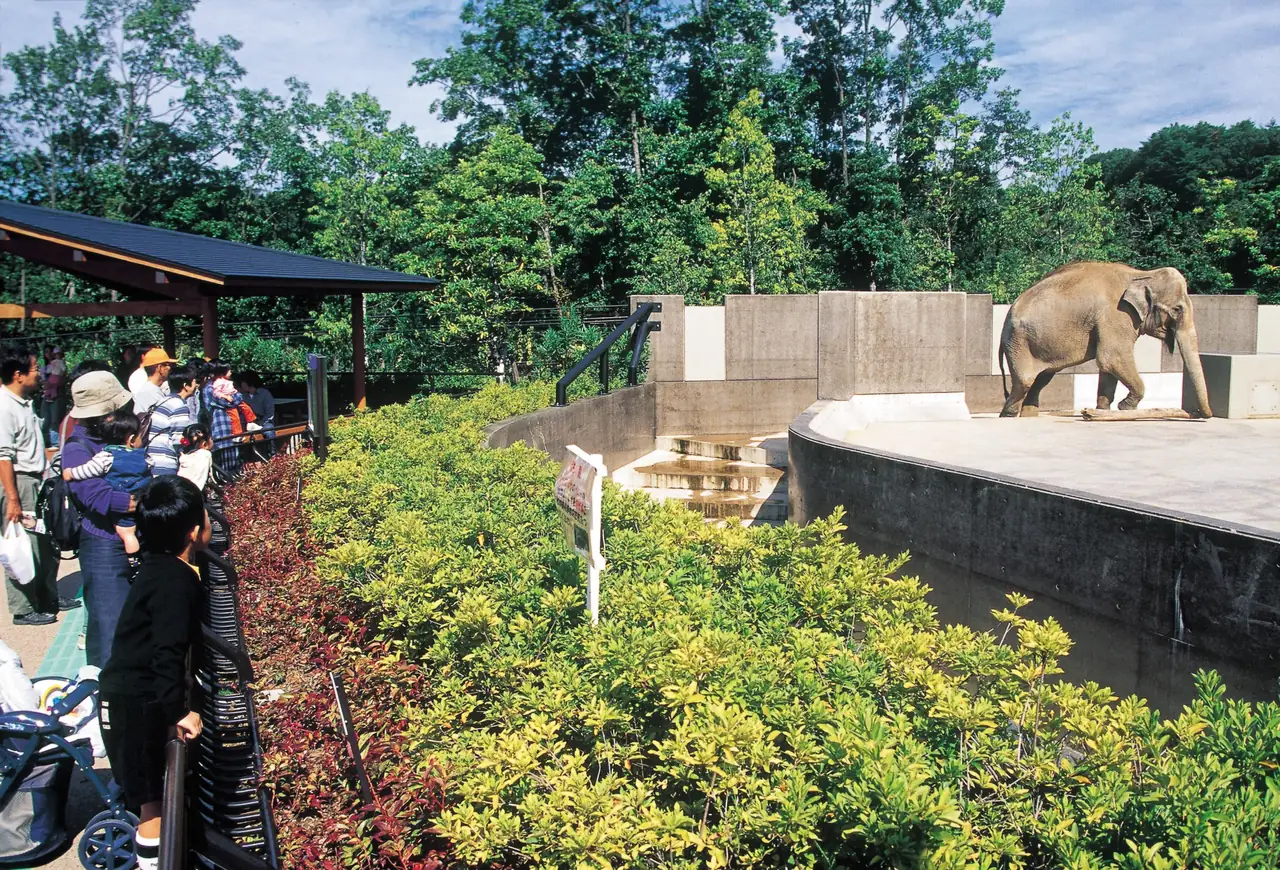
Photo: ©石川県観光連盟
Areas of Ishikawa
Nomi (Kutani Pottery Village & Ishikawa Zoo)
Nomi: choosing and painting Kutani ware at Kutani Pottery Village, Ishikawa Zoo and its crested ibis breeding, the bus from Kanazawa Station, and pairing with Daishoji.
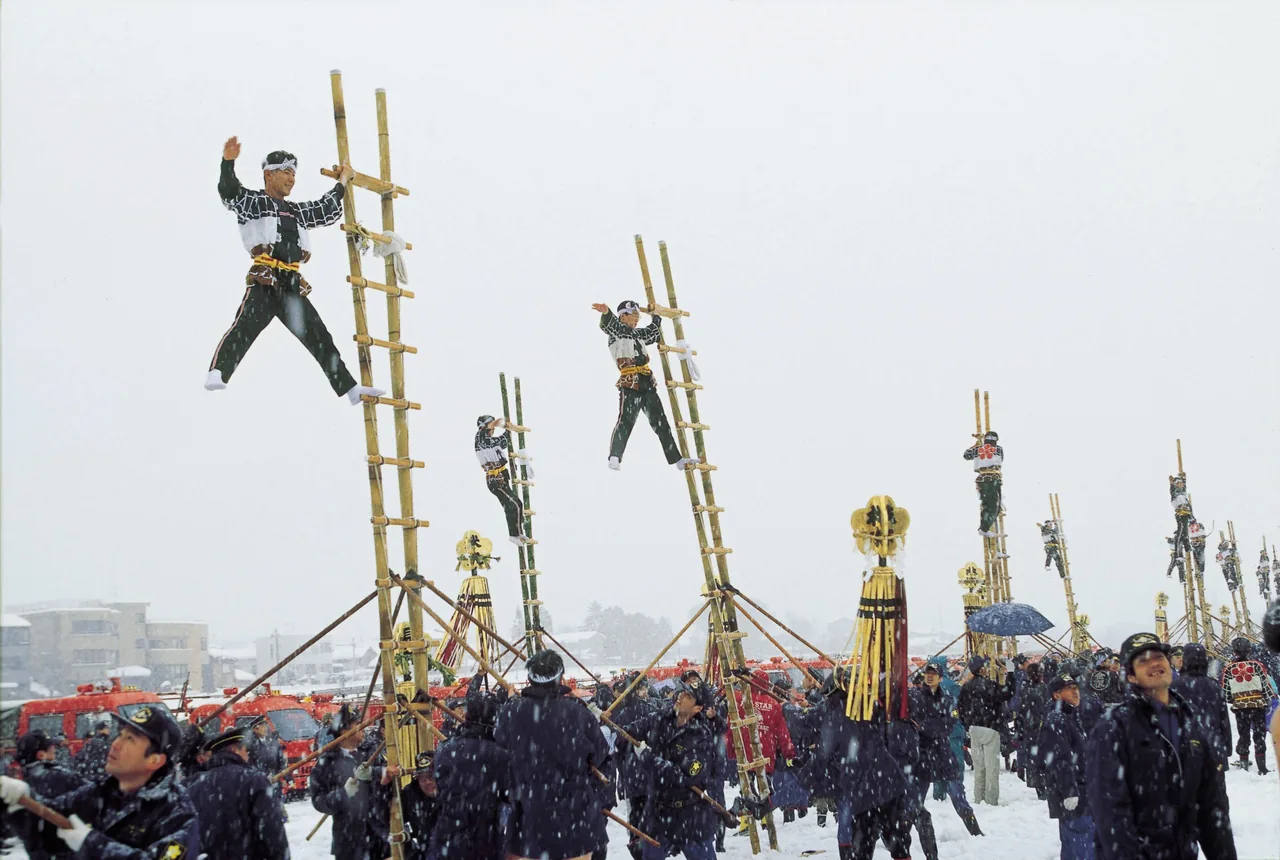 Jan 10Kaga Tobi Dezomeshiki (New Year Firefighters' Review)
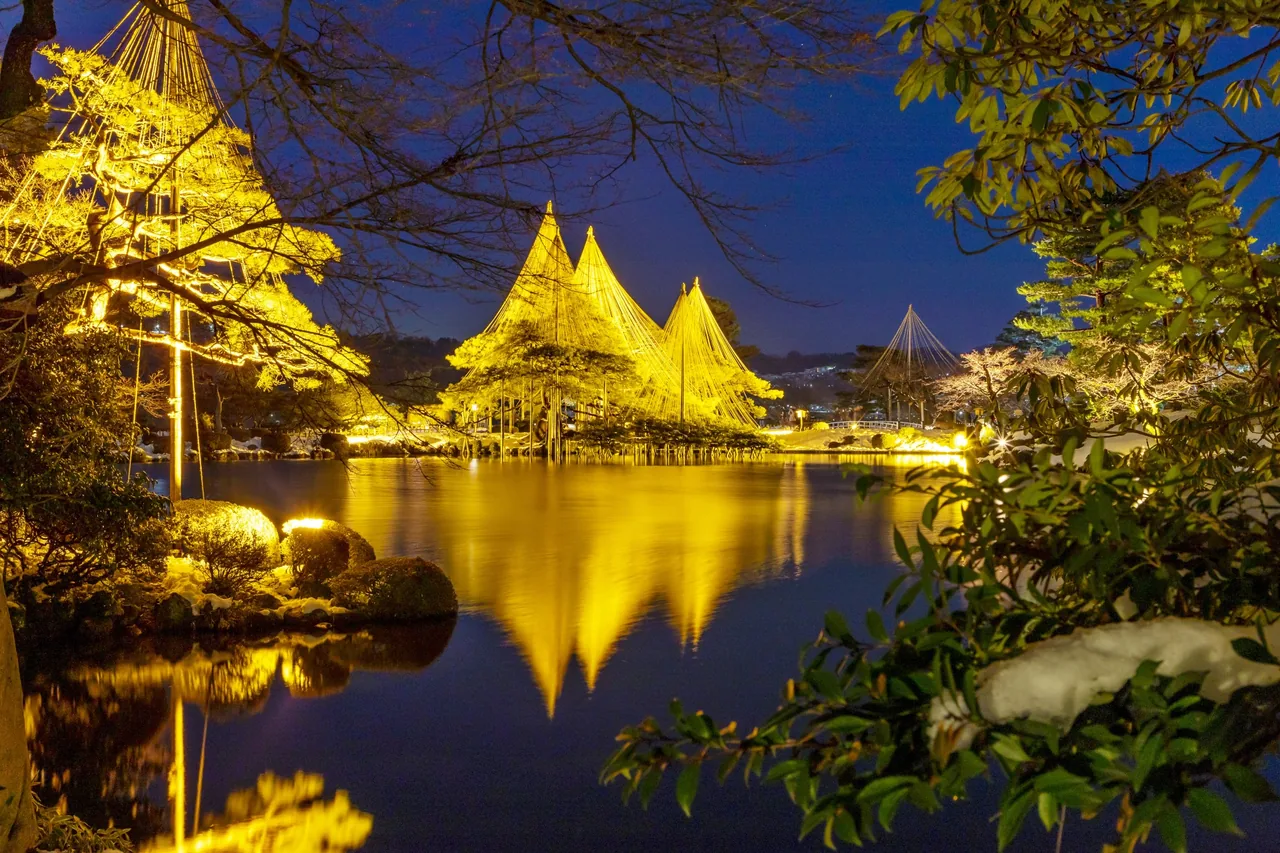 Feb 6 – Feb 10Kenrokuen and Kanazawa Castle Illuminations
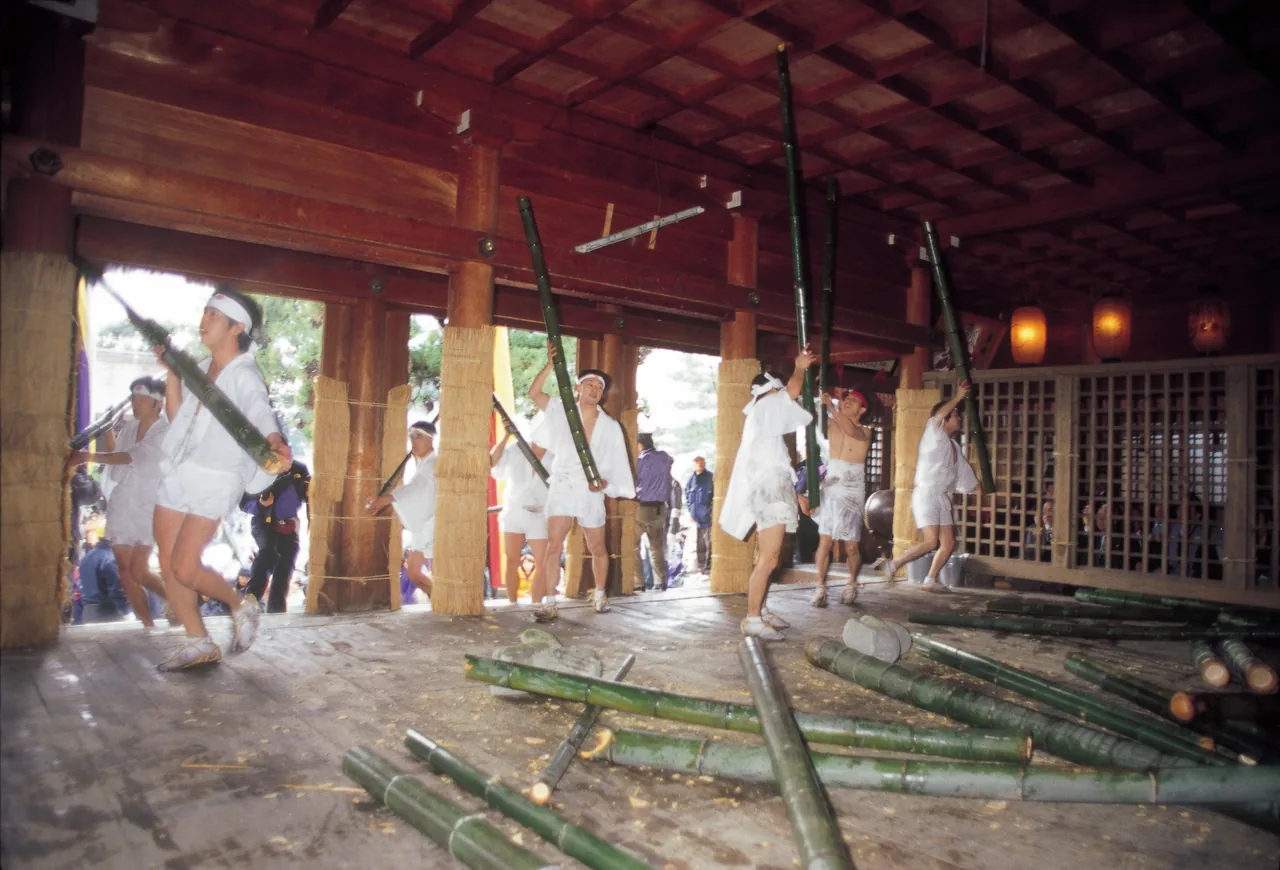 Feb 10Gogan Shinji (Bamboo-Smashing Festival)
Find on the map
This page is translated from the Japanese edition. Read the Japanese edition
What is the area like?
Nomi is one of the places where Kutani ware is made. Kutani ware is overglaze-painted porcelain fired in southern Ishikawa Prefecture, and at Kutani Pottery Village in Nomi you can compare shops to choose pieces, or paint one yourself. On a hillside in the same city is Ishikawa Prefecture's zoo, Ishikawa Zoo.
To see old masterpieces of Kutani ware, go to the museum in Daishoji, Kaga City; to choose pieces and try painting yourself, go to the pottery village in Nomi. You can pick where to go depending on what you want.
Main sights
Kutani Pottery Village
Ten Kutani ware shops are gathered here. Each shop has its own range and preferred designs, so the fun is in comparing several before you choose. For small plates or teacups you will use every day, pick them up and check their weight and how they feel at the lips.
Inside the pottery village is a hands-on studio where you can try painting or making pottery. The studio was renovated and reopened on September 28, 2024. Painted pieces are finished by firing them in a kiln, so you may not be able to take yours home the same day. Before you sign up, check the official information on how to collect your piece, whether it can be shipped abroad, and whether you need to book.
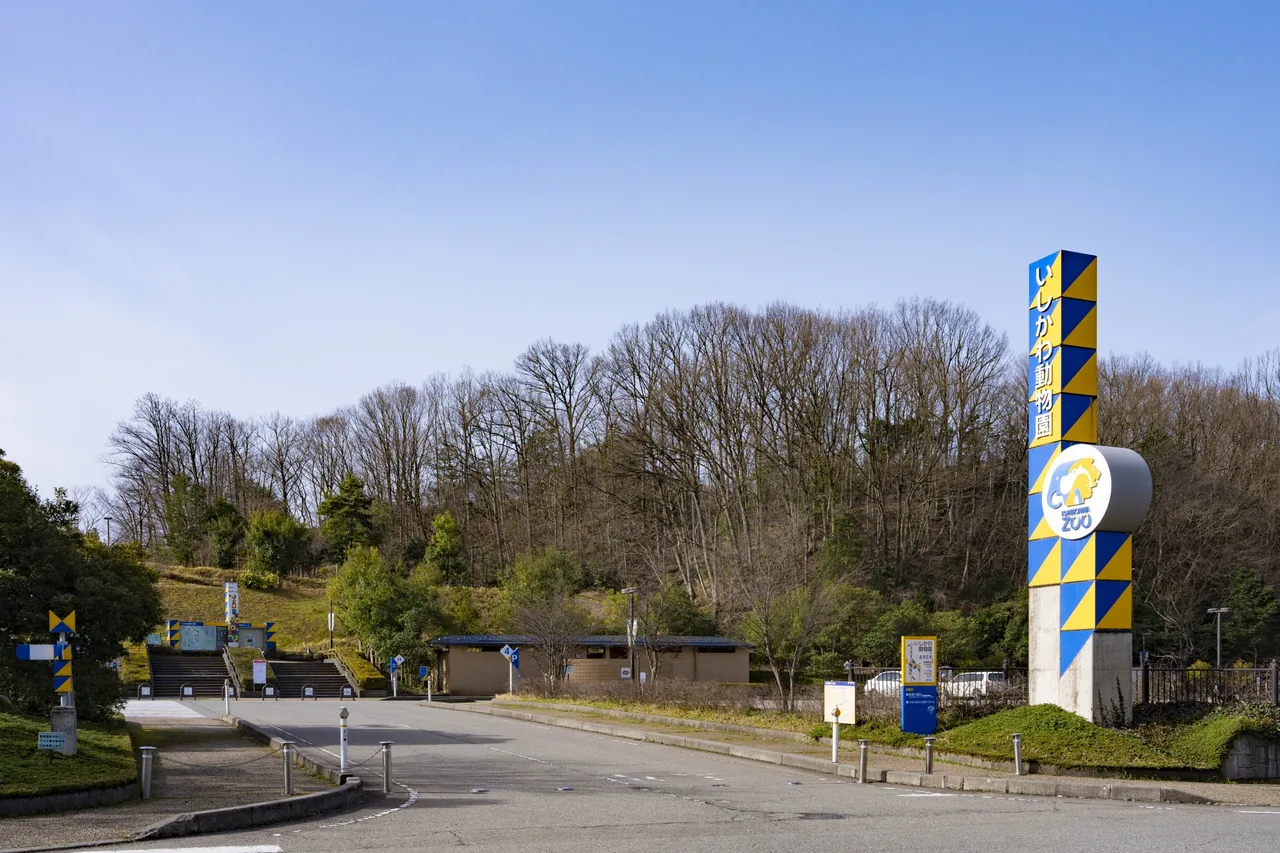
Ishikawa Zoo
Ishikawa Prefecture's zoo sits on a hillside in Nomi, and you can walk the tree-lined grounds to see the animals. The elephant enclosure can be viewed over a railing, and seals rest on rocks in their pool. Since 2010 the zoo has also bred the Japanese crested ibis (toki); according to an Ishikawa Prefecture page (updated August 2025), it is breeding three pairs. To see everything, allow about half a day so that even families with children can walk without rushing. For more, see Ishikawa Zoo.
Food and shopping
When you buy pieces at Kutani Pottery Village, think about how you will get them home. Whether you carry them yourself or have the shop send them depends on the shop, and ask before buying whether they can ship abroad. If it is a gift, it is worth asking whether they can put it in a box.
Getting there
- Ishikawa Zoo: From the East Exit of Kanazawa Station, take the Hokuriku Railroad bus (Tatsunokuchi Line) for about an hour and get off at Ishikawa Dobutsuen.
- Kutani Pottery Village: Check Nomi City's information for how to get there by public transportation before you go.
Getting around the area
If Kutani ware is your goal, we suggest first seeing Ko-Kutani and Saiko Kutani at the Ishikawa Kutani Ware Museum in Daishoji, then choosing pieces and trying painting at the pottery village. Daishoji and Nomi are some distance apart, so to cover both in one day, use a car or allow plenty of travel time. For a detailed route, see Kutani ware country.
The zoo and the pottery village both reward time spent there. On a trip with children, giving a whole day to one or the other keeps things from feeling rushed.
Sights in Nomi (Kutani Pottery Village & Ishikawa Zoo)
Ishikawa guides
See all
More areas of Ishikawa
- Kenrokuen & Kanazawa Castle
- Higashi Chaya & Kazuemachi
- Kanazawa Station & Omicho Market
- Nagamachi & Korinbo
- Nishi Chaya & Teramachi
- Yuwaku Onsen
- Nonoichi
- Tsurugi (Shirayama Hime Shrine & Shishiku Highland)
- Shiramine
- Hakusan Shirakawa-go White Road
- Kawakita
- Komatsu
- Natadera Temple
- Awazu Onsen
- Katayamazu Onsen & Lake Shibayama
- Yamashiro Onsen
- Yamanaka Onsen & Kakusenkei Gorge
- Daishoji
- Hashitate & Cape Kasa
- Chirihama Beach
- Hakui (Keta Taisha & Myojoji)
- Ganmon & the Noto Kongo Coast
- Wakura Onsen
- Nanao
- Notojima Island
- Wajima
- Shiroyone Senmaida
- Monzen (Sojiji Soin Temple)
- Ushitsu
- Mitsukejima Island
- Cape Rokko & Noroshi
- Suzu Salt Farm Village