What is the area like?
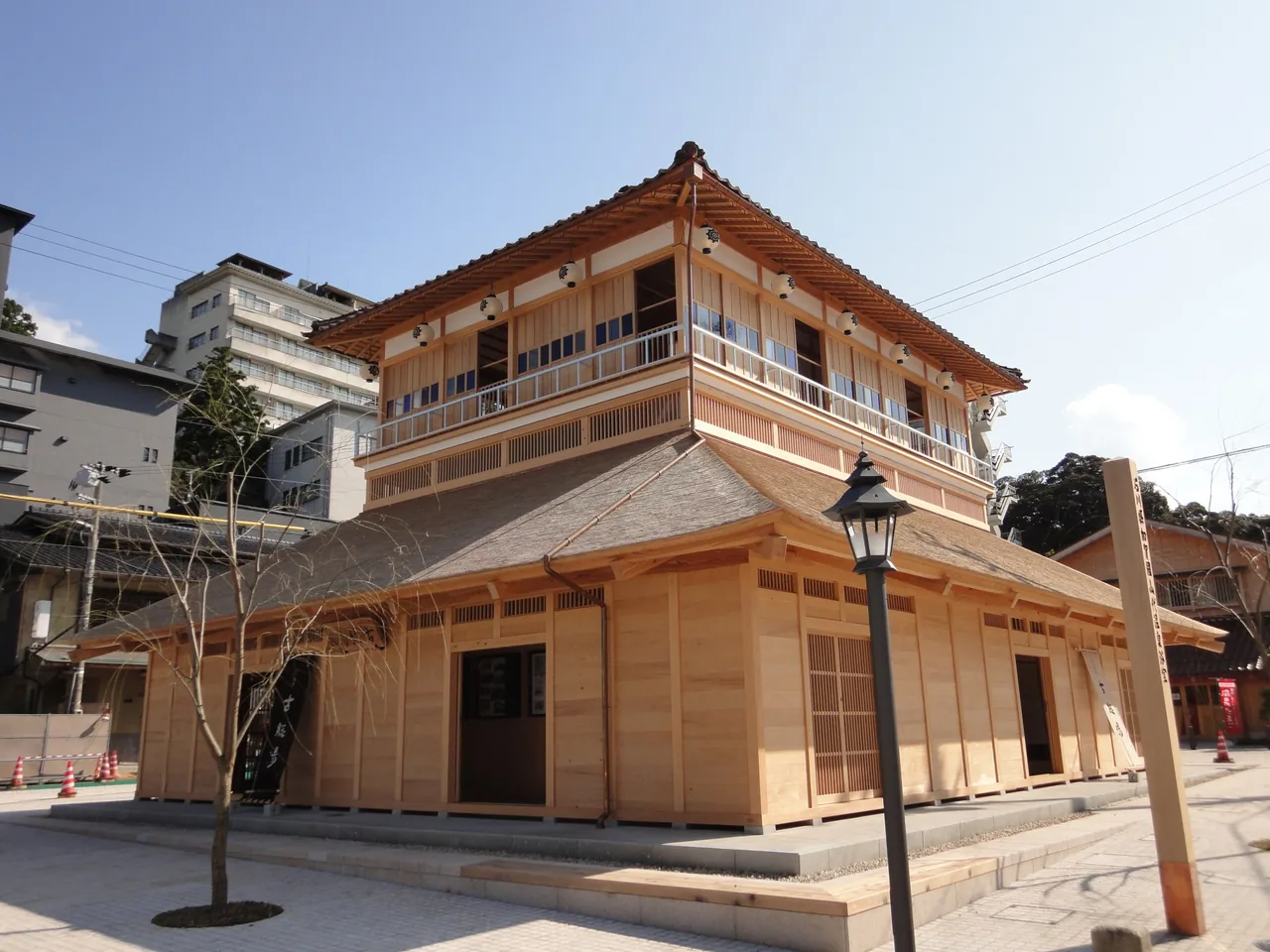
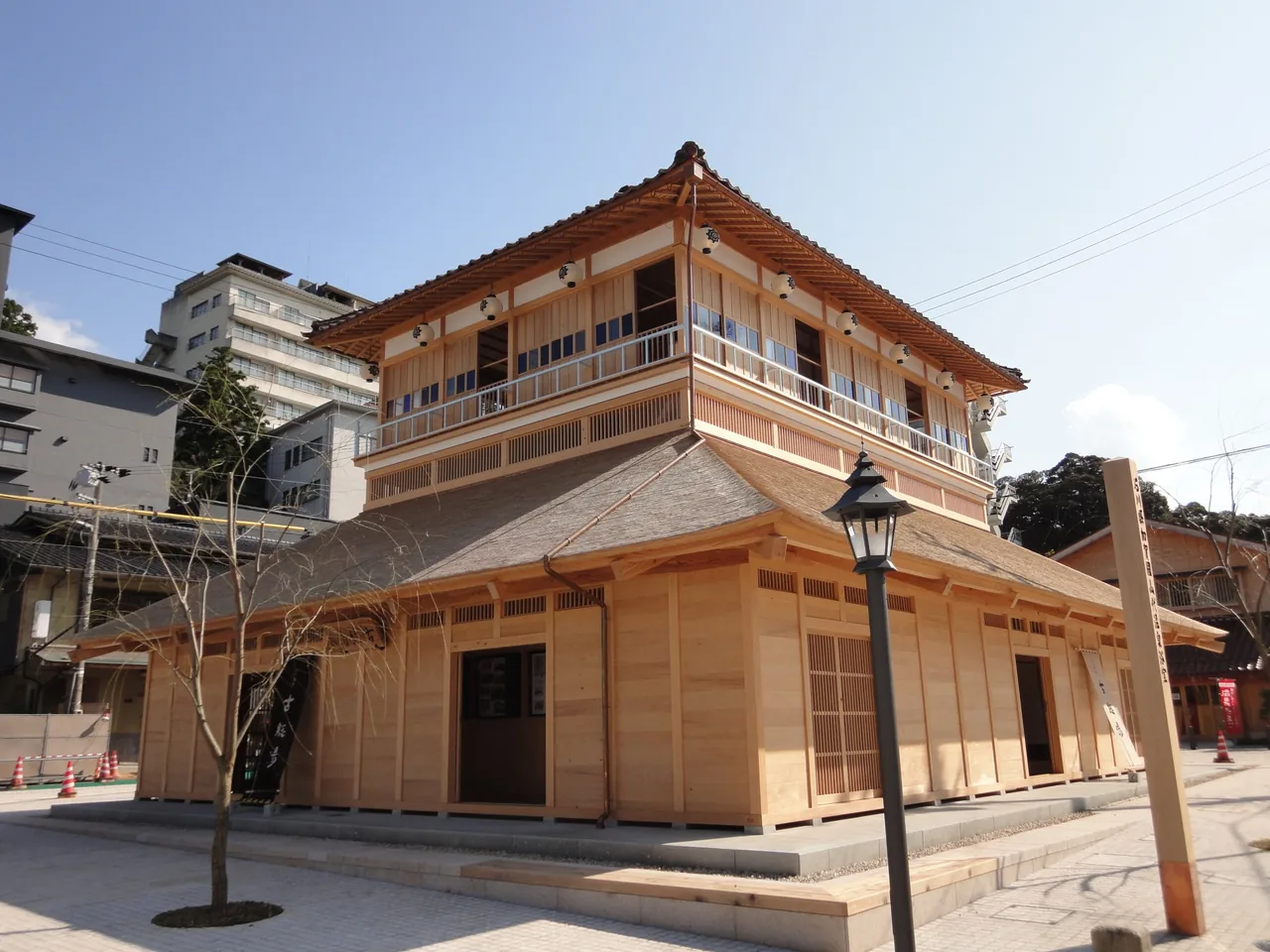
At the center stands a building of plain wood and latticework, with the streets wrapping around it. This corner, called Yunogawa, is the heart of Yamashiro Onsen. In the middle is the public bathhouse Kosoyu, and you can walk a full loop of the streets around it. Of the four Kaga Onsen hot springs, this is the one for people who want to stroll the town and use the public baths.
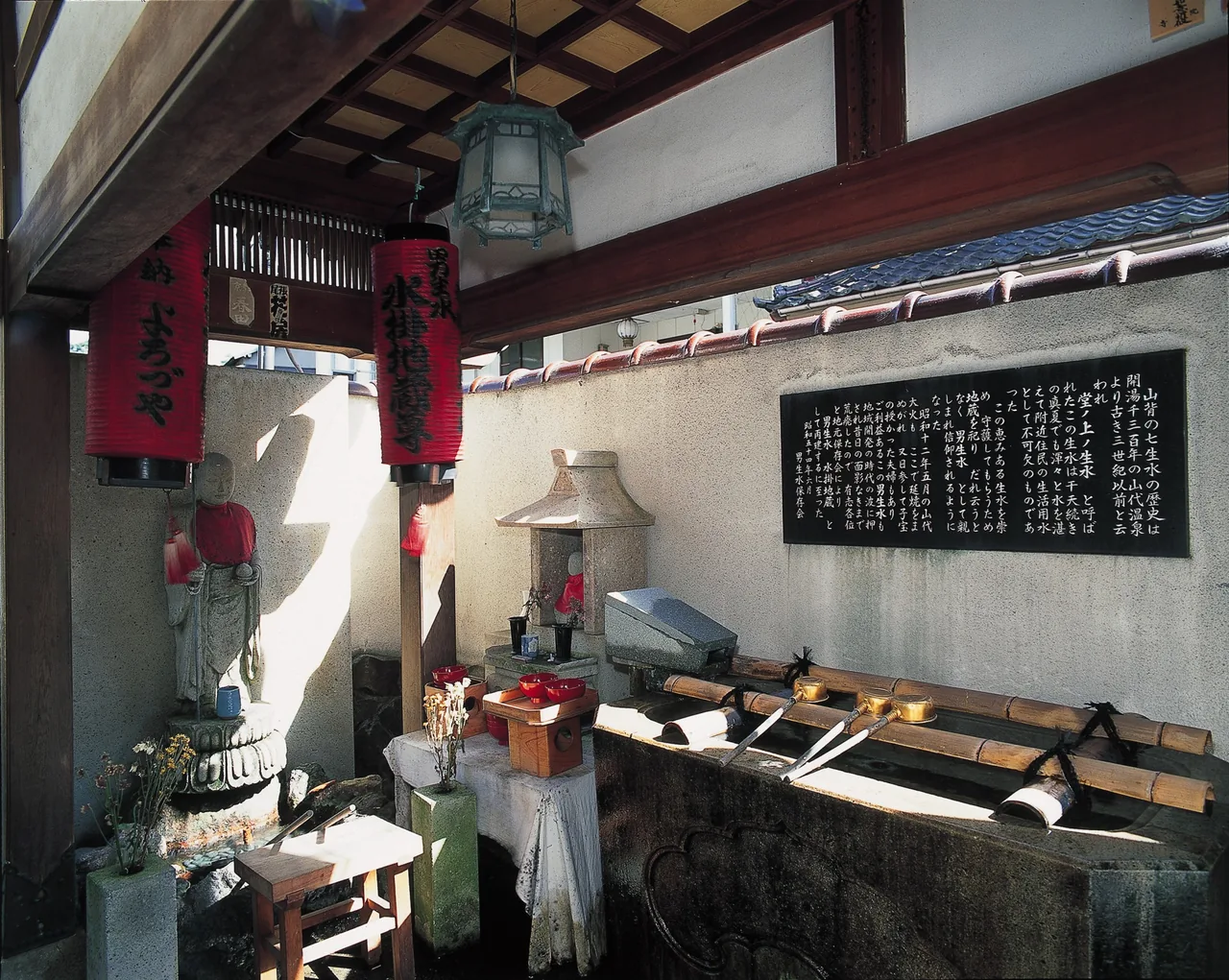
In town there is also a water spot called 女生水 (Onna-shozu), and as you walk the hot spring streets you come across places other than the baths that local people have long cherished.
Main sights
Yamashiro Onsen Kosoyu
This public bathhouse recreates the town's public bath built in 1886 and opened in 2010. The two-story building catches the eye with its plain wooden pillars and latticework, and the second floor has a veranda with a handrail. It is worth seeing from the outside even if you don't bathe. Check bathing hours and fees on the official website. For more, see Yamashiro Onsen Kosoyu.
Rosanjin's Former Residence Iroha Soan
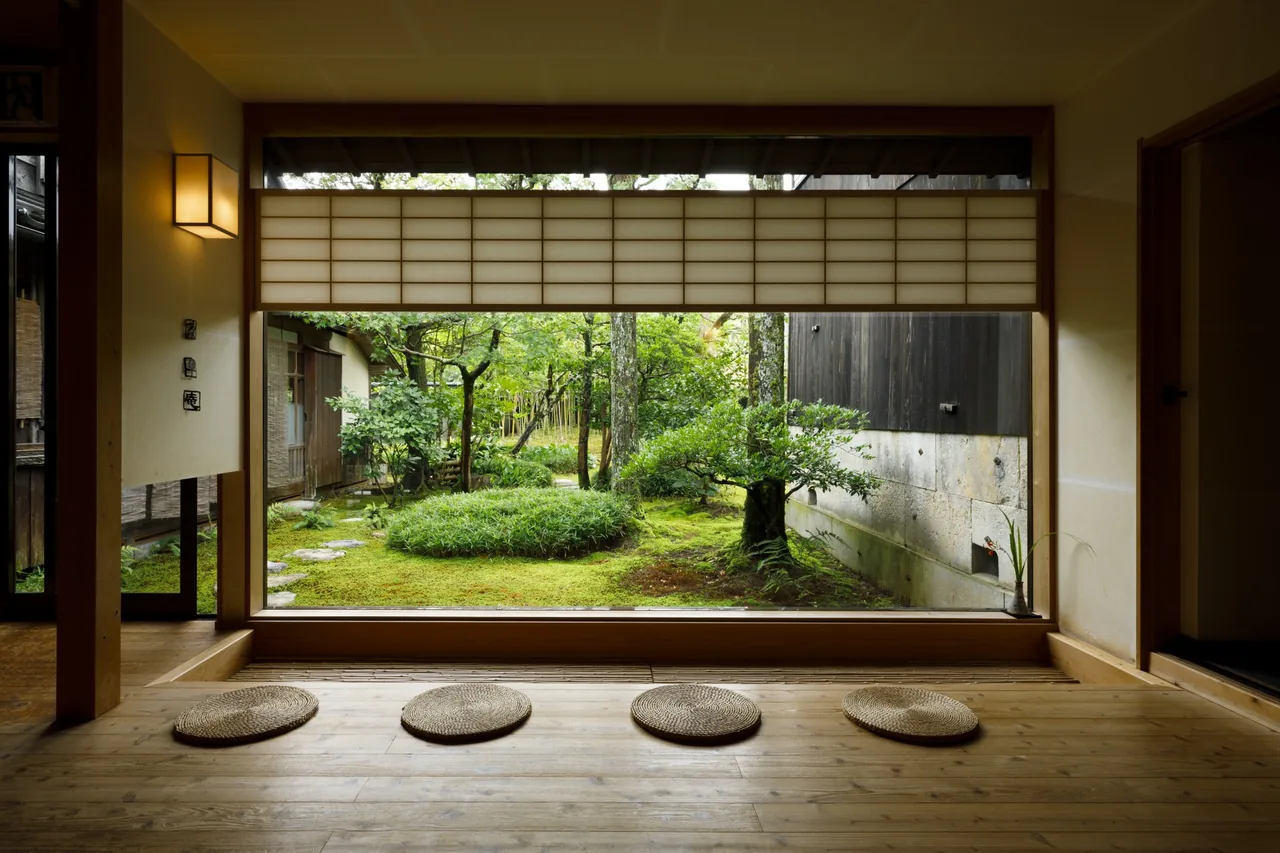
Kitaoji Rosanjin stayed at Yamashiro Onsen for about six months, from autumn 1915 to the following spring. During that time he studied pottery under Suda Seika, a Kutani ware potter. The site of his residence keeps a tatami room looking onto the garden, a room with an irori hearth and a small tea room. A visit takes about 30 minutes. For more, see Rosanjin's Former Residence Iroha Soan.
Yamashiro Daidengaku
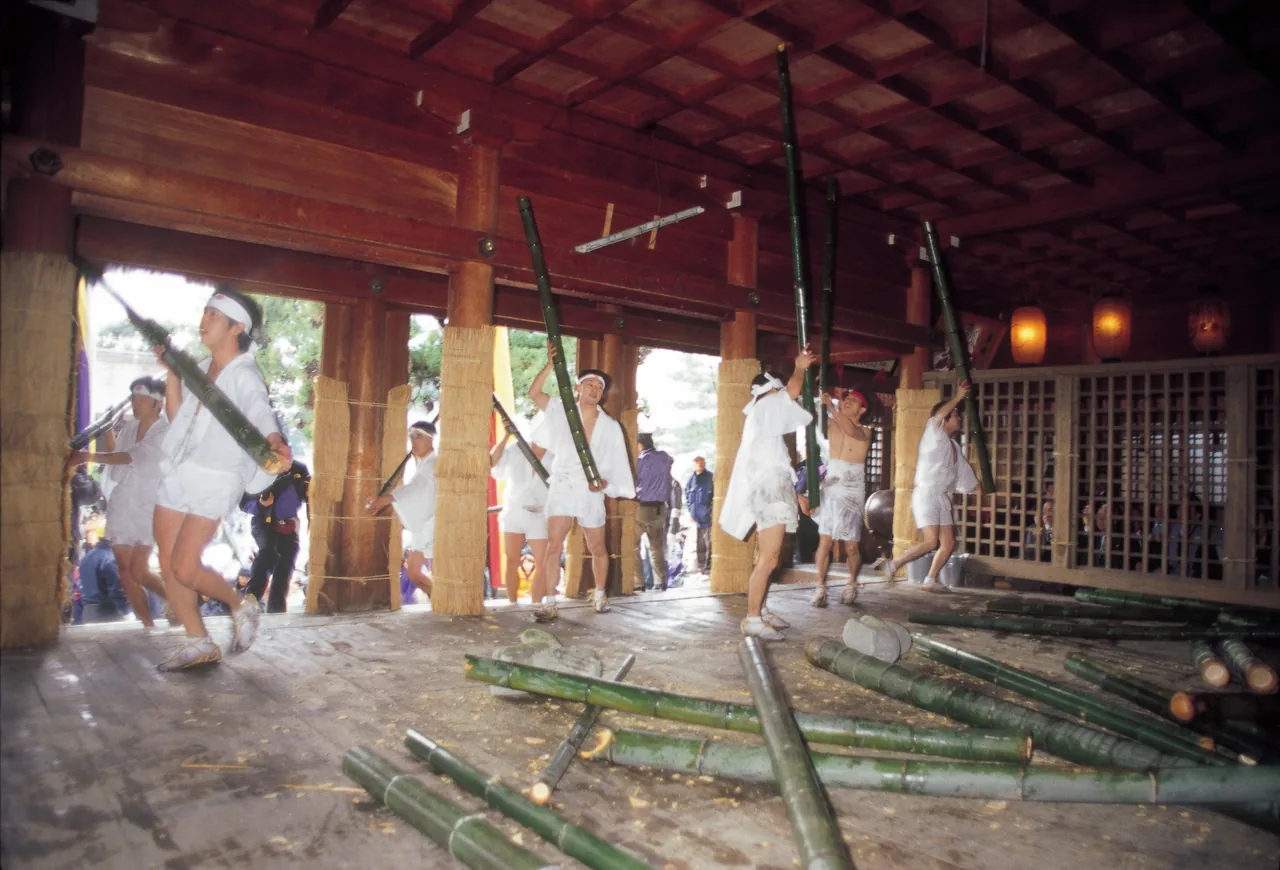
A summer festival of performing arts, usually held on a weekend around July or August. Based on dengaku, an old form of performing art, dancers in vivid costumes and drummers perform to flutes and taiko. The venue changes from year to year: in 2024 and 2025 it was a special stage in front of the 服部神社 shrine in the hot spring town, and in 2026 it was the Kaga City Cultural Hall (Kamona Hall). Check the Yamashiro Onsen Tourism Association's information for the dates and venue of the next festival. For more, see Yamashiro Daidengaku.
Getting there
- From Kaga-Onsen Station: From Kaga-Onsen Station on the Hokuriku Shinkansen, take the Yama-mawari (mountain) route of the CANBUS sightseeing loop bus to the Yamashiro Onsen stop. There is also an Iroha Soan stop for Iroha Soan.
- CANBUS no longer sells passes; you pay the fare each time you ride (as of November 2026). Check fares and timetables on the official website before you ride.
Getting around the area
Soak at Kosoyu, walk a loop of Yunogawa and visit Iroha Soan: all three fit into half a day. Visit Natadera Temple in the morning and then move on to Yamashiro Onsen, and you can see both the temple and the hot spring town in one day. For a two-day route that starts this way, see Kaga Onsen 2-Day Itinerary.
If you are interested in Kutani ware, you could combine this with the Ishikawa Kutani Ware Museum in Daishoji. For the history of Kutani ware and where to see it, see Kutani ware country; for how the four hot springs differ, see Kaga Onsen's four hot springs.